

This homemade garam masala recipe combines whole coriander, cumin, cardamom, cloves, cinnamon, bay leaves, and dried chiles into a fragrant Indian spice blend in just five minutes. Unlike toasted versions, this easy blend is ground directly from whole spices, making it especially convenient for curries, rice dishes, lentils, marinades, and vegetables.
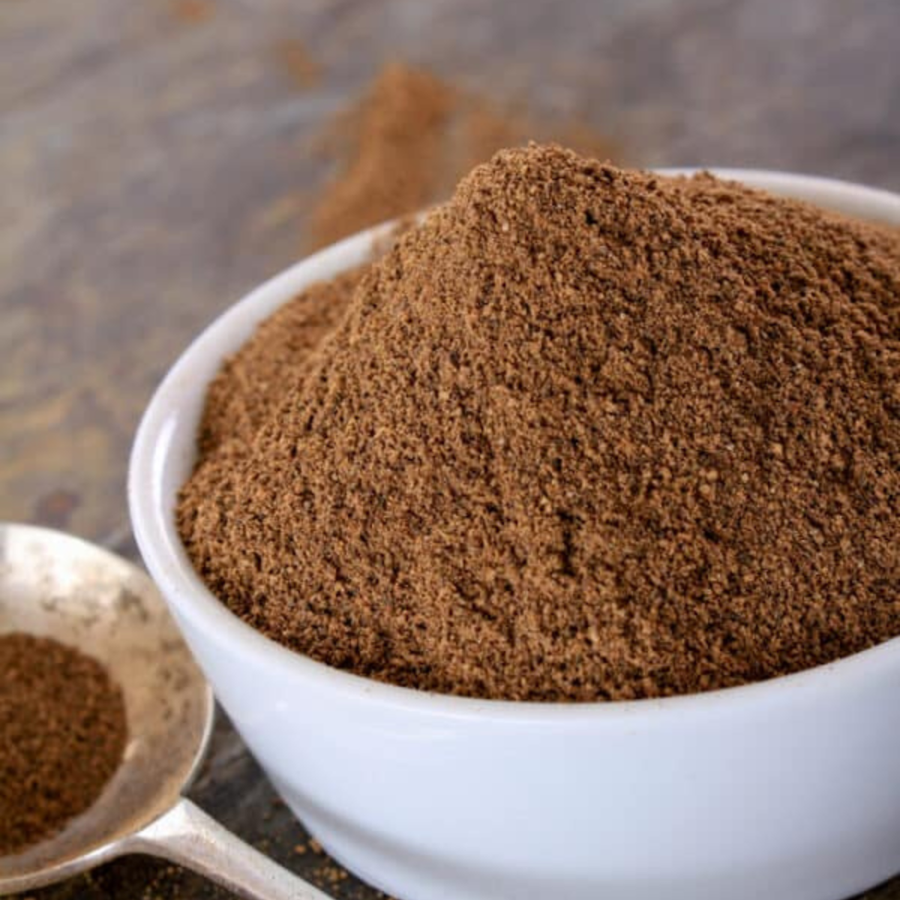
Ever wondered how to make an easy homemade Garam Masala? What is Garam Masala anyway, and is there one recipe for it? If you've been looking for a good, authentic-tasting, Indian garam masala recipe, I have just the one you need!
This is a 5-minute, super-efficient homemade Indian Garam Masala recipe.
It's so simple, your teenager can make it while you have that glass of wine you're craving.
This single thing, above all others, will elevate your Indian cooking to a whole new level.
Why You're Going To Love This Garam Masala Recipe
Besides, did you read the part where I told you it only takes 5 minutes to make your own Garam Masala??
This recipe for Homemade Garam Masala was adapted from my favorite Indian cookbook, Raghavan Iyer's 660 curries. If you're new to cooking curry, check out my guide to Indian curry types explained.
If you plan to cook any of my Indian recipes, you will notice that I use this Garam Masala as a substitute for whole spices very often.
While traditional Indian cuisine involves the use of many whole spices, most non-Indians are not used to eating around whole spices. I use this as a substitute for a lot of different spices.
I urge you to take the 5 minutes to make this Indian garam masala. Not only will it improve the flavors in your cooking, but it will also ensure your cooking tastes exactly like what I cook in my own kitchen! It's one of the first steps in my guide for Indian Cooking for Beginners.
The best places to get all the spices are either Whole Foods, Central Market, Sprouts, or other stores that have spice bins, or an Indian grocery store.
I suggest you get whole spices because not only do they keep fresh for a year, but if you get the spices for this mix, you will be able to make many of the other spice mixes that I have listed on this blog.
I am a strong proponent of grinding my own spices, so I have a whole selection of homemade spice mixes right here.
What Does Garam Masala Mean?
In Hindi, the word Garam means hot. Masala is a ubiquitous term used to refer to any sort of spice mix.
Moreover, we use spices either whole or ground, raw or toasted, and in a host of different other combinations.
If you'd like to learn more about cooking with spices, check out this video, and download these free slides that tell you more about how to use spices, especially in Indian cooking. Indian Cooking techniques really aren't that difficult or overwhelming once you use them a few times.
So let me differentiate between an Indian Masala, and Garam Masala.
This mix of onion, tomatoes, ginger, and garlic is an Onion Masala. This forms the base of a lot of Indian cooking.
In contrast, garam masala powder is a mix of spices and seeds that have been ground together. These ground spices vary by region, by family, and across households within the same regions.
Ingredients In This Garam Masala
A good garam masala recipe has a mix of sweet, hot, and savory ingredients, as in this recipe. This homemade garam masala uses a simple combination of whole spices to create a fragrant blend with warm, earthy, floral, and subtly spicy flavors.
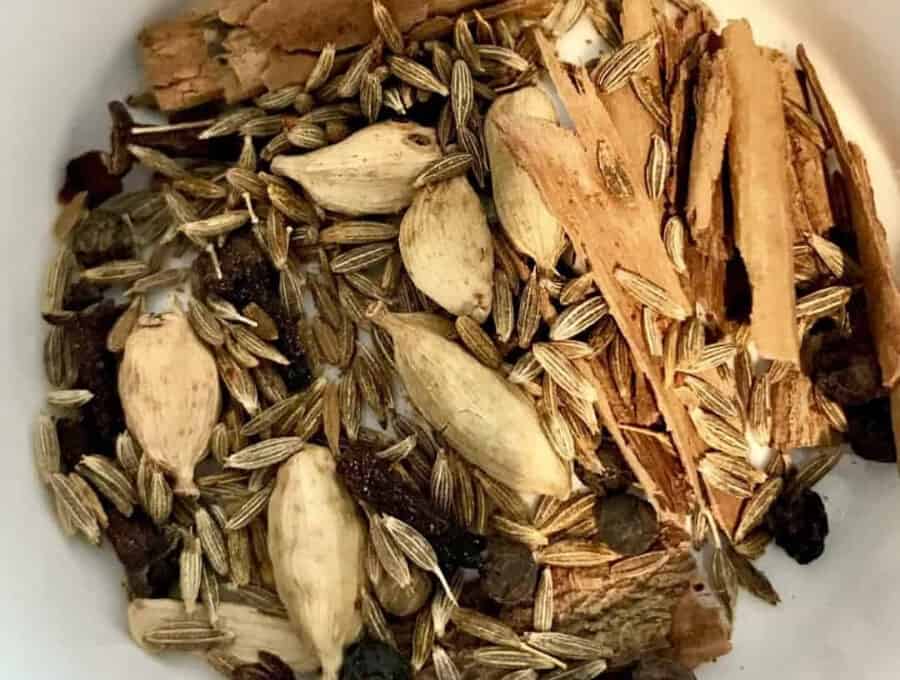
- Coriander Seeds. These provide the foundation of the spice blend, adding earthy flavor with light citrus notes.
- Cumin Seeds. Whole cumin seeds contribute warm, savory depth and a slightly nutty flavor.
- Whole Cloves. Cloves add concentrated sweetness, warmth, and pungency. A small amount goes a long way.
- Green Cardamom Seeds. Use the seeds removed from green cardamom pods, not whole pods or black cardamom. They add a floral, slightly citrusy aroma.
- Bay Leaves. Standard dried bay leaves add subtle herbal complexity. If you use Indian bay leaves, also called tej patta, expect a slightly warmer, more cinnamon-like flavor.
- Whole Dried Red Chiles. Use small whole dried red chiles approximately 2 inches long. They add gentle heat without overpowering the aromatic spices. The heat level will vary depending on the chile variety.
- Cinnamon. A 2-inch piece of cassia cinnamon stick adds warmth and mild sweetness. Cassia is the firm, strongly flavored cinnamon commonly sold in American grocery stores. Ceylon cinnamon is thinner and more delicate, so it may produce a milder blend.
Common Garam Masala Variations
There is no single universal garam masala recipe. The ingredients and proportions vary among regions, families, and individual cooks.
Other homemade garam masala blends may include black peppercorns, smoky black cardamom, nutmeg, mace, fennel seeds, star anise, or shah jeera, also known as black cumin.
These spices are common variations, but they are not required for this particular garam masala recipe.
What Does Garam Masala Taste Like?
Garam Masala is not only incredibly flavorful, but it is also quite fragrant. You'll love how you can enjoy the experience of eating it with more than just one sense. It's both warm and sweet with hints of spice. It does have a bit of heat but is not overwhelmingly hot.
If you enjoy building bold flavors from scratch, explore this guide to global spices and sauce blends for homemade seasonings, marinades, chutneys, and sauces that can add depth and variety to recipes from around the world.
Is Garam Masala Just Curry Powder?
So here's the first thing about curry powder.
Curry Powder is not an Indian spice mix.
No seriously, I kid you not! We do not have such a thing as ubiquitous curry powder in Indian Cuisine. You may be able to buy something that is labeled as such, but in everyday Indian cooking, that is not what we use.
Curry is anything that is cooked with water. Just imagine if we had a SOUP POWDER sold as a spice. That's what it's like to have curry powder.
Utterly meaningless.
Having said that, I know there are curry powders sold in many countries.
The main difference, as I see it, is that curry powder is used as a main seasoning for the food. It is less likely to contain aromatics, and it isn't used for fragrancing the food. It's used simply to flavor the food. You can learn more about this in my articles for garam masala vs curry powder and Indian Curry Types Explained.
Since a good garam masala powder often contains aromatics like cumin or black cumin, cinnamon, cardamom, nutmeg, black pepper, etc., garam masala can be used for cooking to infuse flavor, and for finishing to infuse fragrance as well.
What Is A Good Garam Masala Substitute?
I hate to break it to you, but there's not a great substitute for it. If I were you, I'd either make it with whichever of these ingredients you have, or just go buy the ingredients, make it, and never regret having bought it.
So having said that, remember what I said about the ability to use different ingredients in a garam masala recipe?
If you like cloves? Add some. If you dislike cinnamon? Reduce the amount in this one. Want to use Black Cumin instead of regular? Have at it.
The good news is that if you add something you don't love the taste of to your curry, it's not ruined! I explain exactly how in my How To Fix Indian Curry guide.
What Can I Use Garam Masala For?
Let me count the ways! Considering how many recipes with garam masala I have, you will have lots of different ways to use it up!
So many Indian dishes call for garam masala usually as a finishing touch. In my recipes, I use the ground spice mix as a substitute for using whole spices because #ruthlessefficiency!
If you love Indian Flavors, you are going to be thrilled with this garam masala spice mix. It's at the top of my list of essential Indian Spices. Need help troubleshooting one of your latest curries? Check out this "Why Is My Curry Bitter" guide!
- 75+ Indian Instant Pot recipes, many of which use garam masala
- My famous Instant Pot butter chicken, slow cooker butter chicken, or my Vegetarian Butter "Chicken"
- The best and easiest Chicken Tikka masala you've ever made
- Tandoori Chicken Bites
- Chicken Korma recipe
- My Basic Indian Curry recipe
- Plain basmati rice, with homemade ghee, salt, and a sprinkle of garam masala. Pure heaven!
- Grilled Chicken Tikka recipe or Paneer Tikka
- Sprinkled over sweet potatoes or used in these Spiced Butter Nut Squash
Why Homemade Garam Masala Is Better Than Store Bought
Technically, you can use store-bought. This is if, and only if, you found a high-quality one that used largely the same ingredients that I give you for the ground garam masala recipe below.
Let me explain to you why grinding your own is better than buying.
I want to share with you why the quality of Garam Masala you use in Indian cooking to get robust Indian flavors, especially within my recipes, matters.
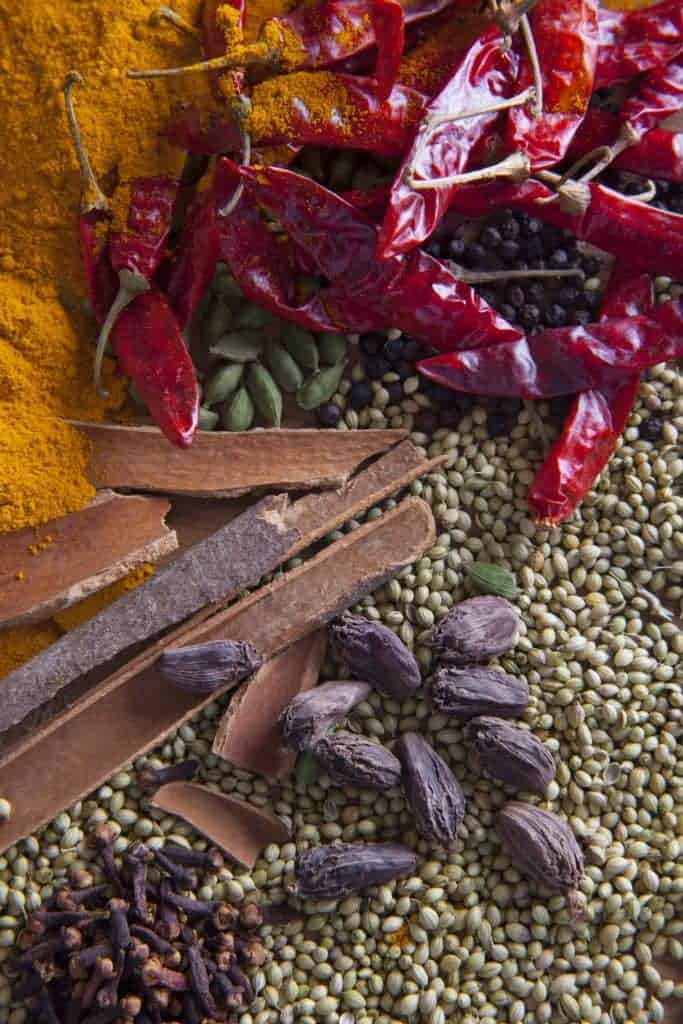
The following pic shows what I used to use for whole spices in the Instant Pot chicken biryani recipe, which I make with basmati rice, chicken, and some great whole spices.
Acknowledging that most people do not have these whole spices, I substituted garam masala. But this is essentially the blend of complex flavors you are trying to re-create with the powder.
Imagine what would happen if the store-bought masala had a preponderance of paprika instead of all of this goodness?
It's not going to taste the same.
There are two issues when you compare store-bought vs. homemade garam masala.
- What's actually in it? I have seen waaaay too many garam masala recipes whose primary ingredient is Paprika! That is not what you want. Those garam masalas look very red, they have zero flavor, and if you want to make the best Indian Butter chicken, or anything that remotely tastes like an Indian meal, be very careful about just buying any old bottle from the store.
- The other issue is shelf-life. Whole seeds hold on to fragrance and flavor for up to a year at a time. But as soon as you crack through their protective outer shell, the aromas in the spice start to dissipate. Over time, it smells like---well, like sawdust really. Don't believe me? Well, if you're not already on the #trustUrvashi train, a) get on it! and b) try it for yourself. Make some fresh garam masala. Smell one from the store, or one you've made that's a month old. And then write to me and tell me I was right 🙂 The homemade version is so aromatic. You'll want to put it on everything (well, almost)!
Do You Need to Toast Spices for Garam Masala?
You do not need to toast the spices for this garam masala recipe. This tested method intentionally uses untoasted spices to preserve their fresh, bright, and aromatic qualities. Toasting whole spices creates a deeper, nuttier flavor, but it also changes the final character of the blend.
Untoasted garam masala works especially well when it will be cooked directly into curries, sauces, and other dishes. The spices have an opportunity to bloom and develop as the dish cooks. I even have a tutorial in my guide for how to bloom and temper Indian spices. Toasted garam masala, by comparison, may provide a more pronounced roasted flavor when used as a finishing spice.
For the most consistent results, follow this recipe as tested and do not add an extra toasting step. The use of untoasted spices is intentional and produces a fragrant, versatile garam masala designed to develop its flavor during cooking.
How Do You Make Garam Masala From Scratch?
- Break the cinnamon and bay leaves into pieces small enough for the grinder.
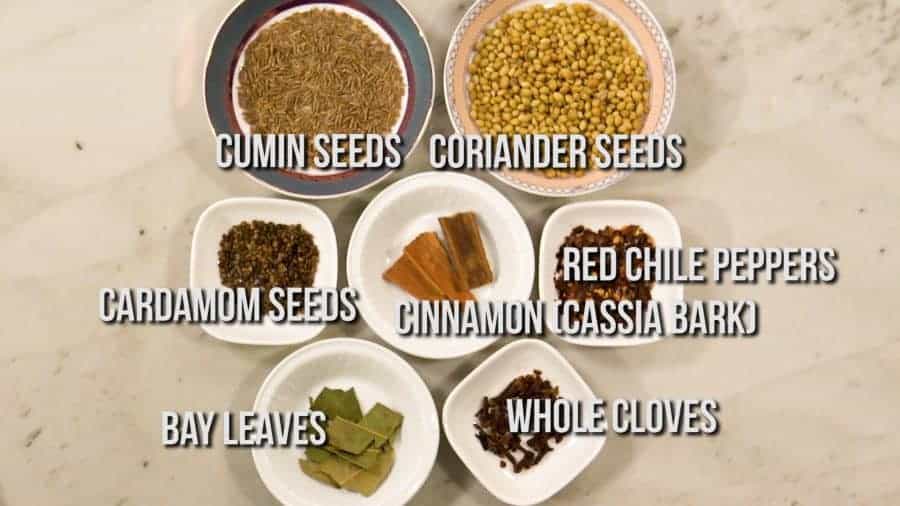
2. Place the whole spices in a clean, completely dry spice or coffee grinder. I like to keep a separate grinder just to use for my spice blends to keep the flavors from transferring. Pulse several times, shaking the grinder between pulses so the spices grind evenly. Continue until the mixture reaches a fine powder.
Listen carefully. When the sound changes from a popcorn popping-like sound to a slightly smoother, grittier sound, your garam masala is done.
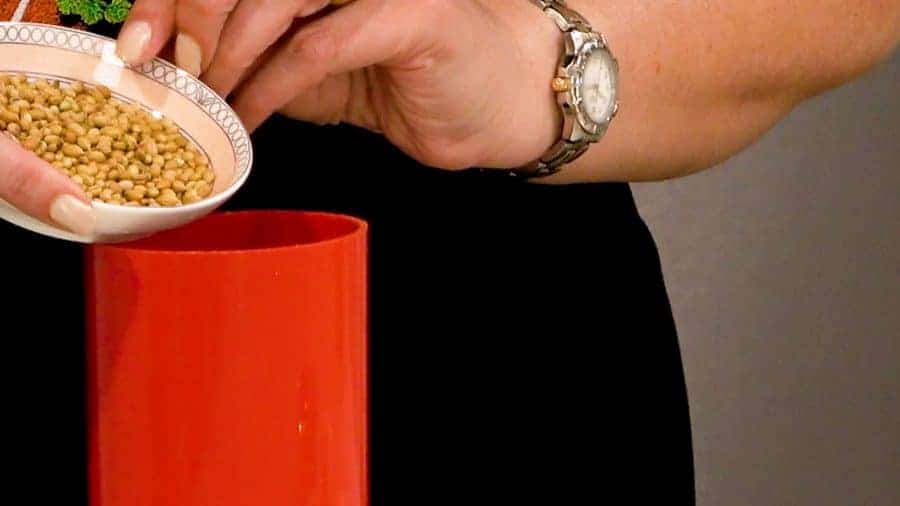
3. Unplug the coffee grinder. Turn it upside down and thump the bottom of it to get all the spice blend into the lid.
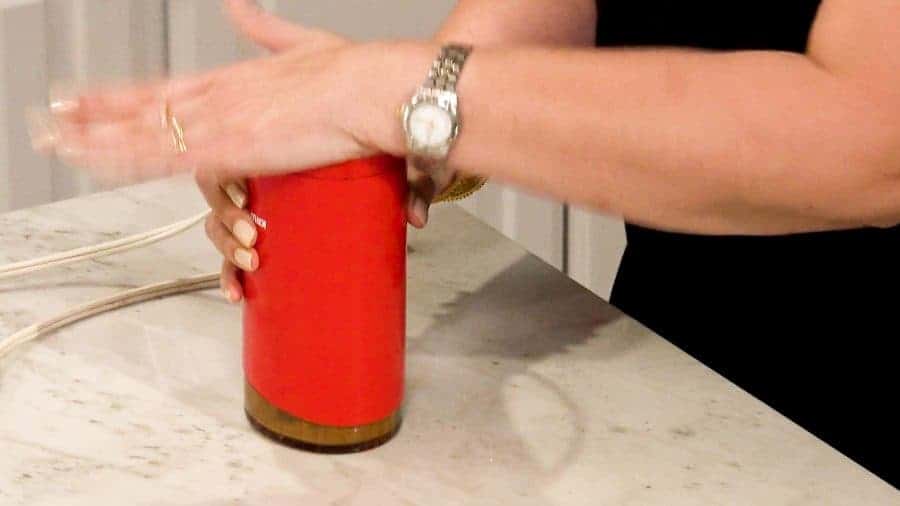
4. Allow the spice dust to settle before opening the lid.
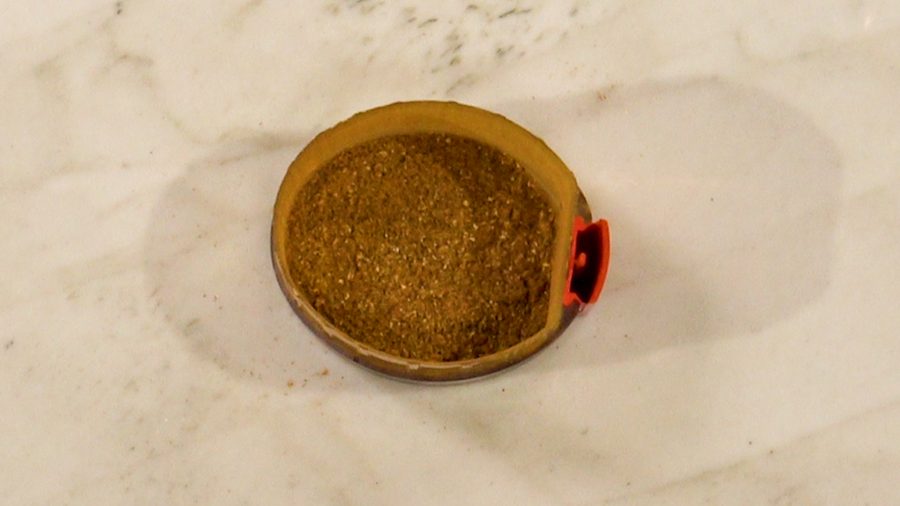
5.Transfer the garam masala to an airtight jar and label it with the date.
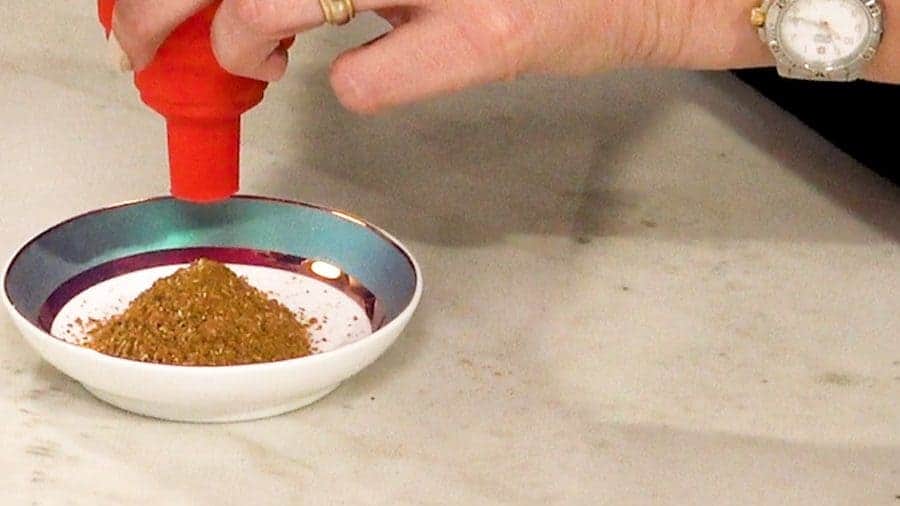
Watch The Garam Masala Video
If you'd like to watch a video to see how simple this is, check out this video on how to make your own garam masala.
Frequently Asked Questions
Is Garam Masala Spicy?
Garam masala is usually warming and aromatic rather than intensely hot. This recipe contains dried red chiles, so its heat will depend on the chile variety and quantity used.
Can I Make Garam Masala With Ground Spices?
Yes, but whole spices generally retain their aroma longer.
Can I Make Garam Masala Without A Spice Grinder?
A high-powered blender or mortar and pestle may work, although the texture may be coarser. Small quantities can be difficult to process in a full-size blender.
Can I Leave Out The Dried Chile?
Removing it reduces the heat without eliminating the blend's warming flavor.
Want To Make More Homemade Spice Blends?
- Egyptian Dukkah
- Lebanese 7 Spice
- Cajun Spice Mix
- Sambhar Masala
- Kafta Kabab Spice Mix
- Ras Al Hanout Spice
- Shawarma Spice Mix
- Dry Sesame Garlic Chutney
- Ethiopian Berbere
- Maharash Trian Goda Masala
- Garam Masala
- Punjabi Garam Masala
- Apple Pie Spice
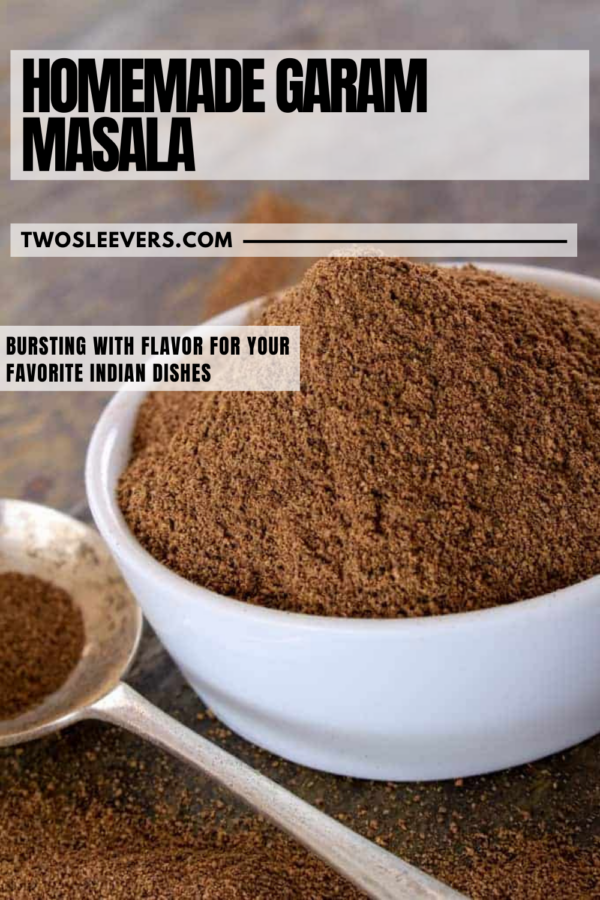
Pin It!
If you love the fresh, aromatic flavor of homemade Garam Masala as much as I do, make sure you share this recipe with your friends on Facebook and Pinterest so they can make their own too.
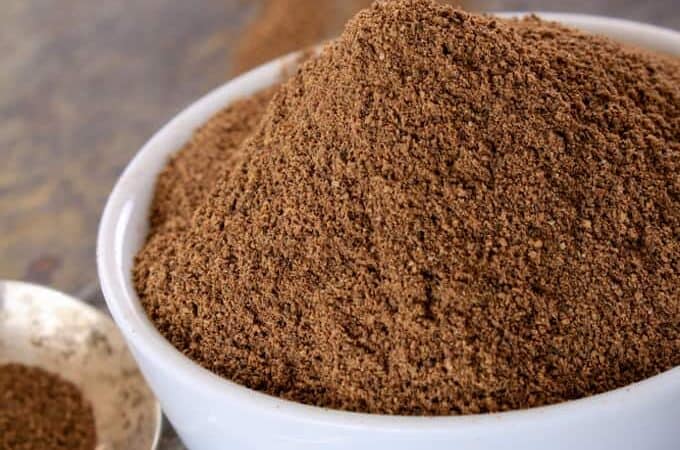
Equipment
Ingredients
- 2 tablespoons (2 tablespoons) Coriander Seeds
- 1 teaspoon (1 teaspoon) cumin seeds
- 1/2 teaspoon (0.5 teaspoon) Whole Cloves
- 1/2 teaspoon (0.5 teaspoon) Cardamom Seeds
- 2 (2) Bay Leaves
- 3 (3) Dried Red Chilis, (the kind you put on pizza)
- 2 inch (2 inch) Cinnamon
Instructions
- Put all ingredients into a clean coffee grinder and grind until it's a coarse-fine powder.
- Shake it about as its being ground so all the seeds and bits get under the blades.
- When you're finished, unplug the grinder, and turn it upside down.
- You want all the spice to collect into the lid so you can easily scoop it out without cutting yourself with the blades.
- Finished! Use it in your favorite Indian-inspired recipes!
Watch The Video
Get support & connect with our community on Facebook!
Nutrition
Don't forget to check out my other Best-selling Instant Pot Cookbooks!
Indian Instant Pot, Keto Instant Pot, Instant Pot Fast and Easy, Healthy Instant Pot & Vegetarian Instant Pot.



concrete demolition
Get a top concrete stairs that's now available and with reasonably pricing now only!