
If your soup is thinner than you expected, you do not have to reach for flour or cornstarch. Learn how to thicken soup naturally with vegetables, beans, dairy, coconut milk, eggs, cheese, reduction, and other gluten-free or low-carb ingredients.
Why You'll Love These Soup-Thickening Methods
- Versatile. Choose from dairy-free, gluten-free, vegetarian, and low-carb options.
- Practical. Use ingredients you may already have in your refrigerator or pantry.
- Customizable. Select a thickener that complements the flavor of your soup.
- Easy. Many methods require nothing more than simmering or blending.
- Helpful. Fix thin soup without changing it into a completely different dish.
If you need inspiration for your next cozy meal, browse these Instant Pot soups and stews or explore the complete collection of low-carb soup recipes.
How Can I Thicken Soup Without Flour Or Cornstarch?
You can thicken soup without flour or cornstarch by simmering it uncovered, blending part of the soup, puréeing cooked vegetables, adding beans or lentils, stirring in dairy or coconut milk, incorporating cheese, tempering in egg yolks, or using a small amount of xanthan gum.
The best option depends on:
- The type of soup
- Whether it contains meat or vegetables
- The flavor you want
- Your dietary needs
- How much additional cooking time you have
- Whether you want a creamy or chunky texture
For example, blended cauliflower works well in a low-carb vegetable soup, while puréed beans are a better match for chili, lentil soup, or a hearty chicken soup.
What Is The Best Way To Thicken Soup Naturally?
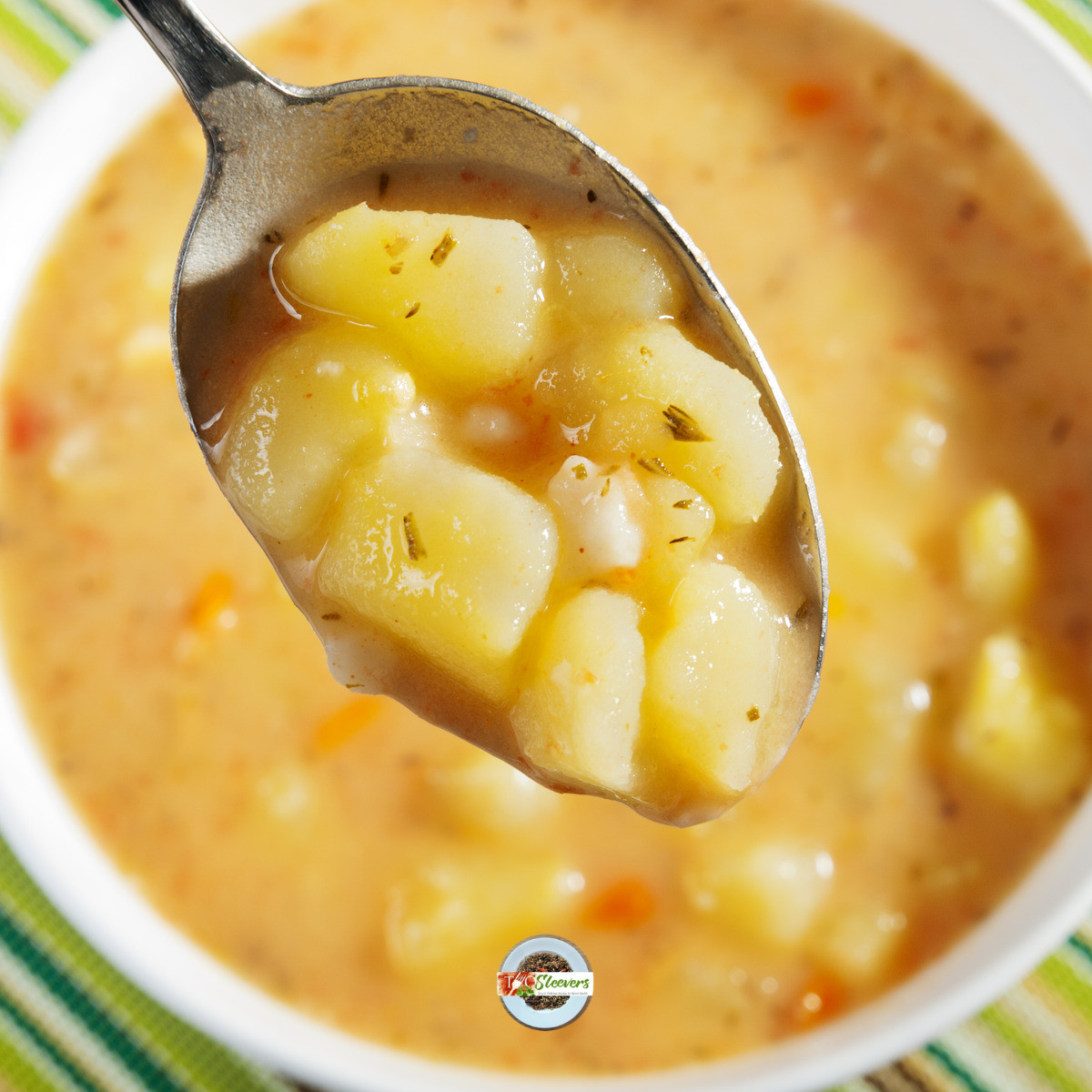
Blending part of the soup is usually the easiest natural thickening method because it uses ingredients that are already in the pot.
Remove 1 to 2 cups of soup, purée it in a blender, and stir it back into the pot. You can also use an immersion blender directly in the pot.
This method works especially well for soups containing:
- Potatoes
- Sweet potatoes
- Winter squash
- Cauliflower
- Broccoli
- Carrots
- Beans
- Lentils
- Peas
- Cooked rice
- Tomatoes
Start by blending a small amount. You can always blend more, but you cannot easily restore the original chunky texture.
1. Simmer The Soup Uncovered
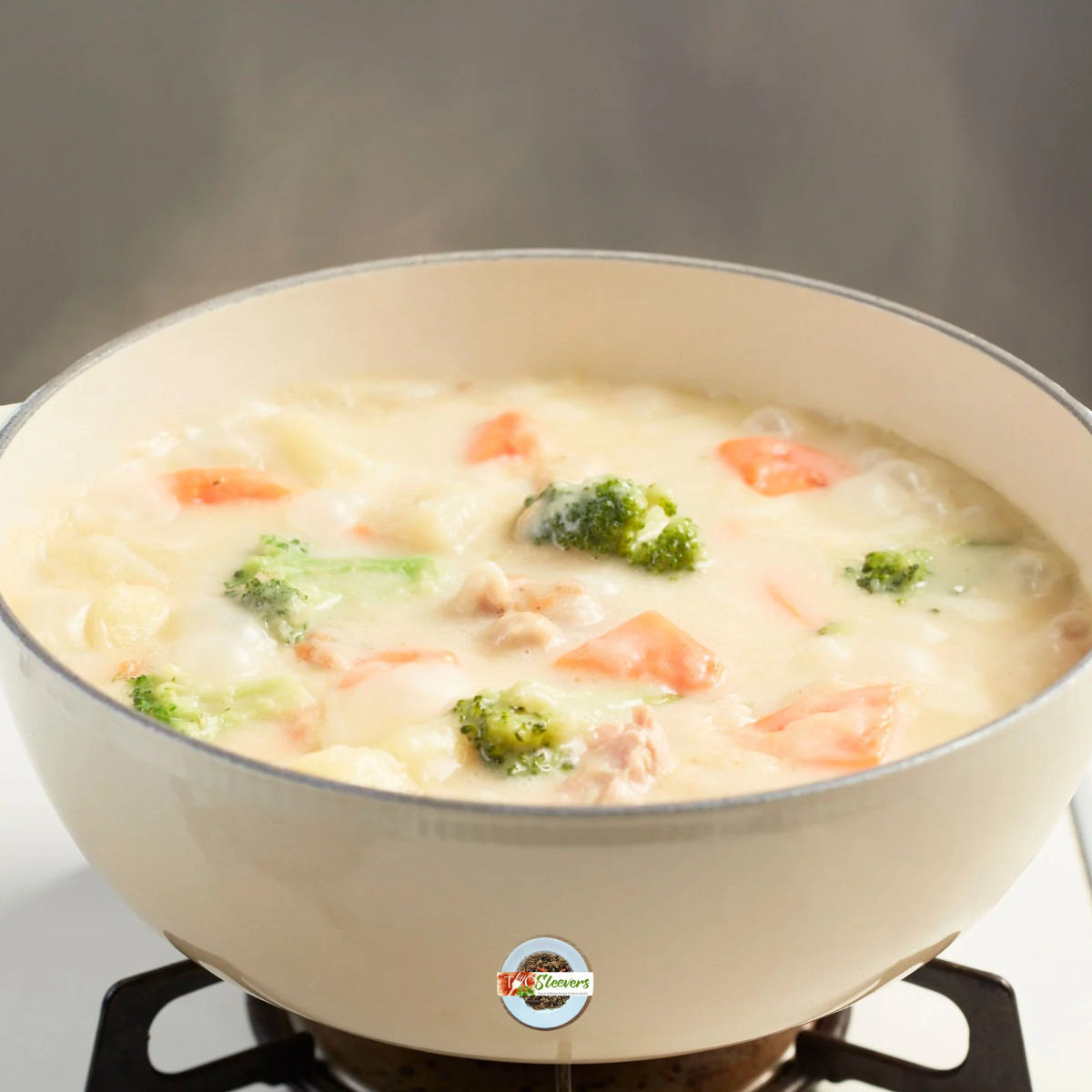
Reduction is the simplest way to thicken soup without adding another ingredient.
Remove the lid and simmer the soup gently so excess water can evaporate. Stir occasionally to prevent ingredients from sticking to the bottom.
This method is best for:
- Broth-based soup
- Chili
- Stew
- Tomato soup
- Bean soup
- Lentil soup
- Curry soup
Reduction concentrates flavor as well as texture. Taste the soup before adding more salt because the existing seasoning will become stronger as the liquid evaporates.
How Long Does It Take To Reduce Soup?
The time depends on the amount of soup, the width of the pot, and the desired consistency. Begin with 10 to 15 minutes of gentle, uncovered simmering.
A wide pot allows liquid to evaporate faster than a narrow, deep pot.
Avoid boiling aggressively. A hard boil can make meat tough, break delicate vegetables apart, or cause dairy-based soup to separate.
2. Blend Part Of The Soup

An immersion blender makes it easy to thicken soup without transferring hot liquid. Pulse it several times until the broth reaches your preferred consistency.
If you want to keep some texture, avoid blending the entire pot.
This technique works beautifully in:
- Vegetable soup
- Potato soup
- Bean soup
- Lentil soup
- Broccoli soup
- Cauliflower soup
- Squash soup
- Chili
The Keto White Chicken Chili uses an immersion blender to purée some of the vegetables before the chicken is returned to the pot, creating a creamier soup without relying on a traditional flour roux.
How To Blend Hot Soup Safely
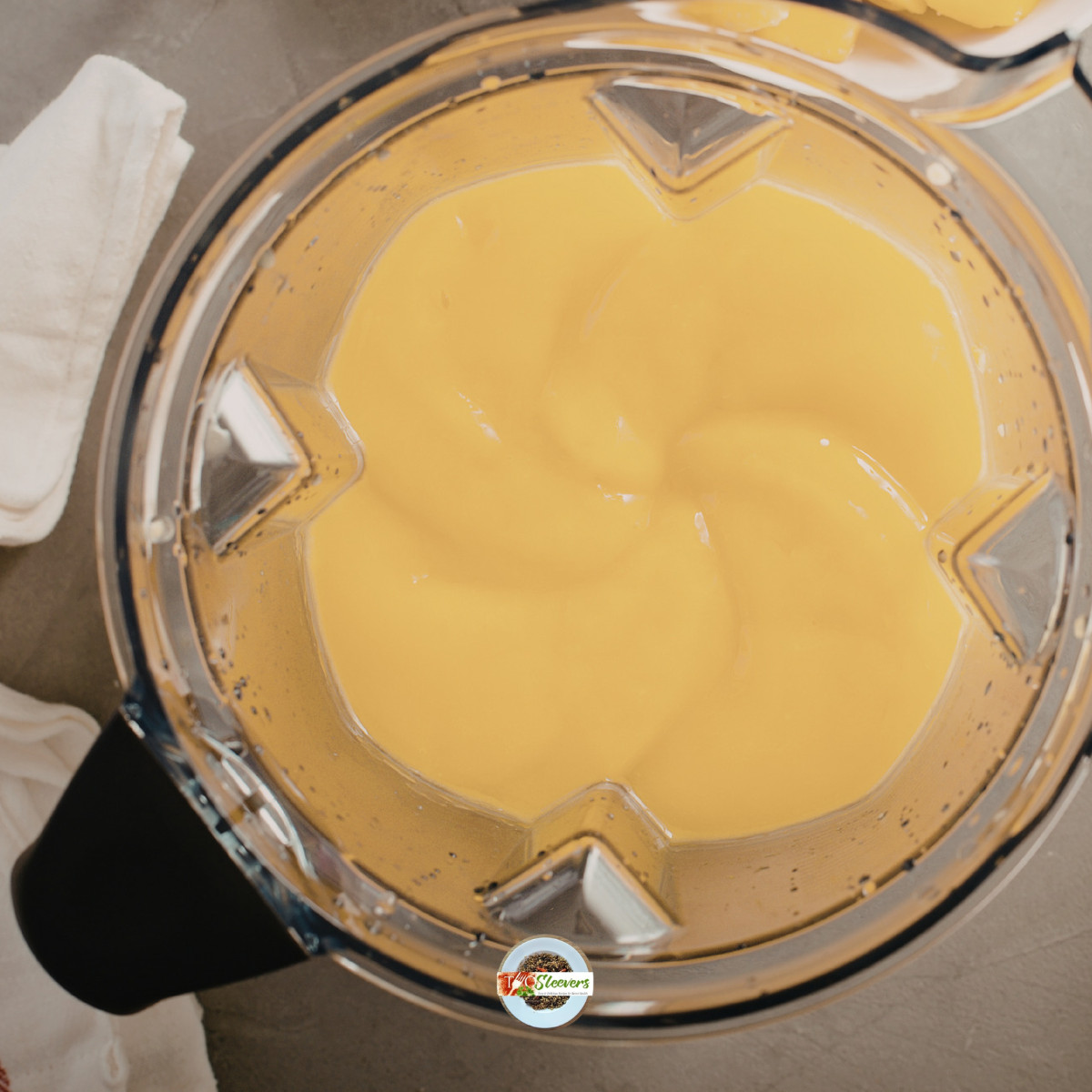
If you use a countertop blender:
- Let the soup cool slightly.
- Work in small batches.
- Do not fill the blender more than halfway.
- Remove or loosen the center cap in the lid so steam can escape.
- Cover the opening with a folded kitchen towel.
- Begin blending on low speed.
- Return the purée to the pot and stir.
Never seal a full blender container of very hot soup. Steam can build pressure and force the lid open.
3. Purée Cooked Vegetables
Cooked vegetables can thicken soup while adding flavor, nutrients, and body.
Good vegetables for thickening soup include:
- Cauliflower
- Broccoli
- Potatoes
- Sweet potatoes
- Butternut squash
- Pumpkin
- Carrots
- Parsnips
- Turnips
- Celery root
- Zucchini
Add cooked vegetables to a blender with a small amount of broth. Blend until smooth, then stir the purée into the soup.
Best Low-Carb Vegetables For Thickening Soup
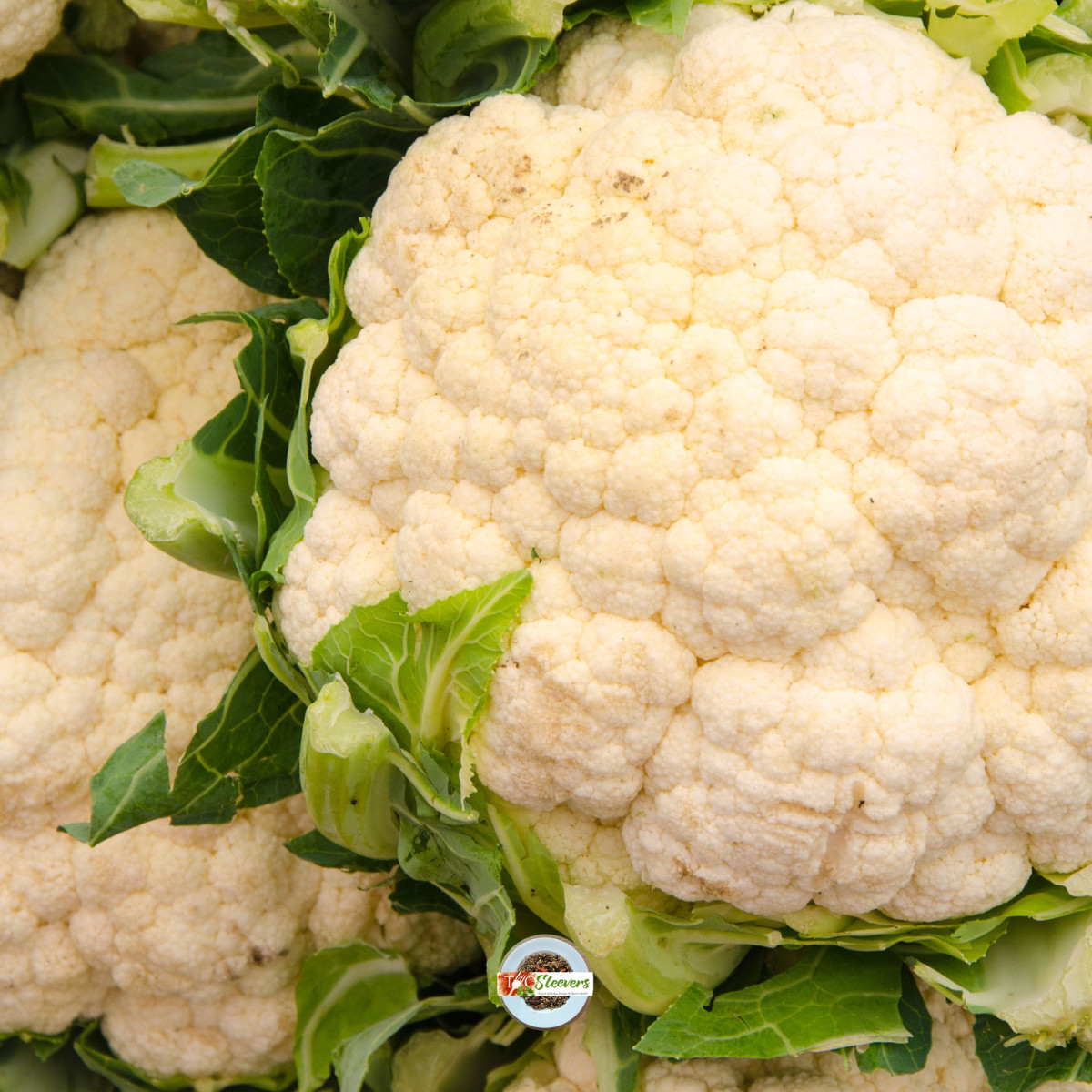
For a lower-carbohydrate soup, use:
- Cauliflower
- Broccoli
- Zucchini
- Turnips
- Mushrooms
- Eggplant
Cauliflower is one of the most neutral choices. It becomes creamy when puréed and works well with chicken, cheese, garlic, herbs, and other vegetables.
Adding more broccoli or cauliflower is also an easy way to give Keto Broccoli Cheese Soup a thicker consistency.
Best Vegetables For Creamy Soup
Potatoes, sweet potatoes, pumpkin, carrots, and winter squash create an especially smooth and velvety texture.
These ingredients work well in recipes such as:
- Pumpkin soup
- Butternut squash soup
- Sweet potato soup
- Carrot soup
- Potato soup
- Corn chowder
This creamy Butternut Squash Soup combines cooked squash with coconut milk for a thick, smooth dairy-free soup.
4. Add Mashed Potatoes

Mashed potatoes are an easy way to thicken soup without flour or cornstarch.
Stir in a few spoonfuls at a time until the soup reaches your desired consistency. Plain leftover mashed potatoes work best because heavily seasoned potatoes may alter the flavor.
You can also use instant potato flakes in a pinch. Add them gradually because they thicken quickly.
Mashed potatoes work well in:
- Chicken soup
- Vegetable soup
- Ham soup
- Chowder
- Sausage soup
- Beef stew
This method is naturally gluten-free when all of the ingredients in the mashed potatoes are certified gluten-free.
It is not the best choice for a low-carb or keto soup.
5. Use Beans
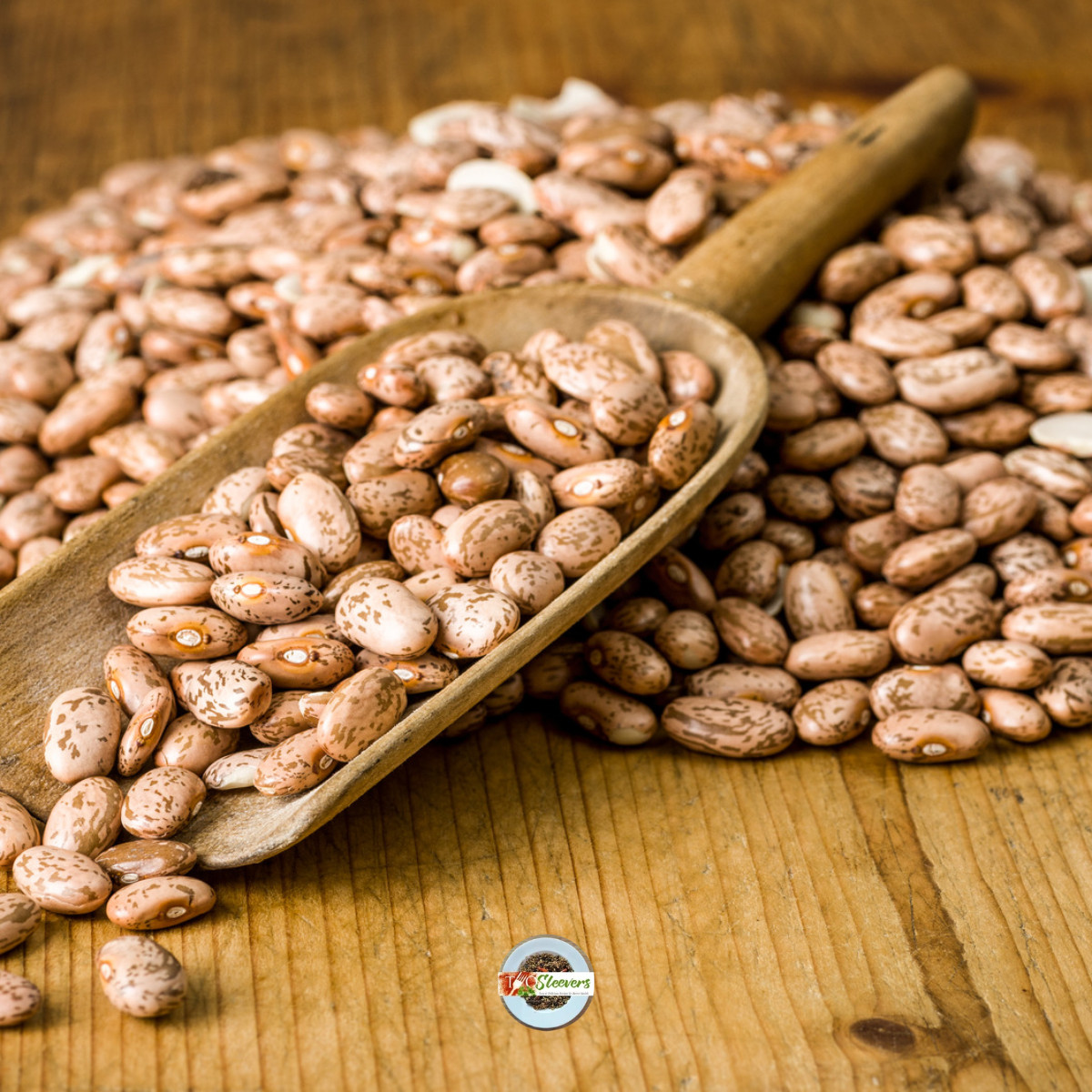
Beans release starch and become creamy when mashed or blended. They can thicken soup while adding fiber and protein.
Try:
- Cannellini beans
- Navy beans
- Chickpeas
- Black beans
- Pinto beans
- Kidney beans
- Great Northern beans
Remove approximately ½ to 1 cup of beans from the soup, mash or purée them with a little broth, and stir them back into the pot.
For a soup that does not already contain beans, blend drained canned white beans with broth before adding them.
White beans have a mild flavor and work particularly well in:
- Chicken soup
- Vegetable soup
- Tuscan soup
- Tomato soup
- Sausage soup
- Ham soup
Beans contain carbohydrates, so they may not fit every low-carb eating plan. Browse these bean and lentil recipes for dishes developed around their texture and cooking requirements.
6. Add Lentils
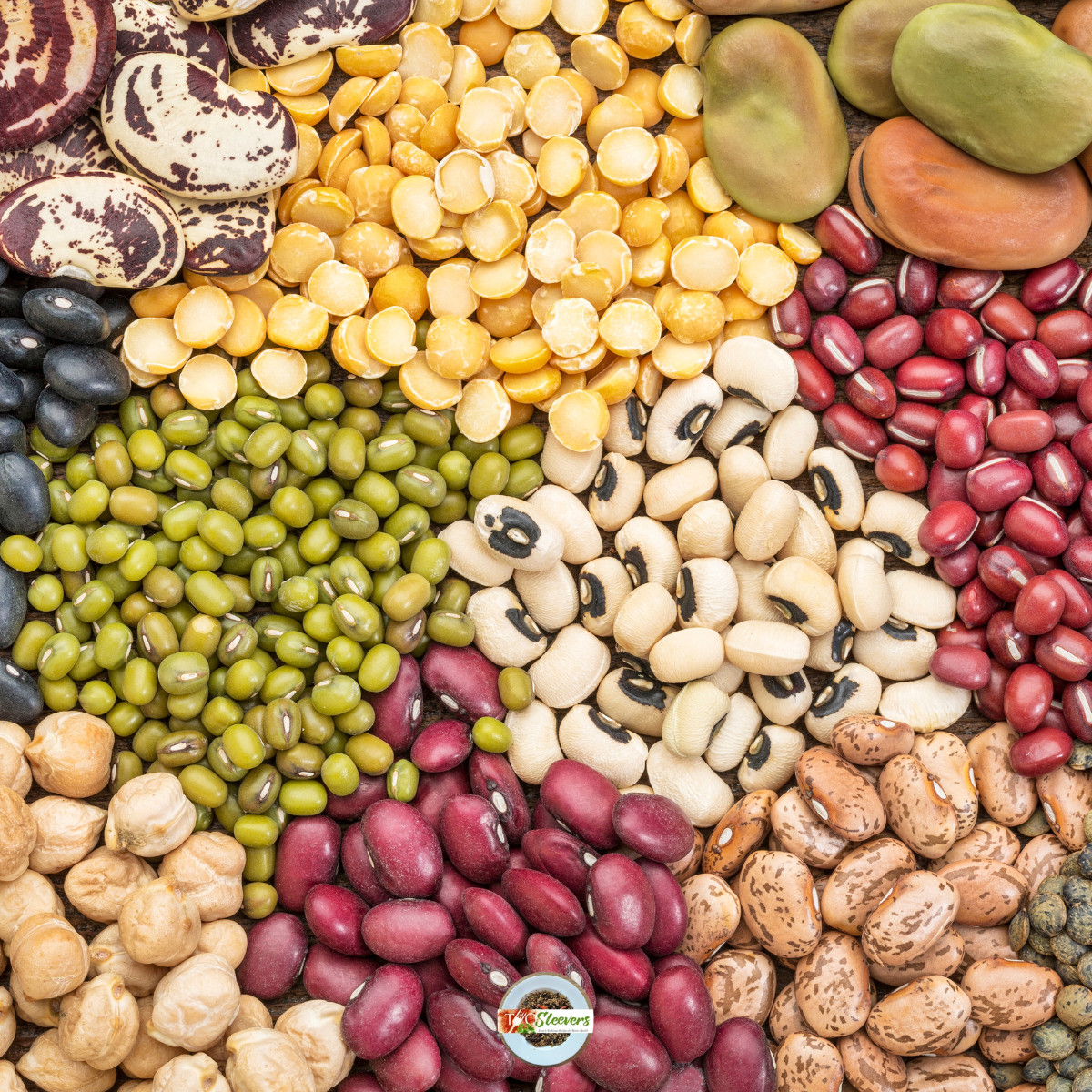
Red lentils and split lentils naturally break down as they cook. This makes them one of the easiest ways to thicken soup without flour.
Red lentils are especially useful because they soften quickly and blend into the broth. Brown and green lentils tend to hold their shape longer.
Lentils complement:
- Tomato soup
- Vegetable soup
- Curry soup
- Chicken soup
- Carrot soup
- Pumpkin soup
- Spiced soups
This Red Lentil Soup becomes naturally creamy as the lentils cook, while Moong Dal Soup can be blended for a smooth, substantial texture.
If you are not sure which lentil to use, this guide to Indian dal types explains how different lentils and pulses behave when cooked.
7. Add Heavy Cream
Heavy cream gives soup a richer mouthfeel and can make a thin broth seem thicker. It works best when the soup is already slightly reduced or contains blended vegetables.
Add cream near the end of cooking and keep the heat gentle. Avoid a vigorous boil after adding it because high heat can cause dairy to separate.
Heavy cream works well in:
- Cream of mushroom soup
- Broccoli cheese soup
- Tomato soup
- Chicken soup
- Chowder
- Taco soup
- Sausage soup
- Seafood bisque
Try this Keto Cream of Mushroom Soup when you want a creamy, low-carb soup without a flour-based roux.
Does Cream Actually Thicken Soup?
Cream adds body and richness, but it does not always make a watery soup significantly thicker on its own.
For a more noticeable change, reduce the soup first, blend some of the vegetables, or combine cream with cheese.
8. Add Cream Cheese
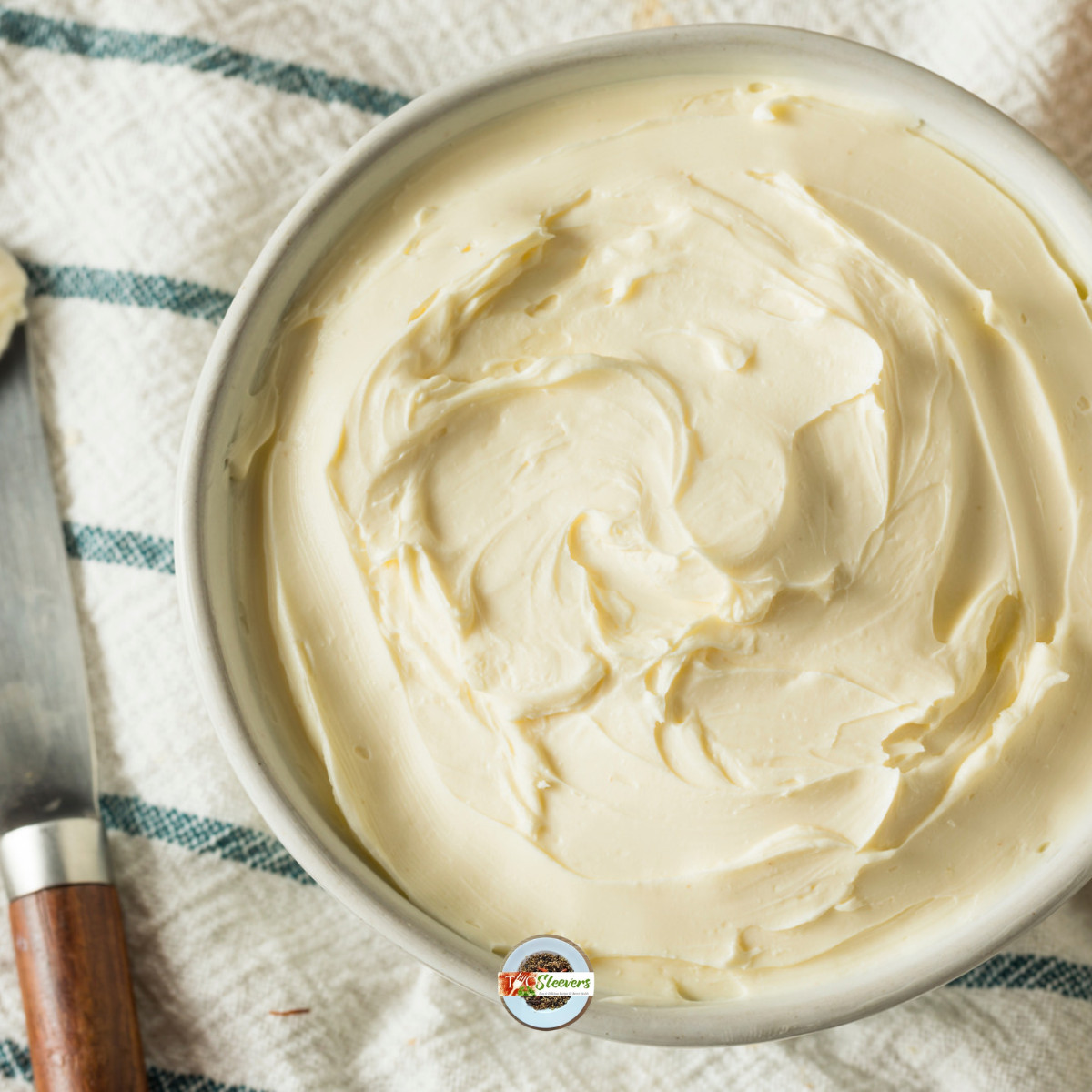
Cream cheese thickens soup while adding richness and a subtle tang.
Cut softened cream cheese into small cubes and whisk it into hot soup over low heat. For an extra-smooth result, blend the cream cheese with a cup of warm broth before adding it to the pot.
Cream cheese works particularly well in:
- Taco soup
- White chicken chili
- Broccoli soup
- Cheeseburger soup
- Buffalo chicken soup
- Creamy vegetable soup
This Keto Taco Soup uses cheese and heavy cream to create its rich, creamy consistency.
Do not add a cold block of cream cheese directly to boiling soup. It may remain lumpy or separate.
9. Stir In Shredded Cheese
Cheese can thicken soup while adding flavor, but it needs to be added carefully.
Remove the pot from direct high heat or reduce it to very low. Add freshly shredded cheese a small handful at a time, stirring until melted before adding more.
Good choices include:
- Cheddar
- Parmesan
- Monterey Jack
- Gruyère
- Cream cheese
Avoid pre-shredded cheese when possible. Anti-caking ingredients can prevent it from melting smoothly.
Cheese is best for:
- Broccoli cheese soup
- Cauliflower soup
- Cheeseburger soup
- Creamy chicken soup
- French onion soup
- Tomato soup
Why Did My Cheese Clump In The Soup?
Cheese may clump or become grainy when:
- The soup is boiling.
- Too much cheese is added at once.
- Pre-shredded cheese is used.
- The cheese is very cold.
- The soup is highly acidic.
- A low-fat cheese does not melt smoothly.
Use low heat and add the cheese gradually.
10. Use Full-Fat Coconut Milk
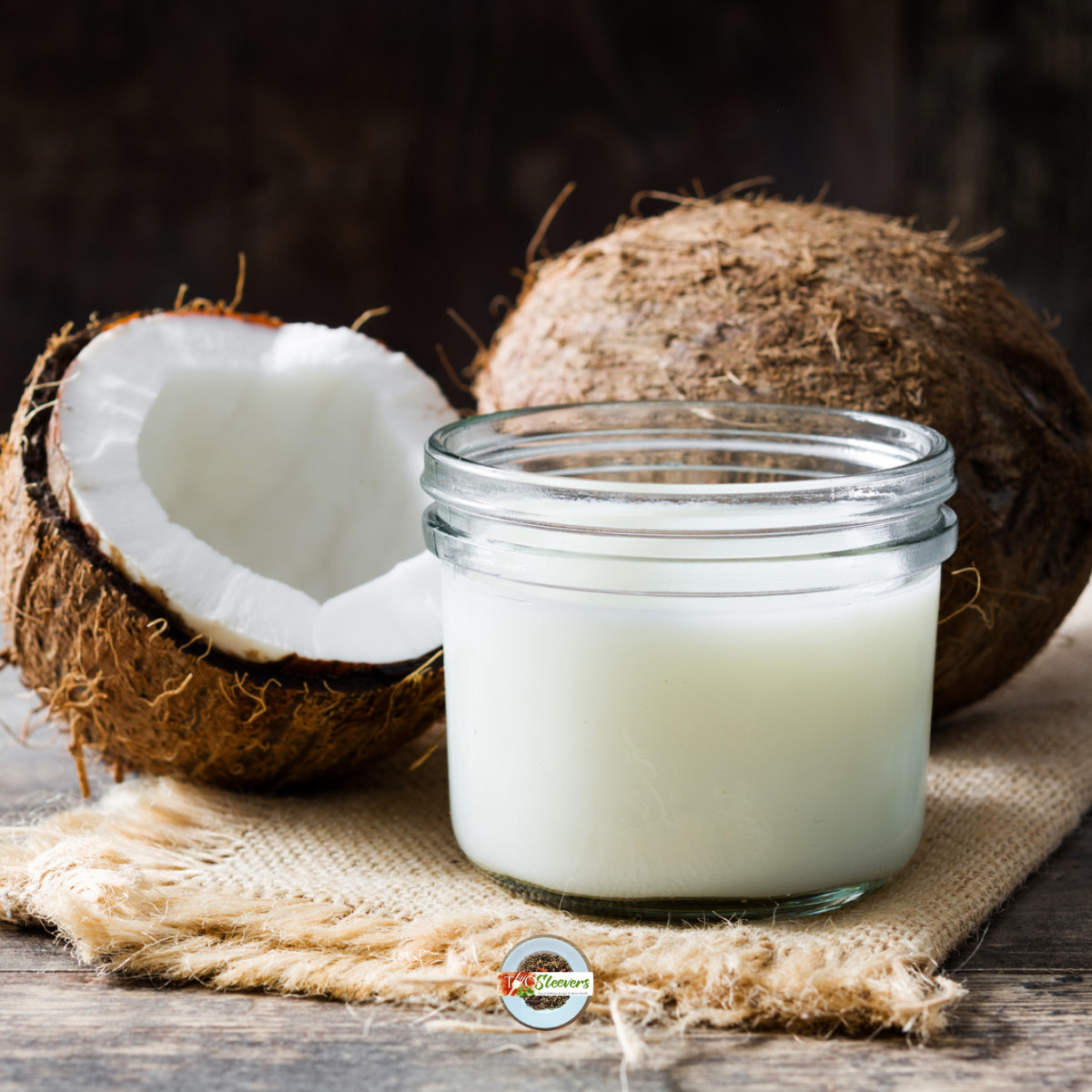
Full-fat canned coconut milk adds body and richness without dairy, flour, or cornstarch.
Use canned coconut milk rather than the thinner refrigerated coconut beverage. Shake the can before opening unless you need to use the thick coconut cream separately.
Coconut milk works well in:
- Curry soup
- Thai soup
- Chicken soup
- Pumpkin soup
- Squash soup
- Sweet potato soup
- Seafood stew
- Spiced vegetable soup
Try it in this Thai Curry Soup, Chicken Curry Soup, or Low Carb Spicy Chicken Soup.
Does Coconut Milk Make Soup Taste Like Coconut?
Full-fat coconut milk can add a mild coconut flavor. The flavor is less noticeable in soups containing curry paste, garlic, ginger, chiles, tomatoes, or bold spices.
If you want a neutral dairy-free thickener, use puréed cauliflower, potatoes, white beans, or cashews instead.
11. Add Coconut Cream
Coconut cream is thicker and richer than coconut milk. Stir a small amount into the soup at the end of cooking.
It is particularly useful when you want to thicken a dairy-free soup without adding too much additional liquid.
Use unsweetened coconut cream, not sweetened cream of coconut. Cream of coconut contains sugar and is typically used in desserts and drinks.
12. Use Puréed Cashews
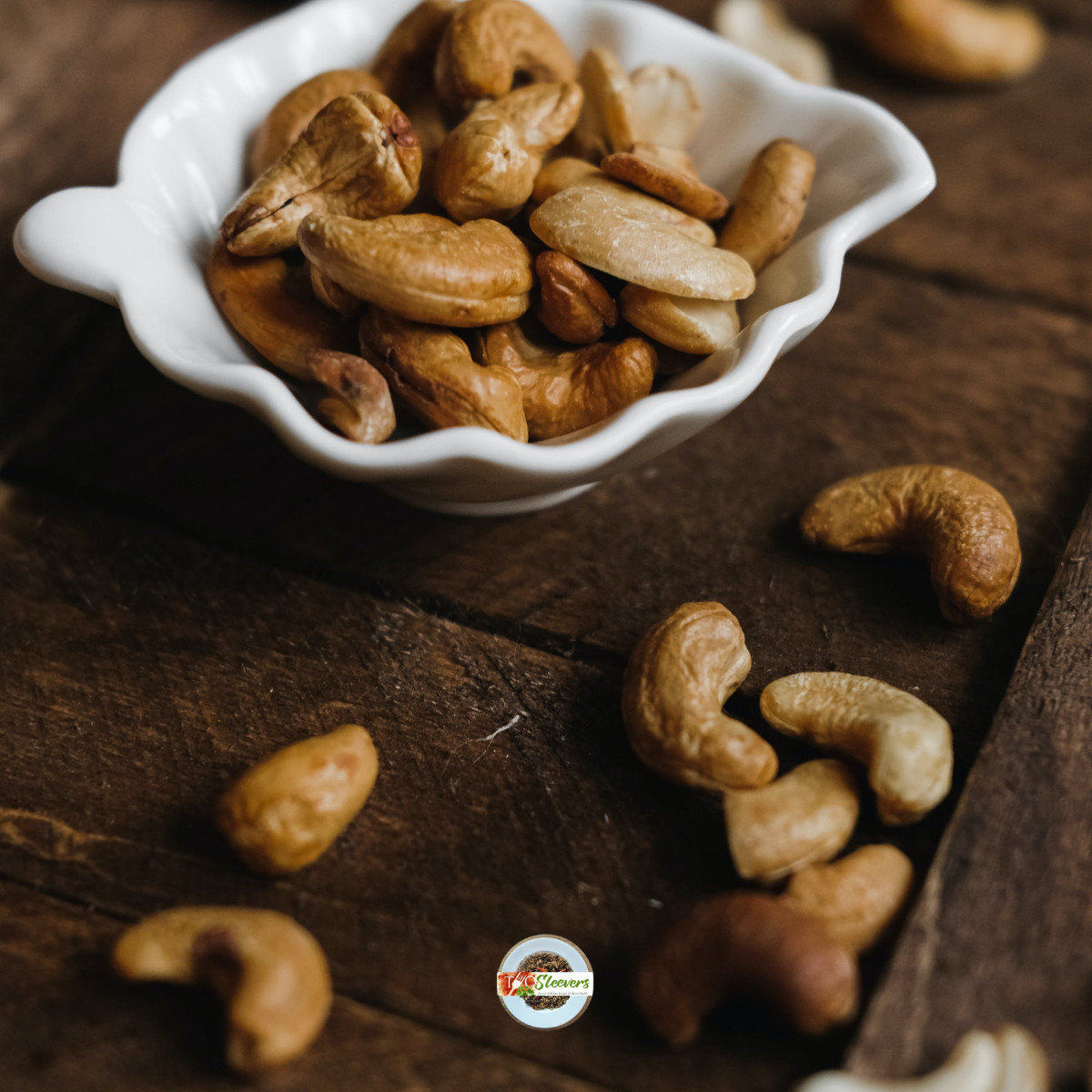
Soaked and blended cashews create a smooth, dairy-free cream.
To make cashew cream:
- Soak raw cashews in hot water until softened.
- Drain them.
- Blend with fresh water or broth until completely smooth.
- Stir the mixture into the soup.
- Simmer gently until the soup reaches the desired consistency.
Cashew cream works well in:
- Tomato soup
- Mushroom soup
- Vegetable soup
- Broccoli soup
- Potato soup
- Creamy chicken soup
This option is not suitable for anyone with a tree nut allergy. Cashews also contain more carbohydrates than heavy cream, so consider your nutritional goals when using them in a keto soup.
13. Add Nut Or Seed Butter
A spoonful of peanut butter, almond butter, cashew butter, sunflower seed butter, or tahini can thicken soup while adding richness.
This method works best when the flavor fits the recipe.
Try nut or seed butter in:
- African peanut soup
- Thai soup
- Curry soup
- Pumpkin soup
- Sweet potato soup
- Carrot soup
- Lentil soup
Whisk the nut butter with a small amount of warm broth before stirring it into the pot. This makes it easier to distribute evenly.
Start with 1 tablespoon. You can add more, but a large amount may overpower the other flavors.
14. Temper In Egg Yolks
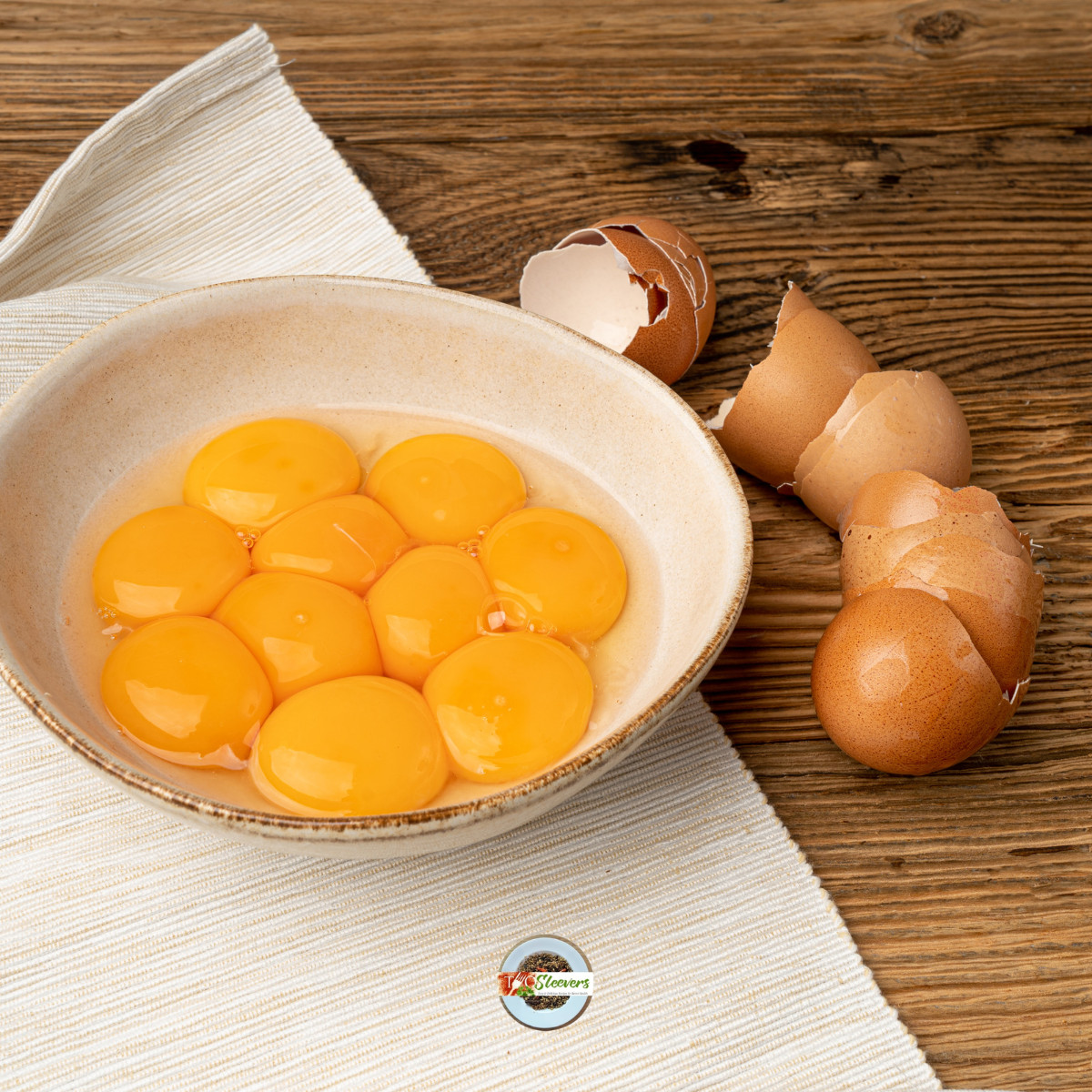
Egg yolks can thicken soup and create a smooth, silky texture without flour.
This technique is similar to making a custard:
- Whisk the egg yolks in a bowl.
- Slowly whisk in a small amount of hot broth.
- Continue adding broth until the yolks are warm.
- Reduce the heat under the soup.
- Slowly stir the tempered yolk mixture into the pot.
- Heat gently without boiling.
Boiling after adding egg yolks can scramble them.
Egg yolks work well in:
- Lemon chicken soup
- Creamy vegetable soup
- Broth-based chicken soup
- Greek-inspired soup
- Delicate seafood soup
This method is not suitable for vegan soup and requires careful temperature control.
15. Add Xanthan Gum
Xanthan gum is a concentrated thickener often used in gluten-free and low-carb cooking.
A very small amount can thicken a large pot of soup. Start with approximately ⅛ teaspoon, sprinkle it evenly over the surface, and whisk or blend thoroughly.
Wait before adding more. Xanthan gum continues to hydrate and can create a slimy texture when overused.
For the smoothest result:
- Do not dump it into one spot.
- Sprinkle it gradually.
- Whisk continuously.
- Use an immersion blender if needed.
- Add more only after evaluating the texture.
Xanthan gum is useful for soups that need thickening without adding significant carbohydrates, dairy, or a strong flavor.
16. Add Chia Seeds
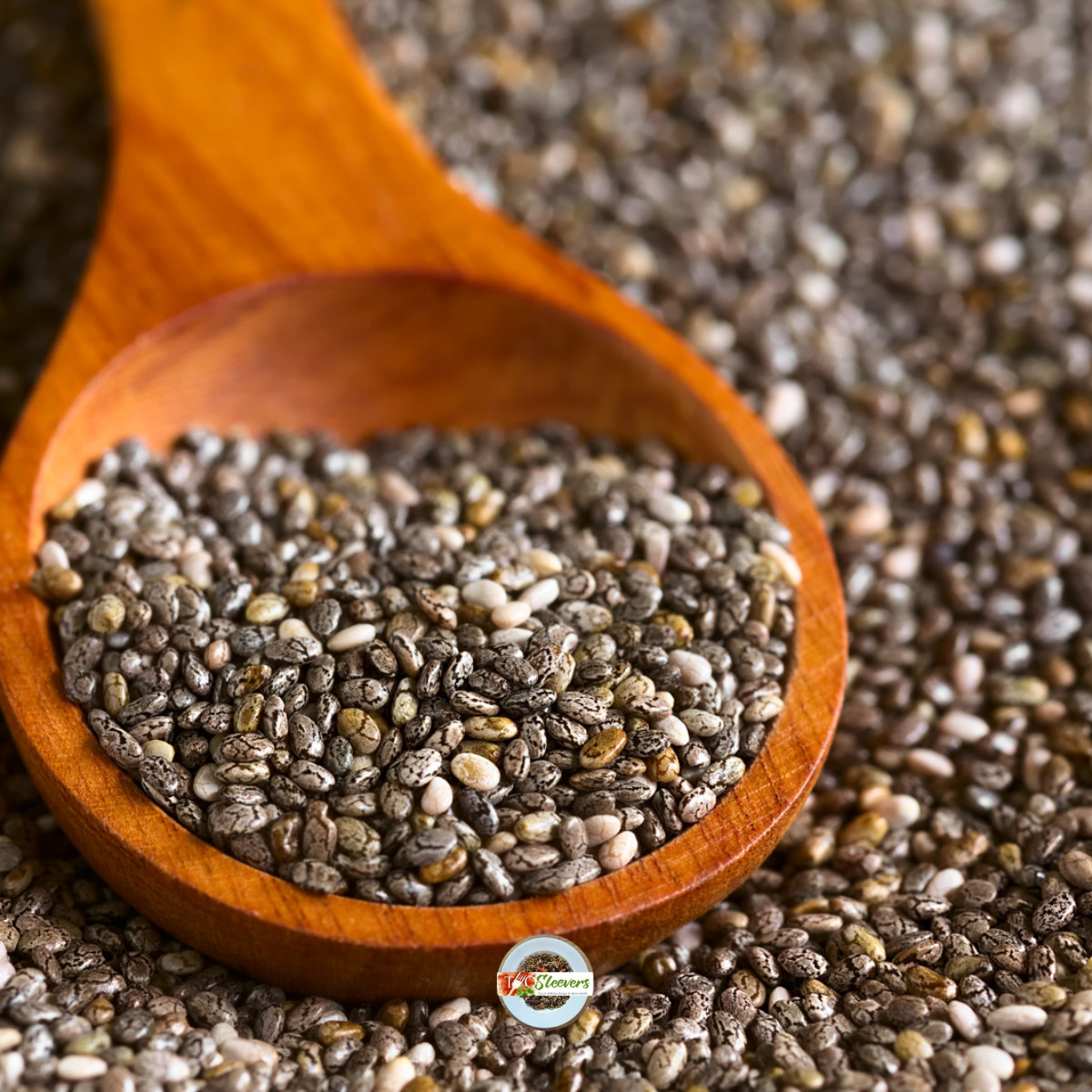
Ground chia seeds absorb liquid and thicken soup, although they can create a slightly gelled texture.
This method works best in rustic soups where small flecks will not be distracting. Use ground chia rather than whole seeds for a smoother consistency.
Add a small amount, stir well, and allow the soup to rest before deciding whether it needs more.
Chia is not ideal for clear broth or silky bisque.
17. Use Ground Flaxseed
Ground flaxseed absorbs liquid and can add body to thick, hearty soups.
It works best in:
- Chili
- Bean soup
- Lentil soup
- Vegetable stew
- Ground meat soup
Like chia, flaxseed can change both the appearance and texture. Begin with a small amount and allow it to hydrate before adding more.
18. Add Cooked Rice
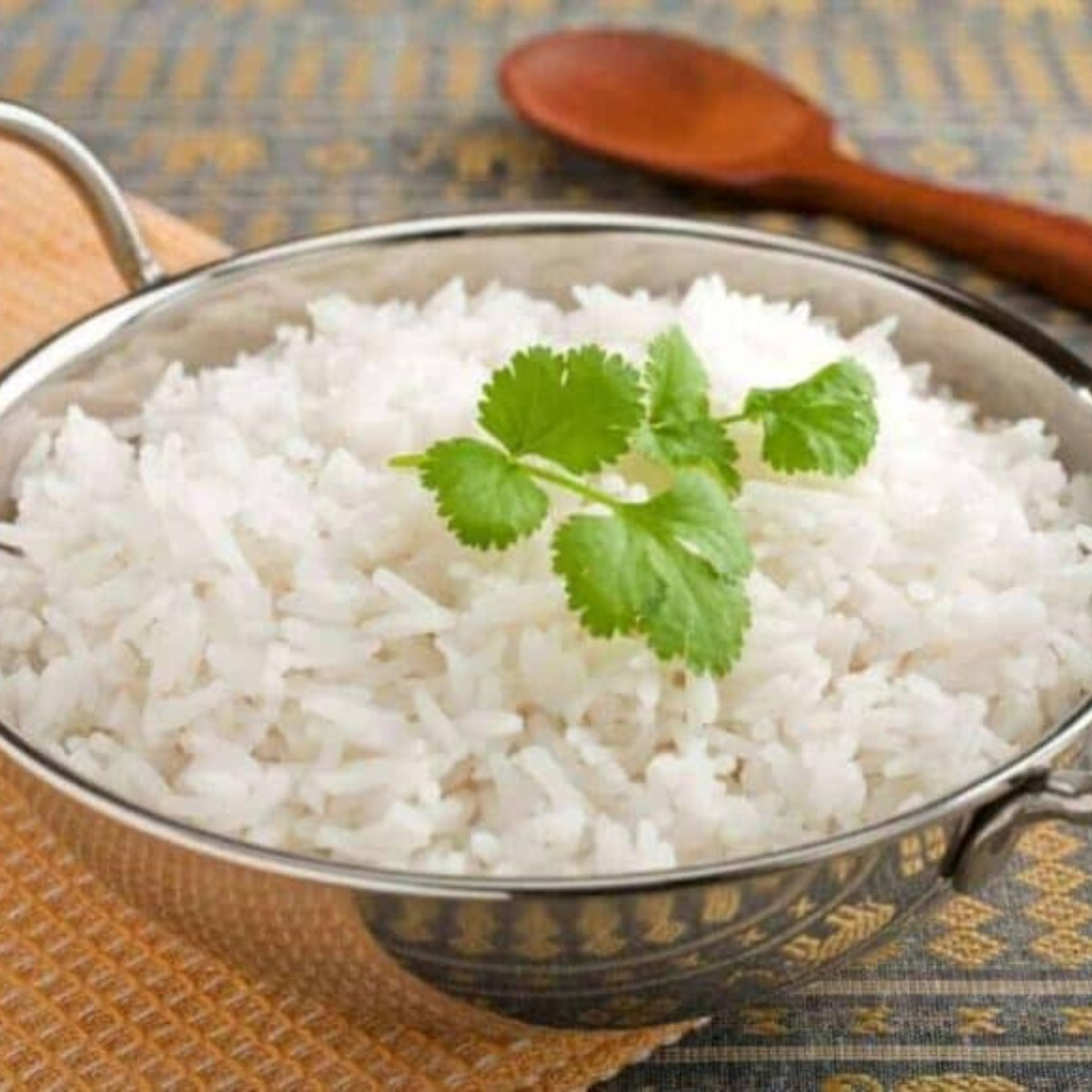
Cooked rice can be blended into soup to create a smooth, creamy texture without flour.
White rice produces the most neutral result. Brown rice can also work, but it may create a slightly grainier texture.
Blend cooked rice with warm broth, then stir the purée into:
- Chicken soup
- Tomato soup
- Vegetable soup
- Mushroom soup
- Seafood soup
Rice is naturally gluten-free, but it is not low carb.
19. Add Puréed Oats
Cooked oats can add body to soup when blended completely. Use plain oats without sweetener or flavoring.
Oats work best in hearty vegetable or chicken soups. They may not be suitable for a delicate broth because they can make the liquid look cloudy.
Use certified gluten-free oats if gluten cross-contact is a concern.
20. Let The Soup Cool Slightly
Some soups appear thin while boiling but become thicker as they cool.
This is particularly true for soups containing:
- Cheese
- Cream cheese
- Lentils
- Beans
- Potatoes
- Rice
- Gelatin-rich meat broth
Before adding another thickener, remove the soup from the heat and wait several minutes. You may find that it reaches the correct consistency on its own.
Best Soup Thickeners By Dietary Need
| Dietary need | Thickening options |
|---|---|
| Gluten-free | Puréed vegetables, beans, lentils, dairy, coconut milk, rice, xanthan gum |
| Low carb | Cauliflower, broccoli, cream cheese, heavy cream, cheese, egg yolks, xanthan gum |
| Dairy-free | Puréed vegetables, beans, lentils, coconut milk, cashew cream, rice |
| Vegan | Vegetables, beans, lentils, coconut milk, cashews, chia, flaxseed |
| Nut-free | Vegetables, beans, lentils, dairy, coconut milk, rice, egg yolks |
| High protein | Beans, lentils, Greek yogurt, cottage cheese, cheese, egg yolks |
| Paleo-friendly | Vegetable purée, coconut milk, coconut cream, egg yolks, nut butter |
Always check every packaged ingredient if you are cooking for a specific allergy or intolerance.
How To Thicken Soup In An Instant Pot
Do not add most thickening ingredients before pressure cooking. Thick sauces, dairy, cheese, nut butter, and starch-heavy mixtures can prevent the cooker from producing steam efficiently and may trigger a burn warning.
Instead:
- Pressure cook the soup with enough thin liquid.
- Release the pressure as directed.
- Remove the lid.
- Select Sauté.
- Add the thickening ingredient.
- Simmer and stir until the soup thickens.
- Turn off the heat before adding delicate dairy or cheese.
If the cooker will not seal or displays a burn message, use this Instant Pot troubleshooting guide before restarting the recipe.
How To Thicken Soup In A Slow Cooker

Slow cookers retain moisture because very little steam escapes during cooking.
If your slow cooker soup is too thin:
- Remove the lid for the final 30 to 60 minutes.
- Increase the setting to High.
- Blend part of the soup.
- Stir in puréed vegetables or beans.
- Add cream cheese near the end.
- Add shredded cheese after reducing the heat.
- Use a small amount of xanthan gum.
Avoid leaving dairy at a high temperature for an extended period because it can separate.
How To Thicken Soup Without Changing The Flavor
The most neutral options are:
- Reducing the broth
- Blending ingredients already in the soup
- Puréed cauliflower
- Puréed white beans
- Mashed potatoes
- Blended cooked rice
- A tiny amount of xanthan gum
Choose an ingredient that already appears in the soup whenever possible. If your soup contains broccoli, blend more broccoli. If it contains beans, mash some of the beans.
This preserves the original flavor while improving the texture.
How To Thicken Soup Without Making It Creamy
If you want a thicker broth without turning it into a cream soup, try:
- Reducing it uncovered
- Mashing some of the beans or vegetables
- Adding lentils
- Adding gelatin-rich homemade stock
- Using a tiny amount of xanthan gum
- Blending only a small portion
Avoid heavy cream, coconut milk, cream cheese, and large amounts of puréed vegetables if you want the broth to remain relatively clear.
How To Fix Soup That Is Too Thick

If you add too much thickener, gradually stir in:
- Broth
- Stock
- Water
- Milk
- Cream
- Coconut milk
Use a liquid that complements the recipe. Add only a small amount at a time, bring the soup back to serving temperature, and check the texture before adding more.
Taste and adjust the seasoning after thinning. Additional liquid may dilute the salt, spices, and acidity.
How To Fix Soup That Is Thin But Already Salty
Do not reduce a salty soup. Simmering will evaporate water and concentrate the salt.
Instead, add an unsalted thickening ingredient such as:
- Puréed cauliflower
- Mashed potato
- Unsalted white beans
- Cooked rice
- Unsalted coconut milk
- Additional unseasoned vegetables
You can also increase the total volume with unsalted broth and then thicken the expanded soup.
Why Is My Soup Not Thickening?
It Has Too Much Liquid
The recipe may have been doubled incorrectly, or vegetables and meat may have released additional water.
Simmer uncovered or remove some of the broth before adding a thickener.
It Has Not Simmered Long Enough
Reduction requires time. A soup that has only been brought to a boil may still contain too much water.
The Dairy Is Too Thin
Milk and half-and-half add creaminess but may not substantially thicken a watery soup. Use heavy cream, cream cheese, puréed vegetables, or reduction for more body.
The Vegetables Are Not Soft Enough
Firm vegetables will not blend smoothly. Continue cooking until they can be easily pierced with a fork.
You Added Too Little Thickener
Concentrated ingredients such as xanthan gum must be added cautiously, but vegetable purée, beans, or dairy may require a larger amount.
Add thickener gradually and reassess after each addition.
The Soup Is Still Boiling
Cheese, lentils, and other ingredients may continue thickening as the soup cools. Let it stand briefly before changing the recipe again.
Tips And Tricks

- Choose A Compatible Flavor. Peanut butter may work in curry soup but not in French onion soup.
- Start Small. It is easier to add more thickener than to repair an overly thick soup.
- Blend Carefully. Hot soup can create dangerous steam pressure in a sealed blender.
- Reduce Before Salting. Reduction concentrates existing seasoning.
- Use Low Heat For Dairy. Boiling can cause cream, yogurt, or cheese to separate.
- Add Cheese Gradually. This helps it melt without clumping.
- Wait Before Reassessing. Some thickeners need several minutes to hydrate.
- Keep Pressure Cooking Liquid Thin. Add thickeners after pressure cooking.
- Record Successful Adjustments. Soup consistency varies with ingredients, brands, and cooking methods.
- Use An Immersion Blender. It is often the easiest way to thicken soup without adding anything new.
Frequently Asked Questions

Can You Thicken Soup With Greek Yogurt?
Yes. Greek yogurt adds creaminess and a slight tang, but it can curdle under high heat.
Remove the soup from direct heat and temper the yogurt with warm broth before stirring it into the pot. Full-fat Greek yogurt is generally less likely to separate than fat-free yogurt.
Can Cottage Cheese Thicken Soup?
Blended cottage cheese can add protein and creaminess to soup. Blend it until completely smooth, temper it with warm broth, and add it over low heat.
Its flavor works best in creamy vegetable, chicken, tomato, or cheese-based soups. For additional ways to use it, browse these high-protein cottage cheese recipes.
Can You Thicken Soup With Sour Cream?
Yes. Sour cream adds body and tanginess. Temper it with warm broth and avoid boiling the soup after adding it.
Will Soup Thicken With The Lid On Or Off?
Soup thickens faster with the lid off because steam can escape. Keeping the lid on traps moisture and limits reduction.
Can You Thicken Soup With An Immersion Blender?
Yes. Blend some of the vegetables, beans, or lentils directly in the pot. Pulse rather than blending continuously if you want to retain some texture.
What Can I Use To Thicken Keto Soup?
Good keto soup thickeners include:
- Puréed cauliflower
- Cream cheese
- Heavy cream
- Shredded cheese
- Egg yolks
- Xanthan gum
- A small amount of nut butter
- Puréed low-carb vegetables
Find more ideas in this collection of keto soup recipes.
How Can I Thicken Soup Without Dairy?
Use puréed vegetables, beans, lentils, coconut milk, coconut cream, cashew cream, rice, chia seeds, flaxseed, or xanthan gum.
How Can I Thicken Chicken Soup Without Flour?
Blend some of the cooked vegetables, add mashed potatoes or white beans, simmer the broth uncovered, or stir in cream cheese, coconut milk, or tempered egg yolks.
For more ideas, explore these easy chicken soup recipes.
Does Soup Get Thicker Overnight?
Many soups become thicker after refrigeration because beans, lentils, rice, pasta, potatoes, and other ingredients continue absorbing liquid.
Add a splash of broth or water when reheating if the soup becomes too thick.
More Easy Soup Recipes
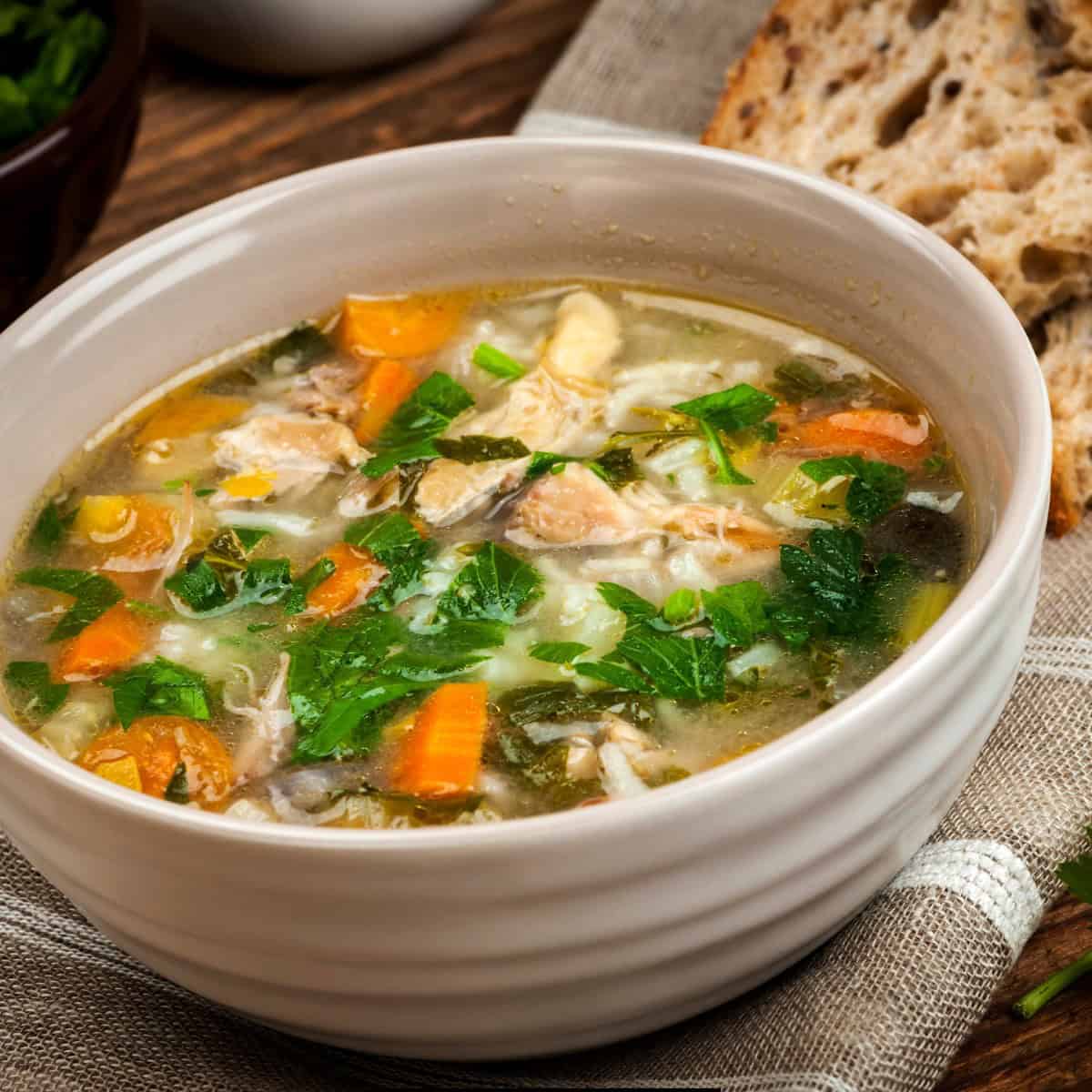
Once you know how to thicken soup without flour or cornstarch, you can adjust almost any recipe to suit your preferred consistency.
Try one of these cozy options:
- Keto Broccoli Cheese Soup
- Keto Cream of Mushroom Soup
- Thai Curry Soup
- Red Lentil Soup
- Butternut Squash Soup
- Instant Pot Taco Soup
- Low Carb Sausage Kale Soup
- Brazilian Hearts of Palm Soup
The best thickening method is usually the one that supports the soup's existing flavors. Start with reduction or blending, then add dairy, coconut milk, beans, vegetables, or another thickener only when the soup needs additional body.