A well-stocked Indian pantry makes it possible to turn rice, lentils, beans, vegetables, or chicken into a flavorful meal without a special shopping trip. This Indian pantry staples guide explains which spices, pulses, grains, flours, fats, condiments, and fresh ingredients to buy first, how to use them, and how to store them for the best flavor.
Why You'll Love This Indian Pantry Guide
- Beginner-friendly. Start with a short essentials list instead of buying every ingredient in the Indian grocery store.
- Practical. Learn what each pantry staple does and which recipes will help you use it.
- Flexible. Build a basic North Indian pantry first, then add South Indian or regional ingredients as your cooking expands.
- Budget-conscious. Buy versatile staples in useful quantities so spices and lentils do not sit forgotten in a cabinet.
- Easy to reference. Organized charts make shopping, storing, and substituting much simpler.
Indian cooking does not require an enormous spice cabinet or a shelf full of unfamiliar ingredients. A small, thoughtfully chosen group of Indian pantry staples can make dal, curry, rice, beans, vegetables, chutney, and many other everyday dishes.
The most useful pantry depends on what you like to cook. A Punjabi kitchen, Gujarati kitchen, Bengali kitchen, and South Indian kitchen will not contain exactly the same ingredients. Household preferences, dietary needs, and regional traditions matter too.
Use this guide as a flexible Indian grocery list rather than a rigid definition of what every Indian cook keeps at home. Start with the ingredients used in the recipes you plan to make, then expand your collection gradually.
If you are completely new to the cuisine, read Indian Cooking For Beginners before your first shopping trip. It explains the basic techniques and recipe styles you will encounter.
What Are The Most Important Indian Pantry Staples?
For a simple beginner pantry, start with:
- Basmati rice
- One or two types of dal
- Canned chickpeas
- Canned tomatoes
- Neutral cooking oil or ghee
- Cumin seeds
- Ground coriander
- Ground turmeric
- Garam masala
- Cayenne or Indian chile powder
- Black mustard seeds
- Salt
- Fresh onions
- Fresh garlic
- Fresh ginger
- Fresh cilantro
- Plain yogurt
- Lemon or lime
This short list is enough to begin making rice, dal, chana masala, simple curries, vegetable dishes, and raita. You do not need to purchase every specialty spice at once.
Indian Pantry Staples At A Glance
| Category | Start With | Add Later |
|---|---|---|
| Spices | Cumin, coriander, turmeric, garam masala, mustard seeds, chile powder | Cardamom, cloves, cinnamon, fenugreek, asafoetida, ajwain, fennel |
| Pulses | Moong dal, masoor dal, chickpeas | Toor dal, chana dal, urad dal, kidney beans |
| Grains | Basmati rice | Brown basmati, poha, semolina |
| Flours | Atta or all-purpose flour | Besan, rice flour, semolina |
| Cooking fats | Neutral oil or ghee | Mustard oil, coconut oil |
| Tomatoes and coconut | Canned tomatoes | Tomato paste, coconut milk, dried coconut |
| Sour ingredients | Lemon or lime | Tamarind, amchur, anardana |
| Flavor boosters | Ginger garlic paste | Kasuri methi, chutney, pickle, jaggery |
| Refrigerated or frozen | Yogurt, cilantro, green chiles | Paneer, curry leaves, peas, spinach, grated coconut |
Essential Indian Spices
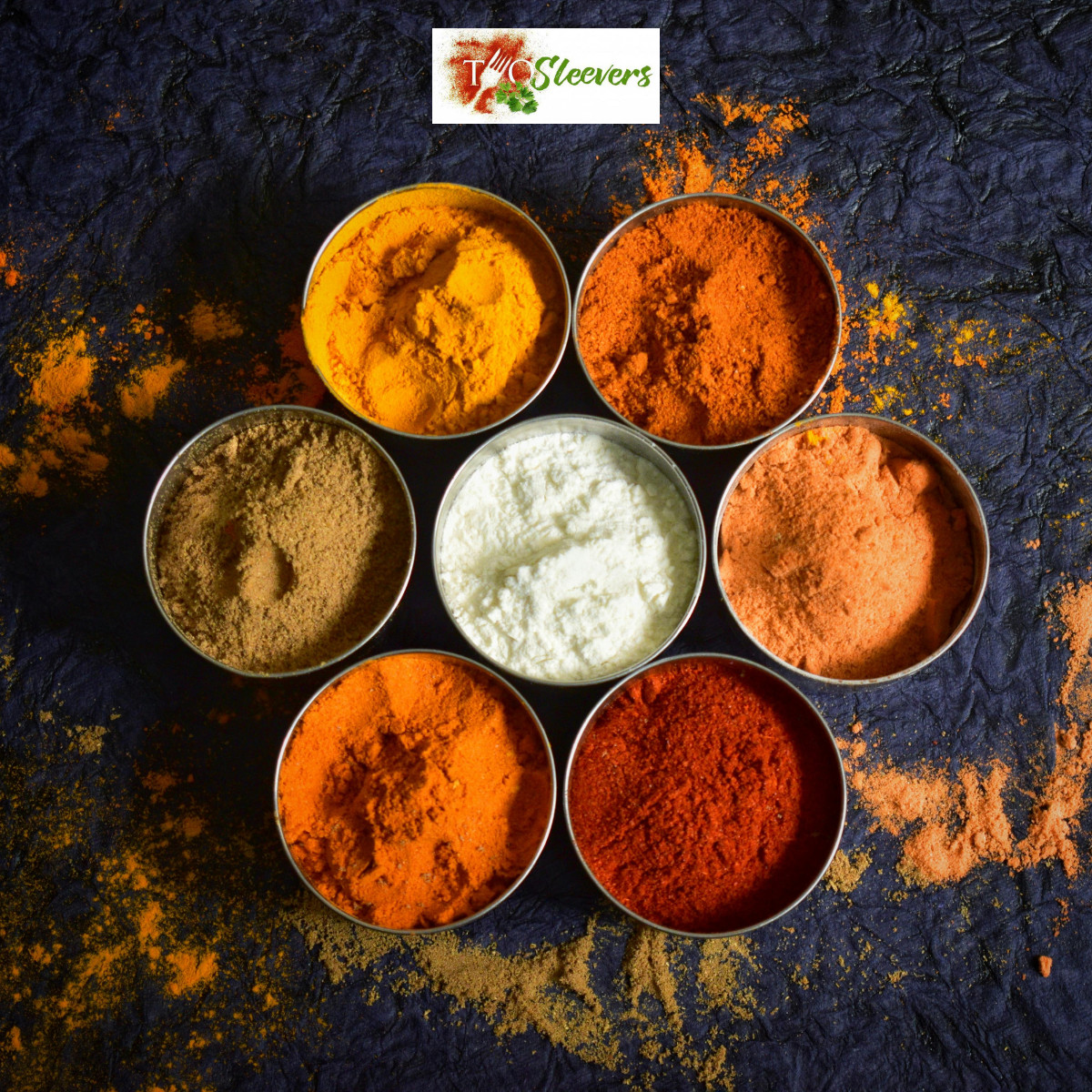
Spices create aroma, color, warmth, bitterness, sweetness, and heat. They do not simply make food spicy.
If you want a detailed shopping list, read this guide to 12 essential Indian spices. The seasonings below are the most versatile place to begin.
Cumin Seeds
Cumin seeds have a warm, earthy flavor. Bloom them briefly in hot oil or ghee at the beginning of a recipe to scent the cooking fat.
Use cumin in dal, rice, beans, vegetables, raita, and spice blends. Whole seeds retain their aroma longer than ground cumin, so buy the seeds when possible and grind small amounts as needed.
Coriander
Coriander seeds taste citrusy, floral, and gently earthy. Ground coriander provides body without contributing much chile heat, which makes it useful in curries, marinades, vegetables, and lentils.
Ground coriander loses fragrance faster than whole seeds. Buy modest quantities unless you cook with it frequently.
Turmeric
Ground turmeric adds earthy flavor and golden color. A small amount goes a long way, and too much can make a dish bitter or dusty.
Turmeric is commonly added during cooking rather than sprinkled on at the table. Store it carefully because its intense pigment can stain containers, fabric, and countertops.
Black Mustard Seeds
Black mustard seeds taste nutty and pungent when tempered in hot fat. They are especially useful in South Indian dishes, Gujarati cooking, vegetable recipes, pickles, and tadka.
Heat them until they begin to pop, then proceed promptly so they do not burn. This Rice And Dal recipe uses cumin and mustard seeds to build its seasoning base.
Garam Masala
Garam masala is an aromatic spice blend that may contain cumin, coriander, cardamom, cinnamon, cloves, pepper, bay leaves, nutmeg, or other spices. There is no single universal formula.
It is often added near the end of cooking, although recipes may use it at other stages. Make this Homemade Garam Masala or purchase a fresh blend in a quantity you can use promptly.
Do not assume garam masala and curry powder are interchangeable. This guide to Garam Masala Vs. Curry Powder explains how their flavor profiles and uses differ.
Indian Chile Powder Or Cayenne
Indian chile powders vary substantially in flavor and heat. Cayenne adds direct heat, while Kashmiri chile powder is often used for bright red color and milder, fruitier warmth.
Check the label and begin with less than the recipe calls for if you do not know the product's strength. You can add more heat, but removing it is difficult.
Whole Aromatic Spices
Green cardamom, black cardamom, cloves, cinnamon or cassia, black peppercorns, and Indian bay leaves are useful for biryani, pilau, garam masala, and slow-simmered curries.
You do not need all of them for your first Indian recipe. Add them as specific recipes require them. Instant Pot Indian Pilau is an excellent way to learn how whole spices perfume rice.
Optional Specialty Spices
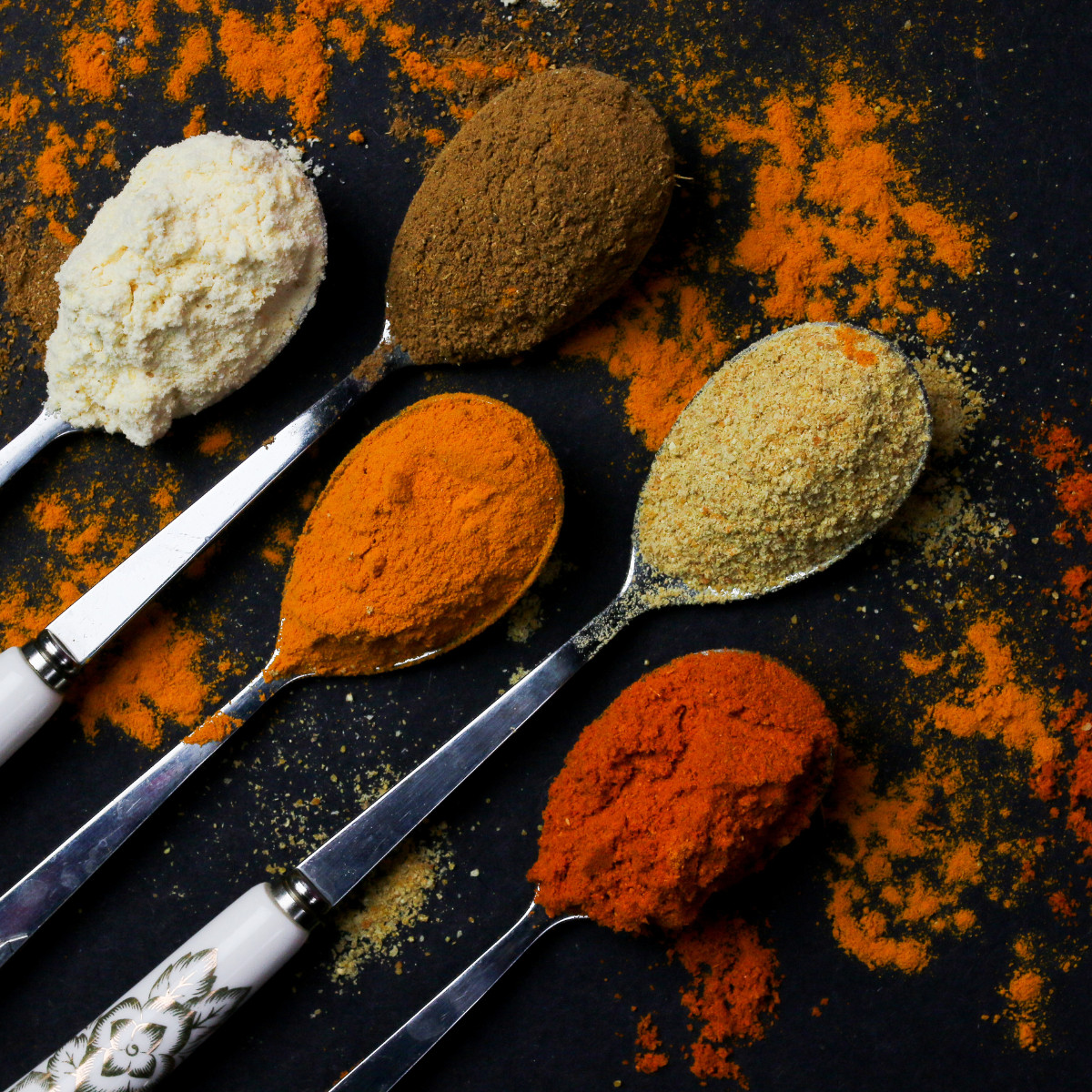
Once you cook Indian food regularly, consider adding:
- Kasuri methi. Dried fenugreek leaves with a savory, slightly bitter aroma. Crush them between your fingers before adding to rich curries.
- Asafoetida or hing. A potent seasoning used in tiny quantities, particularly in lentil and vegetable dishes.
- Ajwain. Small seeds with a strong herbal flavor often compared with thyme.
- Fennel seeds. Sweet, licorice-like seeds used in regional spice blends, curries, and pickles.
- Fenugreek seeds. Bitter, aromatic seeds used carefully in pickles, spice blends, and South Indian cooking.
- Chaat masala. A tangy, salty blend used as a finishing seasoning for snacks, fruit, salads, and chaat.
- Amchur. Dried mango powder that adds acidity without additional liquid.
If a recipe calls for something you do not have, consult this Indian Spice Substitutions Guide before replacing it. Many substitutions can approximate one part of a flavor, but they are rarely identical.
Dal, Lentils, Beans, And Chickpeas
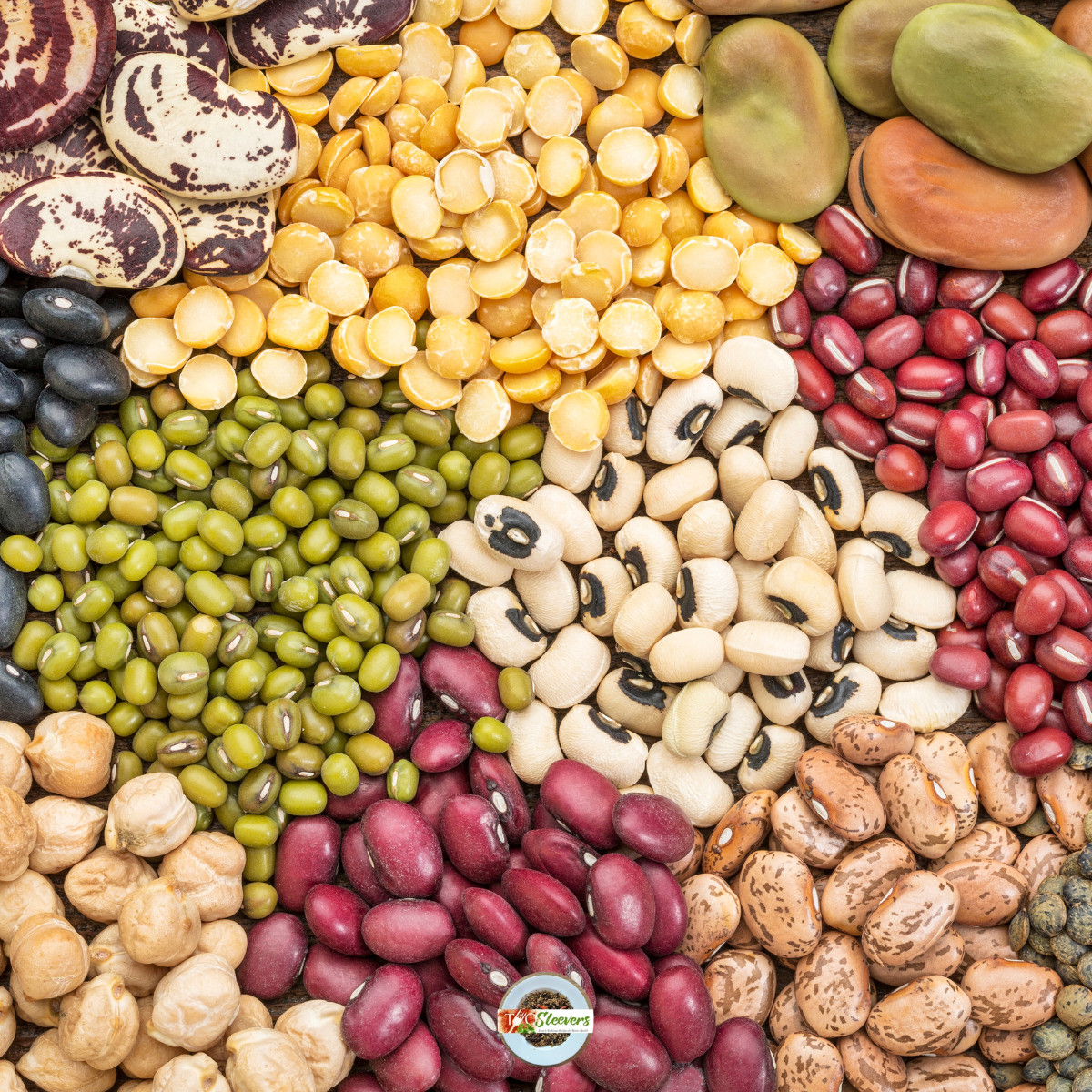
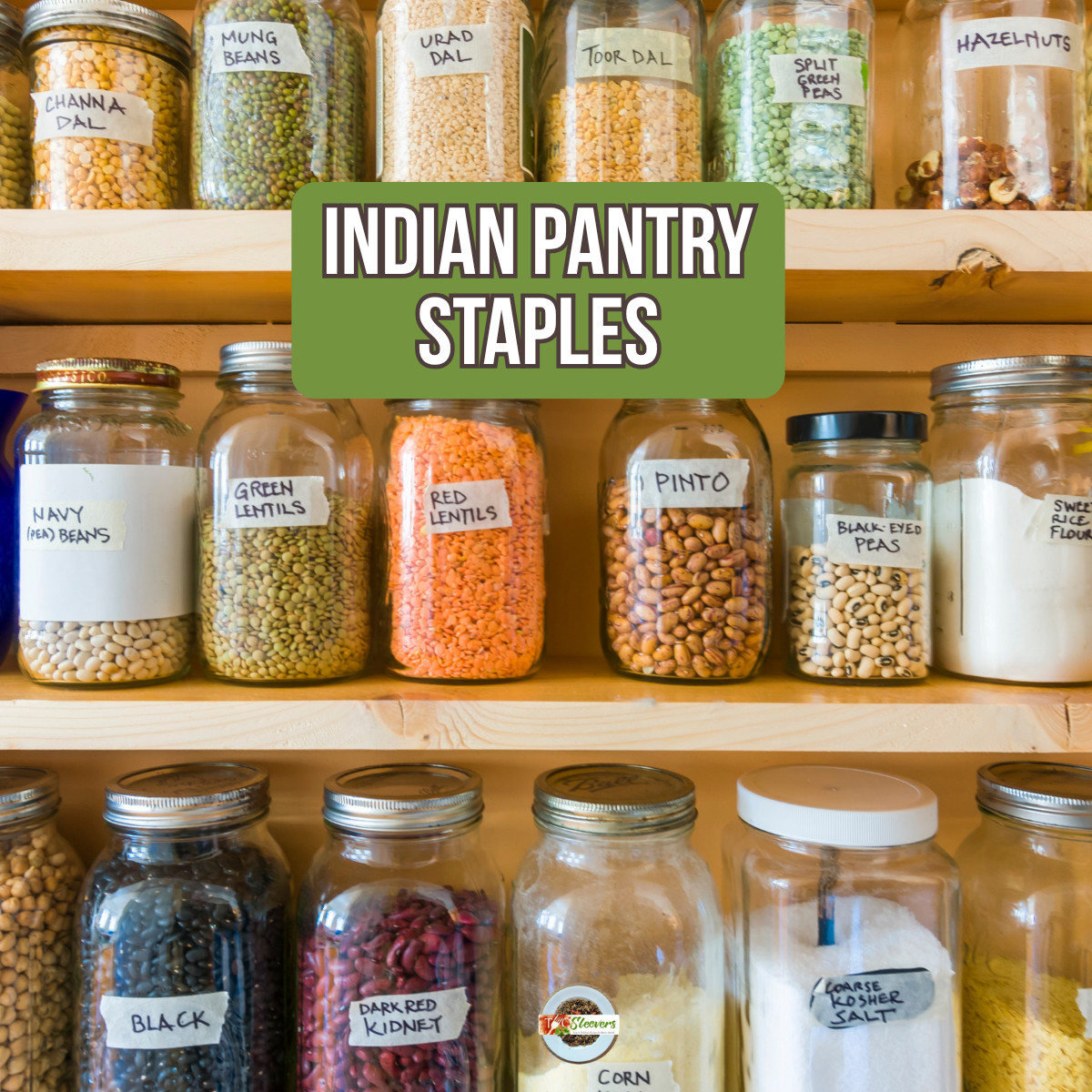
Dried pulses are among the most economical and useful Indian pantry essentials. They provide protein, fiber, texture, and the foundation for countless everyday meals.
The word dal can refer both to certain dried pulses and to cooked dishes made from them. Different dals do not cook at the same rate, so use the variety specified by the recipe.
For pictures, cooking guidance, and a more complete comparison, see Indian Dal Types Explained.
Moong Dal
Split, hulled moong dal is yellow, mild, and relatively quick-cooking. Whole mung beans are green and take longer. Both are useful, but they are not direct substitutes without changes to the recipe.
Try whole mung beans in this Instant Pot Moong Dal.
Masoor Dal
Red or orange masoor dal cooks quickly and breaks down into a soft, creamy consistency. It is a useful beginner dal for soups, weeknight meals, and simple tadka dal.
Toor Dal
Toor dal, also called arhar dal or split pigeon peas, is a staple in many Indian kitchens. It is used in dal, sambar, and regional lentil preparations. Its mild flavor works well with turmeric, cumin, mustard seeds, tomatoes, and tamarind.
Chana Dal
Chana dal is split Bengal gram, a small chickpea variety. It has a firm texture, nutty flavor, and longer cooking time than red lentils or split moong.
Do not substitute canned chickpeas for chana dal. Their size, structure, hydration, and cooking behavior are different.
Urad Dal
Urad dal comes from black gram. It may be sold whole with its dark skin, split with skin, or split and hulled.
Whole urad is the foundation of creamy Dal Makhani. Split urad can be used in dal and as a tempering ingredient, while urad also plays an important role in fermented batters.
Chickpeas And Kidney Beans
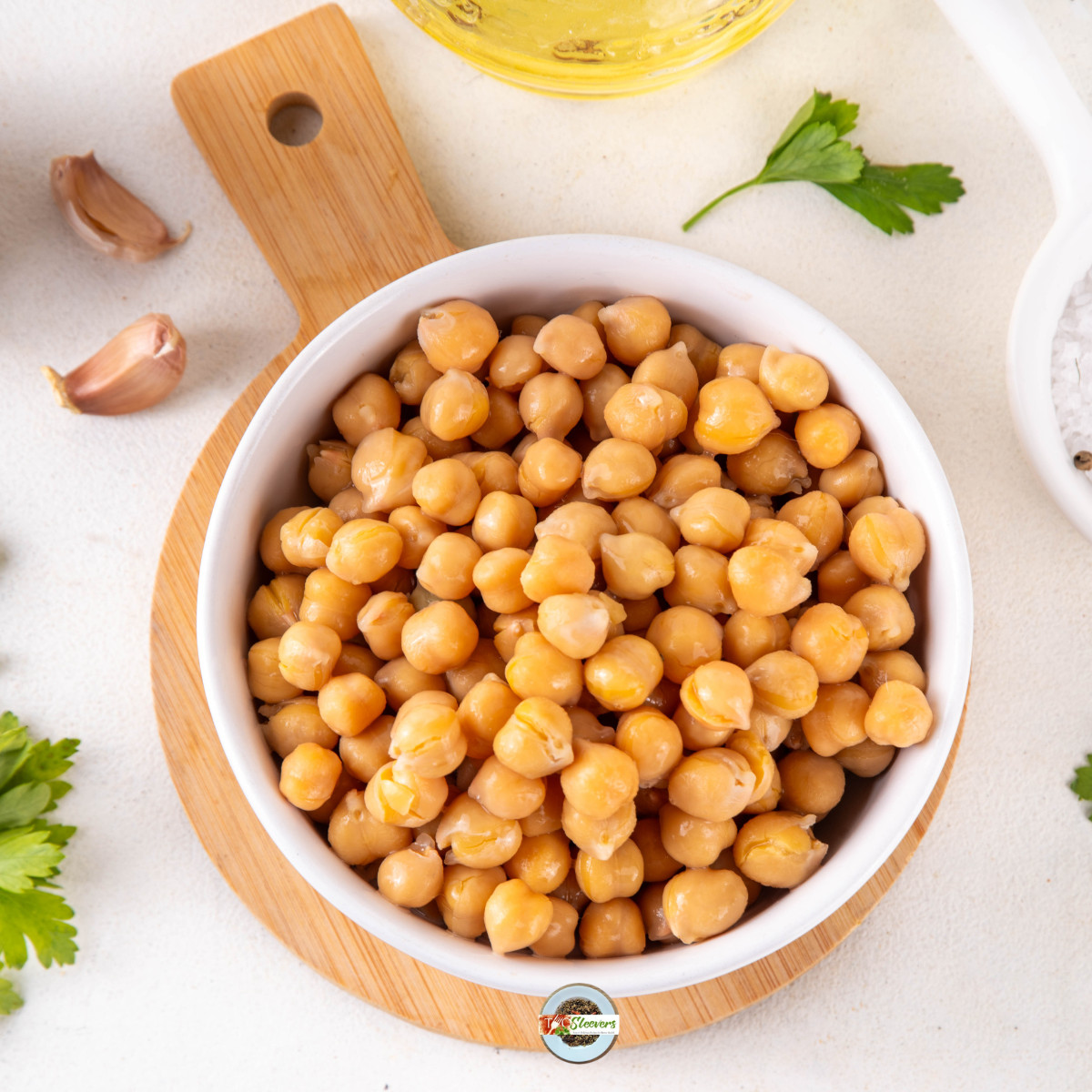
Keep dried or canned chickpeas for chana masala, salads, snacks, and curries. Canned chickpeas are fast, while dried chickpeas are economical and allow more control over texture.
Kidney beans, called rajma in Hindi, are used in a comforting North Indian bean curry. Dried beans require proper soaking and thorough cooking. Never eat undercooked kidney beans.
When you need an easy pantry meal, Slow Cooker Chana Masala turns chickpeas, tomatoes, lentils, and spices into a hearty dish.
Rice And Other Grains
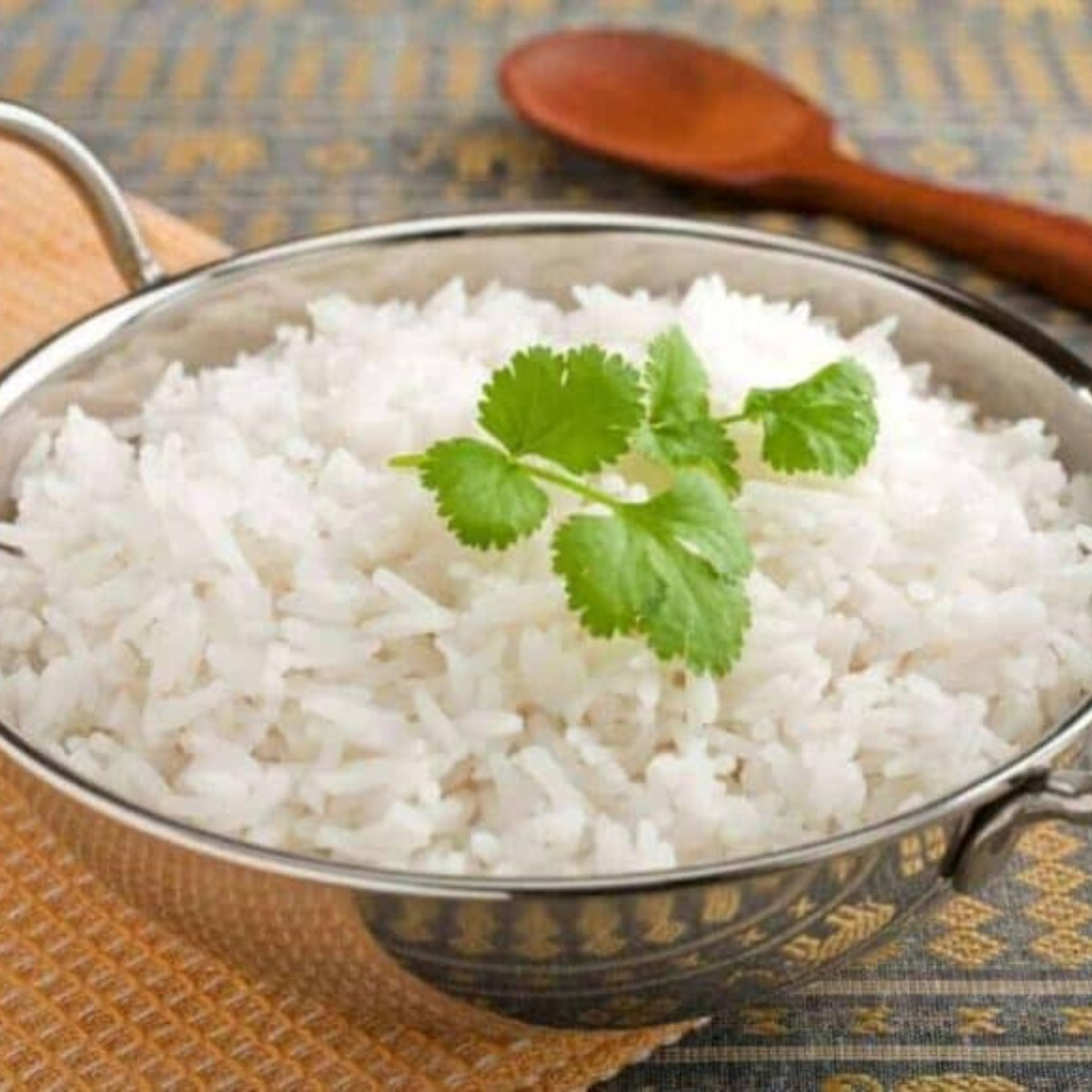
Basmati Rice
Basmati rice is the most versatile grain for a beginner Indian pantry. Its long, slender grains and floral aroma work with curry, dal, biryani, pilau, and simple vegetable dishes.
Rinse basmati until the water is considerably clearer unless the recipe directs otherwise. Soaking requirements and water ratios vary by cooking method and recipe.
Learn a reliable pressure-cooker method with Instant Pot Basmati Rice. For a complete comfort meal from two pantry staples, make Khichadi With Rice And Lentils.
Poha
Poha is flattened rice available in different thicknesses. It is commonly rinsed or soaked briefly, then cooked with seasonings, vegetables, peanuts, and herbs for breakfast or a snack.
Buy the thickness specified in your recipe because very thin poha can become mushy when handled like a thicker variety.
Semolina Or Sooji
Semolina, called sooji or rava, is used in savory upma, sweets, batters, and some breads. It stores well and adds another quick-cooking option to the pantry.
Indian Flours
Atta
Atta is a finely milled whole wheat flour used for roti, chapati, paratha, and other flatbreads. Its texture and gluten behavior differ from standard American whole wheat flour, so use atta when an Indian bread recipe specifies it.
Besan
Besan is flour made from Bengal gram or chana dal. It has a nutty flavor and is used in pakora batter, kadhi, sweets, flatbreads, and savory snacks.
Besan is not the same as every product labeled chickpea flour. Depending on the market, chickpea flour may be made from a different chickpea variety and can behave differently in a tested recipe.
Rice Flour
Rice flour is useful for batters, snacks, breads, and crisp coatings. It is especially common in South Indian and gluten-free preparations.
Explore these Indian street food recipes to see how breads, batters, and grain-based staples vary across dishes and regions.
Oils And Cooking Fats
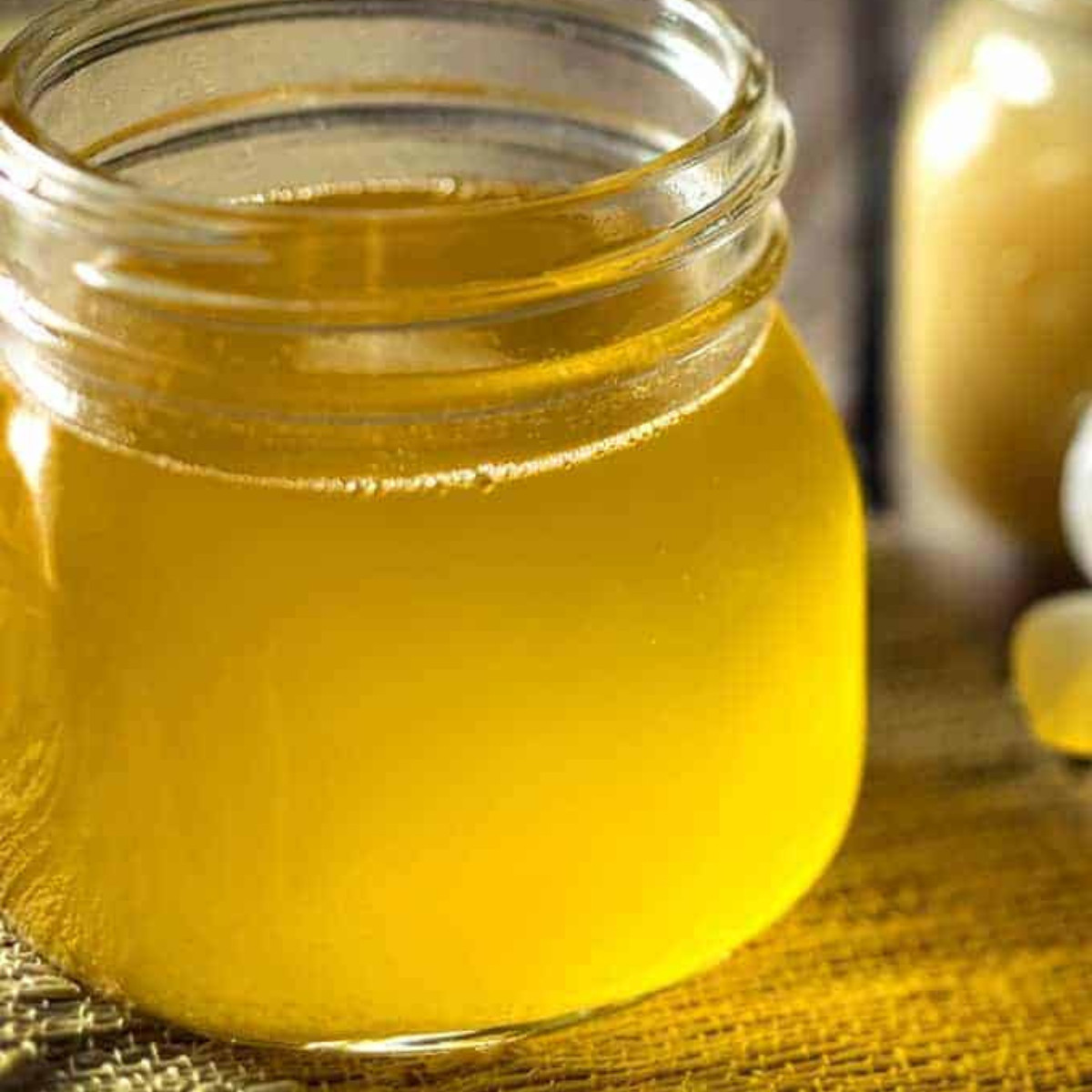
Ghee
Ghee is clarified butter with a rich, nutty flavor and a higher smoke point than whole butter. Use it for blooming spices, finishing dal, cooking rice, or adding richness.
Ghee is not dairy-free. Although much of the milk solid is removed, anyone with a dairy allergy should follow medical guidance and choose an appropriate oil.
Neutral Oil
A neutral oil is a practical everyday choice for sautéing onions, blooming spices, frying, and making vegan dishes. Choose an oil suitable for the temperature required by the recipe.
Mustard Oil And Coconut Oil
Mustard oil contributes a distinctive pungent flavor in some regional cuisines. Product labeling and culinary use vary by country, so follow local regulations and the instructions on the container.
Coconut oil is useful in many South Indian dishes and recipes where coconut flavor complements curry leaves, mustard seeds, or coconut milk.
Tomatoes, Coconut, And Shelf-Stable Bases
Canned Tomatoes
Whole, diced, crushed, or puréed canned tomatoes make curry possible when fresh tomatoes are not flavorful. Keep a few cans available for quick masala bases, chickpea curries, and lentil dishes.
Do not freely swap every tomato product. Tomato paste is concentrated, while tomato sauce and crushed tomatoes contain more liquid. Follow the tested recipe to preserve the intended flavor and consistency.
Coconut Milk
Full-fat canned coconut milk adds richness and body to South Indian and coastal curries. Shake the can before opening unless the recipe needs the cream and liquid separated.
Coconut beverage from the refrigerated dairy aisle is usually too thin to replace canned coconut milk in curry.
Dried Or Frozen Coconut
Unsweetened shredded coconut, coconut powder, and frozen grated coconut appear in chutneys, vegetable dishes, spice blends, and desserts. Confirm whether a recipe needs sweetened or unsweetened coconut before using it.
This Indian Green Chutney combines coconut with cilantro, mint, garlic, jalapeño, and lemon.
Sour, Sweet, And Savory Flavor Boosters
Indian recipes often balance salt, heat, acidity, sweetness, bitterness, and richness. These ingredients make that adjustment easier.
Tamarind
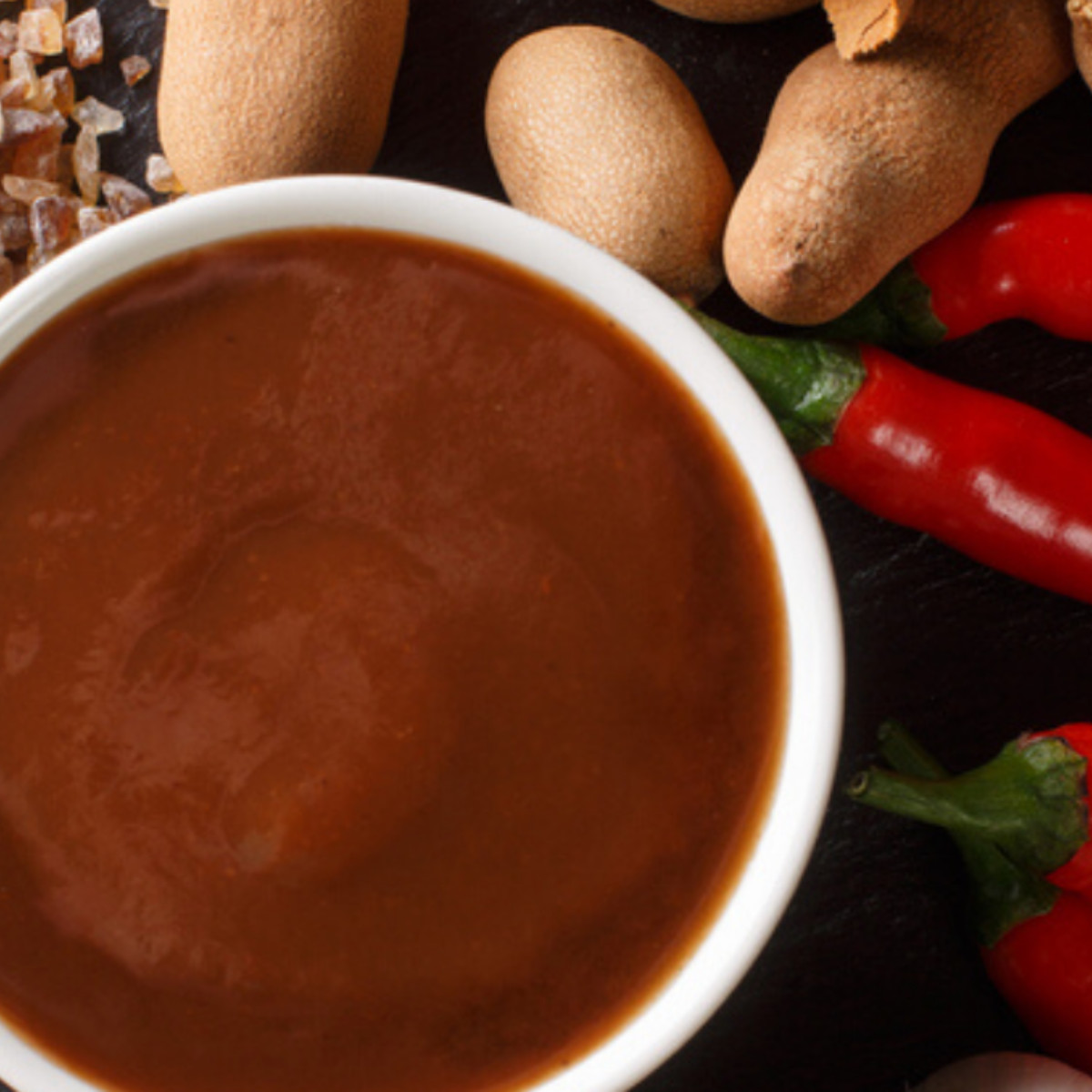
Tamarind has a dark, fruity sourness. It may be sold as whole pods, a compressed block, pulp, concentrate, or ready-to-use paste. These forms are not equally strong.
Use the type and amount specified by the recipe. This quick Tamarind Sauce shows how concentrated paste can become a sweet, tart condiment.
Amchur
Amchur is dried green mango powder. It adds acidity without moisture, making it particularly useful for dry vegetables, marinades, snacks, and chaat.
Jaggery
Jaggery is an unrefined sugar used to balance sour, salty, or bitter flavors and to make sweets. Its flavor and moisture vary, so follow the recipe rather than assuming it behaves exactly like granulated sugar.
Indian Pickles
Indian pickles, often called achar, are strongly seasoned condiments made with fruit or vegetables, salt, oil, spices, and sometimes vinegar. A small amount can transform a simple plate of dal, rice, and yogurt.
Commercial products vary widely in heat and salt. Refrigerate after opening if the label directs you to do so.
Chutneys
Chutneys add fresh, spicy, sweet, or sour contrast. Mint-cilantro chutney, tamarind chutney, coconut chutney, and tomato chutney serve different purposes.
Browse these global spice and sauce blends to compare Indian chutneys with other homemade sauces and seasonings.
Fresh Indian Cooking Staples
These ingredients do not live in the dry pantry, but they are essential to many Indian recipes.
Onions
Onions form the base of numerous curries, dals, and vegetable dishes. Cooking time matters. Softened onions provide sweetness, while deeply browned onions create more concentrated flavor.
Garlic And Ginger
Fresh garlic and ginger build the aromatic backbone of many recipes. Keep both on hand, or make Ginger Garlic Paste for a convenient shortcut.
Do not add raw paste at the end of cooking unless the recipe specifically calls for it. Ginger and garlic generally need time in hot fat or sauce to mellow.
Green Chiles
Fresh green chiles add a brighter kind of heat than dried chile powder. Jalapeño and serrano peppers are accessible options in many American grocery stores, although their heat can vary considerably.
Cilantro
Cilantro adds freshness at the end of cooking and appears in chutneys, salads, rice, curries, and garnishes. The tender stems are flavorful and can be used along with the leaves when finely chopped.
Curry Leaves
Curry leaves are fragrant leaves used extensively in South Indian cooking and some other regional cuisines. They do not taste like curry powder, and there is no exact substitute.
Fresh leaves can often be frozen for longer storage. Dry leaves are less aromatic but may be easier to obtain.
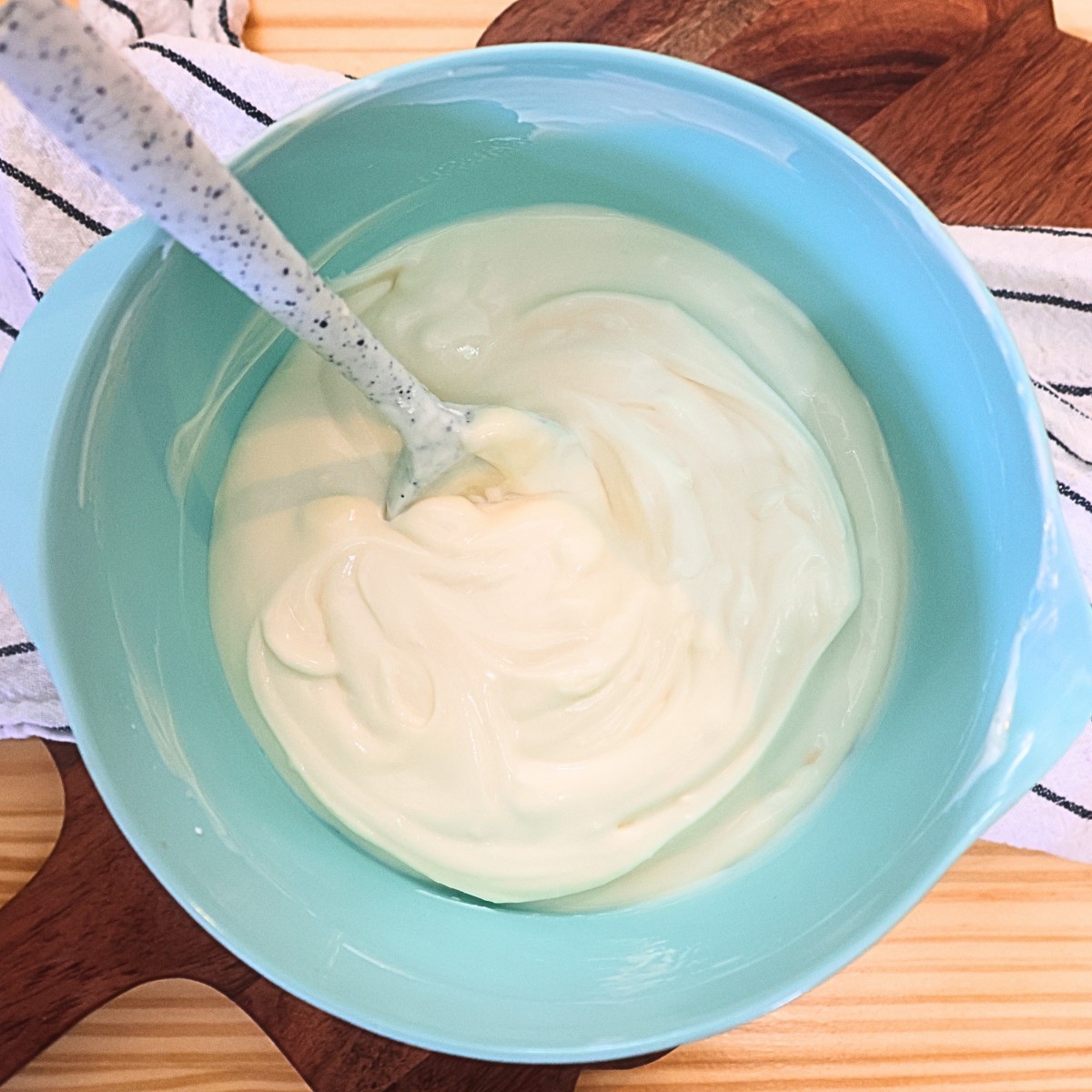
Plain Yogurt
Plain yogurt is used in marinades, curries, raita, drinks, and as a cooling side. Full-fat yogurt is generally more stable in hot sauces than very low-fat yogurt, but technique still matters.
Lower the heat and temper the yogurt when necessary. This guide explains how to keep yogurt from curdling in curry.
Lemons And Limes
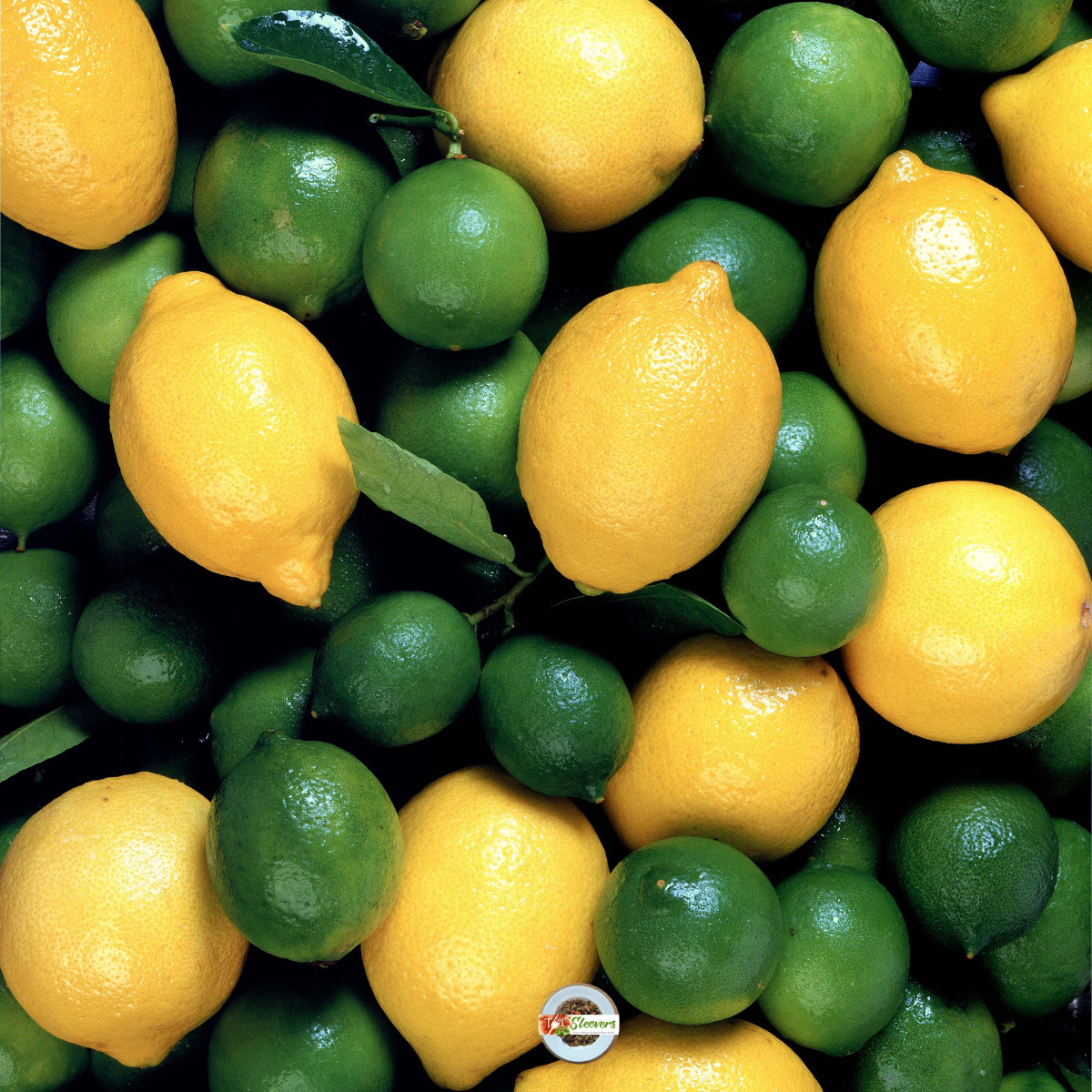
Fresh citrus brightens dal, chaat, grilled meats, rice, and vegetable dishes. Add it near the end so its flavor remains fresh.
Freezer Staples For Indian Cooking
A small freezer section can save time and reduce waste. Useful items include:
- Frozen peas
- Frozen spinach
- Frozen okra
- Frozen grated coconut
- Frozen curry leaves
- Portion-frozen ginger garlic paste
- Paneer
- Cooked chickpeas or kidney beans
- Cooked dal
- Prepared onion masala
- Homemade chutney in small portions
Freeze ingredients only when their texture will remain suitable for the intended recipe. Label every package with the ingredient and date.
A Beginner Indian Grocery List
If you want to shop once and cook several different meals, use this streamlined list.
Dry Goods
- Basmati rice
- Yellow moong dal or red masoor dal
- Canned or dried chickpeas
- Atta, if you plan to make roti
- Besan, if you plan to make pakoras or kadhi
Spices
- Cumin seeds
- Ground coriander
- Ground turmeric
- Garam masala
- Black mustard seeds
- Cayenne or Kashmiri chile powder
- Kosher salt
Canned And Jarred
- Canned tomatoes
- Canned coconut milk
- Tamarind concentrate or amchur, if required by your recipes
- Indian pickle or chutney
Oils And Dairy
- Neutral oil or ghee
- Plain yogurt
Fresh Produce
- Onions
- Garlic
- Ginger
- Green chiles
- Cilantro
- Lemons or limes
- One or two vegetables for your planned meals
With these ingredients, you can make a simple dal and rice dinner, chana masala, vegetable curry, pilau, chutney, raita, and several other combinations.
What Can You Make With Indian Pantry Staples?
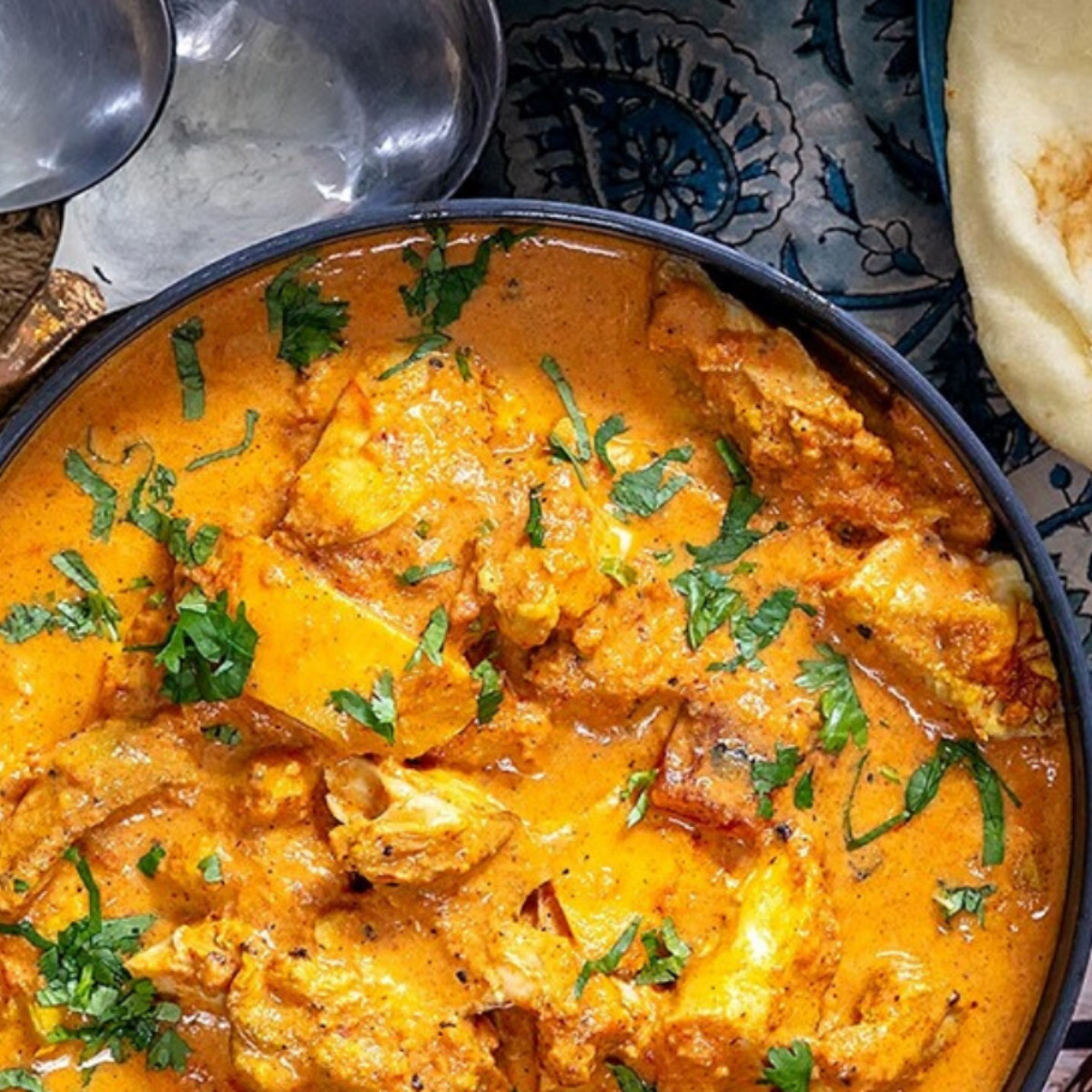
Start with recipes that teach one or two techniques at a time.
- Rice and dal: Make Pressure Cooker Rice And Dal to practice blooming cumin and mustard seeds.
- Simple lentils: This three-ingredient Lentil Soup turns chana dal, canned tomatoes, and seasonings into an easy pantry meal.
- Chickpea curry: Make Slow Cooker Chana Masala with chickpeas and a well-seasoned tomato base.
- Spiced rice: Use whole spices in Instant Pot Indian Pilau.
- Comfort food: Combine rice and split dal in Instant Pot Khichadi.
- Restaurant-style curry: Instant Pot Butter Chicken uses canned tomatoes, garam masala, cumin, turmeric, garlic, ginger, butter, and cream.
Once you are comfortable with the basics, use the formula in How To Build A Complete Indian Meal to combine a main dish, starch, vegetable or cooling side, and finishing element.
How To Store Indian Pantry Ingredients
Store Spices Away From Heat And Light
Keep spices in tightly sealed containers in a cool, dark, dry cabinet. Do not store them directly over the stove, where heat and steam accelerate flavor loss.
Label bulk spices with the purchase date. Smell them before using. A spice that has very little aroma will contribute very little flavor.
Keep Pulses And Grains Dry
Transfer opened bags of dal, beans, rice, and flour to airtight containers. Store them away from moisture and inspect them periodically.
Buy quantities appropriate for how often you cook. A large bag is not economical if it becomes stale or attracts pantry pests before you use it.
Refrigerate Or Freeze Vulnerable Ingredients
Nut flours, whole-grain flours, fresh curry leaves, coconut, paneer, chutney, and opened condiments may require refrigeration or freezing. Follow the package directions and note the opening date.
Use A First-In, First-Out System
Place newly purchased ingredients behind older ones. This simple habit reduces waste and keeps you from discovering multiple open bags of the same dal.

Tips And Tricks For Building An Indian Pantry
- Plan recipes before shopping. Choose three or four dishes that share ingredients.
- Buy small amounts of spices first. Freshness matters more than owning a huge collection.
- Choose whole spices strategically. Cumin, coriander, cardamom, cloves, and peppercorns generally keep their aroma longer when whole.
- Label everything. Several dals and chile powders look similar after their original package is discarded.
- Do not improvise dal substitutions blindly. Whole and split pulses require different liquid and cooking times.
- Use an Indian market selectively. It is often the best source for atta, dal, curry leaves, paneer, and regional ingredients, but a regular supermarket can supply the basic starter list.
- Freeze what you cannot use promptly. Portion ginger garlic paste, curry leaves, coconut, and cooked beans before freezing.
- Add specialty ingredients gradually. Buy tamarind, kasuri methi, or asafoetida when a planned recipe calls for them.
- Follow tested recipes. Ingredient form matters. Tamarind concentrate, whole tamarind, tomato paste, and canned tomato sauce are not interchangeable in equal quantities.
Frequently Asked Questions

What Should I Buy At An Indian Grocery Store?
Start with ingredients that are difficult to find or expensive at your regular supermarket, such as fresh curry leaves, atta, besan, specific dals, paneer, Indian chile powder, kasuri methi, tamarind, and whole spices. Purchase only what appears in recipes you actually plan to make.
Do I Need Curry Powder For Indian Cooking?
No. Many Indian recipes build flavor with individual spices or a recipe-specific blend. Curry powder is not one standard Indian ingredient, and formulas vary considerably. Garam masala is also not a direct replacement for curry powder.
What Five Spices Should A Beginner Buy First?
Cumin seeds, ground coriander, turmeric, garam masala, and an appropriate chile powder will cover many beginner recipes. Black mustard seeds are an excellent sixth choice, especially for dal, vegetables, and South Indian dishes.
Should I Buy Whole Or Ground Spices?
Buy whole spices when practical because they generally hold their aroma longer. Cumin, coriander, cardamom, cloves, cinnamon, and peppercorns are useful whole. Turmeric and cayenne are more convenient ground.
How Long Do Indian Spices Last?
Safety and quality are different questions. Dried spices may remain safe beyond their peak flavor, but they gradually lose aroma and potency. Whole spices generally retain flavor longer than ground spices. Follow package guidance, store them correctly, and replace them when their aroma has faded.
Which Dal Is Best For Beginners?
Yellow moong dal and red masoor dal are mild and relatively quick-cooking. Toor dal is another versatile option. Choose the dal required by your recipe rather than substituting based on color alone.
Can I Use Canned Chickpeas In Indian Recipes?
Yes, when the recipe permits them. Canned chickpeas are convenient for salads and quick chana masala. Drain and rinse them unless the recipe says to use the liquid. They cannot replace chana dal in equal quantities.
Is Basmati Rice Necessary?
Basmati provides the long grains and aroma associated with many Indian rice dishes, but not every Indian meal uses basmati. Regional cuisines also use short-grain rice, parboiled rice, red rice, brown rice, and other grains. Follow the individual recipe for the intended result.
What Is The Best Oil For Indian Cooking?
There is no single best oil. Neutral oil is versatile, ghee adds buttery flavor, coconut oil suits certain regional dishes, and mustard oil has a distinctive role in others. Choose a fat that fits the recipe, cooking temperature, dietary needs, and local product guidance.
How Do I Make Indian Food Taste More Flavorful?
Use fresh spices, salt the dish properly, cook onions and aromatics for the required time, and bloom spices without burning them. Add acid or fresh herbs when the recipe needs brightness. This guide to blooming and tempering Indian spices explains how hot fat unlocks and distributes spice flavor.
Why Does My Curry Taste Bitter?
Burned spices, too much turmeric or fenugreek, scorched garlic, excessive chile, or an unbalanced sauce can create bitterness. Read Why Is My Curry Bitter? before adding random ingredients. If the entire dish needs adjustment, use this guide to fixing Indian curry.
More Indian Cooking Resources
A useful Indian pantry grows with your cooking. Begin with rice, one or two dals, canned tomatoes, chickpeas, a cooking fat, several versatile spices, and fresh aromatics. Once you know which dishes your household enjoys, add the regional flours, souring agents, condiments, and whole spices those recipes require.
Browse the complete collection of Indian recipes or explore these global spice and sauce blends for more ways to turn pantry ingredients into flavorful meals.
If this guide to Indian pantry staples helped you organize your kitchen, share it with your friends on Facebook and Pinterest so they can build a practical Indian pantry too.