
Indian chutney can be fresh and herbal, sweet and tangy, creamy, fiery, dry, or deeply spiced. Learn about seven types of Indian chutney, what each one tastes like, and how to serve them with samosas, pakoras, kebabs, dosa, rice, curry, sandwiches, and complete Indian meals.
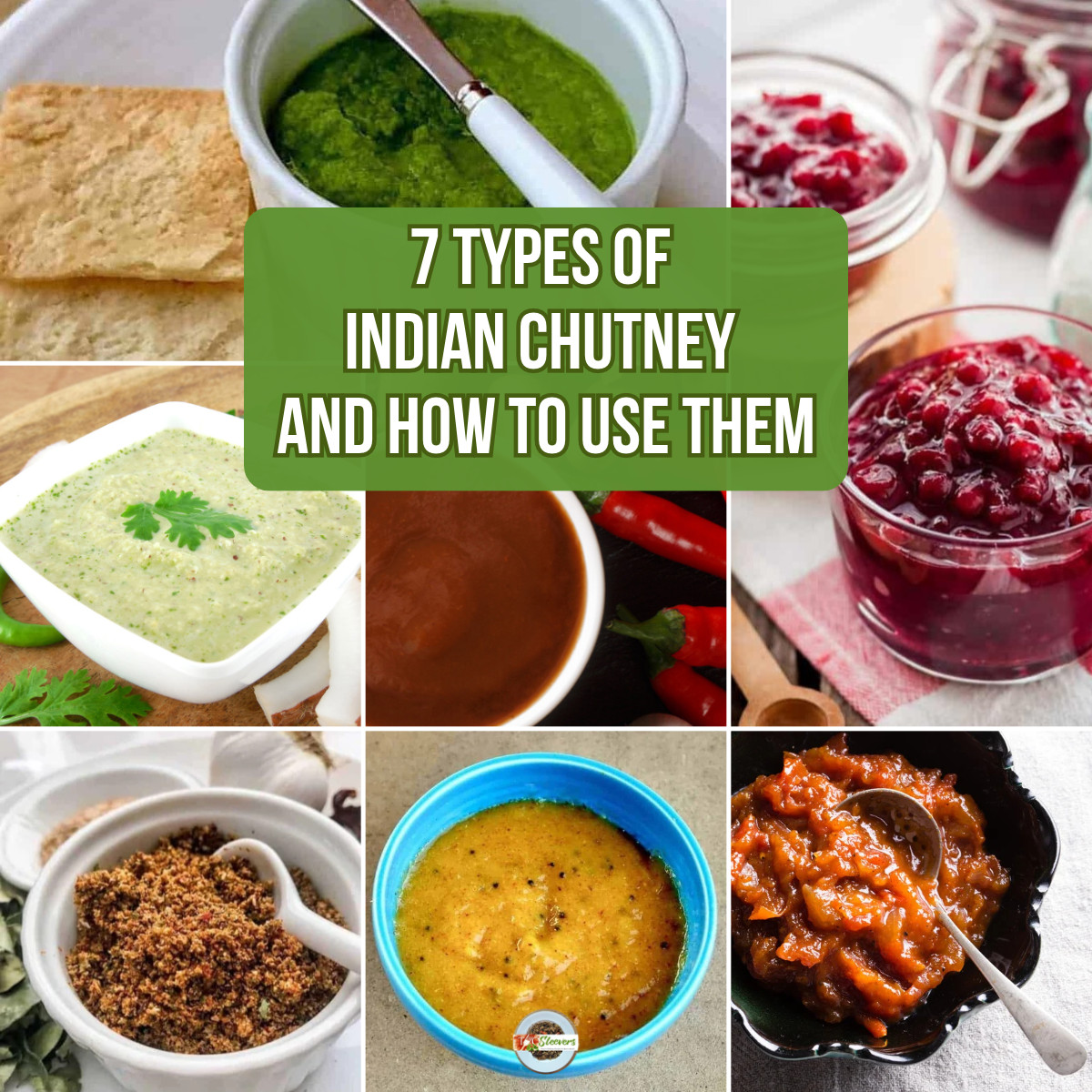
Chutney is one of the easiest ways to add contrast to an Indian meal. A spoonful of green chutney can brighten a rich kebab, tamarind chutney can balance a salty snack, and coconut chutney can turn dosa or idli into a complete breakfast.
There is no single recipe that represents every Indian chutney. Some are blended raw and served immediately. Others are cooked until thick, tempered with spices, ground into a dry powder, or preserved with sugar and vinegar. The best chutney depends on what you are serving and which flavor the meal needs.
Why You'll Love This Indian Chutney Guide
- Practical. Learn which chutney works with specific Indian foods.
- Versatile. Find pairings for snacks, rice, curry, meat, vegetables, bread, and sandwiches.
- Beginner friendly. Understand the difference between fresh, cooked, creamy, and dry chutneys.
- Customizable. Adjust sweetness, heat, acidity, and consistency to suit your meal.
- Helpful. Get storage tips, serving quantities, substitutions, and menu ideas.
If you are learning how to plan an entire menu, use this guide for How To Build A Complete Indian Meal.
What Is Indian Chutney?
Indian chutney is a condiment made from herbs, fruit, vegetables, coconut, nuts, seeds, chiles, spices, or a combination of these ingredients. Depending on the recipe, chutney may be raw, cooked, blended, grated, pounded, tempered, or ground into a dry powder.
The word chutney describes a broad category rather than one specific sauce. Texture can range from thin and pourable to thick and spoonable. Some dry chutneys resemble a coarse spice blend more than a dipping sauce.
Chutney is usually served in a relatively small amount because its flavor is concentrated. It can add:
- Freshness
- Acidity
- Sweetness
- Chile heat
- Creaminess
- Toasted flavor
- Saltiness
- Texture
Browse the Spices And Sauces Recipe Collection for more homemade condiments and seasoning blends.
Seven Types Of Indian Chutney At A Glance
| Type of chutney | Main flavor | Typical texture | Best served with |
|---|---|---|---|
| Green chutney | Fresh, herbal, spicy, tangy | Smooth or slightly textured | Samosas, pakoras, kebabs, sandwiches, chaat |
| Tamarind chutney | Sweet, sour, warmly spiced | Pourable or syrupy | Samosas, chaat, potato snacks, fritters |
| Coconut chutney | Creamy, savory, mildly spicy | Thick and spoonable | Dosa, idli, vada, rice dishes |
| Raw mango chutney | Tart, hot, salty, sometimes sweet | Grated, chopped, or blended | Dal, rice, fish, grilled meat, flatbread |
| Tomato chutney | Tangy, savory, spicy | Chunky or blended | Dosa, idli, rice, bread, snacks |
| Dry garlic chutney | Toasty, garlicky, salty, hot | Coarse or powdered | Rice, roti, vegetables, sandwiches, vada pav |
| Cooked fruit chutney | Sweet, tangy, aromatic | Thick and jammy | Indian meals, cheese, roasted meat, sandwiches |
1. Green Chutney
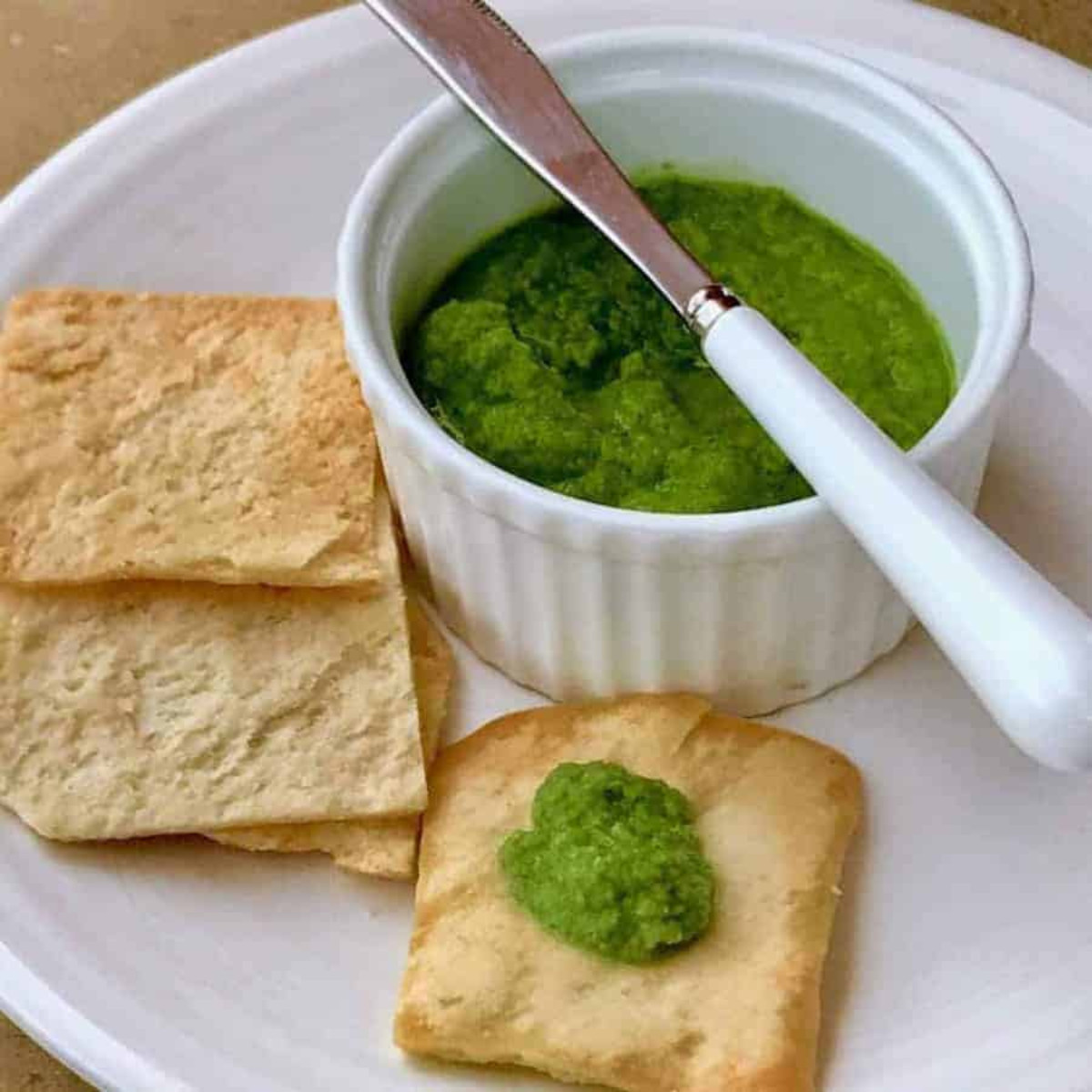
Green chutney is one of the most familiar Indian restaurant condiments. It is usually made with cilantro, mint, green chiles, citrus, and seasonings. Coconut, ginger, garlic, yogurt, or roasted cumin may also be added depending on the region and recipe.
Mint chutney and cilantro chutney are sometimes treated as separate styles. Many home recipes combine both herbs to get mint's cooling character and cilantro's bright flavor in the same bowl.
This Indian Green Chutney blends cilantro, mint, coconut, garlic, jalapeño, and lemon into a quick no-cook sauce.
What Does Green Chutney Taste Like?
Green chutney should taste fresh first. It may also be hot, tart, garlicky, or creamy, but the herbs should remain noticeable.
The exact flavor depends on the balance of ingredients:
- Mint adds cool, clean flavor.
- Cilantro adds grassy, citrus-like freshness.
- Green chiles provide sharp heat.
- Lemon or lime adds acidity.
- Coconut gives the sauce body and mild sweetness.
- Yogurt makes it creamy and softens the heat.
What To Serve With Green Chutney
Serve green chutney with:
- Samosas
- Pakoras and fritters
- Chaat
- Tandoori chicken
- Kebabs and tikka
- Bombay sandwiches
- Naan, roti, or paratha
- Grilled fish
- Roasted vegetables
- Pita chips or crackers
It is especially good with dry or grilled dishes. Spoon it beside these Indian Chicken Tikka Bites or use it to season the fish in Patra Ni Machhi.
Green chutney also works as a sandwich spread. For a quick dip, stir a spoonful into plain yogurt and adjust the salt.
How To Keep Green Chutney Bright
Use fresh herbs, add citrus, and blend only until the texture is smooth enough. Excessive heat and prolonged storage can darken the herbs.
Chill the chutney promptly in an airtight container. If the flavor is too sharp, add a little coconut or yogurt rather than a large amount of sweetener.
2. Tamarind Chutney
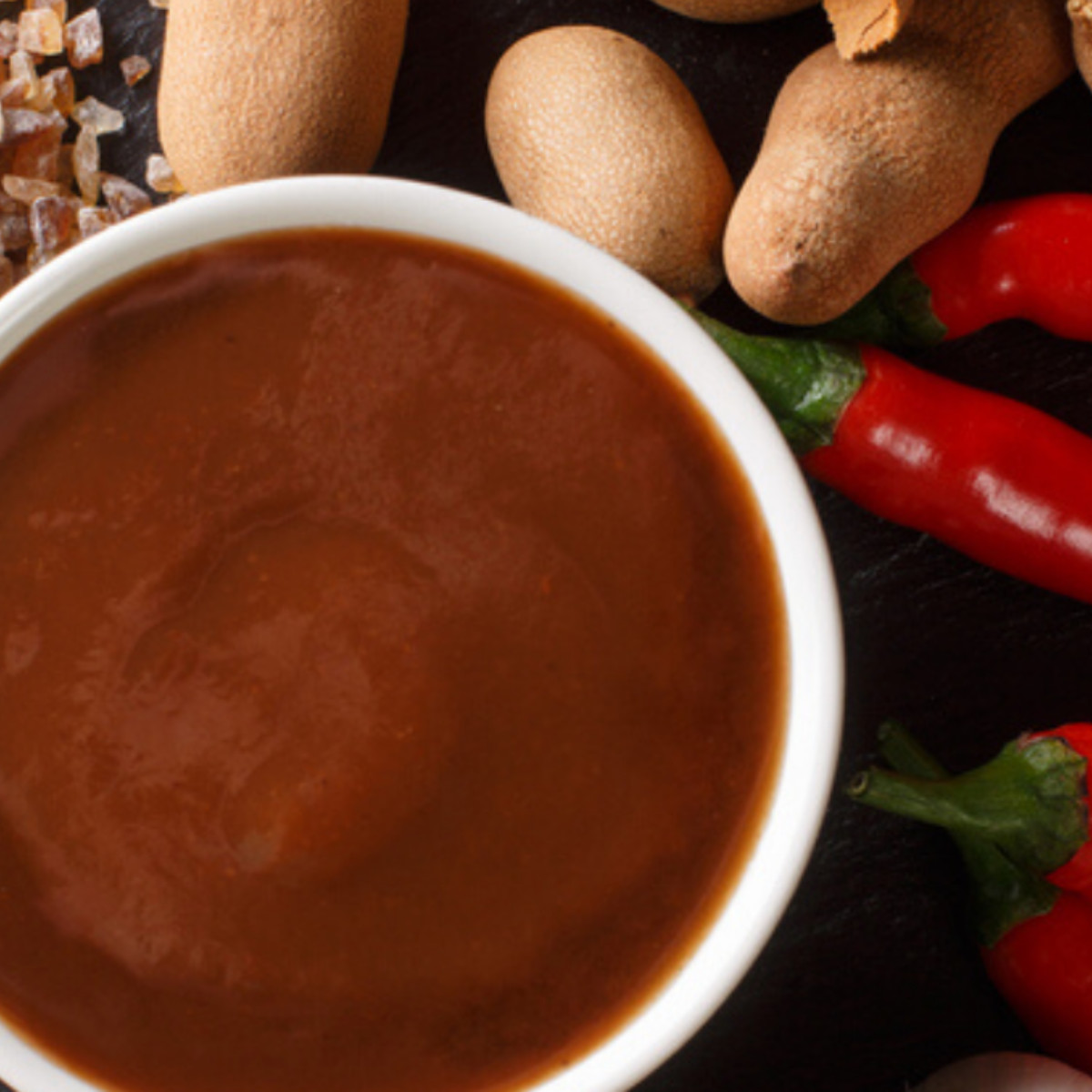
Tamarind chutney is sweet, sour, spicy, and deeply flavored. It may be called imli chutney, sweet chutney, or tamarind sauce. Tamarind provides the acidity, while sugar, dates, jaggery, or another sweetener balances its tartness.
Cumin, coriander, cayenne, ginger, black salt, or chaat masala may be added for warmth and complexity.
This quick Tamarind Sauce uses concentrated tamarind paste with sweetener and spices to make a chutney in minutes.
What Does Tamarind Chutney Taste Like?
The first impression should be tangy and sweet, followed by warm spice and optional heat. The consistency can be thin enough to drizzle over chaat or thick enough for dipping.
Tamarind products vary considerably in concentration. Taste before adding all of the water or sweetener, then adjust until the sauce has a balanced sweet-sour flavor.
What To Serve With Tamarind Chutney
Serve tamarind chutney with:
- Samosas
- Pakoras
- Aloo tikki or potato patties
- Chaat
- Dahi vada
- Kachori
- Fritters
- Roasted vegetables
- Chicken wings
- Grilled meat
Green and tamarind chutneys are often served together. Green chutney brings fresh heat, while tamarind adds sweetness and acidity.
When planning a biryani dinner, serve tamarind chutney with appetizers before the main course rather than pouring it directly over the rice. Find more pairings in What To Serve With Biryani.
3. Coconut Chutney
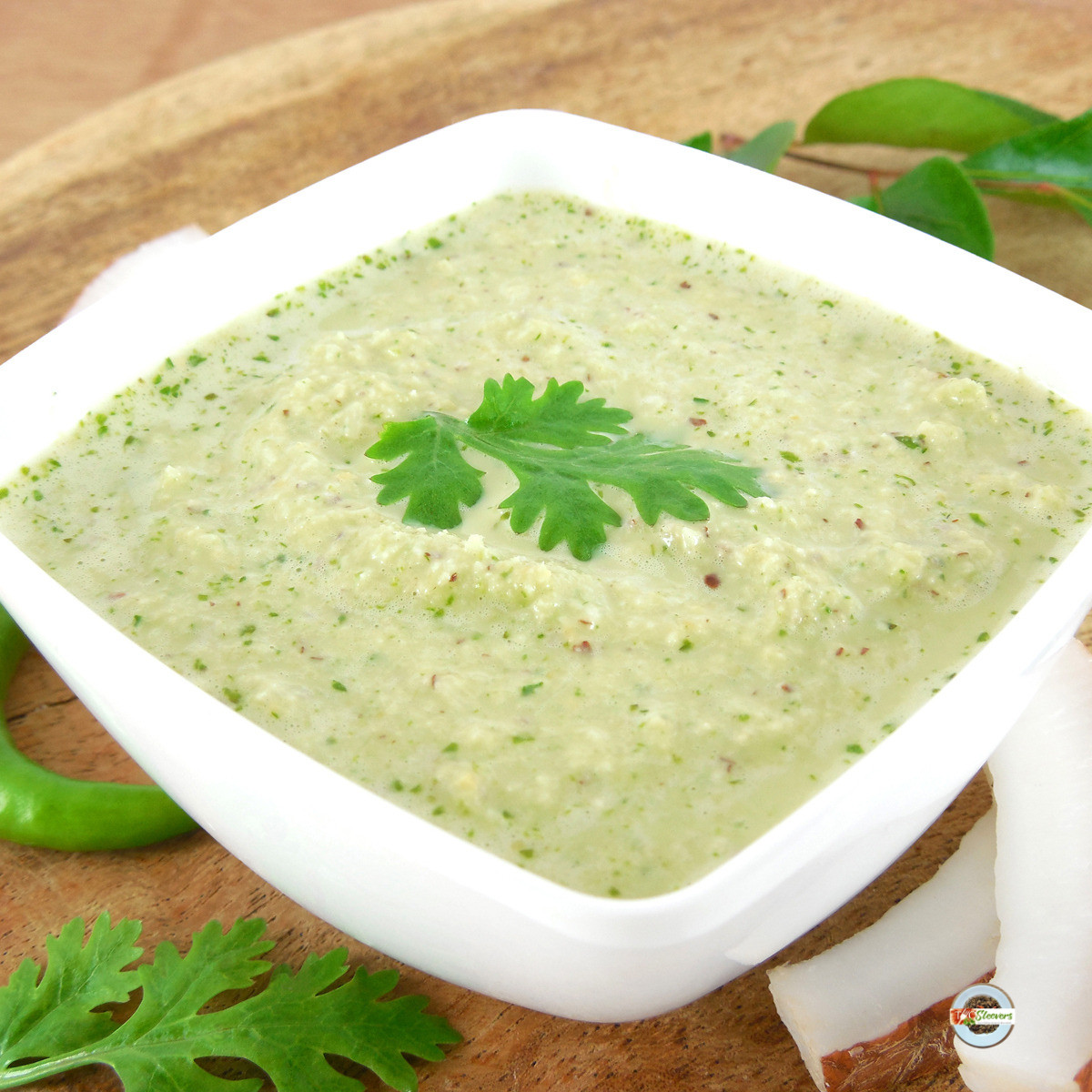
Coconut chutney is especially common in South Indian cooking. It is often made with fresh or frozen coconut, roasted chana dal, green chiles, ginger, salt, and water. Some versions include cilantro, mint, peanuts, or yogurt.
The blended chutney may be finished with a tadka of hot oil, mustard seeds, curry leaves, dried red chiles, and asafoetida. This tempering adds aroma and a contrasting texture.
What Does Coconut Chutney Taste Like?
Coconut chutney is creamy, savory, gently sweet, and usually mildly spicy. Fresh coconut creates a softer flavor than dried coconut, while roasted legumes or nuts add body.
The chutney should be thick enough to scoop but loose enough to spoon over food. Add water gradually so it does not become thin.
What To Serve With Coconut Chutney
Serve coconut chutney with:
- Dosa
- Idli
- Medu vada
- Uttapam
- Upma
- Pongal
- Rice dishes
- Pakoras
- Savory pancakes
It is a natural match for South Indian breakfast foods because its creaminess balances fermented batter, toasted surfaces, and chile heat.
For a variation that combines coconut with fresh herbs, use the Indian Green Chutney. Its coconut gives the sauce body while cilantro and mint make it brighter than a traditional plain coconut chutney.
How To Temper Coconut Chutney
Heat a small amount of oil, add mustard seeds, and wait for them to pop. Add curry leaves, dried chile, or asafoetida if the recipe calls for them, then pour the fragrant oil over the chutney.
Spices can burn quickly in hot oil. Use my guide to Blooming And Tempering Indian Spices if you are new to tadka.
4. Raw Mango Chutney
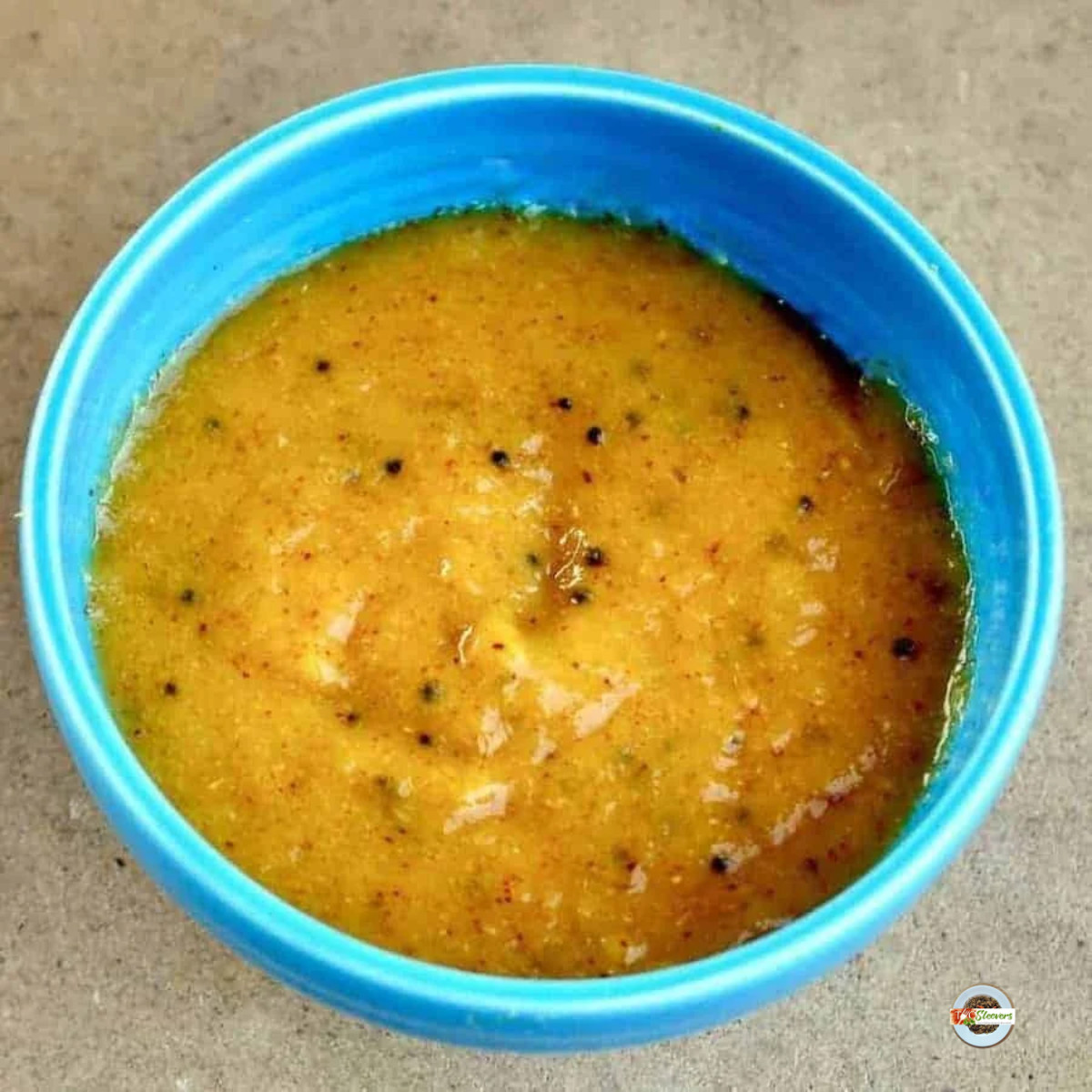
Raw mango chutney uses firm, unripe green mango for pronounced tartness. It may be grated, chopped, pounded, or blended with onion, green or dried chiles, cumin, salt, sugar, and other spices.
Some versions are raw and fresh. Others are cooked into a sweet, thick condiment. A tempering of mustard seeds or cumin can add another layer of flavor.
This Raw Mango Onion Chutney combines green mango and onion with cayenne, cumin, salt, sweetener, and a mustard-seed tempering.
What Does Raw Mango Chutney Taste Like?
Raw mango chutney is tart, bright, salty, and often hot. Sweetener may be used to balance the fruit, but a fresh raw mango chutney should not necessarily taste like a sweet commercial mango chutney.
Mangoes vary in acidity and ripeness. Taste the mixture before deciding how much sugar, salt, or chile it needs.
What To Serve With Raw Mango Chutney
Serve raw mango chutney with:
- Dal and rice
- Roti or paratha
- Grilled fish
- Tandoori chicken
- Kebabs
- Roasted vegetables
- Curd rice
- Simple bean dishes
It works especially well with mild food that needs acidity and heat. Keep the portion small so the tart mango complements the meal rather than dominating it.
5. Tomato Chutney
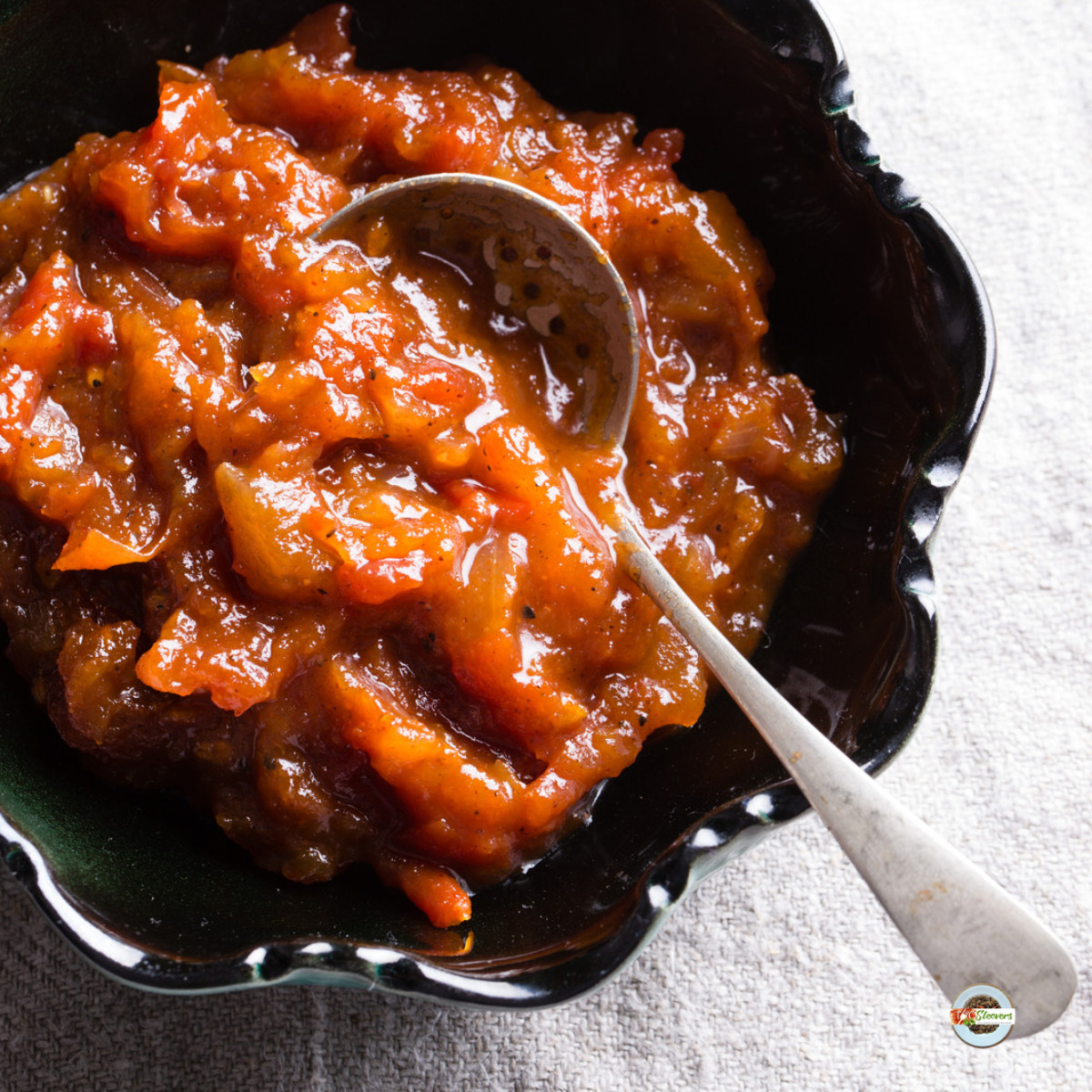
Tomato chutney can be fresh, cooked, chunky, or smooth. Many South Indian versions cook tomatoes with onion, garlic, chiles, lentils, or spices before grinding them. The chutney may then be tempered with mustard seeds and curry leaves.
Other versions resemble a relish, with visible pieces of tomato and a balance of sweet, sour, salty, and spicy flavors.
What Does Tomato Chutney Taste Like?
Tomato chutney is tangy, savory, and naturally a little sweet. Dried or fresh chiles add heat, while garlic, onion, curry leaves, and toasted lentils make it more substantial.
Very ripe tomatoes produce a sweeter chutney. Add lemon, tamarind, or another sour ingredient only when the recipe needs more acidity.
What To Serve With Tomato Chutney
Serve tomato chutney with:
- Dosa
- Idli
- Vada
- Uttapam
- Rice
- Roti
- Pakoras
- Grilled cheese or savory sandwiches
- Roasted potatoes
Tomato chutney and tomato raita are not the same thing. Raita is a cooling yogurt-based side, while tomato chutney is a concentrated condiment. If a meal needs cooling creaminess rather than an intense sauce, make this Tomato Raita instead.
6. Dry Garlic Chutney
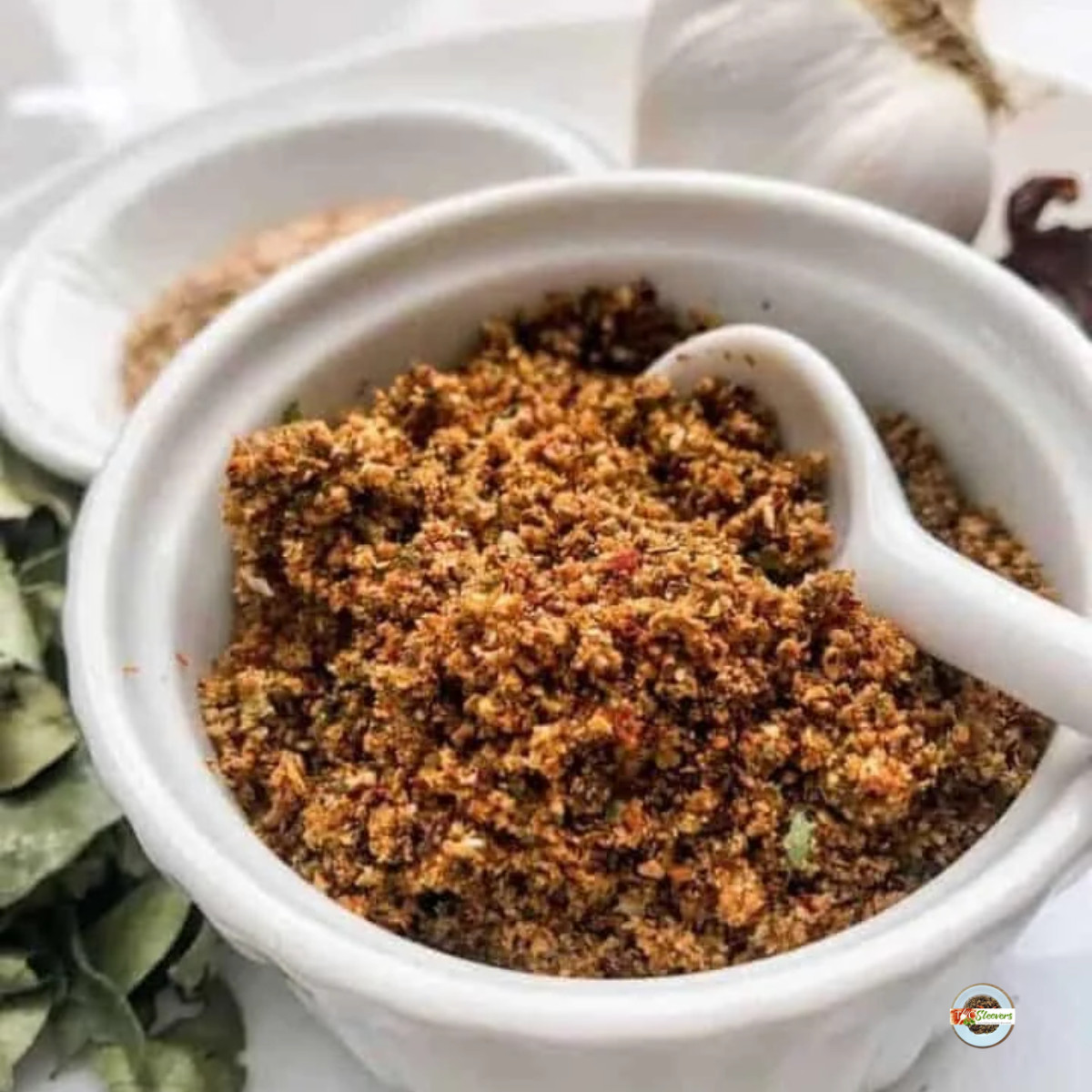
Not every chutney is a wet sauce. Dry garlic chutney is a coarse or powdered mixture that may contain toasted garlic, sesame seeds, coconut, peanuts, dried red chiles, curry leaves, and salt.
It is intensely flavored, so a small spoonful can season rice, bread, vegetables, or snacks.
This Indian Sesame Garlic Chutney toasts sesame seeds and garlic before grinding them with dried curry leaves, red chiles, and salt.
What Does Dry Garlic Chutney Taste Like?
Dry garlic chutney is savory, nutty, hot, salty, and deeply aromatic. Toasted ingredients make the flavor warmer than a raw garlic sauce.
Let toasted ingredients cool before grinding. Steam trapped in warm garlic or seeds can turn a dry mixture into a paste.
What To Serve With Dry Garlic Chutney
Serve dry garlic chutney:
- With ghee and hot rice
- With roti, chapati, or paratha
- Inside vada pav
- Over buttered vegetables
- Mixed into plain yogurt
- Stirred into mayonnaise
- Sprinkled over eggs
- Mixed with butter for garlic toast
- Alongside dal and rice
Because it is concentrated and can be spicy, begin with ½ to 1 teaspoon per person. Add more after tasting.
7. Cooked Fruit Chutney
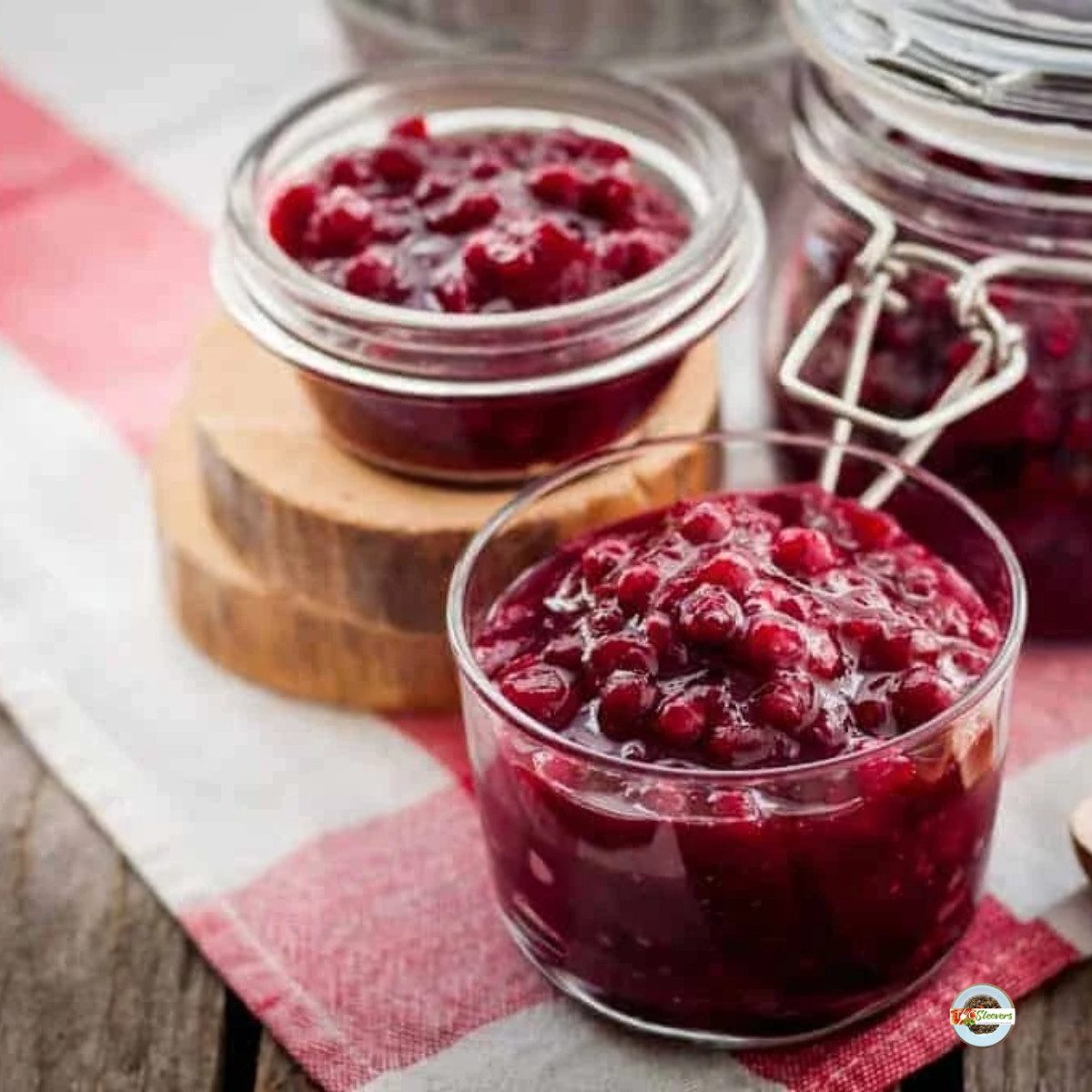
Cooked fruit chutney balances fruit with vinegar, aromatics, spices, salt, and sweetener. The result is thicker and more jam-like than a fresh herb chutney.
Mango may be the best-known fruit, but peach, cranberry, plum, apricot, and citrus can all become chutney. These versions are useful well beyond a traditional Indian plate.
Try:
- Peach Chutney with peaches, pineapple, onion, ginger, and Indian spices
- Cranberry Chutney with onion, ginger, raisins, garam masala, turmeric, and cumin
- Meyer Lemon Chutney for a concentrated sweet, sour, and spiced citrus condiment
What Does Fruit Chutney Taste Like?
Cooked fruit chutney is sweet and tangy with savory and aromatic notes. The fruit should remain identifiable rather than tasting only of sugar or vinegar.
The final balance depends on the fruit. Cranberries need more sweetness than ripe peaches, while whole citrus can contribute bitterness from the peel.
What To Serve With Fruit Chutney
Serve cooked fruit chutney with:
- Chana masala
- Palak paneer
- Rice or naan
- Roasted chicken, pork, or lamb
- Grilled cheese
- Ham sandwiches
- Cheese and crackers
- Baked brie
- Grain bowls
- Roasted vegetables
Fruit chutney is a particularly easy bridge between Indian cooking and a cheese board. Spoon it over cream cheese or serve it beside a sharp cheddar, Brie, or goat cheese.
What Is The Difference Between Chutney, Raita, And Pickle?
These condiments can appear on the same plate, but they serve different purposes.
| Condiment | Typical base | Main purpose |
|---|---|---|
| Chutney | Herbs, fruit, vegetables, coconut, nuts, seeds, or spices | Adds concentrated freshness, heat, sweetness, acidity, or texture |
| Raita | Yogurt with vegetables, herbs, or spices | Cools and softens spicy or rich food |
| Indian pickle | Fruit or vegetables with salt, oil, spices, and acid | Adds intense salt, heat, acidity, and preserved flavor |
Chutney is not automatically sweet, and raita is not simply a creamy chutney. Choose the condiment based on what the meal needs.
How To Choose The Right Chutney
For Fried Snacks
Serve both green chutney and tamarind chutney. The fresh, spicy sauce and sweet-sour sauce create contrast.
For Dosa And Idli
Coconut and tomato chutneys are classic choices. Serve one or both with sambar.
For Kebabs And Tandoori Food

Choose green chutney. Its herbs and citrus cut through smoky, richly seasoned meat.
For Dal And Rice
Try raw mango, dry garlic, tomato, or a small amount of cooked fruit chutney. Choose something concentrated that wakes up the mild starch and lentils.
Learn more about pairing different lentils in Indian Dal Types Explained.
For Biryani

Serve green chutney when the meal also includes kebabs or appetizers. Use raita as the primary cooling side. Tamarind chutney is usually better with the snacks served before the biryani.
For Sandwiches And Cheese Boards
Choose green chutney for a fresh, spicy sandwich or cooked fruit chutney for sweetness and acidity. Peach, cranberry, and lemon chutneys work especially well with cheese.
How Much Chutney Should You Serve?
Plan approximately 1 to 2 tablespoons of wet chutney per person when it is one of several condiments. For a highly concentrated dry garlic chutney, start with ½ to 1 teaspoon per person.
Serve more when chutney is the primary dipping sauce for appetizers. For a snack platter, offer two contrasting chutneys rather than a large quantity of only one.
A useful combination is:
- One fresh chutney, such as mint-cilantro
- One sweet or sour chutney, such as tamarind
- One cooling component, such as raita or plain yogurt
This gives guests control over heat, sweetness, and richness.
How To Make An Indian Chutney Platter
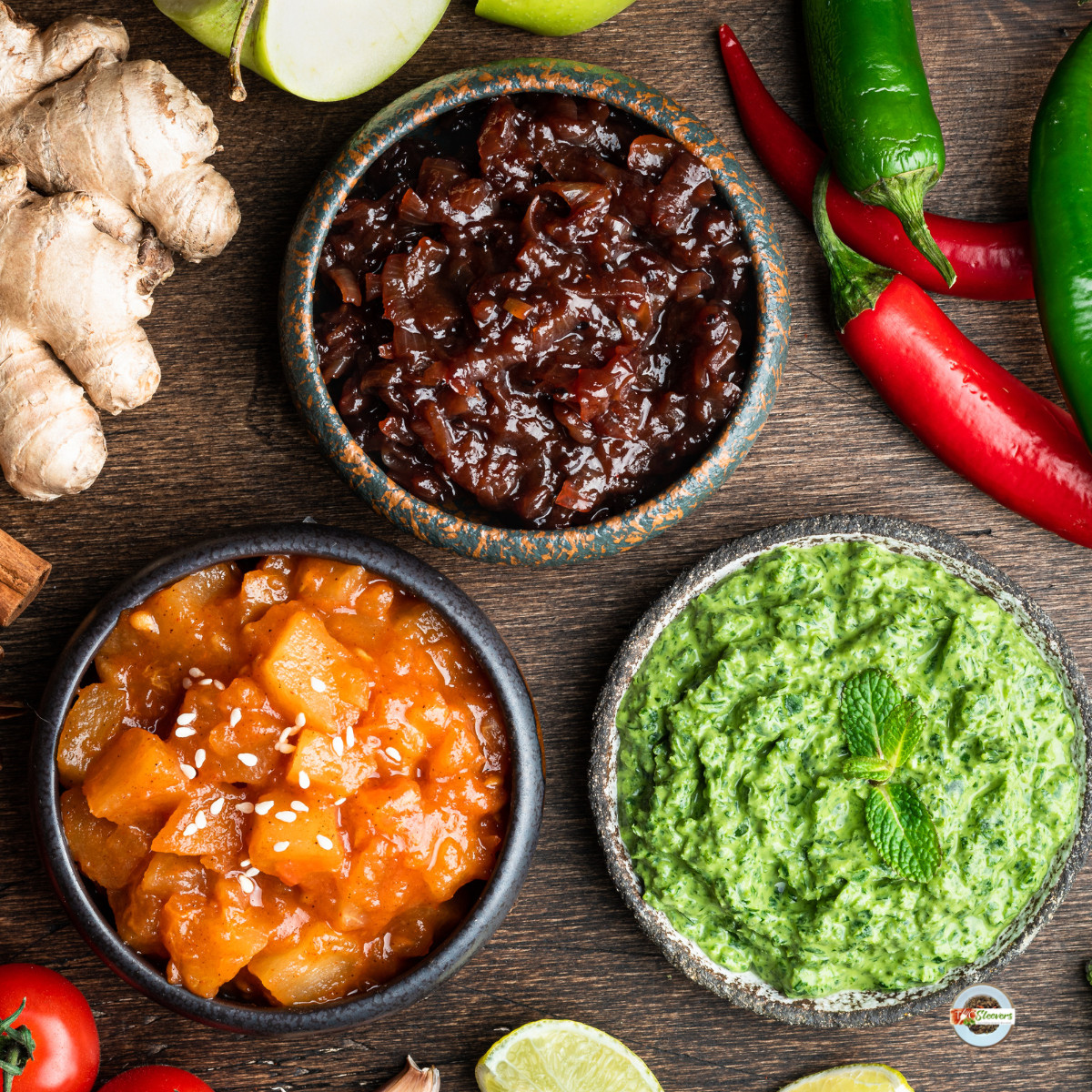
For a party, place two or three chutneys in small bowls and surround them with foods that can be dipped or topped.
Try this easy combination:
- Green chutney
- Tamarind chutney
- Coconut or tomato chutney
- Samosas or pakoras
- Chicken tikka bites
- Papad
- Cucumber and onion slices
- Lemon wedges
Label very spicy chutneys and provide individual spoons. Do not allow serving utensils that touched meat or dairy to be returned to chutneys intended for vegan guests.
Explore more pairing ideas in this collection of Indian Street Food Recipes.
How To Adjust Chutney Flavor
If It Is Too Spicy
Add more of the main ingredient, such as cilantro, coconut, tomato, or fruit. Yogurt can soften a green chutney, while sweetener may help a tamarind or fruit chutney.
If It Is Too Sour
Add a small amount of sugar, jaggery, dates, or another appropriate sweetener. Adjust in small increments so the chutney does not become dessert-like.
If It Is Too Sweet
Add acidity, salt, chile, or a little more of the unsweetened base ingredient. Tamarind, lemon, or vinegar may work depending on the recipe.
If It Is Too Thin
Add coconut, nuts, seeds, roasted chana dal, herbs, or more fruit when appropriate. A cooked fruit or tomato chutney can be simmered uncovered to reduce excess water.
If It Is Too Thick
Add water a teaspoon at a time. Lemon juice, yogurt, or another recipe-specific liquid may also work, but each will change the flavor.
Tips And Tricks

- Taste the produce first. Mangoes, tomatoes, peaches, lemons, and herbs vary in sweetness and acidity.
- Add water sparingly. It is easier to thin chutney than to make it thick again.
- Balance, do not erase. A tamarind chutney should remain tangy, and a green chutney should taste fresh.
- Toast carefully. Sesame seeds, chiles, garlic, and spices can move from fragrant to burned quickly.
- Cool before grinding. Warm toasted ingredients can release steam and change a dry chutney's texture.
- Keep portions small. Chutney should complement the plate rather than cover every other flavor.
- Store promptly. Fresh coconut and herb chutneys are perishable.
- Use clean utensils. This helps fresh chutney last longer and prevents cross-contamination.
- Label frozen portions. Note the chutney type and date.
For a broader look at homemade condiments, read Global Spices And Sauce Blends.
How To Store Indian Chutney
Storage time depends on the ingredients and preparation method. A fresh coconut chutney does not last as long as a cooked fruit chutney, and a dry garlic powder behaves differently from both.
Use the storage directions in the individual recipe whenever they are available.
| Chutney style | General refrigerator guidance | Freezing notes |
|---|---|---|
| Fresh green chutney | Store promptly and use within a few days | Freeze in small portions; color may darken |
| Tamarind chutney | Often keeps longer than fresh herb chutney | Usually freezes well in small containers |
| Coconut chutney | Best within 2 to 3 days | Can be frozen, but texture may change |
| Raw mango chutney | Refrigerate and use promptly | Freeze only when the recipe recommends it |
| Tomato chutney | Refrigerate in an airtight container | Many cooked versions freeze well |
| Dry garlic chutney | Keep dry and follow the tested recipe | Freezing is usually unnecessary |
| Cooked fruit chutney | Follow the recipe's specific guidance | Many versions freeze well |
These are quality guidelines, not instructions for shelf-stable preservation. Unless a chutney has been processed using a tested canning recipe, store it in the refrigerator or freezer. Do not assume that vinegar, sugar, or salt automatically makes a homemade chutney safe at room temperature.
Can You Freeze Chutney?
Many chutneys freeze well. Green, tamarind, tomato, and cooked fruit chutneys can be portioned into small airtight containers or ice cube trays.
Once frozen solid, transfer cubes to a freezer-safe bag. Thaw only the amount you need in the refrigerator.
Fresh herb chutney may darken after freezing, and coconut chutney may have a slightly different texture. Stir well after thawing and adjust salt or acidity if needed.
Frequently Asked Questions

What Are The Most Popular Indian Chutneys?
Green mint-cilantro chutney, tamarind chutney, coconut chutney, mango chutney, tomato chutney, and garlic chutney are widely recognized. Popularity varies by region, household, and the food being served.
What Is The Green Chutney At Indian Restaurants?
It is usually made with cilantro, mint, green chiles, citrus, and salt. Coconut, ginger, garlic, yogurt, or cumin may also be included.
What Are The Two Chutneys Served With Samosas?
Samosas are often served with green herb chutney and sweet tamarind chutney. Green chutney adds fresh heat, while tamarind chutney contributes sweetness and acidity.
What Chutney Is Served With Dosa?
Coconut chutney is one of the most common choices. Tomato, peanut, onion, or mint chutney may also be served depending on the region and household.
Is Mango Chutney Always Sweet?
No. Cooked mango chutney can be sweet and jammy, while raw green mango chutney may be tart, salty, spicy, and only lightly sweetened.
Is Chutney The Same As Jam?
No. Some cooked fruit chutneys have a jam-like texture, but chutney usually includes savory, sour, salty, or spicy ingredients. Fresh herb, coconut, tomato, and dry garlic chutneys are not jam-like at all.
Is Indian Chutney Spicy?
Some chutneys are spicy, but not all. Coconut and fruit chutneys may be mild, while green chile and garlic chutneys can be hot. Adjust the amount and type of chile to suit your preference.
Can I Make Chutney Without A Blender?
Yes. Use a mortar and pestle, spice grinder, food processor, grater, or knife depending on the style. Raw mango chutney can be grated, while dry garlic chutney can be ground after its ingredients cool.
Can You Serve Chutney With Curry?
Yes, but choose a chutney that adds contrast. Raw mango or dry garlic can brighten a mild dal, while green chutney works well with dry grilled dishes. Very sweet chutney may compete with an already sweet or creamy curry.
Is Raita A Chutney?
No. Raita is a yogurt-based side intended to cool and balance a meal. Chutney is a broader category of concentrated condiments made from herbs, fruit, vegetables, coconut, nuts, seeds, or spices.
More Indian Recipes And Cooking Guides
Use these recipes and resources to build a complete chutney-friendly menu:
- Indian Green Chutney
- Tamarind Sauce
- Raw Mango Onion Chutney
- Indian Sesame Garlic Chutney
- Peach Chutney
- Cranberry Chutney
- Meyer Lemon Chutney
- How To Build A Complete Indian Meal
- Indian Cooking Techniques Explained
- All Indian Recipes
These seven types of Indian chutney show how varied one condiment category can be. Choose green chutney for freshness, tamarind for sweet-sour contrast, coconut for creaminess, raw mango for tartness, tomato for savory acidity, dry garlic for toasted heat, or cooked fruit chutney for a sweet and spiced finish.
If you found this guide helpful, share it on Facebook or Pinterest so your friends can choose the right Indian chutney for their next meal too.