
How To Use Cottage Cheese In Baking
Learn how to use cottage cheese in baking to add moisture, richness, and protein to muffins, breads, cookies, brownies, rolls, and other baked goods. These practical tips explain when to blend it, how to prevent watery batter, and which type of cottage cheese produces the best results.
Why You'll Love Baking With Cottage Cheese
- Versatile. Use cottage cheese in sweet and savory baked goods.
- Moist. It can help create soft muffins, tender breads, and fudgy brownies.
- Protein-Rich. Cottage cheese adds protein without requiring protein powder.
- Mild. Its subtle flavor works with chocolate, fruit, cinnamon, herbs, and cheese.
- Easy To Blend. A blender or food processor quickly removes the curd-like texture.
- Great For Meal Prep. Many cottage cheese baked goods can be refrigerated or frozen.
If you are looking for more ways to use this versatile ingredient, browse these high protein cottage cheese recipes for breakfast, snacks, desserts, and savory meals.
Can You Use Cottage Cheese In Baking?
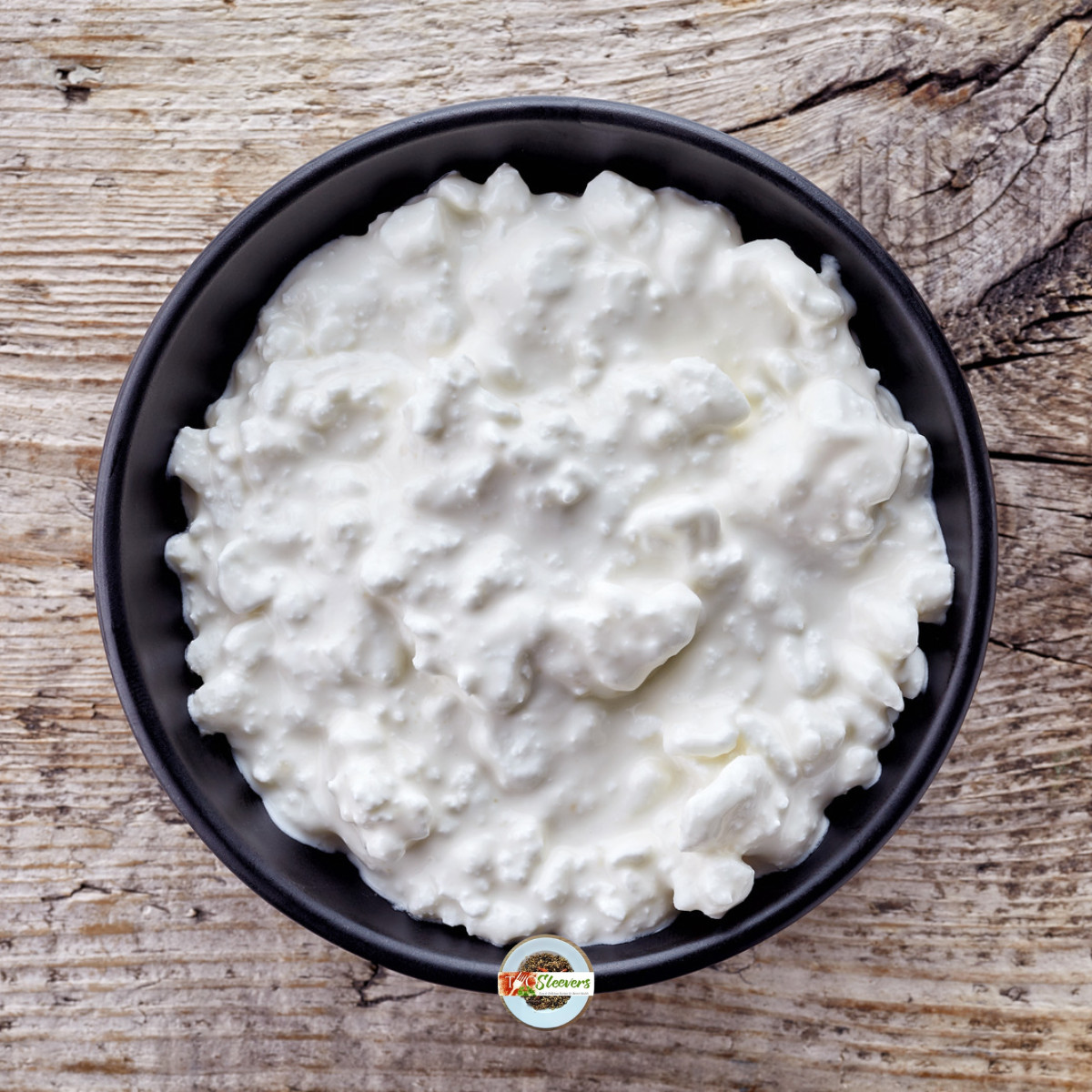
Yes. Cottage cheese can be used in muffins, quick breads, brownies, cookies, cinnamon rolls, flatbreads, casseroles, cheesecakes, and many other baked recipes.
It contributes moisture, richness, mild tanginess, and protein. When blended until smooth, cottage cheese can disappear into a batter or dough without leaving noticeable curds.
However, cottage cheese is not a universal one-for-one substitute for butter, oil, eggs, cream cheese, ricotta, or yogurt. It contains both liquid and milk solids, so adding it can change the moisture level, structure, spread, and baking time of a recipe.
For the most reliable results, begin with a recipe specifically developed and tested with cottage cheese.
What Does Cottage Cheese Do In Baking?
Cottage cheese can affect baked goods in several ways.
Adds Moisture
Cottage cheese contains a significant amount of water. This can help muffins, brownies, rolls, and quick breads remain soft instead of becoming dry.
Too much cottage cheese can have the opposite effect and make a recipe wet, gummy, or difficult to bake through. The other liquid ingredients must be balanced accordingly.
Adds Protein
The exact amount of protein varies by brand and fat percentage, but cottage cheese is naturally protein-rich. It can increase the protein content of baked goods without relying entirely on protein powder.
Keep in mind that adding cottage cheese does not automatically make a recipe low carb or nutritionally balanced. Flour, sugar, chocolate chips, fillings, and serving size still affect the final nutritional values.
Creates A Tender Texture
Blended cottage cheese can soften doughs and batters. This works especially well in quick breads, muffins, soft cookies, flatbreads, and no-yeast rolls.
Try these Cottage Cheese Cinnamon Rolls to see how blended cottage cheese creates a soft dough without requiring yeast.
Adds Mild Tanginess
Cottage cheese has a subtle tang that complements both sweet and savory flavors. It pairs especially well with:
- Chocolate
- Vanilla
- Cinnamon
- Lemon
- Berries
- Apples
- Bananas
- Garlic
- Parmesan
- Cheddar
- Fresh herbs
- Everything bagel seasoning
Helps Bind Some Recipes
The protein and moisture in cottage cheese can help hold ingredients together. However, it does not always replace eggs because eggs provide structure, lift, emulsification, and binding in different ways.
Should You Blend Cottage Cheese For Baking?
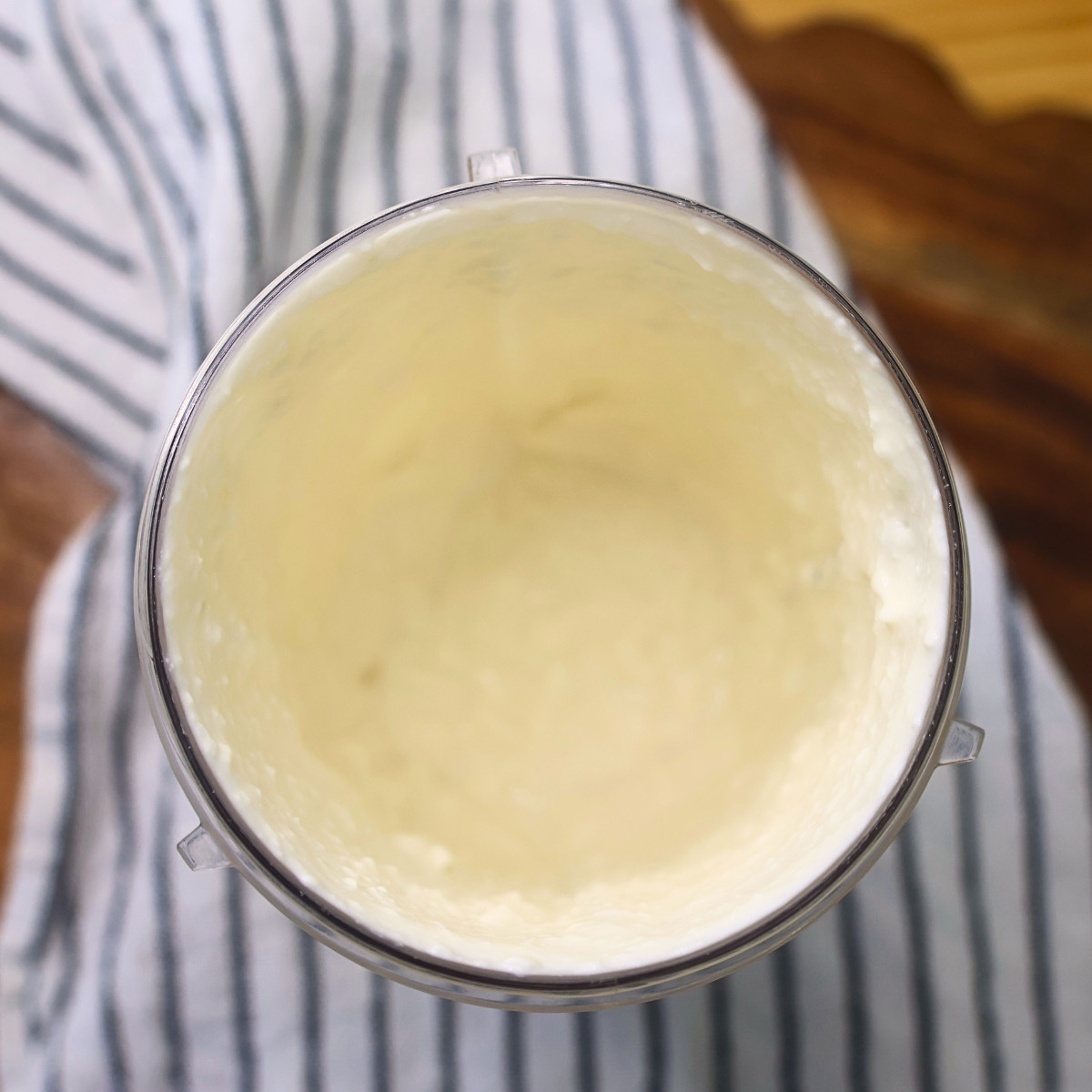
Blend cottage cheese when you want a smooth batter, even crumb, or creamy filling.
Add it to a blender or food processor and process until no visible curds remain. Scrape down the sides as needed. Depending on the appliance and amount, this usually takes 30 to 60 seconds.
Blending is especially useful for:
- Brownies
- Cakes
- Muffins
- Cinnamon roll dough
- Cheesecake-style fillings
- Smooth breads
- Frostings
- Custards
You may not need to blend cottage cheese when:
- The recipe is rustic or savory.
- Small curds will not affect the finished texture.
- It is being folded into an egg casserole.
- The recipe specifically calls for unblended cottage cheese.
- You prefer visible pockets of cheese.
For example, blending the cottage cheese in these Cottage Cheese Brownies helps create a smoother chocolate batter and prevents obvious curds in the finished brownies.
What Kind Of Cottage Cheese Is Best For Baking?
Full-fat cottage cheese generally produces the richest flavor and most tender texture. Reduced-fat cottage cheese works in many recipes, but the finished baked good may be slightly less rich.
Full-Fat Cottage Cheese
Full-fat cottage cheese is often the best option for:
- Brownies
- Cakes
- Cookies
- Cinnamon rolls
- Cheesecake-style desserts
- Rich quick breads
Its higher fat content helps baked goods taste richer and can produce a softer texture.
Reduced-Fat Cottage Cheese
Reduced-fat cottage cheese works well in:
- Muffins
- Breakfast bakes
- Flatbread
- Savory bread
- High-protein snacks
The moisture level can vary by brand, so watch the consistency of the batter or dough.
Fat-Free Cottage Cheese
Fat-free cottage cheese can be used when a tested recipe calls for it, but it may create a less rich result. It can also be more watery or have a different texture than full-fat cottage cheese.
Avoid automatically replacing full-fat cottage cheese with fat-free cottage cheese in a recipe where texture is important.
Small-Curd Versus Large-Curd Cottage Cheese
Either can work if the cottage cheese will be blended. Small-curd cottage cheese is easier to incorporate by hand, while large-curd cottage cheese may be more noticeable if left unblended.
Salted Versus Low-Sodium Cottage Cheese
Most cottage cheese contains some salt. Check the nutrition label and taste it before adding the full amount of salt listed in an experimental recipe.
Do not reduce the salt in a tested recipe unless you have made it before. Salt affects flavor and can also influence dough structure.
Should You Drain Cottage Cheese Before Baking?
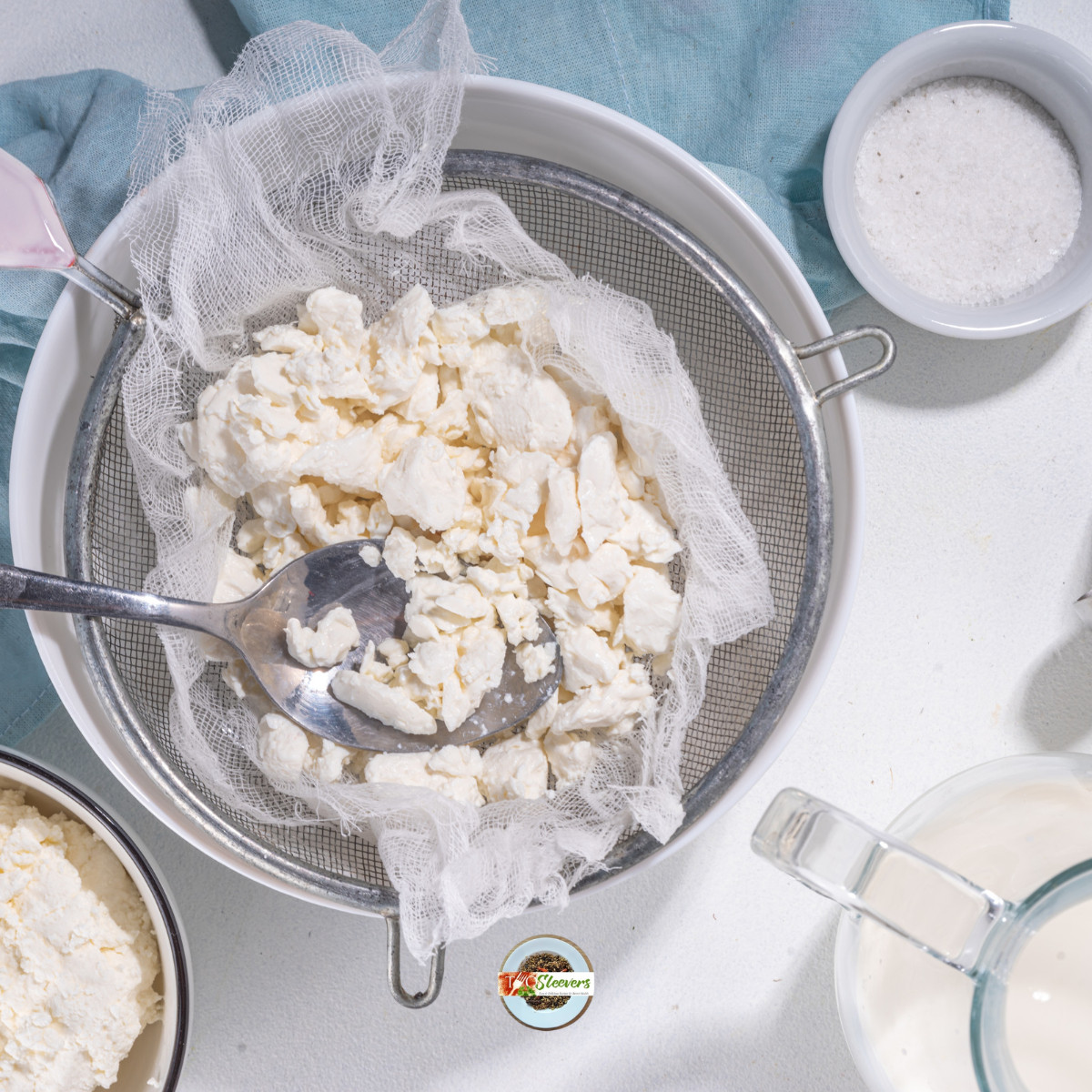
Drain cottage cheese when it looks unusually watery or when you are using it as a substitute for a thicker ingredient such as ricotta.
Place it in a fine-mesh strainer for approximately 10 to 20 minutes. For very wet cottage cheese, line the strainer with cheesecloth or a clean coffee filter.
You may need to drain it for:
- Cheesecake-style fillings
- Lasagna
- Stuffed breads
- Pastry fillings
- Recipes developed with thick cottage cheese
- Recipes in which excess liquid would make the dough sticky
Do not drain cottage cheese when the recipe relies on its liquid to hydrate flour or other dry ingredients. Always follow the tested instructions when using an established recipe.
How Much Cottage Cheese Should You Add To Baked Goods?
There is no reliable universal amount because cottage cheese changes both the liquid and solid ingredients in a recipe.
If you are developing or adapting a recipe, start with a small amount, such as ¼ to ½ cup, rather than adding an entire container. You may need to reduce milk, water, yogurt, oil, or another wet ingredient to maintain the correct batter consistency.
It is best to record:
- The brand of cottage cheese
- The fat percentage
- Whether it was drained
- Whether it was blended
- The amount added by weight
- Any liquids you reduced
- The final baking time
- The finished texture after cooling
Changing multiple ingredients at once makes it difficult to identify why a recipe worked or failed.
Best Ways To Use Cottage Cheese In Baking
| Baked good | How cottage cheese helps | Preparation tip |
|---|---|---|
| Muffins | Adds moisture, tenderness, and protein | Blend for a smooth crumb |
| Brownies | Creates a moist, fudgy texture | Blend completely before mixing |
| Cookies | Produces a soft, cake-like texture | Account for the additional moisture |
| Cinnamon rolls | Makes no-yeast dough soft and tender | Use blended, full-fat cottage cheese |
| Flatbread | Adds moisture and protein to the dough | Add flour gradually if the dough is sticky |
| Quick bread | Helps prevent dryness | Reduce other liquid when experimenting |
| Cheesecake | Creates a lighter creamy filling | Drain and blend until completely smooth |
| Savory casserole | Adds creaminess and protein | Drain if other ingredients release liquid |
| Biscuits and rolls | Can soften the dough | Avoid overmixing |
| Breakfast bakes | Adds richness and structure | Combine with eggs and seasonings |
How To Use Cottage Cheese In Muffins
Cottage cheese is especially useful in muffins because it adds moisture without requiring a large amount of oil or butter.
Blend it first if you want a uniform texture. Fold the wet and dry ingredients together only until combined. Overmixing can create dense, rubbery muffins even when the moisture level is correct.
Cottage cheese muffins pair well with:
- Blueberries
- Raspberries
- Lemon zest
- Chocolate chips
- Cinnamon
- Apples
- Bananas
- Cheddar
- Chives
- Spinach
- Sun-dried tomatoes
These Cottage Cheese Muffins are a great place to start if you want a baked high-protein breakfast that can be prepared ahead of time.
How To Use Cottage Cheese In Brownies
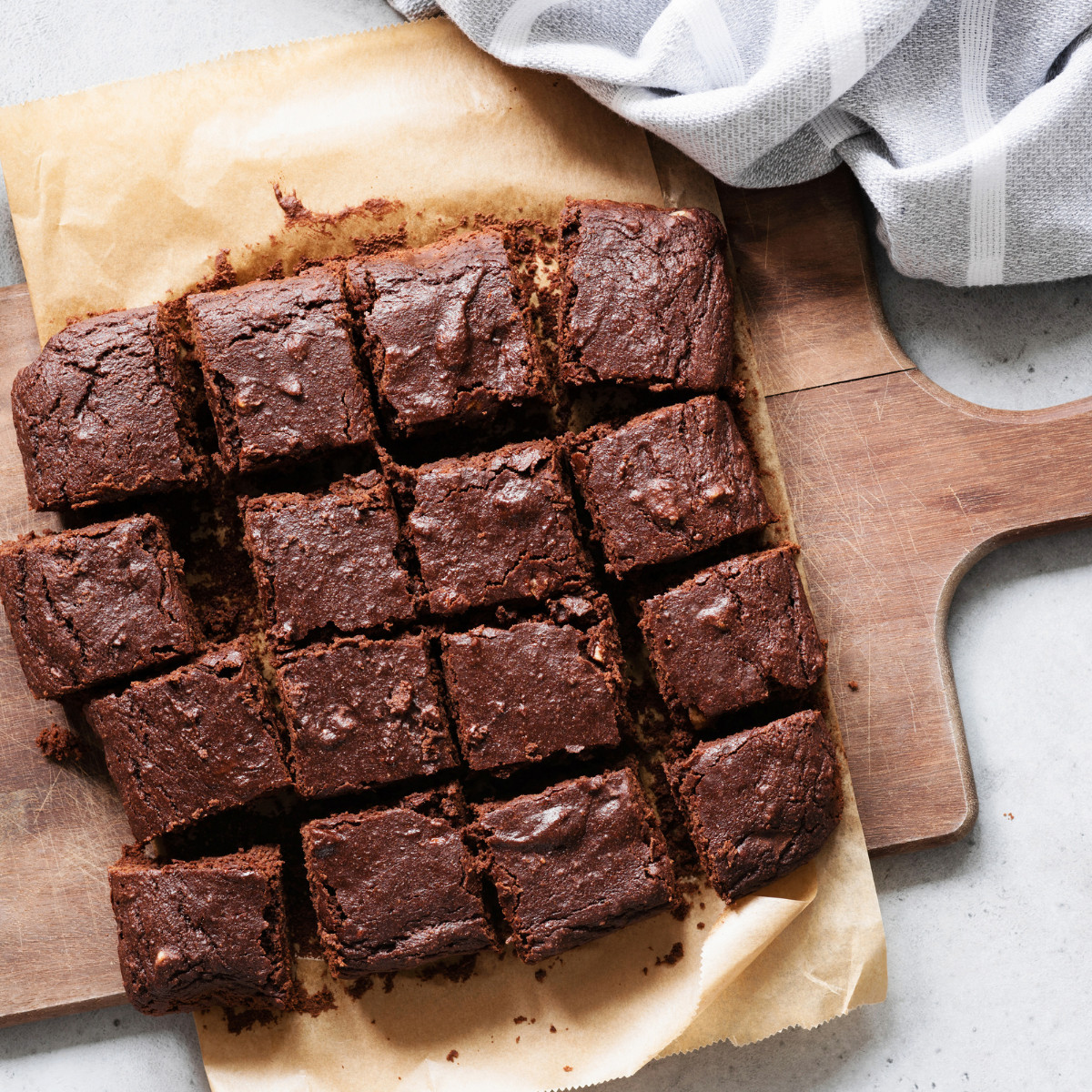
Cottage cheese can help create rich, moist brownies while adding protein. Blend it thoroughly before adding it to the batter so the finished brownies do not contain visible white curds.
Brownies made with cottage cheese may need to cool completely before slicing. The center continues to set as it cools, so cutting them while warm can make them appear underbaked.
For the best texture:
- Use blended cottage cheese.
- Measure flour carefully.
- Do not overmix the batter.
- Avoid overbaking.
- Let the brownies cool completely.
- Chill before slicing if the center is especially fudgy.
Try these high protein Cottage Cheese Brownies when you want a tested chocolate dessert.
How To Use Cottage Cheese In Cookies
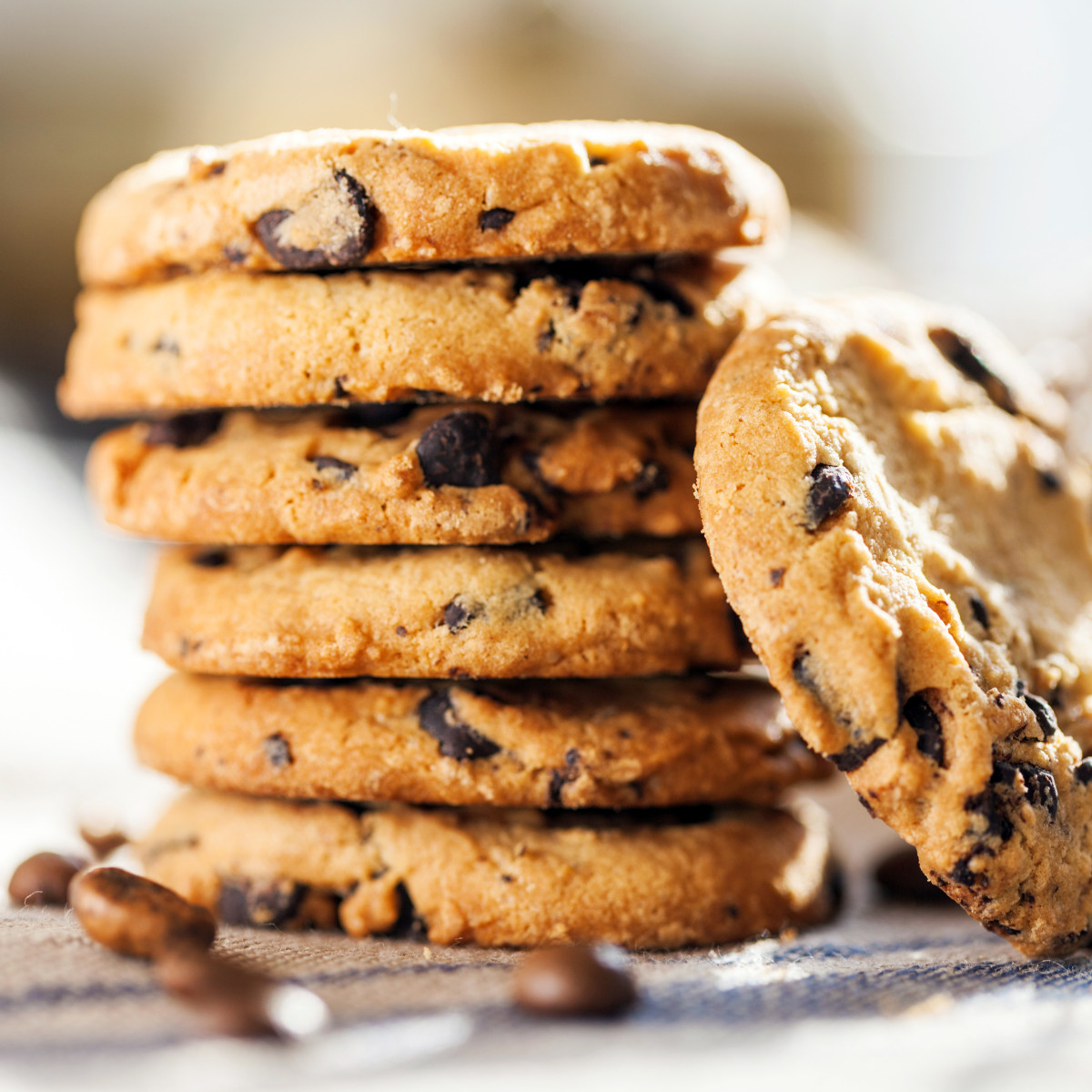
Cottage cheese usually creates soft, tender, cake-like cookies rather than thin, crisp cookies.
Because cottage cheese adds moisture, cookie dough may spread differently than a traditional butter-based dough. Chilling the dough can help if it is too soft.
When making cottage cheese cookies:
- Blend the cottage cheese if you want a smooth dough.
- Chill sticky dough before scooping.
- Line the baking sheet with parchment paper.
- Leave enough room between cookies.
- Let the cookies cool on the pan briefly before moving them.
- Do not expect the same crispness as a classic sugar or shortbread cookie.
These Cottage Cheese Cookies have a soft texture with a subtle tang and added protein.
How To Use Cottage Cheese In Bread And Flatbread

Cottage cheese works particularly well in quick breads and no-yeast doughs. It adds moisture and protein while helping produce a soft, flexible texture.
When mixing cottage cheese dough:
- Blend the cottage cheese if directed.
- Combine it with the other wet ingredients.
- Add flour gradually.
- Mix only until the dough comes together.
- Let the dough rest if it is sticky.
- Add additional flour only as needed.
Adding too much flour can make the finished bread dense and dry. A slightly tacky dough may become easier to handle after resting because the flour has time to absorb moisture.
This Cottage Cheese Flatbread combines blended cottage cheese with flour, baking powder, olive oil, salt, and water for a soft, protein-rich bread.
Can Cottage Cheese Replace Yogurt In Baking?
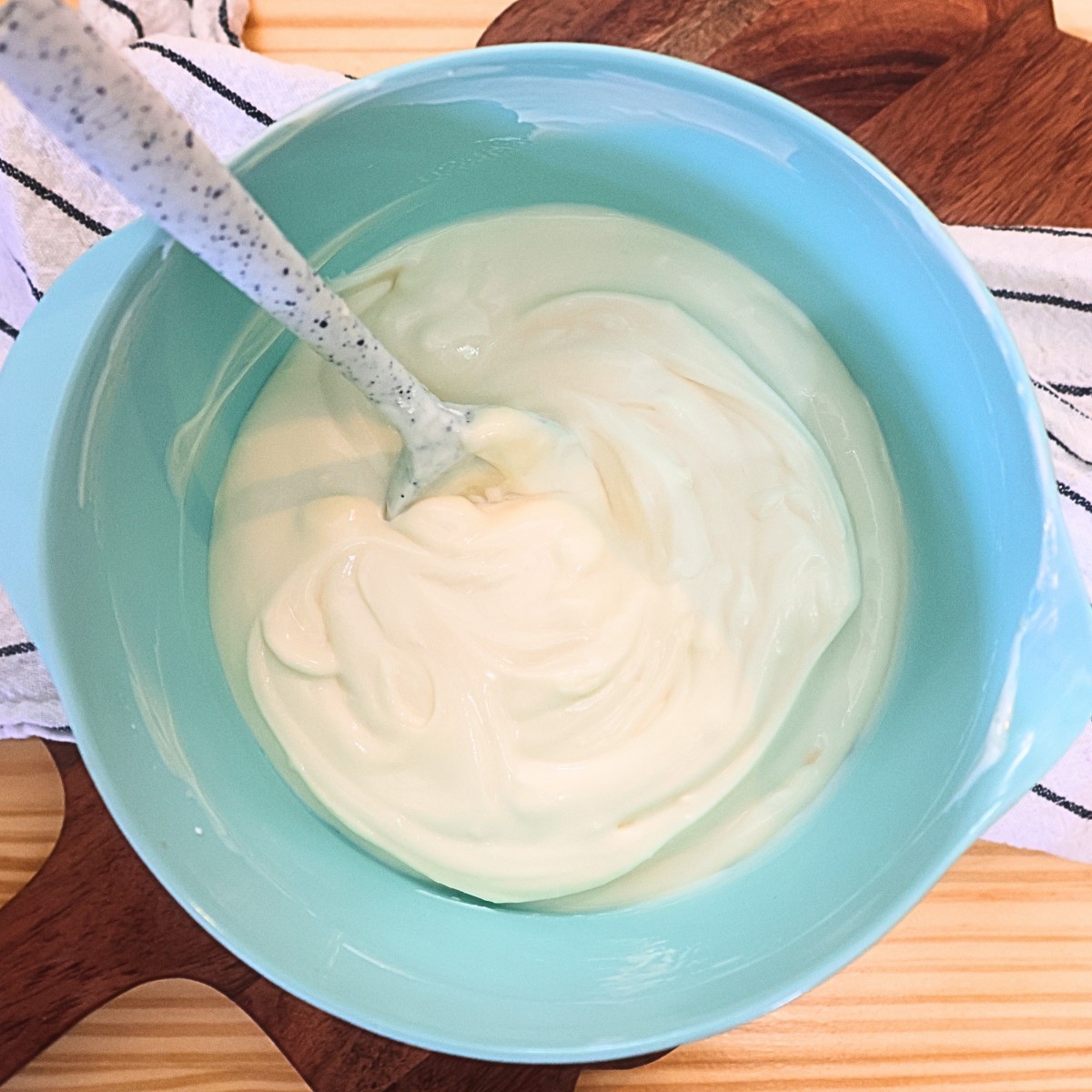
Cottage cheese can sometimes replace Greek yogurt or regular yogurt, but the result depends on the recipe.
Blend the cottage cheese until smooth and compare its consistency with the yogurt. If it is significantly thicker or thinner, the batter may need additional adjustment.
A cottage cheese substitution may work in:
- Muffins
- Quick breads
- Pancakes
- Snack cakes
- Savory breads
- Breakfast bakes
It may not work well in recipes that depend on the specific acidity, fat content, or moisture level of yogurt.
Baking soda reacts with acidic ingredients, so replacing yogurt can affect rise. Use a tested substitution whenever possible.
Can Cottage Cheese Replace Ricotta?

Cottage cheese can replace ricotta in many baked casseroles, lasagnas, stuffed shells, and cheesecake-style recipes.
For a texture closer to ricotta:
- Drain excess liquid.
- Blend or process the cottage cheese.
- Measure it after draining.
- Taste before adding extra salt.
Cottage cheese may produce a slightly tangier, lighter, or wetter result than ricotta.
Can Cottage Cheese Replace Cream Cheese?
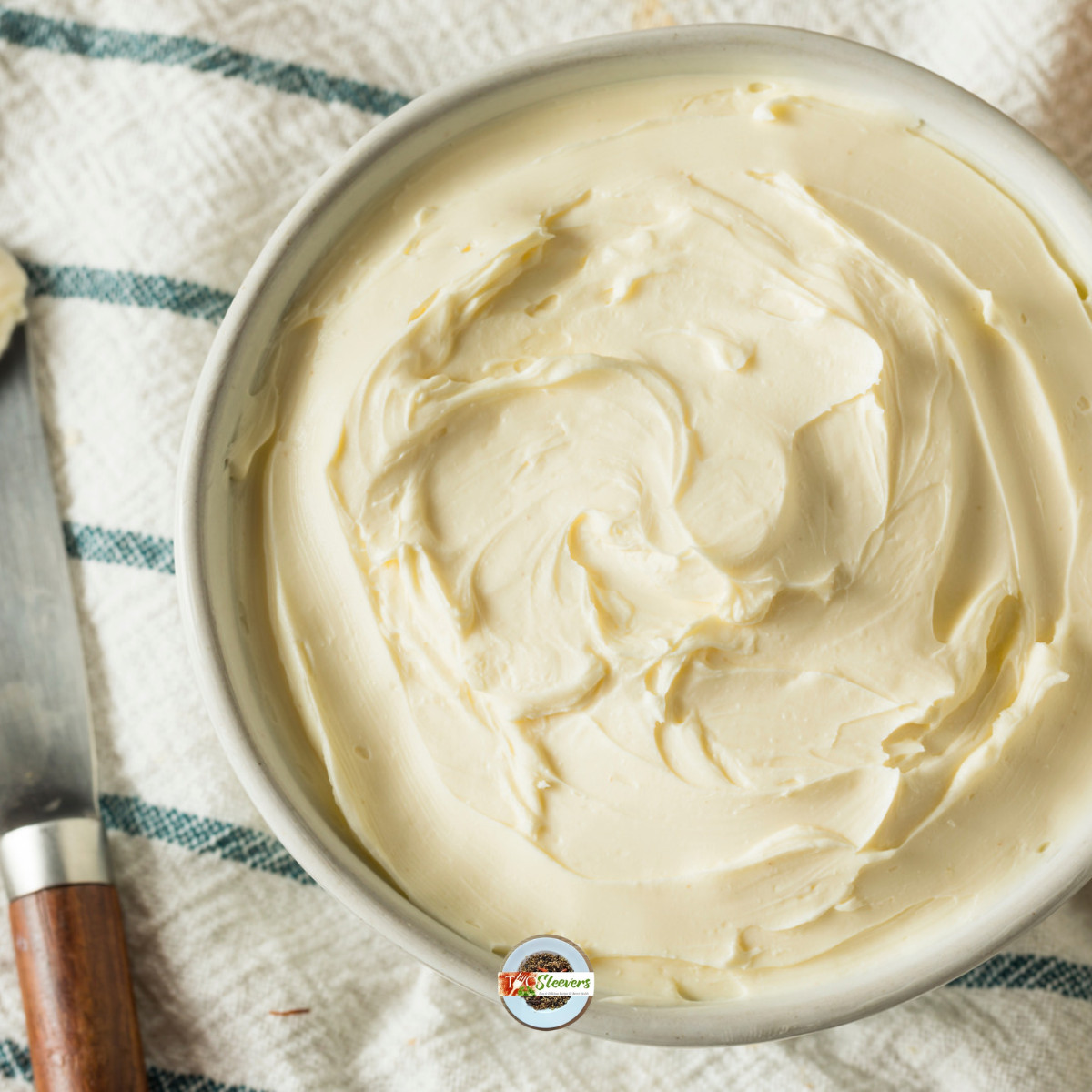
Cottage cheese is not a direct substitute for cream cheese.
Cream cheese is thicker, higher in fat, and lower in moisture. Replacing it entirely with cottage cheese can make frosting, cheesecake, or filling thin and watery.
For cheesecake-style recipes, drain and blend cottage cheese before using it. Some recipes combine cottage cheese with cream cheese to retain richness while adding protein.
Do not use blended cottage cheese as a one-for-one cream cheese replacement in an untested frosting. It may not hold its shape.
Can Cottage Cheese Replace Eggs?
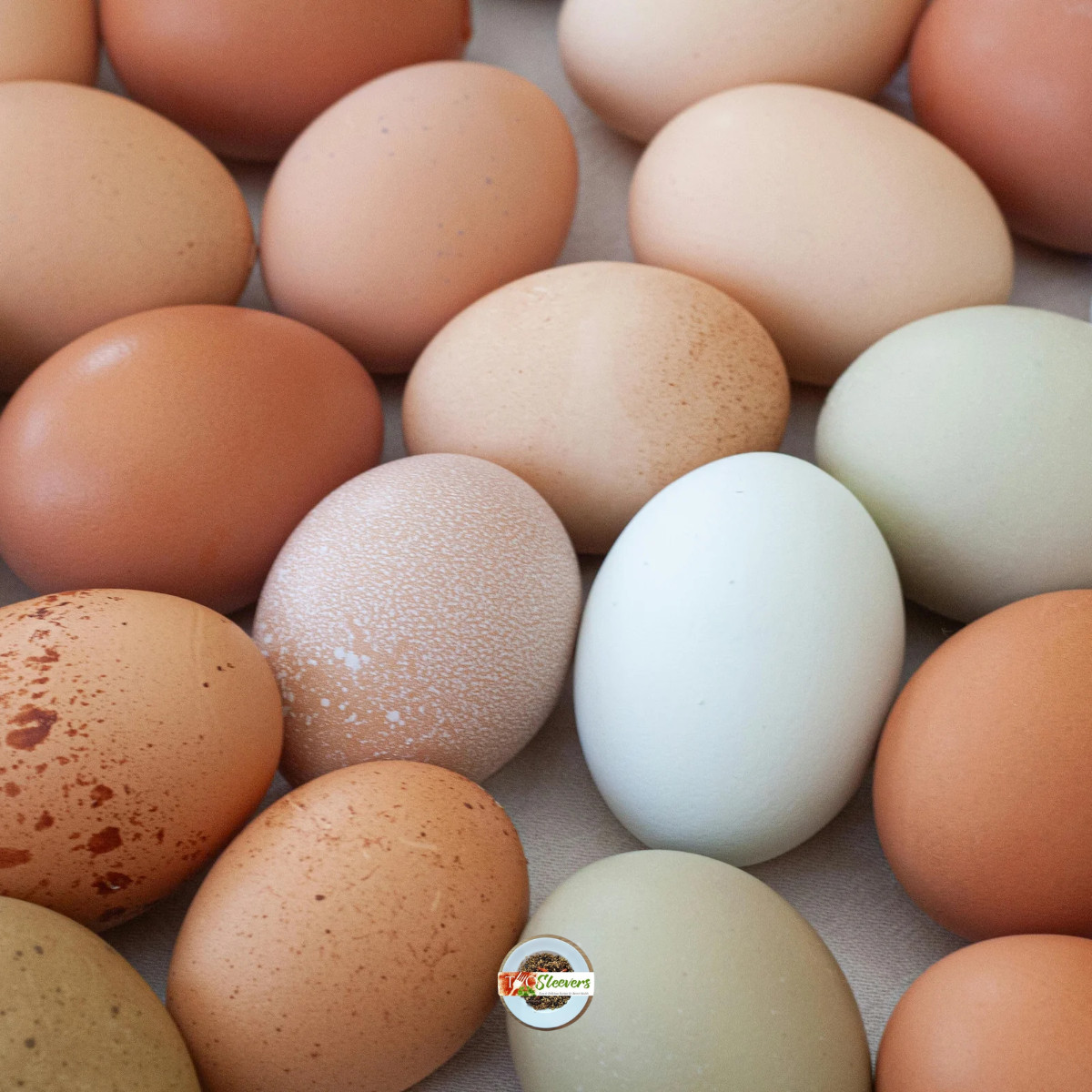
Cottage cheese cannot replace eggs in every baking recipe.
Eggs provide structure, lift, binding, moisture, and emulsification. Cottage cheese contributes moisture and protein, but it behaves differently in the oven.
It may help bind certain pancakes, breads, casseroles, or cookies, but a recipe developed with eggs may collapse, become gummy, or fail to rise if the eggs are simply removed.
If you need an egg-free baked good, use a recipe specifically developed without eggs.
How To Prevent Cottage Cheese Baked Goods From Becoming Watery
Excess moisture is the most common problem when baking with cottage cheese.
To prevent watery batter or soggy baked goods:
- Choose a thick cottage cheese.
- Drain visible liquid when appropriate.
- Measure after draining if the recipe specifies drained cottage cheese.
- Do not add extra milk until you see the batter consistency.
- Measure flour by weight when possible.
- Avoid adding juicy fruit without accounting for its liquid.
- Bake until the center is set.
- Allow the finished bake to cool before judging its texture.
Different cottage cheese brands contain different amounts of liquid. A recipe that works with one brand may need a small adjustment with another.
Cottage Cheese Baking Troubleshooting
Why Is My Batter Too Thin?
The cottage cheese may contain more liquid than the variety used to develop the recipe.
If the recipe has not been baked yet, let the batter rest for several minutes before changing it. Flour, oats, chia seeds, and other dry ingredients may continue absorbing moisture.
If it remains much thinner than expected, add dry ingredients in small amounts rather than adding a large amount all at once.
Why Is My Dough Too Sticky?
Cottage cheese dough often becomes sticky because of its moisture content.
Try letting it rest for 10 minutes before adding more flour. Lightly flour your hands and work surface. Adding too much flour immediately can produce tough, dense bread.
Why Can I See White Curds?
The cottage cheese was not blended long enough or was folded into the batter whole.
Visible curds are not necessarily a problem in rustic or savory recipes, but blend the cottage cheese until completely smooth when making brownies, cakes, or creamy fillings.
Why Is My Baked Good Gummy?
A gummy texture can result from:
- Too much cottage cheese
- Excess liquid
- Too little flour
- Underbaking
- Slicing while warm
- Overmixing
- Using a pan that is too small or deep
Allow the baked good to cool fully before deciding whether it is underbaked. Brownies and quick breads often firm as they cool.
Why Is My Cottage Cheese Bread Dense?
Dense bread may be caused by overmixing, too much flour, expired baking powder, or a dough that is too wet to rise properly.
Check that your baking powder is fresh and mix only until the dough comes together.
Why Does It Taste Salty?
Cottage cheese contains salt, and the amount differs by brand. Additional cheese, salted butter, and savory mix-ins can increase the overall saltiness.
Use the type specified in the recipe and avoid changing the salt amount until you have tested the original version.
Why Did My Muffins Or Bread Sink?
The center may have been underbaked, the batter may have contained too much liquid, or the oven door may have been opened too early.
Make sure the oven is fully preheated and use the pan size specified in the recipe.
Tips And Tricks For Baking With Cottage Cheese

- Blend Until Smooth. This creates the most consistent texture in sweet baked goods.
- Choose Full-Fat When Possible. It generally provides the richest flavor and softest texture.
- Check For Excess Liquid. Drain watery cottage cheese when the recipe needs a thicker consistency.
- Follow A Tested Recipe. Cottage cheese affects both moisture and structure.
- Measure Carefully. Weigh flour and cottage cheese when precision matters.
- Do Not Overmix. Mix doughs and batters only until combined.
- Check Early. Cottage cheese baked goods can dry out if overbaked.
- Cool Completely. Brownies, breads, and cheesecakes continue setting as they cool.
- Record The Brand. Moisture and salt levels vary between cottage cheese brands.
- Freeze Extras. Muffins, quick breads, cookies, and rolls are often freezer-friendly.
How To Store Cottage Cheese Baked Goods
Because cottage cheese is a fresh dairy product, many cottage cheese baked goods should be refrigerated after cooling.
Store them in an airtight container in the refrigerator for 3 to 5 days, depending on the other ingredients in the recipe.
Allow baked goods to cool completely before covering them. Trapping steam inside the container can make the surface wet or sticky.
Can You Freeze Cottage Cheese Baked Goods?
Many baked goods made with cottage cheese freeze well, including:
- Muffins
- Brownies
- Cookies
- Cinnamon rolls
- Flatbread
- Quick bread
- Biscuits
Wrap individual portions tightly or separate them with parchment paper. Place them in a freezer-safe bag or container and freeze for up to 2 to 3 months.
Thaw overnight in the refrigerator or at room temperature when appropriate. Reheat breads and rolls gently so they do not become dry.
Frequently Asked Questions

Can You Taste Cottage Cheese In Baked Goods?
Cottage cheese has a mild flavor that is usually difficult to detect when blended and combined with ingredients such as chocolate, vanilla, cinnamon, fruit, herbs, or cheese.
The flavor may be more noticeable in a lightly seasoned recipe or when large curds are left whole.
Does Cottage Cheese Melt When Baked?
Cottage cheese softens and warms, but it does not melt exactly like mozzarella or cheddar. The curds may remain visible unless the cheese is blended before baking.
Does Baking Cottage Cheese Destroy The Protein?
Heating changes the structure of proteins, but cooked cottage cheese still contributes protein to the finished recipe. The exact amount per serving depends on the cottage cheese, other ingredients, yield, and portion size.
Can You Use Expired Cottage Cheese For Baking?
No. Baking does not make spoiled cottage cheese safe to eat. Check the expiration date and discard cottage cheese with mold, an unpleasant odor, unusual discoloration, or signs of spoilage.
Can I Use Lactose-Free Cottage Cheese?
Yes, if it has a similar moisture level and consistency. The finished texture may vary slightly by brand.
Is Baking With Cottage Cheese Low Carb?
Not necessarily. Cottage cheese itself may fit many lower-carbohydrate eating plans, but flour, sugar, fruit, oats, and chocolate can increase the carbohydrate content.
Browse these high protein low carb recipes when you need recipes developed with both protein and carbohydrate content in mind.
More High Protein Breakfast Ideas
Cottage cheese is only one way to add protein to breakfast and baked goods. Explore these high protein breakfast meal prep ideas for more make-ahead options, or prepare Cottage Cheese Overnight Oats when you want a quick, no-bake alternative.
Once you understand how cottage cheese affects moisture and texture, it can become one of the most useful ingredients in your refrigerator. Start with a tested cottage cheese baking recipe, blend it when you want a smooth texture, and avoid making several ingredient substitutions at once.