
Cottage cheese vs Greek yogurt is not always a matter of choosing one winner. Both are versatile, protein-rich dairy products, but their flavor, texture, sodium, carbohydrates, live cultures, and performance in recipes can be quite different.
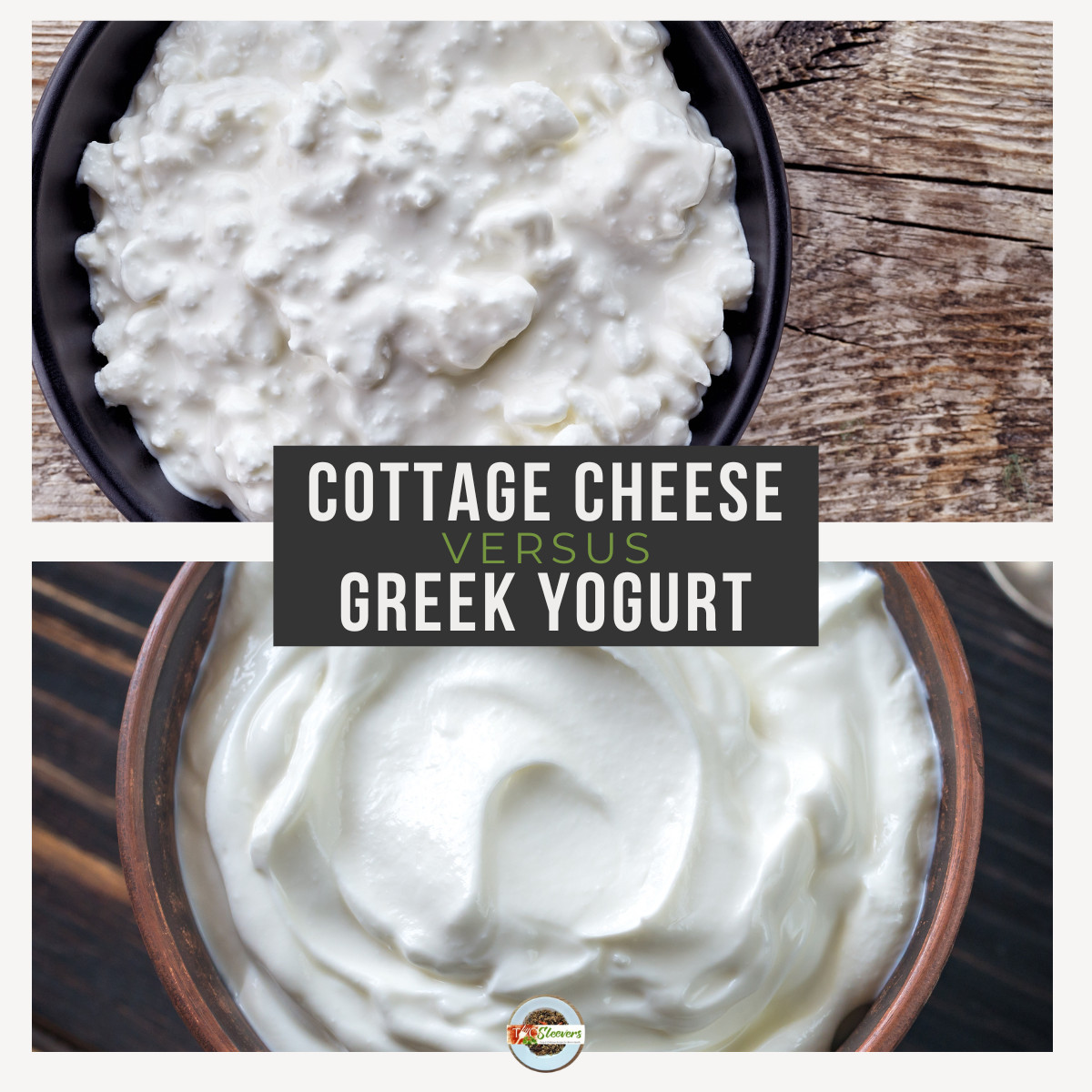
Cottage cheese has soft curds and a mild, slightly salty flavor, while Greek yogurt is smooth, tangy, and generally more acidic. Either one can work for breakfast, snacks, dips, sauces, smoothies, baking, and high protein meal prep.
The best choice depends on what you are making and which nutritional qualities matter most to you.
Cottage Cheese Vs Greek Yogurt At A Glance
| Category | Cottage Cheese | Greek Yogurt |
|---|---|---|
| Texture | Soft, creamy curds | Thick and smooth |
| Flavor | Mild and slightly salty | Tangy and acidic |
| Protein | High, but varies by brand | High, but varies by brand |
| Sodium | Usually higher | Usually lower |
| Carbohydrates | Varies by brand | Varies, especially in flavored varieties |
| Live cultures | Some brands contain them | Often contains live active cultures |
| Best savory uses | Bowls, eggs, pasta sauce, flatbread | Dips, marinades, dressings, curries |
| Best sweet uses | Oats, smoothies, baking, frozen desserts | Parfaits, smoothies, baking, desserts |
| Blending | Curds become creamy when blended | Already smooth |
| Heating | Can become grainy or separate | Can curdle if heated too quickly |
The exact nutrition varies significantly based on serving size, milk fat, processing, flavorings, and brand. Always compare the labels on the products you actually plan to use.
What Is Cottage Cheese?
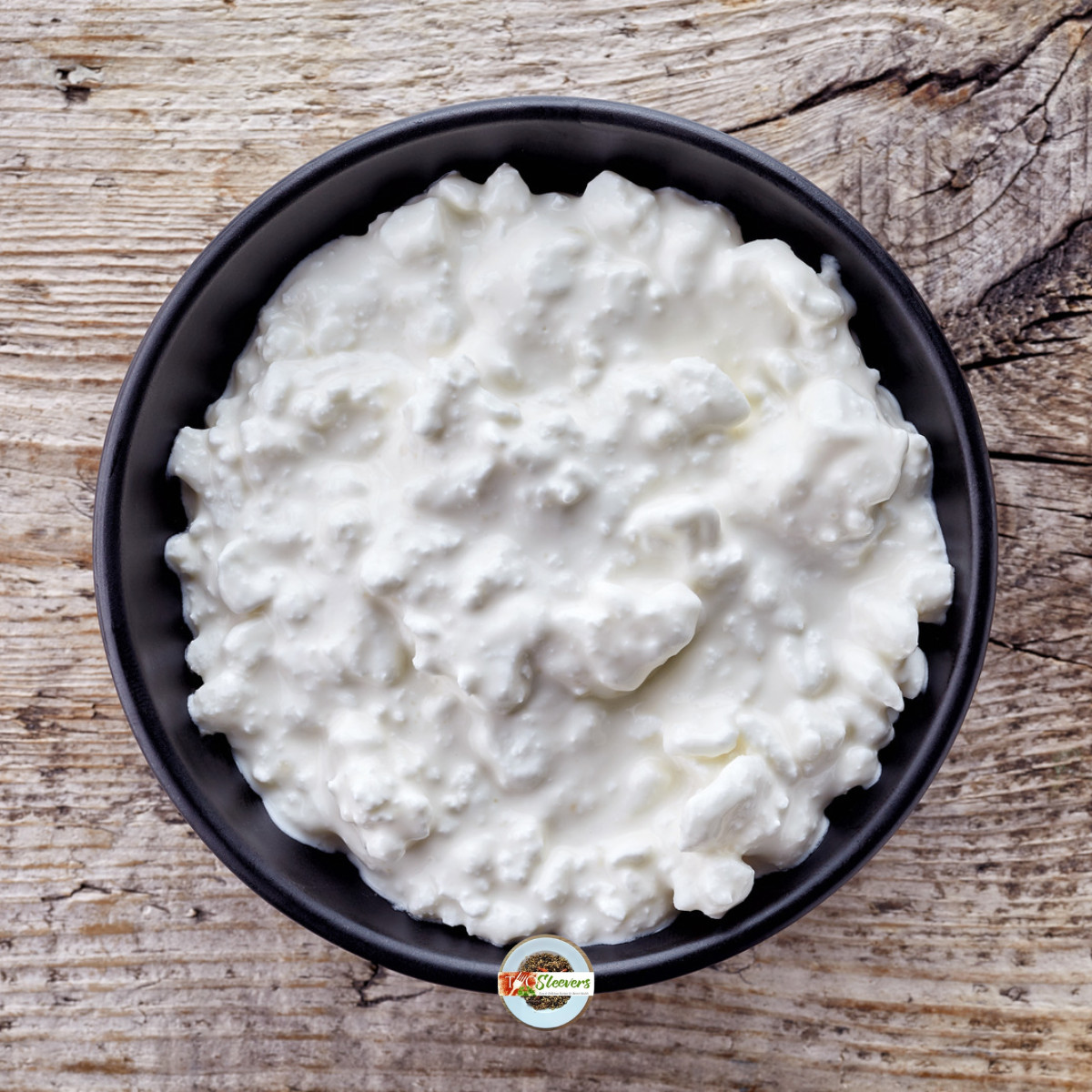
Cottage cheese is a fresh cheese made from cultured milk curds. Unlike aged cheese, it has a mild flavor, high moisture content, and short refrigerated shelf life.
The curds may be small or large, and the finished product can be made with different levels of milk fat. Common options include:
- Nonfat cottage cheese
- Low-fat cottage cheese
- 2% cottage cheese
- 4% or full-fat cottage cheese
- Whipped cottage cheese
- Lactose-free cottage cheese
- Cottage cheese with live active cultures
Cottage cheese is naturally lumpy, but blending it creates a smooth texture that can be used in sauces, dips, batters, desserts, and smoothies.
If you want more ways to use it, browse these High Protein Cottage Cheese Recipes.
What Is Greek Yogurt?
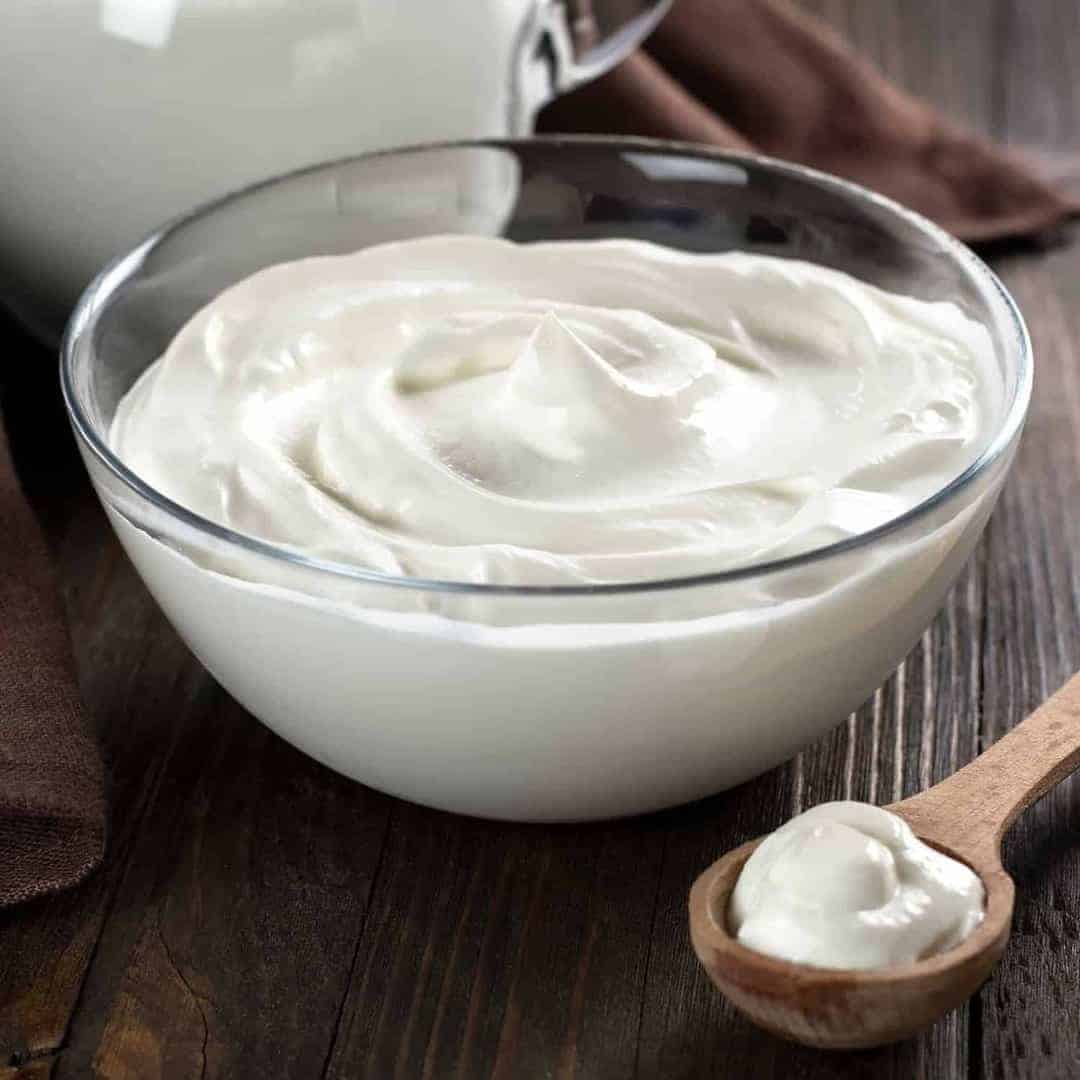
Greek yogurt is yogurt that has been strained to remove some of its whey. This process gives it a thicker consistency and more concentrated flavor than regular yogurt.
It is available in several varieties:
- Nonfat Greek yogurt
- Low-fat Greek yogurt
- Whole-milk Greek yogurt
- Plain Greek yogurt
- Flavored Greek yogurt
- Lactose-free Greek yogurt
- Greek-style yogurt
- Products containing live active cultures
Plain Greek yogurt is often used in savory dishes, while flavored varieties are generally intended for breakfasts, snacks, and desserts.
You can also make Homemade Greek Yogurt or use this Instant Pot Yogurt Guide to prepare thick yogurt at home.
Is Cottage Cheese Or Greek Yogurt Healthier?
Neither one is automatically healthier than the other. Both can be useful sources of protein and other nutrients, but the better option depends on your individual needs.
Choose cottage cheese when you want:
- A mild flavor
- A firm or curd-like texture
- A savory dairy ingredient
- A creamy ingredient that can be blended
- An alternative to ricotta in some recipes
Choose Greek yogurt when you want:
- A smooth consistency
- A tangy flavor
- A lower-sodium option in many cases
- A cultured dairy product
- Acidity for marinades or baking
- A base for dips and dressings
Someone limiting sodium might prefer plain Greek yogurt, while someone who dislikes tangy foods may find cottage cheese easier to enjoy. Product labels should guide the decision because two different brands can have noticeably different nutritional profiles.
Cottage Cheese Vs Greek Yogurt Nutrition
The nutrition in cottage cheese and Greek yogurt depends on several factors:
- Milk fat percentage
- Serving size
- Added sugar
- Added fruit or flavoring
- Sodium added during processing
- Straining method
- Additional milk protein
- Brand formulation
For the most accurate comparison, compare equal weights or equal measured portions of plain products with similar fat levels.
Which Has More Protein?

Both cottage cheese and Greek yogurt are commonly considered high protein foods. Depending on the brand, cottage cheese may contain slightly more protein per serving, Greek yogurt may contain more, or the two may be nearly equal.
Avoid assuming that every container has the same amount. Some manufacturers add milk protein or use different straining methods that significantly change the final protein content.
If protein is your priority, check:
- The listed serving size.
- Grams of protein per serving.
- Calories per serving.
- Added sugar.
- Sodium.
- The amount you will realistically eat.
Both can be included in High Protein Meal Prep Recipes and make-ahead breakfasts.
Which Has Fewer Calories?
Nonfat and low-fat products generally contain fewer calories than full-fat versions, but the exact difference varies.
Plain Greek yogurt and cottage cheese can both fit into a range of eating plans. Flavored yogurt may contain added sugar, while cottage cheese packaged with fruit or toppings may also contain more sugar and calories.
Choose based on the complete nutrition label rather than the product name alone.
Which Has Fewer Carbohydrates?
Plain cottage cheese and plain Greek yogurt are both relatively low in carbohydrates compared with many sweetened breakfast foods. However, neither is completely carbohydrate-free because milk naturally contains lactose.
Sweetened and flavored Greek yogurt can contain considerably more carbohydrates than plain yogurt. Cottage cheese with fruit, honey, or flavored mix-ins may also contain added sugar.
For a lower-carb choice, compare plain, unsweetened products and add your own toppings.
Find more meal ideas in this collection of High Protein Low Carb Recipes.
Which Has More Fat?
The fat content depends on the variety you buy. Both cottage cheese and Greek yogurt are available in nonfat, reduced-fat, and full-fat versions.
Full-fat products generally have a richer flavor and creamier texture. Nonfat varieties may taste more tart or have stabilizers added to improve consistency.
When substituting one for the other, matching the fat percentage can help produce a more similar result.
Which Has More Sodium?
Cottage cheese is usually higher in sodium than plain Greek yogurt because salt is commonly added during production. The difference can be significant depending on the brand.
Low-sodium cottage cheese is available, but it may taste milder and can have a different texture.
If you need to limit sodium for medical reasons, compare labels carefully and follow the guidance of a qualified healthcare professional.
Which Has More Calcium?
Both foods can contribute calcium, but the amount varies by product and processing method. Greek yogurt is often a useful source of calcium, although some calcium may be lost during straining.
Cottage cheese also provides calcium, but the amount is not identical across brands. Check the nutrition label rather than assuming one will always contain more.
Which Is Better For Gut Health?

Greek yogurt often contains live active cultures, but you should confirm this on the package. Look for language such as "contains live and active cultures" and a list of bacterial cultures.
Some cottage cheese also contains live cultures, while other products do not. The fact that cottage cheese is cultured does not guarantee that every finished product contains live active cultures.
Neither food should be treated as a cure for digestive problems. People with specific gastrointestinal concerns should consult a qualified medical professional.
Does Cottage Cheese Have More Protein Than Greek Yogurt?
Sometimes, but not always.
Cottage cheese and Greek yogurt frequently contain comparable amounts of protein. The winner can change based on the serving size, milk fat, straining process, and whether extra milk protein was added.
A fair comparison requires looking at the same amount of food. Comparing a half-cup serving of cottage cheese with a three-quarter-cup serving of Greek yogurt can create a misleading result.
For easy protein-rich breakfasts, try these Cottage Cheese Overnight Oats or use Greek yogurt in a smoothie, parfait, or bowl.
Cottage Cheese Vs Greek Yogurt For Weight Loss
Either cottage cheese or Greek yogurt can be included in a weight-management eating plan. Both can make meals and snacks more substantial because they provide protein, but neither product independently causes weight loss.
Consider the complete meal rather than focusing only on one ingredient.
For example:
- Plain Greek yogurt with berries will have a different nutritional profile than sweetened yogurt with granola and honey.
- Cottage cheese with cucumber and herbs will differ from cottage cheese served with jam and nuts.
- Portion size and toppings may contribute more calories or sugar than the dairy product itself.
Choose the one you enjoy and can use consistently as part of an eating pattern that meets your needs.
Cottage Cheese Vs Greek Yogurt For Low Carb Meals
Plain cottage cheese and plain Greek yogurt can both work in low-carb meals, although the carbohydrate content varies by brand.
Use cottage cheese for:
- Savory breakfast bowls
- Egg dishes
- Flatbread
- Creamy pasta alternatives
- Dips
- High protein desserts
Use Greek yogurt for:
- Salad dressing
- Tzatziki
- Marinades
- Smoothies
- Low-sugar parfaits
- Curry sauces
- Creamy dips
Avoid assuming that "Greek yogurt" means low sugar. Flavored varieties may contain substantial added sugar, so check the label.
Which Is Better For Breakfast?

Both work well for breakfast, but they provide different textures and flavors.
Cottage Cheese Breakfast Ideas
Cottage cheese works in:
- Overnight oats
- Smoothies
- Egg bakes
- Toast
- Breakfast bowls
- Muffins
- Pancakes
- Flatbreads
- Cinnamon rolls
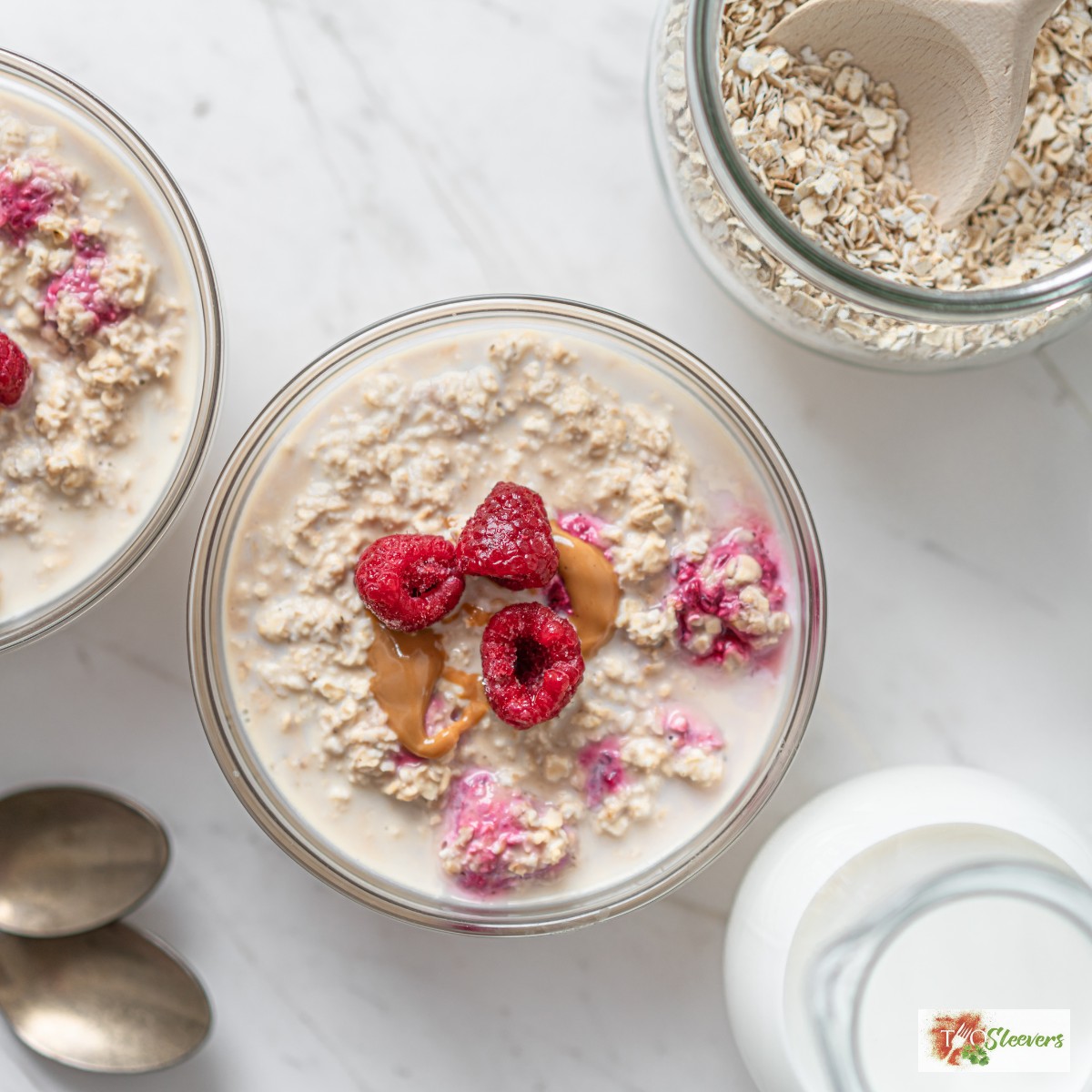
These Cottage Cheese Overnight Oats combine blended cottage cheese with rolled oats, milk, chia seeds, maple syrup, cinnamon, and vanilla.
You can also use Cottage Cheese Flatbread as a base for eggs, smoked salmon, turkey, vegetables, or nut butter.
Greek Yogurt Breakfast Ideas
Greek yogurt works well in:
- Fruit and yogurt bowls
- Parfaits
- Smoothies
- Overnight oats
- Pancake batter
- Muffins
- Chia pudding
- Frozen yogurt
- Protein bowls
Pair plain Greek yogurt with fruit, nuts, seeds, cinnamon, or nut butter. For more make-ahead ideas, use this High Protein Breakfast Meal Prep guide.
Which Is Better For Savory Recipes?
Cottage cheese has a mild flavor that works well when you want creaminess without much acidity. Greek yogurt has a tangier flavor that works particularly well in dips, marinades, dressings, and dishes that need brightness.
Savory Uses For Cottage Cheese

Use cottage cheese in:
- Pasta sauce
- Lasagna
- Flatbread
- Egg dishes
- Vegetable dips
- Sandwich spreads
- Stuffed chicken
- Savory bowls
- Mashed potatoes
This Cottage Cheese Alfredo Sauce blends cottage cheese with Parmesan, garlic, butter, and milk for a creamy sauce that can be served with pasta, vegetables, or chicken.
Savory Uses For Greek Yogurt

Use Greek yogurt in:
- Tzatziki
- Ranch dressing
- Chicken marinades
- Curry
- Dips
- Salad dressing
- Taco toppings
- Soup garnishes
- Creamy sauces
This Tzatziki Sauce combines Greek yogurt with cucumber, garlic, tahini, lemon, and salt.
For another easy option, try this Healthy Greek Yogurt Ranch with vegetables, salads, chicken, or wraps.
Which Is Better For Sweet Recipes?
Both ingredients work in sweet recipes, but they produce different results.
Cottage cheese adds body and richness. Blending removes the visible curds and creates a thick base for smoothies, frozen desserts, baked goods, and creamy fillings.
Greek yogurt adds tanginess and acidity. It works especially well with berries, citrus, honey, vanilla, and chocolate.
Sweet Cottage Cheese Ideas

- Cottage cheese ice cream
- Fruit smoothies
- Protein pudding
- Overnight oats
- Cheesecake-inspired bowls
- Muffins
- Cookies
- Cinnamon rolls
- Fruit popsicles
Sweet Greek Yogurt Ideas
- Yogurt parfaits
- Smoothies
- Frozen yogurt
- Mousse
- Fruit dip
- Cheesecake fillings
- Chia pudding
- Yogurt bark
- Breakfast bowls
This High Protein Jello Mousse uses Greek yogurt with gelatin and protein powder to create an easy creamy dessert.
Cottage Cheese Vs Greek Yogurt For Baking
Both can add moisture, protein, and richness to baked goods, but they are not universally interchangeable.
Greek yogurt is smooth and acidic. Its acidity can react with baking soda and affect the rise, flavor, and tenderness of baked goods.
Cottage cheese is less uniform and may contain more visible moisture. It is often blended before being added to a batter or dough.
Read this complete guide to Using Cottage Cheese In Baking before attempting an untested substitution.
Use Cottage Cheese In:
- Muffins
- Quick breads
- Flatbread
- Rolls
- Pancakes
- Egg bakes
- Cookies
- Savory breads
Use Greek Yogurt In:
- Muffins
- Cakes
- Quick breads
- Pancakes
- Biscuits
- Cheesecake fillings
- Baked oatmeal
- Marinades for baked meat
Can Cottage Cheese Replace Greek Yogurt In Baking?

Sometimes, but not automatically.
Blend cottage cheese until completely smooth, then compare its consistency with the Greek yogurt required by the recipe. You may need to adjust the liquid, but changing ingredients without testing can affect the finished texture.
The substitution is more likely to work in forgiving recipes such as muffins, pancakes, quick breads, and some snack cakes. It is less predictable when the recipe relies on yogurt's acidity to react with baking soda.
Can Greek Yogurt Replace Cottage Cheese In Baking?
Greek yogurt may work when cottage cheese is being blended into a batter for moisture and creaminess. It will not create the curd texture needed in recipes where cottage cheese functions more like ricotta.
Greek yogurt is also tangier and may contain a different amount of moisture. Use a tested substitution whenever the structure of the baked good matters.
Can You Substitute Cottage Cheese For Greek Yogurt?
You can substitute cottage cheese for Greek yogurt in some uncooked recipes if you blend it first.
It may work in:
- Smoothies
- Dips
- Breakfast bowls
- Overnight oats
- Creamy sauces
- Salad dressings
- Some baking recipes
For a smoother substitute:
- Add cottage cheese to a blender or food processor.
- Blend until the curds disappear.
- Check the consistency.
- Add a small amount of milk if it is too thick.
- Add lemon juice if the recipe needs yogurt's tanginess.
Do not assume that a one-for-one replacement will work in every recipe. Cottage cheese has different levels of sodium, acidity, moisture, and fat.
Can You Substitute Greek Yogurt For Cottage Cheese?
Greek yogurt can replace blended cottage cheese in certain sauces, dips, smoothies, and batters. It cannot recreate cottage cheese curds in salads, bowls, lasagna, or recipes where texture is important.
Greek yogurt may also make the dish tangier. In a savory recipe, you may need to reduce other acidic ingredients such as lemon juice or vinegar.
Cottage Cheese Vs Greek Yogurt In Smoothies
Both are useful for making thick, protein-rich smoothies.
Cottage Cheese In Smoothies
Cottage cheese creates a thick, cheesecake-like texture once blended. Its mild flavor works well with berries, banana, peanut butter, cocoa, vanilla, and cinnamon.
Blend thoroughly so no curds remain.
Greek Yogurt In Smoothies
Greek yogurt adds a smooth, tangy texture. It pairs well with fruit and can balance sweet ingredients such as bananas, dates, or flavored protein powder.
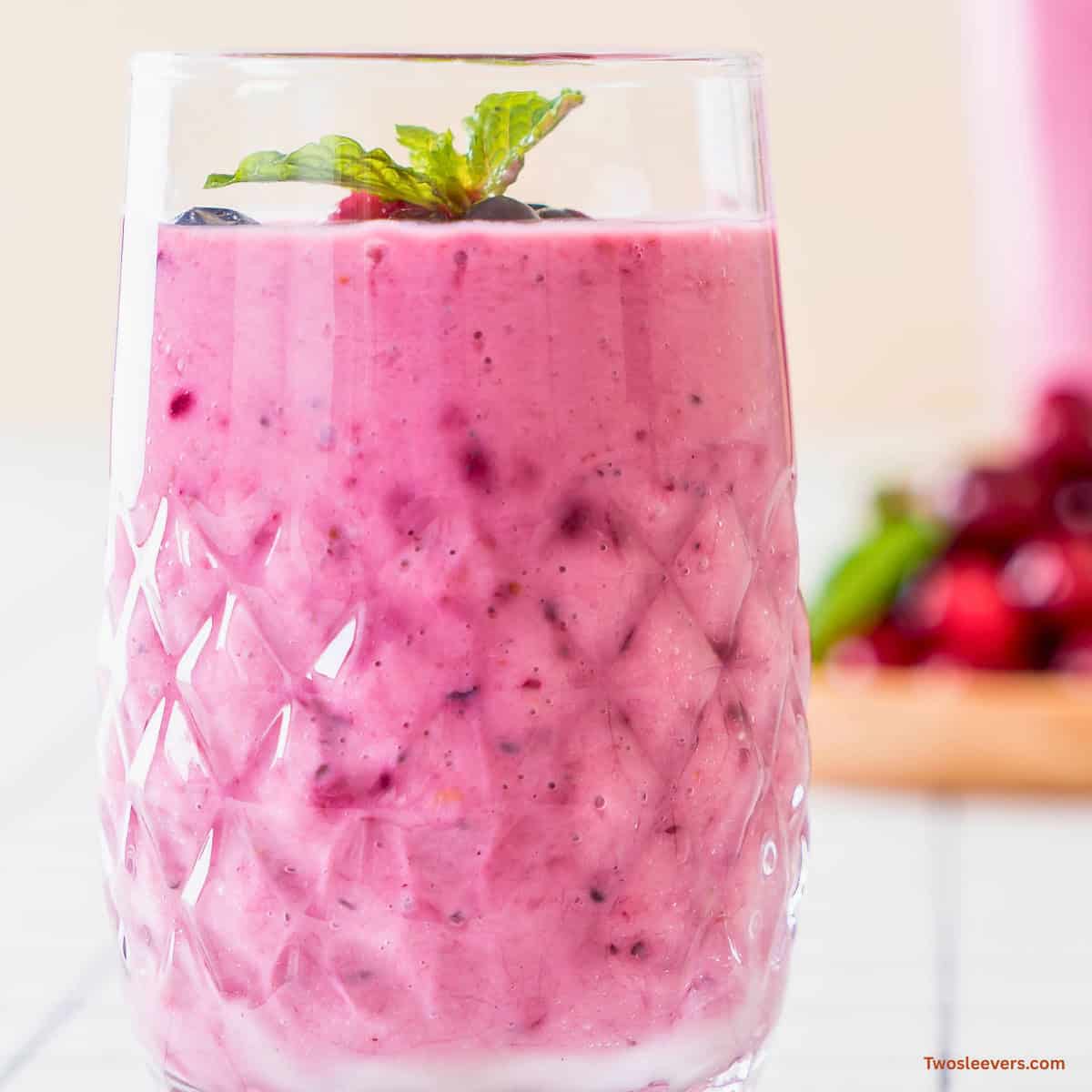
This Protein Smoothie uses Greek yogurt along with milk, banana, peanut butter, and protein powder. Cottage cheese can sometimes be used, but it is not an exact substitution.
Cottage Cheese Vs Greek Yogurt In Dips And Sauces
Greek yogurt is usually easier to use in cold dips because it is already smooth. Cottage cheese needs to be blended but can create a thick, mild base.
Choose cottage cheese when you want:
- A thicker blended dip
- Less tanginess
- A cheese-like flavor
- A base for Parmesan or herbs
Choose Greek yogurt when you want:
- A smooth dip without blending
- A tangy flavor
- A base for cucumber and herbs
- A replacement for some sour cream-based sauces
For inspiration, try Greek Yogurt Spinach Dip or browse the full collection of sauce recipes.
Cottage Cheese Vs Greek Yogurt In Curry

Greek yogurt is the more common choice for curries and marinades because its acidity helps add tang and complements warm spices. However, it can curdle if it is added directly to a very hot sauce.
Cottage cheese does not make a direct substitute in most curries. Blended cottage cheese can add creaminess, but it will not provide exactly the same acidity or flavor.
If you are cooking with yogurt, follow this guide on How To Keep Yogurt From Curdling In Curry. Temper the yogurt gradually and avoid boiling it aggressively after it has been added.
Which Is More Filling?
Both cottage cheese and Greek yogurt can help make a meal or snack more substantial because they contain protein. Full-fat varieties may also feel richer and more satisfying.
What you serve with them matters, too. Add fruit, vegetables, nuts, seeds, oats, or whole grains to create a more complete meal.
Examples include:
- Cottage cheese, cucumber, tomatoes, and seeds
- Greek yogurt, berries, nuts, and chia seeds
- Cottage cheese flatbread with eggs
- Greek yogurt dip with vegetables
- Cottage cheese overnight oats with fruit
- Greek yogurt with oats and nut butter
Which Is Better For Meal Prep?
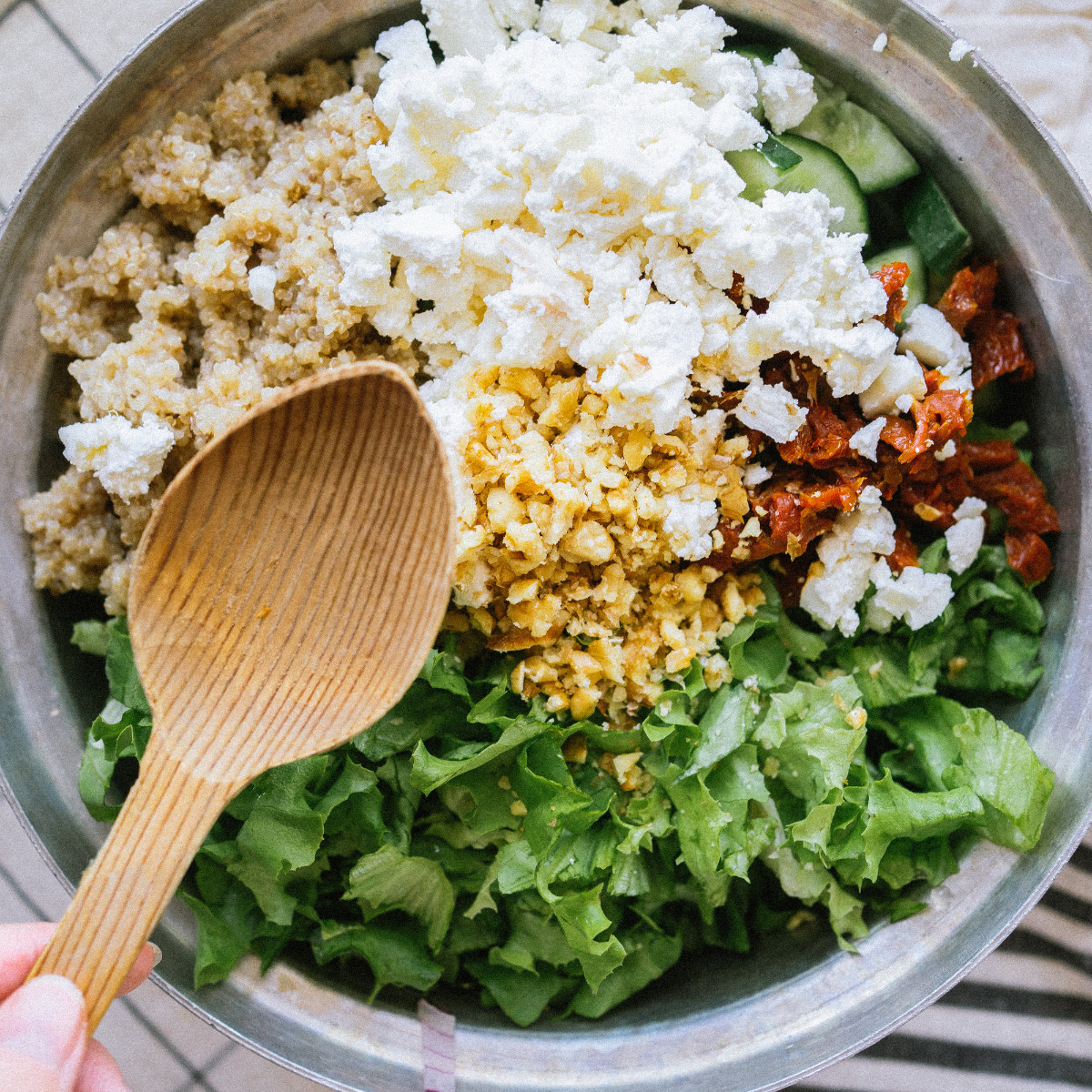
Both are convenient for meal prep because they require no cooking and can be portioned into individual containers.
Meal Prep With Cottage Cheese
Prepare:
- Savory cottage cheese bowls
- Overnight oats
- Smoothies
- Flatbread
- Egg bakes
- Pasta sauce
- Fruit and cottage cheese cups
Meal Prep With Greek Yogurt
Prepare:
- Yogurt parfaits
- Smoothie packs
- Tzatziki
- Salad dressing
- Ranch dip
- Overnight oats
- Fruit and yogurt bowls
Store crunchy toppings separately until serving. Granola, nuts, seeds, crackers, and toasted ingredients will soften if they sit in the dairy mixture.
How Long Do Cottage Cheese And Greek Yogurt Last?
Storage time depends on the product, packaging, opening date, refrigerator temperature, and manufacturer's instructions.
For the safest and best-quality results:
- Check the use-by date.
- Refrigerate promptly.
- Keep the container tightly closed.
- Use clean utensils.
- Do not return unused portions to the original container.
- Discard products with mold, unusual color, an off odor, or unexpected texture.
- Follow the package instructions after opening.
Some liquid separation is normal. Stir the product unless the package shows signs of spoilage.
Can You Freeze Cottage Cheese Or Greek Yogurt?

Both can be frozen, but their textures may change after thawing.
Freezing Cottage Cheese
Cottage cheese may become grainier or more watery. Thawed cottage cheese works better in cooked dishes, sauces, casseroles, and baked goods than as a fresh topping.
Freezing Greek Yogurt
Greek yogurt may separate or become slightly grainy. Stirring or blending it after thawing can improve the texture.
Frozen yogurt can also be used directly in smoothies. Freeze individual portions in an ice cube tray, then transfer the cubes to a freezer-safe container.
Frequently Asked Questions

Is Cottage Cheese Or Greek Yogurt Better For Protein?
Both are good protein sources. The amount varies by brand and serving size, so compare equal portions on the nutrition labels.
Is Cottage Cheese Or Greek Yogurt Lower In Carbs?
Plain versions of both foods can be relatively low in carbohydrates. The exact amount varies, and flavored yogurt often contains added sugar. Check the label before choosing.
Is Cottage Cheese Or Greek Yogurt Better For A Low-Sodium Diet?
Plain Greek yogurt is usually lower in sodium than cottage cheese. Low-sodium cottage cheese is available, but anyone following a medically necessary low-sodium diet should check product labels and consult their healthcare provider.
Does Cottage Cheese Contain Probiotics?
Some cottage cheese contains live active cultures, but not all brands do. Look for a statement on the package confirming the presence of live cultures.
Does Greek Yogurt Contain Probiotics?
Many Greek yogurts contain live active cultures, but the number and types vary. Check the ingredient list and package labeling.
Which Is Better If You Are Lactose Intolerant?
Tolerance varies from person to person and from product to product. Straining and culturing can affect lactose content, but neither food is automatically lactose-free.
Choose a product specifically labeled lactose-free if needed and consult a medical professional if you have concerns.
Can You Eat Cottage Cheese Or Greek Yogurt Every Day?
Either can be part of a varied diet if it fits your nutritional needs and you tolerate dairy. Consider sodium, added sugar, fat, serving size, and the other foods you eat.
Can Cottage Cheese Replace Greek Yogurt In Overnight Oats?
Yes, cottage cheese can work well in overnight oats. Blend it first for a smooth consistency or leave the curds intact if you prefer more texture.
Can Greek Yogurt Replace Cottage Cheese In Alfredo Sauce?
Greek yogurt can add creaminess, but it will create a tangier sauce and may curdle if overheated. It will not produce the same result as this tested Cottage Cheese Alfredo Sauce.
Which Is Better For A Smooth Texture?
Greek yogurt is naturally smooth. Cottage cheese can become smooth when thoroughly blended, but the result may be thicker or slightly grainier depending on the brand.
Cottage Cheese Vs Greek Yogurt: Which Should You Choose?
Choose cottage cheese if you prefer a mild, slightly salty flavor and want an ingredient that works in savory bowls, flatbreads, egg dishes, creamy sauces, and baked goods.
Choose Greek yogurt if you prefer a smooth, tangy ingredient for parfaits, marinades, dressings, dips, smoothies, and curries.
Keep both on hand if you use them regularly. Their different textures and flavors make them useful for different purposes, and neither one needs to replace the other completely.
Try them in these recipes and guides:

- High Protein Cottage Cheese Recipes
- Cottage Cheese Overnight Oats
- Cottage Cheese Flatbread
- Cottage Cheese Alfredo Sauce
- How To Use Cottage Cheese In Baking
- Homemade Greek Yogurt
- Tzatziki Sauce
- Healthy Greek Yogurt Ranch
- High Protein Jello Mousse
- High Protein Meal Prep Recipes
The cottage cheese vs Greek yogurt decision comes down to flavor, texture, nutrition labels, and how you plan to use the ingredient. Compare plain products with similar fat percentages, choose the one that works best for the recipe, and enjoy both as flexible additions to breakfast, lunch, snacks, sauces, and desserts.