A well-stocked Mexican pantry makes it easy to prepare tacos, beans, soups, salsas, enchiladas, and comforting one-pot dinners without making a special trip to the grocery store. This Mexican pantry staples guide explains which dried chiles, spices, beans, grains, canned goods, fresh ingredients, and condiments beginners should buy first, plus how to use and store them.
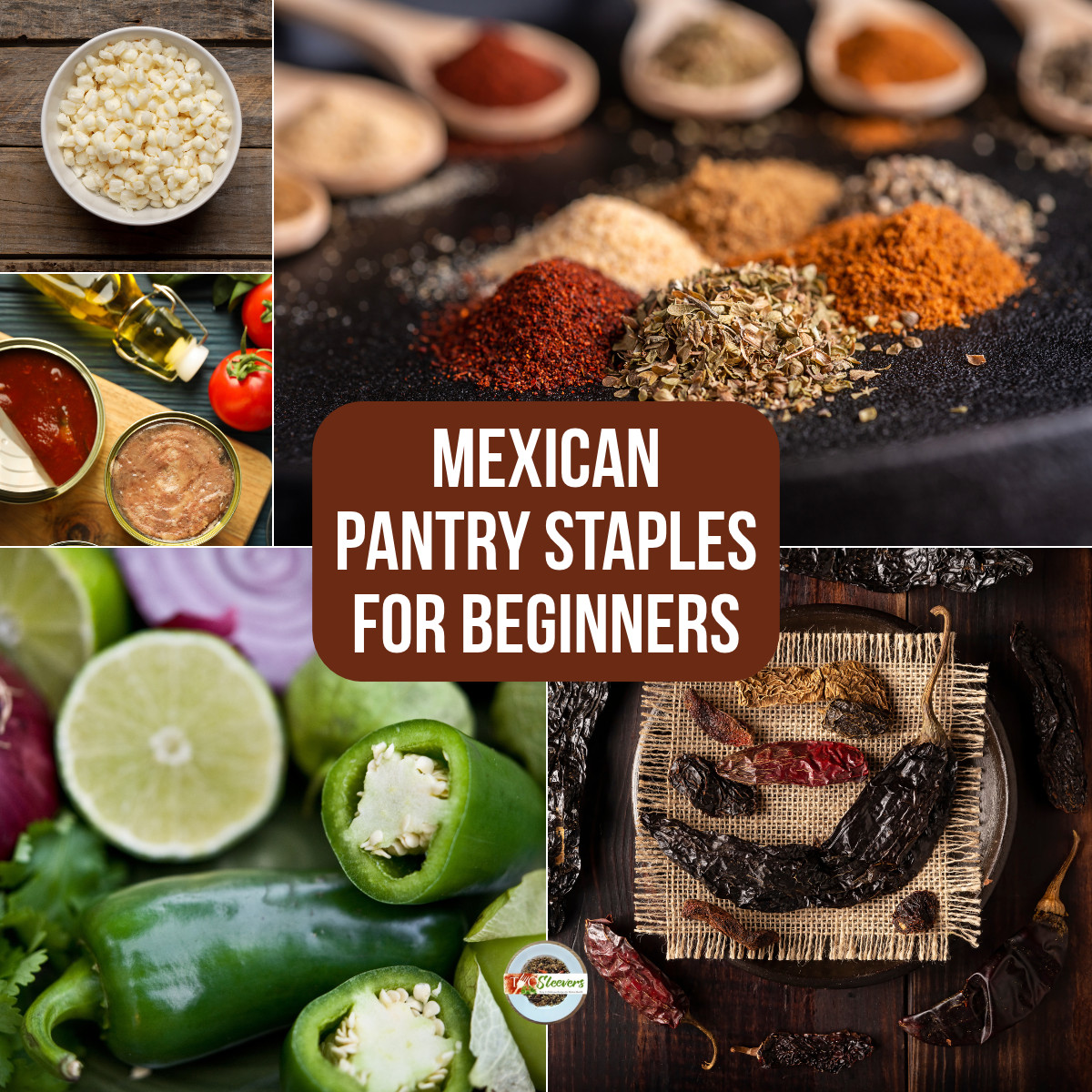
Mexican cooking does not require filling your kitchen with dozens of unfamiliar ingredients. A small collection of versatile Mexican pantry essentials can help you make an incredible variety of meals.
Start with the ingredients you will use most often, then add specialty chiles, flours, and condiments as you explore new recipes. This approach keeps your pantry organized and prevents ingredients from sitting unused.
Why You'll Love Having A Mexican Pantry
- Convenient. Make tacos, soups, beans, rice, and salsa without an extra shopping trip.
- Budget-friendly. Dried beans, rice, canned tomatoes, and spices can form the base of many affordable meals.
- Flexible. Most staples can be used in several different Mexican and Tex-Mex recipes.
- Beginner-friendly. You do not need specialty equipment or an enormous spice collection.
- Easy to customize. Adjust the heat, acidity, and seasonings to suit your preferences.
- Meal prep friendly. Cook beans, meat, sauces, and rice ahead for quick meals throughout the week.
Browse all of our Mexican recipes to find delicious ways to use your new pantry staples.
What Are The Essential Ingredients In Mexican Cooking?
Mexican cuisine varies considerably by region, so there is no single ingredient list that represents every Mexican kitchen. However, several ingredients appear regularly across Mexican and Mexican-inspired recipes.
The most useful Mexican pantry staples for beginners include:
- Dried and canned beans
- Rice
- Corn and flour tortillas
- Masa harina
- Canned tomatoes
- Tomatillos
- Dried and canned chiles
- Cumin
- Mexican oregano
- Garlic
- Onions
- Cilantro
- Limes
- Avocados
- Cheese
- Broth
- Vinegar
You do not need to buy everything at once. Begin with beans, rice, tortillas, tomatoes, a few basic spices, and one type of chile. Add more ingredients as you find recipes you want to try.
Mexican Pantry Staples Shopping List
Use this quick Mexican grocery list as a starting point.
| Pantry Area | Beginner Essentials | Optional Additions |
|---|---|---|
| Spices | Cumin, chile powder, oregano, paprika, garlic powder | Coriander, cinnamon, cayenne, smoked paprika |
| Dried goods | Pinto beans, black beans, rice, masa harina | Hominy, lentils, pepitas |
| Canned goods | Tomatoes, tomato sauce, beans, chipotles in adobo | Green chiles, tomatillos, corn |
| Breads and grains | Corn tortillas, flour tortillas, tortilla chips | Tostada shells, taco shells |
| Fresh produce | Onions, garlic, cilantro, limes, jalapeños | Serranos, poblanos, tomatillos, avocados |
| Refrigerated items | Cheese, sour cream or crema | Cotija, queso fresco, Mexican crema |
| Condiments | Vinegar, hot sauce, salsa | Pickled jalapeños, achiote paste |
Essential Mexican Spices
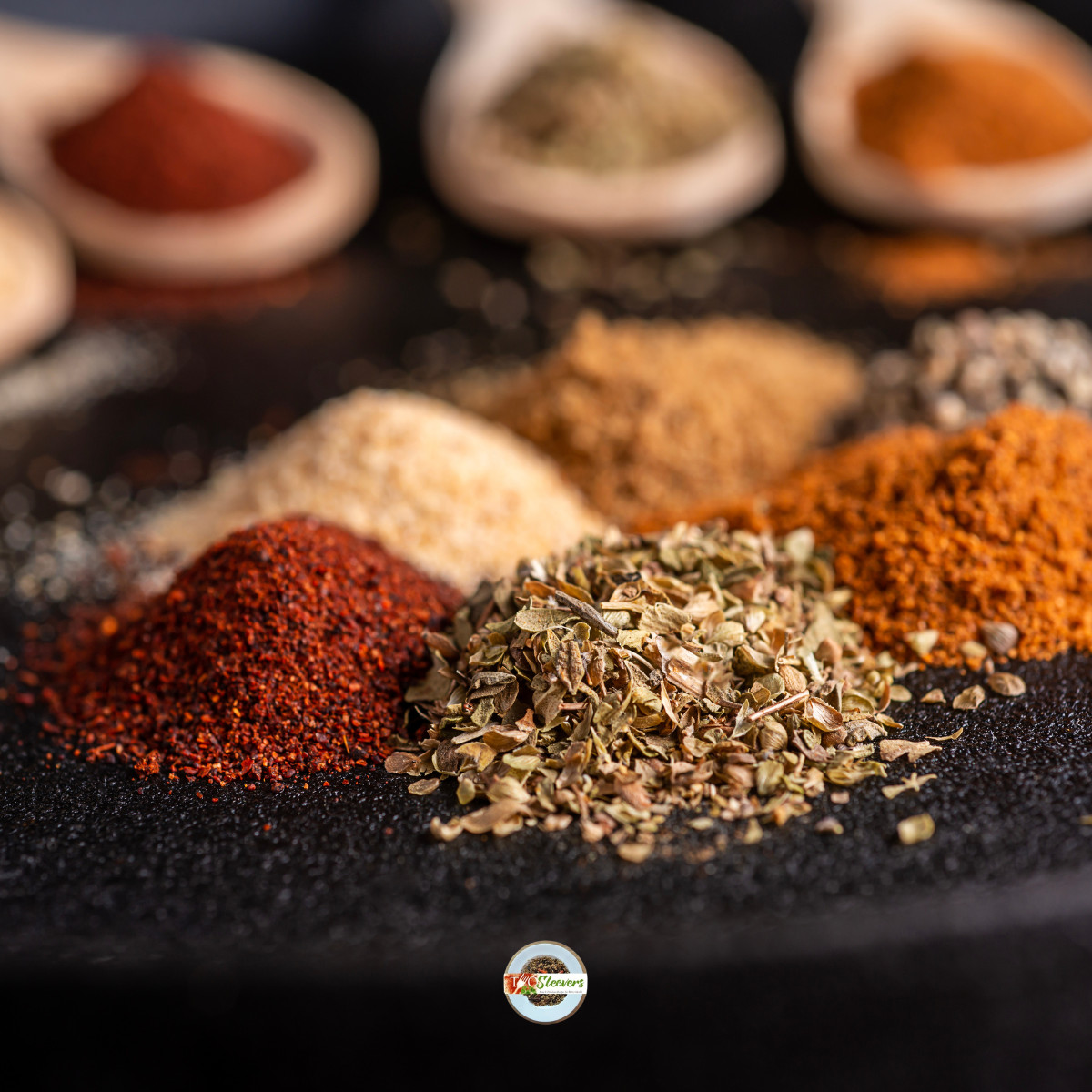
You do not need a prepackaged seasoning blend for every dish. A few individual spices give you more control over the flavor and heat of your food.
Ground Cumin
Cumin has a warm, earthy flavor that works well with beans, meat, soups, salsa, and rice. It is potent, so begin with a small amount and add more after tasting.
Try it in Mexican Frijoles Charro, where it complements the pinto beans, tomatoes, peppers, garlic, and cilantro.
Mexican Chile Powder
Mexican chile powder or chili powder is commonly used to season tacos, meat, beans, soups, and sauces. Check the label before using it because some products are made from one ground chile, while others are blends containing cumin, garlic, oregano, and salt.
Do not substitute cayenne pepper in equal quantities. Cayenne primarily contributes heat and may make a dish much spicier than intended.
This Keto Taco Seasoning combines familiar pantry spices into a versatile homemade blend for taco meat, vegetables, soups, and casseroles.
Mexican Oregano
Mexican oregano has an earthy, citrusy flavor that works especially well with tomatoes, beans, chiles, and slow-cooked meat. It is different from the Mediterranean oregano commonly used in Italian cooking.
If Mexican oregano is unavailable, regular oregano can work in many recipes, but the finished flavor will be slightly different.
Paprika And Smoked Paprika
Paprika contributes mild pepper flavor and color. Smoked paprika adds a deeper, smoky note that works well in meat dishes, beans, and seasoning blends.
Paprika does not replace dried Mexican chiles, but it can add another layer of flavor when used alongside them.
Garlic Powder And Onion Powder
Fresh garlic and onion are important ingredients in Mexican cooking, but their dried counterparts are useful for seasoning blends, marinades, roasted vegetables, and ground meat.
Keep both in tightly sealed containers away from heat and moisture.
Ground Coriander
Ground coriander comes from cilantro seeds and has a citrusy, slightly floral flavor. It can be used in marinades, spice blends, meat dishes, and sauces.
It is not a substitute for fresh cilantro, but the two ingredients can complement one another.
Cinnamon
A small amount of cinnamon adds warmth and complexity to certain Mexican sauces, meat dishes, and desserts. Mexican cinnamon, often sold as canela, is generally lighter and more delicate than common cassia cinnamon.
The cinnamon in Chicken Tinga works with chipotle, cumin, oregano, tomatoes, and vinegar to create a rich sauce for shredded chicken.
Essential Mexican Dried Chiles
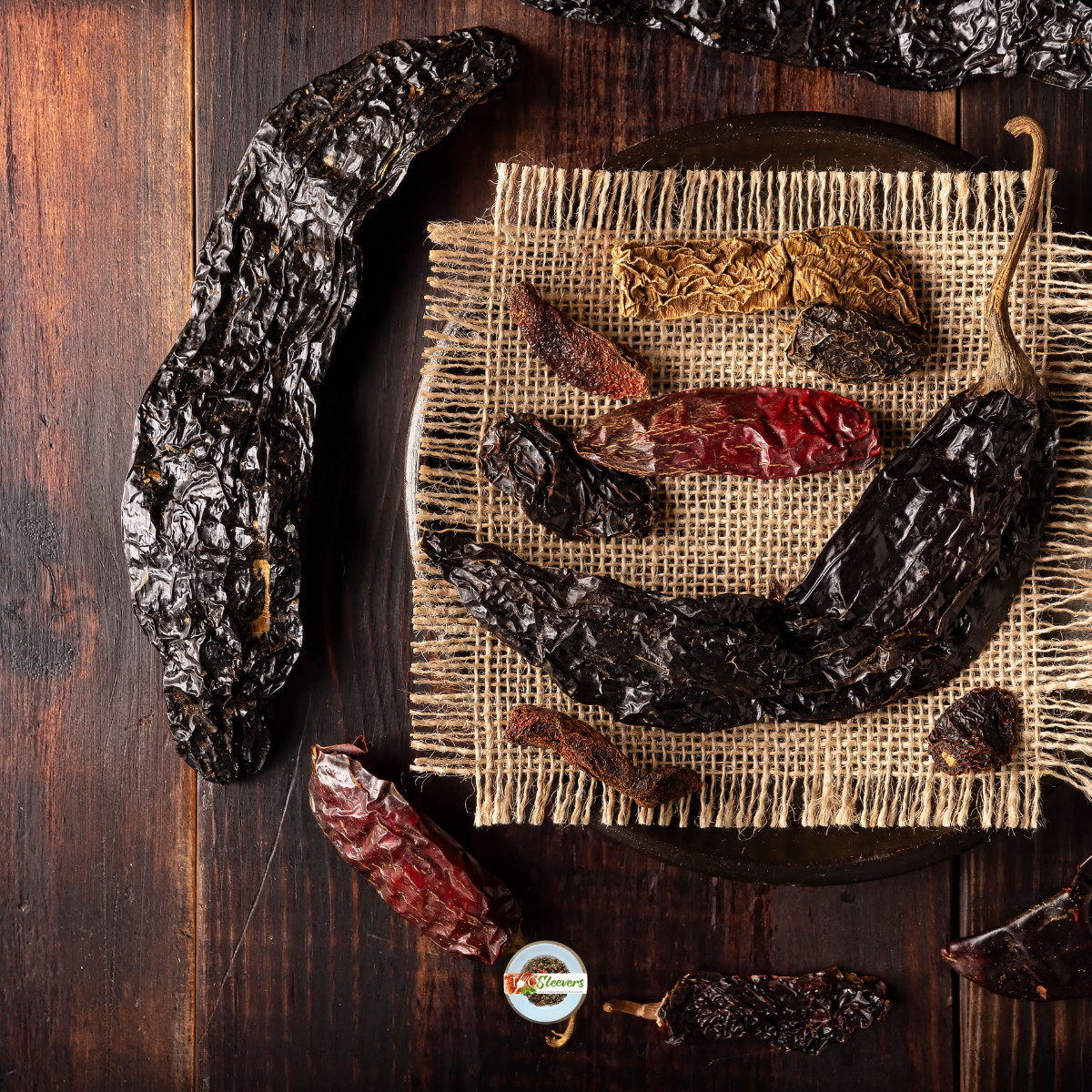
Dried chiles are one of the best ways to add complex flavor to Mexican cooking. They are not all extremely hot. Some are mild, smoky, fruity, sweet, or earthy.
Ancho Chiles
Ancho chiles are dried poblano peppers. They are generally mild, with a rich flavor that may remind you of dried fruit, cocoa, or raisins.
Use ancho chile powder in sauces, marinades, stews, and dishes like Carne Guisada.
Guajillo Chiles
Guajillo chiles have a moderately fruity, tangy flavor with mild to medium heat. They are commonly used in red chile sauces, soups, marinades, and braised meat dishes.
Remove the stems and seeds before toasting and soaking whole dried guajillos.
Árbol Chiles
Chiles de árbol are small but much hotter than ancho or guajillo chiles. Use them sparingly in salsa, sauces, and seasoning blends.
Store them separately and label the container clearly so they are not confused with milder chiles.
Chipotle Chiles In Adobo
Chipotles are smoked, dried jalapeños. Canned chipotles in adobo sauce add smokiness, heat, acidity, and depth to meat, beans, salsa, soups, and marinades.
A recipe may call for one chipotle pepper, not the entire can. Freeze the remaining peppers and sauce in small portions so they are ready for later recipes.
Use them in Instant Pot Carne Adovada or Chicken Tinga for smoky chile flavor.
Beans For A Mexican Pantry
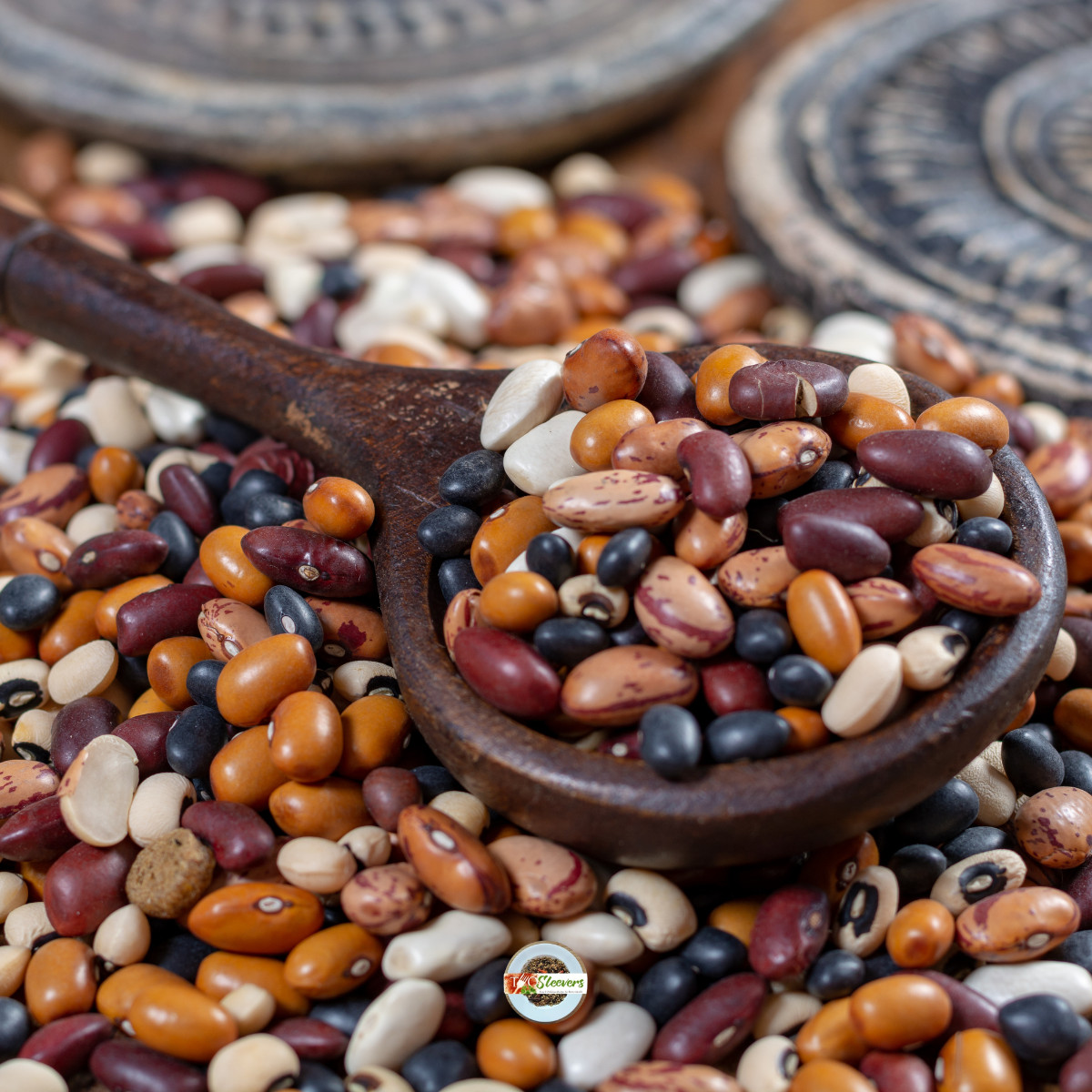
Beans are affordable, versatile, and easy to keep on hand. Stock dried beans for large batches and canned beans for quick meals.
Pinto Beans
Pinto beans are an excellent first choice for a beginner Mexican pantry. Use them for:
- Frijoles charros
- Refried beans
- Bean soups
- Burritos
- Taco bowls
- Bean dips
- Rice and bean meals
Try Instant Pot Refried Beans or these Instant Pot Pinto Beans for two different ways to turn pinto beans into a flavorful side.
Black Beans
Black beans work well in soups, quesadillas, taco salads, enchiladas, burritos, and rice bowls. They have a firmer texture and a slightly earthier flavor than pinto beans.
Keep both dried and canned black beans on hand if you cook them frequently. Canned beans are convenient, while dried beans give you more control over the seasoning and texture.
Canned Or Dried Beans?
Both are useful.
- Dried beans are economical and allow you to season the cooking liquid.
- Canned beans are fast and require very little preparation.
- Frozen cooked beans provide the convenience of canned beans after one batch-cooking session.
Drain and rinse canned beans unless the recipe specifically calls for the liquid. Follow the recipe instructions when cooking dried beans because soaking and cooking times vary.
Mexican Rice And Grains
Long-Grain White Rice
Long-grain white rice is a useful pantry staple for Mexican rice, arroz con pollo, burrito bowls, soups, and side dishes. It cooks into distinct grains and readily absorbs tomato, broth, and spices.
Brown Rice
Brown rice can be used when you want a firmer texture and nuttier flavor. It requires a longer cooking time, so it cannot always be substituted directly for white rice without adjusting the liquid and timing.
Hominy
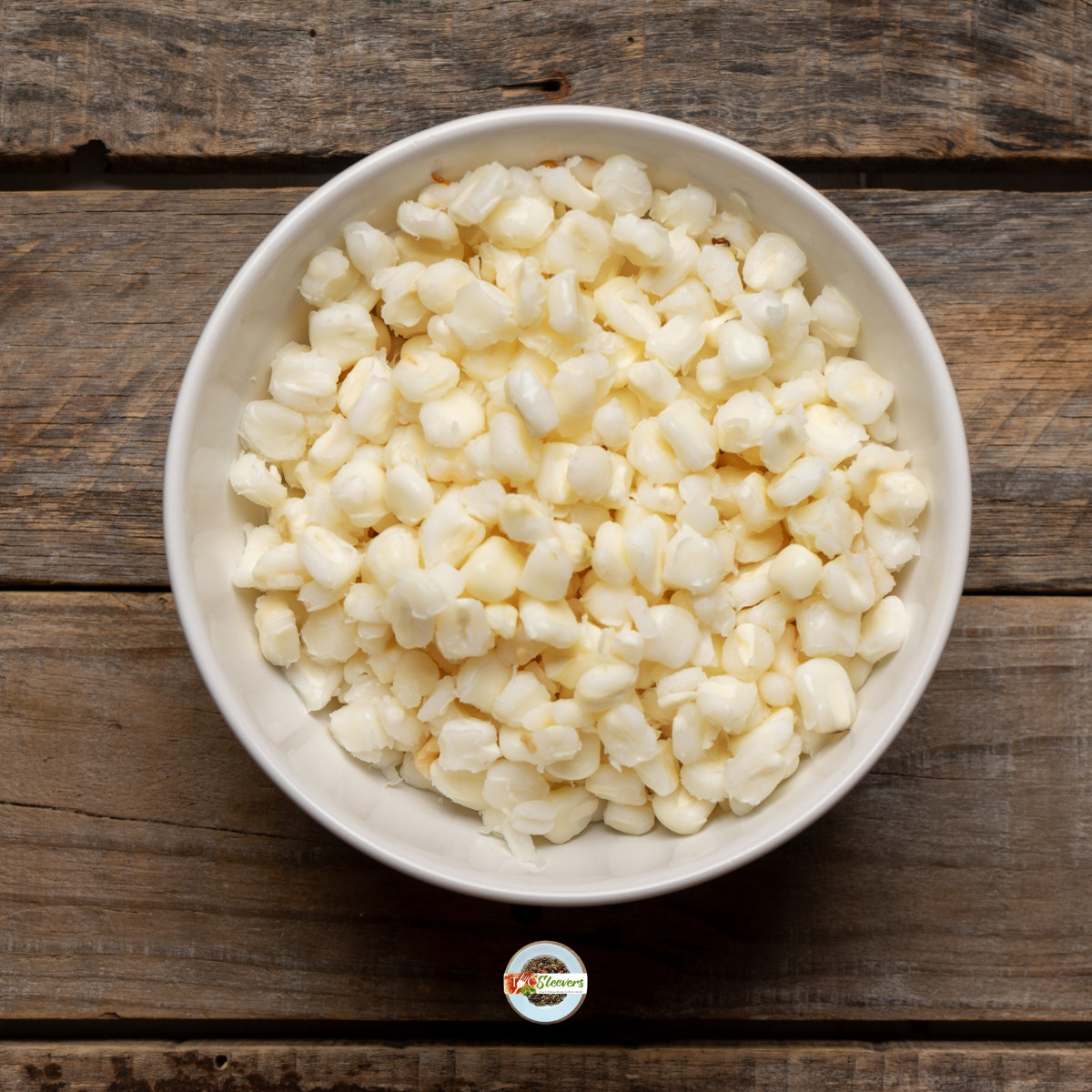
Hominy is corn that has been processed through nixtamalization. It has a chewy texture and a mild corn flavor. Canned hominy is the easiest version for beginners and can be added to pozole, soups, casseroles, and side dishes.
Cornmeal
Cornmeal is useful for cornbread and certain Mexican-inspired casseroles, but it is not the same as masa harina. The two products are processed differently and are not interchangeable in every recipe.
Masa Harina
Masa harina is a finely ground flour made from nixtamalized corn. When mixed with water, it forms masa for tortillas, gorditas, sopes, and other corn-based dishes.
Use masa harina to make these homemade Gorditas, then fill them with beans, cheese, chicken, carnitas, or salsa.
Is Masa Harina The Same As Corn Flour?
Not always. Product labeling varies, but standard corn flour or finely ground cornmeal has not necessarily been nixtamalized. If a recipe calls for masa harina, buy a package specifically labeled masa harina.
How Should Masa Harina Be Stored?
Keep masa harina in an airtight container in a cool, dry pantry. If you use it infrequently or live in a warm, humid climate, refrigerating or freezing it can help preserve its flavor.
Tortillas And Tortilla Products

Corn Tortillas
Corn tortillas have a distinct corn flavor and are excellent for tacos, enchiladas, tostadas, and chilaquiles. Warm them before serving to improve their flexibility and flavor.
Flour Tortillas
Flour tortillas are soft, flexible, and useful for burritos, quesadillas, wraps, and soft tacos. You can purchase them or make homemade Flour Tortillas when you want a fresh, tender option.
Tortilla Chips
Keep tortilla chips for salsa, nachos, soups, dips, and taco salads. Crushed chips also add texture to casseroles and salads.
Transfer opened chips to an airtight container or resealable bag so they stay crisp.
Tostada Shells
Tostada shells make a quick base for beans, chicken, lettuce, salsa, cheese, and avocado. Store them carefully because they break easily.
Essential Mexican Canned Goods
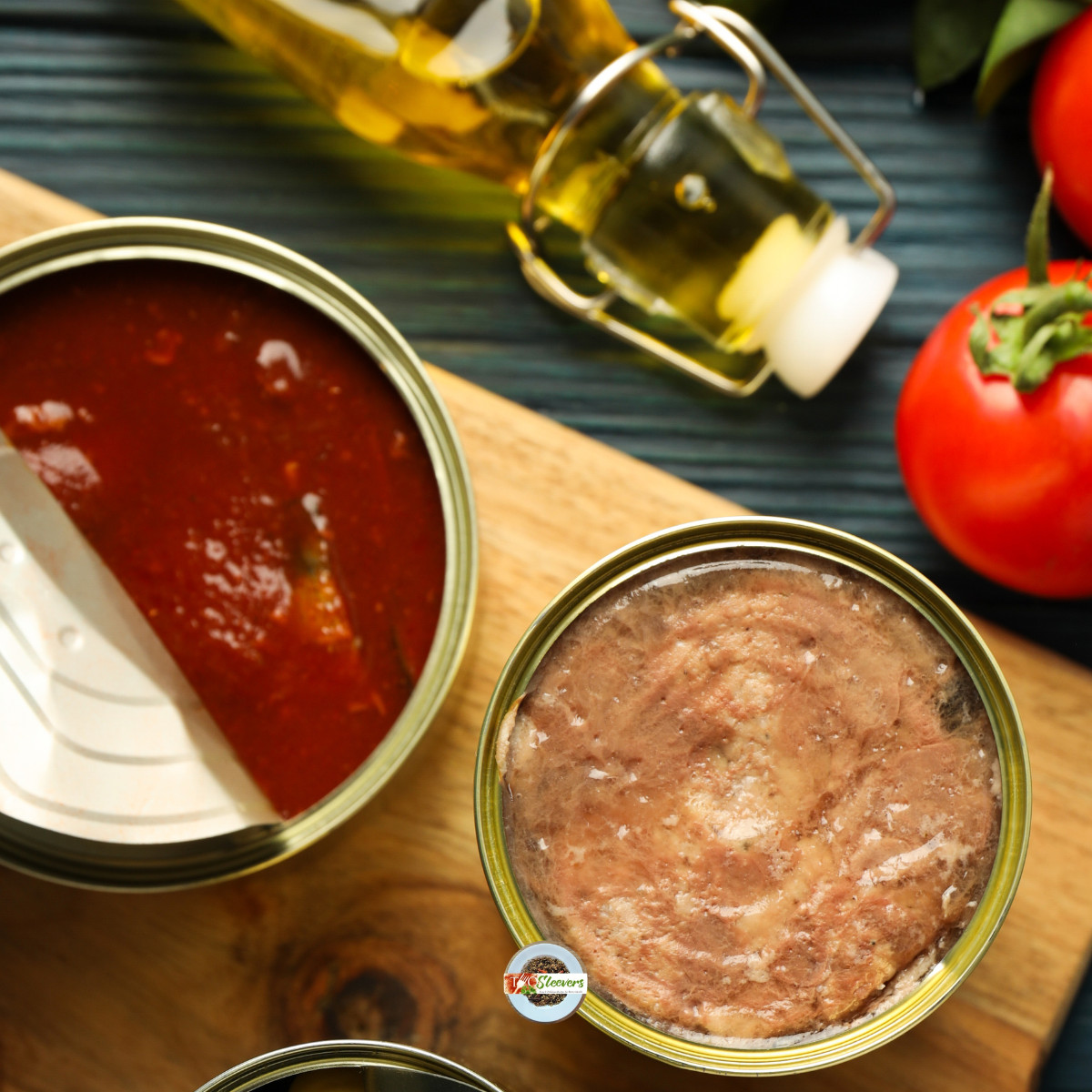
Canned ingredients allow you to add concentrated flavor without lengthy preparation.
Canned Tomatoes
Keep one or more of the following in your pantry:
- Diced tomatoes
- Fire-roasted tomatoes
- Crushed tomatoes
- Tomato sauce
- Tomato paste
Fire-roasted tomatoes add smoky flavor to beans, soups, sauces, and shredded meat. Plain diced tomatoes are more neutral and can be used in a wider range of recipes.
Canned Green Chiles
Canned green chiles add mild pepper flavor to soups, queso, casseroles, eggs, and sauces. Most are milder than fresh jalapeños, but always check the label.
Canned Tomatillos
Tomatillos have a bright, tart flavor. Canned tomatillos are convenient for sauces and soups when fresh tomatillos are unavailable.
Drain them only if the recipe instructs you to do so.
Canned Corn
Canned corn is convenient for salads, soups, salsa, casseroles, and taco bowls. Drain it thoroughly before adding it to dishes where excess moisture could be a problem.
Broth
Chicken, beef, and vegetable broth add flavor to rice, beans, soups, and braised meat. Choose lower-sodium broth when possible so you can control the final seasoning.
Fresh Mexican Cooking Essentials
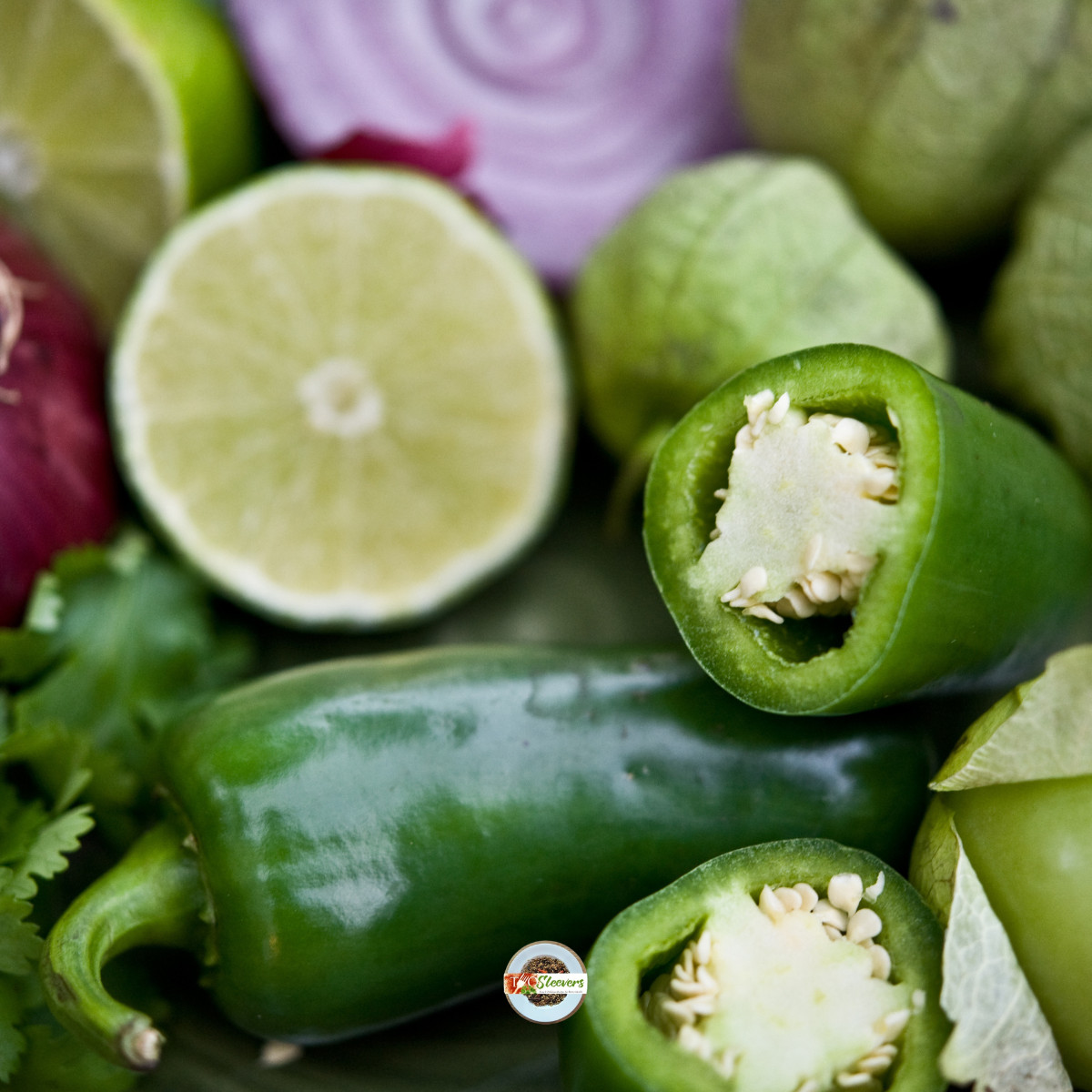
These ingredients are perishable, but they are common enough to keep on your regular grocery list.
Onions
White onions have a sharp, clean flavor and are commonly used in Mexican dishes. Yellow onions are a practical substitute for cooked recipes, while red onions work especially well in salsa, pickles, salads, and garnishes.
Garlic
Fresh garlic adds savory depth to beans, rice, soups, salsa, marinades, and meat. Store whole bulbs in a cool, dry place with good airflow.
Cilantro
Cilantro adds bright, herbal flavor to salsa, tacos, soups, rice, and beans. Both the leaves and tender stems are flavorful.
Wash cilantro shortly before using it, or dry it thoroughly before refrigerating to help prevent spoilage.
Limes
Fresh lime juice adds acidity that can balance rich, spicy, salty, or smoky dishes. Use it in salsa, marinades, guacamole, dressings, rice, and as a finishing touch for tacos.
Bottled lime juice is convenient, but fresh lime juice usually has a brighter flavor.
Jalapeños And Serranos
Jalapeños provide mild to moderate heat, while serranos are typically hotter. Their heat can vary from pepper to pepper.
Removing the white membranes and seeds may reduce some of the heat, but much of the capsaicin is concentrated in the inner ribs. Wash your hands thoroughly after handling fresh chiles.
Poblanos
Poblanos are usually mild and have a deep green pepper flavor. Roast, peel, and stuff them, or slice them into soups, sauces, and vegetable dishes.
Fresh Tomatillos
Tomatillos look like small green tomatoes covered in papery husks, but they have a distinct tart, citrusy flavor. Remove the husks and rinse away the sticky coating before roasting, boiling, or blending them into salsa.
Avocados
Avocados add creamy texture to tacos, bowls, salads, salsa, and guacamole. Buy them at different stages of ripeness if you need them throughout the week.
Mexican Cheeses And Refrigerated Staples
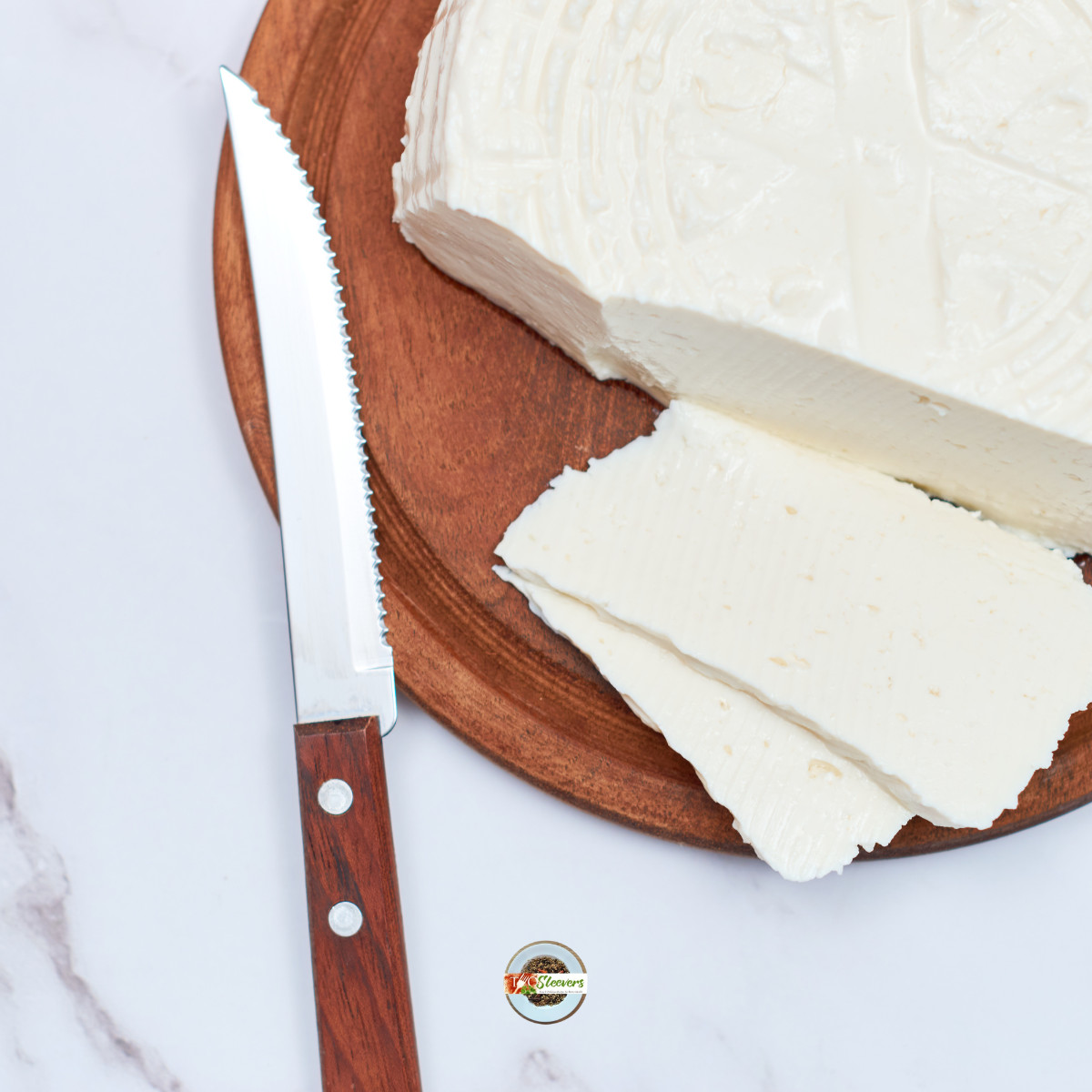
Queso Fresco
Queso fresco is a mild, crumbly fresh cheese. Sprinkle it over beans, enchiladas, tacos, salads, and soups.
Cotija
Cotija is salty and crumbly, making it useful as a finishing cheese. A small amount adds plenty of flavor to corn, tacos, beans, and salads.
Oaxaca Cheese
Oaxaca cheese is mild and melts well. Use it in quesadillas, stuffed peppers, enchiladas, and other dishes that benefit from stretchy melted cheese.
Mexican Crema
Mexican crema is thinner and often less tangy than standard sour cream. Drizzle it over tacos, soups, enchiladas, or roasted vegetables.
Sour cream can be used as a convenient substitute, although its flavor and consistency are different.
Mexican Sauces And Condiments
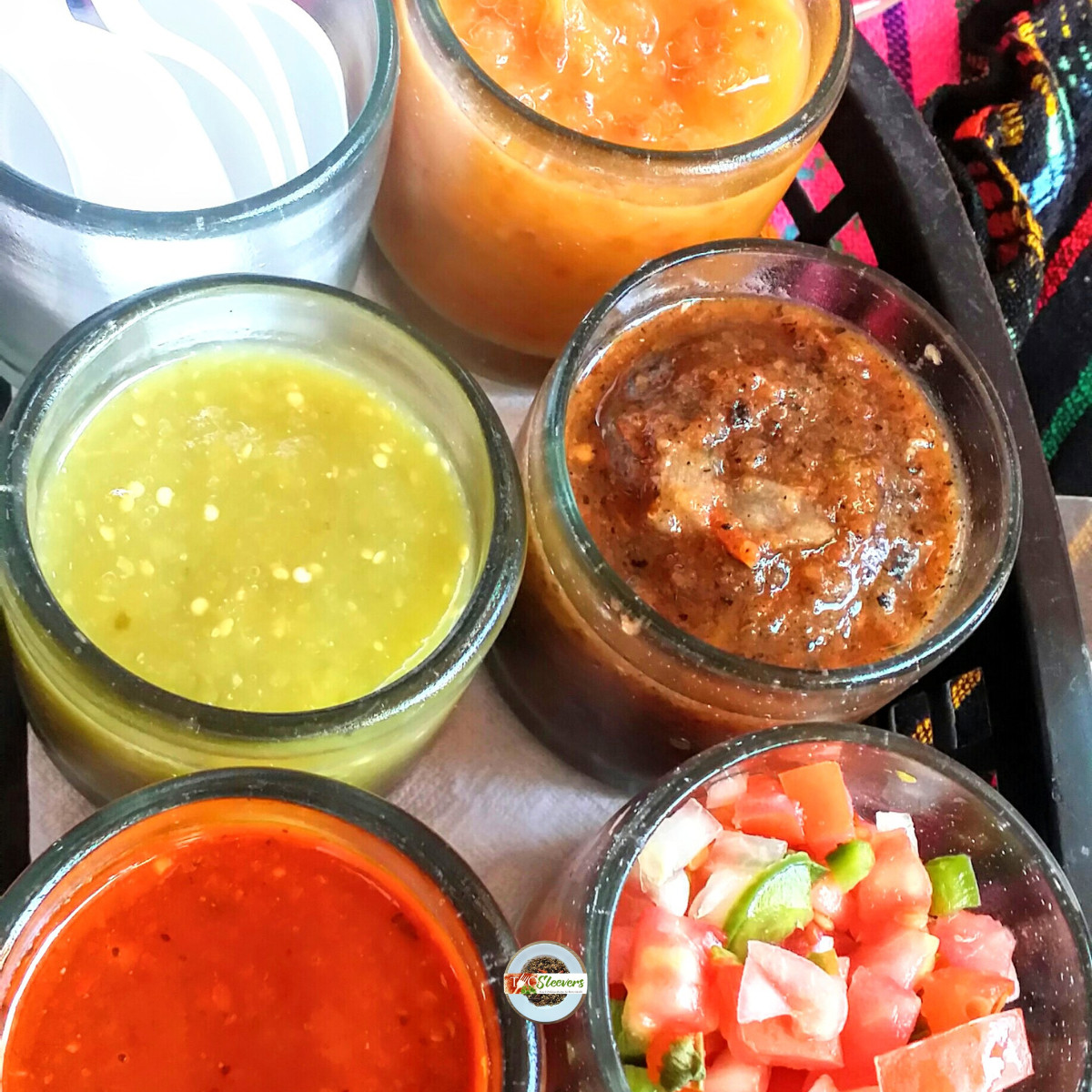
Salsa
A good salsa can serve as a dip, topping, sauce, or cooking ingredient. Keep a jar in the pantry for convenience, then make fresh salsa when time allows.
This Salsa Roja uses tomatoes, fresh chiles, garlic, onion, cilantro, lime, and cumin. Serve it with chips, tacos, eggs, or grilled meat.
Enchilada Sauce
Enchilada sauce can also be used in casseroles, soups, shredded meat, rice bowls, and skillet meals. Homemade sauce lets you control its heat, seasoning, and consistency.
Explore our sauce recipes for homemade salsa, enchilada sauce, dressings, and taco-night condiments.
Hot Sauce
Hot sauce adds quick heat and acidity. Different brands vary considerably, so taste a small amount before adding it to a finished dish.
Pickled Jalapeños
Pickled jalapeños add tangy heat to tacos, nachos, quesadillas, burgers, salads, and sandwiches. The pickling liquid can also add acidity to sauces and dressings.
Vinegar
Apple cider vinegar and white vinegar are useful for marinades, pickled onions, salsa, and slow-cooked meat. Acidity helps balance rich flavors, but add it gradually.
Achiote Paste
Achiote paste is made primarily from annatto seeds, spices, and acidic ingredients. It contributes an earthy, peppery flavor and a distinctive red-orange color.
It is less essential for a beginner pantry, but worth adding when a specific recipe calls for it.
Beginner Mexican Pantry Checklist
If you are starting from scratch, buy these 15 ingredients first:
- Pinto beans
- Black beans
- Long-grain rice
- Corn tortillas
- Flour tortillas
- Canned diced tomatoes
- Chipotle peppers in adobo
- Ground cumin
- Mexican chile powder
- Mexican oregano
- Garlic
- White or yellow onions
- Cilantro
- Limes
- Jalapeños
With these basics, you can prepare beans, rice bowls, tacos, soups, salsa, and several one-pot meals. Add masa harina, dried chiles, specialty cheeses, tomatillos, and hominy as you become more comfortable.
How To Build A Mexican Meal From Pantry Staples
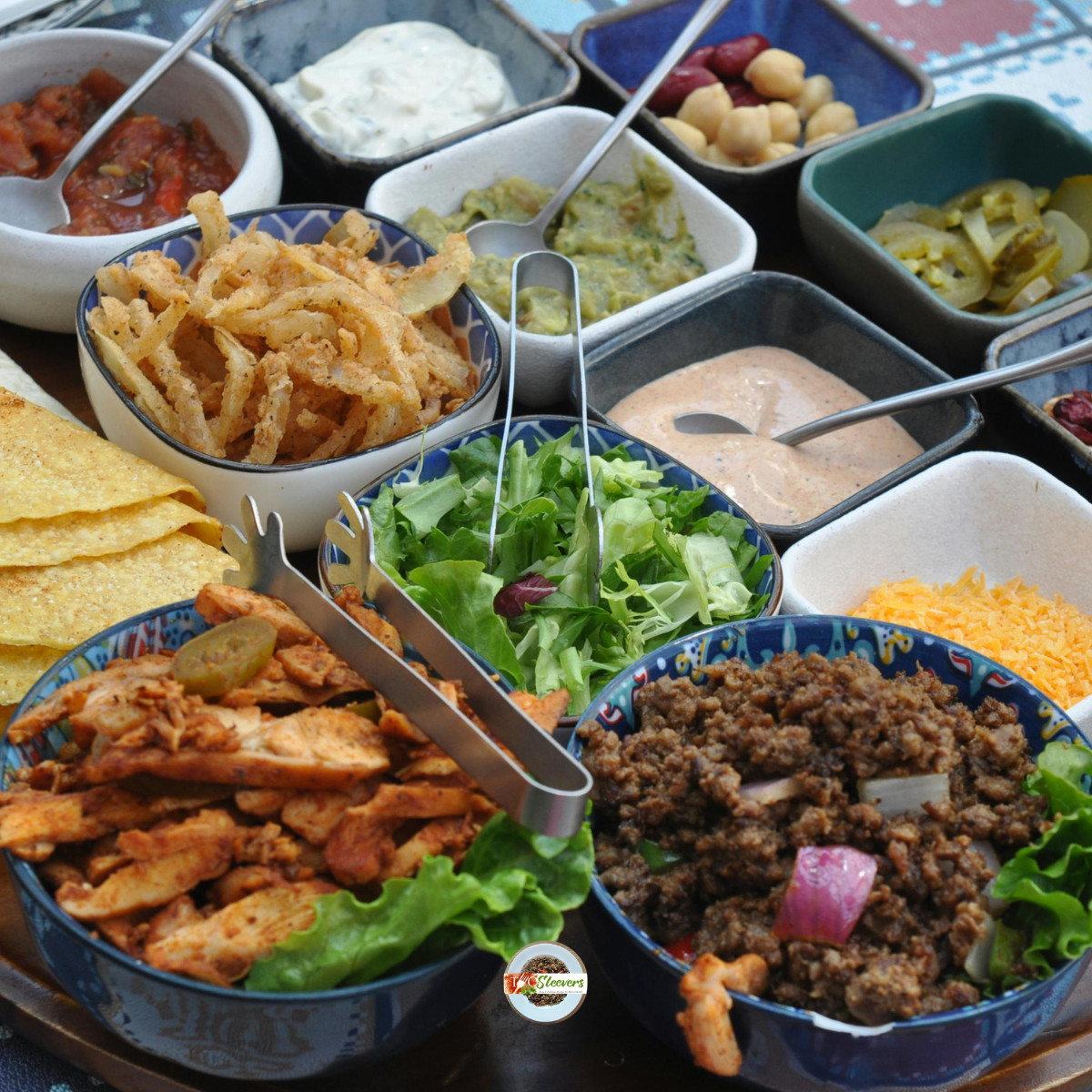
Use this simple formula when you are not following a specific recipe.
1. Choose A Protein
Use chicken, beef, pork, shrimp, eggs, beans, or a combination.
2. Add Aromatics
Cook onion and garlic in a little oil until fragrant. Add fresh chiles if you want more heat.
3. Add Seasonings
Use cumin, oregano, chile powder, and salt. Begin with small quantities and adjust after tasting.
4. Choose A Sauce Or Cooking Liquid
Add tomatoes, broth, salsa, enchilada sauce, or a blended chile sauce.
5. Select A Base
Serve the mixture with rice, tortillas, beans, cauliflower rice, or salad greens.
6. Finish The Dish
Add lime juice, cilantro, cheese, crema, avocado, or salsa immediately before serving.
For more dinner inspiration, this collection of Instant Pot Mexican recipes includes beans, soups, meat dishes, rice, and enchilada-inspired meals.
Easy Recipes For Using Mexican Pantry Staples
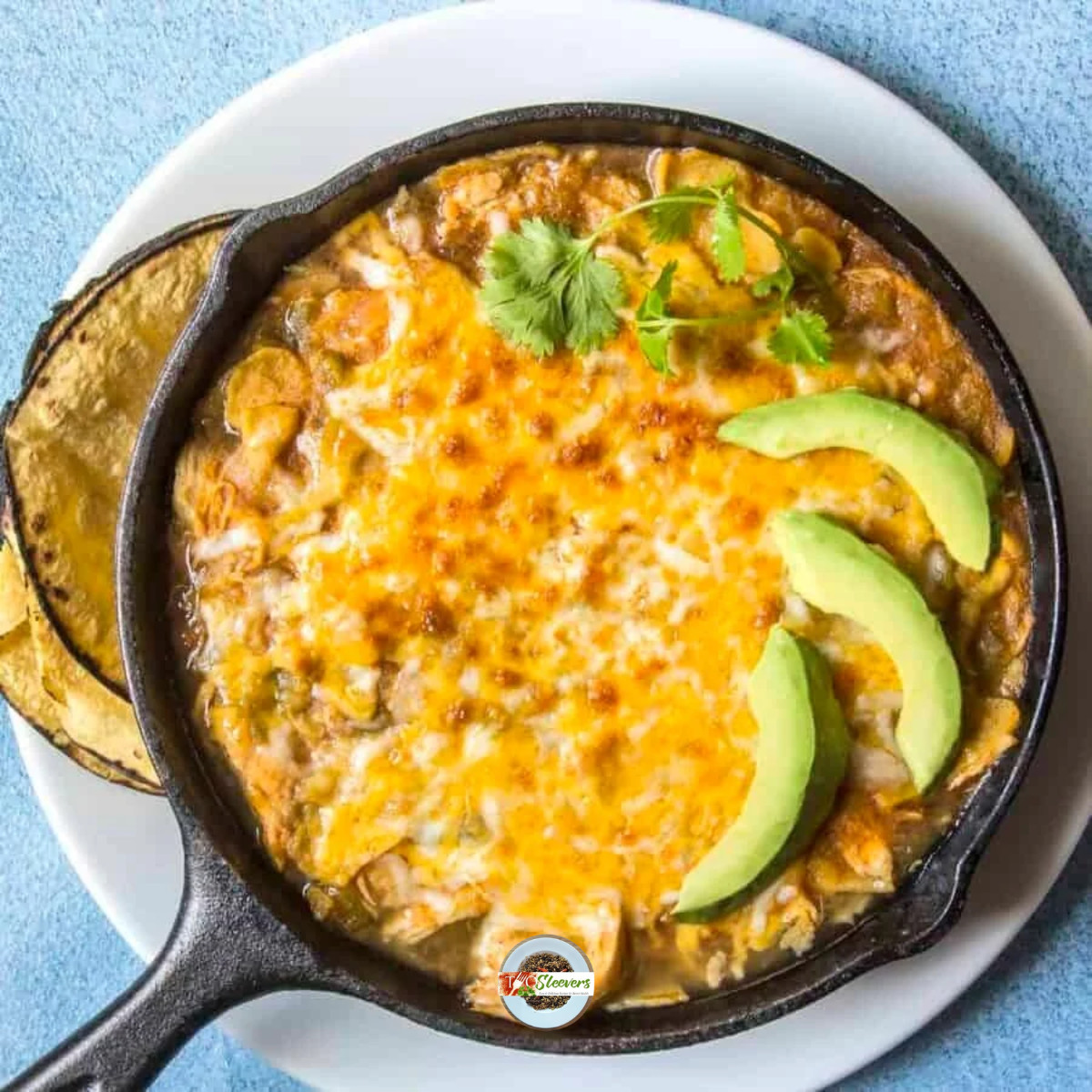
Once you have stocked your pantry, start with recipes that use several of the same ingredients:
- Mexican Frijoles Charro uses pinto beans, tomatoes, onion, garlic, cilantro, peppers, and cumin.
- Instant Pot Refried Beans turns dried beans into a versatile side or filling.
- Caldo de Pollo combines chicken, broth, tomatoes, rice, vegetables, cilantro, garlic, and cumin.
- Chicken Tinga uses tomatoes, tomatillos, chipotle, cumin, oregano, onion, and garlic.
- Instant Pot Beef Barbacoa makes a flavorful filling for tacos, bowls, and salads.
- Instant Pot Tamale Pie is a practical way to use masa and leftover Mexican meat.
- Gorditas help beginners learn how to work with masa harina.
- Salsa Roja uses fresh produce and spices you can keep in regular rotation.
How To Store Mexican Pantry Ingredients
Store Spices Away From Heat
Keep spices in tightly sealed containers away from the stove, direct sunlight, and moisture. Ground spices gradually lose potency, so replace them when the aroma becomes faint.
Keep Dried Chiles Airtight
Store dried chiles in sealed containers in a cool, dark pantry. If they become brittle, faded, musty, or show signs of moisture, replace them.
Label Specialty Ingredients
Label containers of dried chiles, masa harina, and homemade spice blends with the name and purchase date. Many dried chiles look similar once removed from their packaging.
Freeze Leftover Chipotles
Spoon leftover chipotle peppers and adobo sauce into small portions and freeze. This prevents you from opening a new can each time a recipe calls for one pepper.
Store Beans And Rice In Sealed Containers
Airtight containers protect dried beans and grains from moisture and pantry pests. Keep newly purchased items separate from older supplies until you can rotate them properly.
Refrigerate Fresh Chiles And Herbs
Store fresh peppers in the refrigerator. Keep cilantro dry and loosely wrapped, or place the stems in a small container of water and cover the leaves loosely.
Tips For Shopping At A Mexican Grocery Store

A Mexican market can offer a wider range of dried chiles, fresh produce, cheeses, tortillas, and spices than a standard supermarket.
- Check labels carefully because similarly named chile products can have different heat levels.
- Buy small amounts of unfamiliar ingredients until you know how often you will use them.
- Look for pliable dried chiles with good color rather than chiles that are extremely brittle or dusty.
- Ask which tortillas were made most recently.
- Check refrigerated sections for fresh masa, crema, queso fresco, and Oaxaca cheese.
- Compare whole and ground spices. Whole spices generally retain their flavor longer.
- Choose ingredients based on the recipes you plan to cook, not simply because they look interesting.
Common Mexican Pantry Mistakes

Using Cayenne Instead Of Chile Powder
Cayenne is significantly hotter than most blended chili powders. Substituting it in equal amounts can overwhelm a dish.
Confusing Masa Harina With Cornmeal
Masa harina has been nixtamalized and behaves differently from ordinary cornmeal. Use the ingredient specified in the recipe.
Buying Too Many Dried Chiles
Start with ancho and guajillo chiles, then add hotter or more specialized varieties as needed.
Keeping Old Spices Too Long
A spice may not technically be spoiled, but it cannot add much flavor after its aroma fades. Smell the spice before using it.
Adding Every Seasoning At Once
Mexican food is not defined by adding a large quantity of every spice in the pantry. Build flavor gradually and let the main ingredients remain recognizable.
Forgetting Acidity
If a dish tastes heavy or flat, it may need lime juice or a small amount of vinegar rather than additional salt or chile powder.
Frequently Asked Questions

What Are The Most Important Mexican Pantry Staples?
Beans, rice, tortillas, tomatoes, chiles, cumin, oregano, garlic, onions, cilantro, and limes are the most useful ingredients for beginners. These basics can be combined into numerous meals.
What Mexican Spices Should A Beginner Buy?
Start with ground cumin, Mexican chile powder, Mexican oregano, garlic powder, onion powder, and paprika. Add ground coriander, cinnamon, and individual chile powders as you try more recipes.
Which Mexican Chile Is Best For Beginners?
Ancho chiles are a good starting point because they are typically mild and offer rich, fruity flavor. Guajillo chiles are another versatile choice for sauces and marinades.
Is Mexican Chile Powder The Same As Cayenne?
No. Cayenne is made from a hot pepper and primarily adds heat. Mexican chile powder may refer to a single Mexican chile or a blend containing chiles, cumin, garlic, oregano, and other seasonings. Always read the label.
Should I Buy Dried Or Canned Beans?
Keep canned beans for fast meals and dried beans for economical batch cooking. If you only have room for one, choose the version that matches how frequently you cook and how much preparation time you have.
Do Mexican Recipes Always Use Cumin?
No. Cumin appears in many Mexican and Tex-Mex recipes, but it is not used in every dish. Adding too much can overpower fresh chiles, tomatoes, herbs, and other ingredients.
What Is The Difference Between Mexican Oregano And Regular Oregano?
Mexican oregano has earthy and citrusy notes, while Mediterranean oregano has a more minty, peppery flavor. Regular oregano can work as a substitute in many recipes, but it will not taste exactly the same.
Can I Make Mexican Food Without Fresh Chiles?
Yes. Use dried chiles, canned green chiles, chipotles in adobo, chile powder, salsa, or hot sauce. Each option contributes a different type of heat and flavor.
How Can I Make Mexican Food Less Spicy?
Use mild chiles, reduce the quantity, and add hot sauce at the table instead of to the entire dish. Dairy, avocado, rice, and beans can help balance a spicy meal, but they will not remove all of the heat.
What Can I Make With Basic Mexican Pantry Ingredients?
You can prepare tacos, bean and rice bowls, quesadillas, enchiladas, soups, refried beans, salsa, taco salads, casseroles, and simple skillet meals.
More Mexican Recipes To Try
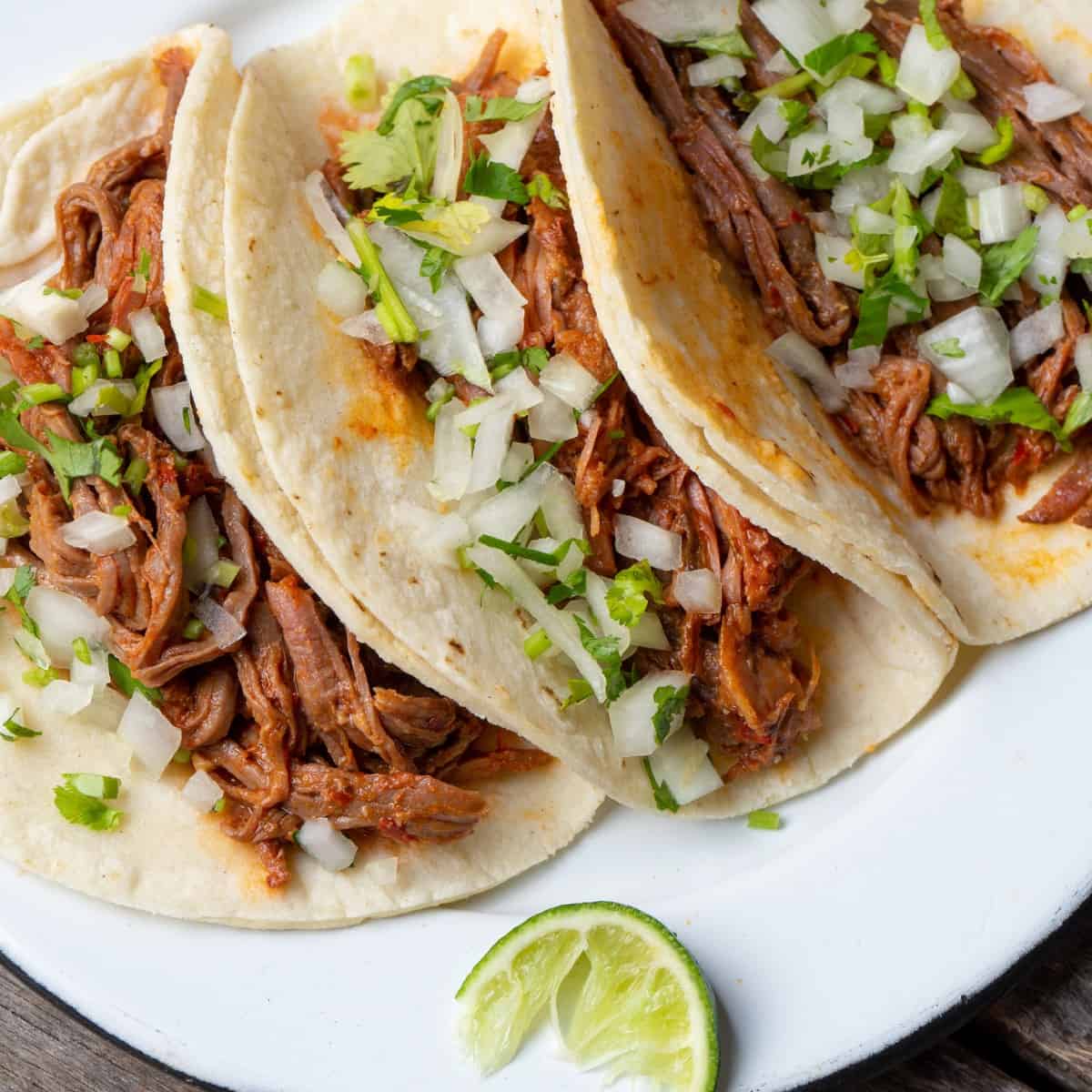
Stocking a Mexican pantry makes it easier to turn a few simple ingredients into a flavorful dinner. Once you have beans, tortillas, tomatoes, chiles, spices, onions, garlic, cilantro, and lime, you already have the foundation for many different meals.
Explore the complete Mexican recipe collection, or start with these reader-friendly recipes:
- Mexican Frijoles Charro
- Charro Beans
- Caldo de Pollo
- Chicken Tinga
- Instant Pot Beef Barbacoa
- Instant Pot Pinto Beans
- Instant Pot Refried Beans
- Salsa Roja
- Gorditas
- Homemade Flour Tortillas
Begin with a short list of Mexican pantry essentials, choose a few recipes that share those ingredients, and expand your collection gradually. Before long, you will have everything you need for an easy taco night, a comforting bowl of beans, a homemade salsa, or a complete Mexican-inspired dinner.