Indian meal prep makes it easier to enjoy flavorful curries, dal, rice, vegetables, and high-protein meals throughout the week without cooking a complete dinner every night. Use this guide to choose recipes, batch-cook versatile components, store them safely, and create different Indian meal-prep bowls from one efficient cooking session.
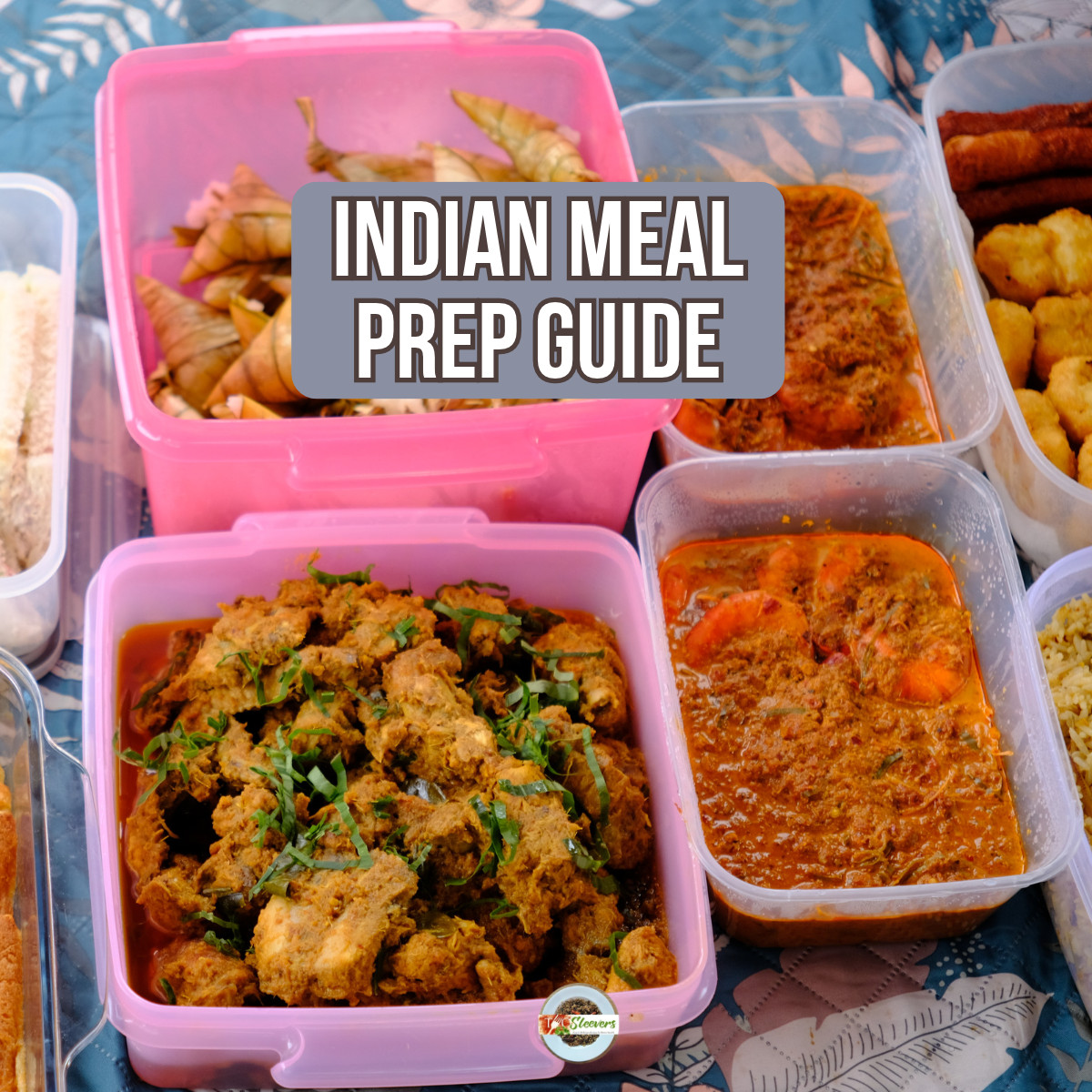
Why You'll Love Indian Meal Prep
- Flavorful. Curries, dals, and spice blends create meal-prep lunches that do not taste bland.
- Flexible. Mix one main dish with different grains, vegetables, chutneys, and cooling sides.
- Budget-friendly. Lentils, beans, rice, and seasonal vegetables make satisfying meals from inexpensive ingredients.
- Freezer-friendly. Many Indian curries and dals freeze beautifully for future lunches or dinners.
- Customizable. Build vegetarian, high-protein, low-carb, dairy-free, or family-style meals.
- Efficient. Pressure cookers, slow cookers, and air fryers reduce active cooking time.
Indian food is especially well suited to meal prep because many dishes develop even more flavor after the spices have had time to mingle. A pot of dal, a batch of curry, and a simple grain can become several meals with very little additional work.
That does not mean eating the exact same plate five days in a row. The best Indian meal-prep plan uses a few compatible components that can be recombined. Serve curry with basmati rice one day, cauliflower rice the next, and a vegetable or flatbread later in the week. Add chutney, yogurt, herbs, or fresh citrus just before eating to change the flavor and texture.
If you are new to the cuisine, begin with this guide to Indian cooking for beginners. It explains the spices, methods, and recipe styles you will encounter in this meal-prep guide.
What Is Indian Meal Prep?
Indian meal prep is the process of preparing complete meals or useful Indian food components ahead of time. You might cook everything on Sunday and portion five lunches, or simply prepare a curry base, cooked dal, rice, and chutney that make weeknight dinners faster.
There are three useful approaches:
Complete Meal Prep
Divide a main dish, rice or another starch, and vegetables into individual containers. This approach is convenient for work lunches and grab-and-go meals.
Component Meal Prep
Store curry, dal, grains, vegetables, and sauces separately. Assemble a different combination each day. This approach preserves texture and creates more variety.
Freezer Meal Prep
Cook double batches and freeze meal-sized portions. This takes longer initially but provides dinners for future weeks.
For most households, component meal prep offers the best balance of convenience and quality.
Indian Meal Prep Formula
Build each meal from four basic parts:
| Component | Examples | Purpose |
|---|---|---|
| Main dish | Chicken curry, dal, chana masala, paneer, tandoori chicken | Protein, flavor, and substance |
| Base | Basmati rice, pilau, cauliflower rice, roti | Energy and a neutral balance for spices |
| Vegetable | Aloo gobi, cabbage, green beans, spinach, roasted cauliflower | Color, texture, and variety |
| Finishing element | Chutney, raita, yogurt, cilantro, lemon, pickled onions | Freshness, acidity, heat, or cooling contrast |
You do not need all four components in separate recipes. A curry containing meat and vegetables may already cover two parts. A one-pot rice and dal dish can provide the main and base together.
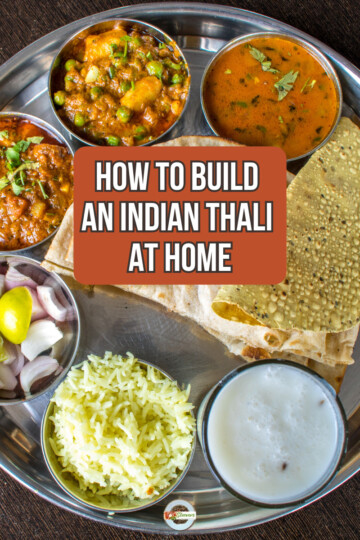
Use How To Build A Complete Indian Meal when you want a more detailed framework for balancing flavors, textures, and dishes.
Best Indian Foods For Meal Prep
Curry
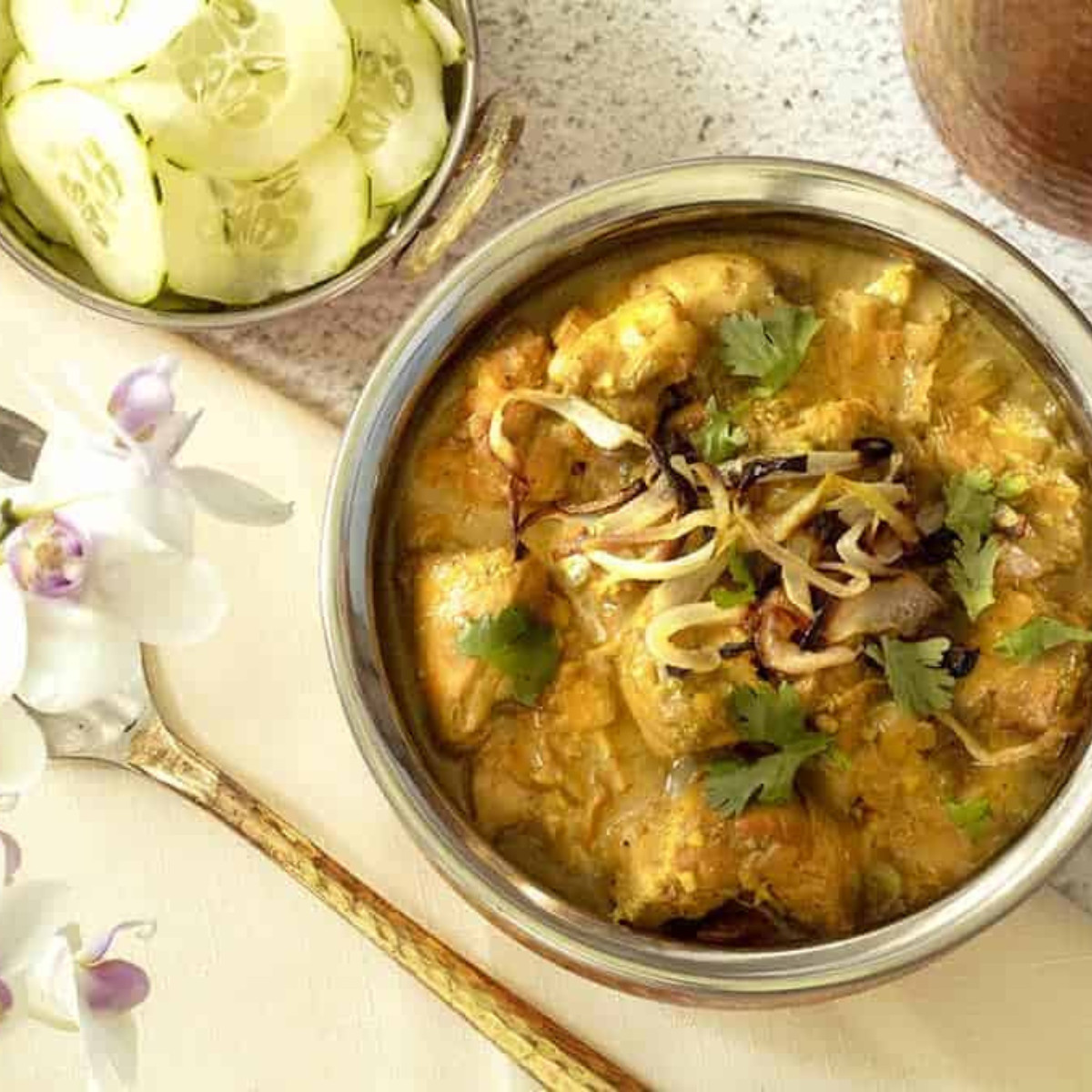
Tomato, onion, coconut milk, lentil, bean, and many meat-based curries store and reheat well. Thick sauces protect proteins from drying and make it easy to portion a satisfying meal.
Basic Indian Curry is especially useful because the flexible sauce can be paired with different proteins and vegetables. Chicken Korma provides a creamy coconut and cashew option, while Chicken Vindaloo brings a tangier, spicier flavor.
Some curries containing yogurt, cream, seafood, paneer, potatoes, or delicate vegetables may change texture after freezing. They can still be good make-ahead meals, but refrigeration or freezing the sauce separately may produce better results.
Dal And Bean Dishes
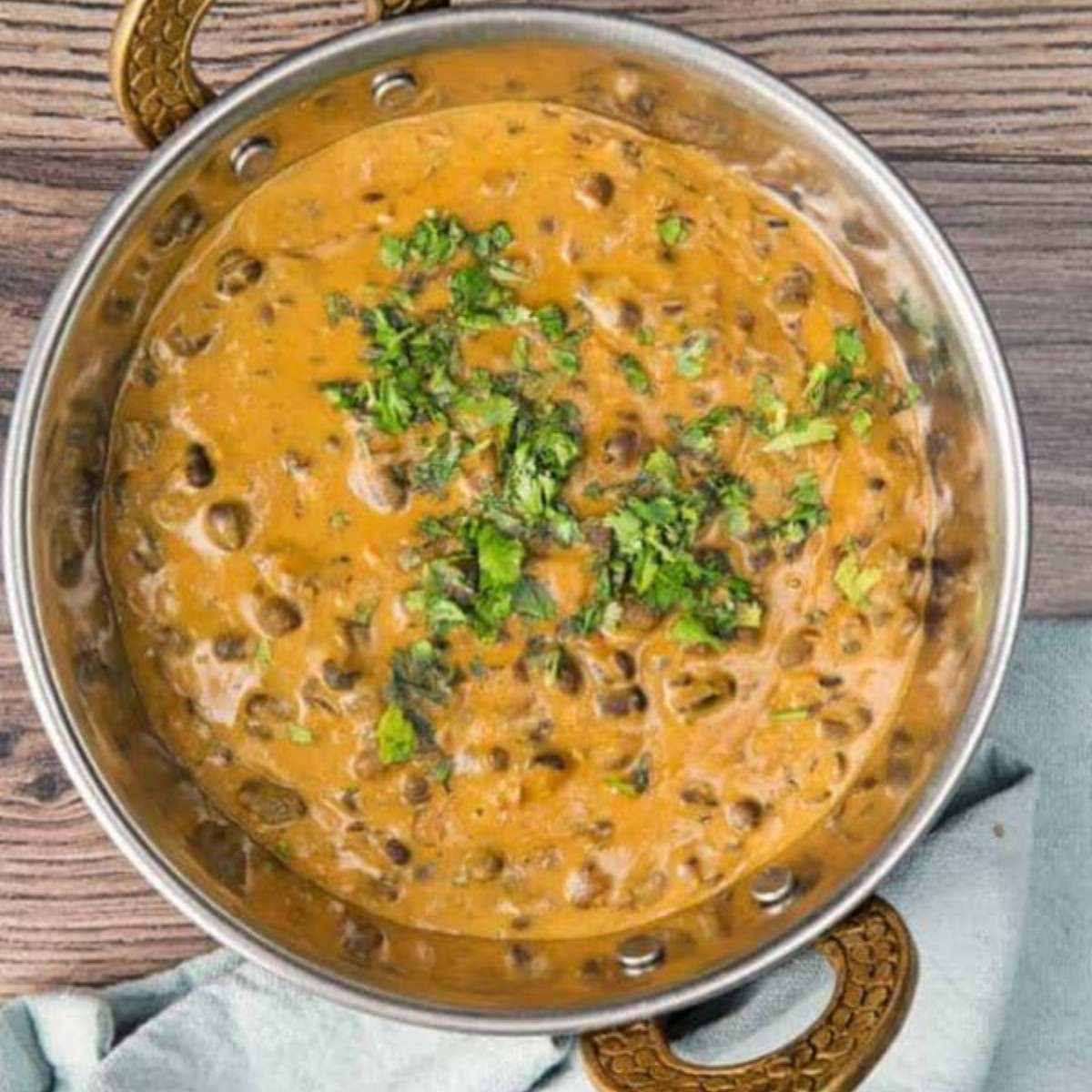
Dal, chickpea curry, and bean dishes are economical, filling, and excellent for batch cooking. They may thicken during storage as the legumes continue absorbing liquid. Add a splash of water or broth during reheating.
Try:
- Instant Pot Moong Dal
- Pressure Cooker Rice And Dal
- Dal Makhani
- Slow Cooker Chana Masala
- Vegan Sookhi Urad Dal
If the packages in the grocery aisle look confusing, this guide to Indian dal types explains the differences between lentils, split pulses, beans, and cooked dal dishes.
Rice And Grain Bases
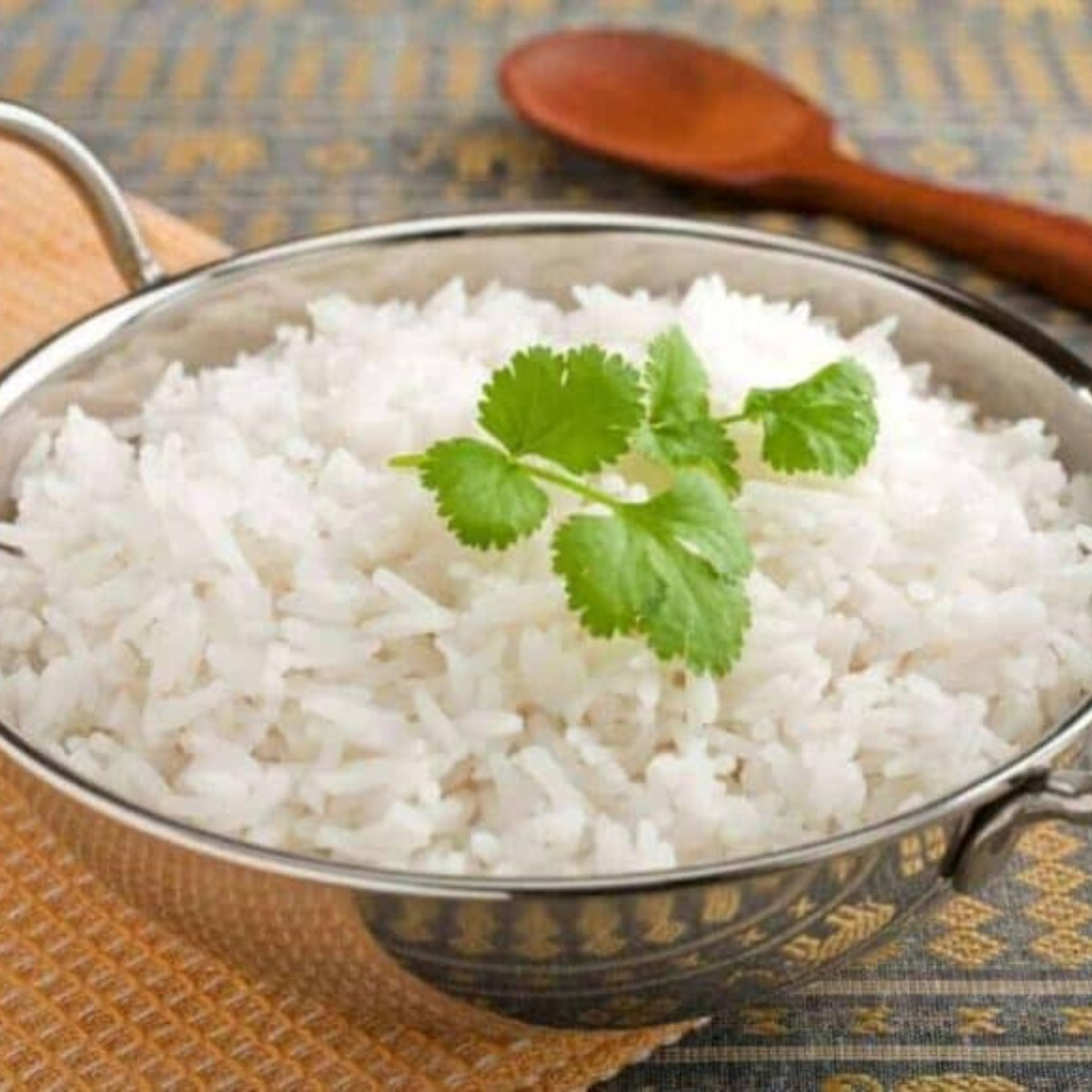
Plain rice is a versatile meal-prep base because it works with nearly any curry or dal. Keep it separate from saucy dishes so it does not absorb too much liquid.
Instant Pot Basmati Rice has a neutral flavor that allows the main dish to stand out. Basmati Rice Pilau and Instant Pot Indian Pilau add vegetables and whole spices when you want the rice itself to contribute more flavor.
Cool cooked rice promptly in shallow portions and refrigerate or freeze it rather than leaving it at room temperature.
Cooked Proteins
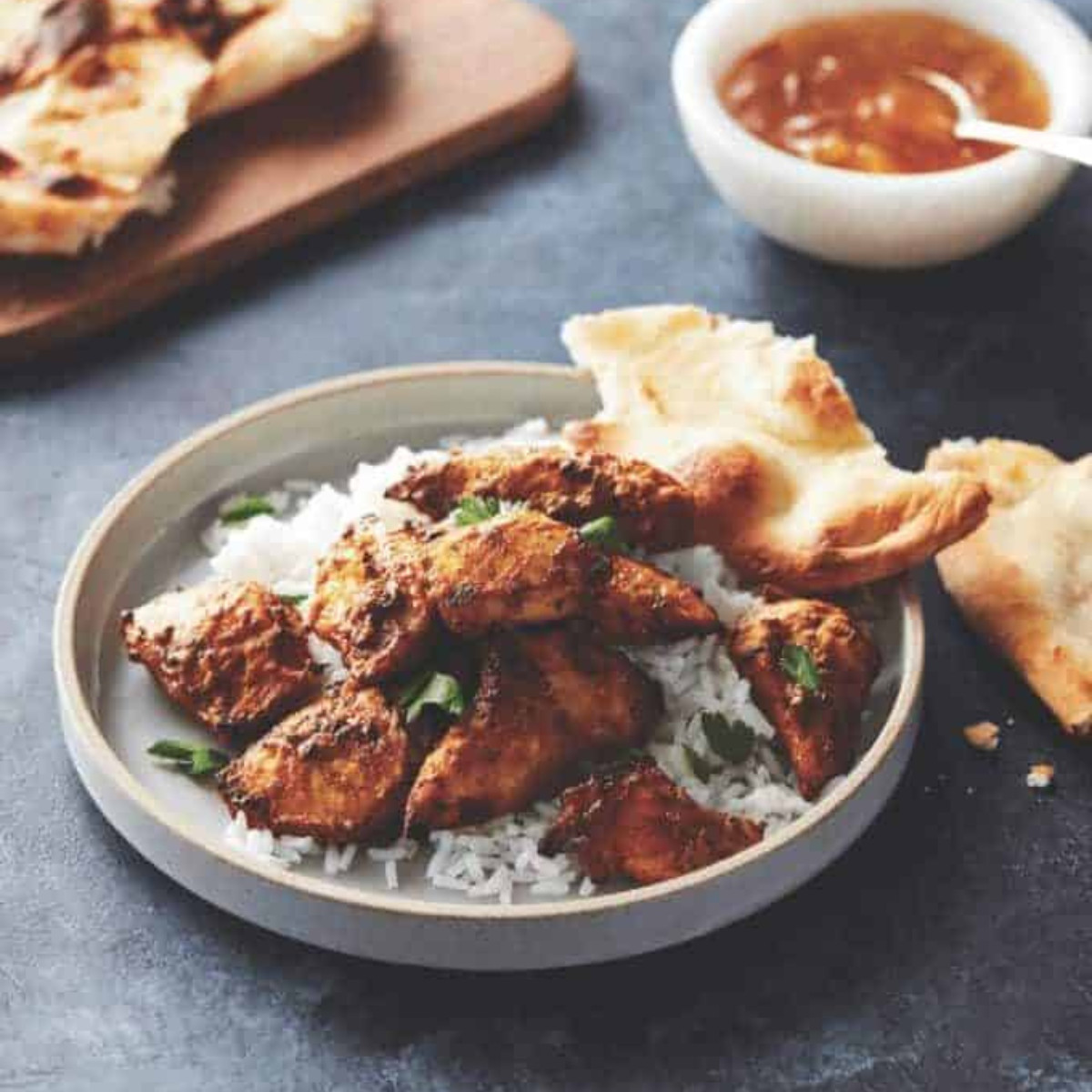
Chicken thighs, ground meat, kebabs, and many saucy proteins retain moisture better than very lean meats.
Air Fryer Tandoori Chicken works in bowls, salads, wraps, and plated meals. Kheema can be served with rice, vegetables, eggs, or flatbread. Instant Pot Butter Chicken provides both protein and a flavorful sauce.
For additional protein-focused ideas, browse these high-protein meal prep recipes.
Vegetable Dishes
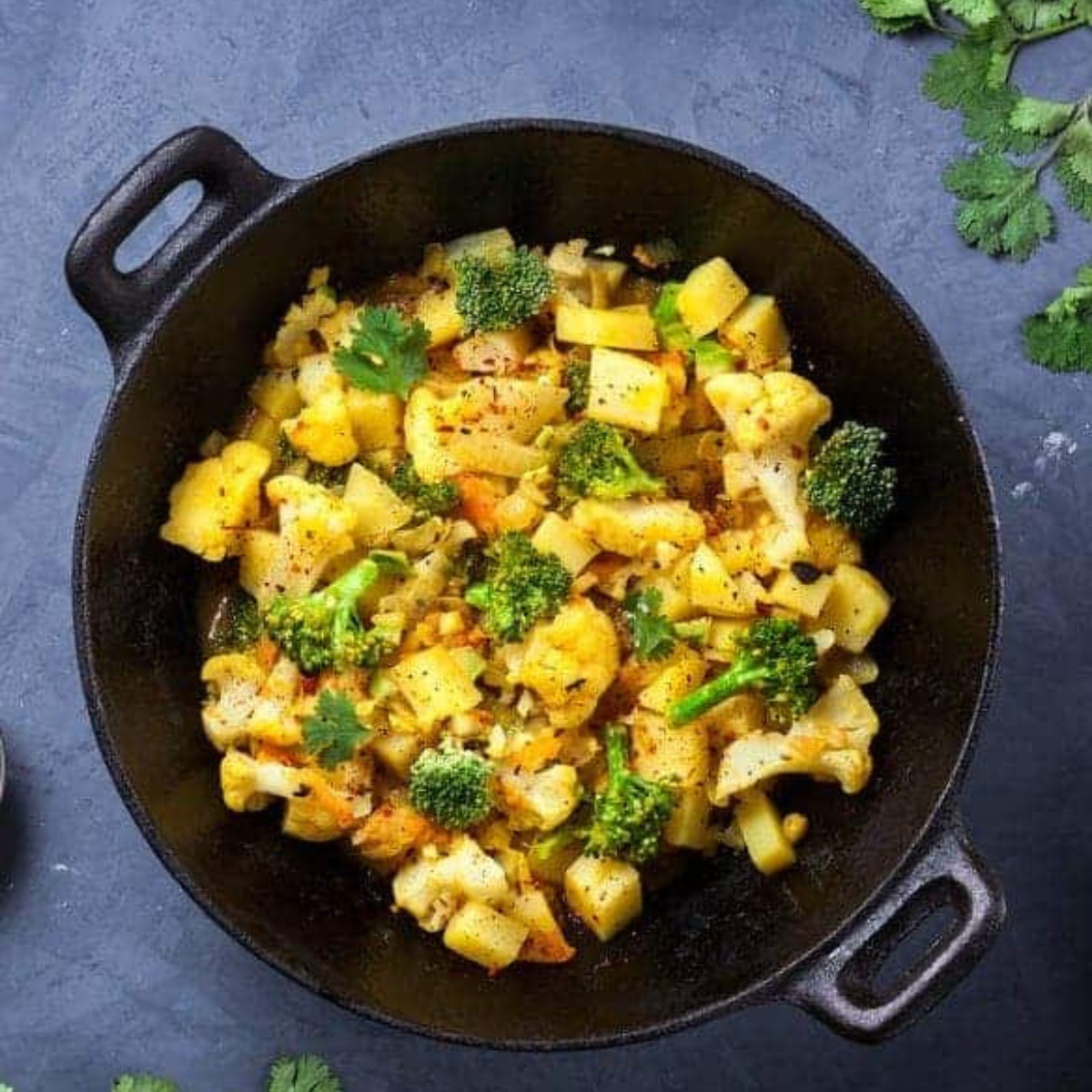
Choose sturdy vegetables that keep their texture after cooking and reheating. Cauliflower, cabbage, carrots, green beans, peas, eggplant, and greens can all work when cooked appropriately.
Useful options include:
Cook vegetables only until they reach the texture directed by the recipe. Overcooked vegetables will become even softer during reheating.
Chutney, Raita, And Fresh Sides
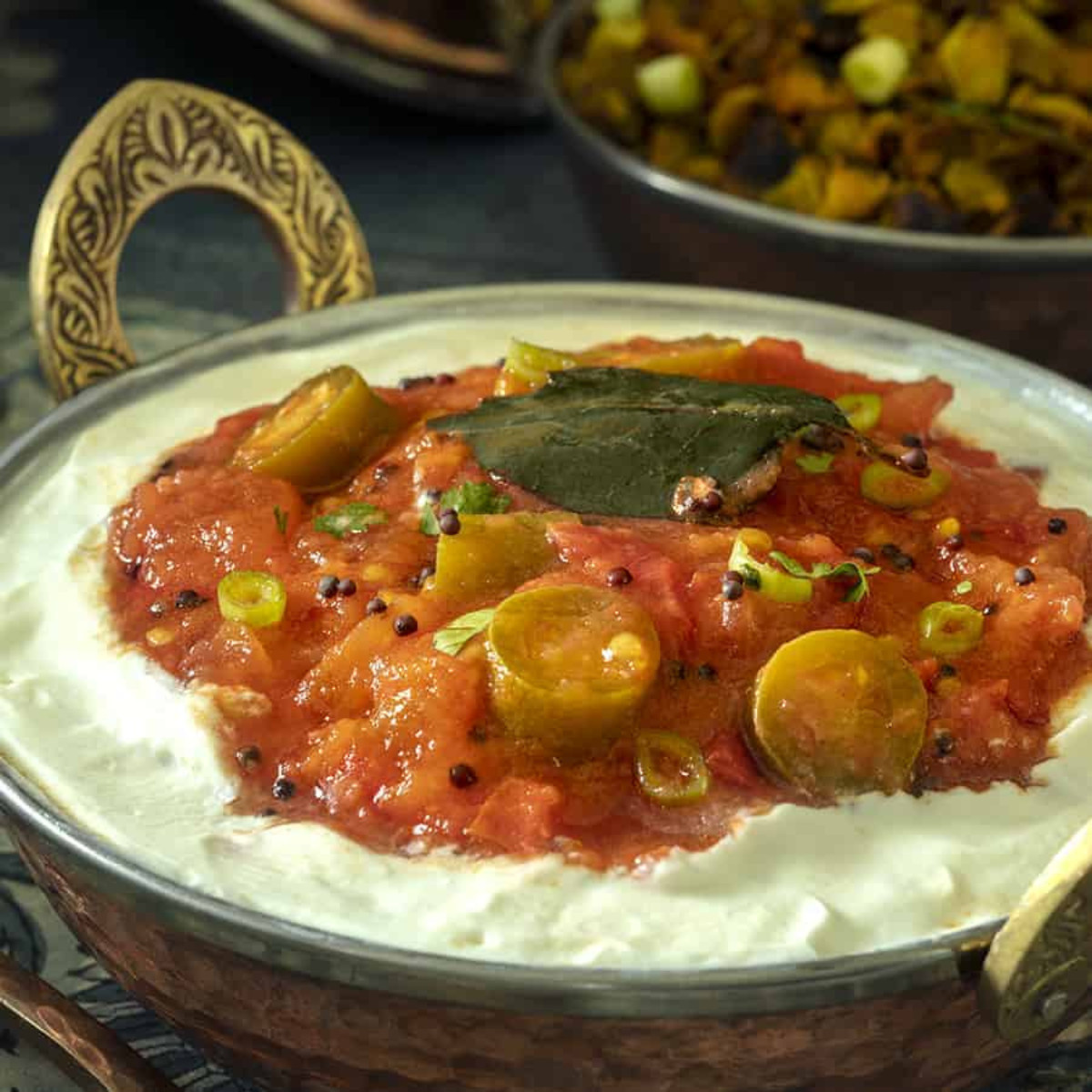
Small finishing elements make prepared food taste fresher.
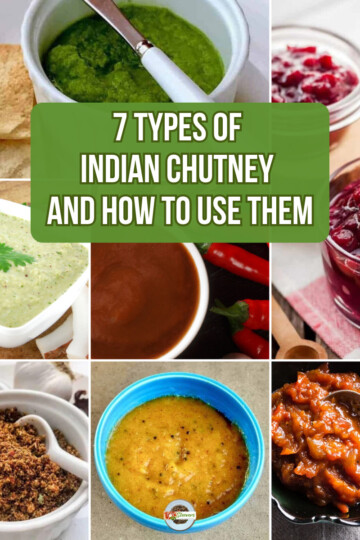
Indian Green Chutney adds herbs, chile, and citrus. Tomato Raita brings cool yogurt and tangy tomatoes. Plain yogurt, cucumber, lemon wedges, cilantro, and sliced onions require almost no cooking.
Store cold sauces separately from hot food. Add herbs, crispy toppings, and fresh citrus only after reheating.
How To Plan Indian Meal Prep
1. Decide How Many Meals You Need
Count the meals you will realistically eat at home or take to work. Do not prepare five lunches if you already have plans on two of those days.
Begin with three or four meals if you are new to meal prep. You can increase the quantity once you know which foods reheat well for you.
2. Choose One Main Dish
Select a curry, dal, or cooked protein as the center of the plan. Let this choice determine the rest of the menu.
For example:
- Butter chicken pairs with plain rice and a simple vegetable.
- Chana masala pairs with rice, cauliflower, or flatbread.
- Tandoori chicken works with pilau, salad, or roasted vegetables.
- Dal pairs with rice, a dry vegetable dish, yogurt, and pickle.
3. Add A Simple Base
Use plain basmati rice, cauliflower rice, purchased naan, or another base that does not require much active work. If the main dish is already elaborate, keep the starch simple.
4. Add One Vegetable
Choose a dry or roasted vegetable when the main dish is saucy. Choose a crisp salad when the main dish and starch are both soft.
5. Choose Two Finishing Elements
Select two from this list:
- Chopped cilantro
- Lemon or lime wedges
- Green chutney
- Tamarind sauce
- Plain yogurt
- Raita
- Pickled onions
- Indian pickle
- Toasted nuts
- Sliced cucumber
Keep these elements separate and rotate them during the week.
6. Check Storage Needs
Before cooking, decide which meals will be refrigerated and which should be frozen immediately. This prevents a large batch from sitting in the refrigerator longer than planned.
Indian Meal Prep Shopping List

Use this flexible list for a week containing curry or dal, rice, vegetables, and a fresh side.
Protein Or Pulses
- Chicken thighs, lean ground meat, paneer, tofu, chickpeas, or dal
- Plain yogurt, if needed for marinades, curry, or raita
Grains And Bread
- Basmati rice
- Naan, roti, or another flatbread if desired
- Cauliflower rice for a lower-carb option
Vegetables
- Onions
- Tomatoes or canned tomatoes
- One sturdy cooked vegetable
- Cucumber or salad vegetables
- Fresh cilantro
- Lemons or limes
- Ginger
- Garlic
- Green chiles
Pantry Items
- Cooking oil or ghee
- Cumin
- Coriander
- Turmeric
- Garam masala
- Chile powder
- Salt
- Coconut milk, broth, or tomato products required by the main recipe
- Chutney, pickle, or tamarind
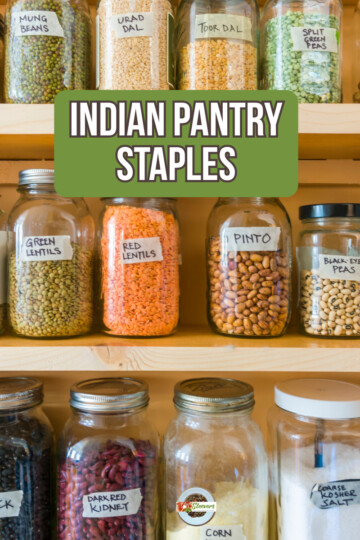
Start with ingredients already in your kitchen and select recipes that share them. This Indian pantry staples guide can help you build a useful shopping list without buying every spice and dal at once.
How To Meal Prep Indian Food Step By Step
1. Read Every Recipe First
Check soaking, marinating, thawing, and natural pressure-release requirements before you start. A recipe with little active preparation may still need advance time.
2. Prep Shared Ingredients Together
Chop all onions, cilantro, ginger, garlic, and vegetables at one time. Measure shared spices into separate small bowls for each recipe so you do not lose track of quantities.
Do not combine every spice mixture automatically. A curry, rice dish, and vegetable recipe may use different amounts or add spices at different stages.
3. Start The Longest Hands-Off Recipe
Begin with a slow cooker dish, pressure-cooked dal, marinated protein, or oven recipe. While it cooks, prepare the rice, vegetables, and sauces.
4. Use More Than One Appliance
Cook curry in the Instant Pot, chicken in the air fryer, and vegetables on the stovetop when your kitchen setup permits. Parallel cooking shortens the overall prep session.
Do not overload circuits, crowd appliances, or use equipment in ways not permitted by the manufacturer.
5. Prepare Cold Components Last
Mix raita, chop cilantro, slice lemon, and portion chutney after the hot cooking is complete. This keeps raw produce away from meat-prep surfaces and preserves freshness.
6. Cool And Portion Safely
Divide food into shallow containers so it cools more quickly. Keep cold garnishes separate. Label frozen meals with the dish and date.
A 5-Day Indian Meal Prep Plan
This plan uses one curry, one dal, one rice, one cooked vegetable, and several simple finishing elements.
Batch-Cook These Components
- Basic Indian Curry with chicken or your preferred protein
- Instant Pot Moong Dal
- Instant Pot Basmati Rice
- Indian Cabbage With Peas And Carrots
- Indian Green Chutney
- Plain yogurt, cucumber, cilantro, and lemon
Day 1: Curry Rice Bowl
Serve curry over basmati rice with cabbage and a spoonful of green chutney.
Day 2: Dal And Rice
Pair moong dal with basmati rice, cabbage, plain yogurt, and lemon. Add cilantro after reheating.
Day 3: Low-Carb Curry Bowl
Serve the curry with extra cabbage or cauliflower rice instead of basmati rice. Finish it with yogurt and chutney.
Day 4: Indian Combination Bowl
Use smaller portions of curry and dal over rice. Add cucumber and lemon for fresh contrast.
Day 5: Freezer Or Flex Meal
Eat a portion frozen earlier in the week, use the remaining components in a wrap, or choose another stored meal. A flexible fifth day prevents waste when plans change.
If you do not plan to eat the later portions within safe refrigerated storage guidance, freeze them promptly instead of waiting until the end of the week.
Indian Meal Prep Ideas
High-Protein Indian Meal Prep
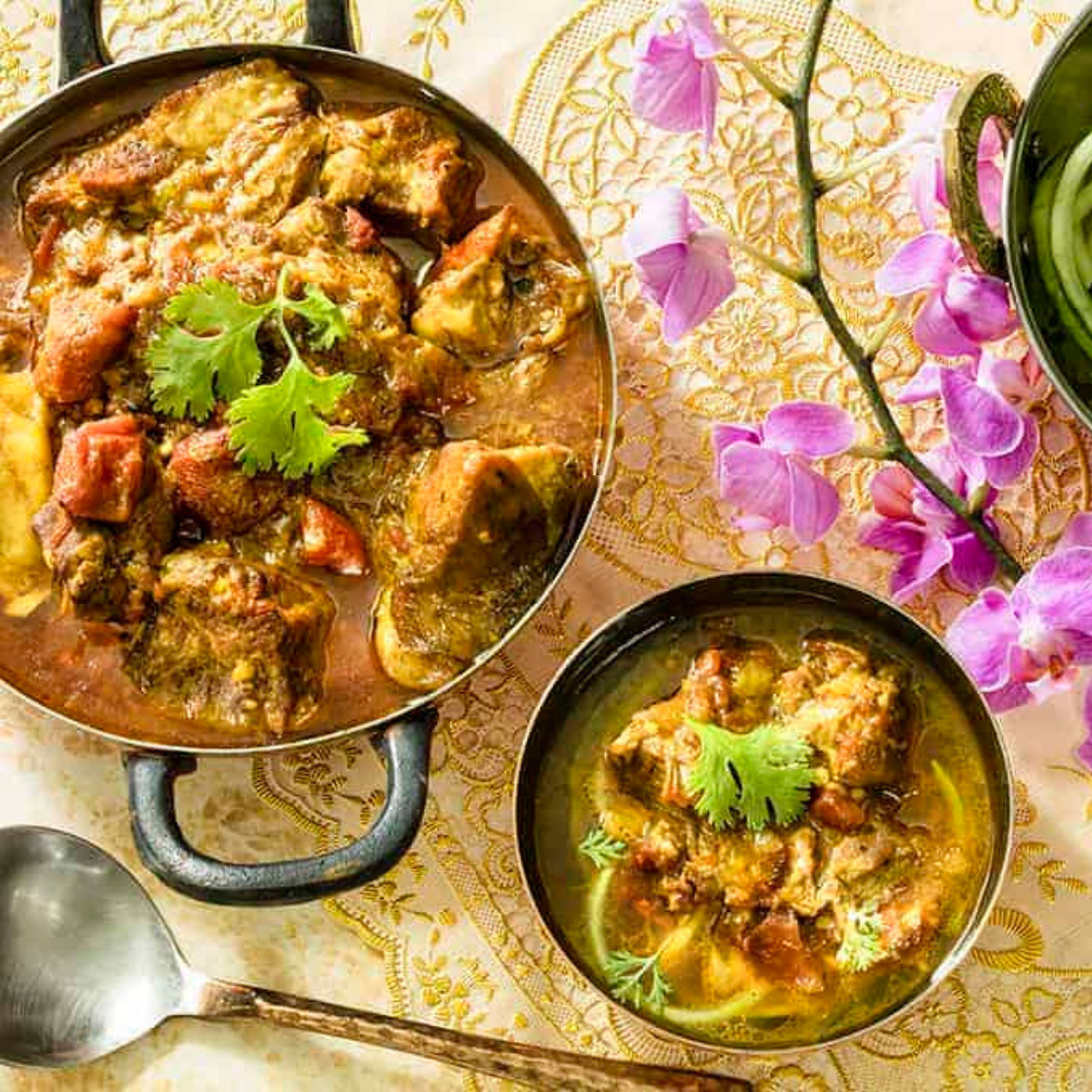
Combine tandoori chicken, kheema, chicken curry, or dal with vegetables and a measured portion of rice. Plain Greek yogurt can add protein as a cooling side when it suits the recipe.
Do not assume every high-protein meal is low-carb. Lentils, beans, rice, and naan contribute carbohydrates even though they can be part of a balanced meal.
Vegetarian Indian Meal Prep
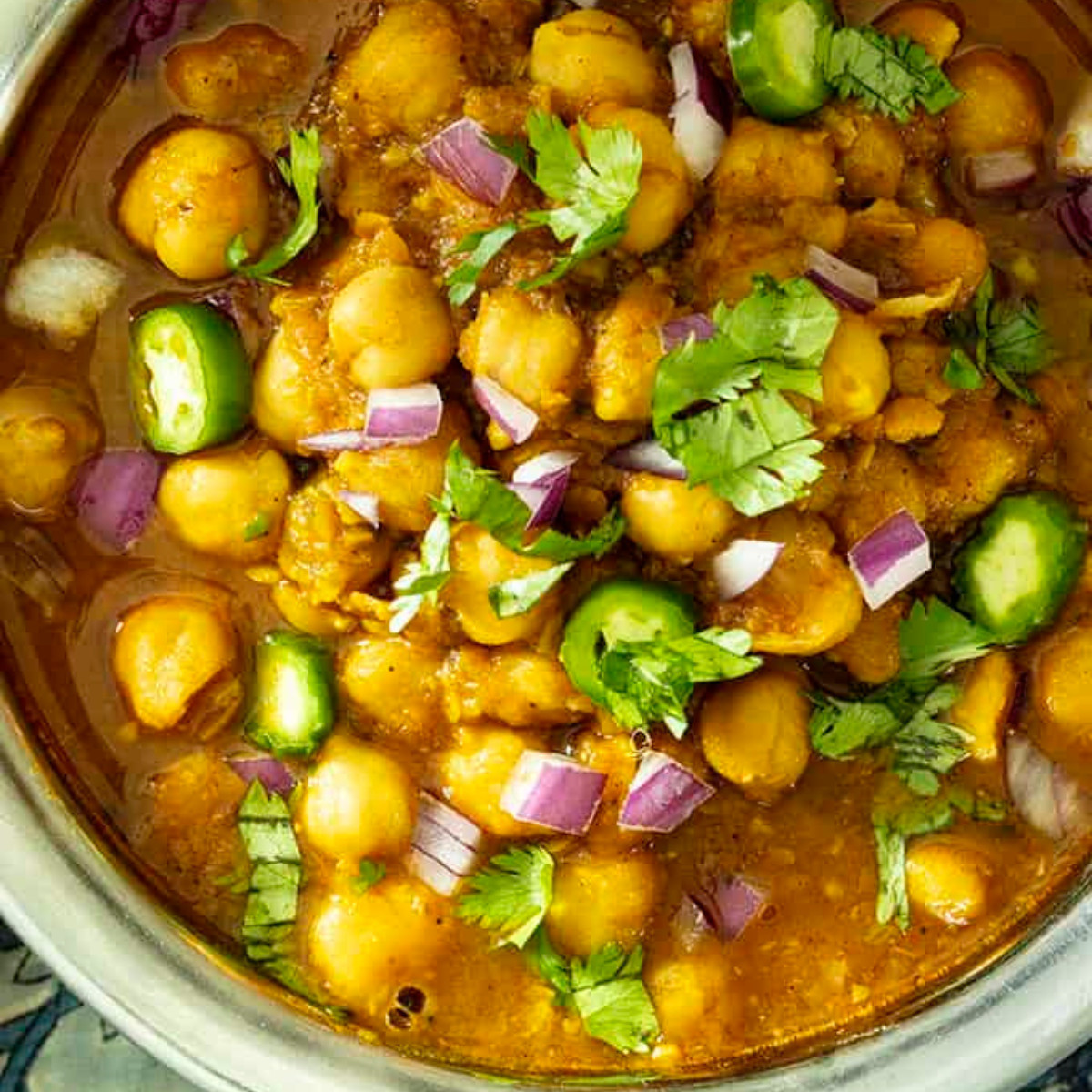
Use dal, chana masala, rajma, paneer curry, or a substantial vegetable dish as the main component. Add rice or bread, a vegetable, and yogurt or chutney.
A simple vegetarian combination might include chana masala, basmati rice, cabbage, cucumber, and green chutney.
Vegan Indian Meal Prep
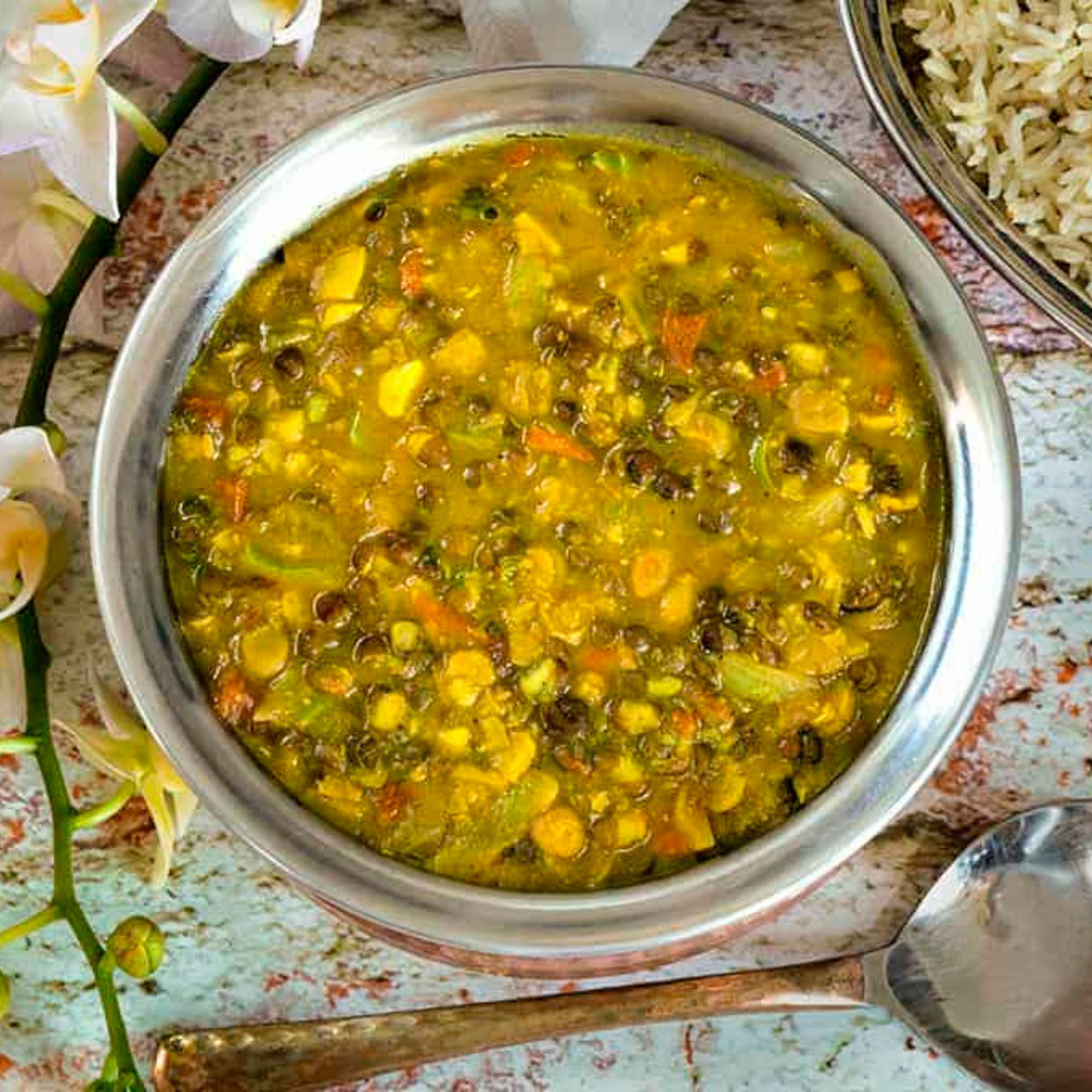
Choose oil instead of ghee, coconut milk instead of dairy, and beans, lentils, tofu, or vegetables as the main dish. Check commercial bread, chutney, and spice-blend labels because formulas can contain unexpected dairy or other ingredients.
Low-Carb Indian Meal Prep
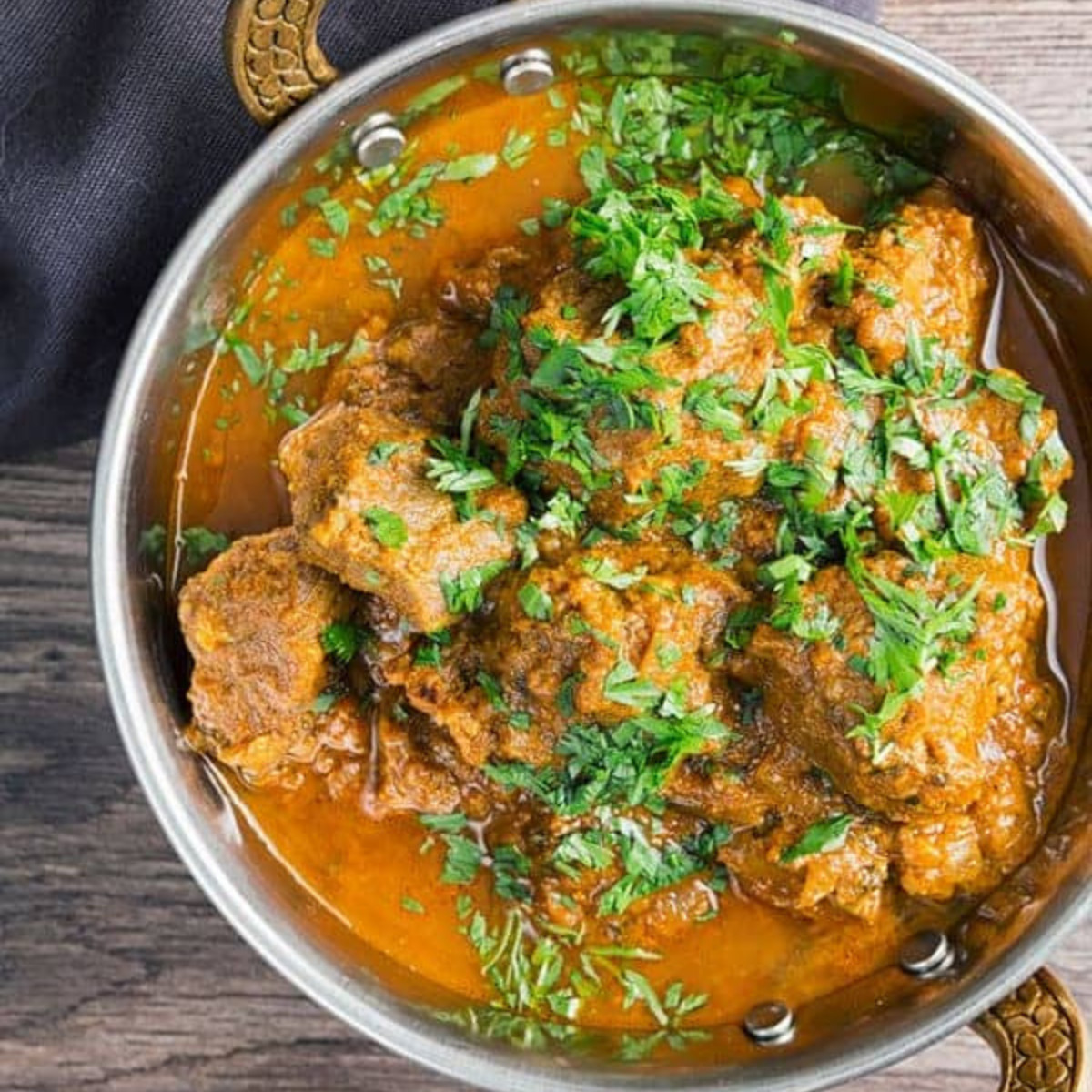
Pair a low-carb curry or grilled protein with cauliflower rice, cabbage, green beans, spinach, eggplant, or salad. Skip or reduce rice, potatoes, naan, chickpeas, and dal according to your carbohydrate goals.
Freezer Indian Meal Prep
Double a curry, dal, or bean dish and freeze half in single or two-serving containers. Keep rice separate so each component can be reheated properly.
This complete guide to freezing and reheating curry explains which sauces freeze well and how to restore curries that become thick, watery, or separated.
How To Keep Indian Meal Prep From Getting Boring
Change The Base
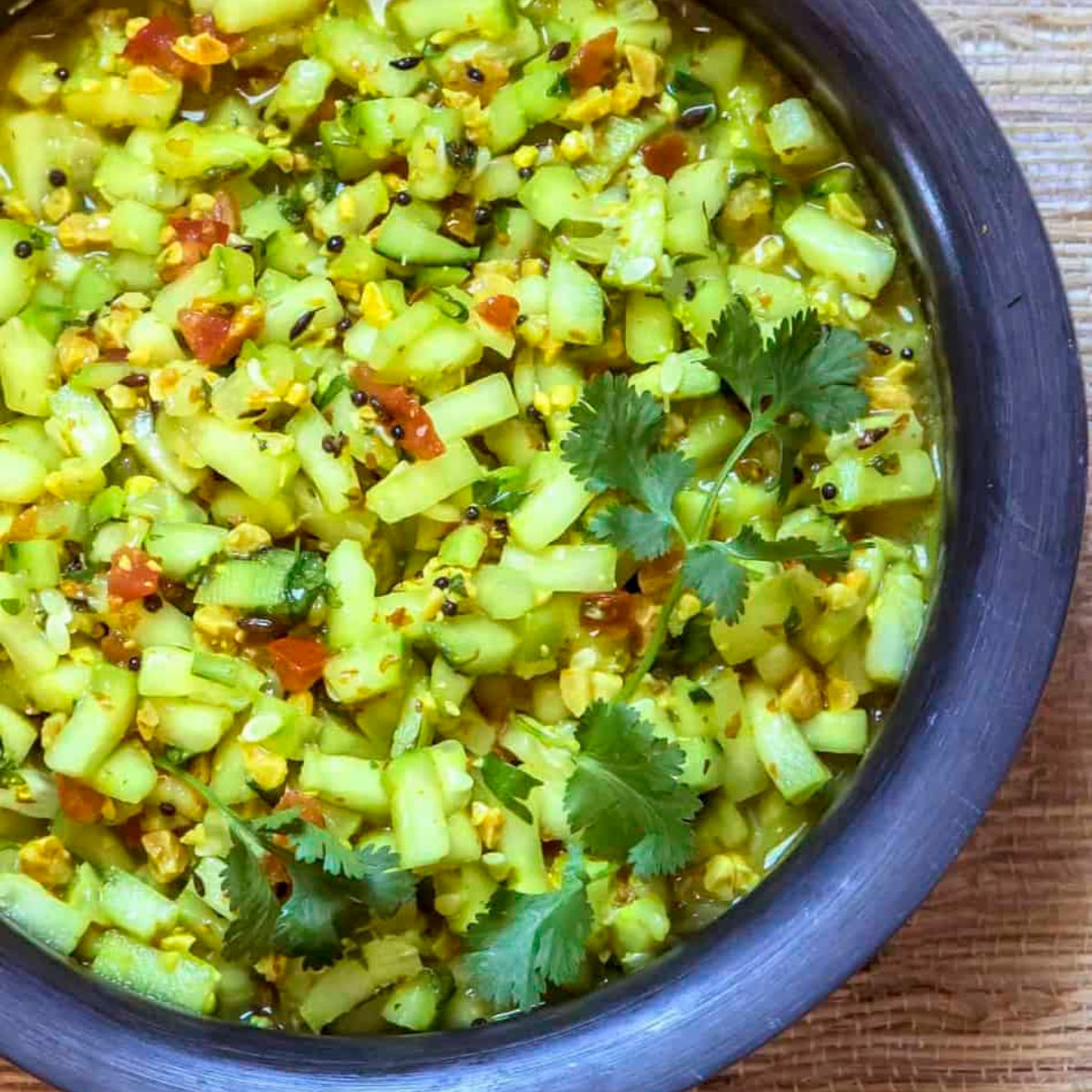
Rotate between plain rice, pilau, cauliflower rice, bread, salad greens, and cooked vegetables.
Use Different Finishes
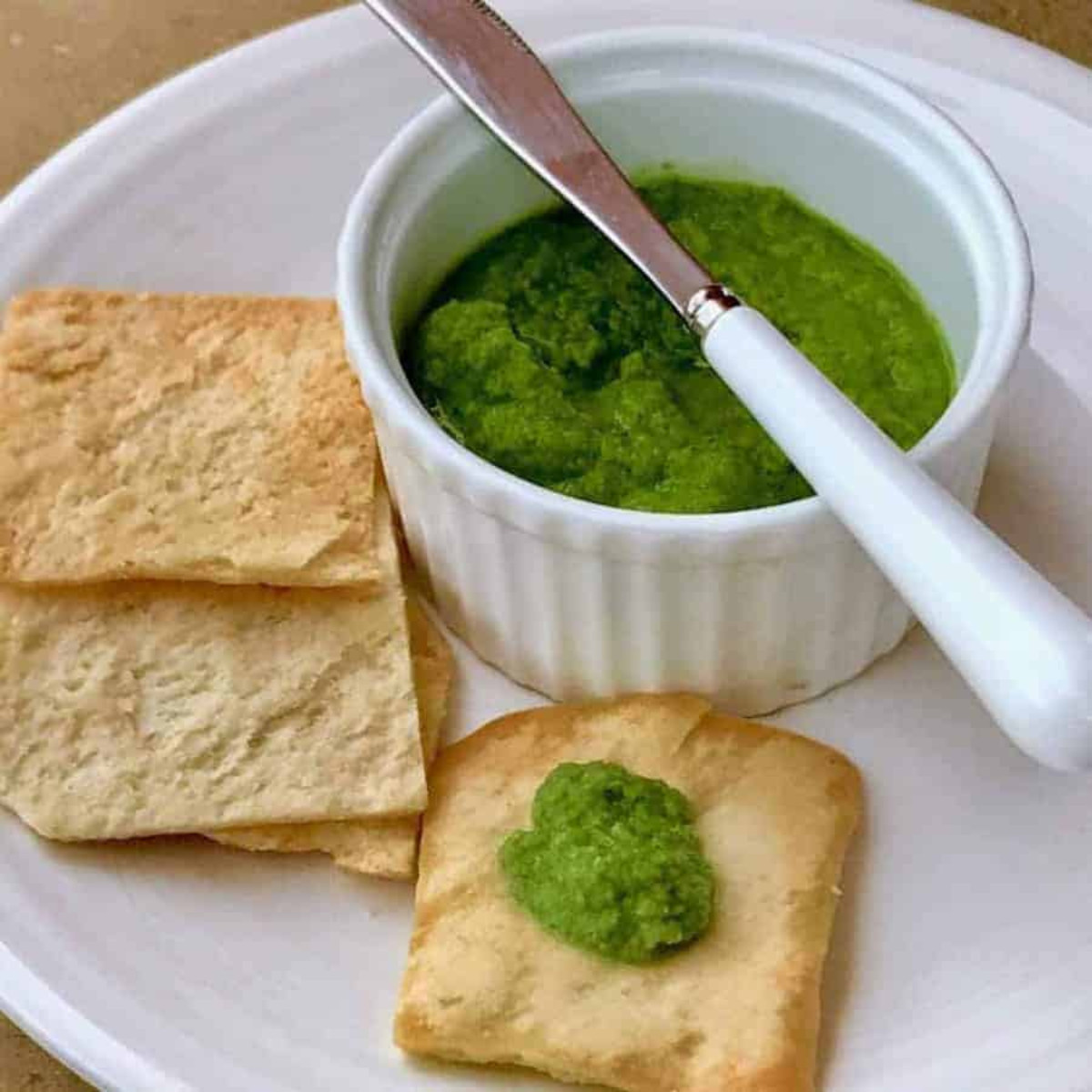
One batch of curry tastes different with green chutney, yogurt, pickled onions, lemon, cilantro, or toasted nuts.
Vary The Format
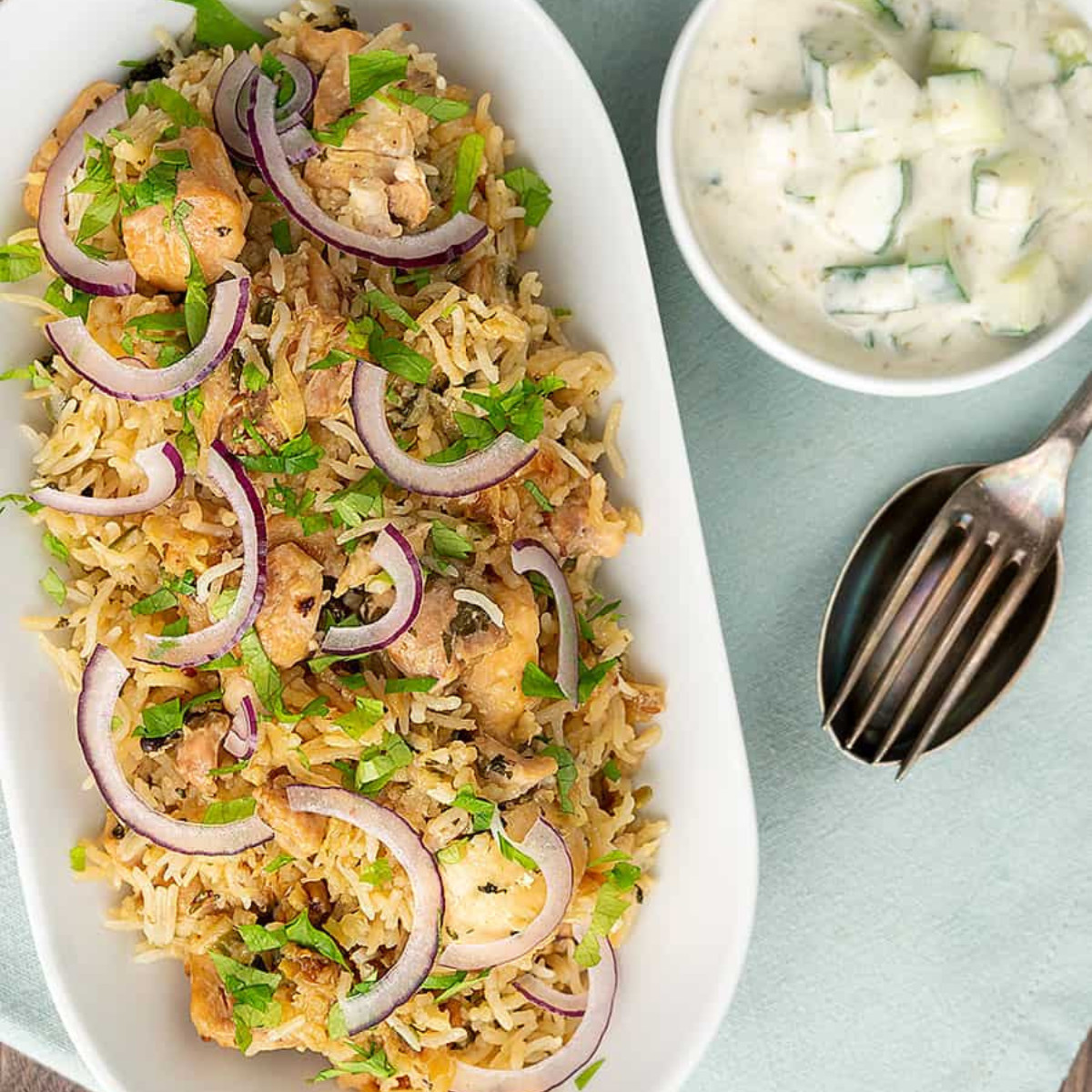
Turn the same components into:
- A rice bowl
- A plated curry dinner
- A wrap
- A salad bowl
- A smaller curry and dal combination
- A freezer meal for another week
Keep Some Elements Fresh
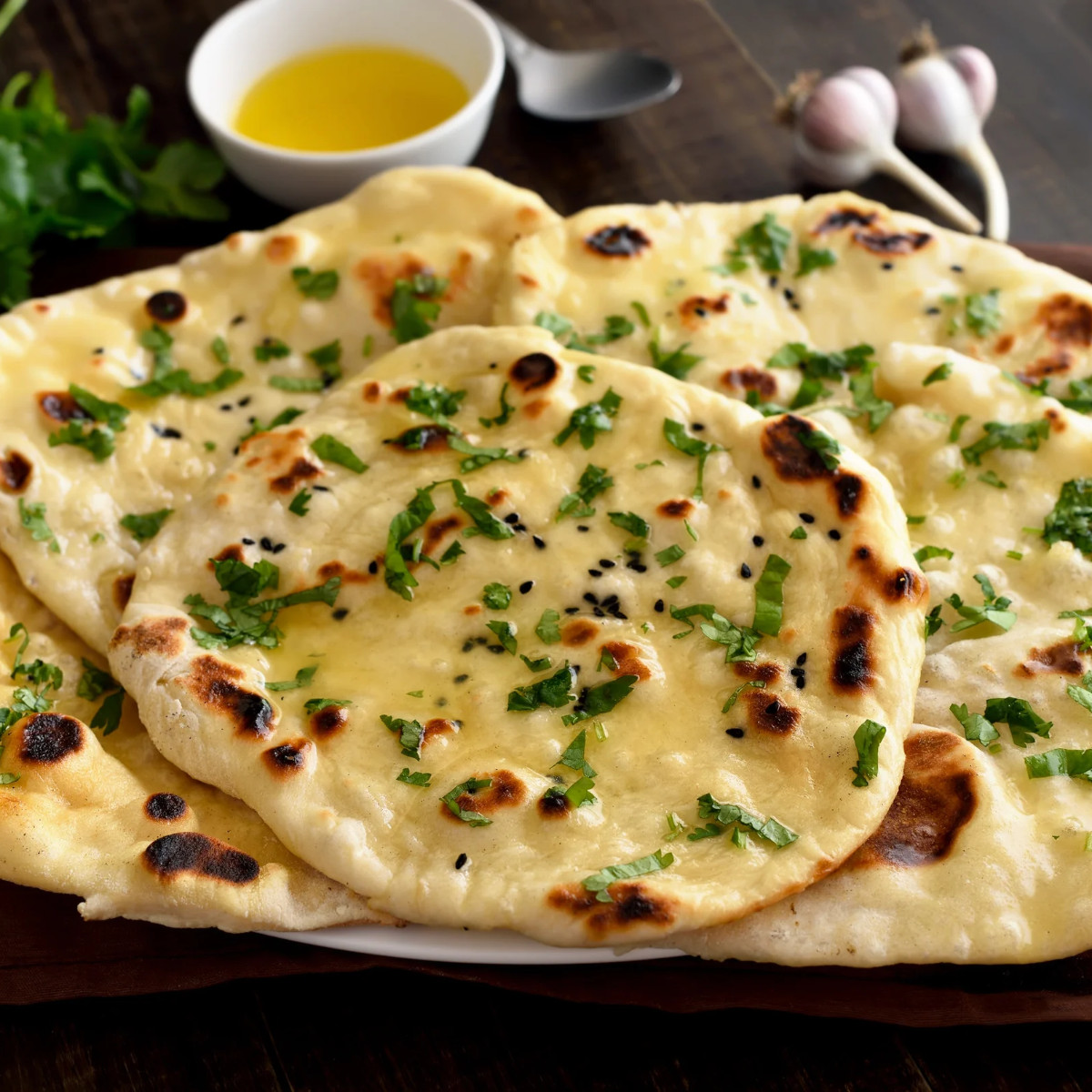
Prepared food benefits from crisp cucumber, fresh herbs, citrus, or a newly warmed flatbread. Meal prep does not require cooking every element days in advance.
How To Store Indian Meal Prep
Store curry, rice, vegetables, chutney, and raita in separate airtight containers when possible. Separation prevents rice from absorbing sauce and keeps cold toppings from being reheated accidentally.
According to current USDA guidance, refrigerate perishable leftovers within two hours, or within one hour when the temperature is above 90°F. Use shallow containers, keep the refrigerator at 40°F or below, and use refrigerated leftovers within three to four days or freeze them for longer storage.
Label containers with the dish and preparation date. If food has an unusual odor, mold, unexpected fermentation, a swollen container, or another sign of spoilage, discard it without tasting.
Can You Freeze Indian Meal Prep?
Yes. Many Indian meal-prep recipes freeze very well.
Good freezer candidates include:
- Tomato-based curry
- Chicken curry
- Coconut curry
- Dal
- Chana masala
- Rajma
- Kheema
- Cooked basmati rice
- Curry sauce or onion masala
Ingredients that may change texture include:
- Potatoes
- Paneer
- Yogurt and cream sauces
- Seafood
- Tender green vegetables
- Fresh herbs
- Raita
- Crisp toppings
Freeze meals in portions so you only thaw what you need. Leave fresh cilantro, citrus, yogurt, and crunchy garnishes out until serving.
How To Reheat Indian Meal Prep
Microwave
Add a spoonful of water to rice or thick dal. Cover loosely, heat in intervals, and stir or rotate for even heating. Add chutney, yogurt, cilantro, and lemon after the hot components are ready.
Stovetop
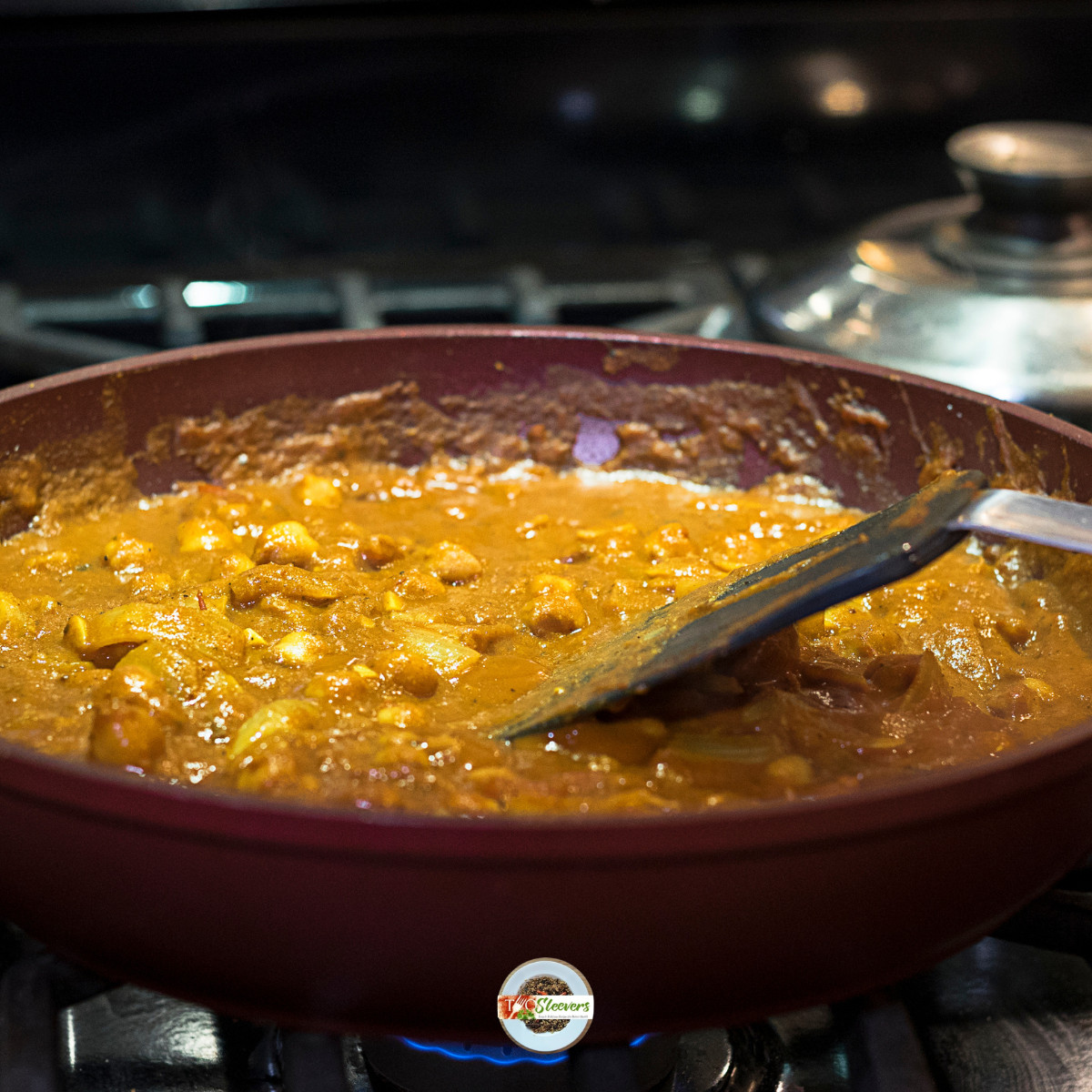
Place curry or dal in a saucepan over low to medium-low heat. Add a small amount of water, broth, coconut milk, or another recipe-appropriate liquid. Stir frequently until evenly heated.
Air Fryer Or Oven
Use an air fryer or oven for tandoori chicken, kebabs, roasted vegetables, and foods that benefit from a drier exterior. Sauce-based curry and dal are better reheated in a saucepan or microwave-safe container.
USDA guidance recommends reheating leftovers to 165°F as measured with a food thermometer. Reheat only the portion you plan to eat and avoid using a slow cooker to reheat leftovers.
Tips And Tricks For Easy Indian Meal Prep

- Cook components, not five separate recipes. One curry, one base, and one vegetable can create several combinations.
- Use compatible spices. Choose dishes with overlapping ingredients but different textures.
- Keep rice separate. It will not absorb all of the curry sauce during storage.
- Thin dal during reheating. Lentils continue absorbing liquid as they sit.
- Undercook vegetables slightly only when the tested recipe and reheating plan allow it. They will soften again when heated.
- Portion freezer meals immediately. Do not wait until refrigerated food is near the end of its safe storage window.
- Add dairy gently. Yogurt and cream sauces can separate when boiled aggressively.
- Save finishing spices for serving. A pinch of garam masala or fresh tadka can revive stored dal or curry.
- Label similar-looking dishes. Frozen dal, curry sauce, and onion masala can be difficult to identify later.
- Prep realistic quantities. More food is not more convenient if your household cannot use it safely.
Common Indian Meal Prep Problems
The Curry Became Too Thick
Add water, broth, coconut milk, cream, or tomato sauce according to the original recipe. Add liquid gradually and warm the curry gently.
The Dal Absorbed All Of The Liquid
This is normal. Stir in a small amount of water or broth during reheating. Finish with salt, lemon, ghee, or fresh tadka if needed.
The Rice Is Dry
Sprinkle it with a small amount of water, cover, and reheat until steaming. Do not flood the rice or it may become mushy.
The Sauce Separated
Reduce the heat and stir or whisk gently. A small splash of coconut milk, cream, water, or broth may help, depending on the sauce.
The Food Tastes Flat
Check the salt first. Then consider fresh lemon or lime, cilantro, garam masala, chutney, or a small amount of freshly tempered spice.
For more specific sauce solutions, use this Indian curry troubleshooting guide.
Frequently Asked Questions
Is Indian Food Good For Meal Prep?
Yes. Curries, dals, bean dishes, rice, cooked vegetables, and grilled proteins can all work well for meal prep. Saucy dishes often retain moisture during reheating, and many spiced dishes develop more flavor after resting.
What Indian Food Lasts Well For Meal Prep?
Dal, chana masala, tomato-based curry, coconut curry, kheema, tandoori chicken, basmati rice, and sturdy cooked vegetables generally store well. The exact storage and reheating directions depend on the recipe.
How Many Days Can You Meal Prep Indian Food?
USDA guidance says refrigerated leftovers should generally be used within three to four days. Freeze portions intended for later rather than preparing a full week of perishable food and leaving all of it refrigerated.
Should Curry And Rice Be Stored Together?
They can be, but separate containers usually provide better texture. Rice will not absorb excess sauce, and you can add moisture to the rice without thinning the curry.
Can You Freeze Curry And Rice In The Same Container?
Yes, although separate portions are more flexible and often reheat more evenly. If you freeze them together, cool both components promptly and use a freezer-safe container.
Which Indian Dishes Do Not Reheat Well?
Fried foods, crisp breads, fresh salads, raita, and delicate seafood may lose quality. Potato, paneer, cream, and yogurt dishes can also change texture. Prepare fragile or crisp elements closer to serving when possible.
How Do You Reheat Curry Without Drying It Out?
Warm it gently and add a small amount of water, broth, coconut milk, or cream that matches the sauce. Cover the pan loosely and avoid cooking the protein longer than necessary.
Can I Meal Prep Naan Or Roti?
Yes. Cooked flatbreads can be refrigerated or frozen according to the recipe, then reheated briefly on a hot griddle or in the microwave under a slightly damp paper towel. Fried breads are generally best fresh.
Can I Prepare Indian Food Without An Instant Pot?
Yes. Indian meal prep can be done on the stovetop, in a slow cooker, in the oven, or with an air fryer. Use the cooking method specified by each tested recipe rather than converting cook times without guidance.
How Do I Make Indian Meal Prep High In Protein?
Choose chicken, lean ground meat, fish, shrimp, eggs, paneer, tofu, Greek yogurt, lentils, or beans. Combine plant proteins thoughtfully and account for the carbohydrates in dal, beans, and rice if you track macros.
What Is The Cheapest Indian Meal Prep?
Dal and rice is one of the most economical combinations. Add a seasonal vegetable, yogurt, pickle, or chutney to create contrast without requiring an expensive second main dish.
More Indian Meal Ideas
Indian meal prep works best when you prepare a few flexible components and finish each plate with something fresh. Start with one main dish, one easy base, and one vegetable. Once that routine feels manageable, add dal, chutney, raita, or a second protein.
Browse more Indian recipes for meal-prep combinations, or use this guide to Indian curry types to choose a sauce that matches your preferred protein, heat level, and dietary needs.
If this guide to Indian meal prep helped make your week easier, share it with your friends on Facebook and Pinterest so they can prepare flavorful make-ahead Indian meals too.