

Learning how to freeze and reheat curry makes meal prep easier, reduces food waste, and gives you a flavorful dinner whenever you need one. Most meat, lentil, bean, tomato-based, and coconut curries freeze well when they are cooled, portioned, and reheated correctly.

The exact method depends on the type of curry. A tomato-based chicken curry behaves differently in the freezer than a cream-filled korma, seafood curry, potato curry, or dish made with paneer.
This guide explains how to freeze curry without sacrificing flavor, how to thaw it safely, and how to reheat it without making the sauce watery, grainy, or oily.
Why You'll Love Freezing Curry
- Convenient. Keep a ready-to-reheat meal in the freezer for busy evenings.
- Meal Prep Friendly. Cook a large batch and divide it into individual portions.
- Budget Friendly. Use leftovers instead of letting them go to waste.
- Flavorful. Many curries taste even better after the spices have had time to mingle.
- Flexible. Freeze meat, vegetarian, lentil, bean, tomato, and coconut-based curries.
- Practical. Learn how to restore the sauce if it separates, thickens, or becomes watery.
If you are not sure which curry you are storing, this guide to Indian curry types explains the differences between creamy, spicy, tomato-based, spinach-based, coconut-based, and dry curries.
Can You Freeze Curry?
Yes. Most curry can be frozen successfully.
Curries that usually freeze well include:
- Chicken curry
- Beef curry
- Lamb curry
- Pork curry
- Tomato-based curry
- Coconut milk curry
- Lentil curry
- Bean curry
- Chickpea curry
- Vegetable curry without delicate vegetables
- Curry sauce without meat or vegetables
- Onion masala or curry base
- Butter chicken sauce before the cream is added
Ingredients that may change texture after freezing include:
- Potatoes
- Cream
- Yogurt
- Paneer
- Seafood
- Fresh herbs
- Tender green vegetables
- Crispy toppings
- Rice noodles
- Cooked rice that was not cooled properly
A change in texture does not always mean the curry is unsafe. It may simply need gentle reheating, additional liquid, or a fresh finishing ingredient.
Quick Curry Freezing Guide
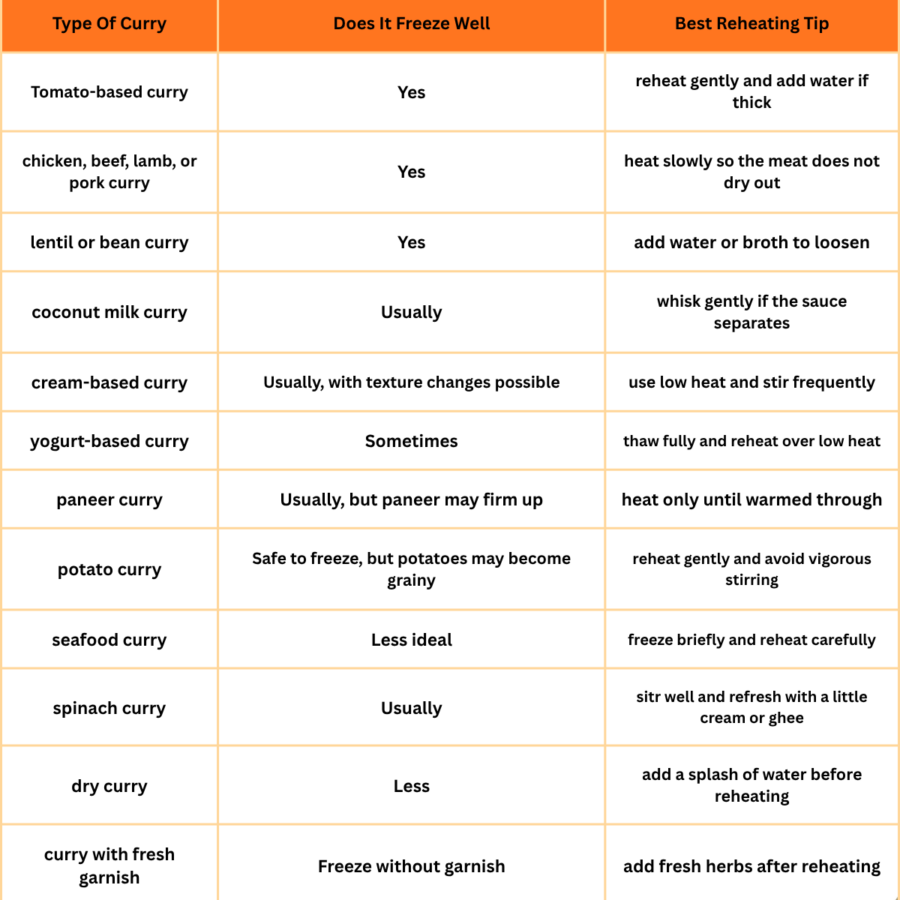
How Long Does Curry Last In The Refrigerator?
Refrigerate cooked curry promptly and plan to eat or freeze it within four days.
The exact storage time can be affected by the ingredients, preparation method, refrigerator temperature, and how long the food remained at room temperature.
Store curry in a clean, airtight container. Do not leave it in a large cooking pot for an extended period while it slowly cools.
When in doubt about how long the curry has been stored or whether it was cooled properly, discard it.
How Long Can You Freeze Curry?
For the best flavor and texture, use frozen curry within approximately two to three months.
Properly frozen food may remain safe longer when continuously maintained at an appropriate freezer temperature, but its quality can decline. Spices may become less aromatic, meat can dry out, and the sauce may develop ice crystals or freezer odors.
Label every container with:
- Name of the curry
- Date prepared
- Date frozen
- Number of servings
- Any finishing ingredients that still need to be added
A label prevents an unidentified container of red sauce from living in the freezer indefinitely.
How To Cool Curry Before Freezing
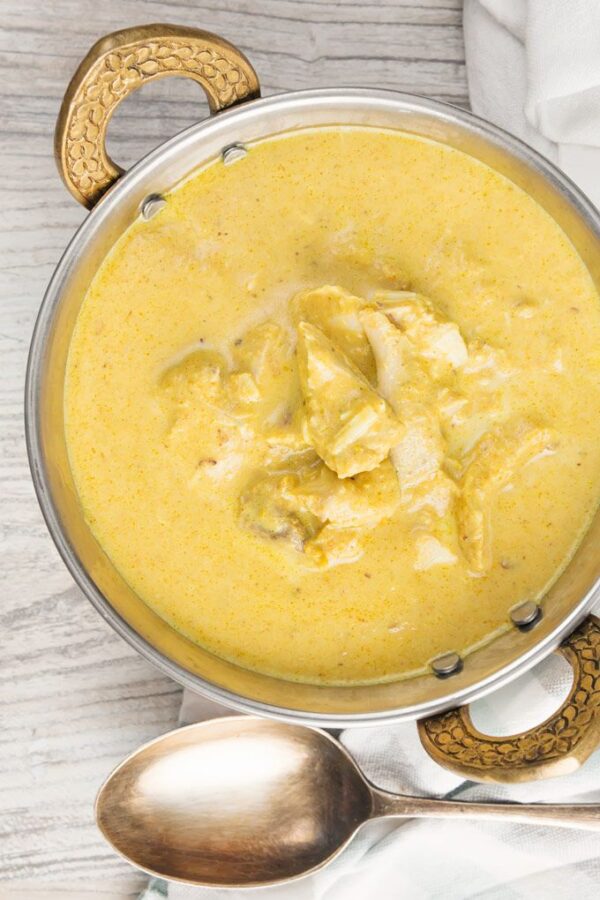
Cooling curry properly is one of the most important parts of safe storage.
1. Remove It From The Hot Cooking Pot
Transfer the curry into smaller, shallow containers. A deep pot of curry can remain warm in the center for a long time.
2. Divide Large Batches
Smaller portions cool more quickly and evenly than one large container.
Individual portions are also easier to thaw and reheat later.
3. Refrigerate Promptly
Do not leave curry at room temperature for more than two hours. If the room is especially hot, refrigerate it sooner.
You do not need to wait until the curry reaches room temperature. Divide it into shallow containers and refrigerate it promptly.
4. Freeze After Chilling
Once the curry is cold, transfer it to freezer-safe containers or bags.
Freezing a large quantity of hot curry can warm nearby frozen food and increase ice crystal formation.
How To Freeze Curry
1. Choose What To Freeze
Decide whether you want to freeze:
- A complete curry
- Curry sauce without the protein
- Curry base
- Individual meal-prep portions
- A family-sized batch
Freezing the sauce separately can give you more flexibility. After thawing it, add freshly cooked chicken, shrimp, paneer, tofu, or vegetables.
This Basic Indian Curry is a useful example of a flexible sauce that can be paired with different proteins.
2. Remove Delicate Garnishes
Do not freeze curry with fresh cilantro, sliced onions, crispy fried onions, toasted nuts, or other garnishes.
These ingredients lose their fresh texture in the freezer. Add them after reheating instead.
3. Portion The Curry
Divide the cooled curry into portions based on how you plan to serve it.
Try:
- Single servings for lunches
- Two-serving containers for small households
- Family-sized portions for dinner
- Small containers of curry sauce for future recipes
Avoid repeatedly thawing and refreezing the same large batch.
4. Use Freezer-Safe Containers
Use airtight freezer-safe containers, silicone freezer trays, or heavy-duty freezer bags.
If using containers, leave a small amount of room for expansion. Do not fill them completely to the top.
If using freezer bags:
- Remove as much air as practical.
- Seal the bag securely.
- Freeze it flat on a baking sheet.
- Stack the frozen bags after they are solid.
Flat bags freeze and thaw more quickly than deep containers.
5. Label And Freeze
Write the curry name and date on the package before placing it in the freezer.
Freeze the curry as soon as it is thoroughly chilled.
Should You Freeze Curry With Rice?
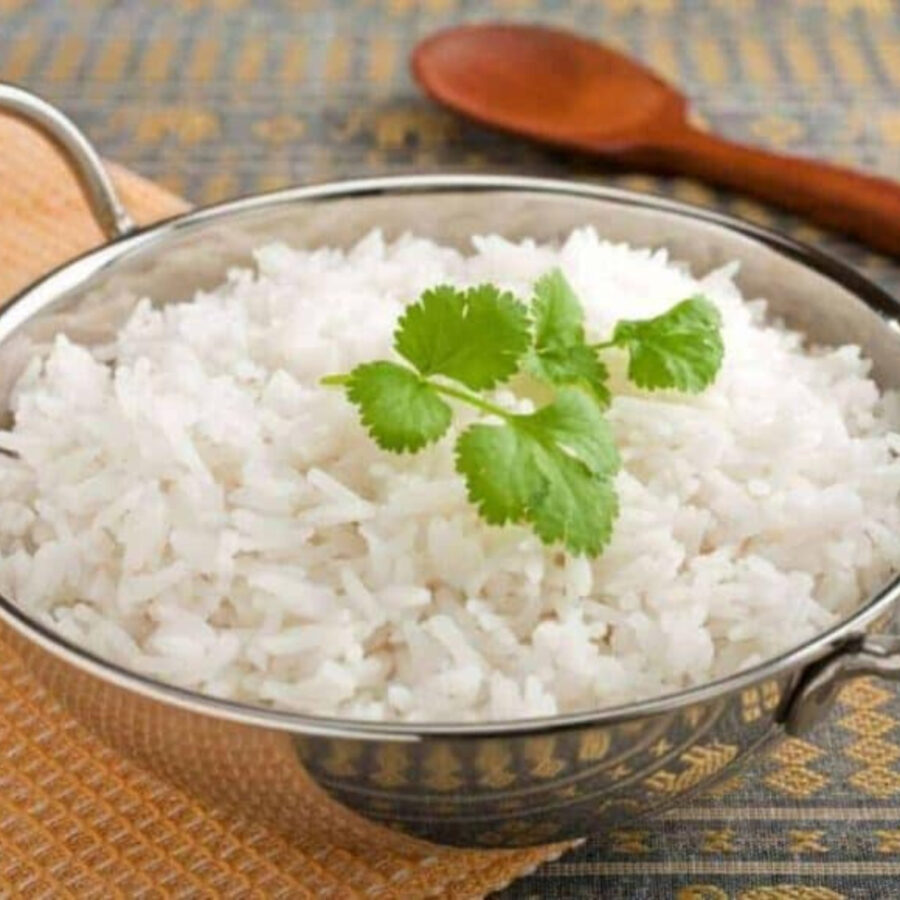
Curry and rice can both be frozen, but they are usually better stored separately.
Separate containers allow you to:
- Reheat each component correctly
- Add water to the rice without thinning the curry
- Prevent the rice from absorbing too much sauce
- Replace the rice with naan, cauliflower rice, or another side
- Control the serving proportions
Rice must be cooled and refrigerated promptly. Divide it into shallow portions rather than leaving it at room temperature.
For a tested rice method, make Instant Pot Basmati Rice or Basmati Rice Pilau and store it separately from the curry.
Can You Freeze Chicken Curry?
Yes. Chicken curry generally freezes very well, particularly when it has a tomato, onion, coconut milk, or broth-based sauce.
Dark meat may remain juicier after reheating than very lean chicken breast, but either can work.
For the best results:
- Cool the chicken curry promptly.
- Freeze it in meal-sized portions.
- Keep the chicken covered with sauce.
- Thaw it in the refrigerator.
- Reheat gently until the chicken reaches a safe temperature.
- Avoid simmering it longer than necessary.
Try freezing recipes such as Chicken Vindaloo or a batch of Basic Indian Curry prepared with chicken.
Can You Freeze Butter Chicken?
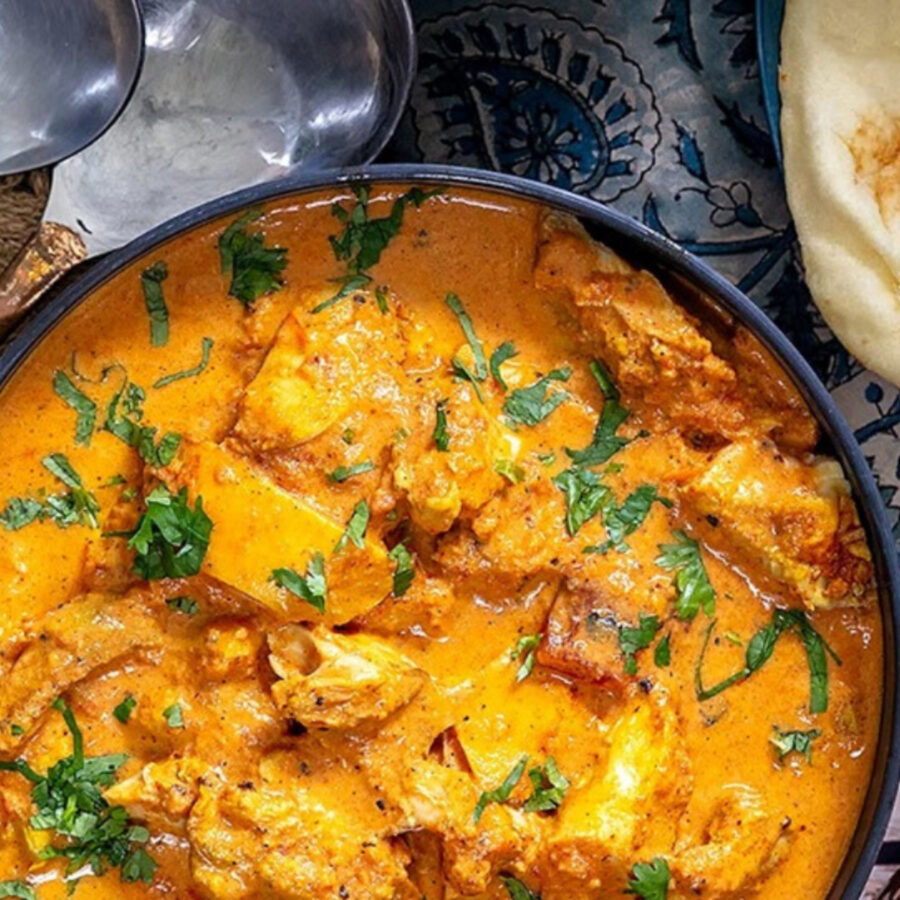
Yes. Instant Pot Butter Chicken can be frozen, but cream-based sauces may change texture after thawing.
For the smoothest result, consider freezing the cooked tomato and spice sauce before adding the butter and cream. After thawing and reheating the sauce, finish it with fresh butter, cream, and garam masala as directed by the recipe.
If the complete butter chicken is already prepared, freeze it in airtight portions and reheat it gently. Do not rapidly boil the sauce because the dairy can separate.
Can You Freeze Korma?
Yes, but the texture can change because korma may contain yogurt, cream, coconut milk, cashews, almonds, or a combination of these ingredients.
This Chicken Korma has a rich sauce made with cashews and coconut milk. Nut and coconut-based sauces generally freeze well, although they may look separated after thawing.
Reheat the korma over low heat and stir or whisk gently. Add a small amount of coconut milk, cream, water, or broth if needed.
Can You Freeze Coconut Curry?
Yes. Coconut milk curries usually freeze well, but the sauce may separate or look slightly grainy after thawing.
This is often a texture issue rather than a sign that the curry has spoiled.
To restore coconut curry:
- Thaw it completely.
- Reheat it over low to medium-low heat.
- Stir frequently.
- Whisk the sauce gently if needed.
- Add a small splash of coconut milk or water.
- Finish with fresh lime juice or herbs.
Do not repeatedly boil coconut milk sauce because excessive heat can make the separation more noticeable.
Can You Freeze Lentil Or Bean Curry?
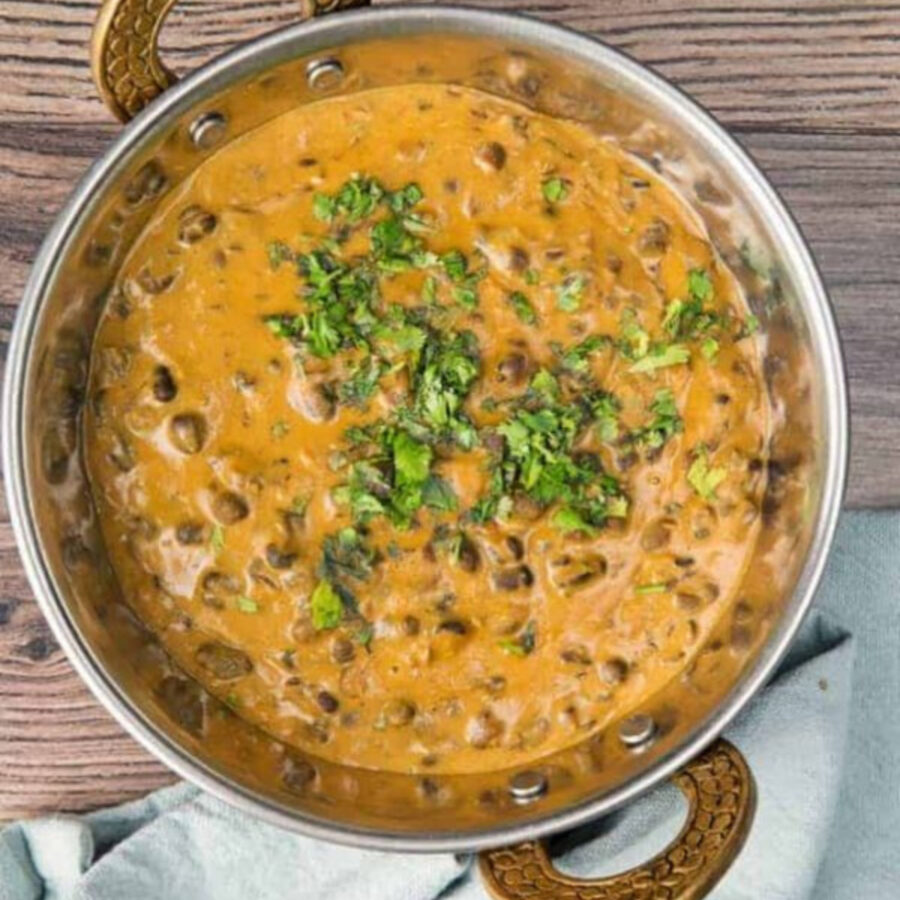
Yes. Lentil, chickpea, and bean curries are excellent freezer meals.
They often become thicker after chilling or freezing because the legumes continue absorbing liquid.
When reheating:
- Add a splash of water or broth.
- Stir frequently.
- Heat until steaming throughout.
- Add fresh tadka, ghee, herbs, or lemon juice to refresh the flavor.
Dal, chana masala, rajma, and other bean-based curries are particularly useful for batch cooking.
Browse these Indian recipes for lentil, bean, meat, and vegetable curry ideas.
Can You Freeze Paneer Curry?
Paneer curry can be frozen, but paneer may become firmer, chewier, or slightly crumbly after thawing.
Sauces such as palak, tomato masala, or matar curry usually freeze well.
For better texture, you can freeze the sauce without paneer and add freshly cooked paneer while reheating. If the paneer is already in the curry, reheat it only until warmed through.
Try this approach with Palak Paneer or another paneer-based curry.
Can You Freeze Potato Curry?
Potato curry can be frozen safely, but potatoes sometimes develop a grainy, mealy, or watery texture after thawing.
Waxy potatoes may hold their shape better than very starchy potatoes. Smaller pieces can also break apart when the curry is stirred during reheating.
If texture is important, freeze the curry sauce without potatoes and add freshly cooked potatoes later.
If the potatoes are already in the curry:
- Thaw the curry fully.
- Reheat it gently.
- Stir as little as possible.
- Do not repeatedly freeze and thaw it.
- Accept that the potatoes may be softer than they were originally.
Can You Freeze Spinach Curry?
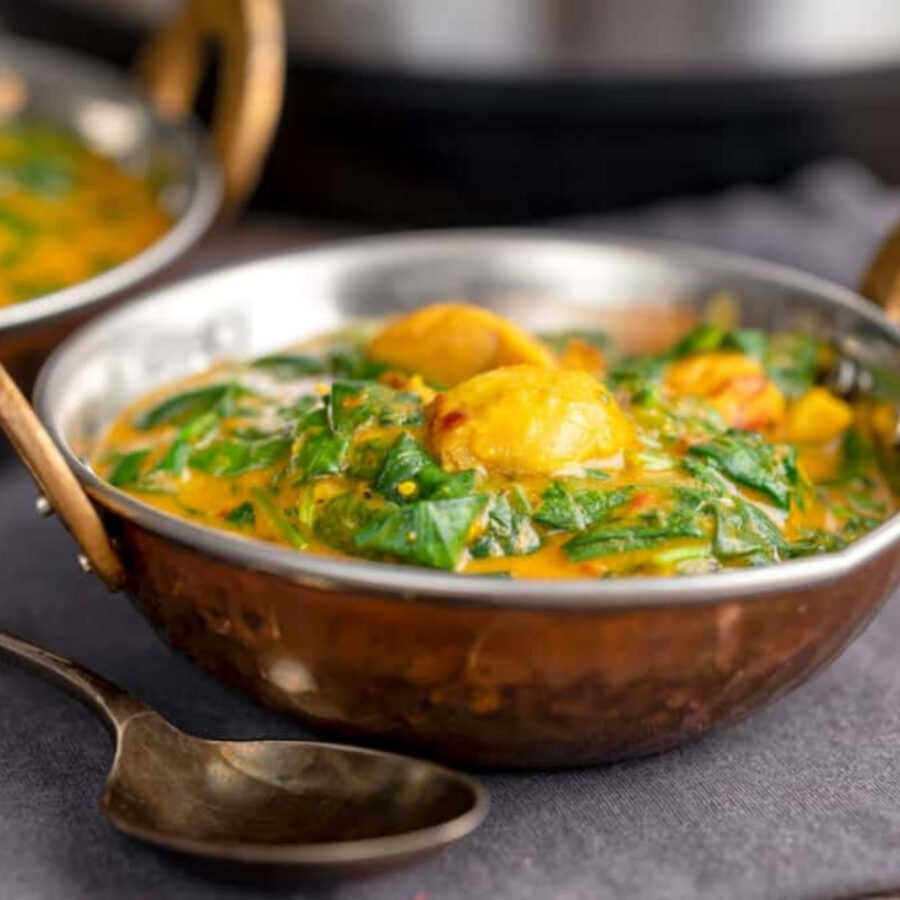
Spinach-based curries such as Chicken Saag generally freeze well.
The spinach will already be cooked and blended or finely chopped, so the texture change is less noticeable than it would be with a delicate fresh green vegetable.
After reheating, refresh the sauce with a little cream, yogurt, ghee, lemon juice, or garam masala if appropriate for the recipe.
If the curry contains yogurt, use low heat to reduce the chance of separation.
Can You Freeze Seafood Curry?
You can freeze many seafood curries, but they are not always the best candidates for long freezer storage.
Shrimp, fish, mussels, and other seafood cook quickly. Reheating can make them tough or rubbery before the sauce becomes hot.
For better results, freeze the curry sauce without the seafood. Thaw and reheat the sauce, then add freshly cooked seafood.
A delicate recipe such as Thai Green Curry Mussels is best enjoyed fresh rather than frozen with the mussels already in the sauce.
Can You Freeze Thai Curry?
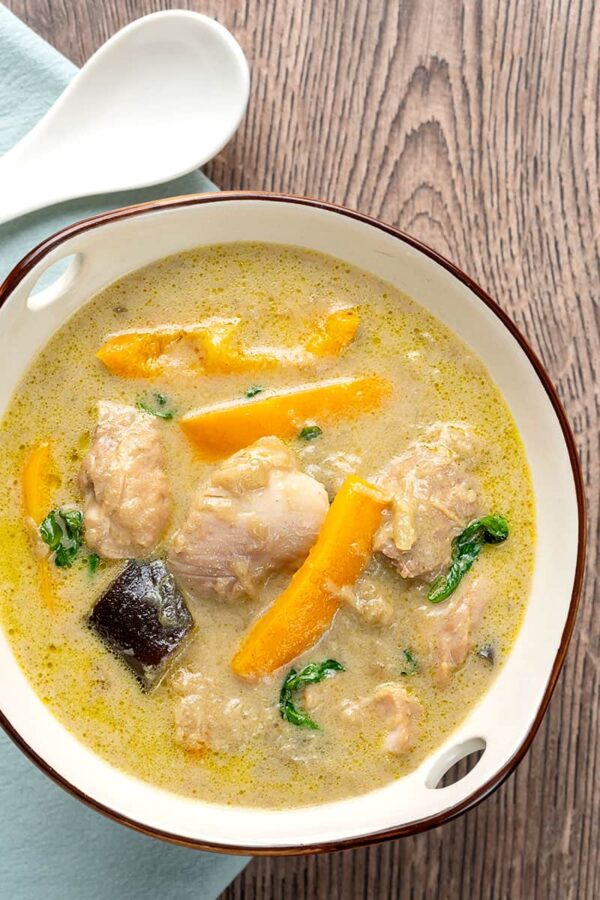
Many Thai curries freeze well, especially those made with coconut milk, curry paste, meat, and sturdy vegetables.
Ingredients that may lose texture include:
- Bell peppers
- Zucchini
- Green beans
- Fresh basil
- Seafood
- Rice noodles
Freeze the curry without fresh basil, lime wedges, crispy garnishes, or noodles. Add these after reheating.
Browse these easy Thai recipes for additional curry and sauce ideas.
How To Thaw Frozen Curry
Thaw It In The Refrigerator
The best method is to transfer the curry from the freezer to the refrigerator and allow it to thaw gradually.
Individual portions may thaw overnight, while a larger container can require more time.
Place the container on a plate or tray in case it leaks.
Use The Microwave Defrost Setting
If you need the curry sooner, use the microwave's defrost function.
Transfer the curry to a microwave-safe container if necessary. Defrost in short intervals, stirring whenever possible so the edges do not overheat while the center remains frozen.
Reheat and eat the curry promptly after microwave thawing.
Reheat From Frozen
Some curries can be reheated directly from frozen, particularly individual portions.
Place the frozen curry in a covered saucepan with a small amount of water. Warm it over low heat until the edges begin to melt, then break it apart and stir frequently.
You can also microwave it in short intervals, stirring between each interval.
Do not place a cold glass container directly over high heat or expose it to a sudden temperature change.
Do Not Thaw Curry On The Counter
Do not leave frozen curry at room temperature for several hours.
The exterior can enter an unsafe temperature range while the center remains frozen.
How To Reheat Curry On The Stovetop
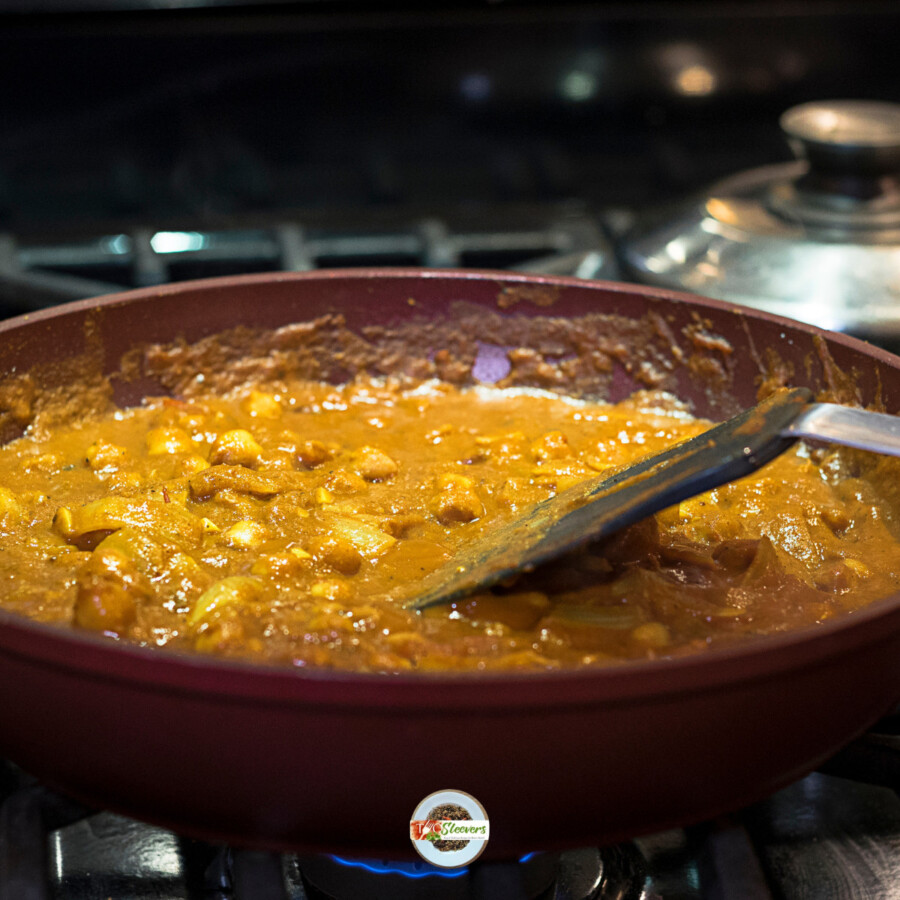
The stovetop is often the best method because it gives you control over the temperature and consistency.
- Place the thawed curry in a saucepan.
- Add a small splash of water, broth, coconut milk, or cream if the sauce is too thick.
- Cover the pan loosely.
- Heat over low to medium-low heat.
- Stir frequently and scrape the bottom.
- Heat until the curry is steaming throughout.
- Check the temperature in several places.
- Add fresh herbs, citrus juice, cream, or finishing spices after reheating.
Avoid vigorous boiling, especially with dairy-based curry.
How To Reheat Curry In The Microwave
The microwave is convenient for individual portions.
- Transfer the curry to a microwave-safe container.
- Cover it loosely with a microwave-safe lid or plate.
- Heat in short intervals.
- Stir between intervals.
- Rotate the container if your microwave heats unevenly.
- Continue until the curry is steaming throughout.
- Verify that pieces of meat are hot in the center.
- Let the curry stand briefly before eating.
Add a small amount of water before heating if the sauce has become very thick.
A shallow bowl generally reheats more evenly than a deep container.
Can You Reheat Curry In An Instant Pot?
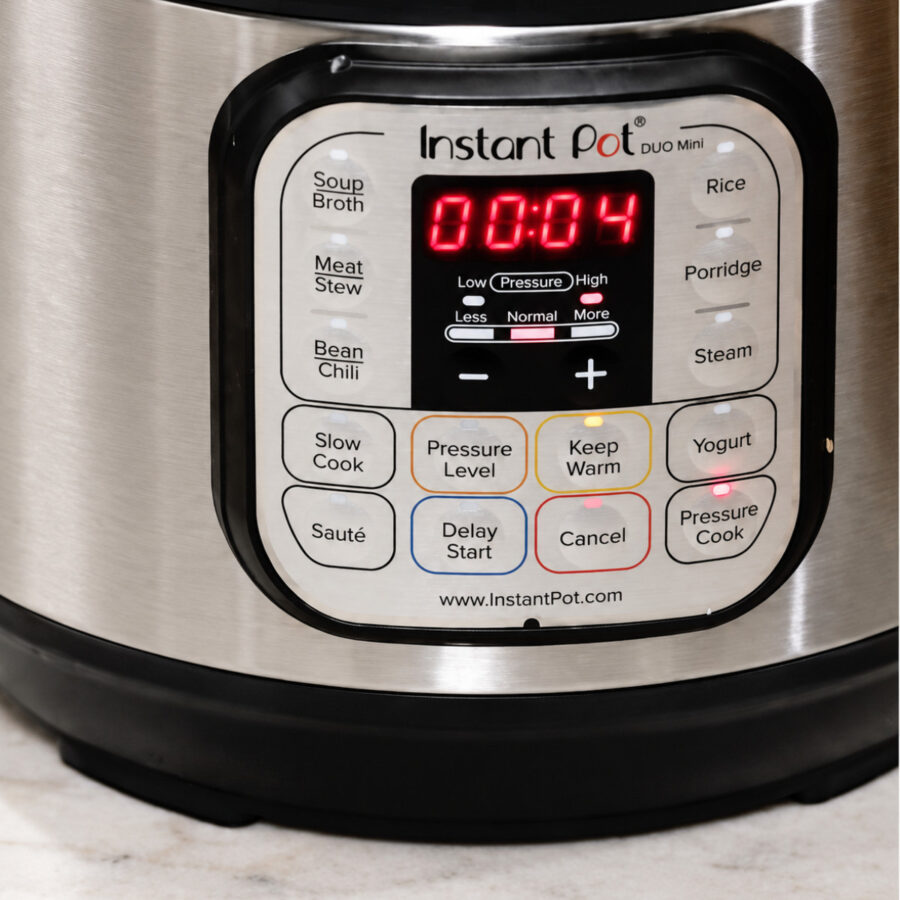
Yes, but you usually do not need to pressure cook an already cooked curry again.
Use the Sauté setting on Low or a gentle warming function when available. Stir frequently so the sauce does not burn on the bottom.
For a thick curry:
- Add the curry to the inner pot.
- Add a small amount of water or broth.
- Select a low Sauté setting.
- Stir frequently.
- Cancel the program as soon as the curry is hot.
Pressure cooking leftovers can overcook meat and vegetables. Dairy-filled sauce can also become thin or separated if it is pressure cooked again.
What Temperature Should Reheated Curry Reach?
Reheat leftovers to 165°F.
Check the temperature in the center and in several areas, especially when the curry contains large pieces of chicken, beef, lamb, pork, or vegetables.
The sauce may be bubbling around the edges while the center remains cool. Stirring helps distribute the heat evenly.
How To Fix Curry After Freezing
The Curry Is Too Thick
Add a small amount of:
- Water
- Broth
- Coconut milk
- Cream
- Tomato sauce
Choose the liquid that best matches the original recipe.
Add it gradually. It is easier to thin curry than to correct one that has become watery.
The Curry Is Too Watery
Simmer it uncovered over low to medium heat until the excess liquid evaporates.
Remove fully cooked meat, seafood, or paneer first if it is likely to overcook.
You can also use the appropriate thickening technique from this guide to fixing Indian curry.
The Sauce Separated
Reduce the heat and stir or whisk gently.
Add a spoonful of cream, coconut milk, yogurt, cashew cream, or water when appropriate. Do not attempt to repair a separated dairy sauce by boiling it aggressively.
The Curry Tastes Flat
Freezing can reduce the impact of fresh herbs, citrus, and finishing spices.
Try adding a small amount of:
- Salt
- Lemon or lime juice
- Garam masala
- Fresh cilantro
- Fresh ginger
- Ghee
- Cream
- Coconut milk
- Freshly tempered spices
Make one adjustment at a time and taste again.
The Curry Tastes Bitter
First determine whether it is truly bitter or simply concentrated.
Do not add several corrective ingredients at once. This guide to fixing bitter curry explains how to identify the cause and select an appropriate adjustment.
The Curry Is Too Spicy
Add more of the original unspiced sauce ingredients when possible.
Depending on the curry, this may include:
- Coconut milk
- Cream
- Yogurt
- Tomato
- Broth
- Cooked vegetables
- Ground nuts
Serve the curry with plain rice, bread, or raita to balance the heat.
Can You Reheat Curry More Than Once?
For the best safety and quality, reheat only the amount you plan to eat.
Repeated cooling and reheating can affect the meat, vegetables, dairy sauce, and overall flavor. It also creates more opportunities for the food to remain at an unsafe temperature.
Freeze curry in individual or meal-sized portions so the entire batch does not need to be reheated repeatedly.
Should You Add Cream Before Or After Freezing?
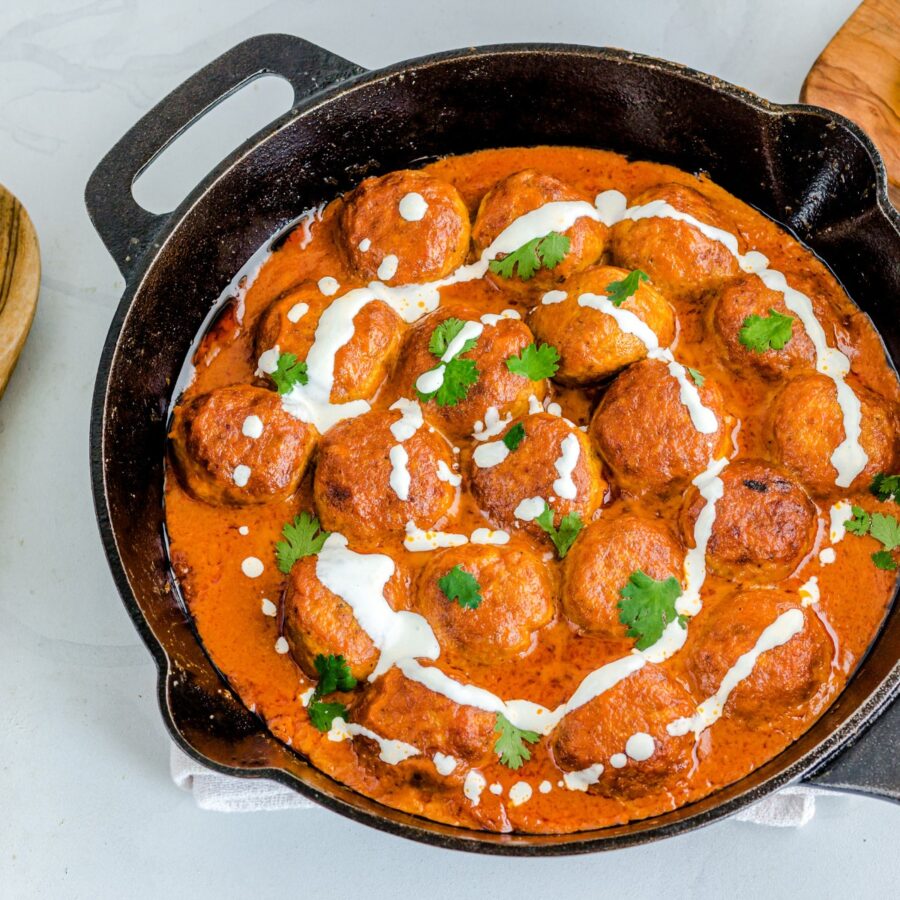
When possible, freeze the curry before adding cream, yogurt, or another delicate dairy ingredient.
After thawing:
- Reheat the curry base.
- Reduce it if necessary.
- Lower the heat.
- Add fresh dairy.
- Stir until smooth and warm.
- Do not boil aggressively.
This often produces a smoother sauce than freezing a fully finished dairy curry.
If the curry is already prepared, you can still freeze it. Expect that it may need gentle stirring or a small amount of fresh cream after thawing.
Should You Add Garam Masala Before Or After Reheating?
Use the garam masala included in the original recipe, then consider adding a very small amount after reheating if the curry needs more aroma.
Garam masala is often used as a finishing spice because its fragrant notes can fade during extended storage and reheating.
Do not add a large amount without tasting. Garam masala is concentrated and can overpower the sauce.
If you are unsure which blend your recipe needs, read Garam Masala Versus Curry Powder.
Tips And Tricks

- Freeze It Fresh. Do not wait until the curry has nearly reached the end of its refrigerated storage time.
- Cool It Quickly. Divide curry into shallow containers and refrigerate promptly.
- Use Small Portions. Individual portions thaw and reheat more evenly.
- Leave Room For Expansion. Do not fill freezer containers completely.
- Remove Garnishes. Add cilantro, nuts, fried onions, and other fresh toppings after reheating.
- Store Rice Separately. Curry and rice need different amounts of moisture during reheating.
- Freeze Sauce Separately. Add delicate seafood, paneer, potatoes, or vegetables later.
- Use Gentle Heat. Low heat protects cream, yogurt, coconut milk, and tender meat.
- Add Liquid Gradually. Frozen curry often thickens, but too much water can dilute the flavor.
- Refresh The Flavor. Finish with herbs, citrus, ghee, cream, or garam masala.
- Reheat Only What You Need. Avoid repeatedly warming the entire batch.
- Label Everything. Include the name, date, and number of servings.
Frequently Asked Questions

Does Curry Taste Better The Next Day?
Many curries taste richer the next day because the spices, aromatics, and sauce have had time to mingle.
The curry still needs to be cooled and refrigerated promptly. Improved flavor does not mean it should be left at room temperature overnight.
Can You Freeze Curry In A Glass Container?
Yes, if the container is specifically designed for freezer use.
Leave room for expansion and allow hot curry to cool before freezing. Avoid sudden temperature changes that can crack the glass.
Can You Freeze Curry In Freezer Bags?
Yes. Freezer bags are useful because they can be frozen flat and stacked.
Remove excess air, seal the bag carefully, and place it on a tray until frozen solid.
Can You Freeze Curry In Mason Jars?
Only use jars designed for freezing. Choose straight-sided freezer-safe jars and leave adequate headspace.
Do not use jars with narrow shoulders, and do not expose frozen glass to sudden heat.
Can You Freeze Curry With Coconut Milk?
Yes. Coconut milk curry may separate after thawing, but gentle heat and stirring can usually restore the sauce.
Can You Freeze Curry With Cream?
Yes, although the cream may separate or become slightly grainy. Freeze the curry before adding cream when practical.
Can You Freeze Curry With Yogurt?
You can, but yogurt-based sauces are more likely to split. Thaw completely and reheat slowly without vigorous boiling.
Can You Freeze Curry With Potatoes?
Yes, but the potatoes may become soft, watery, or grainy. Freeze the sauce without potatoes when texture is a priority.
Can You Freeze Curry With Paneer?
Yes. Paneer may become firmer or chewier after freezing. For the best texture, freeze the sauce and add fresh paneer during reheating.
Can You Freeze Curry With Rice In The Same Container?
Yes, but separate containers usually produce better results. Rice can absorb the sauce and may require a different amount of water during reheating.
How Do You Keep Reheated Curry From Drying Out?
Use low heat, cover the pan, stir frequently, and add a small amount of water, broth, cream, or coconut milk.
Do not simmer meat curry longer than necessary.
How Do You Reheat Curry Without A Microwave?
Reheat it in a saucepan over low to medium-low heat. Add a splash of liquid, cover loosely, and stir frequently until hot throughout.
Can You Reheat Curry From Frozen?
Yes. Use low heat and a small amount of liquid, breaking apart the curry as it thaws.
For more even reheating, thaw it in the refrigerator first.
How Can You Tell If Curry Has Gone Bad?
Discard curry if it has mold, an unpleasant odor, unusual discoloration, unexpected fermentation, a swollen container, or another clear sign of spoilage.
Do not taste questionable food to determine whether it is safe.
What To Serve With Reheated Curry
Complete your meal with:
- Instant Pot Basmati Rice
- Basmati Rice Pilau
- Naan
- Roti
- Cauliflower rice
- Tomato raita
- Green chutney
- Pickled onions
- A simple vegetable side
- Fresh cilantro
- Lemon or lime wedges
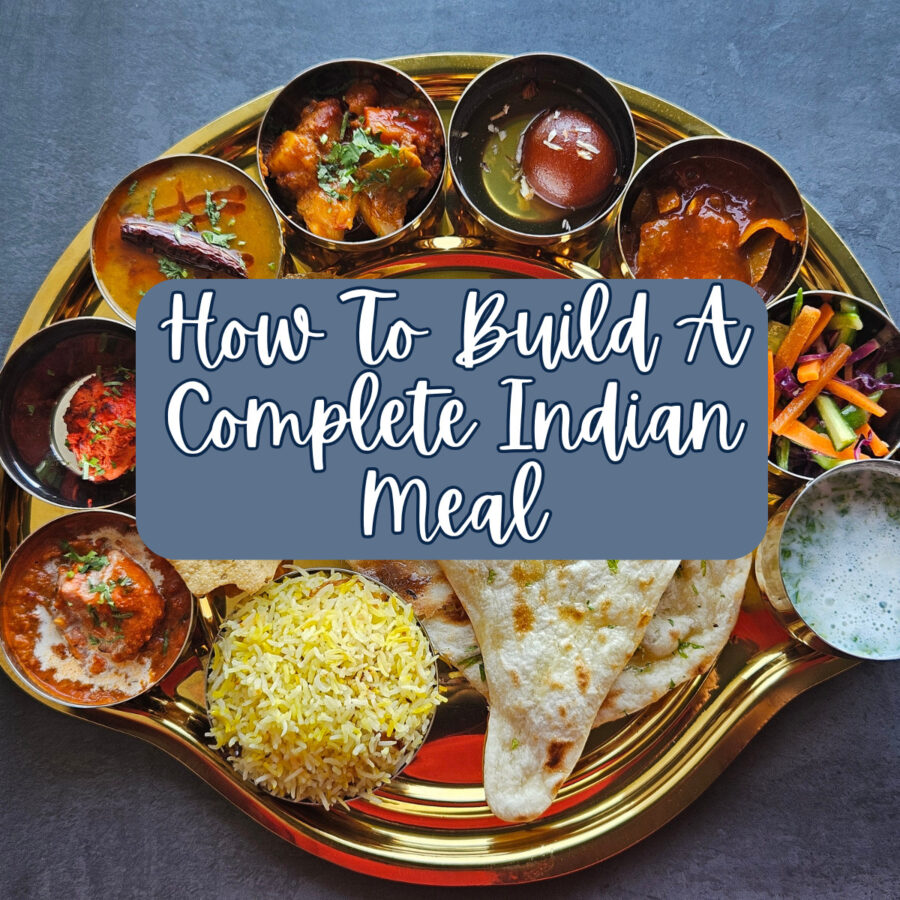
For more menu ideas, use this guide to building a complete Indian meal.
More Helpful Curry Guides And Recipes
If this guide to freezing and reheating curry was helpful, explore:
- Indian Curry Types Explained
- How To Fix Indian Curry
- Why Is My Curry Bitter?
- Garam Masala Versus Curry Powder
- Indian Cooking Techniques
- Essential Indian Spices
- Instant Pot Butter Chicken
- Basic Indian Curry
- All Indian Recipes
Most curries freeze beautifully when they are cooled quickly, divided into useful portions, and protected from air. Thaw them safely, reheat them gently, and restore the sauce with a small amount of liquid or a fresh finishing ingredient.
If you found this guide helpful, share it with your friends on Facebook and Pinterest so they can make the most of their curry leftovers too.





Leave a Reply