

Using essential Indian spices can feel overwhelming if you're unfamiliar with the cuisine. If you want to start cooking Indian food at home but feel overwhelmed when you look at the spice aisle, you are definitely not alone. Indian cooking uses an incredible variety of spices, but the good news is that you do not need dozens of jars to start making flavorful, authentic meals.
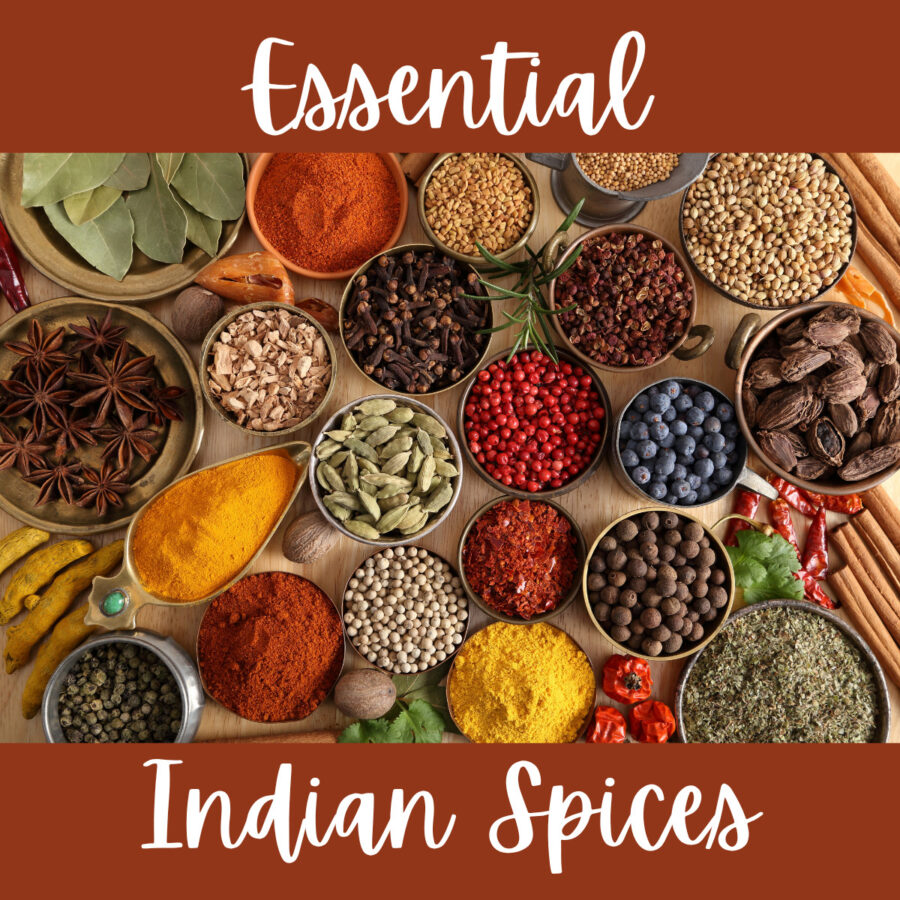
With a small collection of versatile spices, you can make everything from creamy curries and fragrant rice dishes to dals, vegetables, kebabs, and some of our most popular recipes.
If you are completely new to Indian food, start by browsing my easy Indian recipes. You can also read my complete guide to cooking with spices to learn why the same spice can taste completely different depending on whether it is toasted, ground, cooked in oil, or added at the end of a recipe.
Why Are Spices So Important In Indian Cooking?
Spices do much more than simply make Indian food hot.
They can add earthiness, sweetness, fragrance, smokiness, bitterness, warmth, color, and complexity. The way you treat those spices is just as important as which ones you use.
For example, cumin seeds cooked briefly in hot ghee taste different from ground cumin stirred into a sauce. Mustard seeds develop an entirely different flavor after they begin to pop in hot oil. Garam masala is often added later in the cooking process so its aromatic flavors remain noticeable.
If you want to see these techniques demonstrated, my guide to how to cook with Indian spices is a great place to begin.
What Spices Do You Really Need For Indian Cooking?
You can eventually build a huge spice collection, but beginners do not need to buy everything at once.
These 12 Indian spices and basic Indian cooking techniques will give you a flexible foundation for making a wide variety of dishes.
Cumin Seeds
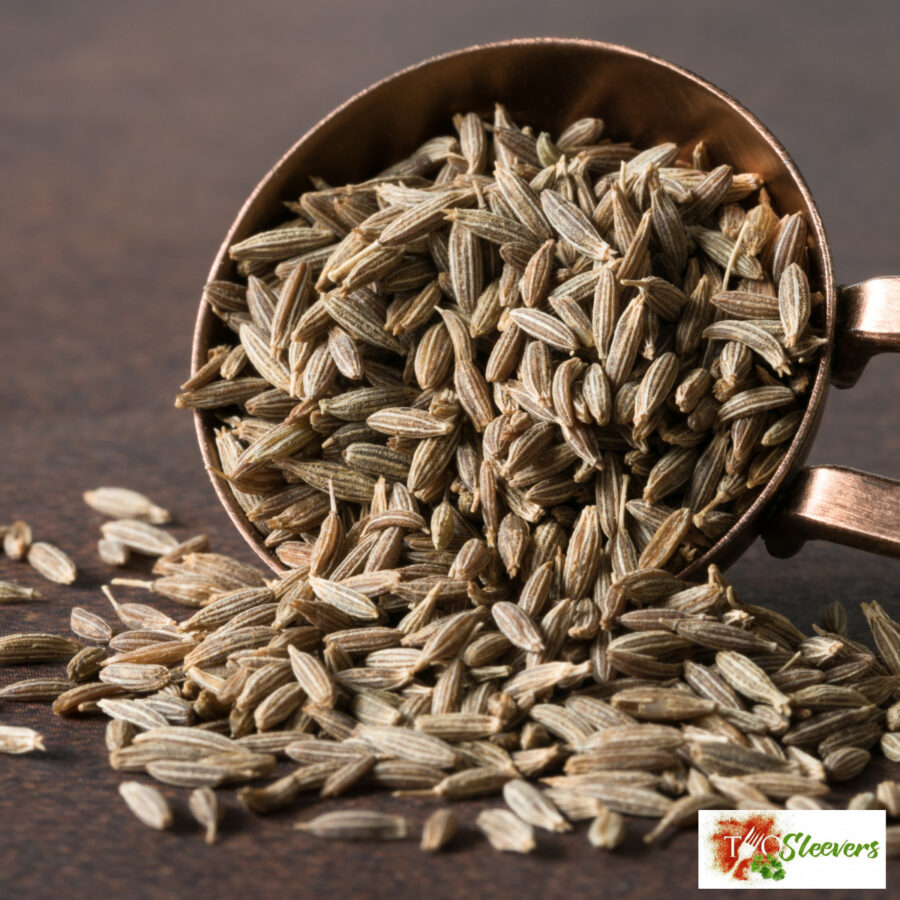
Cumin is one of the hardest-working spices in an Indian kitchen. It has an earthy, warm, slightly nutty flavor and can be used whole or ground.
Whole cumin seeds are especially useful for tempering, a technique where spices are briefly cooked in hot oil or ghee to release their flavor.
You can see cumin and mustard seeds tempered together in my Instant Pot Rice and Dal recipe. The hot fat causes the seeds to become fragrant before the remaining ingredients are added.
Ground cumin is also an important ingredient in recipes such as Paneer Tikka, where it contributes warm, savory depth alongside coriander, turmeric, garam masala, and cayenne.
Best for: Curries, dals, beans, rice, vegetables, marinades, and spice blends.
Beginner tip: Buy whole cumin seeds first. You can toast and grind them yourself when you need ground cumin.
Coriander Seeds
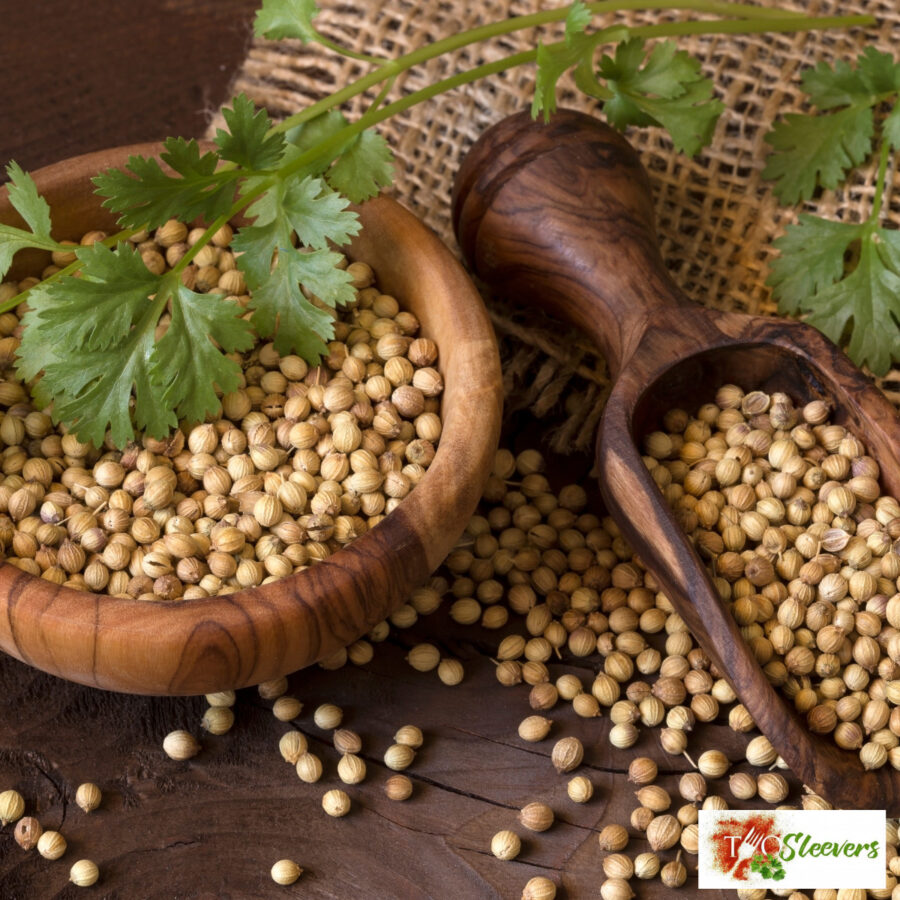
Coriander seeds taste completely different from fresh cilantro leaves, even though they come from the same plant.
The seeds have a mild citrusy flavor with slightly sweet and earthy notes. Coriander is frequently paired with cumin because the two spices balance each other beautifully.
Coriander seeds are one of the main ingredients in my homemade garam masala along with cumin, cloves, cardamom, bay leaves, dried chiles, and cinnamon.
You will also find ground coriander used with cumin in recipes like easy Paneer Tikka.
Best for: Curries, marinades, spice blends, vegetables, lentils, and meat dishes.
Beginner tip: Buy coriander seeds whole and grind small amounts as you need them. Freshly ground spices are dramatically more fragrant.
Turmeric
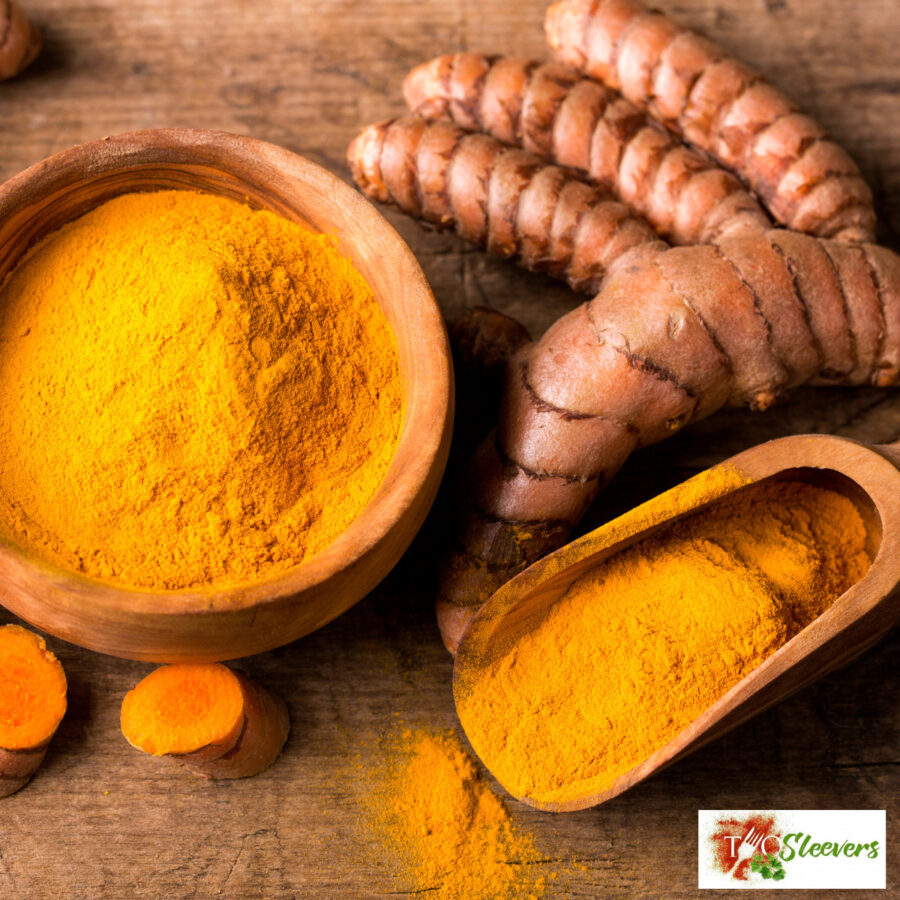
Turmeric is responsible for the beautiful golden color you see in many Indian dishes.
Its flavor is earthy, slightly bitter, and warm. A little goes a long way, so most recipes require only a small amount.
Unlike many of the spices on this list, turmeric is one spice I recommend buying already ground. My guide to cooking with spices explains which spices are most useful whole and which ones make more sense to purchase ground.
Try turmeric in Instant Pot Rice and Dal, where it works with cumin, mustard seeds, ginger, garlic, onions, and tomatoes.
It is also part of the spice mixture in my Chicken Tikka Masala.
Best for: Curries, lentils, rice, vegetables, marinades, and soups.
Beginner tip: Turmeric stains very easily. Be careful with light countertops, towels, and plastic utensils.
Black Mustard Seeds
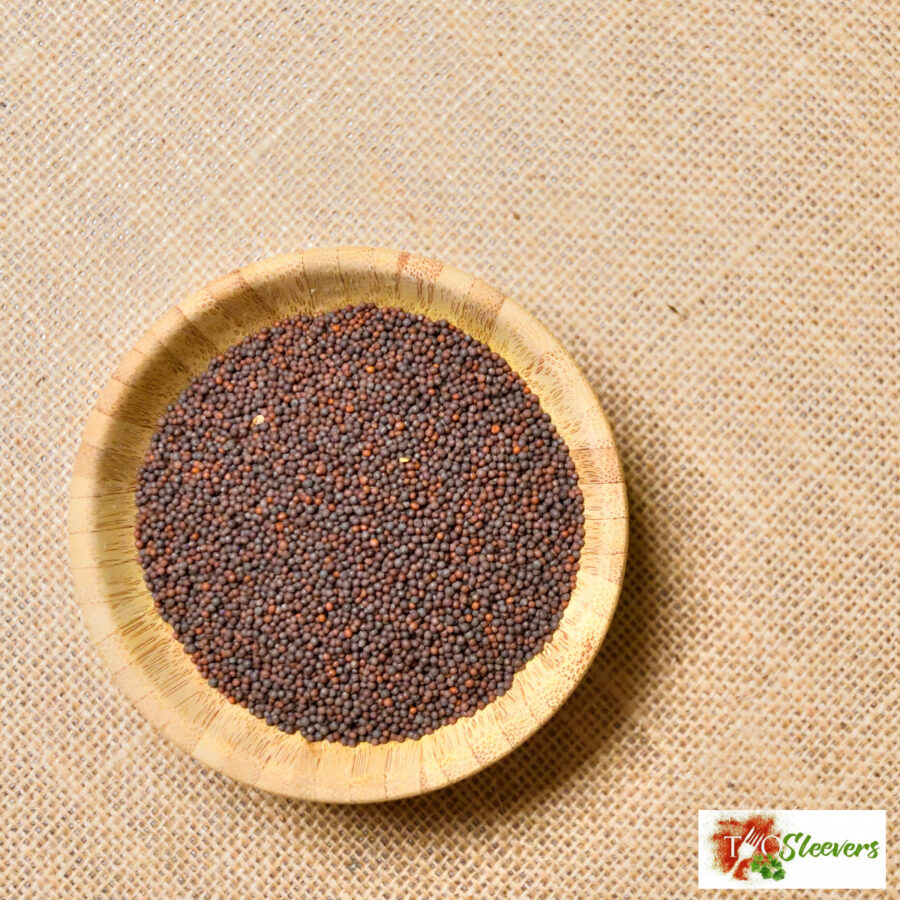
Black mustard seeds are small but powerful.
They are commonly heated in oil until they begin to pop. This process transforms their sharp raw flavor into something nutty, aromatic, and complex.
One of the easiest ways to understand how mustard seeds work is to make Pressure Cooker Rice and Dal. The cumin and mustard seeds are added to hot ghee and allowed to sputter before the other aromatics go into the pot.
Mustard seeds are also excellent in Indian salads and vegetable preparations.
Best for: Dal, vegetable dishes, rice, chutneys, salads, and South Indian recipes.
Beginner tip: Keep a lid nearby when tempering mustard seeds. They really do pop.
Cayenne Pepper
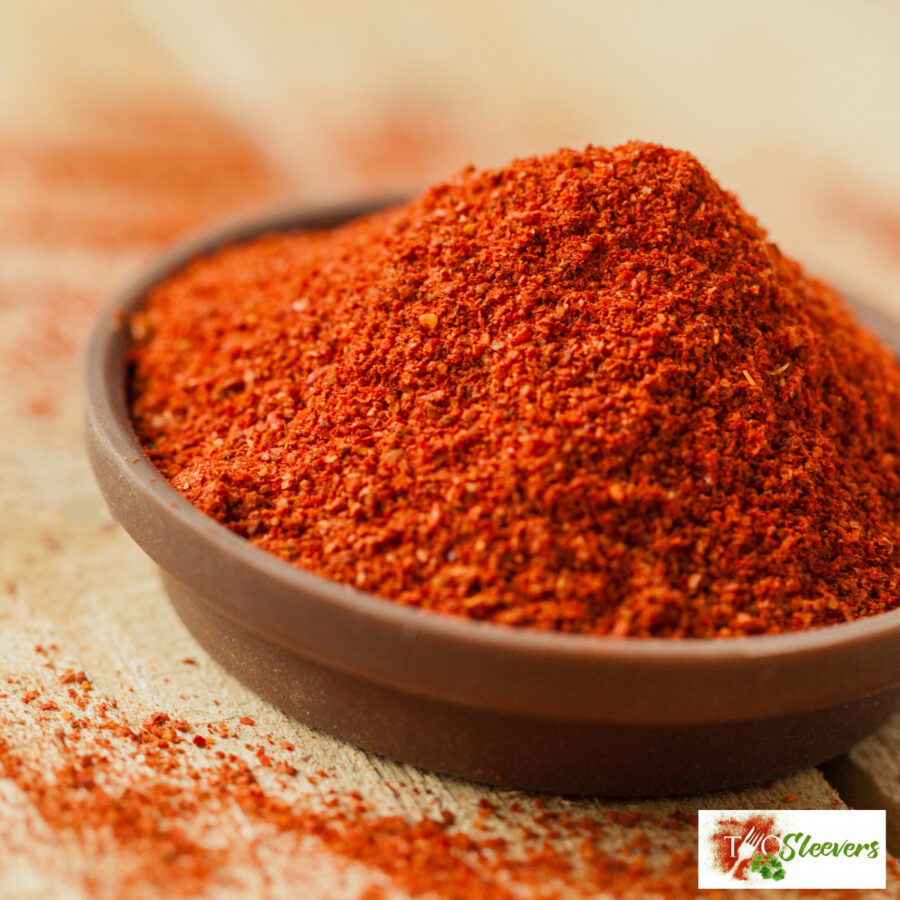
Indian food does not have to be spicy, but cayenne is an easy way to control the level of heat when you want it.
This is another spice I prefer to buy ground.
One especially important distinction for American cooks is that cayenne pepper and American chili powder are not interchangeable. American chili powder is usually a seasoning blend that contains several ingredients, while cayenne is primarily hot ground pepper. My Indian spice guide explains this distinction in more detail.
Cayenne appears alongside turmeric, cumin, coriander, and garam masala in recipes such as Paneer Tikka.
Best for: Curries, marinades, kebabs, sauces, dals, and vegetable dishes.
Beginner tip: Start small. You can always add heat, but removing it is much harder.
Cardamom
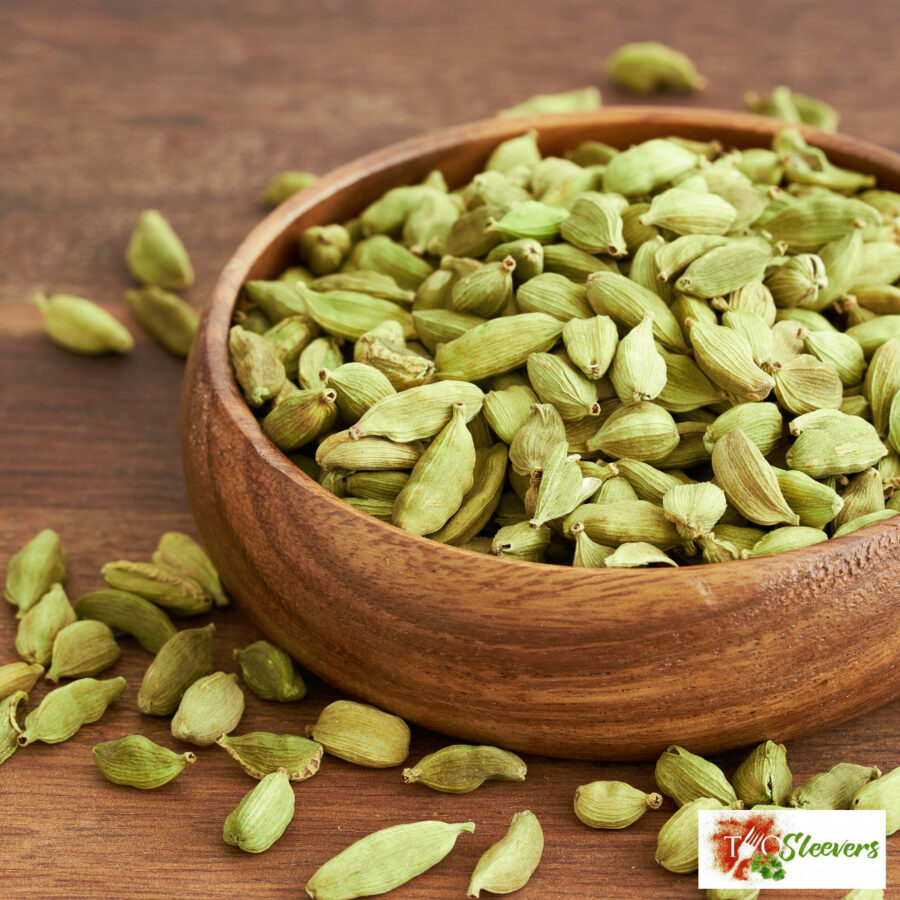
Cardamom is intensely aromatic, slightly sweet, floral, and almost citrusy.
You may encounter green, white, and black cardamom. Green cardamom is the variety most beginners should buy first. Black cardamom has a much smokier flavor and is not a direct substitute.
Cardamom is one of the spices that gives homemade garam masala its unmistakable fragrance.
It is also useful in both savory recipes and Indian desserts.
Best for: Garam masala, curries, biryani, chai, rice dishes, and desserts.
Beginner tip: Whole cardamom pods retain their fragrance far better than old jars of ground cardamom.
Cinnamon
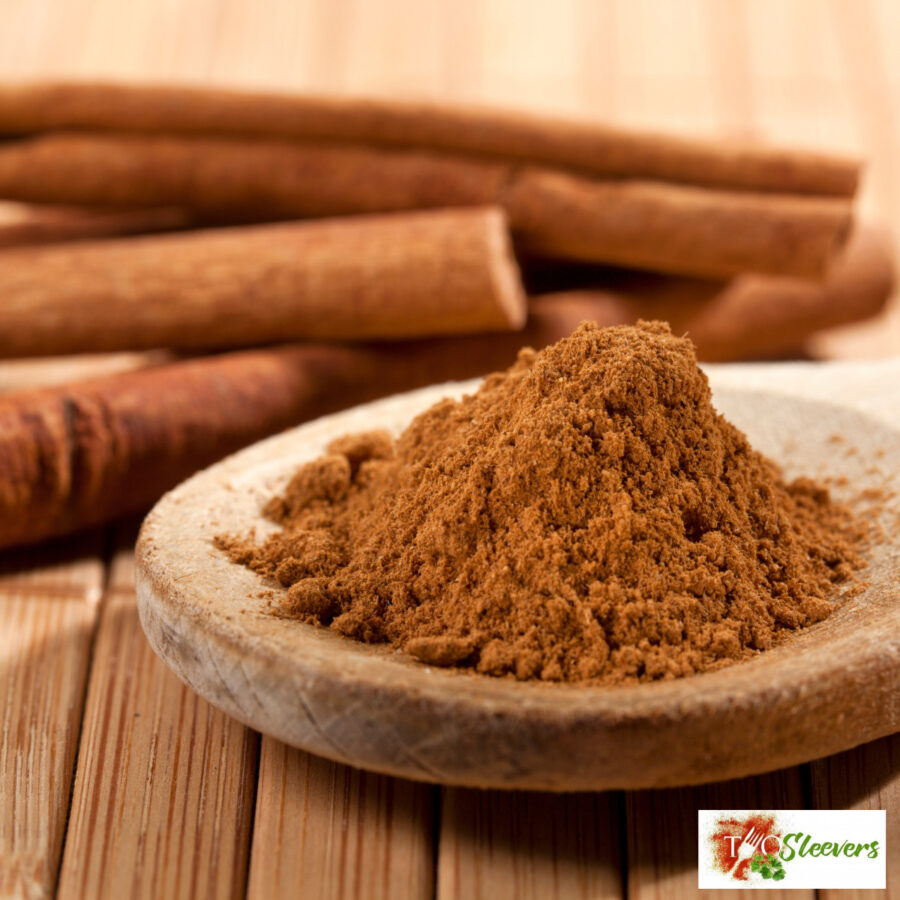
Cinnamon may make you think of cookies and apple pie, but it is just as useful in savory Indian cooking.
It brings gentle sweetness, warmth, and fragrance to spice mixtures and long-cooked dishes.
Cinnamon is another component of my easy homemade garam masala recipe.
It also appears with coriander, cumin, cloves, peppercorns, and bay leaves in Punjabi garam masala.
Best for: Garam masala, biryani, curries, rice dishes, meat dishes, chai, and desserts.
Beginner tip: Keep whole cinnamon sticks in your Indian spice pantry. They stay flavorful longer and are easy to remove before serving.
Cloves
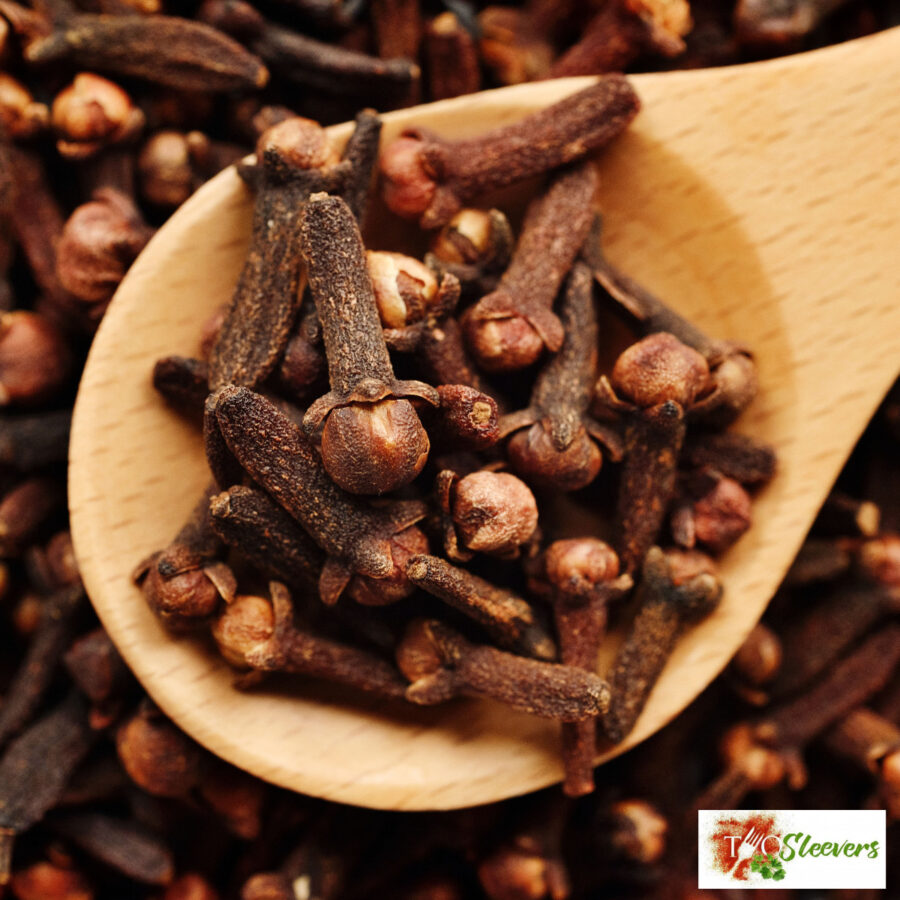
Cloves are strong, sweet, warm, and pungent.
Because they are so powerful, you only need a few to flavor an entire dish or spice mixture.
Cloves are included in both my classic garam masala recipe and Punjabi garam masala.
Best for: Garam masala, rice, biryani, curries, meat dishes, and chai.
Beginner tip: More is not better with cloves. A couple can add warmth and complexity. Too many can overwhelm everything else.
Black Peppercorns
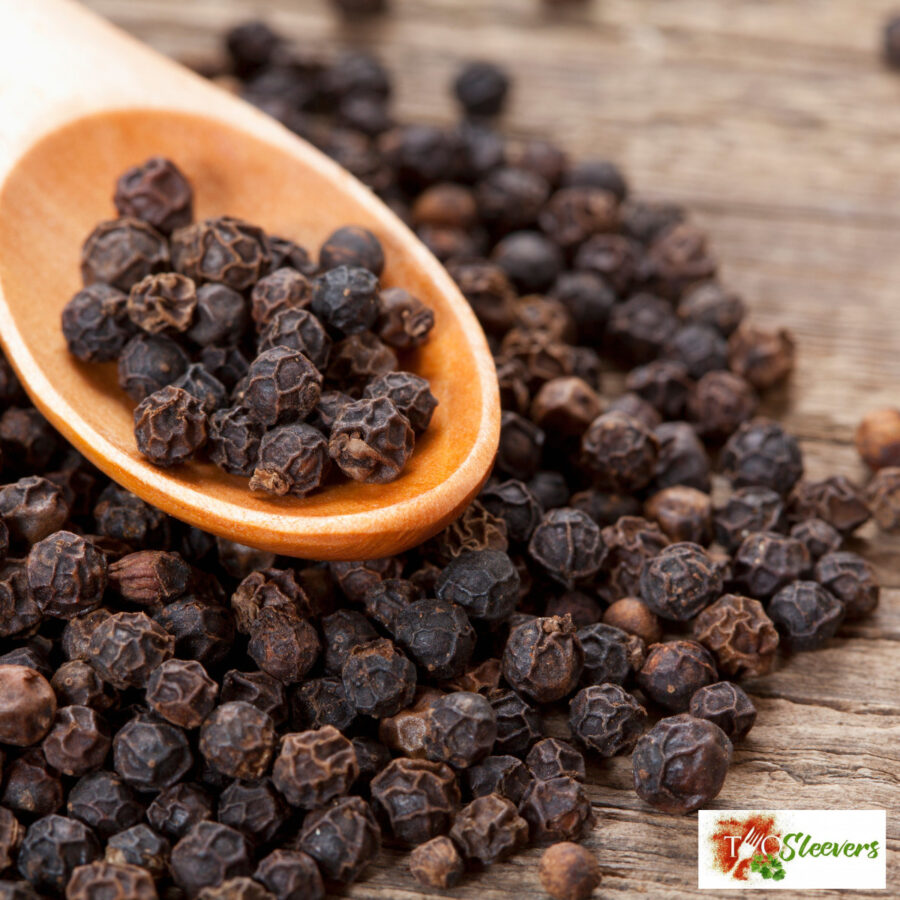
Long before chile peppers became part of Indian cooking, black pepper provided heat.
Whole black peppercorns have a sharp, fruity, woody flavor and are especially useful in freshly ground spice blends.
They are part of Punjabi garam masala and work beautifully with cumin, coriander, cloves, and cinnamon.
Best for: Spice blends, curries, marinades, meat dishes, soups, and rice.
Beginner tip: Buy whole peppercorns instead of pre-ground black pepper whenever possible.
Fennel Seeds
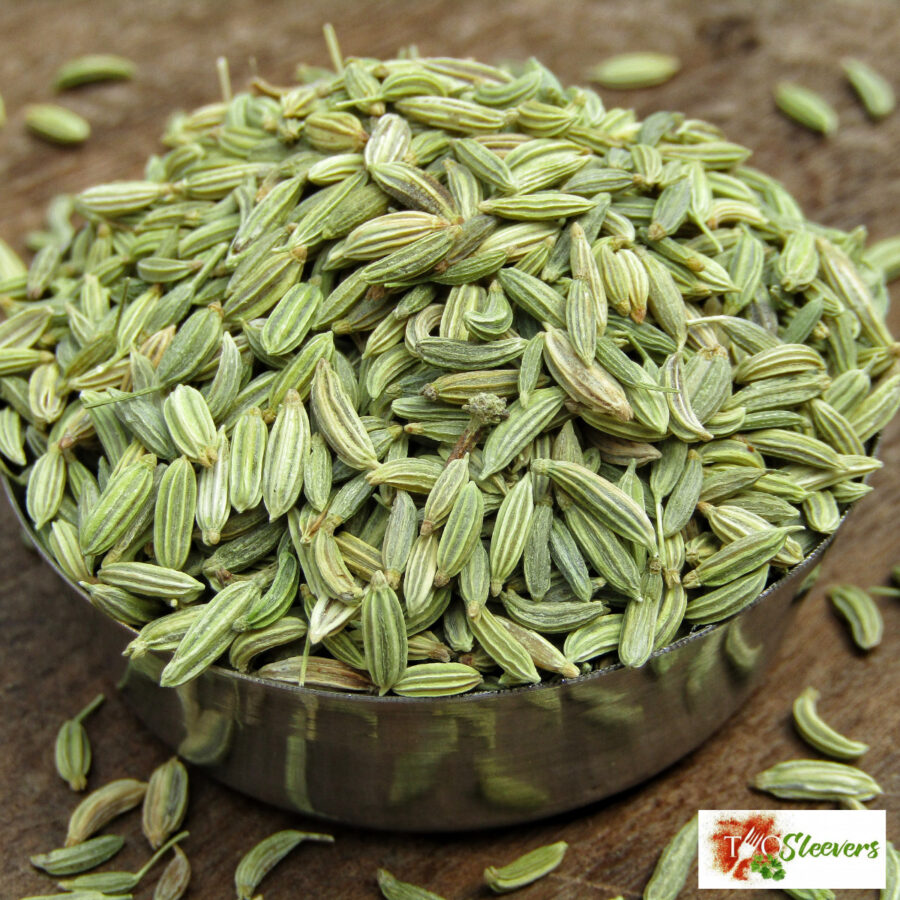
Fennel seeds have a mild licorice-like sweetness.
They are not used in every Indian recipe, but they are particularly useful in certain regional dishes and spice blends. Fennel can also work especially well in dishes made with coconut milk.
If you want to understand how fennel fits alongside other Indian spices, take a look at the ingredient breakdown in my garam masala guide.
Best for: Regional curries, spice blends, vegetables, meat dishes, and dishes containing coconut.
Beginner tip: Toast fennel briefly before grinding it to intensify its fragrance.
Fenugreek
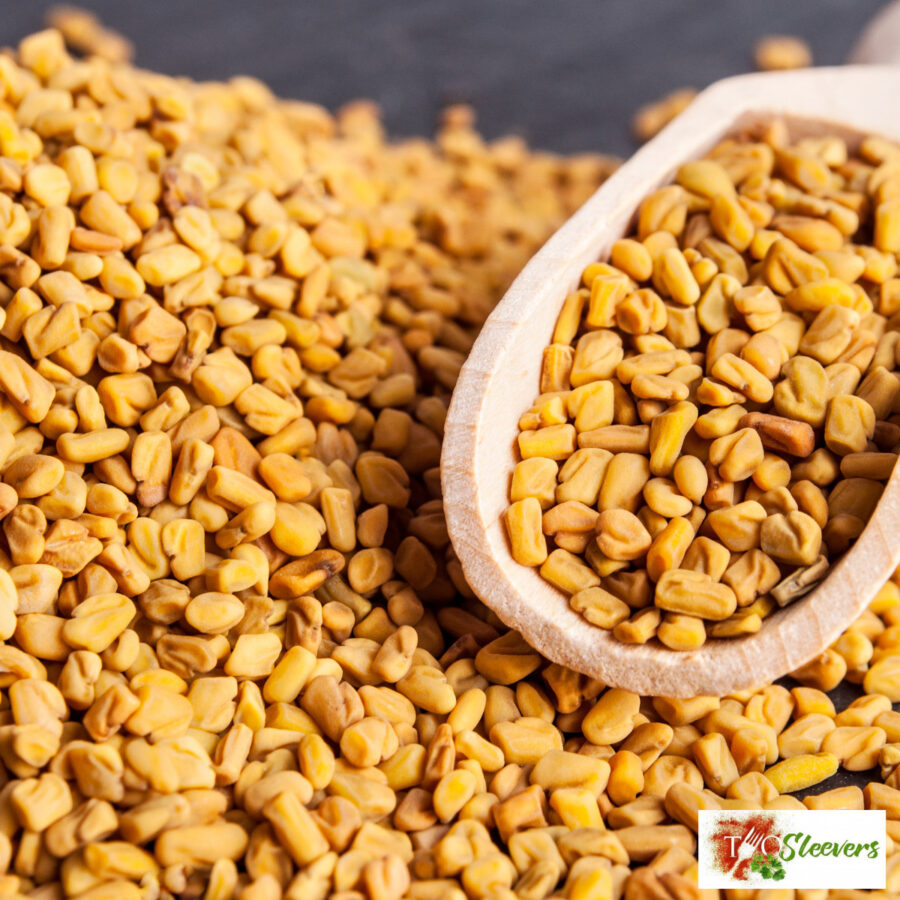
Fenugreek is one of those flavors you may not immediately recognize by name, but you may recognize it the moment you smell it.
It has an earthy, slightly bitter flavor that can add extraordinary depth to Indian food.
You may see recipes calling for fenugreek seeds or dried fenugreek leaves, also called kasuri methi. They are not exactly the same ingredient and should not automatically be substituted one-for-one.
Fenugreek is especially useful as you move beyond basic beginner curries and start exploring regional Indian recipes.
For plenty of ideas to practice with, browse the collection of more than 120 Indian recipes on Twosleevers.
Best for: Curries, dals, vegetable dishes, breads, and spice blends.
Beginner tip: Use fenugreek sparingly at first. Its bitterness can dominate a recipe if you add too much.
Indian Bay Leaves
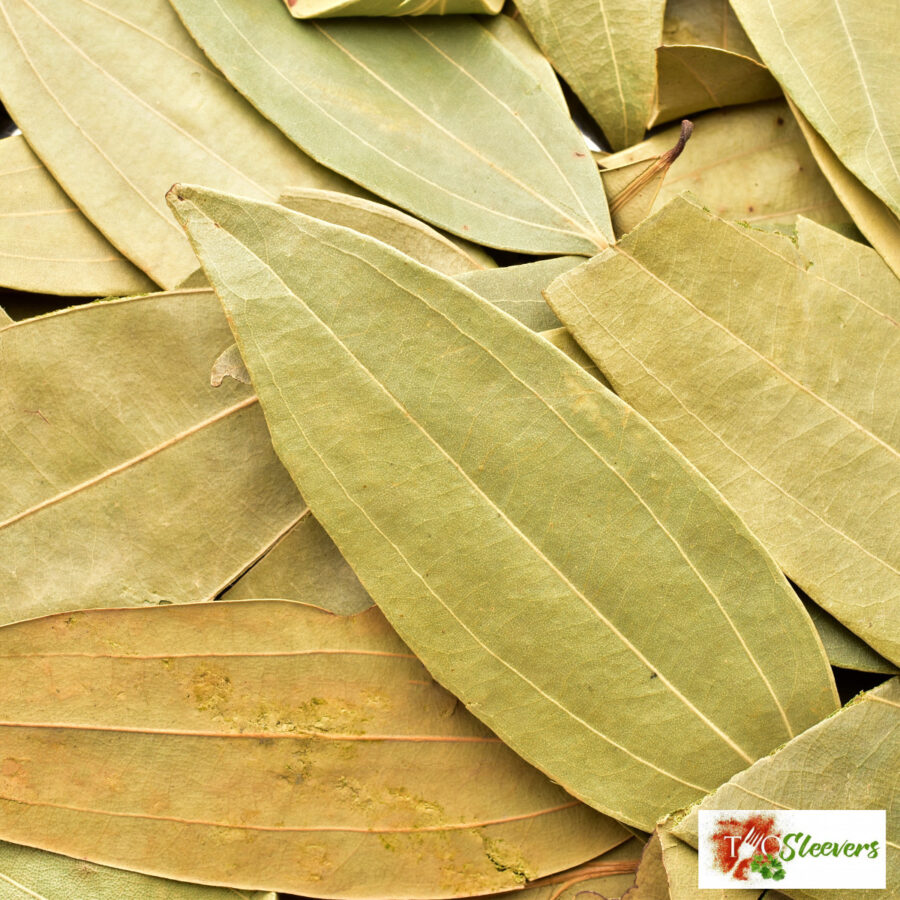
Bay leaves add gentle fragrance rather than a strong, obvious flavor.
They work beautifully in dishes that cook long enough for their aroma to infuse rice, sauces, and curries.
Bay leaves are one of the savory ingredients in my homemade garam masala and pair naturally with cumin, coriander, cardamom, cloves, and cinnamon.
Best for: Biryani, rice, curries, spice blends, and slow-cooked dishes.
Beginner tip: Like cinnamon sticks and whole cardamom pods, bay leaves are usually removed rather than eaten.
What About Garam Masala?
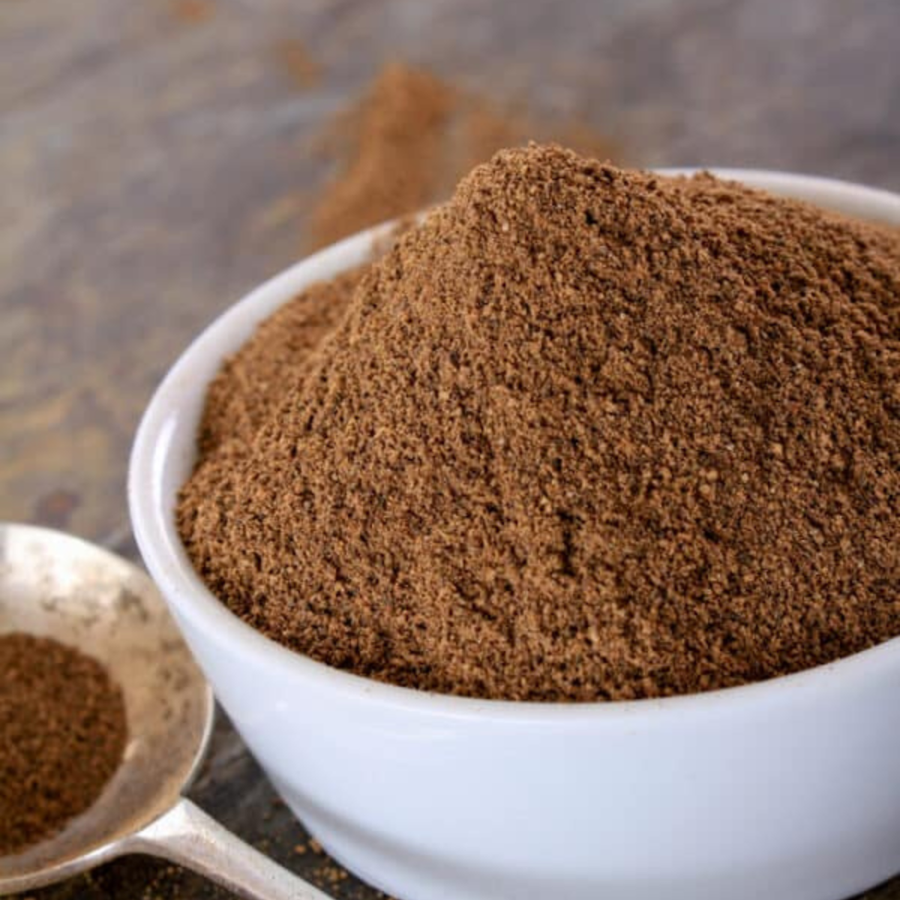
Garam masala technically is not one spice. It is a blend of spices, but it is so useful that I would absolutely put it in a beginner Indian pantry.
A lot of people who aren't familiar with curries think that garam masala and curry powder are the same thing. That's not the case. Learn more about it in my garam masala vs curry powder article.
There is no single universal garam masala formula. Recipes vary by family and region.
My 5-minute homemade garam masala combines coriander seeds, cumin seeds, cloves, cardamom seeds, bay leaves, dried red chiles, and cinnamon.
If you want to understand what every ingredient contributes, watch my how to make garam masala video.
Once you start making your own blends, you can explore even more of my homemade spice blend recipes, including Punjabi Garam Masala, Goda Masala, Sambhar Masala, and other international seasoning blends.
Should You Buy Indian Spices Whole Or Ground?
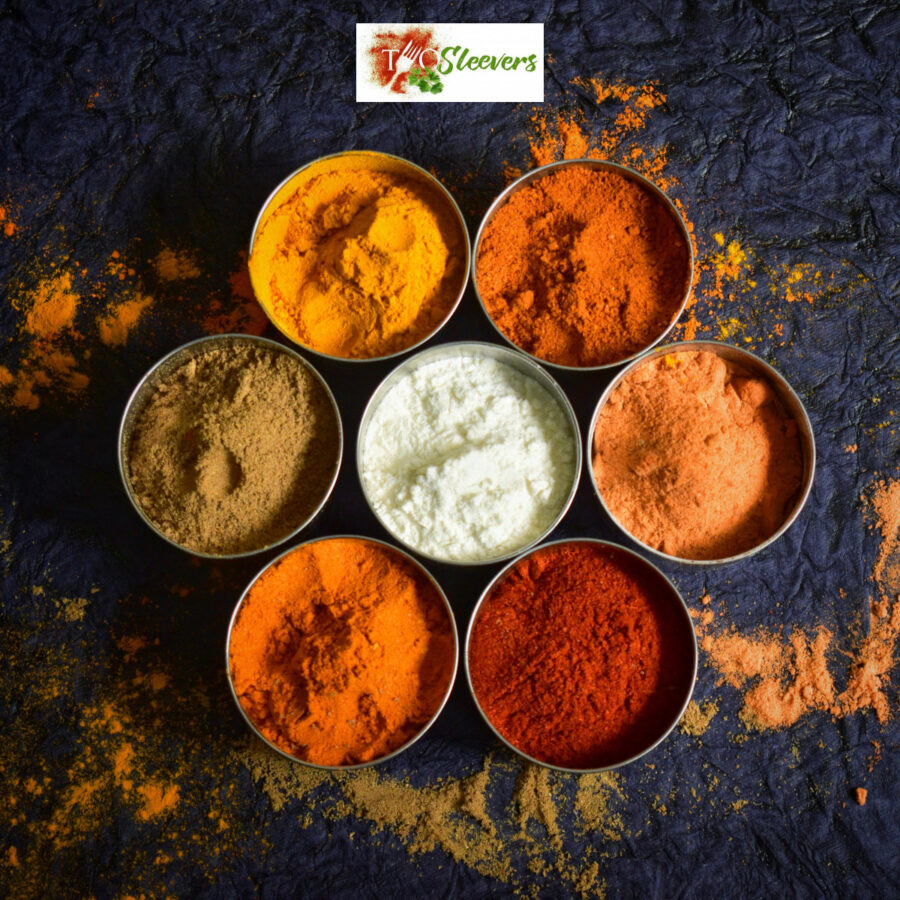
Whenever practical, I prefer buying spices whole.
Whole spices retain their fragrance considerably better, and you can grind only what you need.
For a simple beginner pantry, I recommend buying these whole:
- Cumin seeds
- Coriander seeds
- Mustard seeds
- Green cardamom
- Cinnamon sticks
- Cloves
- Black peppercorns
- Fennel seeds
- Bay leaves
Buy these ground:
- Turmeric
- Cayenne pepper
Once you become comfortable cooking with them, you can expand into additional spices and regional blends.
If all of those choices sound intimidating, read my full tutorial on using Indian spices before you shop. It explains how whole, ground, toasted, oil-roasted, and fresh versions of spices behave differently.
How To Bloom Indian Spices
One of the easiest ways to make your Indian cooking taste dramatically better is to learn how to bloom or temper spices.
Heat ghee or oil until hot. Add whole spices such as cumin or mustard seeds and cook briefly until fragrant. Mustard seeds may begin popping.
This releases fat-soluble flavor compounds and distributes the spices throughout the dish.
You can practice this technique with my Instant Pot Rice and Dal, which starts by heating ghee and adding cumin and mustard seeds before ginger, garlic, onions, tomatoes, turmeric, and lentils.
Another ingredient worth keeping around for this technique is homemade ghee. It has a rich, nutty flavor and works wonderfully as the cooking fat for Indian dishes.
Over blooming or tempering spices can lead to a bitter curry. If you need help troubleshooting your creation, check out my Why Is My Curry Bitter guide. If that doesn't answer all of your questions, my how to fix Indian curry and Indian Curry Types Explained guides are more resources you can use.
Two More Indian Cooking Staples You Should Keep On Hand
Technically, these are not dried spices, but they make Indian cooking much easier.
Ginger Garlic Paste
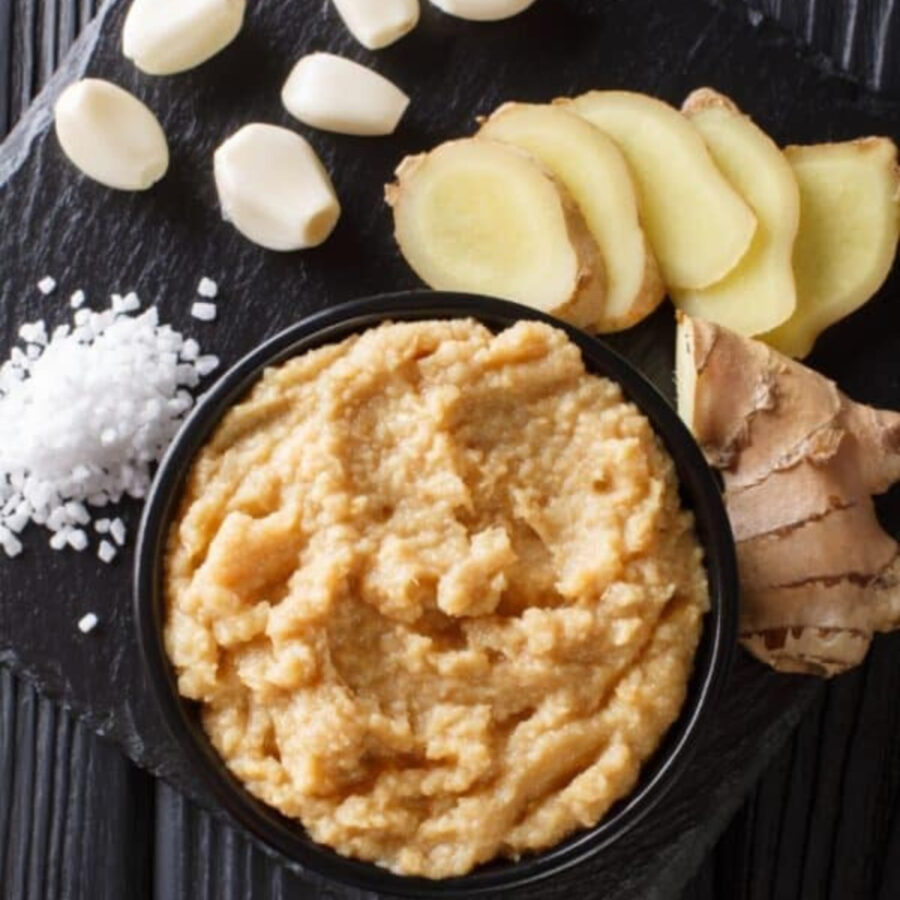
Ginger and garlic form the aromatic foundation of countless Indian recipes.
Instead of chopping both every time you cook, make a batch of my homemade ginger garlic paste.
It takes about five minutes to prepare and can be frozen in small portions so you always have some ready to add to curries, marinades, and sauces.
Ghee
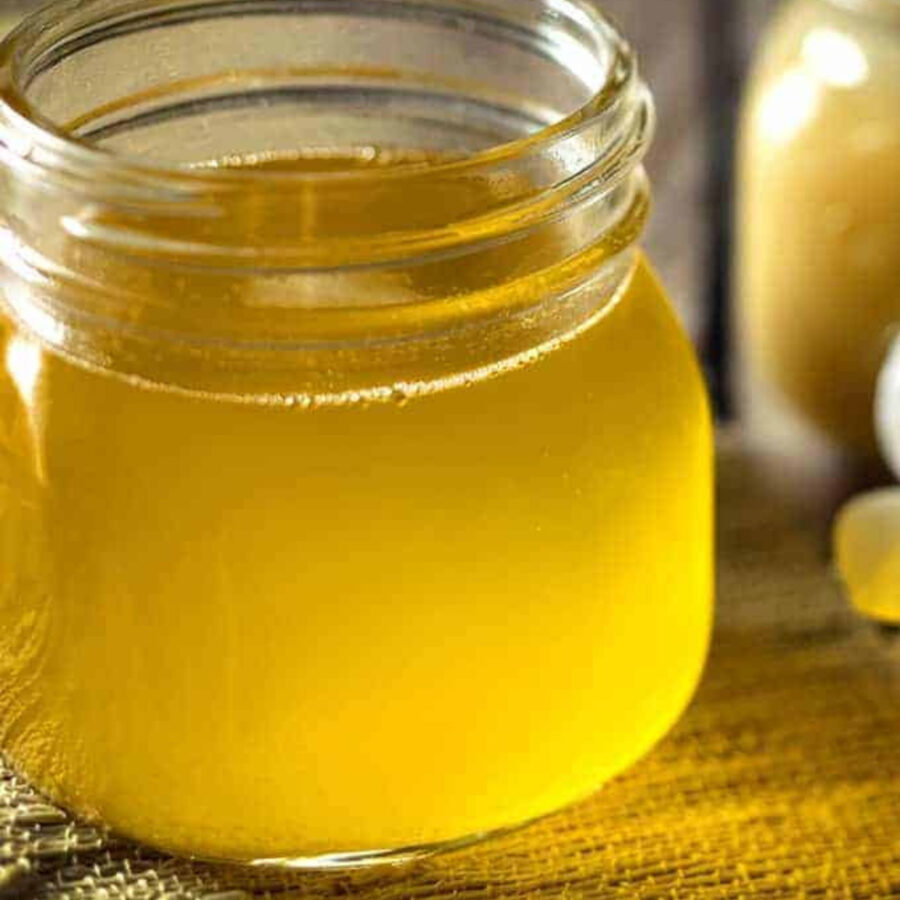
Ghee is clarified butter with the milk solids removed. It has a rich, nutty flavor and works beautifully for tempering spices, cooking vegetables, making rice, and finishing dal.
You can make authentic homemade ghee with nothing more than unsalted butter and a little patience.
Easy Indian Recipes For Beginners
Once your spice pantry is stocked, the fun part is actually using it.
These recipes are what I recommend in my Indian Cooking for Beginners guide:
Butter Chicken
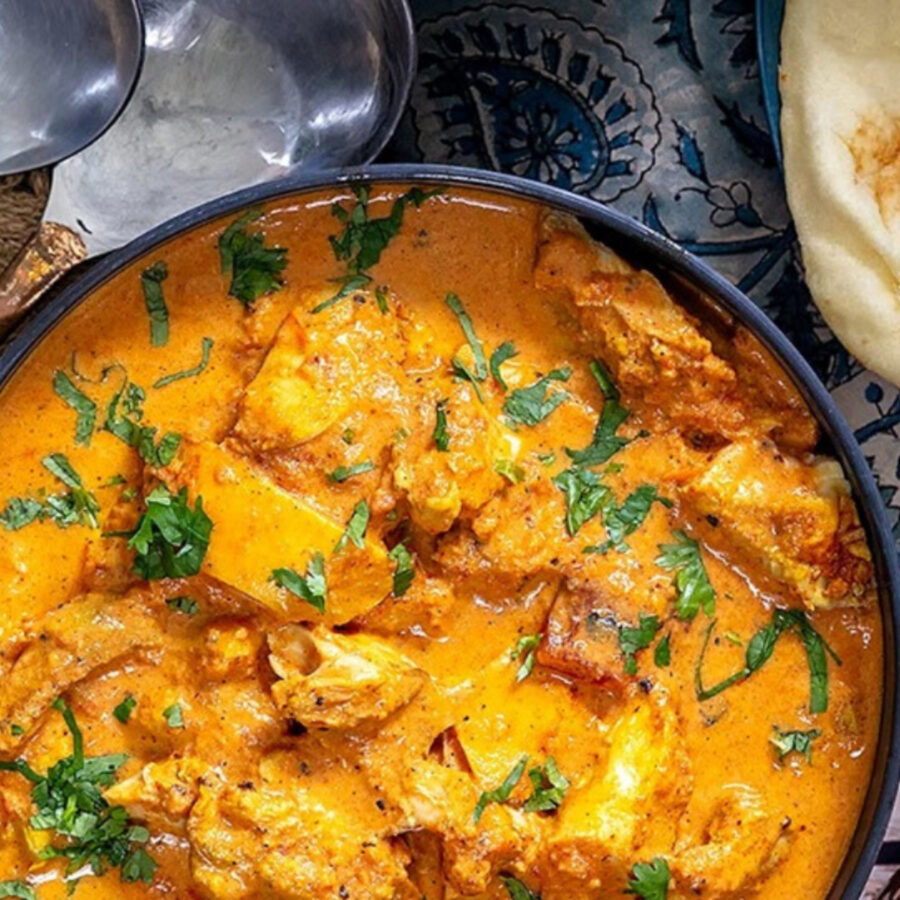
My Instant Pot Butter Chicken recipe is one of the most popular recipes on Twosleevers and an excellent introduction to creating big Indian flavor without an unnecessarily complicated cooking process.
Chicken Tikka Masala
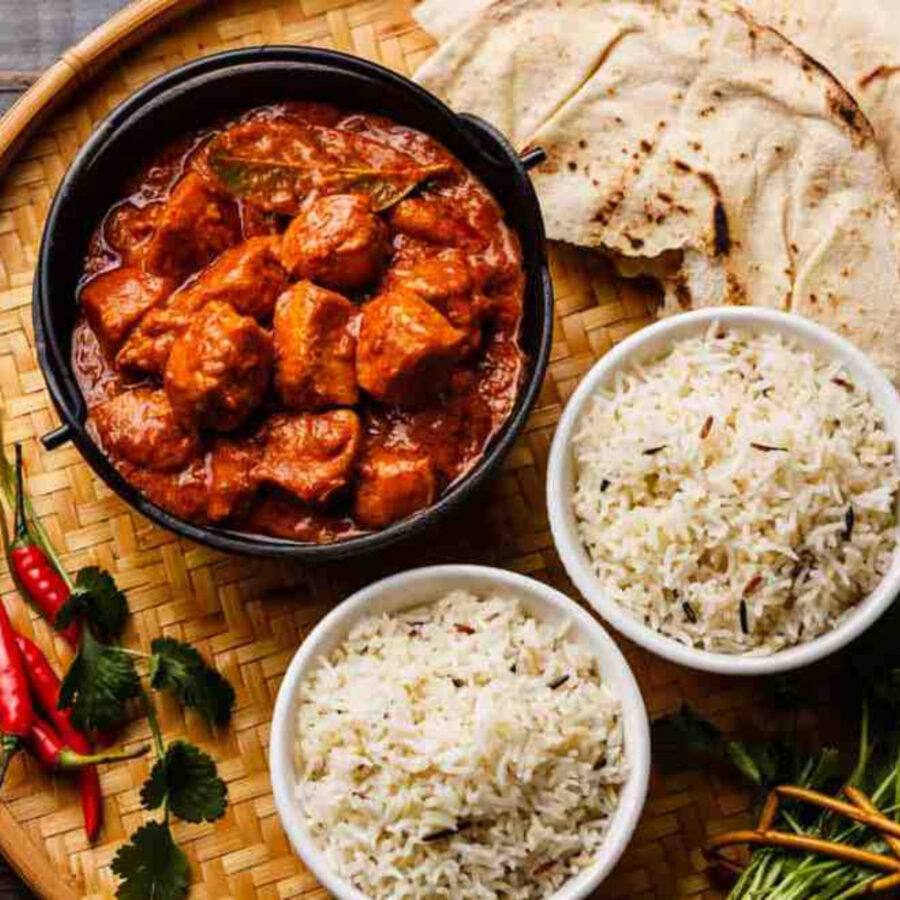
Make Instant Pot Chicken Tikka Masala to practice using turmeric, cayenne, cumin, and garam masala together in one dish.
Paneer Tikka
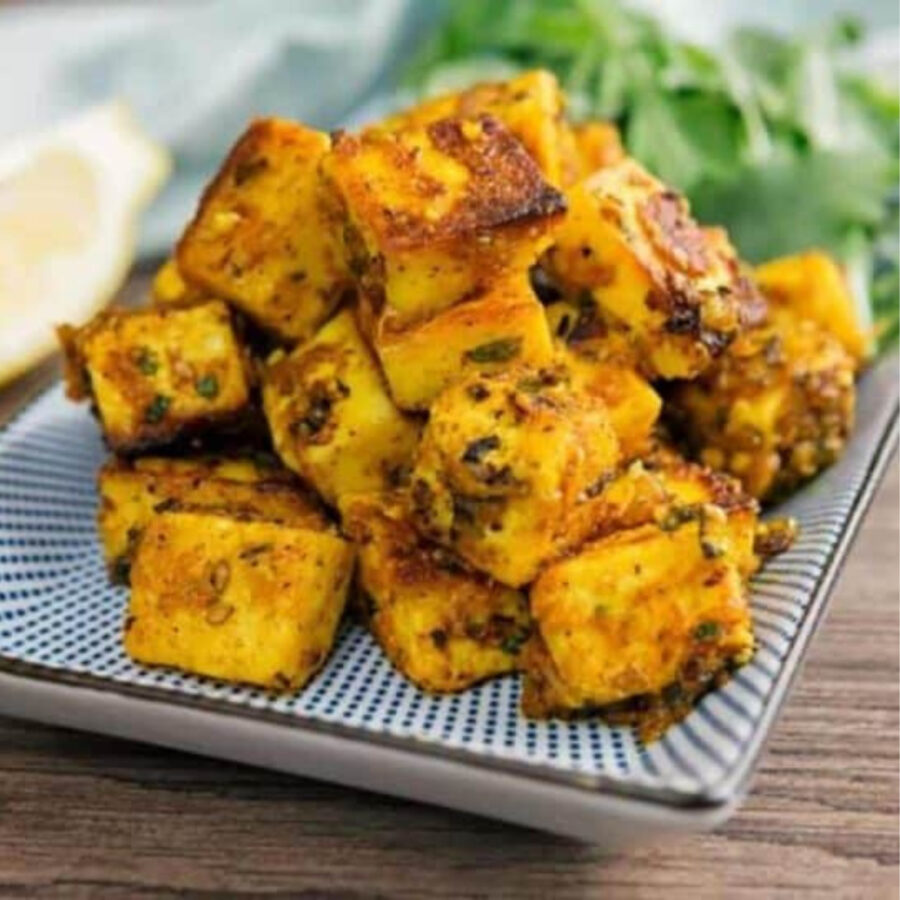
For a vegetarian option, Paneer Tikka combines garam masala, turmeric, cumin, coriander, and cayenne in one beginner-friendly marinade.
Rice And Dal
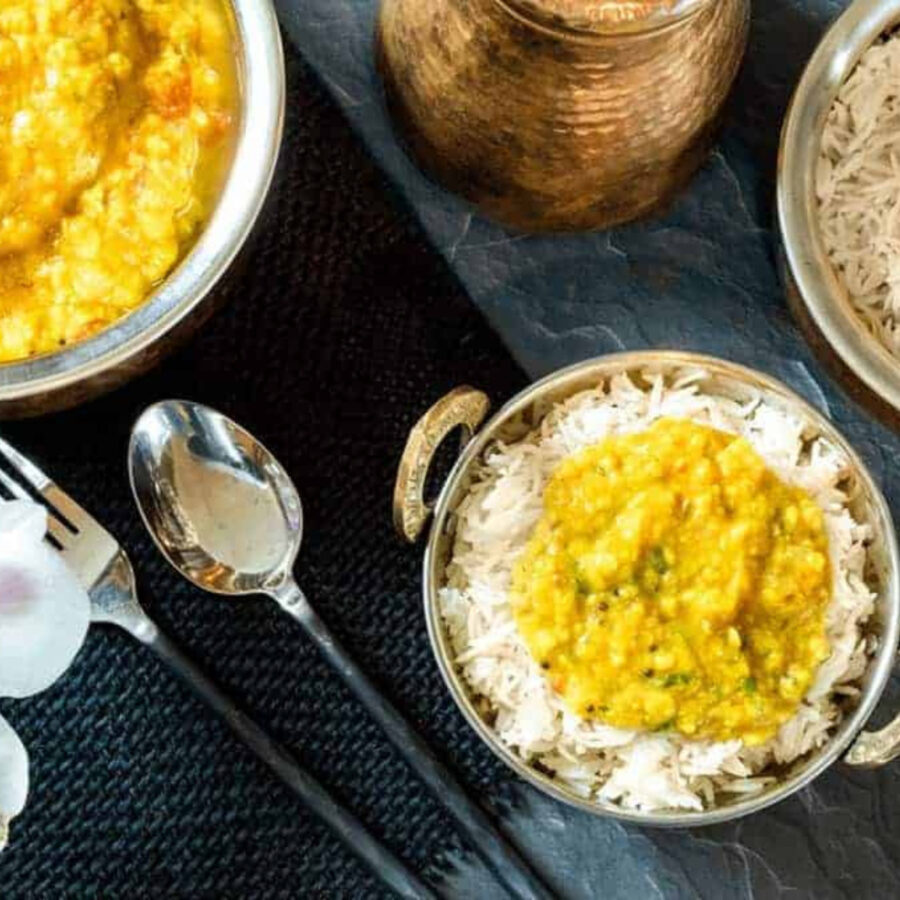
If you want to understand how Indian home cooking uses spices rather than simply making restaurant-style curries, start with Pressure Cooker Rice and Dal.
It demonstrates cumin seeds, mustard seeds, turmeric, ghee, ginger, and garlic in a simple comfort-food dish.
Chicken Korma
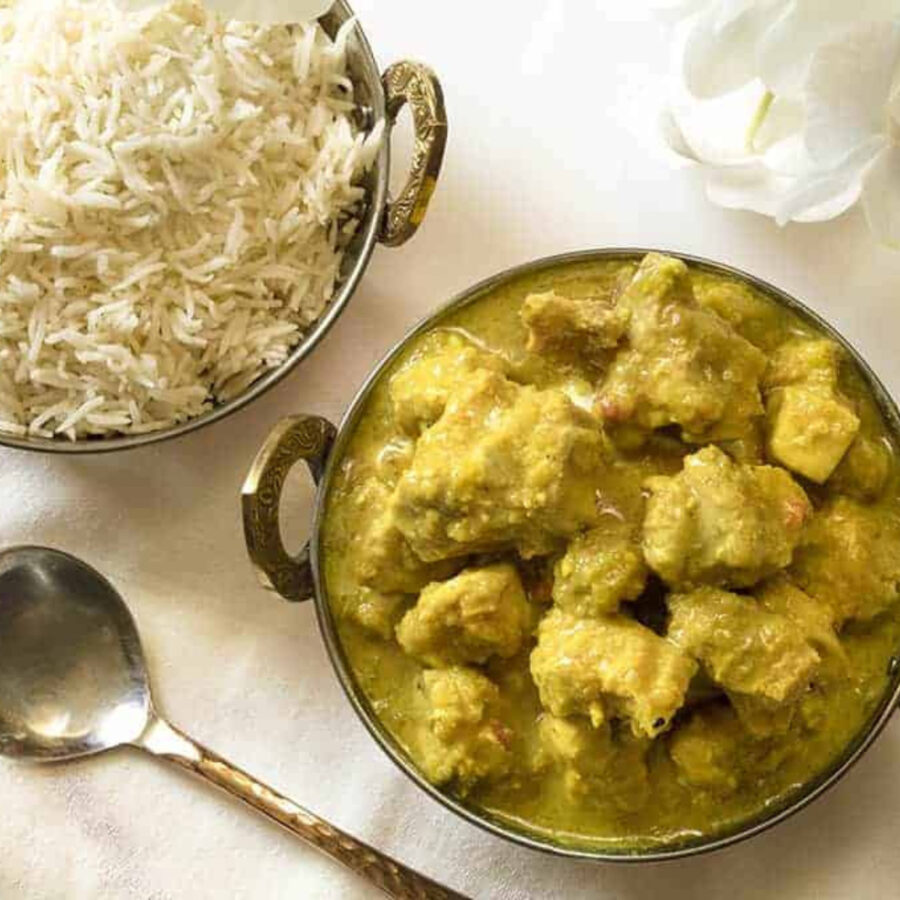
Once you are comfortable with the basics, try easy Chicken Korma for another style of Indian curry.
Chicken Vindaloo
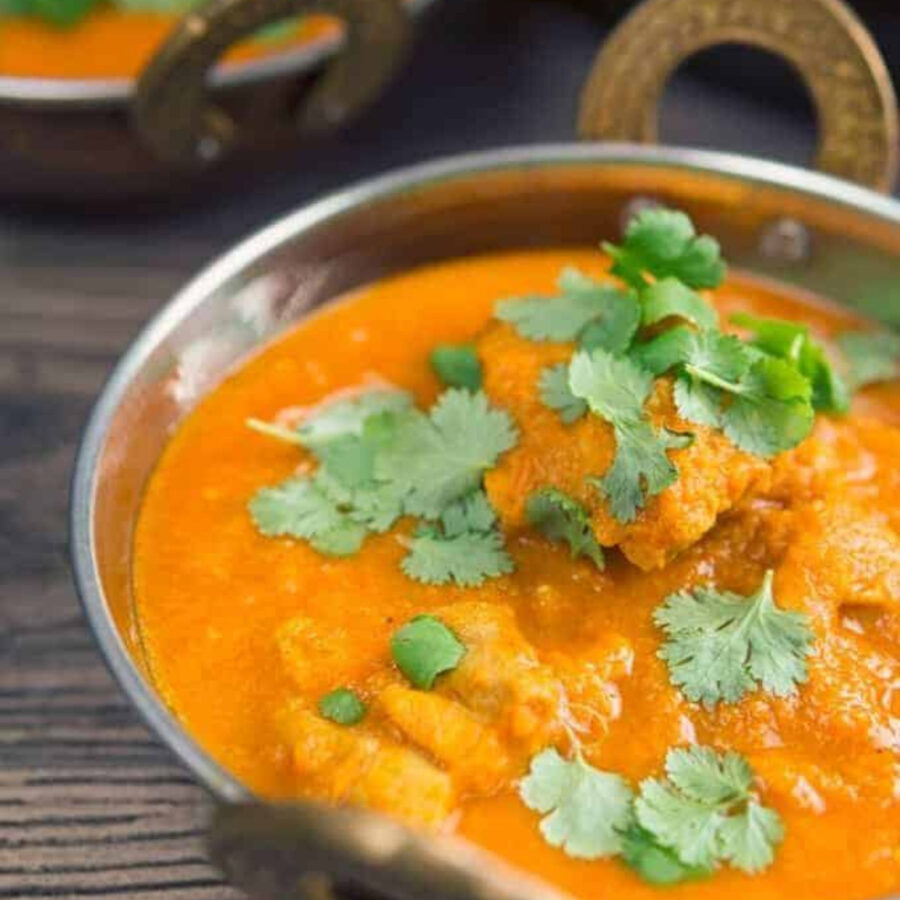
If you like bolder flavors and more heat, Instant Pot Chicken Vindaloo is an excellent next step.
Chicken Biryani
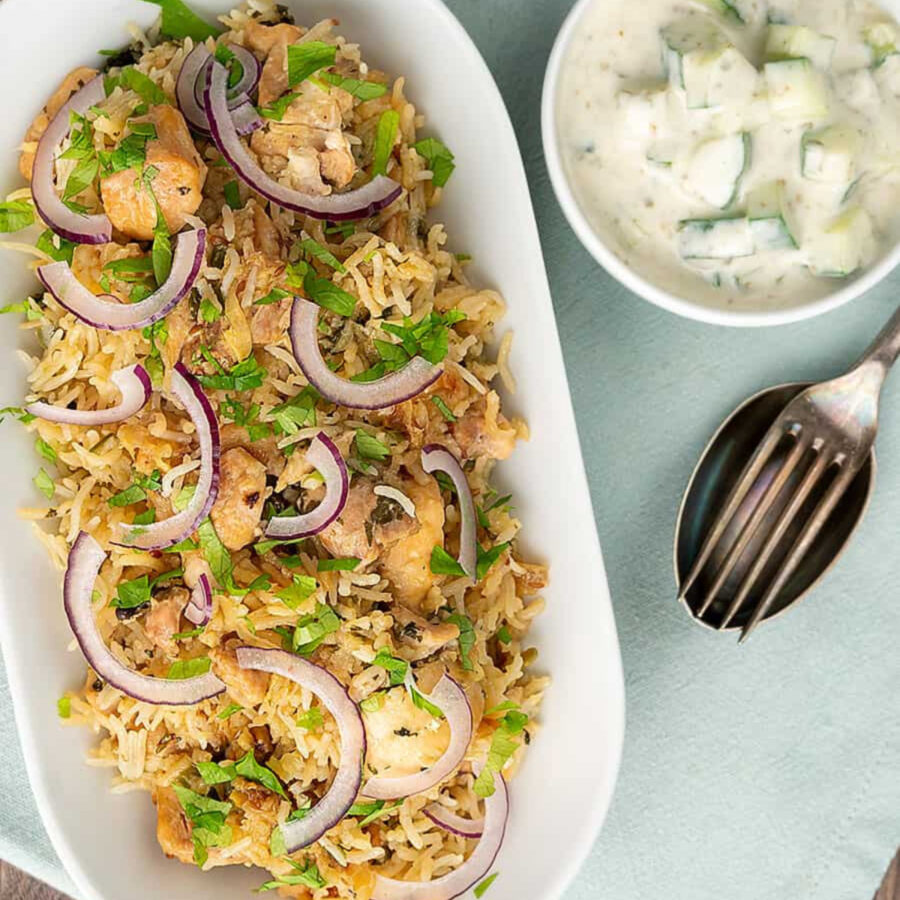
Ready to put those whole spices to work? Try my Instant Pot Chicken Biryani.
Biryani is a great way to learn how aromatic spices can season rice as well as meat.
Palak Paneer
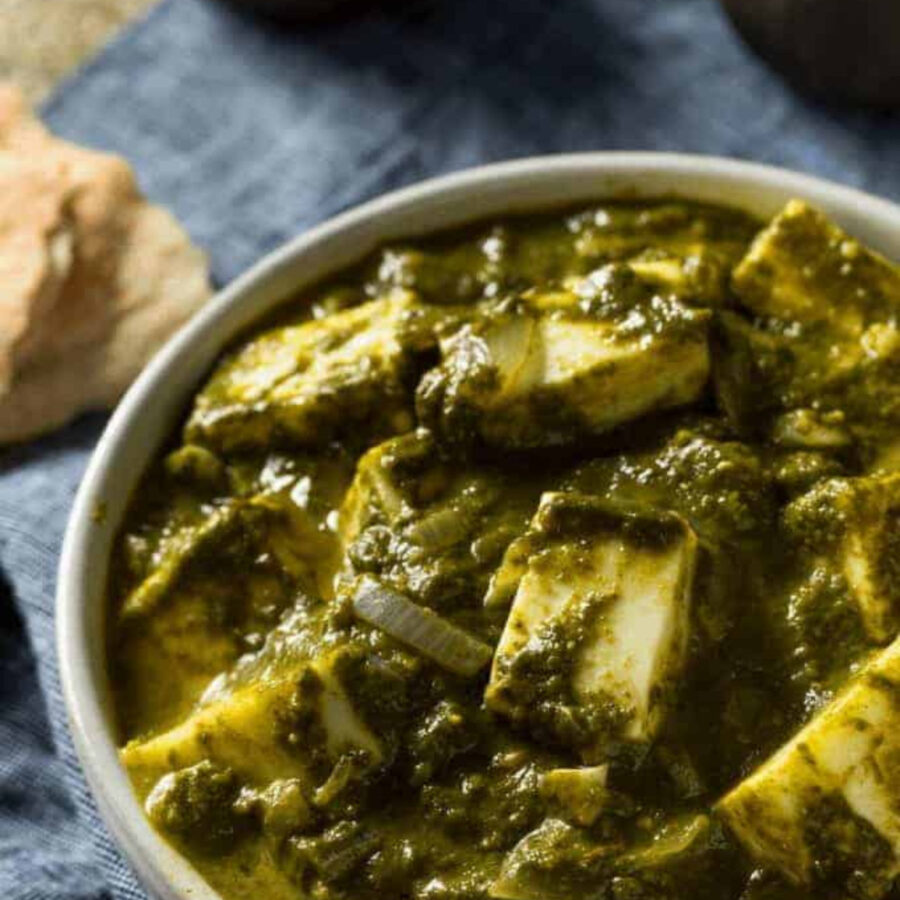
For another vegetarian dinner, try Palak Paneer.
Rajma
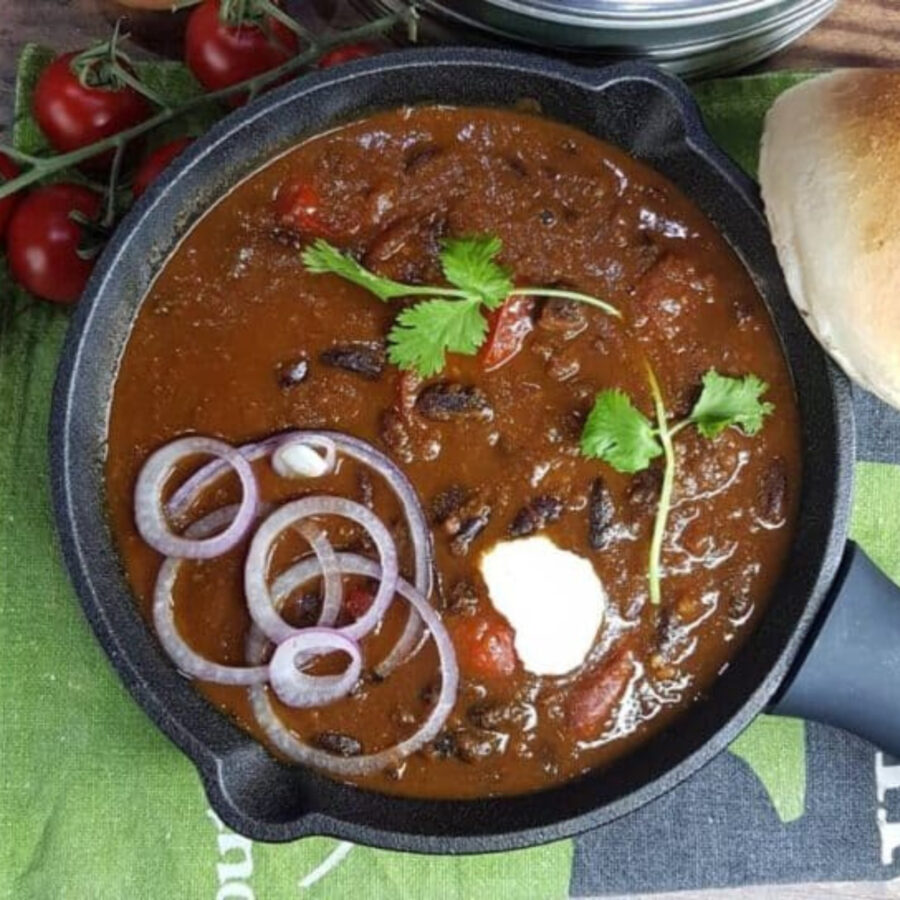
Beans are another major part of Indian home cooking. My Instant Pot Rajma is a comforting kidney bean curry and an excellent way to practice layering Indian flavors.
And if you want many more ideas, browse all of my Indian recipes for beginners and experienced cooks or explore the Indian recipe index.
How To Store Indian Spices
Spices last longest when protected from heat, moisture, air, and light.
For the best flavor:
- Store spices in airtight containers.
- Keep them away from the stove if the area becomes hot.
- Buy smaller quantities instead of huge containers you will keep for years.
- Label jars with the purchase date.
- Buy whole spices when practical.
- Grind only as much as you need.
- Smell your spices before using them. If they have very little aroma, they probably will not contribute much flavor either.
A dedicated spice grinder makes freshly ground spice blends much easier.
Beginner Indian Spice Shopping List
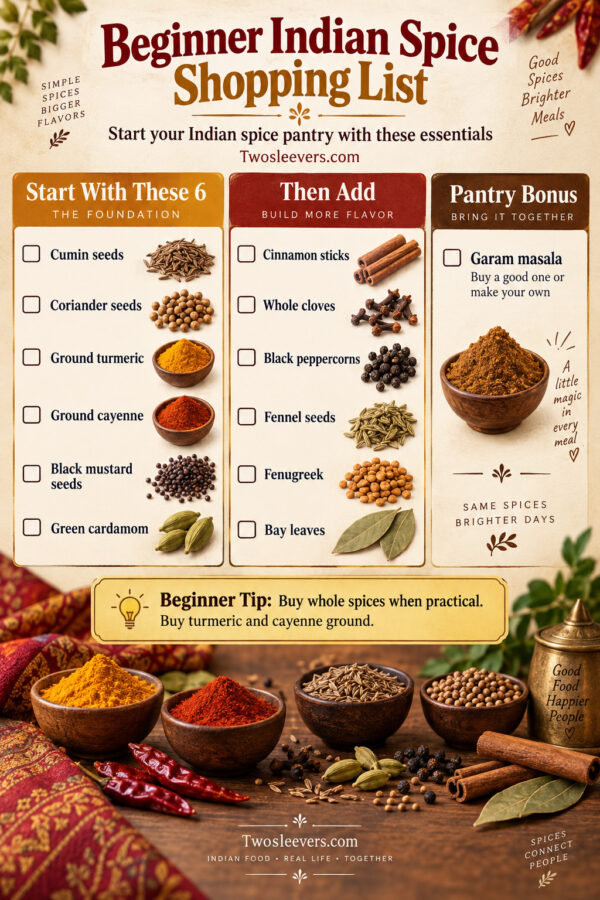
If you do not want to buy everything at once, start with these six:
- Cumin seeds
- Coriander seeds
- Ground turmeric
- Ground cayenne
- Black mustard seeds
- Green cardamom
Then add:
- Cinnamon sticks
- Whole cloves
- Black peppercorns
- Fennel seeds
- Fenugreek
- Bay leaves
Finally, either buy a good garam masala or make my easy homemade garam masala.
You do not need a cabinet containing 50 spices to make delicious Indian food. You simply need a handful of good-quality spices and an understanding of how to use them.
Build Your Indian Pantry One Spice At A Time
Indian cooking becomes much less intimidating once you stop thinking of the spice cabinet as a collection of mysterious ingredients.
Cumin adds earthiness. Coriander brings brightness. Turmeric adds color and warmth. Mustard seeds become nutty when tempered. Cardamom adds fragrance. Cinnamon and cloves provide warmth. Cayenne lets you control the heat.
Once you understand what each spice contributes, you can begin recognizing the same ingredients across dozens of recipes.
Start small, buy fresh spices, learn how to bloom them properly, and taste as you cook.
Then put that new spice pantry to work with more than 120 easy Indian recipes on Twosleevers.
Before long, those jars that once looked confusing will become some of the hardest-working ingredients in your kitchen.




https://lighteracorporation.com/как-бизнесу-выбирать-ручной-инструме/
Отличная запись, буквально позавчера исследовал по
данному теме.