
This Indian Spice Substitutions Guide explains what to use when you are missing cumin, coriander, turmeric, cardamom, mustard seeds, fenugreek, Kashmiri chile powder, curry leaves, garam masala, and other common Indian spices. Learn which replacements work, how much to use, and when it is better to omit an ingredient than choose a substitute that changes the entire dish.
You start cooking an Indian recipe, open the spice cabinet, and realize you are missing one ingredient. Do you stop cooking, leave it out, or replace it with something else?
The answer depends on the spice.
Some Indian spice substitutions are easy. Brown mustard seeds can often replace black mustard seeds, and lemon juice can provide the acidity you wanted from amchur. Other ingredients have such a distinctive flavor that there is no true replacement. Curry leaves, black cardamom, asafoetida, and dried fenugreek leaves fall into that category.
Use this guide to find the closest practical swap while understanding how it will change the finished dish.
Why You'll Love This Indian Spice Guide
- Practical. Find quick substitutions for common Indian spices and seasonings.
- Honest. Learn when a replacement is close and when it only serves a similar purpose.
- Beginner-Friendly. Understand the flavor each spice contributes before replacing it.
- Flexible. Adjust recipes around the spices already in your pantry.
- Helpful. Avoid swaps that can make curry bitter, muddy, overly hot, or unexpectedly sweet.
If you are building your pantry from the beginning, start with these 12 Essential Indian Spices instead of buying every specialty ingredient at once.
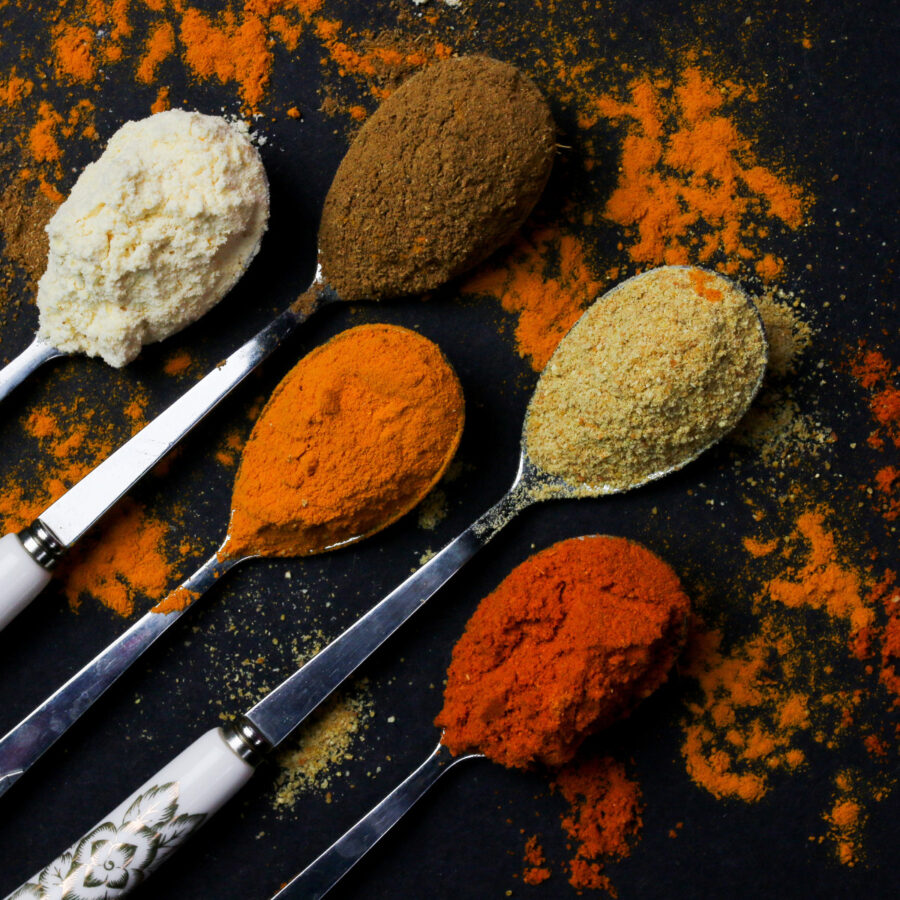
Quick Indian Spice Substitution Chart
Use these quantities as starting points. Taste and adjust when possible because spice freshness, grind, and heat level vary significantly.
| Missing Ingredient | Practical Substitute | Starting Amount | Important Note |
|---|---|---|---|
| Cumin seeds | Ground cumin | ¾ teaspoon for 1 teaspoon seeds | Add with ground spices, not during seed tempering |
| Ground cumin | Ground coriander plus a pinch of chili powder | Use slightly less than the cumin amount | Similar earthy role, but not the same flavor |
| Coriander seeds | Ground coriander | ¾ teaspoon for 1 teaspoon seeds | Do not use if whole seeds are needed for texture |
| Turmeric | Mild curry powder | Start with half the amount | Changes the flavor because curry powder is a blend |
| Green cardamom | Cinnamon plus a tiny pinch of clove | Start with half the total quantity | Warmer and less floral than cardamom |
| Black cardamom | Smoked paprika plus a pinch of green cardamom | Use sparingly | Provides smoke and aroma, but is not an exact match |
| Black mustard seeds | Brown mustard seeds | Use 1:1 | Very similar for tempering |
| Black mustard seeds | Yellow mustard seeds | Use 1:1 | Milder, so the flavor will be less pungent |
| Kashmiri chile powder | Sweet paprika plus cayenne | ¾ paprika and ¼ cayenne | Adjust cayenne for heat |
| Dried red chile | Red pepper flakes | Start with half as much | Flakes release heat quickly |
| Amchur powder | Lemon or lime juice | Add to taste near the end | Replaces acidity, not the dry fruity flavor |
| Tamarind | Lemon or lime juice plus a small pinch of brown sugar | Add gradually | Useful for sweet-sour balance, but not identical |
| Kasuri methi | Small pinch of ground fenugreek | Use very sparingly | Ground seeds are much more bitter than dried leaves |
| Asafoetida | Garlic and onion powder | Small pinch of each | Not suitable for diets that avoid garlic and onion |
| Ajwain | Dried thyme plus a pinch of cumin | Start with half as much | Similar herbal impression, not a direct replacement |
| Fennel seeds | Anise seeds | Use about half as much | Anise is usually stronger and more licorice-like |
| Indian bay leaf | Standard bay leaf | Use 1:1 | Standard bay tastes more herbal and less cinnamon-like |
| Curry leaves | No exact substitute | Omit or use a little lime zest | Lime zest supplies brightness but not curry leaf flavor |
| Garam masala | Cumin, coriander, cinnamon, cardamom, and clove | See formula below | Curry powder is not a direct substitute |
| Chaat masala | Amchur, cumin, salt, and a tiny pinch of pepper | Blend to taste | Missing the sulfurous complexity of black salt |
Before You Substitute An Indian Spice
Ask four questions before reaching for another jar.
What Does The Spice Do?
A spice may provide heat, aroma, color, acidity, bitterness, sweetness, smokiness, or texture. The best substitute replaces the ingredient's primary job in that specific recipe.
For example, lemon juice can replace the acidity of amchur, but it does not reproduce amchur's dry, fruity taste. Paprika can replace some of the red color of Kashmiri chile, but it may not provide enough heat.
Is It Whole Or Ground?
Whole and ground spices behave differently. Whole spices are often bloomed in oil to perfume the dish. Ground spices disperse into the sauce and can burn quickly in hot fat.
If you replace cumin seeds with ground cumin, do not add the ground spice to very hot oil at the same moment the recipe would have added seeds. Add it later with the other ground seasonings and a little moisture.
Read this guide to blooming and tempering Indian spices before changing the form of a spice.
Is It A Main Flavor Or A Background Note?
Substitution is easier when the missing spice appears in a long ingredient list and contributes only a small background note.
If the ingredient defines the dish, changing it can create a fundamentally different result. A recipe built around mustard seeds, black cardamom, or fenugreek will be more sensitive than one containing a tiny pinch.
Can You Simply Omit It?
Sometimes omission is the best choice. Adding a strong but unrelated flavor may do more damage than leaving out one minor seasoning.
Make one change at a time, use a conservative amount, and taste before adding more.
Cumin Substitutes
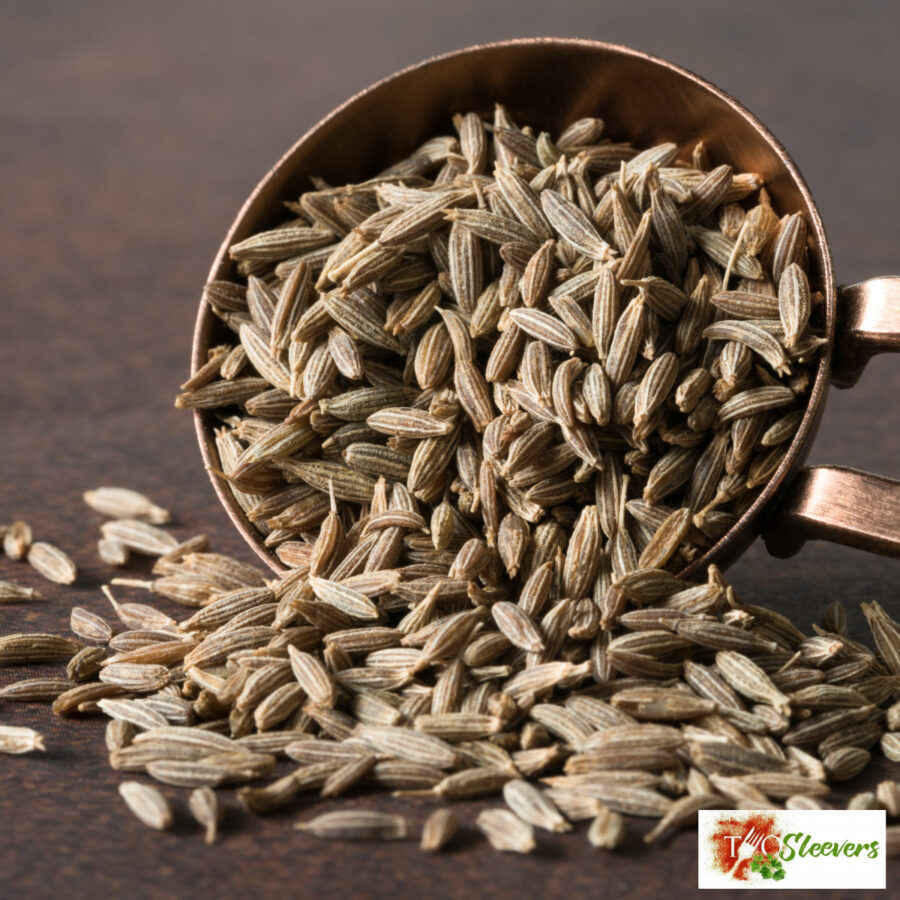
Cumin tastes earthy, warm, nutty, and slightly smoky. Indian recipes use both whole cumin seeds and ground cumin.
Substitute For Cumin Seeds
For 1 teaspoon cumin seeds, use approximately ¾ teaspoon ground cumin. Add it with the other ground spices instead of placing it directly into very hot oil.
If you need whole seeds for a tempering step, caraway seeds can provide an earthy aroma, but they taste more herbal and sharp. Use about half as much and expect a noticeable difference.
Substitute For Ground Cumin
There is no exact substitute for ground cumin. Ground coriander can provide earthy citrus notes, while a small pinch of chili powder or smoked paprika can add warmth.
Start with less than the amount of cumin requested. Do not use taco seasoning unless its garlic, oregano, salt, and chile flavors fit the recipe.
Coriander Substitutes
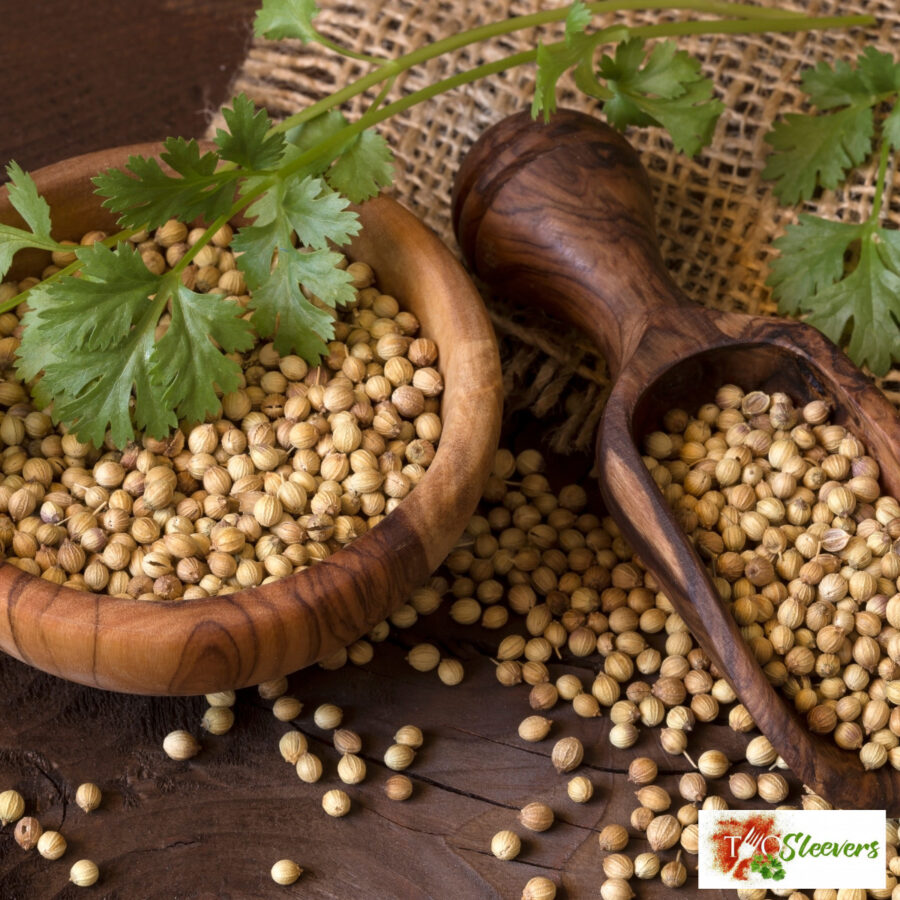
Coriander seed has a warm, earthy, lightly citrusy flavor. It is not the same as fresh cilantro leaves, even though both come from the same plant.
Substitute For Coriander Seeds
Replace 1 teaspoon coriander seeds with approximately ¾ teaspoon ground coriander. Add the ground spice later in the cooking process so it does not burn.
Substitute For Ground Coriander
Use a smaller amount of ground cumin combined with a little lemon zest. This replaces some earthiness and citrus, but the dish will taste more cumin-forward.
Do not replace ground coriander with fresh cilantro in equal quantities. Fresh cilantro works better as an additional garnish than as a substitute for the spice.
Turmeric Substitutes
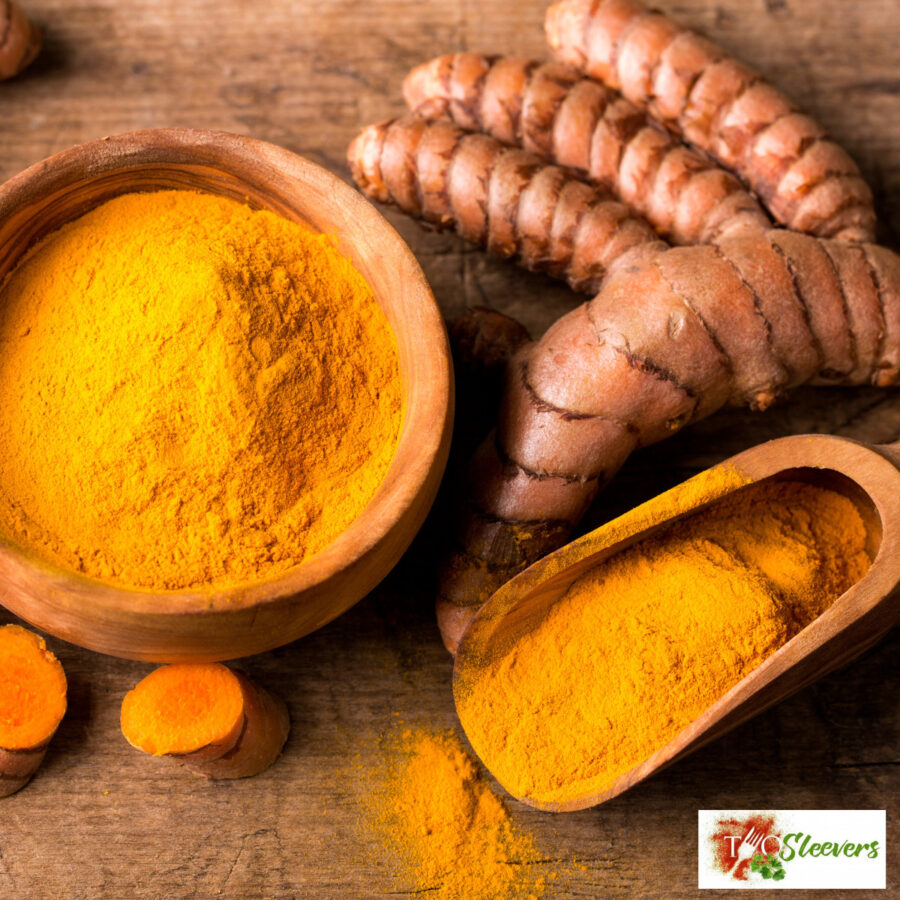
Turmeric contributes golden color, earthiness, and a mild bitterness. No single spice duplicates all three.
Can You Use Curry Powder Instead Of Turmeric?
You can use mild curry powder in an emergency, but it will add several flavors beyond turmeric. Start with half the amount and decide whether the blend works with the dish.
Can You Use Saffron Instead Of Turmeric?
Saffron can provide golden color, but its floral flavor is entirely different and it is much more expensive. Use it only when that flavor belongs in the recipe, not as a routine turmeric replacement.
If turmeric is a small background ingredient, leaving it out may be better than using an unrelated seasoning.
Cardamom Substitutes
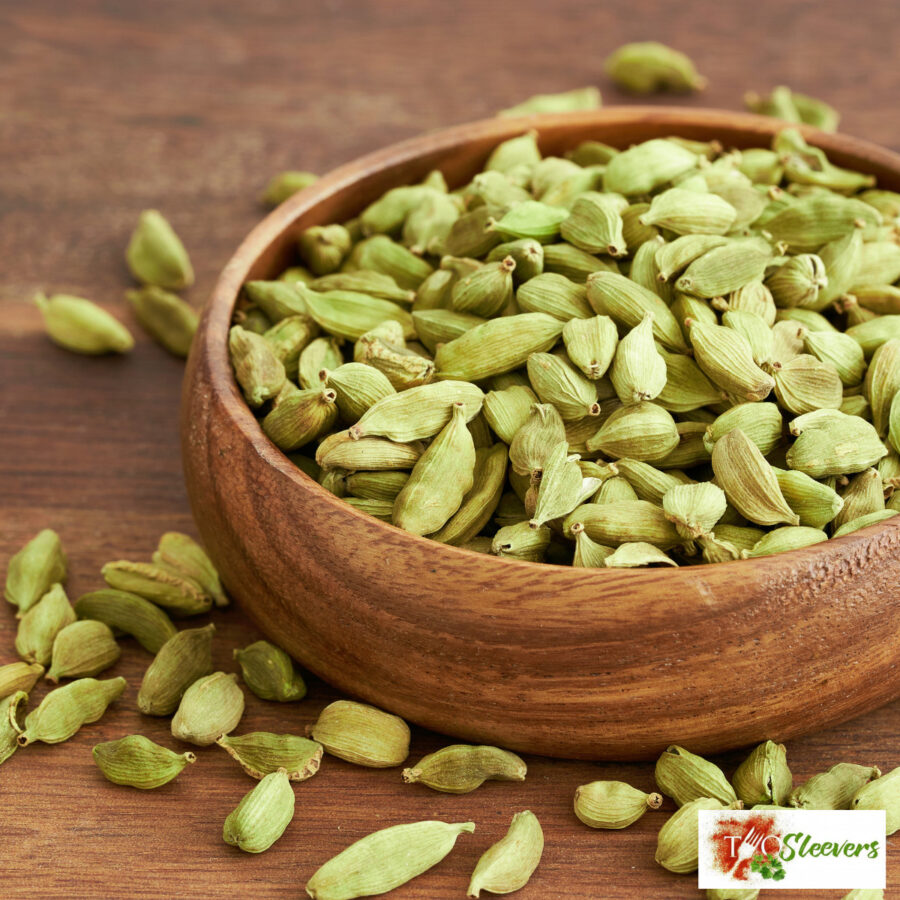
Black and green cardamom are not interchangeable.
Green Cardamom Substitute
Green cardamom tastes floral, citrusy, sweet, and gently eucalyptus-like. For a small amount, combine cinnamon with a tiny pinch of clove or nutmeg.
Start with about half the total quantity requested because cloves can quickly overpower a dish. This works best in a recipe with several other spices, not in cardamom tea, cardamom desserts, or a dish where cardamom is the main flavor.
Black Cardamom Substitute
Black cardamom tastes smoky, resinous, and savory. Green cardamom alone is not a good replacement.
For a savory curry, try a small pinch of smoked paprika plus a little green cardamom. The paprika supplies smoke while the green cardamom adds aroma. Use both conservatively.
If black cardamom defines the dish, wait until you can obtain it.
Mustard Seed Substitutes
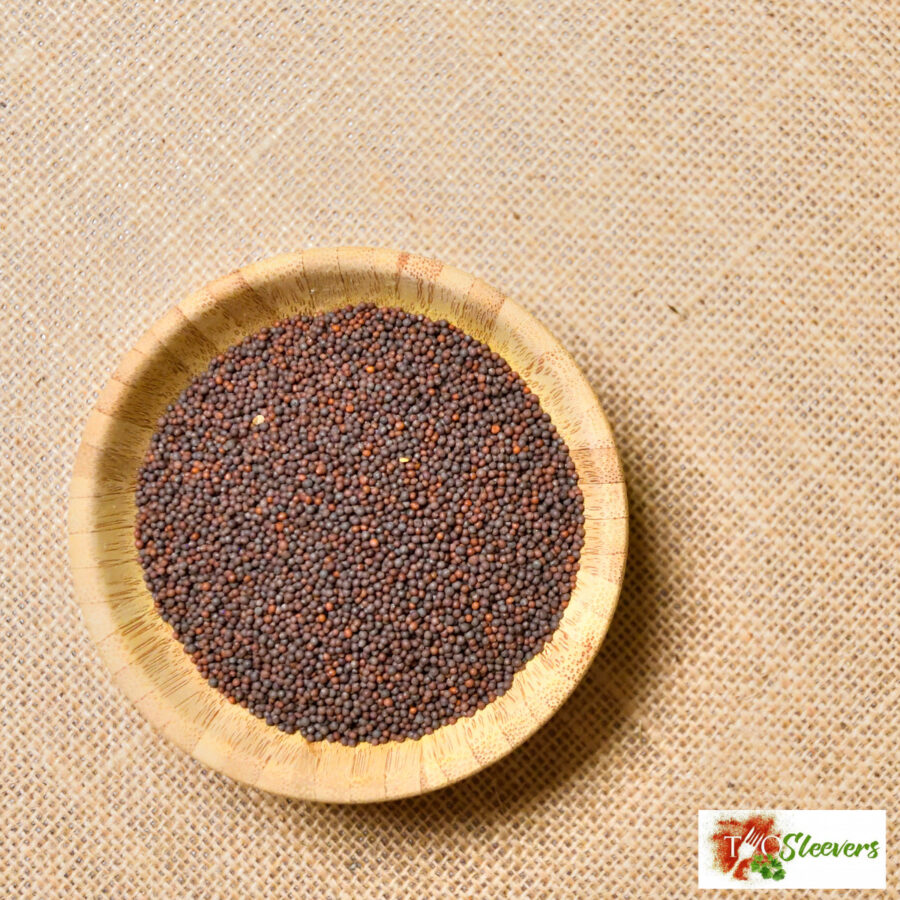
Indian recipes commonly use black, brown, or yellow mustard seeds. Black mustard seeds are pungent and frequently added to hot oil until they begin to pop.
Brown Mustard Seeds
Brown mustard seeds are the closest practical substitute for black mustard seeds. Use the same quantity.
Yellow Mustard Seeds
Yellow mustard seeds are milder but can still work for tempering. Use the same quantity and expect less pungency.
Ground Mustard
Ground mustard can add mustard flavor to a sauce, but it cannot replace the texture or popping behavior of whole seeds. Do not add ground mustard directly to very hot oil. Stir a small amount into the sauce with other ground spices.
Prepared yellow or Dijon mustard should only be used when its vinegar, salt, and moisture fit the recipe.
Kashmiri Chile Powder Substitutes
Kashmiri chile powder is valued for its vivid red color and moderate heat. It is usually milder and more colorful than cayenne pepper.
For 1 teaspoon Kashmiri chile powder, start with:
- ¾ teaspoon sweet paprika
- ¼ teaspoon cayenne pepper
Reduce the cayenne for a mild dish or increase it carefully for more heat. Hot paprika may replace both ingredients, but brands vary widely.
Do not use 1 teaspoon of cayenne as a one-for-one replacement unless you want a much hotter result.
Dried Red Chile Substitutes
Whole dried red chiles add heat, aroma, and sometimes smokiness. Their intensity depends heavily on the variety.
Use red pepper flakes when whole dried chiles are unavailable. Begin with approximately half the amount because flakes expose more surface area and release heat quickly.
Cayenne can also work, but add it with ground spices rather than trying to temper it like a whole chile.
For mild color, use paprika. For smoky flavor, use smoked paprika in a small amount.
Fenugreek Substitutes
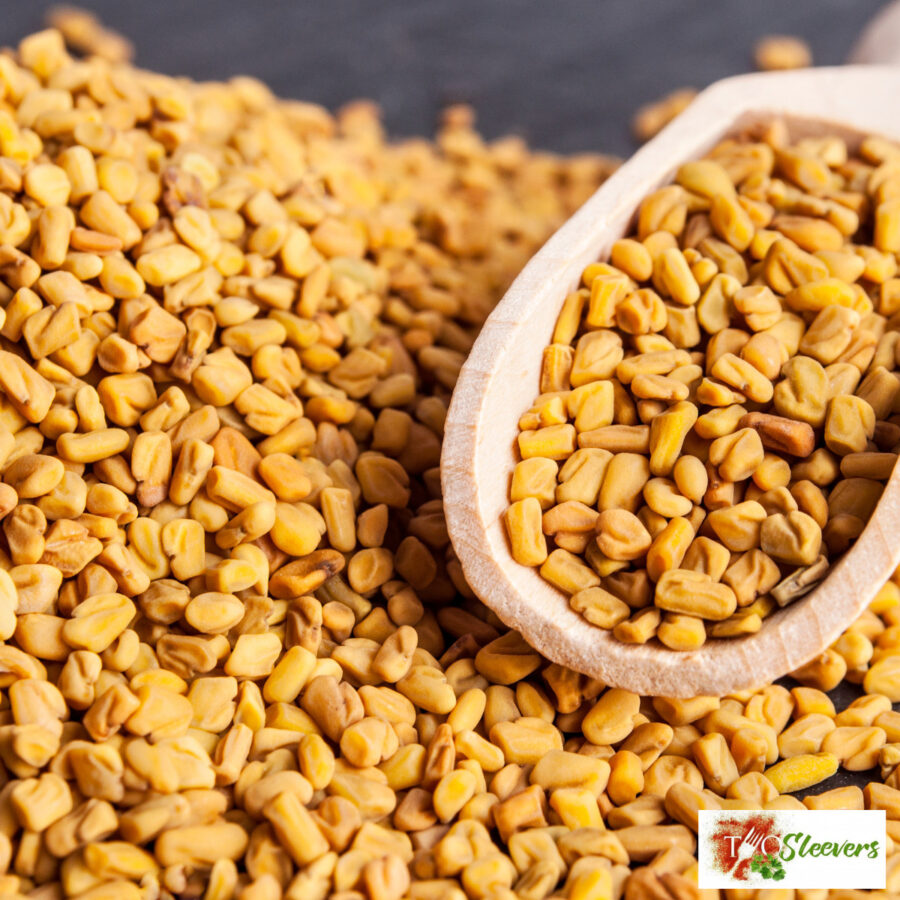
Indian cooking uses both fenugreek seeds and dried fenugreek leaves, called kasuri methi. They are related, but they are not interchangeable in equal quantities.
Fenugreek Seed Substitute
Fenugreek seeds taste bitter, nutty, and slightly maple-like. A tiny amount of mustard seed plus fennel seed can provide bitterness and sweetness, but it will not taste the same.
If the recipe uses only a small pinch, omission may be the safest option.
Kasuri Methi Substitute
Dried fenugreek leaves have a distinctive savory, herbal aroma. There is no exact replacement.
You can use a very small pinch of ground fenugreek seed, but it is much more bitter. Add less than you think you need. Celery leaves can provide an herbal note but not the characteristic fenugreek flavor.
Do not replace a tablespoon of dried fenugreek leaves with a tablespoon of ground fenugreek seeds.
Asafoetida Substitute
Asafoetida, also called hing, has a strong aroma when raw but becomes savory and onion-like when cooked in fat. It is frequently used in lentil dishes, vegetable recipes, and cooking traditions that avoid onion and garlic.
For recipes that permit onion and garlic, use a small pinch of garlic powder and onion powder. Add them with ground spices rather than trying to fry them exactly like hing.
If the recipe avoids onion and garlic for religious or dietary reasons, there is no close pantry substitute. Omit the hing rather than adding ingredients that conflict with the recipe's purpose.
Curry Leaf Substitutes
Fresh curry leaves have a citrusy, savory, nutty aroma that is difficult to reproduce. They do not taste like curry powder.
There is no true curry leaf substitute. A little lime zest can add brightness, but it does not recreate the flavor. Makrut lime leaves and basil also taste different and can pull the dish toward another cuisine.
If curry leaves are only a minor background ingredient, omit them. If the dish is built around a curry leaf tempering, use fresh or frozen curry leaves for the intended result.
Indian Bay Leaf Substitutes
Indian bay leaf, or tej patta, is different from the Mediterranean bay leaf commonly sold in American grocery stores. This variation of bay has a warmer aroma with cinnamon-like notes, while standard bay tastes more herbal and eucalyptus-like.
Use one standard bay leaf for one Indian bay leaf when necessary. For a closer aromatic effect, add a very small piece of cinnamon stick as well.
Remove bay leaves and cinnamon sticks before serving.
Ajwain Substitutes
Ajwain, also called carom seed, tastes pungent, herbal, and thyme-like. It is often used in breads, fried snacks, legumes, and dishes that benefit from its assertive flavor.
Use dried thyme with a tiny pinch of cumin as an emergency substitute. Start with half the total quantity and adjust carefully.
Caraway seed can also provide pungency, but its flavor leans toward anise and rye bread.
Fennel Seed Substitutes
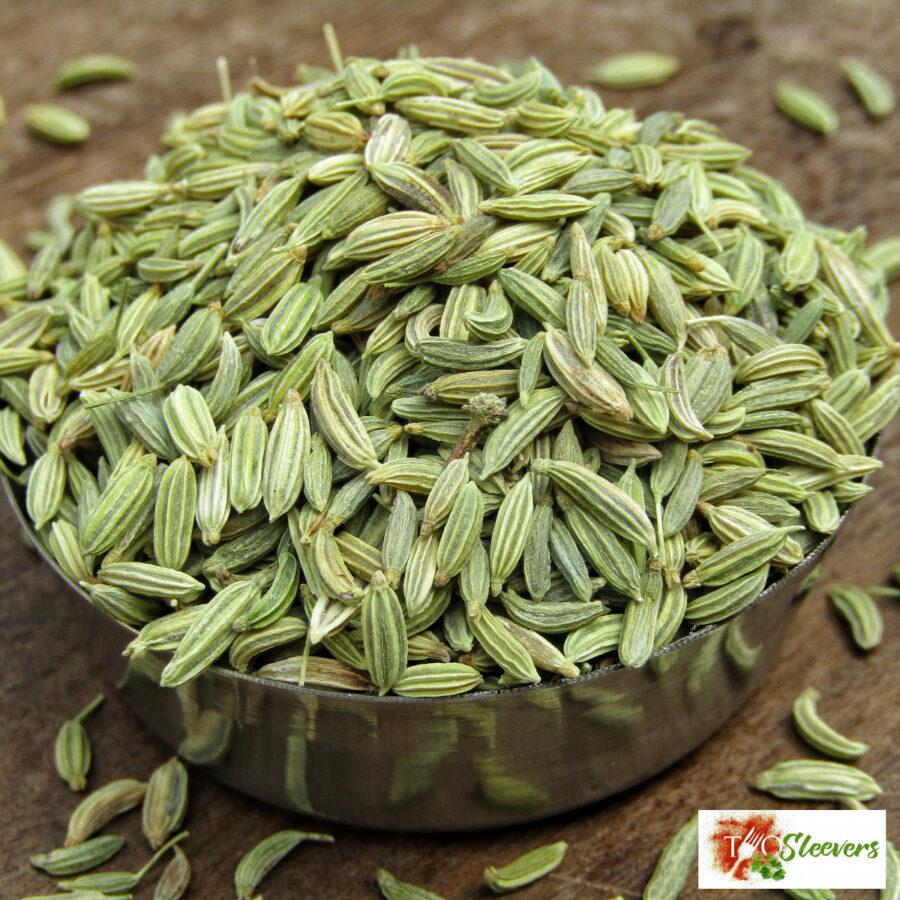
Fennel seed tastes sweet, aromatic, and lightly licorice-like.
Anise seed is the closest common substitute, but it is often stronger. Use approximately half as much. Caraway can work in a savory dish, though it tastes earthier and less sweet.
Do not confuse fennel seeds with ground fenugreek. Their flavors are very different.
Clove Substitutes
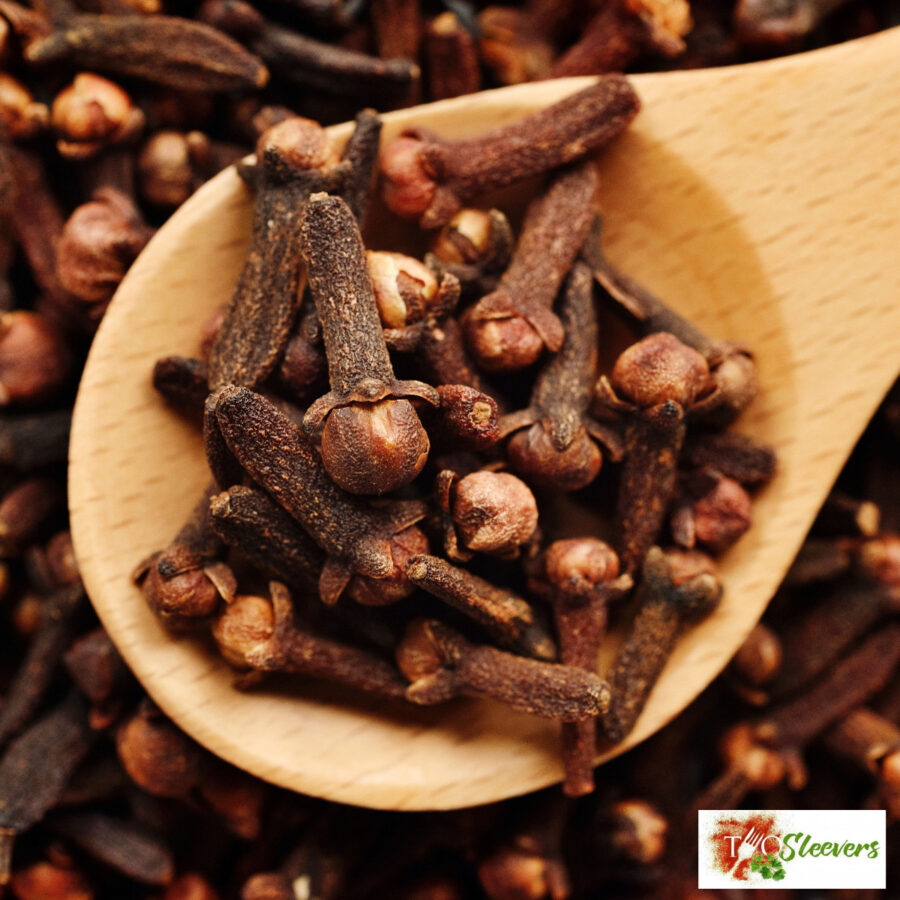
Cloves are intensely warm, sweet, and numbing. Use allspice as the closest easy substitute. Ground cinnamon plus a tiny pinch of nutmeg can also work.
Start with less than the amount requested. Too much clove or allspice can dominate every other flavor.
If replacing whole cloves with ground cloves, add the ground spice later and use it sparingly.
Cinnamon And Cassia Substitutes
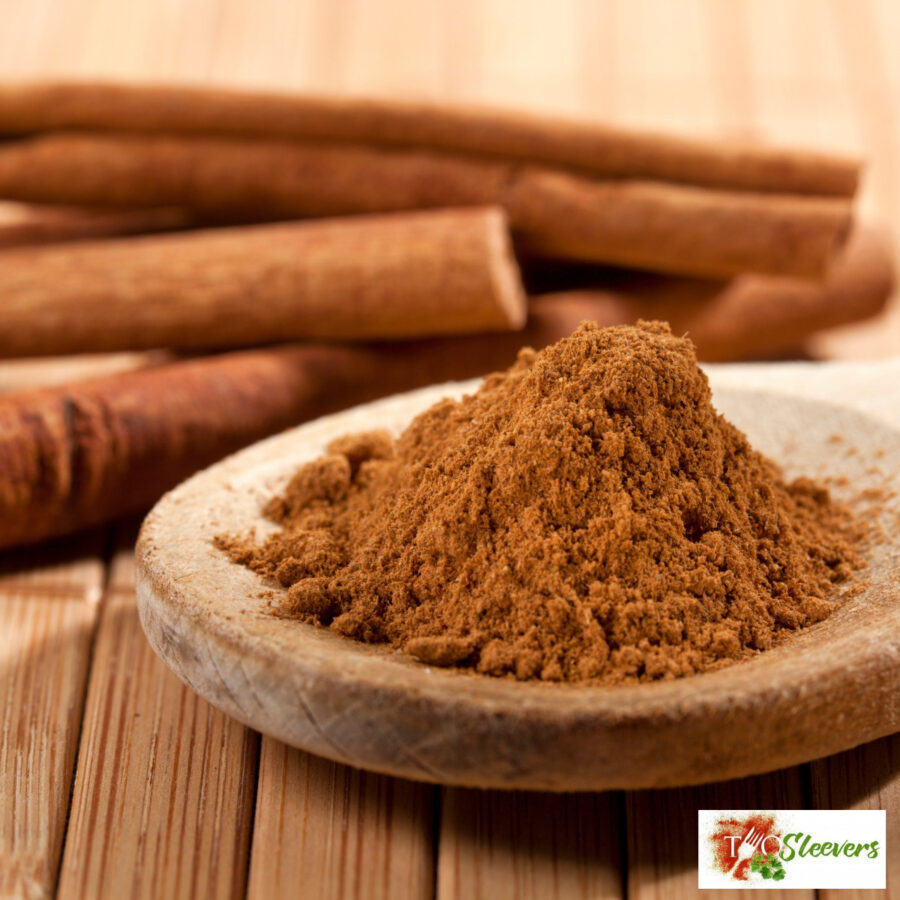
Indian recipes may use cassia bark rather than delicate Ceylon cinnamon. Cassia has a stronger, hotter flavor and a thicker bark.
Standard ground cinnamon can replace a small piece of cinnamon stick in a sauce, but add it with the ground spices and start with a small amount. The powder will remain in the dish instead of being removed later.
Allspice can contribute warmth in a pinch, but it does not taste exactly like cinnamon.
Amchur Powder Substitutes
Amchur is dried green mango powder. It contributes tartness without adding liquid, which makes it particularly useful in dry vegetable dishes, snacks, marinades, and chaat.
Lemon Or Lime Juice
Add lemon or lime juice near the end of cooking. Begin with a small amount, taste, and add more as needed. This replaces acidity but also adds moisture.
Tamarind
A small amount of tamarind can add fruity tartness, but it is darker and more intense. Dilute concentrated tamarind and add it gradually.
Anardana
Ground dried pomegranate seeds provide fruity acidity and work especially well in some North Indian dishes. The flavor is deeper and less sharply sour than amchur.
Tamarind Substitutes
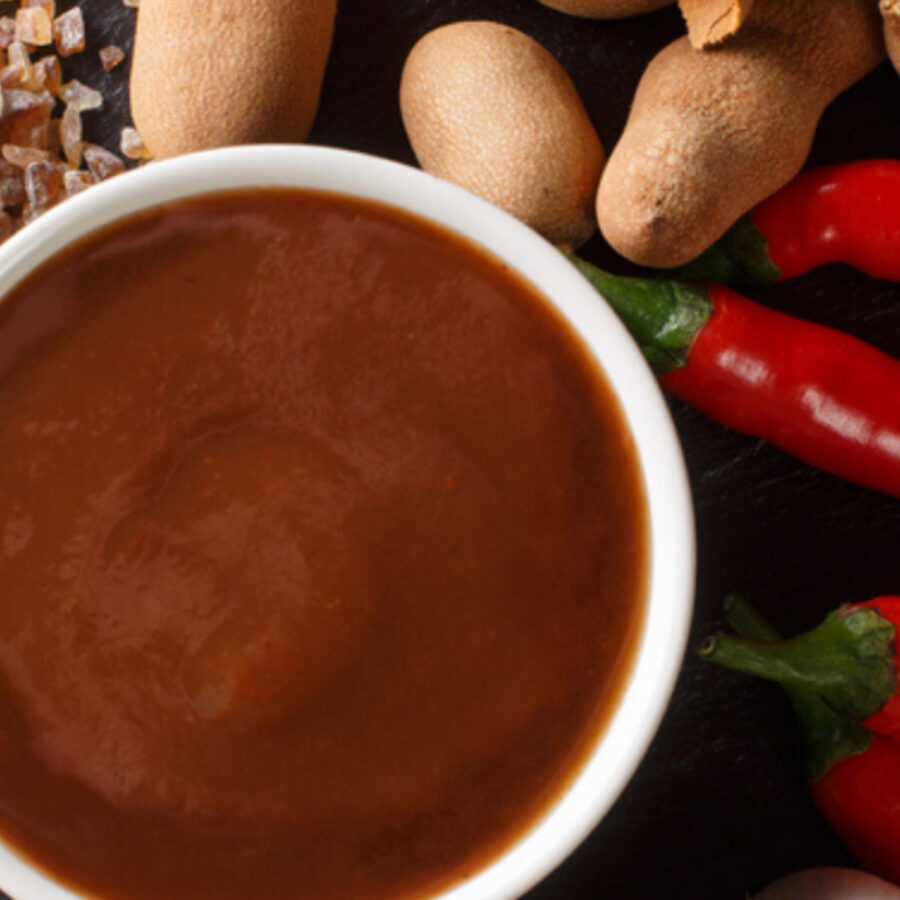
Tamarind tastes fruity, sour, and slightly sweet. Lemon or lime juice can replace acidity, but the result will be brighter and less complex.
For a simple emergency substitute, combine citrus juice with a tiny pinch of brown sugar. Add it gradually and taste. Do not make the dish obviously sweet unless the original recipe calls for that balance.
Amchur or anardana can work when the recipe needs dry acidity rather than liquid.
Garam Masala Substitute
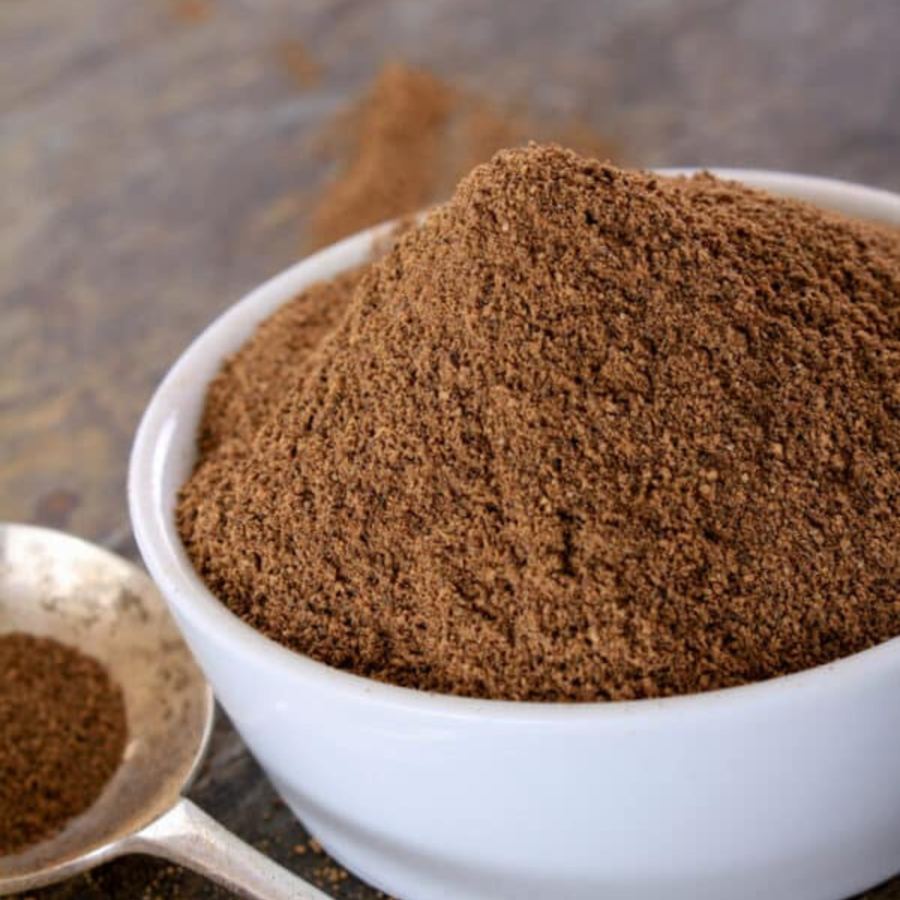
Garam masala is a family of aromatic Indian spice blends, not one fixed formula. Common ingredients include cumin, coriander, cardamom, cinnamon, cloves, pepper, bay, nutmeg, and mace.
For 1 teaspoon garam masala, try this emergency blend:
- ½ teaspoon ground cumin
- ¼ teaspoon ground coriander
- ⅛ teaspoon ground cinnamon
- A small pinch of ground cardamom
- A tiny pinch of ground cloves or black pepper
This will not reproduce every regional garam masala, but it reflects the warm, aromatic character better than a turmeric-heavy curry powder.
For the best flavor, make this five-minute Homemade Garam Masala. If you are tempted to swap blends directly, read Garam Masala vs. Curry Powder first.
Curry Powder Substitute
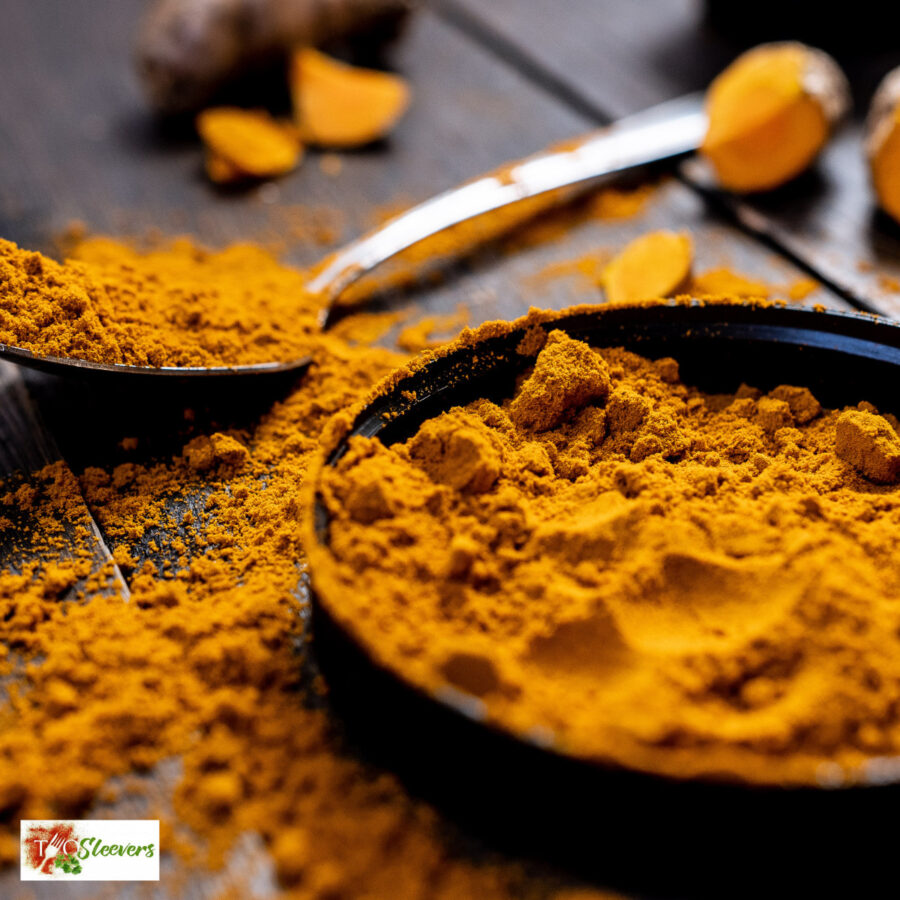
Curry powder formulas vary, but many contain turmeric, coriander, cumin, fenugreek, mustard, ginger, black pepper, and chile.
For 1 teaspoon mild generic curry powder, start with:
- ½ teaspoon ground coriander
- ¼ teaspoon ground cumin
- ⅛ teaspoon turmeric
- ⅛ teaspoon garam masala
This is only a general substitute. Jamaican curry powder, Japanese curry powder, Madras-style curry powder, and other regional blends require different flavors.
Chaat Masala Substitute
Chaat masala is tangy, salty, savory, and slightly sulfurous. It may contain amchur, cumin, coriander, black salt, pepper, asafoetida, mint, and other spices.
For a simple substitute, combine:
- Amchur or a squeeze of lemon
- Ground roasted cumin
- Salt
- A small pinch of black pepper
Black salt gives chaat masala its characteristic sulfurous flavor. Regular salt can season the food, but it will not create the same effect.
Can You Substitute Curry Powder For Garam Masala?
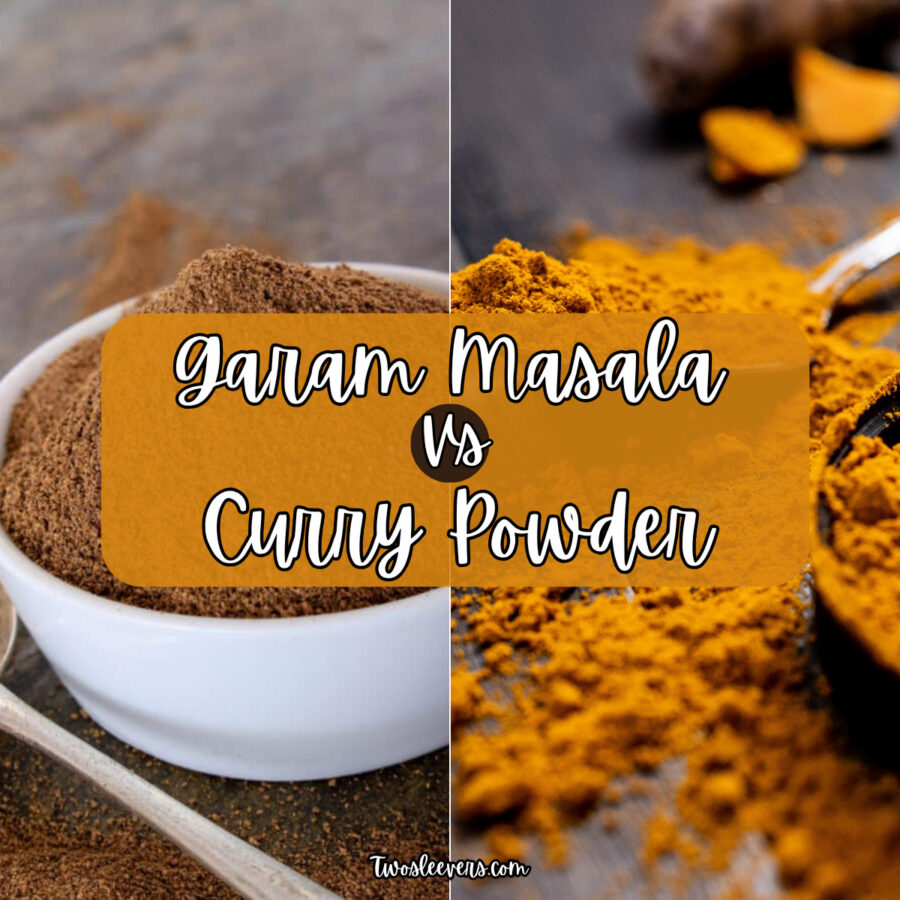
Not directly. Curry powder is usually earthier, more turmeric-forward, and often more bitter. Garam masala is generally warmer, more aromatic, and may be added near the end of cooking.
If curry powder is the only option, start with half the quantity and expect the color and flavor to change. The emergency garam masala blend above is usually a closer choice.
Can You Substitute Ground Spices For Whole Spices?
Sometimes, but you need to change the cooking method.
As a general starting point, use approximately ¾ teaspoon ground spice for 1 teaspoon whole spice. This is not universal because the density and strength of spices vary.
Most importantly, do not drop fine ground spices into very hot oil for the same length of time used to temper whole seeds. They can burn within seconds. Add them at a lower temperature with other ground spices and introduce moisture promptly.
Learn how spice timing affects flavor in this Indian Cooking Techniques guide.
Indian Spice Substitutions To Avoid
Some common swaps create more problems than they solve.
- Curry powder for curry leaves. They are completely different ingredients.
- Curry powder for garam masala in equal amounts. The turmeric and earthy spices can overwhelm the dish.
- Fresh cilantro for ground coriander. They come from the same plant but perform different jobs.
- Green cardamom for black cardamom in equal amounts. One is floral and sweet, while the other is smoky and savory.
- Ground fenugreek for dried fenugreek leaves in equal amounts. Ground seeds are much more bitter.
- Cayenne for Kashmiri chile powder in equal amounts. Cayenne is generally much hotter and supplies less color.
- Ground mustard for whole mustard seeds in a tempering step. It cannot pop and can burn quickly.
- Fresh curry leaves for dried curry leaves in equal amounts without adjustment. Dried leaves are often weaker and less aromatic.
Tips And Tricks

- Start small. You can add more spice, but removing it is difficult.
- Taste after the spice cooks. Raw spice powder can taste harsh or bitter.
- Replace the function first. Decide whether you need heat, color, acidity, aroma, or texture.
- Change the cooking method when needed. Ground spices cannot always be treated like whole seeds.
- Check spice blends for salt. Some commercial seasonings include salt, garlic, or other ingredients.
- Use fresh spices. An old jar may be so weak that the correct quantity still tastes flat.
- Label homemade blends. Include the date and ingredients.
- Do not combine multiple strong substitutes. Several imperfect swaps can make the dish muddy.
- Accept a slightly different result. A useful substitute keeps dinner moving, but it does not make two ingredients identical.
If a substitution makes the dish bitter, too hot, too salty, or flat, use this How To Fix Indian Curry guide. You can also learn the common causes of harsh spices in Why Is My Curry Bitter?.
Frequently Asked Questions

What Can I Use If I Do Not Have Indian Spices?
Start with cumin, coriander, turmeric, paprika or chile powder, and a small amount of cinnamon. These will not reproduce every dish, but they can build a warm, earthy base.
Purchase garam masala or make your own when you want a more characteristically aromatic finish.
Can I Use Curry Powder In Every Indian Recipe?
No. Indian recipes commonly build flavor from individual spices or use a blend designed for a specific dish. Generic curry powder can make unrelated recipes taste similar and may add turmeric where it does not belong.
Explore this guide to Indian Curry Types to understand why one all-purpose powder cannot represent every curry.
Is Cumin The Same As Coriander?
No. Cumin is deeper, earthier, warmer, and slightly smoky. Coriander is lighter, citrusy, and gently sweet. They are often used together because they complement rather than duplicate each other.
Can I Leave Turmeric Out Of A Recipe?
If the recipe calls for only a small amount, you can often omit it. The dish may be less golden and lose some earthiness. In a turmeric-forward recipe, omission will make a significant difference.
What Can I Use Instead Of Curry Leaves?
There is no exact substitute. A little lime zest can add brightness, but it will not reproduce curry leaf flavor. Omit them in a recipe where they are minor, or wait for fresh or frozen curry leaves when they define the dish.
Can I Use Ground Cardamom Instead Of Pods?
Sometimes. Ground cardamom disperses throughout the dish and cannot be removed, so use it sparingly. Add it with other ground seasonings rather than frying it like whole pods.
If the recipe relies on whole pods to infuse rice or a sauce gently, ground cardamom may taste too strong.
What Can I Substitute For Garam Masala?
Use a mixture of cumin, coriander, cinnamon, cardamom, and a tiny pinch of cloves or black pepper. The exact blend depends on the recipe, but this combination is generally closer than curry powder.
Can I Use Paprika Instead Of Chili Powder?
Paprika can replace red color and mild pepper flavor, but sweet paprika provides very little heat. Combine it with a small amount of cayenne when replacing Kashmiri chile powder.
Do Spice Substitutions Change Cooking Time?
They can change when the spice should be added. Whole seeds may bloom in oil for several seconds, while ground spices burn quickly. Acidic substitutes such as lemon juice are often added near the end rather than early in cooking.
Should I Double A Substitute If The Dish Tastes Weak?
Not immediately. Let the substitute cook long enough to release its flavor, then taste. Add small increments rather than doubling a strong spice all at once.
For help stocking your kitchen with the right spices, lentils, grains, and cooking essentials, explore this complete guide to Indian pantry staples.
More Indian Cooking Guides
Build your Indian cooking skills with these related resources:
- Indian Cooking For Beginners
- Essential Indian Spices
- How To Bloom And Temper Indian Spices
- Indian Cooking Techniques
- Garam Masala vs. Curry Powder
- Homemade Garam Masala
- Indian Curry Types Explained
- Global Spices And Sauce Blends
- Spices And Sauces
- Indian Recipes
Indian spice substitutions work best when you understand the missing ingredient's purpose. Replace heat with heat, acidity with acidity, and aroma with a compatible aroma, but do not expect every swap to taste identical.
Start with a small quantity, adjust the cooking method when replacing whole spices with ground spices, and remember that omission is sometimes better than an aggressive substitute.
If this Indian spice substitution chart helped you finish dinner, share it with your friends on Facebook and Pinterest so they can save it for the next time a spice jar is empty.