

Indian cooking techniques are easier to understand when you know what each step is meant to accomplish. Blooming spices releases aroma, bhunao concentrates a masala, dum cooking traps steam, and a yogurt marinade seasons and tenderizes meat. Once you understand these methods, Indian recipes become much easier to follow and customize.
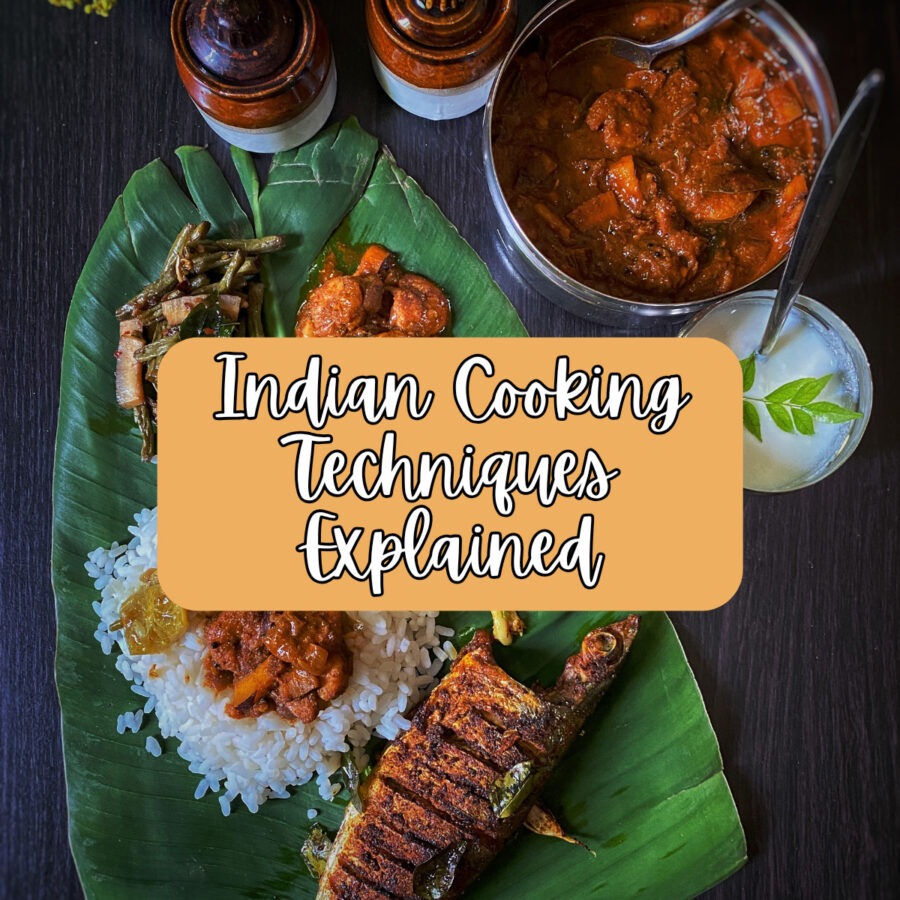
Why You'll Love This Indian Cooking Guide
- Beginner-Friendly. Learn what common Indian cooking terms mean and why the techniques matter.
- Practical. Recognize visual, aromatic, and textural cues instead of relying only on the clock.
- Versatile. Use the techniques for curries, lentils, rice, vegetables, meat, and seafood.
- Flavorful. Understand how Indian recipes create several layers of flavor from a manageable number of ingredients.
- Confidence-Building. Know when to add spices, aromatics, liquid, dairy, and finishing ingredients.
Indian cooking is not defined by one spice blend, curry sauce, or cooking method. It includes countless regional and family traditions, each shaped by local ingredients, climate, religion, history, and personal preference.
That variety can make Indian recipes seem complicated at first. However, many dishes rely on a small group of repeatable techniques. Once you learn how to temper spices, cook an onion-tomato masala, reduce a sauce, marinate meat, and finish a dish for balance, the recipe begins to make sense.
Use this guide with Indian Cooking for Beginners and the list of essential Indian spices to build a strong foundation.
What Makes Indian Cooking Different?
Indian food is often described in terms of ingredients, but technique has just as much influence on flavor.
The same cumin seed can taste different depending on whether it is:
- Added whole to hot ghee
- Dry roasted and ground
- Simmered in a sauce
- Combined with other spices in a masala
- Added in a finishing tadka
Onions also change character as they cook. Soft, pale onions provide body and gentle sweetness. Deeply browned onions add a richer, more caramelized flavor. Burned onions make an entire curry bitter.
Learning Indian cooking is partly about understanding these transformations. The recipe tells you what to add, while the technique explains what should happen after you add it.
Essential Indian Cooking Techniques At A Glance
| Technique | What It Does | Common Uses |
|---|---|---|
| Tadka or tempering | Extracts flavor from spices in hot fat | Dal, vegetables, rice, yogurt dishes |
| Blooming ground spices | Releases aroma and removes raw flavor | Curries, masalas, soups |
| Bhunao | Cooks and concentrates a wet masala | Curries, meat dishes, beans |
| Browning onions | Creates sweetness, body, and color | Curry bases, biryani, korma |
| Dry roasting | Deepens aroma and removes moisture | Spice blends, chutneys, lentil powders |
| Grinding | Creates fresh spice blends and smooth pastes | Masalas, korma, curry sauces |
| Marinating | Seasons and may tenderize food | Tandoori dishes, tikka, kebabs, biryani |
| Dum cooking | Traps steam for gentle, enclosed cooking | Biryani, rice, meat dishes |
| Pressure cooking | Tenderizes food and shortens cooking time | Dal, beans, meat curries, rice |
| Tandoori-style high heat | Browns and chars marinated food | Chicken, paneer, fish, kebabs |
| Simmering and reducing | Concentrates flavor and controls consistency | Curries, dal, chutneys |
| Layering | Keeps ingredients distinct while flavors mingle | Biryani and pulao |
| Finishing | Balances salt, acid, fat, aroma, and freshness | Nearly every savory dish |
1. Tempering Spices Or Making Tadka
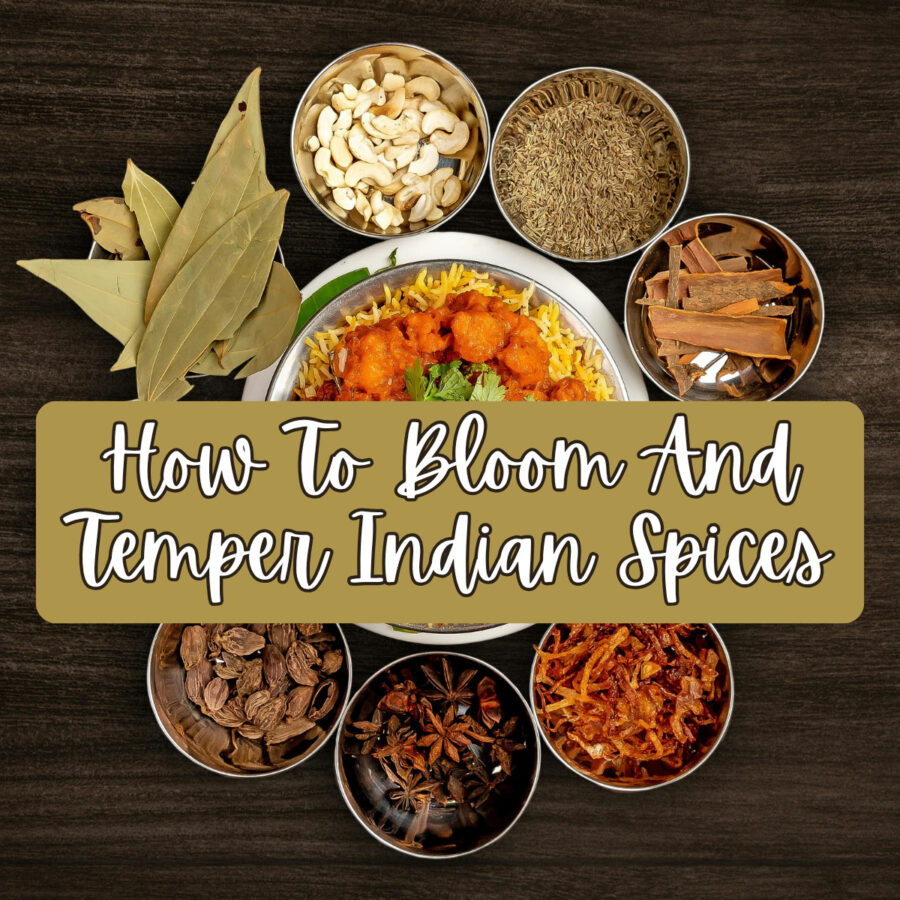
Tempering is the process of heating whole spices and sometimes aromatics in oil or ghee. The hot fat extracts flavorful compounds from the spices and carries them throughout the dish.
This technique may be called tadka, tarka, chaunk, chhonk, or baghaar. Names and exact methods vary by language, region, and recipe.
A tadka may be prepared:
- At the beginning as the first flavor layer
- Separately and stirred into the dish
- Poured over cooked food immediately before serving
Common tadka ingredients include:
- Cumin seeds
- Mustard seeds
- Fennel seeds
- Fenugreek seeds
- Nigella seeds
- Dried red chiles
- Curry leaves
- Asafoetida
- Garlic
- Ginger
- Shallots or onions
The oil should be hot enough to make the spices sizzle, but not so hot that they immediately turn black. Mustard seeds may pop, cumin seeds become fragrant, and curry leaves sputter when they contact hot fat.
Because the process moves quickly, measure every ingredient before heating the pan. Keep a lid or splatter screen nearby when working with mustard seeds or fresh curry leaves.
Read the complete guide to blooming and tempering Indian spices for detailed timing and troubleshooting.
Recipe To Practice Tadka
Dal Makhani uses a finishing tadka of ghee, cumin, and tomato paste to add a fresh, rich layer after the lentils cook.
You can also practice with Moong Dal Soup, which is finished with hot ghee, cumin seeds, and sliced garlic.
2. Blooming Ground Spices
Whole-spice tempering and blooming ground spices are related techniques, but ground spices cook much faster.
Ground cumin, coriander, turmeric, chile powder, and garam masala can taste raw or dusty when stirred into a finished sauce. Brief contact with warm fat releases aroma and helps the flavors blend into the dish.
Ground spices can also burn in seconds. Use moderate heat and add the next moist ingredient as soon as they become fragrant. Tomatoes, water, broth, or coconut milk will lower the pan temperature and help prevent scorching.
If the spices stick before they are fragrant, add a small splash of water and continue cooking. If they turn black or smell acrid, start that portion again rather than spreading burned flavor throughout the meal.
Unfortunately, sometimes the sauce has already gone wrong. If this happens, use this guide to determine why curry tastes bitter.
3. Dry Roasting Spices
Dry roasting means heating spices in a pan without oil. This can deepen their aroma, create nuttier flavors, and remove excess moisture before grinding.
Use a dry skillet over low or medium-low heat and stir or shake the pan frequently. Remove the spices as soon as they become fragrant because they will continue cooking from residual heat.
Not every masala should be toasted. The specific blend and its intended use determine whether roasting is helpful.
For example, the Twosleevers homemade garam masala intentionally uses untoasted spices. Untoasted spices retain a fresher, brighter aroma and work especially well when the masala will be cooked in a dish. Follow the tested method rather than automatically roasting every blend.
In contrast, Homemade Sambhar Masala lightly toasts ingredients before grinding them into a fragrant powder.
4. Grinding Spices And Making Masalas
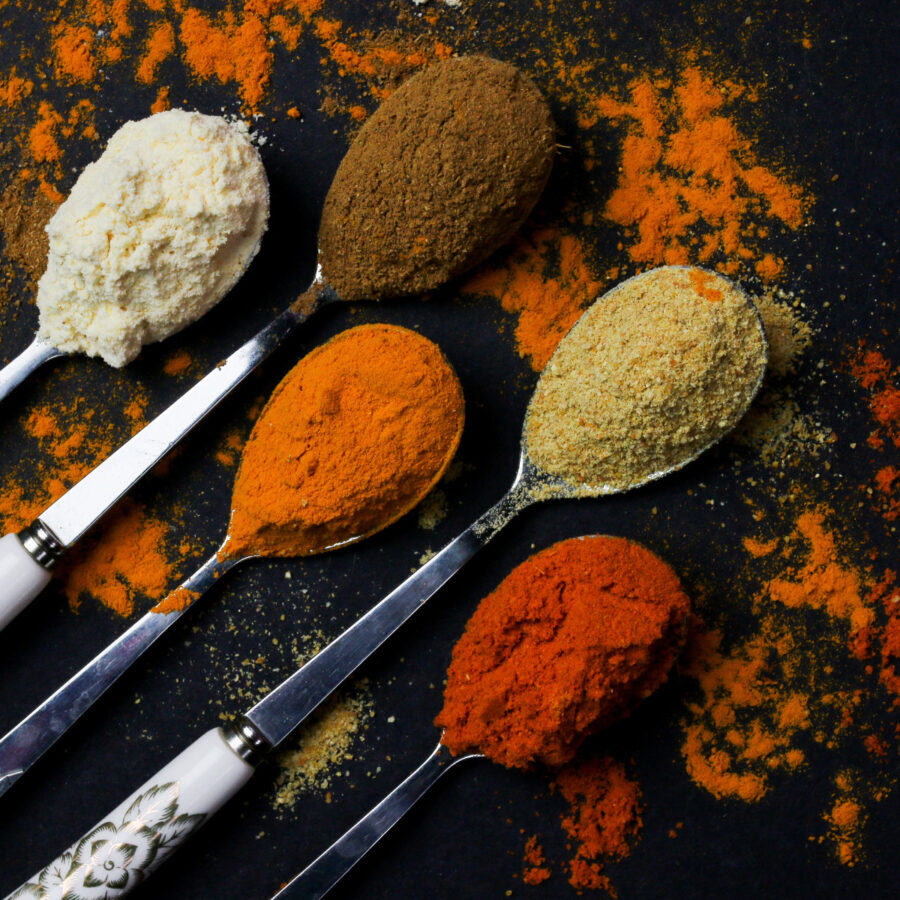
Freshly ground spices usually smell more vivid than powders that have been stored for months. Whole spices protect their aromatic oils until they are crushed or ground.
You can grind spices with:
- A dedicated electric spice grinder
- A clean coffee grinder reserved for spices
- Mortar and pestle
- A high-powered blender for larger quantities
Allow toasted spices to cool before grinding them. Warm spices can release steam inside the grinder and may form a paste rather than a dry powder.
Masala simply means a mixture. It can describe a dry spice blend, such as garam masala, or a wet mixture made with onions, tomatoes, ginger, garlic, herbs, nuts, or other ingredients.
If you are unsure how blends differ, read Garam Masala vs Curry Powder.
5. Building An Onion-Tomato Masala
Many North Indian curries begin with a base of onions, ginger, garlic, tomatoes, and spices. The proportions and degree of cooking vary, but the basic goal is to create flavor and body before adding the main ingredient.
A common order is:
- Heat oil or ghee.
- Temper whole spices if the recipe uses them.
- Cook the onions to the color specified.
- Add ginger and garlic.
- Sprinkle ground spices and cook briefly.
- Add tomatoes or tomato paste.
- Cook until the mixture thickens and loses its raw aroma.
Do not rush the onions unless the recipe is designed as a pour-and-cook dish. Pale, softened onions and deeply browned onions produce different sauces.
Tomatoes need enough cooking time to lose their raw, metallic edge. The masala may darken, thicken, and begin releasing small beads of oil as its water cooks away.
Keep ginger garlic paste ready to make this process faster on busy nights.
Recipe To Practice A Curry Base
Basic Indian Curry is a helpful starting point for understanding how aromatics and spices form a flexible sauce.
6. Bhunao Or Cooking Down A Masala
Bhunao is a cooking process that concentrates flavor by frying or sautéing a wet masala while its moisture evaporates. The ingredients are stirred and cooked until the mixture becomes thicker, darker, and more cohesive.
The technique is often used after adding tomatoes, yogurt, spice paste, or marinated meat. It is not the same as simply browning food once and walking away.
During bhunao, you may notice:
- The mixture becomes less watery.
- Raw smell of onions or tomatoes disappears.
- The color deepens.
- Oil begins appearing around the edges.
- The masala starts sticking more quickly and requires frequent stirring.
Add a small splash of water if the spices threaten to burn before the ingredients are properly cooked. The goal is concentrated flavor, not a scorched pan.
Some modern pressure cooker recipes shorten or replace a lengthy bhunao step. That is not automatically a flaw. A tested recipe may use blending, pressure, or careful ingredient ratios to reach a similar result with less hands-on cooking.
7. Browning And Caramelizing Onions
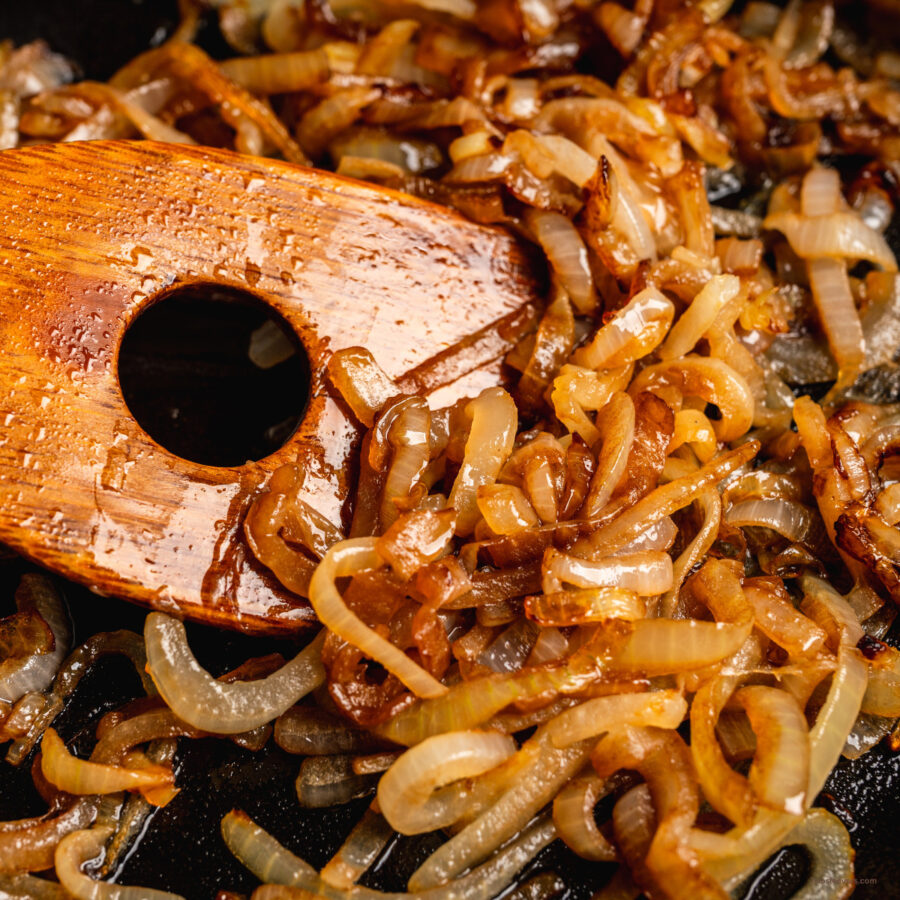
Onion color has a major effect on Indian food. Recipes may call for onions that are softened, lightly golden, deeply browned, or fried until crisp.
Softened Onions
These provide gentle sweetness and body without a pronounced caramelized flavor.
Golden Onions
Golden onions add more savory sweetness and work well in many curries and vegetable dishes.
Deeply Browned Onions
Deep browning creates an intense flavor used in dishes such as biryani, korma, and certain meat curries. Stir frequently as the onions darken because the final stage happens quickly.
Fried Onions Or Birista
Thinly sliced onions are fried until brown and crisp, then used in biryani, gravies, and garnishes. They become darker as they cool, so remove them shortly before they reach the final desired color.
Instant Pot Chicken Biryani demonstrates how well-browned onions contribute sweetness and depth to spiced rice.
8. Marinating With Yogurt, Acid, And Spices
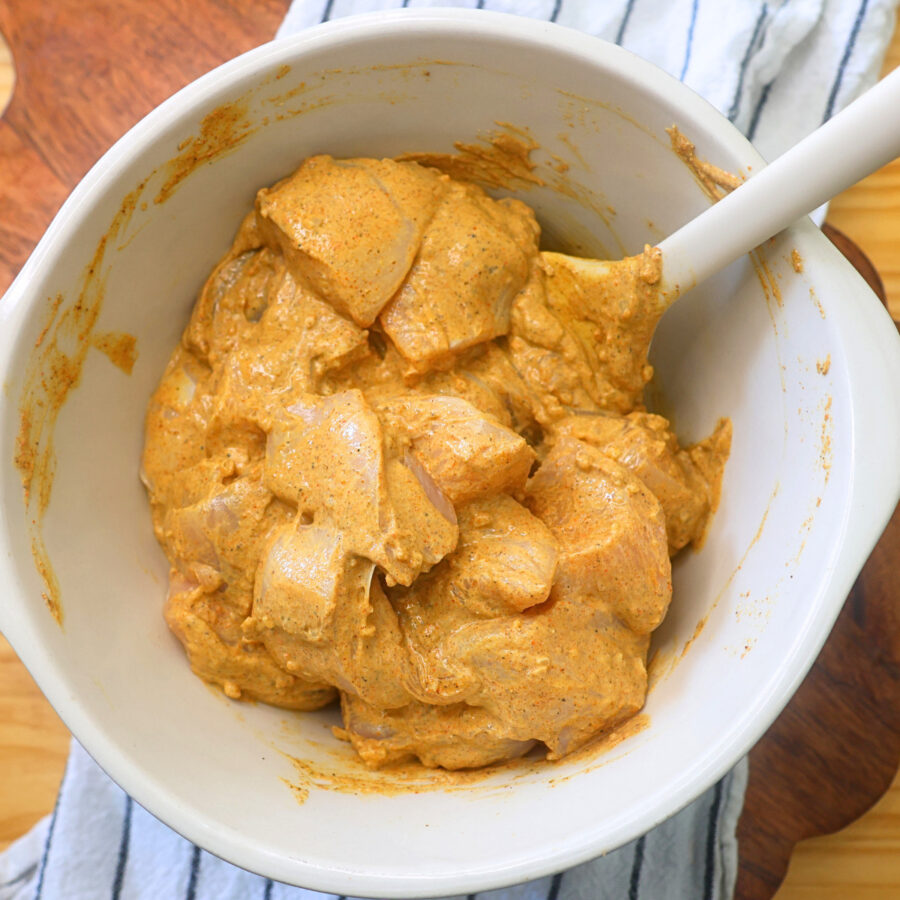
Indian marinades frequently combine yogurt, salt, spices, ginger, garlic, and sometimes lemon juice or another acidic ingredient.
The marinade serves several purposes:
- Seasons the exterior of the food
- Helps spices cling to meat or paneer
- Adds tanginess
- Encourages browning
- Can tenderize meat when used for an appropriate amount of time
More acid and more time are not always better. Excessive acid can make the outside of meat mushy while leaving the center unaffected. Follow the tested marinating time, particularly for seafood and small pieces of chicken.
Use nonreactive glass, ceramic, stainless steel, or food-safe plastic. Refrigerate food while it marinates and discard a marinade that has touched raw meat unless it is thoroughly cooked as part of the recipe.
Recipe To Practice Marinating
Tandoori Chicken uses a yogurt-based marinade to season chicken before high-heat cooking.
Chicken Tikka Masala also demonstrates how yogurt helps spices adhere while adding tang and richness.
9. Dum Cooking
Dum cooking, often associated with the term dum pukht, uses a tightly covered pot to trap steam and cook food gently in its own moisture and aromas.
Traditional cooks may seal the lid with dough. A heavy lid, foil under the lid, or a well-sealed pressure cooker can create a similar enclosed environment in a home kitchen.
Dum cooking is closely associated with biryani because it allows partially cooked rice, marinated meat, herbs, spices, and other layers to finish together without vigorous stirring.
The enclosed steam helps:
- Finish cooking the rice
- Tenderize meat
- Carry aroma through the layers
- Preserve moisture
- Keep the ingredients distinct
Avoid repeatedly opening the lid. Every opening releases the steam and fragrance the technique is designed to retain.
Recipe To Practice Dum Cooking
Instant Pot Lamb Dum Biryani adapts the traditional idea for a pressure cooker, combining marinated lamb, basmati rice, yogurt, herbs, and spices.
10. Layering Rice And Other Ingredients
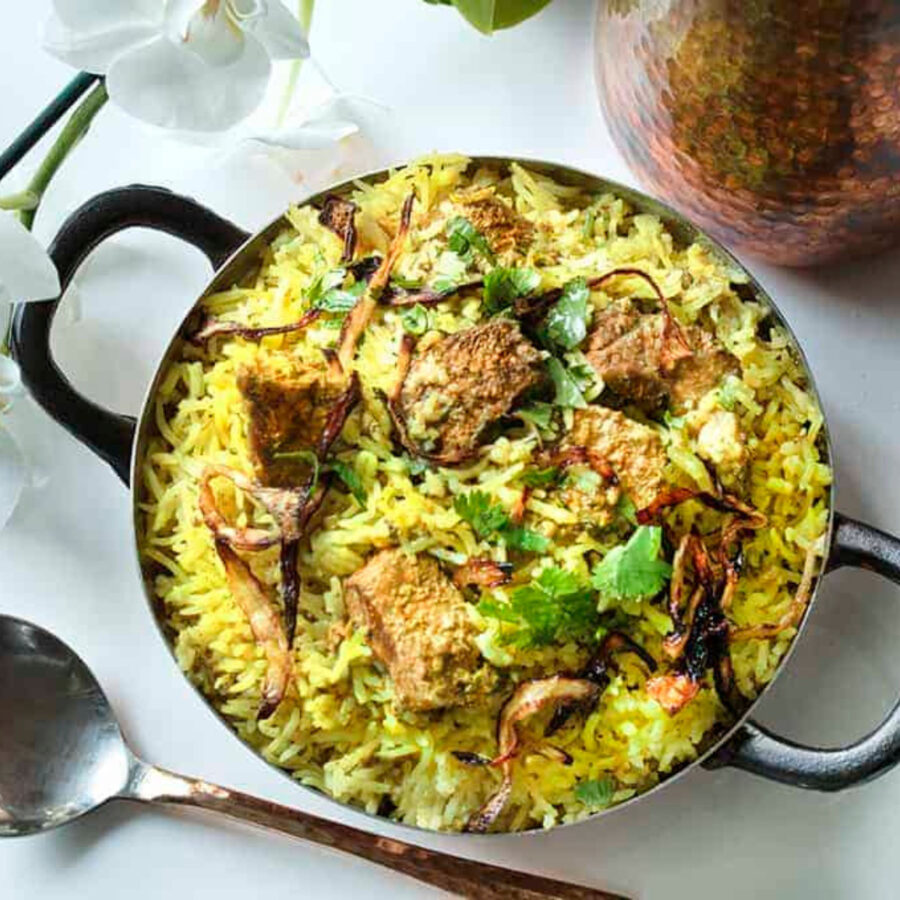
Layering is essential in many biryani recipes. Meat, aromatics, rice, herbs, fried onions, and liquid may be arranged in a specific order rather than stirred together.
The order controls how ingredients cook. Meat may need direct contact with the bottom of the pot, while rice should remain above thicker ingredients to reduce sticking and burning.
Follow these basic rules:
- Rinse basmati rice until the water becomes much clearer.
- Soak the rice if the recipe instructs you to.
- Measure the liquid accurately.
- Add ingredients in the stated order.
- Do not stir after layering unless directed.
- Let the cooked biryani rest before fluffing.
Stirring can break rice grains, release excess starch, and move thick ingredients to the bottom where they may scorch.
When the biryani is ready, serve it with one of these side dishes for biryani.
11. Pressure Cooking
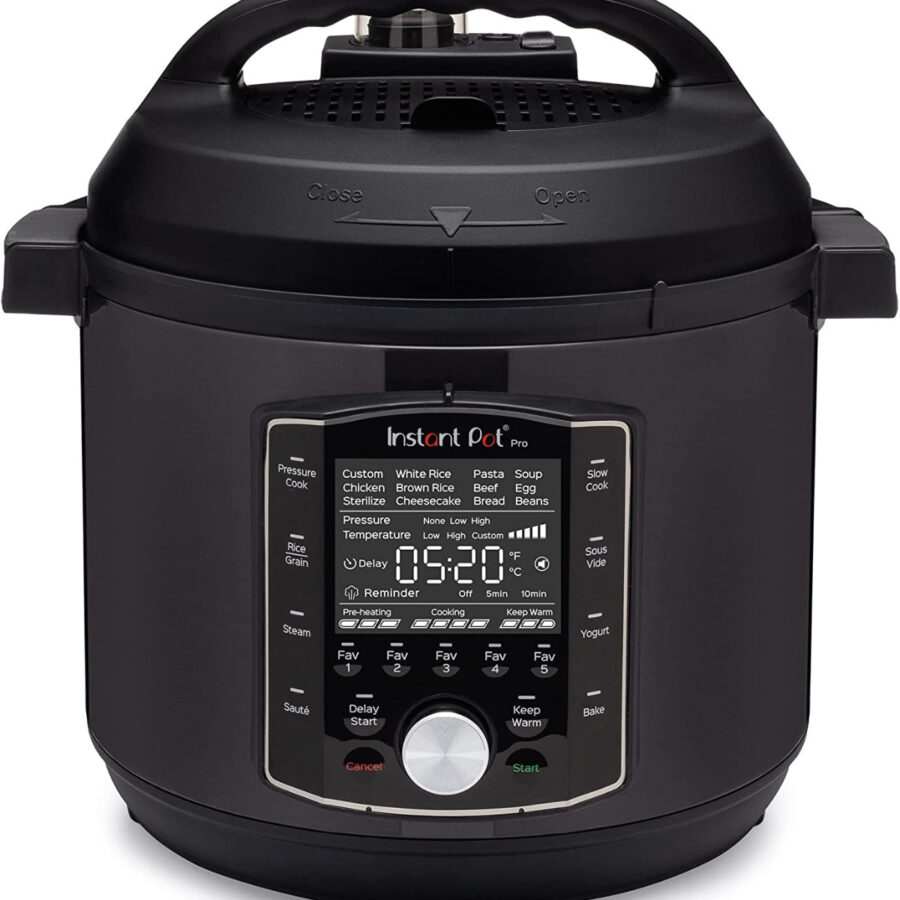
Pressure cooking is especially useful for Indian foods that traditionally require long simmering, including lentils, beans, tough cuts of meat, and some rice dishes.
An Instant Pot or pressure cooker can:
- Tenderize beans and meat quickly
- Cook dal until creamy
- Reduce hands-on stirring
- Keep steam and aroma in the pot
- Combine several cooking stages in one vessel
Pressure cooking does not mean throwing every ingredient into the pot without considering order. Thick tomato sauce, nut paste, dairy, and insufficient thin liquid may cause scorching.
Pressure Cooking Tips
- Deglaze the pot after sautéing.
- Use the amount of thin liquid specified.
- Layer thick sauces instead of stirring them onto the bottom when directed.
- Allow the recommended natural pressure release.
- Add cream, coconut milk, or fresh herbs after pressure cooking when instructed.
- Do not assume every stovetop recipe can use the same pressure time.
Pressure Cooker Rice and Dal shows how a complete comfort meal can be cooked efficiently with carefully measured ingredients and timing.
Moong Dal is another approachable recipe for learning how pressure softens lentils without hours of stovetop cooking.
12. Simmering And Reducing
Simmering cooks ingredients gently in liquid, while reducing evaporates water to concentrate flavor and thicken the sauce.
A simmer should produce small, steady bubbles rather than violent boiling. High heat can scorch thick curry, toughen meat, or separate dairy.
Simmering may be used to:
- Cook raw tomatoes
- Tenderize meat
- Blend spices into a sauce
- Thicken dal
- Reduce excess liquid
- Finish a curry after pressure cooking
Remember that a sauce thickens more as it cools. Stop reducing shortly before it reaches the exact final consistency you want.
13. High-Heat Tandoori-Style Cooking
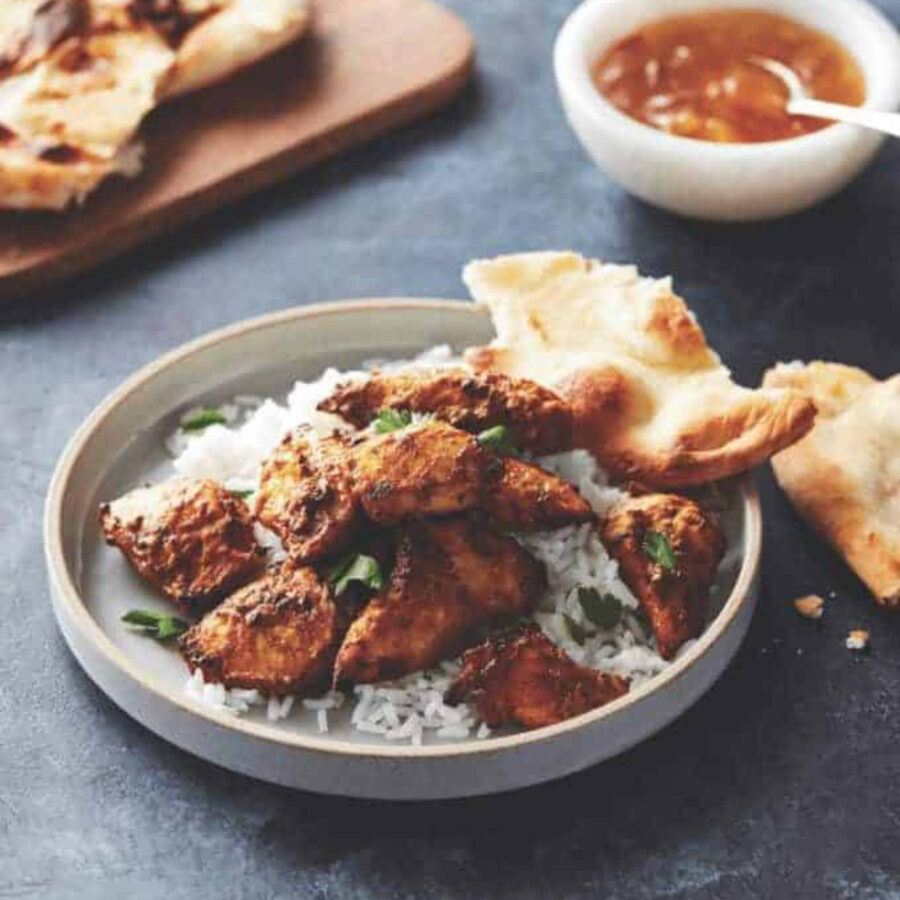
A traditional tandoor is a very hot clay oven that cooks food quickly and creates browned, lightly charred edges.
Most home kitchens do not have a tandoor, but you can approximate some of its results with:
- An air fryer
- A hot oven
- Broiler
- A grill
- A very hot skillet
The goal is rapid cooking, browned edges, and a juicy interior. Remove excessive marinade before cooking because a heavy wet coating can steam rather than char.
Use a thermometer to verify that meat has reached a safe internal temperature. Charred edges are desirable, but burned spices and dried-out meat are not.
Air Fryer Tandoori Chicken is an accessible way to practice the technique without special equipment.
14. Stir-Frying And Dry-Style Cooking
Not every Indian dish is a saucy curry. Dry-style vegetables, meats, and sabzis rely on sautéing, stir-frying, roasting, or evaporation to create concentrated flavor.
Use a wide pan when you want moisture to evaporate. Avoid crowding, which traps steam and prevents browning.
Add delicate vegetables at the correct time so they remain tender rather than mushy. Okra, for example, benefits from methods that control moisture.
Chicken Jalfrezi demonstrates a quick method for cooking chicken, onions, and peppers before combining them with a tomato-based sauce.
15. Blending Sauces And Pastes
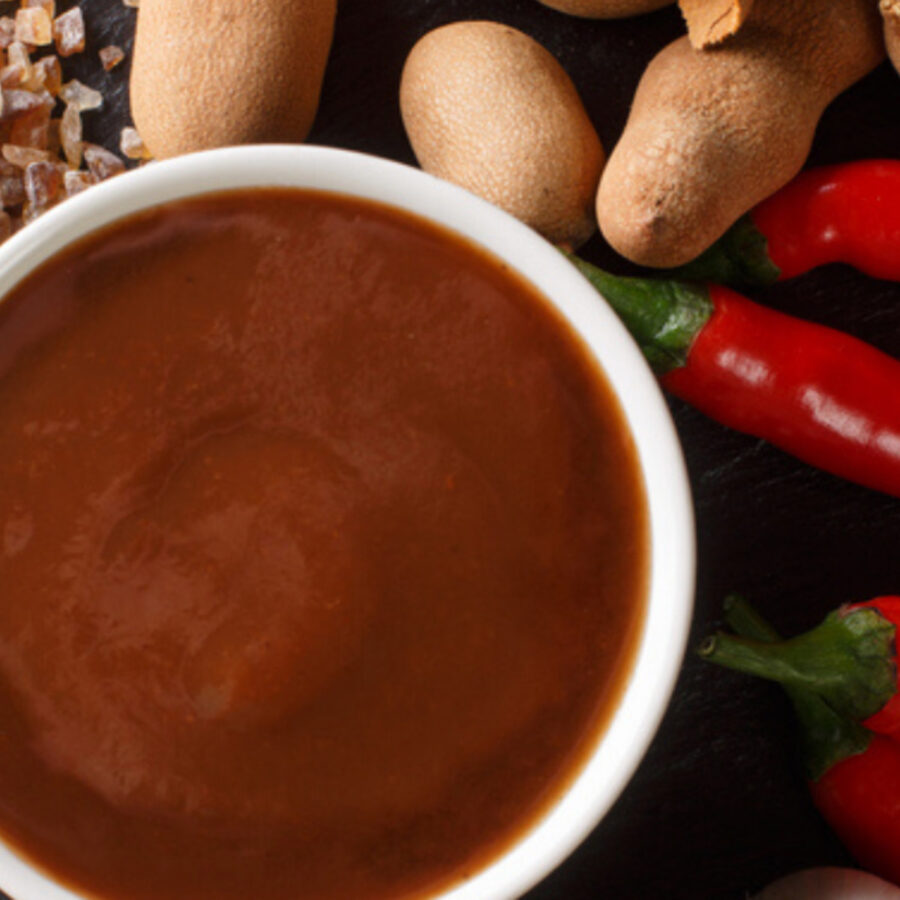
Blending can create a smooth curry sauce or combine ingredients that would otherwise require a longer cooking process.
Indian recipes may blend:
- Onions and tomatoes
- Ginger and garlic
- Nuts and seeds
- Coconut
- Herbs and chiles
- Cooked lentils
- Whole or ground spices
For hot mixtures, use a vented blender designed to handle heat or allow the ingredients to cool. Never seal very hot liquid in a container that cannot release steam.
Cashews, almonds, coconut, and seeds can thicken a sauce while adding richness. Chicken Korma blends aromatics, cashews, coconut milk, and spices into a creamy sauce.
16. Adding Dairy And Coconut Milk Correctly
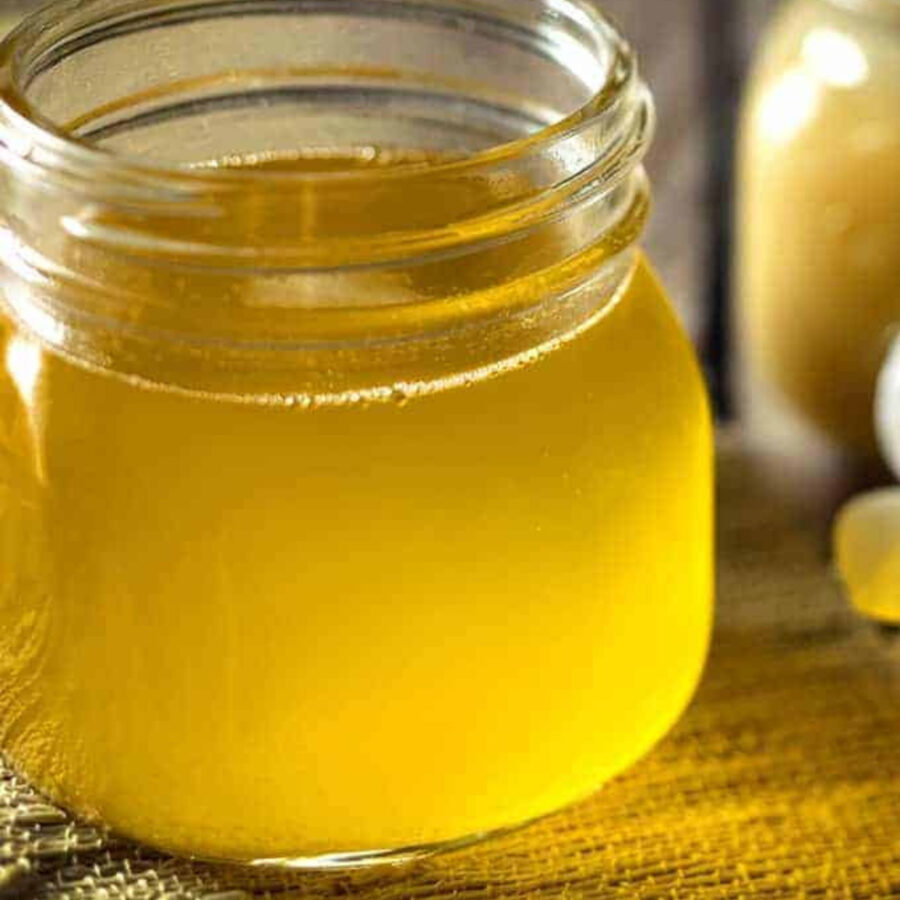
Yogurt, cream, butter, and coconut milk can soften heat and make a sauce feel richer. They can also split, curdle, or become greasy when handled incorrectly.
Yogurt
Use full-fat yogurt when possible, whisk it smooth, and bring it closer to room temperature. Lower the heat before adding it. Tempering the yogurt with a spoonful of warm sauce can reduce the temperature shock.
Cream
Cream is commonly stirred in near the end so it stays smooth and fresh-tasting. Avoid prolonged, aggressive boiling after adding it.
Coconut Milk
Coconut milk can separate under pressure or during hard boiling. Many pressure cooker recipes add some or all of it after cooking.
Butter And Ghee
Butter adds richness but contains milk solids that can burn. Ghee has a higher smoke point and is particularly useful for tempering and sautéing.
Follow the individual recipe rather than assuming every dairy ingredient should be added at the same stage.
17. Finishing A Dish For Balance
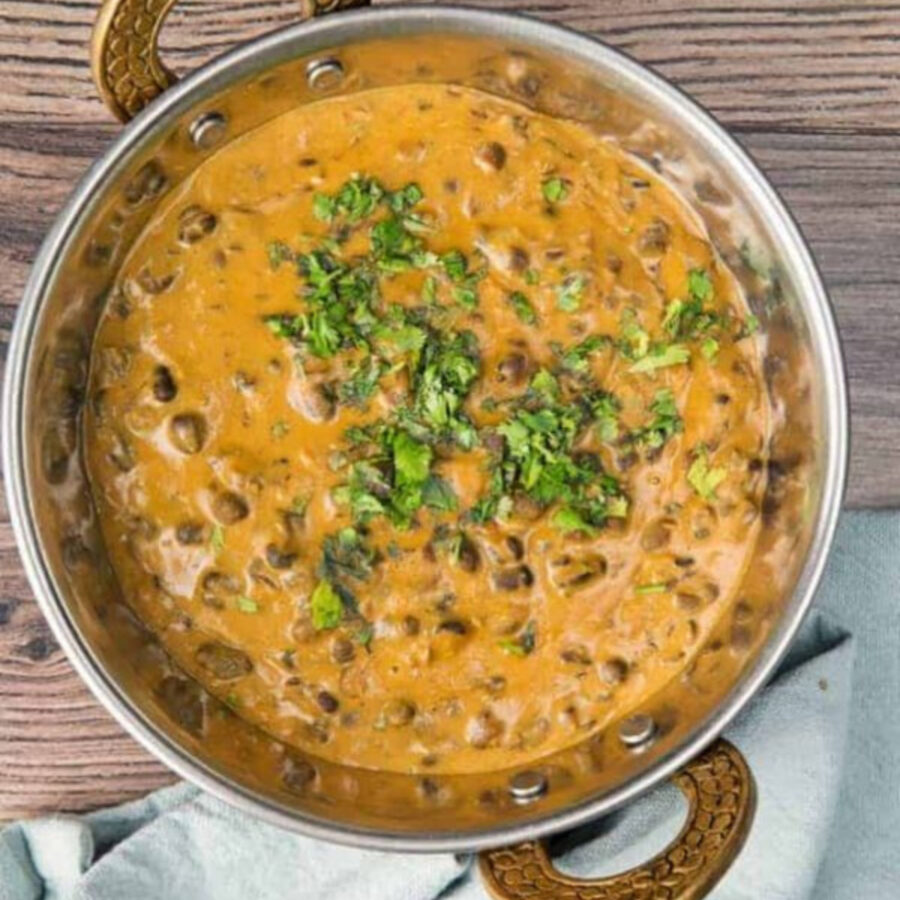
Finishing is the final tasting and adjustment that turns cooked ingredients into a cohesive dish.
Before serving, consider:
- Salt. Does the dish taste clear and complete, or dull and muted?
- Acidity. Would lemon, lime, tomato, yogurt, or tamarind add brightness?
- Richness. Does it need butter, ghee, cream, coconut milk, or nut paste?
- Heat. Should you add cayenne, fresh chile, or black pepper?
- Aroma. Would a small amount of garam masala improve the fragrance?
- Freshness. Does it need cilantro, mint, sliced onions, or ginger?
- Texture. Would toasted nuts, fried onions, or crisp vegetables add contrast?
Change one element at a time and taste after each adjustment. Adding salt, acid, sugar, and cream simultaneously makes it difficult to understand what the dish actually needed.
For more guidance on how different sauces should taste, explore Indian Curry Types Explained.
If you enjoy building bold flavors from scratch, explore this guide to global spices and sauce blends for homemade seasonings, marinades, chutneys, and sauces that can add depth and variety to recipes from around the world.
Common Indian Cooking Mistakes

Burning Spices
Ground spices can burn within seconds. Control the heat and have the next moist ingredient ready.
Rushing The Onions
If a recipe calls for browned onions, merely softening them will change the depth, sweetness, and color of the finished dish.
Using Too Much Water
Onions, tomatoes, vegetables, and meat release moisture. Excess water produces thin curry and can dilute the spices.
Treating Every Curry The Same
Korma, vindaloo, saag, dal, and butter chicken should not share one generic sauce and seasoning profile.
Adding Dairy Too Early
Cream and coconut milk may separate during prolonged high heat or pressure cooking. Add them at the stage specified by the recipe.
Adding More Turmeric For Color
Too much turmeric can make food bitter or medicinal. Measure it rather than using color as your guide.
Stirring A Layered Pressure Cooker Recipe
Stirring thick tomato products, rice, or marinades onto the bottom can trigger scorching. Respect the recipe's layering instructions.
Using Stale Spices
Old ground spices may add color without meaningful aroma. Buy manageable quantities and store them away from heat and moisture.
Confusing Spice With Heat
Spiced food is not necessarily chile-hot. Cumin, coriander, cardamom, cinnamon, and cloves add complexity without creating the same burn as cayenne.
Best Indian Recipes For Practicing Techniques
Best For Tempering: Rice And Dal
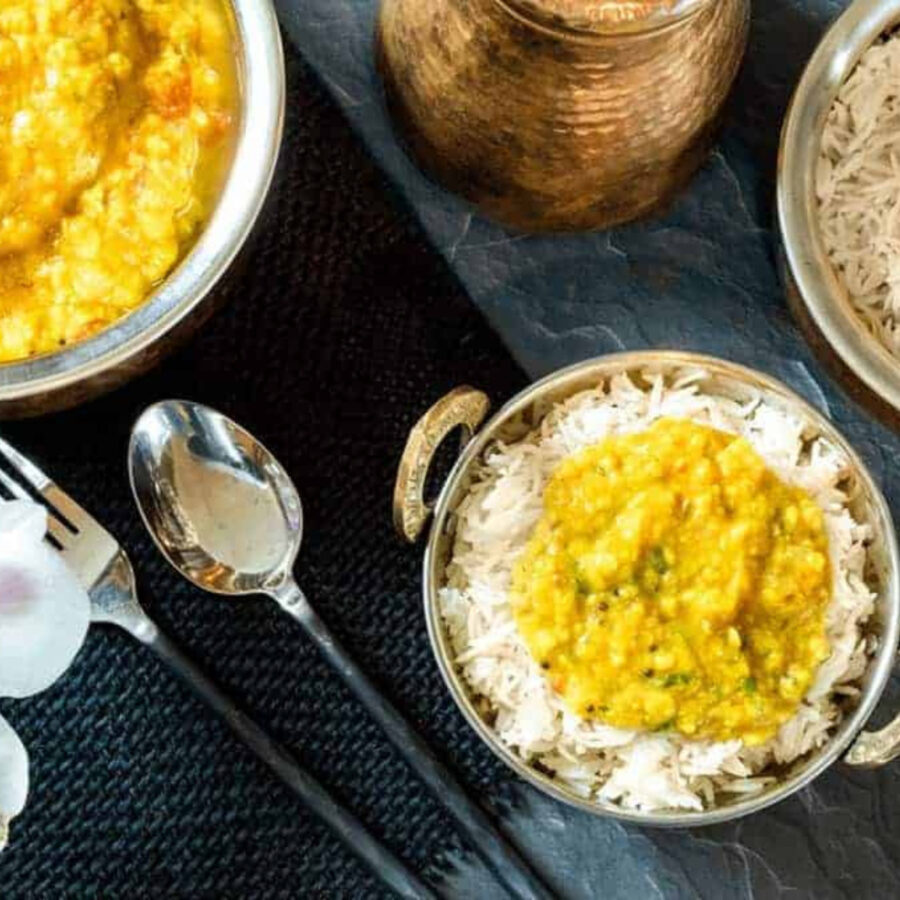
Pressure Cooker Rice and Dal lets you practice blooming cumin and mustard seeds while preparing an approachable comfort meal.
Best For Building A Curry: Basic Indian Curry
Basic Indian Curry demonstrates how aromatics, tomatoes, spices, and pressure work together.
Best For Grinding And Blending: Chicken Korma
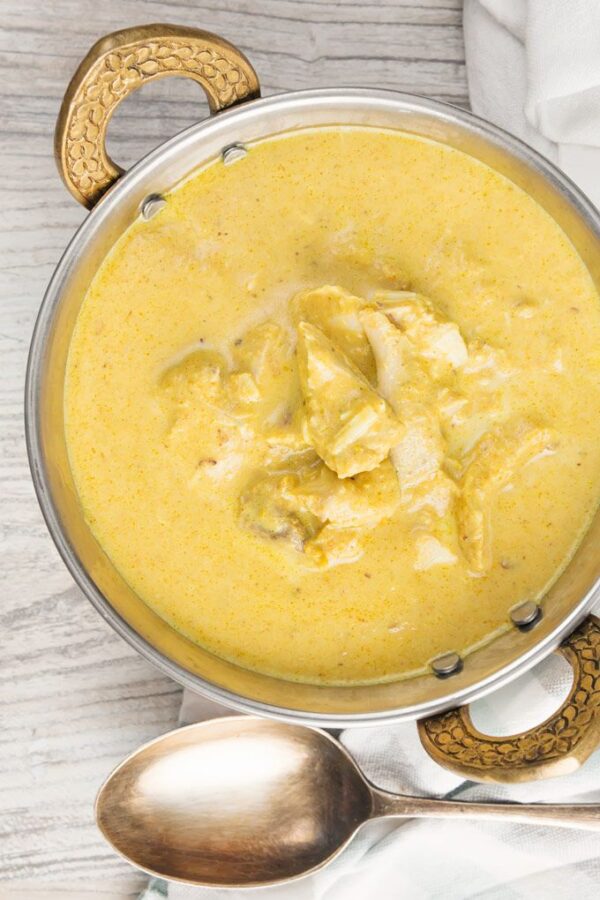
Chicken Korma uses a blended sauce of aromatics, nuts, coconut, and spices.
Best For Marinating And High Heat: Tandoori Chicken
Tandoori Chicken pairs a yogurt marinade with fast air fryer cooking.
Best For Layering: Chicken Biryani
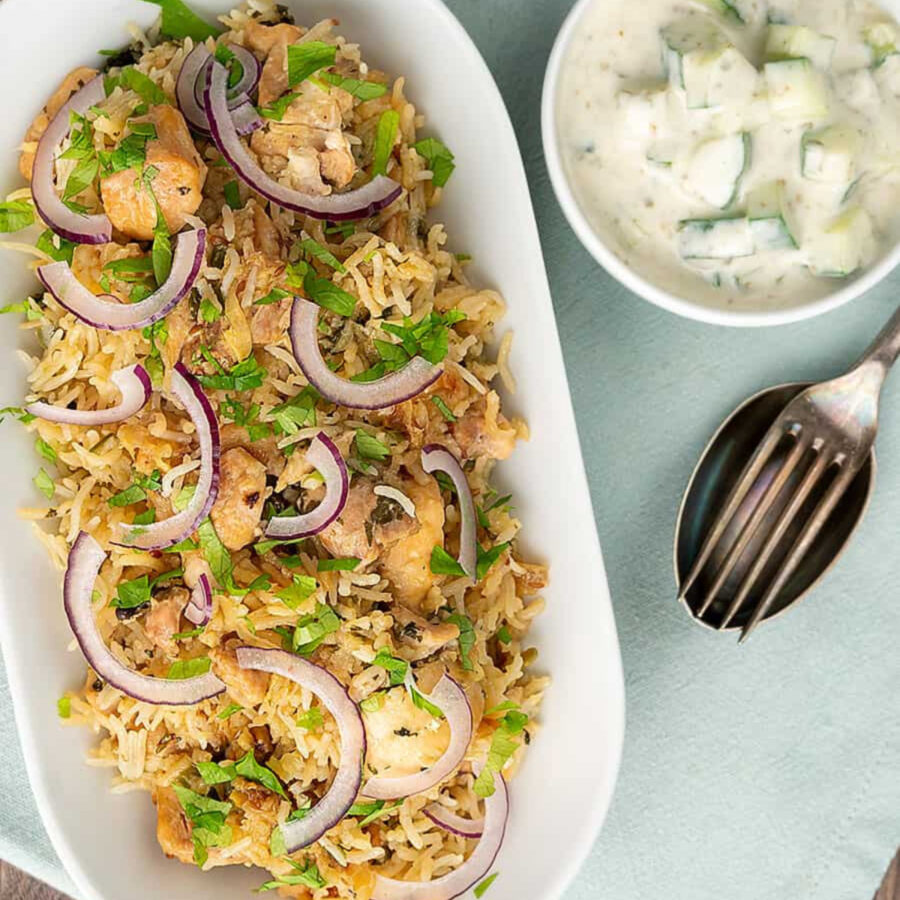
Instant Pot Chicken Biryani teaches ingredient order, rice handling, onion browning, and resting.
Best For A Finishing Tadka: Dal Makhani
Dal Makhani finishes pressure-cooked lentils with aromatic cumin and ghee.
Frequently Asked Questions
What Are The Basic Techniques Used In Indian Cooking?
Common techniques include tempering spices, blooming ground spices, dry roasting, grinding, browning onions, cooking down a masala, marinating, simmering, pressure cooking, dum cooking, layering rice, high-heat roasting, and finishing with herbs, acid, fat, or another aromatic spice layer.
What Is Tadka In Indian Cooking?
Tadka is the process of heating spices and sometimes aromatics in oil or ghee. The seasoned fat may begin a dish or be poured over cooked food as a finishing layer.
What Is The Bhunao Cooking Method?
Bhunao cooks a moist masala while stirring and allowing its water to evaporate. The mixture becomes thicker, darker, more concentrated, and aromatic. It should not be confused with burning or simply cooking on very high heat.
What Does Dum Mean In Cooking?
Dum refers to gentle cooking in a tightly sealed pot that traps steam and aroma. The method is strongly associated with biryani and may be adapted with a heavy lid, foil, or pressure cooker.
Why Are Spices Fried In Oil?
Heating spices in fat releases oil-soluble aromatic compounds and distributes their flavor through the dish. Whole and ground spices require different timing because ground spices burn more quickly.
Do You Need To Toast Spices For Indian Food?
Not always. Some recipes benefit from dry-roasted spices, while others are designed for untoasted spices that are later cooked in oil or sauce. Follow the tested recipe.
Why Do Indian Recipes Cook Onions For So Long?
Longer cooking removes moisture and develops sweetness, color, and savory depth. Soft onions and deeply browned onions produce noticeably different dishes.
Why Is My Curry Watery?
The recipe may contain too much liquid, the vegetables or meat may have released more moisture than expected, or the sauce may need uncovered simmering. Let it reduce gently while stirring often enough to prevent scorching. For more tips, check out my How to Fix Indian Curry guide.
Why Did My Yogurt Curdle In Curry?
Cold, low-fat yogurt can separate when added directly to a very hot sauce. Use full-fat yogurt, whisk it smooth, reduce the heat, and temper it with warm sauce before adding it gradually.
Do I Need An Instant Pot To Cook Indian Food?
No. Indian food can be made on the stovetop, in an oven, on a grill, in a slow cooker, or with an air fryer. A pressure cooker simply shortens the cooking time for many lentil, bean, meat, and rice dishes.
How Can A Beginner Learn Indian Cooking?
Start with a small spice collection and one forgiving recipe. Practice tempering, building a simple aromatic base, and tasting for balance before moving to layered biryani or a more involved regional dish.
More Indian Cooking Resources
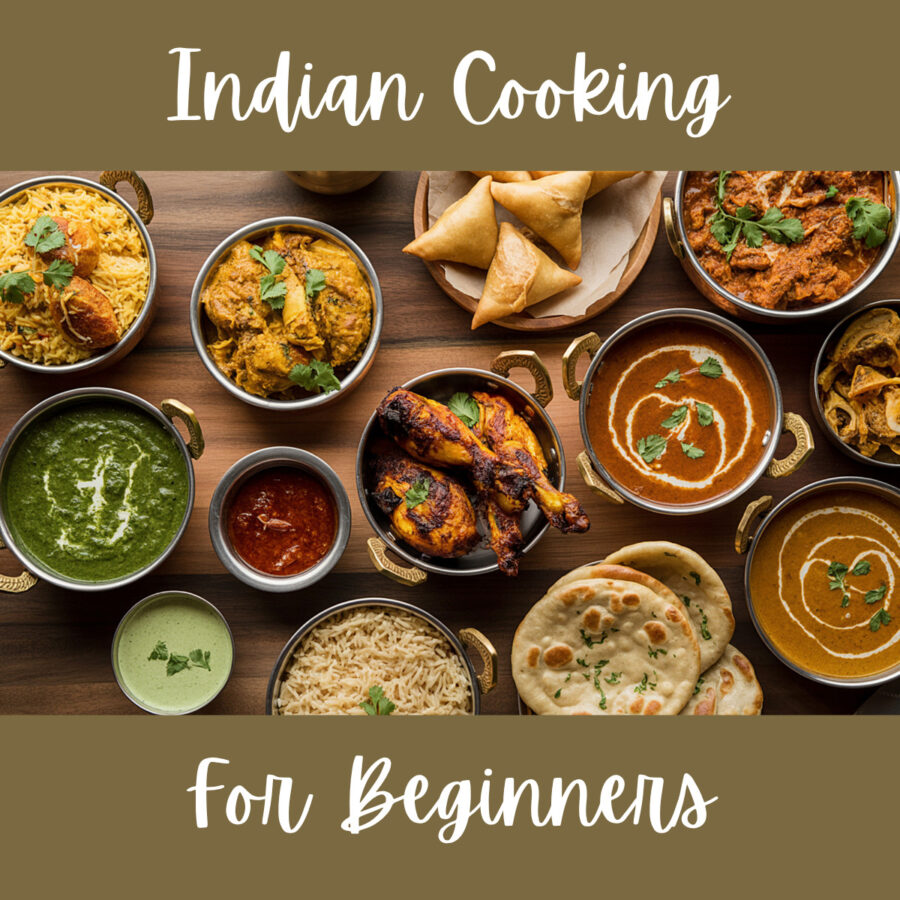
Continue learning with these comprehensive guides:
- Indian Cooking for Beginners
- Essential Indian Spices for Beginners
- How to Bloom and Temper Indian Spices
- Garam Masala vs Curry Powder
- Indian Curry Types Explained
- How to Build a Complete Indian Meal
- Indian Recipes
- How to Freeze and Reheat Curry
Indian cooking techniques are not mysterious rules that must be memorized all at once. They are practical ways to control aroma, moisture, tenderness, texture, and balance.
Begin with one technique, such as tempering cumin in ghee or cooking onions to a true golden brown. Once you understand what that step changes, you will recognize it in dozens of other recipes.





Leave a Reply