
Indian dal can refer to lentils, split pulses, or the finished dishes made from them. This guide explains the most common Indian dal types, what they look and taste like, how quickly they cook, and which recipes work best for each variety.
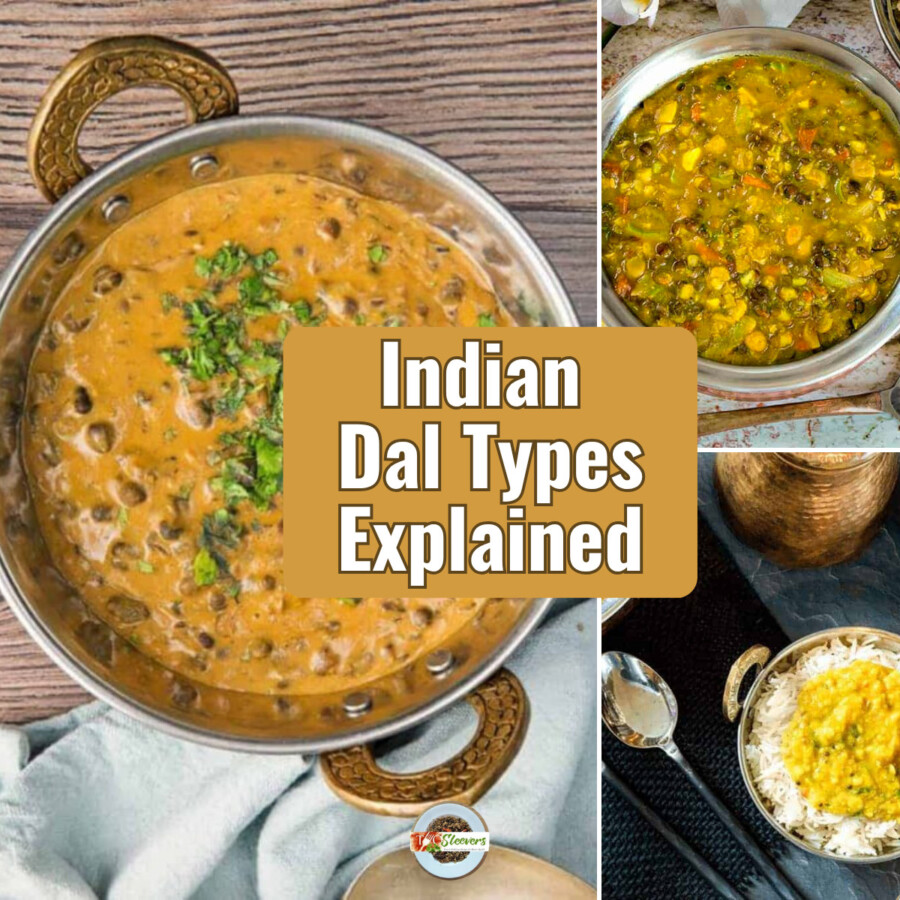
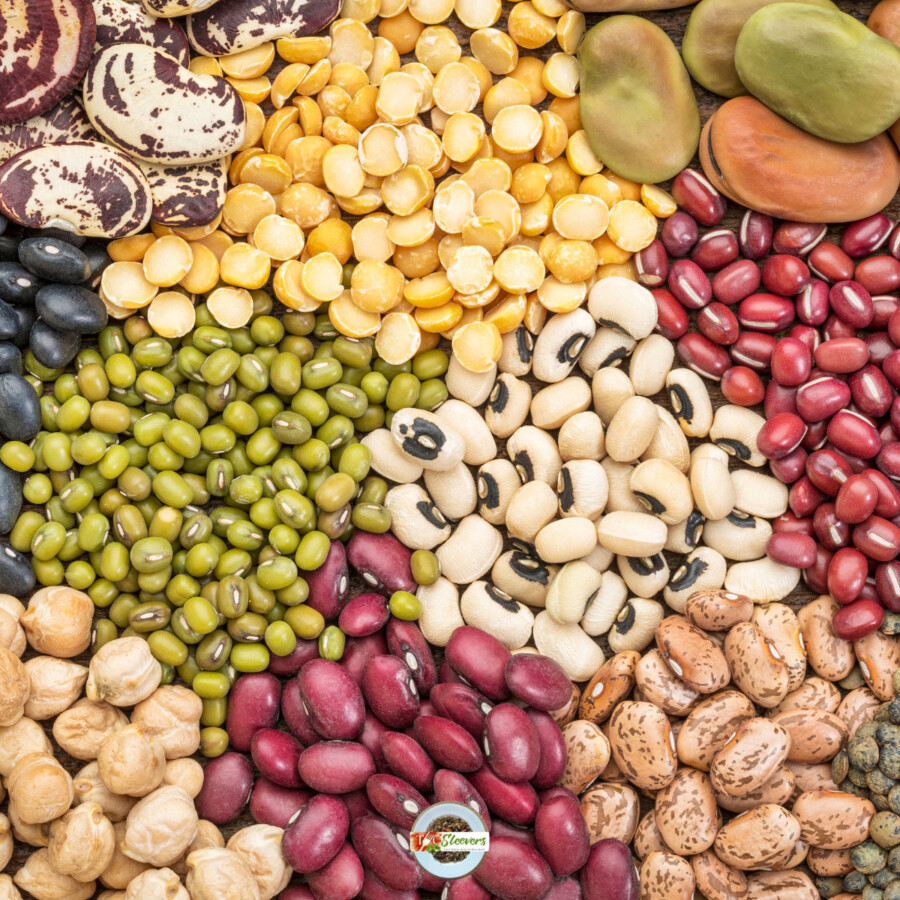
If you have ever stood in an Indian grocery store looking at bags labeled moong dal, masoor dal, toor dal, chana dal, and urad dal, you are not alone. Some dals are whole, some are split, some have their skins, and others have been hulled.
Those differences affect cooking time, flavor, texture, soaking, and the recipes in which each dal works best.
Why You'll Love This Indian Dal Guide
- Beginner-Friendly. Understand common Hindi and English names for Indian lentils and pulses.
- Practical. Learn which dals cook quickly and which benefit from soaking.
- Comprehensive. Compare moong, masoor, toor, chana, and urad dal.
- Helpful. Avoid choosing the wrong lentil for a recipe.
- Versatile. Find options for creamy dal, dry dal, soup, sambar, khichdi, and more.
- Recipe-Focused. Put each variety to work in tested TwoSleevers recipes.
For more cooking inspiration, browse these bean and lentil recipes or the complete collection of Indian recipes.
What Is Dal?
The word "dal," also spelled "daal," has more than one meaning.
It can refer to:
- A dried pulse that has been split
- A whole or hulled pulse used in Indian cooking
- A cooked lentil or pulse dish
- A soup-like or stew-like preparation
- A thick, dry, or creamy side dish made from pulses
This means that someone might use "dal" to describe both the uncooked yellow lentils in a package and the seasoned dish served with rice or roti.
Dal does not refer to one single ingredient or recipe. Different regions, households, and cooks prepare dal in many ways.
Are Lentils And Dal The Same Thing?
Not exactly.
Lentils are one category of edible pulses. Dal can refer to lentils, but it may also refer to split pigeon peas, split chickpeas, split black gram, or other dried pulses.
In English, many Indian dals are casually called lentils even when they come from a different type of legume.
For example:
- Masoor is a true lentil.
- Toor dal comes from pigeon peas.
- Chana dal comes from small chickpeas.
- Moong dal comes from mung beans.
- Urad dal comes from black gram.
The term "lentil" is convenient in recipes, but it does not always identify the exact plant or pulse.
What Is The Difference Between Beans, Legumes, Pulses, Lentils, And Dal?
These terms overlap, but they are not identical.
- Legume. A broad plant family that includes beans, peas, lentils, peanuts, and other plants that produce pods.
- Pulse. The dried edible seed of certain legume plants.
- Bean. One type of legume seed.
- Lentil. A small lens-shaped pulse.
- Dal. A South Asian term commonly used for split pulses and dishes made from them.
You do not need to memorize the botanical distinctions to cook dinner. The important thing is to use the pulse specified by the recipe because different varieties cook at very different rates.
For more information about pressure cooking beans and pulses, read this guide to cooking beans in the Instant Pot.
Quick Guide To Indian Dal Types
| Dal Type | English Description | Uncooked Color | Cooked Texture | Common Uses |
|---|---|---|---|---|
| Yellow moong dal | Split, hulled mung beans | Yellow | Soft and creamy | Simple dal, soup, khichdi |
| Moong chilka | Split mung beans with skin | Green and cream | Soft with more texture | Dal, khichdi, savory dishes |
| Whole moong | Whole mung beans | Green | Tender but holds shape | Curry, sprouts, soups |
| Masoor dal | Split, hulled red lentils | Orange or coral | Very soft and creamy | Quick dal, soup, curries |
| Whole masoor | Whole brown lentils | Brown | Tender and earthy | Dal, sprouted dishes, salads |
| Toor dal | Split pigeon peas | Yellow | Creamy but substantial | Dal, sambar, rice and dal |
| Chana dal | Split, hulled Bengal gram | Yellow | Nutty and slightly firm | Dal fry, dry dishes, snacks |
| Whole urad dal | Whole black gram | Black | Rich and creamy | Dal makhani, langar dal |
| Split urad with skin | Split black gram | Black and white | Creamy with visible skins | Dal and regional dishes |
| Hulled urad dal | Split, skinned black gram | White | Soft and sticky | Dal, idli, dosa, fritters |
| Split peas | Split field peas | Yellow or green | Soft and thick | Soups and some dal-style dishes |
Cooking times are only general comparisons. The age of the pulse, cooking method, soaking, water, altitude, acidity, and desired texture can all affect the final time.
Moong Dal
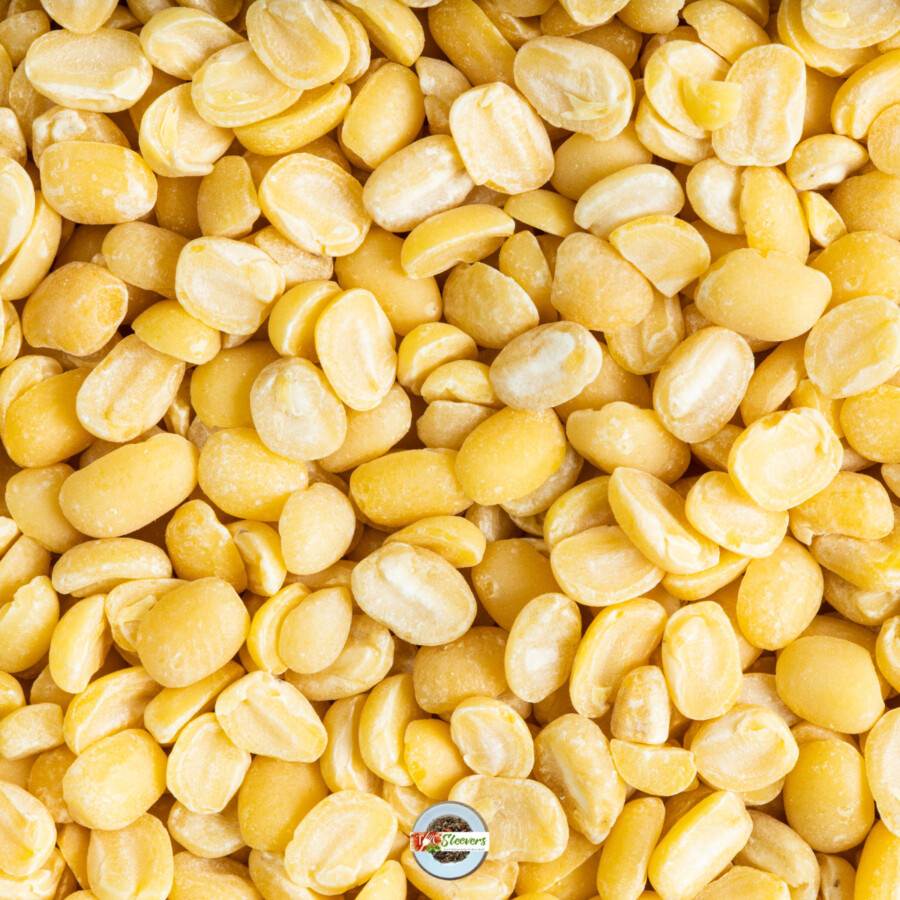
Moong dal comes from mung beans. It is one of the most versatile pulses used in Indian cooking.
Mung beans may be sold in several forms:
- Whole green mung beans
- Split mung beans with their green skins
- Split and hulled yellow moong dal
- Sprouted mung beans
Each version has a different appearance and cooking time.
Yellow Moong Dal
Yellow moong dal is made by splitting mung beans and removing their green skins.
It cooks quickly and becomes soft, mild, and creamy. Its gentle flavor makes it a useful beginner dal and a popular choice for simple meals.
Use yellow moong dal for:
- Plain dal
- Dal soup
- Khichdi
- Baby food
- Light meals
- Thickening soups
- Blended lentil dishes
Try this Indian Dal Soup, which uses split yellow moong dal to create a smooth and comforting soup.
Moong Chilka
Moong chilka is split mung dal with some or all of the green skin still attached.
The skin adds color and texture. It may hold its shape slightly better than hulled yellow moong dal while still becoming tender and creamy.
"Chilka" refers to skin or husk. You may see similar terminology used for other split pulses that retain their skins.
Whole Moong
Whole moong consists of small green mung beans with their skins intact.
This type of whole moong takes longer to cook than yellow split moong dal and maintains more of its shape. It has a slightly earthier flavor and can be used for curries, salads, soups, and sprouting.
This Instant Pot Moong Dal uses whole mung beans for a hearty, protein-rich dish.
Whole moong and yellow moong dal are related, but they are not interchangeable without changing the cooking time and texture.
Masoor Dal
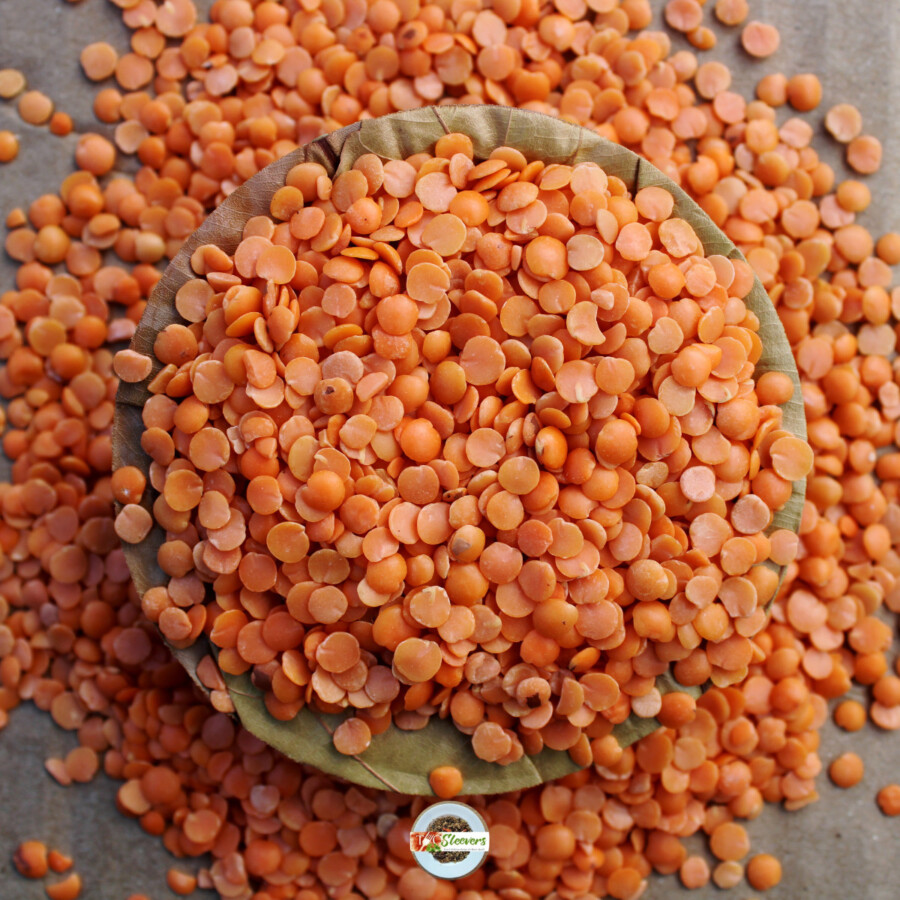
Masoor dal is the Hindi name commonly used for lentils that may be sold whole, split, or hulled.
Red Masoor Dal
Split, hulled masoor dal is usually orange, coral, or pink when dry. It turns yellow or golden as it cooks.
Red lentils cook quickly and break down easily, making them ideal for:
- Quick weeknight dal
- Lentil soup
- Creamy curry
- Blended soup
- Thickening stews
- Khichdi
The final dish is usually smooth and soft rather than made of distinct lentils.
If you want a fast, simple starting point, try this Simple Lentil Soup.
Whole Masoor
Whole masoor is commonly called brown lentils in English.
The lentils retain their outer skins, so they take longer to cook than split red masoor dal and hold their shape more effectively.
Whole masoor has an earthy flavor and can be used for:
- Whole lentil dal
- Sprouted bean dishes
- Salads
- Curries
- Soups
This Indian Ussal demonstrates a flexible method for cooking sprouted beans or lentils.
Toor Dal
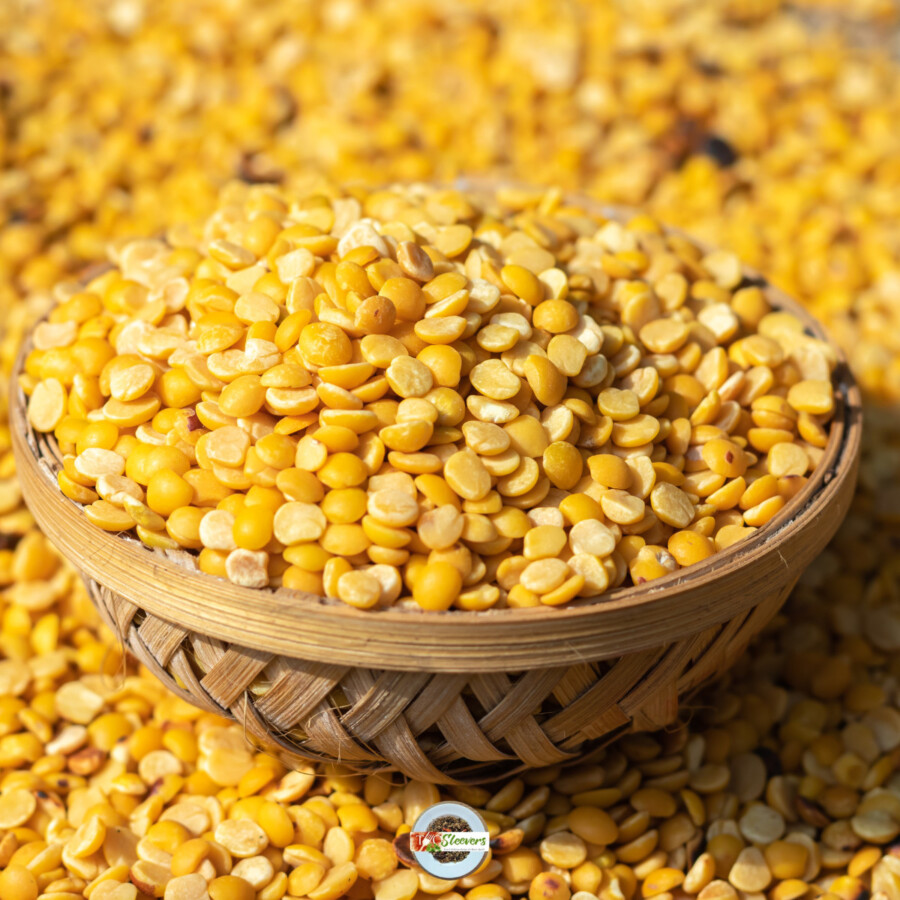
Toor dal is made from split pigeon peas. It may also be labeled:
- Arhar dal
- Tuvar dal
- Tur dal
- Split pigeon peas
Toor dal is yellow, but it is not the same as yellow moong dal, chana dal, or yellow split peas.
It has a mild, slightly nutty flavor and becomes creamy when thoroughly cooked. It is widely used in everyday Indian cooking.
Use toor dal for:
- Basic dal
- Dal tadka
- Dal fry
- Sambar
- Rice and dal
- Vegetable dal
- Regional lentil stews
Try this Pressure Cooker Rice And Dal, which combines toor dal with basmati rice, spices, aromatics, and a flavorful tempering.
Is Toor Dal The Same As Yellow Split Peas?
No.
They may look similar, but toor dal comes from pigeon peas, while yellow split peas come from field peas.
The flavor, texture, and cooking time can differ. Use the dal named in the recipe for the most reliable result.
Chana Dal
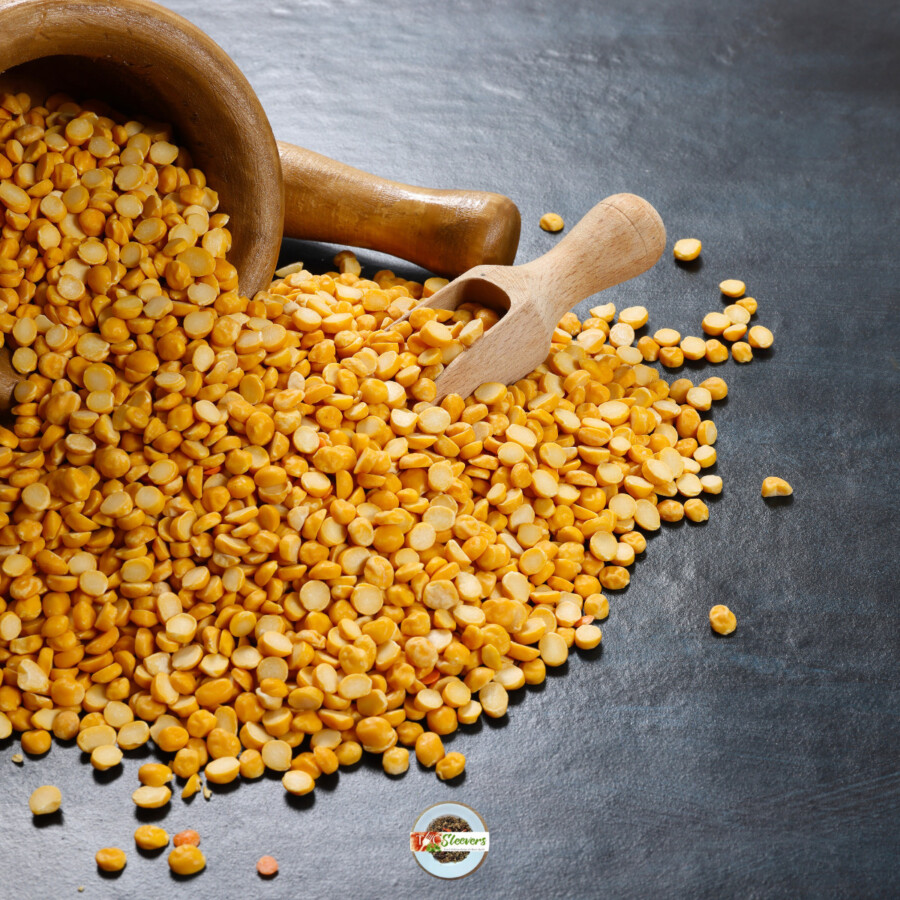
Chana dal is made from split, hulled Bengal gram, a small variety of chickpea.
It is yellow, thick, and slightly larger than some quick-cooking split dals. Chana dal has a nutty flavor and tends to retain more texture after cooking.
Use chana dal for:
- Chana dal fry
- Thick dal
- Dry vegetable and dal dishes
- Savory snacks
- Fritters
- Regional curries
- Mixed dal recipes
This Chana Dal Fry shows how the split pulse can become creamy while retaining enough texture to make the dish satisfying.
Is Chana Dal The Same As Chickpeas?
Chana dal and chickpeas are related, but they are not used the same way.
Chana dal consists of split and hulled small chickpeas. Whole chickpeas are larger, retain their skins, and need considerably more cooking time.
Do not substitute whole chickpeas for chana dal without adjusting the water, soaking, and cooking instructions.
Is Chana Dal The Same As Yellow Split Peas?
No. They look similar, but they come from different plants and can have different flavor, texture, and cooking requirements.
Urad Dal
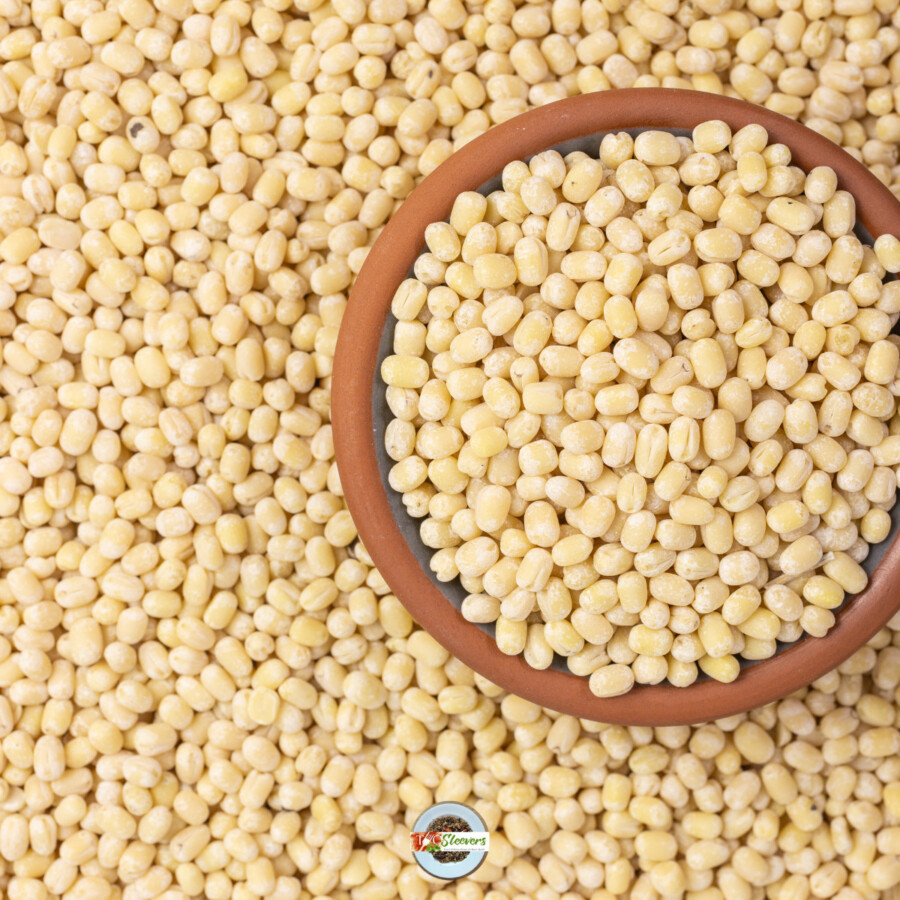
Urad dal comes from black gram. It may be sold whole, split with the skin, or split and completely hulled.
Whole Black Urad Dal
Whole urad dal is black on the outside with a creamy white interior.
It requires more cooking time than split urad and creates a rich, creamy texture when cooked slowly or under pressure.
Whole black urad dal is the key ingredient in Dal Makhani, where it is cooked until tender and finished with aromatics, spices, dairy, and ghee.
It is also used in Langar Ki Dal, which combines whole black urad dal with chana dal.
Split Urad Dal With Skin
Split urad with its black skin attached cooks faster than whole urad but retains a deeper flavor and visible dark skins.
It may be used in dals, regional dishes, and mixed pulse recipes.
Hulled Urad Dal
Hulled urad dal is split black gram with the dark skin removed. It looks white or ivory.
It becomes soft and can develop a thick, somewhat sticky texture.
Hulled urad is used in:
- Dal
- Idli batter
- Dosa batter
- Vada
- Papad
- Tempering and spice blends
It is not interchangeable with whole black urad in a recipe such as dal makhani without major changes to cooking time, appearance, and texture.
For a different style of urad dish, try this Sookhi Urad Dal, a dry Punjabi preparation.
Matar Dal And Split Peas
Matar refers to peas. Yellow or green split peas are sometimes used in dal-style dishes, soups, snacks, and regional recipes.
Split peas become thick and soft as they cook, but they are not the same ingredient as toor dal or chana dal.
Check the package carefully because several yellow split pulses can look similar.
If a recipe calls for yellow split peas, use yellow split peas rather than assuming any yellow dal will behave the same way.
Mixed Dal
Mixed dal combines two or more varieties of lentils or split pulses.
Using several dals creates a more complex texture because some varieties break down into a creamy base while others remain partially intact.
A mixed dal may contain:
- Toor dal
- Moong dal
- Masoor dal
- Chana dal
- Urad dal
Cooking a mixed dal requires selecting varieties with compatible cooking times or using a method that gives the firmer pulses enough time to soften.
Langar Ki Dal
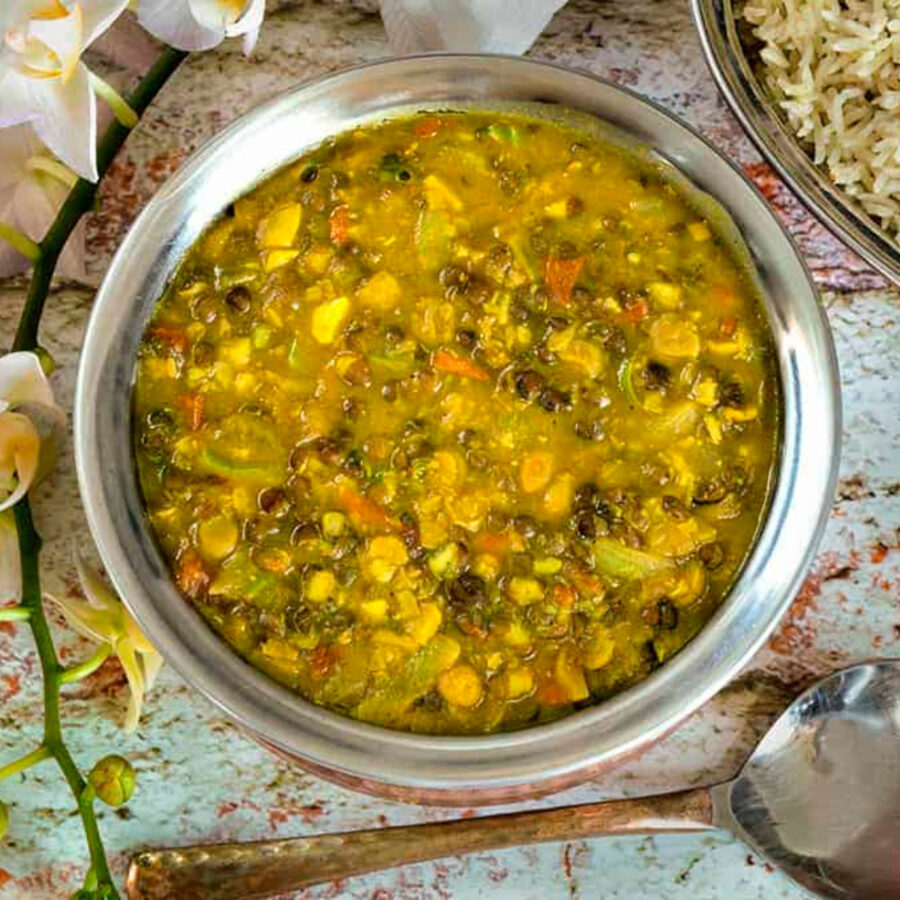
Langar Ki Dal combines whole black urad dal and chana dal for a thick, hearty dish.
The cooked pulses are mashed slightly, then mixed with onions, tomatoes, ginger, garlic, cumin, and spices.
Panchmel Or Panchratna Dal
Panchmel dal, also called panchratna dal, is a blend of five dals. "Panch" means five.
The exact combination varies, but it may include toor, moong, masoor, chana, and urad dal.
The mixture produces layers of flavor and texture that a single dal cannot provide.
Common Indian Dal Dishes
Dal names do not always tell you which pulse is used. Some names describe a cooking method, consistency, seasoning, or regional style.
Dal Tadka
Dal tadka is cooked dal finished with a hot seasoned fat.
"Tadka" refers to tempering spices in hot oil or ghee. Common tempering ingredients include:
- Cumin seeds
- Mustard seeds
- Dried chiles
- Fresh chiles
- Garlic
- Ginger
- Curry leaves
- Asafoetida
- Onion
- Ground chile
The hot mixture is poured over or stirred into the cooked dal.
Several different pulses can be used for dal tadka, including toor, moong, masoor, or a mixture.
Learn how this technique works in the guide to blooming and tempering Indian spices.
Dal Fry

Dal fry usually involves cooked dal combined with sautéed aromatics, tomatoes, spices, and fat.
Despite the name, the entire dish is not deep-fried. "Fry" refers to sautéing or frying the flavor base before combining it with the cooked dal.
Try Chana Dal Fry for a thick, nutty version made with split Bengal gram.
Dal Makhani
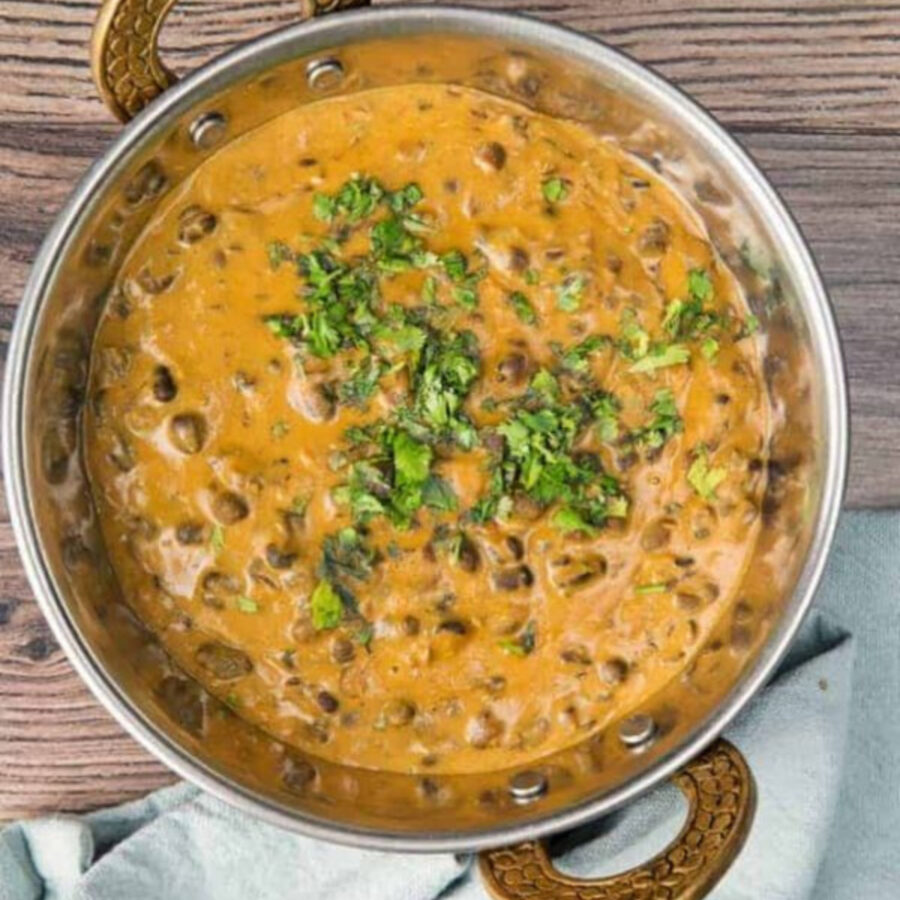
"Makhan" means butter, and dal makhani is a rich, creamy dal commonly made with whole black urad dal.
Some versions also contain kidney beans. The dish may be finished with butter, cream, yogurt, or another rich dairy ingredient.
This Instant Pot Dal Makhani creates the slow-cooked texture of the traditional dish with less hands-on time.
Langar Dal
Langar refers to the community kitchen or meal served at a Sikh gurdwara.
Recipes vary, but langar dal is generally hearty, comforting, and prepared in large quantities.
This Instant Pot Langar Ki Dal combines whole urad and chana dal for a thick texture.
Sambar

Sambar is a South Indian lentil and vegetable dish that commonly uses toor dal, tamarind, vegetables, spices, and sambar masala.
The tamarind creates a distinct tang, while the vegetables and lentils make the dish substantial.
Sambar may be served with:
- Rice
- Idli
- Dosa
- Vada
- Pongal
Make this Homemade Sambar Masala to understand the toasted spices, dals, coconut, curry leaves, and chiles that give the dish its characteristic flavor.
Khichdi
Khichdi, also spelled khichadi, khichari, or kitchari, combines rice and dal in one pot.
The texture ranges from fluffy and separate to very soft and porridge-like. Moong dal is a common choice because it cooks quickly and has a mild flavor.
This Instant Pot Khichdi cooks rice and split dal together with ghee, cumin, turmeric, and salt for simple Indian comfort food.
Dal Soup
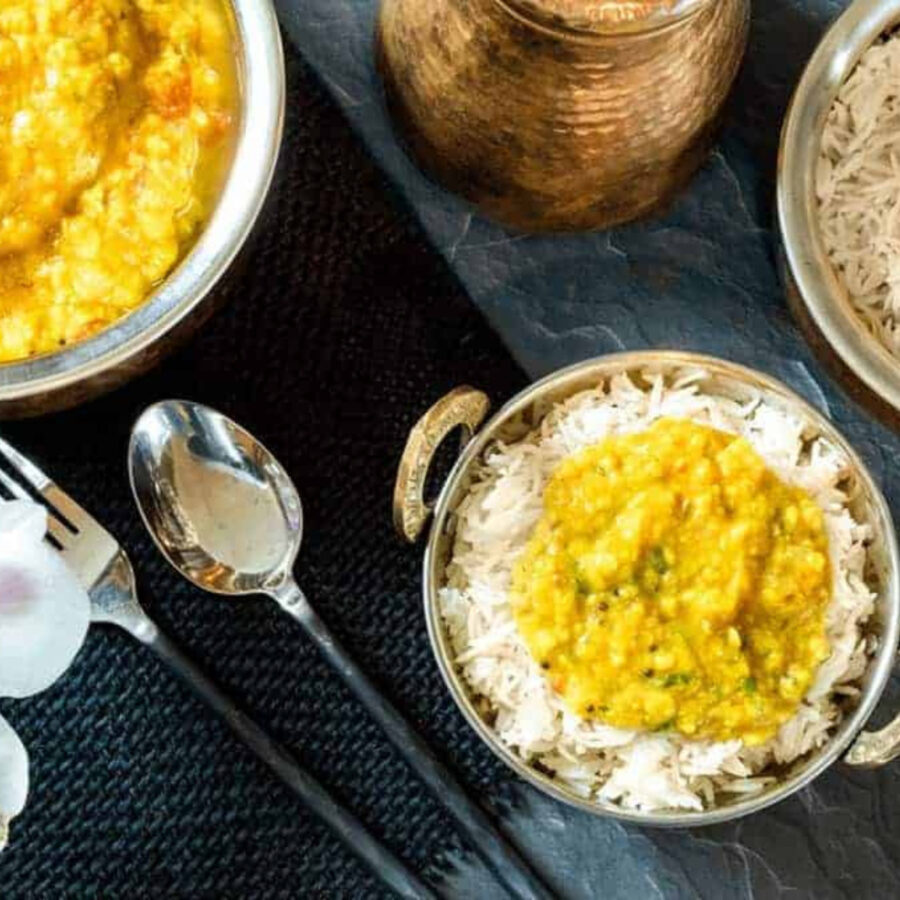
Dal can be thinned with water or broth to create a soup. Quick-cooking dals such as yellow moong and red masoor work particularly well because they break down easily.
Try:
Which Dal Is Best For Beginners?
Yellow moong dal and red masoor dal are two of the easiest options for beginners.
They:
- Cook quickly
- Usually do not require soaking
- Become soft without extensive cooking
- Work with simple seasonings
- Can be made thick or soup-like
- Are forgiving in the Instant Pot or on the stovetop
Whole urad dal, whole chickpeas, and other larger whole pulses need more time and may benefit from soaking.
Which Dal Cooks The Fastest?
Split, hulled dals generally cook faster than whole pulses.
Quick-cooking options include:
- Yellow moong dal
- Red masoor dal
- Split urad dal
- Toor dal
Chana dal usually remains firmer and may need more time than yellow moong or red lentils.
Whole mung beans, whole masoor, and whole black urad require longer cooking because their skins remain intact.
The age of the dal matters. Older pulses can take considerably longer to soften.
Use this guide to cooking lentils in the Instant Pot or on the stovetop for more preparation guidance.
Do You Need To Soak Dal?
Most split dals do not require soaking, especially when cooked in a pressure cooker.
You can usually cook these without soaking:
- Yellow moong dal
- Red masoor dal
- Toor dal
- Split urad dal
- Chana dal, depending on the recipe
Whole pulses may benefit from soaking because it helps them cook more quickly and evenly.
These include:
- Whole black urad dal
- Whole chickpeas
- Kidney beans
- Whole mung beans
- Other large whole beans
Always follow the individual recipe. Soaking can change the required water and cooking time.
How To Rinse Dal
Rinse dal before cooking unless the package or recipe specifically says otherwise.
- Place the dal in a bowl.
- Cover it with water.
- Swirl it with your fingers.
- Drain the cloudy water.
- Repeat until the water is considerably clearer.
- Check for stones, husks, or damaged pieces.
- Drain thoroughly.
Rinsing removes surface dust and excess starch. It also gives you an opportunity to inspect the pulses.
How To Cook Dal On The Stovetop
The basic stovetop method is:
- Rinse the dal.
- Soak it if the recipe requires soaking.
- Combine it with water in a roomy pot.
- Add turmeric or other cooking seasonings if directed.
- Bring it to a boil.
- Reduce the heat.
- Simmer until tender.
- Add additional hot water if needed.
- Mash or whisk for a creamier texture.
- Add the seasoning base or tadka.
Whole pulses take longer than split dals. Stir periodically and make sure the pot does not boil dry.
How To Cook Dal In The Instant Pot
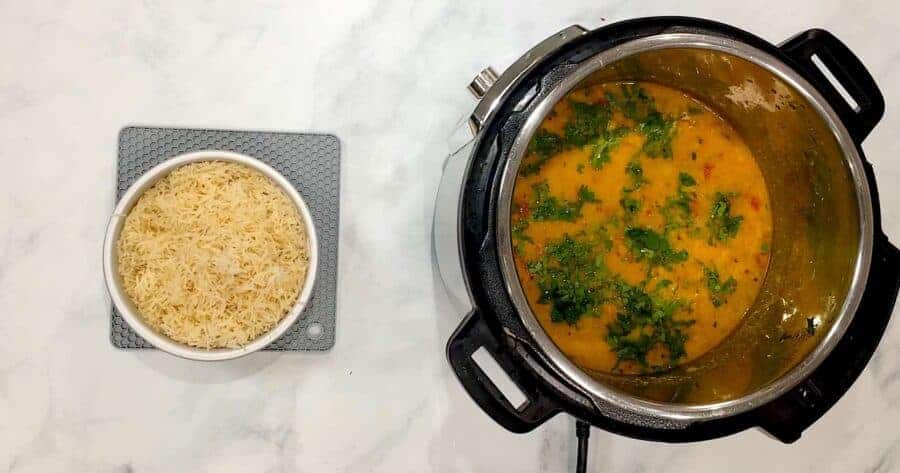
An electric pressure cooker makes it easier to cook whole pulses and reduces hands-on attention.
The basic method is:
- Rinse the dal.
- Add it to the inner pot with the recipe's amount of water.
- Add salt, turmeric, or other ingredients when directed.
- Pressure cook for the time required by that specific dal.
- Use the stated natural or quick pressure release.
- Mash or stir the dal as needed.
- Add tadka, dairy, herbs, or finishing spices.
Do not use one universal cook time for every dal. Split red lentils can cook in only a few minutes under pressure, while whole black urad dal needs considerably longer.
Browse these Instant Pot lentil recipes for tested cooking methods.
How Much Water Do You Need For Dal?
The water ratio depends on:
- Type of dal
- Whole or split form
- Soaking
- Stovetop or pressure cooking
- Desired consistency
- Age of the pulse
- Other ingredients
- Whether the recipe is dry, thick, or soup-like
A dry urad dal recipe needs much less water than a thin dal soup. A whole bean also absorbs water differently from a split, hulled pulse.
Follow the tested recipe instead of applying one ratio to every dal.
If the cooked dal is too thick, add hot water gradually. If it is too thin, simmer it uncovered or mash some of the pulses to thicken the liquid.
Why Is My Dal Not Getting Soft?
Dal may remain firm because:
- The pulse is old.
- It needs more cooking time.
- There is not enough water.
- The pressure cooker did not seal.
- The recipe uses a whole pulse rather than split dal.
- Salt or acidic ingredients were added at the wrong stage for that recipe.
- Tomatoes, vinegar, lemon, or tamarind slowed softening.
- The dal was substituted without changing the cooking time.
Acidic ingredients can slow the softening of some pulses. When a recipe instructs you to add tamarind, tomatoes, or lemon after the dal is tender, follow that order.
Can You Substitute One Dal For Another?
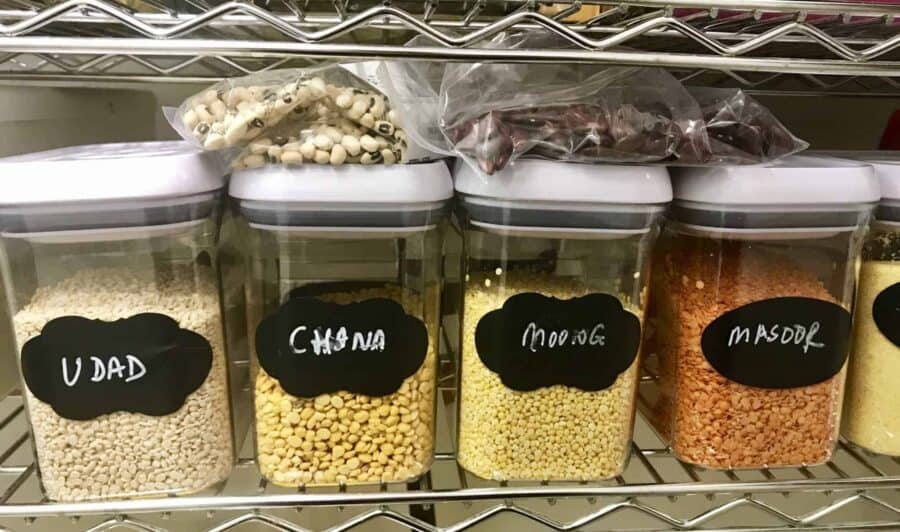
Sometimes, but not without considering cooking time and texture.
Easier Substitutions
Yellow moong dal and red masoor dal can sometimes replace one another in simple soups or soft dals. The color and flavor will differ, but both cook quickly and break down.
Substitutions That Need Adjustments
Toor dal may work in some recipes written for moong or masoor, but it can require a different cooking time.
Chana dal remains firmer and should not be substituted for a quick-cooking red lentil without changing the method.
Whole urad should not be replaced with split white urad in dal makhani if you expect the same color, flavor, texture, and cooking time.
Whole chickpeas cannot replace chana dal without significant changes.
When the identity of the dal defines the dish, use the specified ingredient.
How To Add Flavor To Dal
Dal can be very simple or deeply seasoned.
Common flavor-building ingredients include:
- Ghee
- Oil
- Cumin seeds
- Mustard seeds
- Turmeric
- Coriander
- Garam masala
- Asafoetida
- Ginger
- Garlic
- Onion
- Tomatoes
- Dried chiles
- Fresh chiles
- Curry leaves
- Cilantro
- Lemon juice
- Tamarind
The order matters. Whole spices may be tempered in hot fat, aromatics are cooked until fragrant, and some finishing spices are added near the end.
If you are new to these ingredients, read this guide to essential Indian spices.
What Is Tadka?
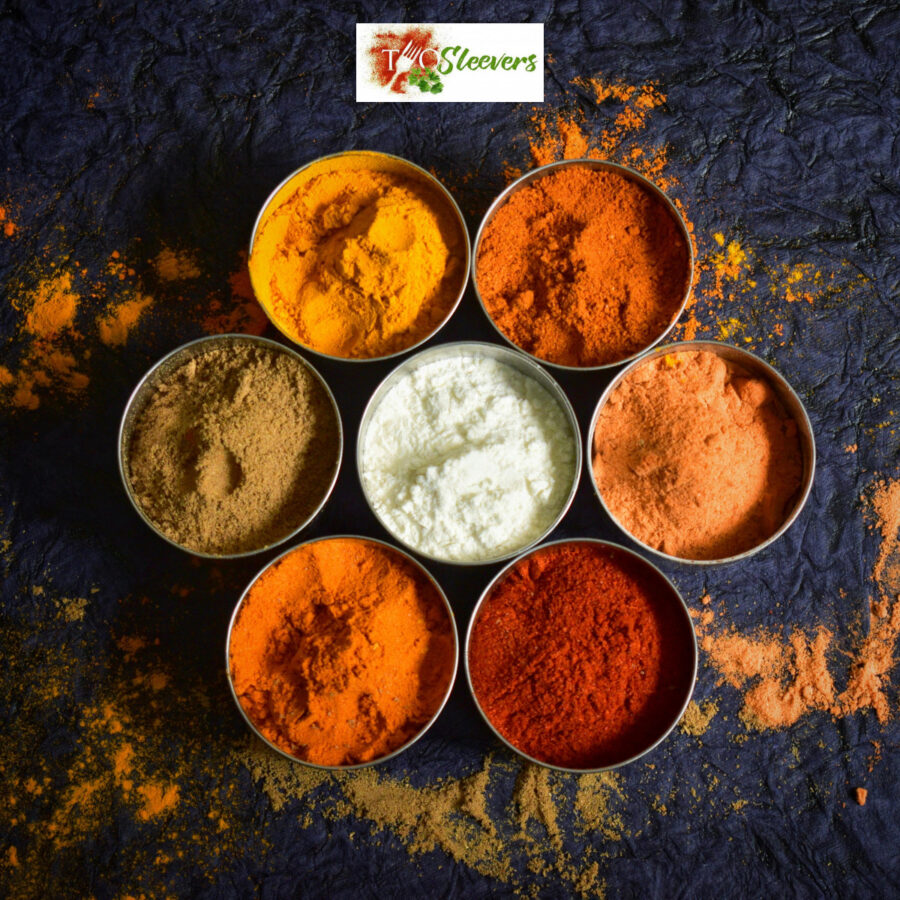
Tadka is a technique in which spices and aromatics are briefly cooked in hot oil or ghee.
The flavored fat is then stirred into the dal or poured over the top.
A tadka can include:
- Cumin seeds
- Mustard seeds
- Curry leaves
- Dried red chiles
- Garlic
- Ginger
- Onion
- Asafoetida
- Ground chile
The ingredients cook quickly, so have everything measured and ready before heating the oil.
Do not allow the spices or garlic to burn. Burned tadka can make the entire pot taste bitter.
Is Dal A Main Dish Or Side Dish?
Dal can be either.
A thinner or simpler dal may be served as one part of a larger Indian meal. A thick dal made with whole pulses can be substantial enough to serve as the main dish.
Dal is commonly paired with:
- Rice
- Roti
- Chapati
- Naan
- Vegetable dishes
- Pickles
- Chutney
- Yogurt
- Raita
- Salad
This guide to building a complete Indian meal can help you choose complementary dishes.
What To Serve With Dal
Rice
Plain basmati rice lets the flavor of the dal remain the focus. Try this Instant Pot Basmati Rice or a more aromatic Basmati Rice Pilau.
Indian Bread
Serve thick dal with roti, chapati, naan, or paratha.
Vegetables
Add a dry vegetable dish such as cabbage, okra, cauliflower, green beans, or eggplant.
Cooling Sides
Yogurt, cucumber raita, or a fresh salad can balance spicy tadka.
Chutney And Pickles
A tart or spicy condiment adds contrast to mild, creamy dal. Try this Indian Green Chutney.
How To Store Cooked Dal
Allow dal to cool promptly and transfer it to an airtight container.
Store it in the refrigerator and use it within the storage period provided by the individual recipe.
Dal becomes thicker as it sits because the pulses continue absorbing liquid. Add a small amount of water before reheating.
Reheat on the stovetop or in the microwave, stirring frequently until it is hot throughout.
Can You Freeze Dal?
Yes. Most dal freezes very well.
For the best results:
- Cool it promptly.
- Divide it into useful portions.
- Transfer it to freezer-safe containers.
- Leave room for expansion.
- Label the containers.
- Thaw in the refrigerator.
- Reheat gently with a splash of water.
Add fresh cilantro, lemon juice, cream, ghee, or tadka after reheating to refresh the flavor.
Dal makhani, moong dal, masoor dal, chana dal, and mixed dal are all useful freezer meals.
Frequently Asked Questions
What Are The Five Main Types Of Dal?
Five of the most commonly used Indian dals are moong, masoor, toor, chana, and urad dal.
Each is available in different forms, and some may be sold whole, split, hulled, or with the skin attached.
Which Dal Is Yellow?
Several dals are yellow, including:
- Yellow moong dal
- Toor dal
- Chana dal
- Hulled split urad, which is closer to white or ivory
- Yellow split peas
They are not interchangeable simply because they share a similar color.
Which Dal Is Red?
Split, hulled masoor dal is commonly called red lentils. It usually looks orange, coral, or pink when dry and becomes yellowish when cooked.
Which Dal Is Black?
Whole urad dal has a black outer skin and creamy interior. It is used in dal makhani and other hearty dishes.
Which Dal Is Green?
Whole moong beans are green. Split moong with the skin attached also has visible green coloring.
Which Dal Is Used For Dal Makhani?
Whole black urad dal is the primary pulse used for dal makhani. Some recipes also include kidney beans.
Which Dal Is Used For Sambar?
Toor dal is commonly used for sambar. The finished dish also includes vegetables, tamarind, and sambar masala.
Which Dal Is Used For Khichdi?
Yellow moong dal is a common choice for khichdi because it cooks quickly and has a mild flavor. Masoor dal or another split dal may also be used.
Which Dal Is Easiest To Digest?
Many people consider yellow moong dal mild and easy to eat, but individual digestion varies.
If you have a medical or digestive condition, speak with a qualified healthcare professional about the foods that are appropriate for you.
Which Dal Has The Most Protein?
All dals contribute plant-based protein, but the exact amount varies by pulse, brand, cooked serving size, and preparation.
Check the package nutrition label and the individual recipe card when you need precise nutritional information.
Is Dal Gluten-Free?
Plain lentils and pulses are naturally gluten-free. However, packaged spice blends, asafoetida, processed ingredients, and cross-contact can introduce gluten.
Check all labels if you are cooking for someone with celiac disease or a wheat allergy.
Is Dal Vegan?
Many dal recipes are vegan or can be made vegan by using oil instead of ghee and avoiding cream, butter, or yogurt.
Always review the full ingredient list because dishes such as dal makhani may contain several dairy ingredients.
Do You Have To Soak Moong Dal?
Split yellow moong dal usually does not require soaking. Whole green mung beans take longer to cook and may benefit from soaking.
Do You Have To Soak Chana Dal?
Not always. Chana dal can be cooked without soaking in a pressure cooker when the recipe is designed for it. Soaking may reduce the cooking time.
Why Did My Dal Turn Mushy?
Split dal naturally softens and may break down into a creamy consistency. This is desirable in many recipes.
If you want distinct pieces, choose a whole pulse, use a firmer dal such as chana dal, or reduce the cooking time according to a tested recipe.
Why Is My Dal Watery?
The recipe may contain too much water, or the cooked dal may not have been mashed.
Simmer it uncovered, mash some of the pulses, or allow it to rest. Dal often thickens as it cools.
Why Is My Dal Too Thick?
Dal continues absorbing water after cooking. Add hot water gradually and stir until it reaches the consistency you prefer.
Adjust the salt and spices after adding water.
More Indian Cooking Guides And Recipes
If this guide to Indian dal types was helpful, explore:
- Best Lentil Recipes
- How To Cook Lentils
- How To Cook Beans In The Instant Pot
- Instant Pot Lentil Recipes
- Bean And Lentil Recipes
- Indian Curry Types Explained
- Essential Indian Spices
- How To Bloom And Temper Indian Spices
- How To Build A Complete Indian Meal
- All Indian Recipes
The easiest way to understand Indian dal is to pay attention to three details: the pulse variety, whether it is whole or split, and whether the skin has been removed. Those characteristics tell you far more about cooking time and texture than color alone.
Start with a quick-cooking yellow moong or red masoor dal, then explore nutty chana dal, everyday toor dal, or rich whole urad dal as you become more familiar with Indian pulses.
If you found this guide helpful, share it with your friends on Facebook and Pinterest so they can confidently shop for and cook Indian dal too.



Leave a Reply