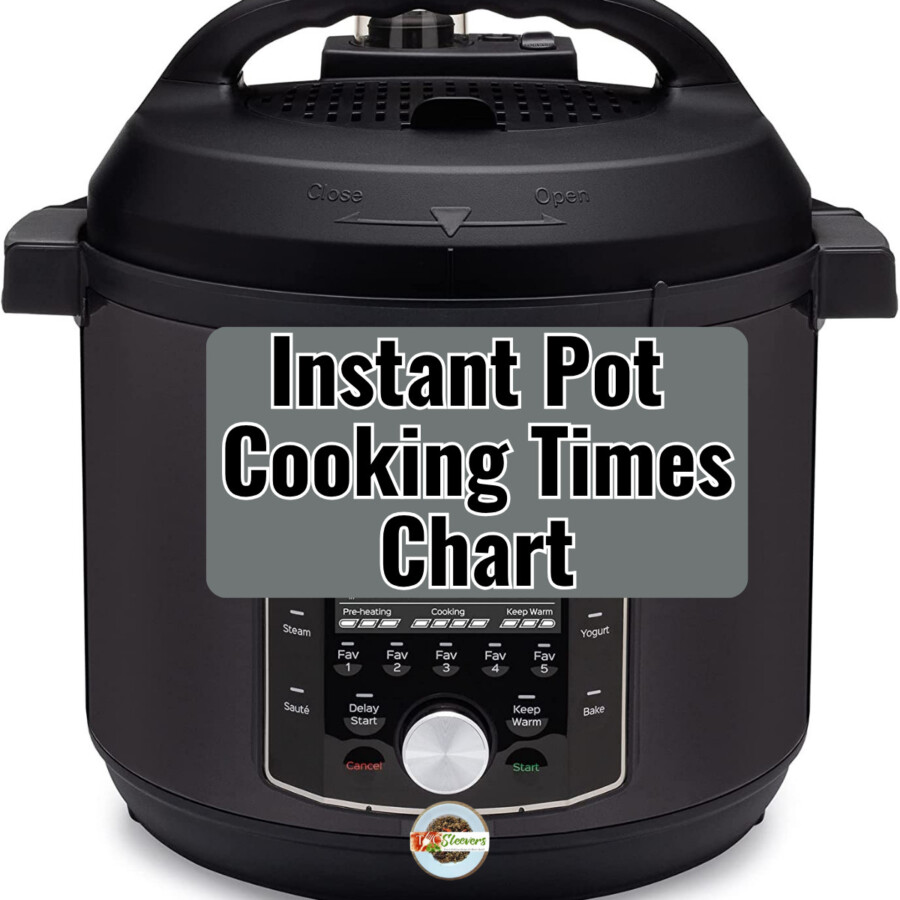
This Instant Pot Cooking Times Chart gives you practical pressure cooking times for meat, chicken, seafood, beans, grains, vegetables, and eggs. Save it as a quick reference whenever you need to know how long to cook food in an Instant Pot.
Your Instant Pot can turn dried beans, tough cuts of meat, whole grains, and everyday vegetables into easy meals with very little hands-on work. The tricky part is knowing exactly how much time to enter and which pressure release method to use.
That is where this pressure cooker cooking times chart comes in.
The charts below provide reliable starting ranges for common ingredients. Food size, thickness, age, starting temperature, elevation, and pressure cooker model can all affect the final result, so use the suggested times as a guide and make small adjustments when necessary.
Why You'll Love This Instant Pot Guide
- Helpful. Find pressure cooking times for dozens of common ingredients in one place.
- Beginner-Friendly. Learn the difference between cook time, total time, Natural Pressure Release, and Quick Pressure Release.
- Practical. Use the charts to plan chicken, meat, rice, beans, vegetables, seafood, and eggs.
- Flexible. Adjust texture by choosing the shorter or longer end of each time range.
- Time-Saving. Stop searching for a separate cooking time every time you use your pressure cooker.
For full recipes with tested ingredient ratios, seasonings, and layering instructions, browse these Instant Pot recipes.
Important Instant Pot Cooking Terms
Before using the charts, make sure you understand the language used in pressure cooker recipes.
Pressure Cooking Time
The cooking time is the number you enter after selecting Pressure Cook or Manual. The countdown begins only after the Instant Pot has heated, produced steam, sealed, and reached pressure.
A recipe with a 10-minute pressure cooking time does not take only 10 minutes from start to finish.
Time To Come To Pressure
Most Instant Pots take approximately 5 to 20 minutes to reach pressure. A small amount of warm liquid may pressurize quickly, while a full pot of cold soup, frozen meat, or beans can take considerably longer.
Natural Pressure Release
A Natural Pressure Release, abbreviated NPR or NR, means leaving the cooker undisturbed after the cooking cycle ends. The temperature gradually falls and the pressure releases on its own.
Natural release works well for meat, beans, grains, soups, and foods that can foam or spit through the valve. It also gives many foods additional time to cook gently.
Quick Pressure Release
A Quick Pressure Release, abbreviated QPR or QR, releases the remaining steam according to the instructions for your specific appliance.
Quick release is useful for tender vegetables, seafood, and other foods that can overcook quickly. Keep your hands and face away from the steam and never force the lid open.
Read this complete guide to Instant Pot Natural Release vs. Quick Release if you are unsure which method to use.
Instant Pot Chicken Cooking Times
Use High Pressure unless a tested recipe specifies otherwise. Times vary with thickness, bone, and whether the chicken is fresh or frozen.
| Chicken | Pressure Cook Time | Pressure Release | Notes |
|---|---|---|---|
| Boneless chicken breasts | About 6 minutes per pound | 10-minute NPR | Thickness matters more than the number of pieces |
| Bone-in chicken breasts | 8 to 10 minutes | 10-minute NPR | Check the thickest part |
| Boneless chicken thighs | 6 to 8 minutes | 5 to 10-minute NPR | Use the longer time for very large thighs |
| Bone-in chicken thighs | 9 to 12 minutes | 10-minute NPR | Skin will not become crisp under pressure |
| Chicken tenderloins | 3 to 5 minutes | 5-minute NPR | Use the shorter time for small pieces |
| Chicken drumsticks | 8 to 10 minutes | 5 to 10-minute NPR | Add time for exceptionally large pieces |
| Chicken wings | 5 to 8 minutes | 5-minute NPR | Broil or air fry afterward for crisp skin |
| Whole chicken | About 6 minutes per pound | 15-minute NPR | Verify doneness in the thickest areas |
| Diced chicken | 2 to 4 minutes | 5-minute NPR | Cut pieces evenly |
| Frozen chicken breasts | 10 to 15 minutes | 10-minute NPR | Separate individual pieces when possible |
Chicken should reach 165°F in the thickest part. Always confirm the temperature with an instant-read thermometer rather than relying only on appearance.
For detailed instructions, see this guide to cooking chicken in the Instant Pot or browse more than 50 Instant Pot chicken recipes.
Instant Pot Beef Cooking Times

Tenderness determines the timing for beef more often than food safety does. Tough cuts need enough time under pressure for connective tissue to soften.
| Beef | Pressure Cook Time | Pressure Release | Notes |
|---|---|---|---|
| Beef stew meat, 1 to 2-inch cubes | 20 to 25 minutes | 10 to 15-minute NPR | Cook longer for fall-apart texture |
| Chuck roast, 2 to 3 pounds | 60 to 75 minutes | 15 to 20-minute NPR | Very thick roasts may need more time |
| Pot roast, 3 to 4 pounds | 70 to 90 minutes | 15 to 20-minute NPR | Cook vegetables separately if you want them firm |
| Beef short ribs | 40 to 45 minutes | 15-minute NPR | Bone-in pieces may take longer |
| Corned beef | 75 to 90 minutes | 15 to 20-minute NPR | Time depends on thickness |
| Ground beef | 5 to 8 minutes | QPR | Use a trivet for a whole block or sauté loose meat |
| Meatballs | 5 to 8 minutes | 5-minute NPR | Increase time for large or frozen meatballs |
| Beef brisket | 70 to 90 minutes | 15 to 20-minute NPR | Sliceable brisket needs less time than shreddable brisket |
For complete methods, try Instant Pot Pot Roast or these tender Instant Pot Beef Short Ribs. For tender, flavorful results when pressure cooking other beef recipes, check out my guide to the best cuts of beef for the Instant Pot.
Instant Pot Pork Cooking Times

| Pork | Pressure Cook Time | Pressure Release | Notes |
|---|---|---|---|
| Pork tenderloin | 0 to 2 minutes | 10-minute NPR | Easy to overcook, so use a tested recipe and thermometer |
| Pork loin roast | 15 to 20 minutes per pound | 15-minute NPR | Do not confuse pork loin with tenderloin |
| Pork shoulder, 2-inch chunks | 35 to 45 minutes | 15-minute NPR | Good for pulled pork |
| Pork shoulder, whole | 60 to 90 minutes | 20-minute NPR | Time depends heavily on thickness |
| Pork chops, boneless | 1 to 3 minutes | 5-minute NPR | Thick chops work better than thin chops |
| Pork chops, bone-in | 3 to 5 minutes | 5-minute NPR | Check with a thermometer |
| Pork ribs | 20 to 30 minutes | 10 to 15-minute NPR | Use less time for bite-tender ribs and more for fall-apart ribs |
| Ham, precooked | 10 to 15 minutes | 10-minute NPR | The goal is to heat without drying |
Pork tenderloin is especially sensitive to overcooking. The tested Instant Pot Pork Tenderloin method uses zero minutes at High Pressure followed by a natural release.
Instant Pot Seafood Cooking Times
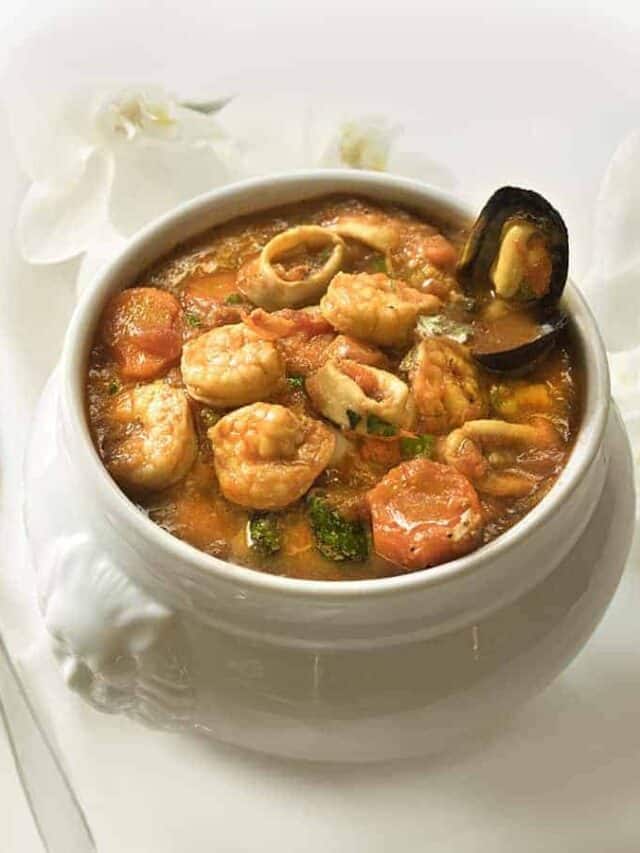
Seafood cooks very quickly. Use Low Pressure when your model offers it and release pressure promptly unless the recipe specifies otherwise.
| Seafood | Pressure Cook Time | Pressure Release | Notes |
|---|---|---|---|
| Shrimp, fresh | 0 to 1 minute | Immediate QPR | Use a steamer basket to prevent overcooking |
| Shrimp, frozen | 1 to 2 minutes | Immediate QPR | Time depends on shrimp size |
| Fish fillets | 1 to 3 minutes | Immediate QPR | Thick fillets require the longer time |
| Salmon fillets | 1 to 3 minutes | Immediate QPR | Use pot-in-pot or a steamer basket |
| Mussels | 1 to 2 minutes | Immediate QPR | Discard any that do not open |
| Crab legs, precooked | 0 to 2 minutes | Immediate QPR | You are reheating rather than cooking |
The pressure cooker may not be the best choice for very thin or delicate seafood. Residual heat continues cooking the food even after the timer ends, so remove it promptly.
Instant Pot Dried Bean Cooking Times
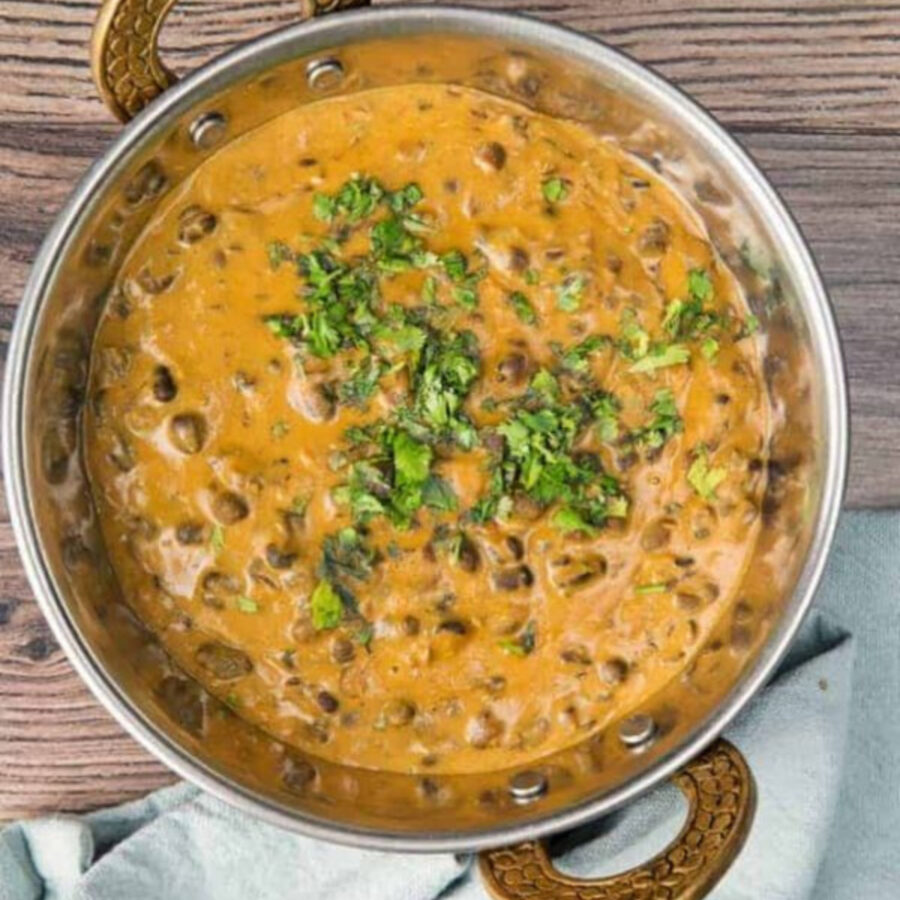
Bean cooking times can vary because older dried beans take longer to soften. Hard water and acidic ingredients can also slow cooking.
The following ranges are for unsoaked beans cooked at High Pressure. Allow a full natural release whenever possible.
| Dried Beans Or Legumes | Pressure Cook Time | Pressure Release | Notes |
|---|---|---|---|
| Black beans | 20 to 25 minutes | Full NPR | Add a few minutes for very soft beans |
| Pinto beans | 35 to 45 minutes | Full NPR | Older beans may need longer |
| Kidney beans | 30 to 35 minutes | Full NPR | Make sure they are completely tender |
| Navy beans | 20 to 30 minutes | Full NPR | Great Northern beans cook similarly |
| Cannellini beans | 25 to 35 minutes | Full NPR | Handle gently after cooking |
| Chickpeas or garbanzo beans | 35 to 45 minutes | Full NPR | Use the longer time for hummus-soft chickpeas |
| Black-eyed peas | 12 to 15 minutes | Full NPR | Do not confuse them with green peas |
| Green or brown lentils | 6 to 8 minutes | 10-minute NPR | Use less time when you want them to hold their shape |
| Red lentils | 3 to 5 minutes | 10-minute NPR | They soften and break down quickly |
| Split peas | 12 to 15 minutes | Full NPR | Expect a creamy texture |
If you soak beans overnight, cooking time can be substantially shorter. Make sure beans remain covered with adequate water, and do not fill the pot above the line specified for expanding foods.
Learn more about how to cook beans in the Instant Pot or try creamy Instant Pot Dal Makhani.
Instant Pot Rice And Grain Cooking Times
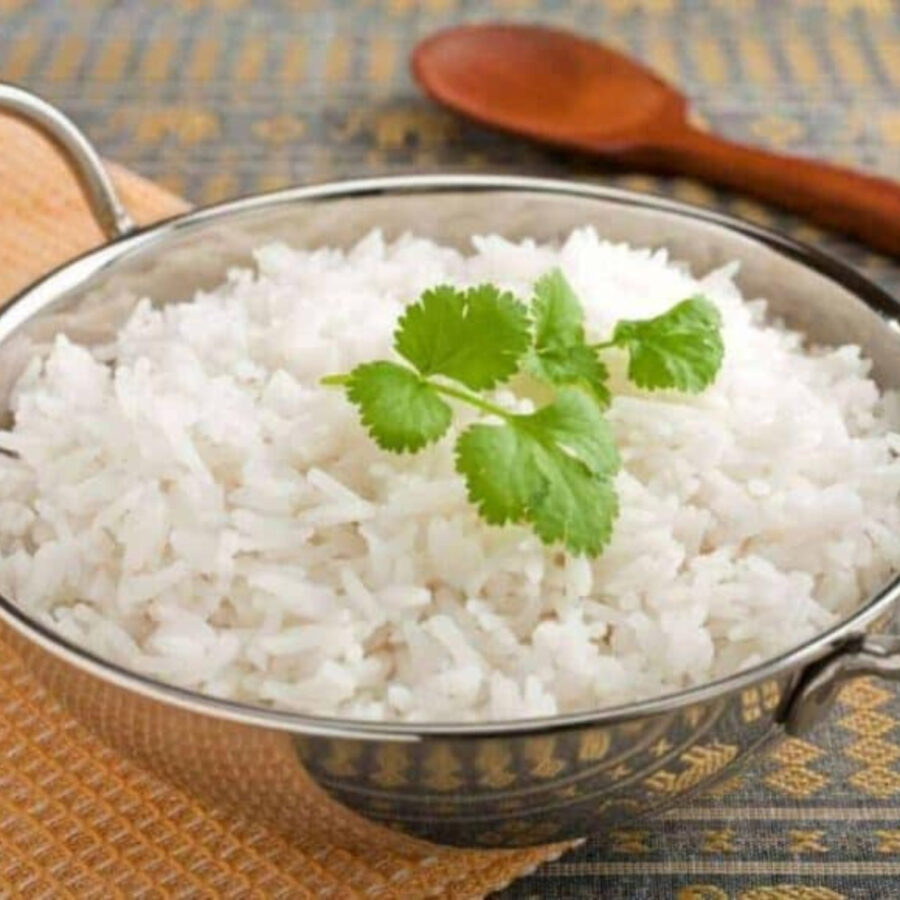
Rice and grains absorb liquid, so the ratio is just as important as the pressure cooking time. Rinse rice when the recipe directs, measure carefully, and allow the recommended natural release.
| Rice Or Grain | Liquid Ratio | Pressure Cook Time | Pressure Release |
|---|---|---|---|
| Basmati rice | 1 cup rice to 1 cup water | 4 minutes | 10-minute NPR |
| Jasmine rice | 1 cup rice to 1 cup water | 4 minutes | 10-minute NPR |
| Long-grain white rice | 1 cup rice to 1 cup water | 4 minutes | 10-minute NPR |
| Brown rice | 1 cup rice to 1 cup water | 20 to 22 minutes | 10-minute NPR |
| Wild rice | 1 cup rice to 1 to 1 ¼ cups water | 20 to 25 minutes | 10-minute NPR |
| Quinoa | 1 cup quinoa to 1 ¼ cups water | 1 minute | 10-minute NPR |
| Pearl barley | 1 cup barley to 2 ½ cups water | 10 to 20 minutes | Full NPR |
| Steel-cut oats | 1 cup oats to 1 ½ cups water | 3 to 4 minutes | 10 to 15-minute NPR |
| Millet | 1 cup millet to 1 ¾ cups water | 9 to 10 minutes | 10-minute NPR |
The listed liquid ratios are useful starting points for plain grains. Recipes containing vegetables, meat, tomato products, or other moisture sources may require a different ratio.
For reliable rice methods, use this Perfect Pressure Cooker Rice guide, this Instant Pot Basmati Rice recipe, or these instructions for Instant Pot Brown Rice.
Instant Pot Vegetable Cooking Times

Vegetables can go from crisp-tender to mushy quickly. Use a steamer basket or trivet when you do not want them sitting in liquid, and perform a Quick Pressure Release unless noted otherwise.
| Vegetable | Pressure Cook Time | Pressure Release | Preparation |
|---|---|---|---|
| Asparagus | 0 to 1 minute | Immediate QPR | Whole or large pieces |
| Broccoli | 0 minutes | Immediate QPR | Large florets |
| Brussels sprouts | 1 to 2 minutes | Immediate QPR | Halved |
| Cabbage | 2 to 4 minutes | Immediate QPR | Cut into wedges |
| Carrots | 2 to 3 minutes | Immediate QPR | 1-inch pieces |
| Cauliflower | 0 to 1 minute | Immediate QPR | Large florets |
| Corn on the cob | 2 to 3 minutes | Immediate QPR | Whole ears or halves |
| Green beans | 0 to 1 minute | Immediate QPR | Trimmed |
| Potatoes, cubed | 4 to 6 minutes | QPR | 1 to 1 ½-inch cubes |
| Potatoes, small whole | 5 to 8 minutes | QPR | Similar-sized potatoes |
| Potatoes, large whole | 12 to 18 minutes | 10-minute NPR | Pierce and cook on a trivet |
| Sweet potatoes, whole | 15 to 20 minutes | 10-minute NPR | Time depends on diameter |
| Butternut squash, cubed | 1 to 2 minutes | Immediate QPR | 1-inch cubes |
| Butternut squash, halved | 4 to 6 minutes | QPR | Remove seeds first |
| Spaghetti squash, halved | 7 to 10 minutes | QPR | Shorter time gives firmer strands |
If you want very firm vegetables, use zero minutes at pressure. The Instant Pot still heats and cooks the food while coming to pressure.
For a dependable potato side dish, try Instant Pot Mashed Potatoes.
Instant Pot Egg Cooking Times

The popular 5-5-5 method is an easy starting point for hard-boiled eggs:
- Pressure cook for 5 minutes.
- Allow a 5-minute Natural Pressure Release.
- Transfer the eggs to ice water for 5 minutes.
| Egg Texture | Pressure Cook Time | Release And Cooling |
|---|---|---|
| Soft yolk | 3 to 4 minutes | QPR, then ice bath |
| Jammy or medium yolk | 4 to 5 minutes | QPR, then ice bath |
| Hard-boiled | 5 minutes | 5-minute NPR, then ice bath |
Egg size, starting temperature, elevation, and appliance model can affect the yolk texture. Adjust the next batch by one minute if needed. See the full Instant Pot Hard Boiled Eggs method for more tips.
Does The Amount Of Food Change The Cooking Time?
Increasing the quantity does not always mean you should increase the pressure cooking time. If the pieces remain the same size and thickness, the programmed time often stays the same.
A fuller pot will usually take longer to reach pressure and longer to release pressure, so the total elapsed time increases even when the displayed cooking time does not.
There are important exceptions. A larger or thicker piece of meat may require more cooking time. You must also maintain the tested liquid ratio and stay below the correct fill line.
Use this guide to doubling or halving Instant Pot recipes before changing a tested recipe.
How Much Liquid Do You Need?
Pressure cookers need thin liquid to create steam and reach pressure. The required minimum varies by Instant Pot size and model, so check your manual.
Broth, water, and other thin liquids count toward the minimum. Thick tomato sauce, cream soup, nut butter, cheese sauce, and starch-heavy mixtures may not create steam efficiently and can trigger a burn warning.
Layer thick ingredients above thin liquid when a tested recipe instructs you to do so, and do not stir them into the bottom of the pot.
How To Adjust Instant Pot Cooking Times For Frozen Food
Frozen food makes the pot take longer to come to pressure. Individual frozen chicken breasts, meatballs, and smaller cuts can often be pressure cooked successfully, but a large solid block may cook unevenly.
As a starting point, some frozen meats need approximately 50% more pressure cooking time. Other foods may use the same programmed time but require much longer to pressurize. Use a tested frozen-food method whenever possible and verify meat with a thermometer.
How To Adjust For High Altitude
Water boils at a lower temperature at higher elevations, so pressure cooker recipes may take longer. If you live substantially above 2,000 feet, expect to increase cooking time gradually.
Start by adding approximately 5% cooking time for every 1,000 feet above 2,000 feet. Round to a practical whole minute and keep notes for your appliance and location.
Short recipes are harder to adjust by percentage. For a 1-minute recipe, adding an entire minute may overcook the food, so test carefully.
Tips And Tricks

- Use similarly sized pieces. Even thickness leads to more even cooking.
- Do not overfill the pot. Follow the maximum fill lines in your model's manual. Expanding or foamy foods generally require more empty space.
- Count the release time. Food continues cooking during Natural Pressure Release.
- Deglaze after sautéing. Scrape browned bits from the bottom before pressure cooking.
- Keep thick sauces off the bottom. Layer ingredients exactly as a tested recipe directs.
- Check the sealing ring. A misplaced, damaged, or dirty ring can prevent sealing.
- Use a thermometer. Confirm safe doneness for meat and poultry.
- Write down adjustments. Bean age, elevation, appliance model, and preferred texture can change your ideal time.
- Add time carefully. If food is undercooked, reseal the pot and add a short cooking cycle.
If the Instant Pot will not seal, takes too long to pressurize, or displays a burn warning, use this Instant Pot Troubleshooting Guide.
Frequently Asked Questions
Are Instant Pot Cooking Times The Same For Every Model?
Not always. Different models can vary slightly in power, pressure behavior, and heating speed. The food size, starting temperature, liquid quantity, and elevation also affect results.
Use the chart as a starting point, follow your model's manual, and adjust future batches based on your results.
Is Instant Pot Cook Time The Same As Total Time?
No. Total time includes preparation, the time required to reach pressure, the programmed cooking time, and the pressure release.
A recipe set for 10 minutes may take 30 minutes or longer from the moment you close the lid until you can safely open it.
Can You Open An Instant Pot While It Is Pressurized?
No. Never force the lid open. Wait until the cooker is completely depressurized and the float valve has dropped. Follow the safety instructions for your specific model.
Should You Use High Or Low Pressure?
Most meat, beans, grains, soups, and stews use High Pressure. Low Pressure can be useful for delicate foods such as seafood, eggs, and certain vegetables, but many recipes are specifically tested on High Pressure.
Follow the tested recipe when one is available.
What Does Zero Minutes Mean On An Instant Pot?
A zero-minute pressure cooking time means the cooker heats and reaches pressure, then immediately ends the pressure cycle. The food still cooks while the pot heats, pressurizes, and releases pressure.
This method is useful for delicate vegetables, some seafood, and foods such as pork tenderloin that can overcook quickly.
Why Are My Beans Still Hard?
The beans may be old, the water may be hard, or acidic ingredients may have slowed softening. Reseal the pot and cook for an additional 5 to 10 minutes with enough liquid.
For the next batch, add acidic ingredients such as tomatoes after the beans have softened unless a tested recipe instructs otherwise.
Why Is My Rice Mushy?
Too much liquid, an overly long cook time, or an extended natural release can make rice mushy. Measure the rice and water carefully, rinse when directed, and use the release specified by the recipe.
Why Is My Meat Tough?
Tender cuts may be tough because they overcooked, while collagen-rich cuts such as chuck roast may be tough because they need more time. Add another short pressure cycle for tough braising cuts and use a thermometer to avoid overcooking lean meat.
Can You Cook Meat And Vegetables Together?
Yes, but only when their cooking times are compatible. A roast may need an hour under pressure while carrots need only a few minutes. Cook the meat first, release pressure, add the vegetables, and run a second short cycle when necessary.
More Helpful Instant Pot Guides And Recipes
Once you have saved this Instant Pot cooking chart, explore these pressure cooker resources:
- Best Instant Pot Recipes
- Instant Pot Troubleshooting Guide
- Natural Pressure Release vs. Quick Release
- How To Double Or Halve Instant Pot Recipes
- How To Use Instant Pot Buttons
- Instant Pot Tips And Tricks
- Instant Pot Butter Chicken
- Instant Pot Chicken And Rice
- How To Convert A Slow Cooker Recipe To An Instant Pot
Make busy nights easier with these Instant Pot freezer meal tips for freezing and reheating extra portions of your favorite recipes. For more easy meal inspiration, explore these best Instant Pot recipes, featuring flavorful dinners, comforting soups, and simple sides.
This Instant Pot cooking times chart gives you a practical place to begin, but a tested recipe will always provide the most reliable results for a complete dish. Save the chart, use the correct pressure release, and adjust for the size and texture of your ingredients.
If you found this pressure cooker time chart helpful, share it with your friends on Facebook and Pinterest so they can save it for later.