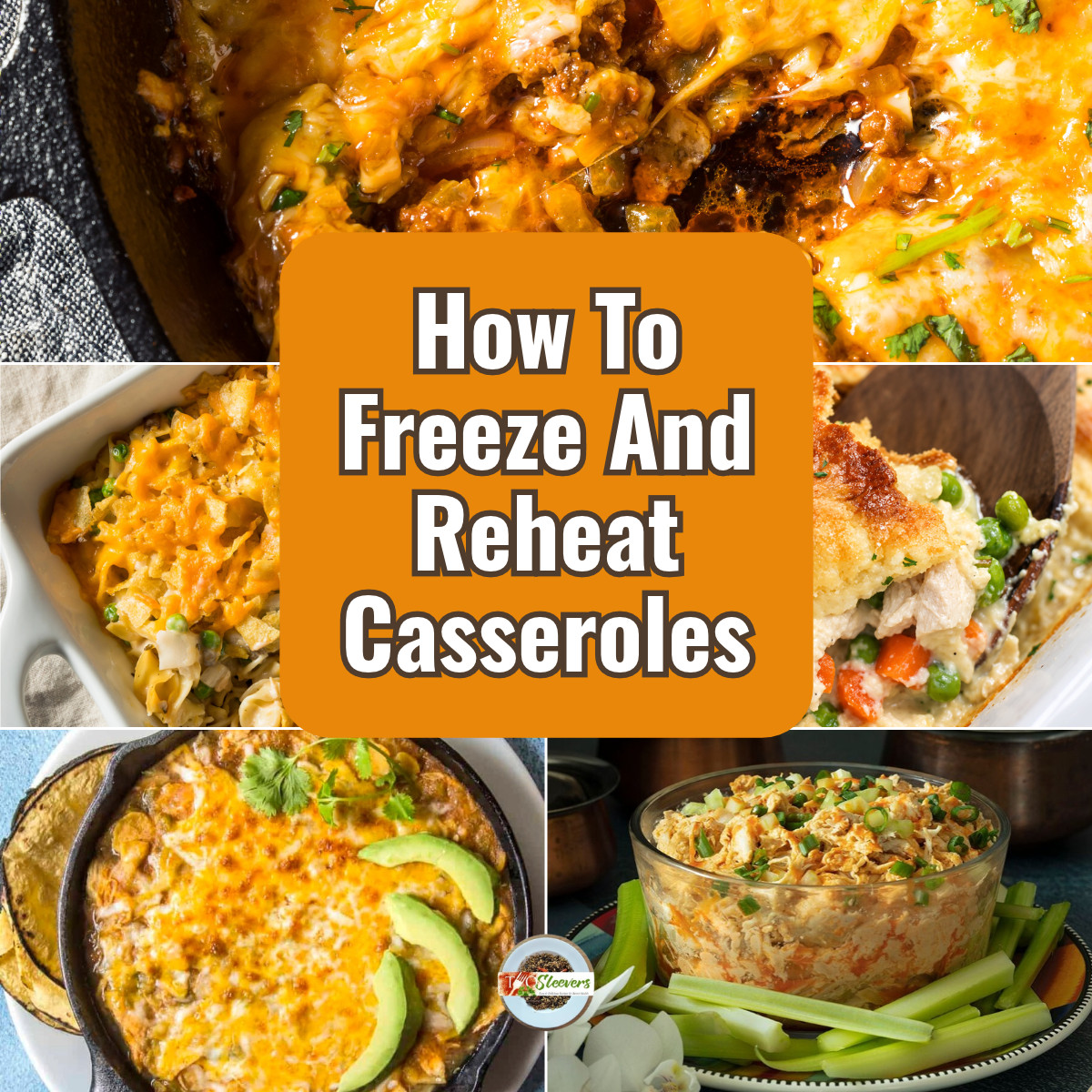
Learn how to freeze and reheat casseroles without ending up with a watery filling, soggy topping, or dry meat. These simple make-ahead casserole tips explain when to freeze a casserole, how to wrap it, whether to thaw it, and the best way to reheat it.
Why You'll Love Freezer-Friendly Casseroles
- Convenient. Prepare dinner when you have time and save it for a busy night.
- Budget-Friendly. Freeze leftovers instead of letting them go to waste.
- Flexible. Store an entire casserole or divide it into individual portions.
- Meal Prep Friendly. Assemble several meals in advance without cooking every day.
- Easy To Reheat. Warm casseroles in the oven, microwave, air fryer, or on the stovetop.
- Less Cleanup. Freeze the casserole in a container that can go directly into the oven when appropriate.
Make-ahead casseroles are perfect for busy families, new parents, holiday meals, and weekly meal prep. For additional freezer-friendly ideas, use this Instant Pot freezer meals guide to stock your freezer without spending an entire day cooking.
Can You Freeze Casseroles?
Most casseroles freeze well, especially recipes made with cooked meat, sturdy vegetables, rice, pasta, beans, cheese, and thick sauces.
Casseroles that generally freeze well include:
- Chicken casseroles
- Ground beef casseroles
- Enchilada casseroles
- Lasagna
- Baked pasta
- Rice casseroles
- Breakfast casseroles
- Broccoli casseroles
- Taco casseroles
- Shepherd's pie
- Tamale pie
- Low-carb casseroles
- Stuffed pepper casseroles
- Macaroni and cheese
Some ingredients change texture after freezing, so the finished casserole may not be exactly the same as a freshly baked one. Proper cooling, wrapping, thawing, and reheating help preserve the best possible quality.
Is It Better To Freeze A Casserole Before Or After Baking?
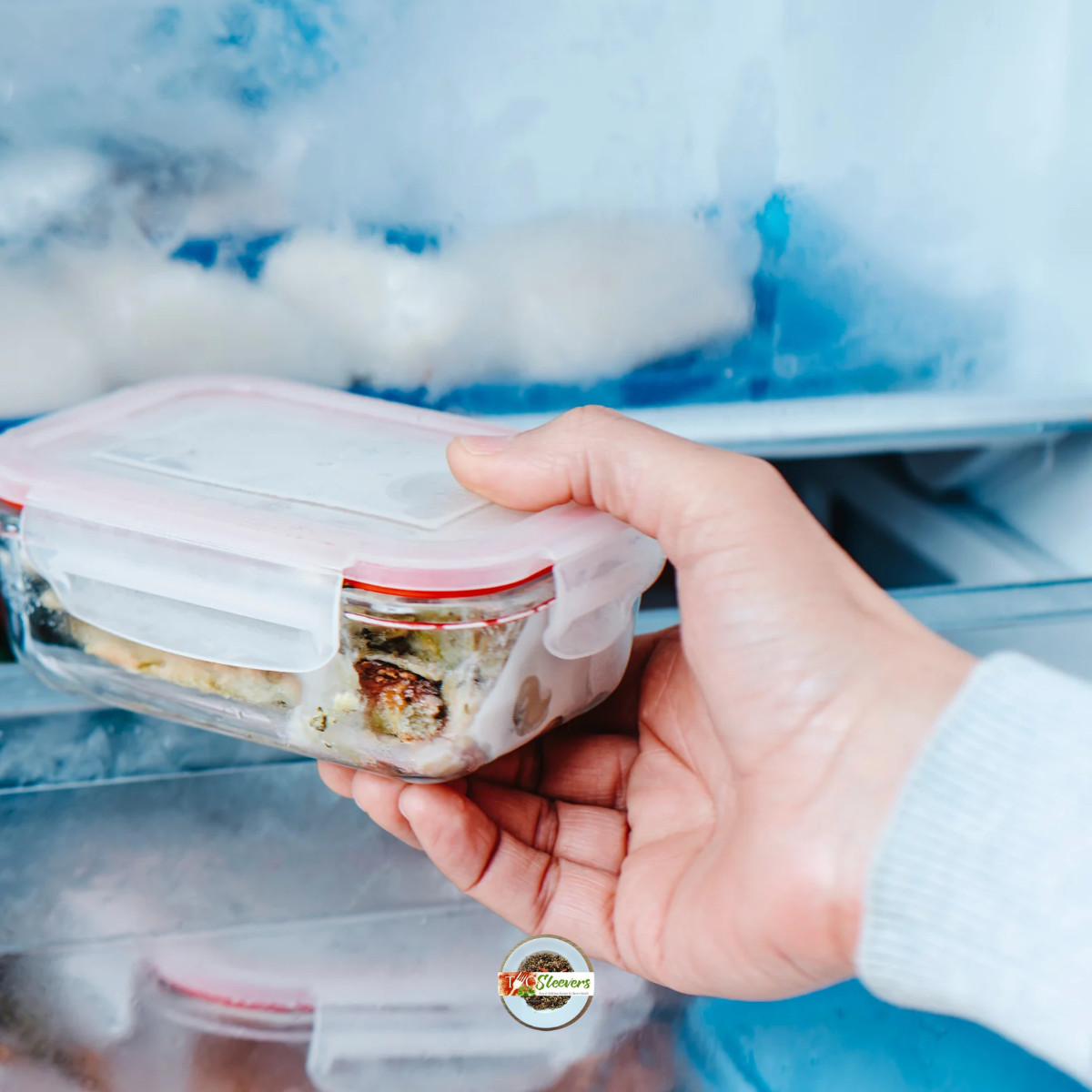
Whether you should freeze a casserole before or after baking depends on its ingredients and how you plan to serve it.
Freeze Before Baking When:
- You want it to taste freshly baked.
- The casserole contains uncooked pasta or rice designed to cook in the dish.
- The recipe was developed as a freezer-to-oven meal.
- The topping is added immediately before baking.
- You are assembling several make-ahead meals at once.
Freeze After Baking When:
- The casserole contains already-cooked meat or vegetables.
- You are freezing leftovers.
- You want individual portions for quick lunches.
- The recipe contains ingredients that may not cook evenly from frozen.
- You need a meal that only requires reheating.
- You want to verify the casserole's texture before freezing it.
If the recipe does not include freezing instructions, baking it first is often the safer choice. You can confirm that the ingredients are fully cooked and portion the finished casserole before freezing.
Casserole Freezing Guide
| Type of casserole | Best time to freeze | Preparation tip |
|---|---|---|
| Lasagna or baked pasta | Before or after baking | Slightly undercook pasta if assembling ahead |
| Rice casserole | Usually after cooking | Cool quickly and portion before freezing |
| Chicken casserole | Before or after baking | Use cooked chicken unless the recipe specifies raw |
| Ground beef casserole | Before or after baking | Drain excess grease before assembling |
| Breakfast casserole | Before or after baking | Freeze without fresh garnishes |
| Vegetable casserole | Usually after baking | Remove excess moisture from vegetables |
| Potato casserole | After baking | Expect a slightly softer texture after thawing |
| Enchilada casserole | Before or after baking | Reserve extra sauce and cheese for reheating |
| Casserole with crispy topping | Freeze without topping | Add crumbs, onions, or chips before baking |
| Creamy casserole | Usually after baking | Use a thick sauce and reheat gently |
What Casseroles Do Not Freeze Well?
Some casseroles are more likely to become watery, grainy, or mushy after freezing.
Use caution when freezing casseroles containing:
- Mayonnaise-based sauces
- Large amounts of sour cream
- Delicate cream sauces
- Raw watery vegetables
- Very soft cooked pasta
- Fried toppings
- Potato chips
- Crackers
- Fresh lettuce
- Fresh tomatoes
- Cucumber
- Hard-boiled eggs
- Custard-like fillings
This does not mean you can never freeze these ingredients. Their texture simply may not be as good after thawing.
Whenever possible, leave delicate garnishes and crunchy toppings off until you are ready to bake or serve the casserole.
How To Prevent A Frozen Casserole From Becoming Watery
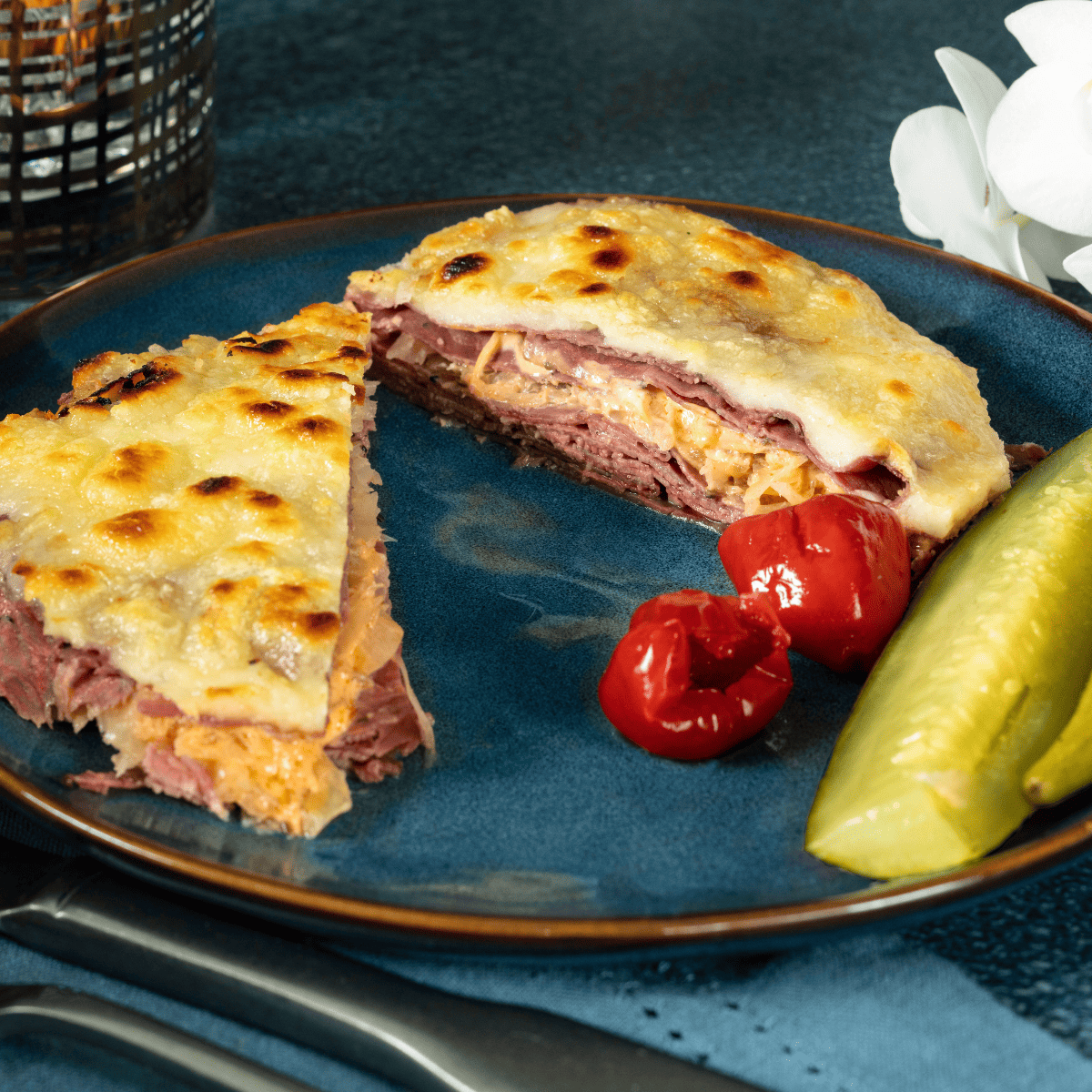
Excess moisture is one of the most common problems with frozen casseroles.
Water expands during freezing and may separate from sauces, vegetables, and dairy products as the casserole thaws.
To prevent a watery casserole:
- Drain cooked meat thoroughly.
- Remove excess grease.
- Thaw and drain frozen vegetables.
- Sauté fresh mushrooms before adding them.
- Cook spinach and squeeze out excess water.
- Remove seeds and liquid from watery vegetables.
- Use a thick sauce rather than a thin broth.
- Avoid overcooking pasta.
- Cool the casserole completely before wrapping.
- Thaw it in the refrigerator instead of on the counter.
- Reheat uncovered for part of the cooking time.
Cauliflower rice, zucchini, mushrooms, broccoli, and spinach can release significant moisture. Pre-cooking and draining them will help preserve the casserole's texture.
This is especially important for low-carb casseroles such as Chicken Bacon Ranch Casserole, which uses cauliflower rice and vegetables in place of traditional pasta or rice.
How To Freeze A Baked Casserole
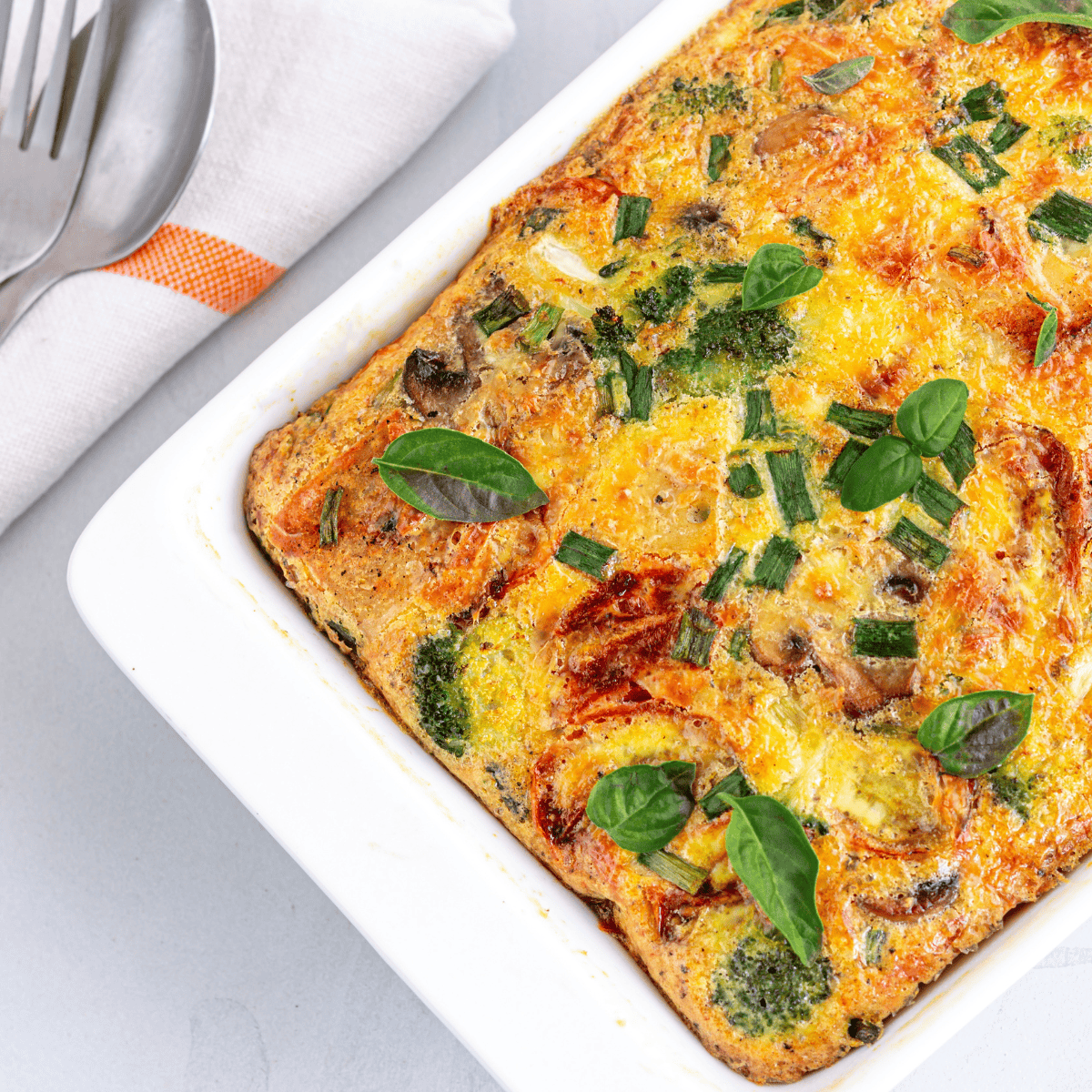
1. Bake The Casserole
Prepare and bake the casserole according to the recipe. Make sure meat, eggs, rice, and other ingredients reach the appropriate safe temperature.
2. Cool It Promptly
Allow the casserole to stop steaming, then divide it into shallow portions or refrigerate it promptly.
Do not leave a perishable casserole at room temperature for more than two hours. USDA guidance recommends refrigerating or freezing leftovers within two hours, or within one hour when the temperature is above 90°F.
3. Choose Whole Or Individual Portions
Freeze the entire casserole if you plan to serve it for a family meal.
Freeze individual portions if you want:
- Quick lunches
- Smaller dinners
- Easier thawing
- Faster reheating
- Less food waste
Individual portions also prevent you from repeatedly thawing and reheating the entire casserole.
4. Wrap It Tightly
Press plastic wrap or another freezer-safe covering against the surface to reduce exposure to air. Cover the dish with a tight-fitting lid or a layer of aluminum foil.
If using a freezer bag, remove as much air as possible before sealing.
5. Label It
Include:
- Recipe name
- Date frozen
- Whether it is baked or unbaked
- Reheating instructions
- Additional ingredients needed
- Number of servings
A label such as "Chicken casserole, baked, thaw overnight, reheat covered at 350°F" is much more useful than a container marked only with the date.
6. Freeze It Flat
Place the casserole or portions on a level freezer shelf until solid. Do not stack heavy items on an unfrozen casserole.
How To Freeze An Unbaked Casserole
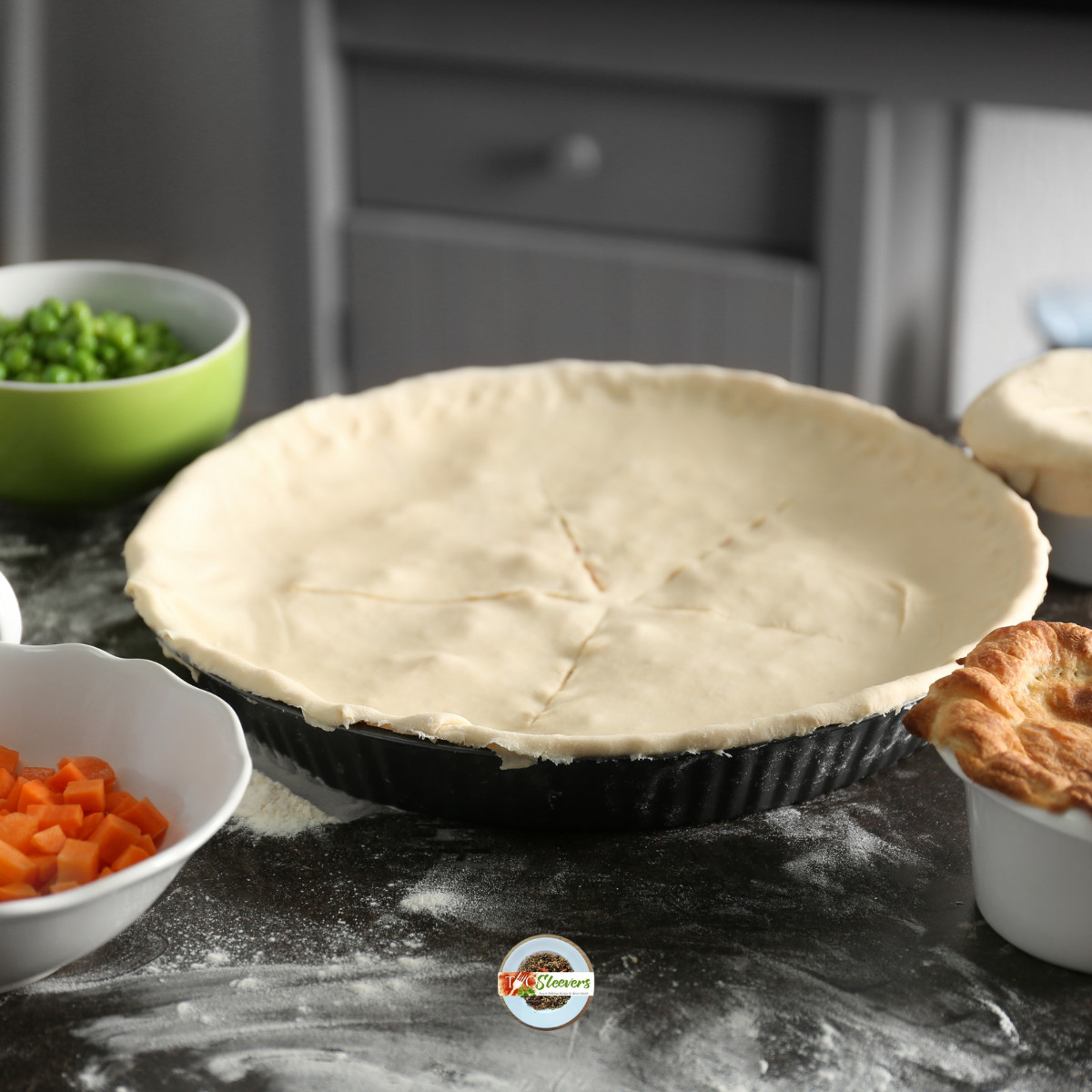
Assemble the casserole according to the recipe, but leave off ingredients that could become soggy, such as:
- Breadcrumbs
- Crushed crackers
- Potato chips
- Tortilla chips
- Crispy fried onions
- Fresh herbs
- Fresh vegetables used as garnish
Wrap the casserole tightly, label it as unbaked, and freeze it promptly.
If the casserole contains raw meat, make sure the recipe is specifically designed to cook safely and evenly in the casserole. Do not assume that a recipe made with cooked chicken can be converted to raw chicken without changing its cooking time and liquid content.
For recipes using cooked chicken, rotisserie chicken is a convenient shortcut. This Chicken and Broccoli Casserole combines cooked chicken, broccoli, cheese, and cream in an easy mix-and-bake dish.
Can You Freeze A Casserole In A Glass Baking Dish?
You can freeze a casserole in a freezer-safe glass baking dish, but you must protect the dish from thermal shock.
Do not move frozen glass directly into a hot oven unless the manufacturer specifically says the dish is safe for freezer-to-oven use.
The safest method is to:
- Thaw the casserole in the refrigerator.
- Let the dish sit at room temperature briefly while the oven preheats.
- Inspect the glass for chips or cracks.
- Bake according to the recipe.
Never place a cold glass dish on a hot burner, under a broiler, or into an oven hotter than the manufacturer recommends.
How To Freeze A Casserole Without Leaving Your Baking Dish In The Freezer
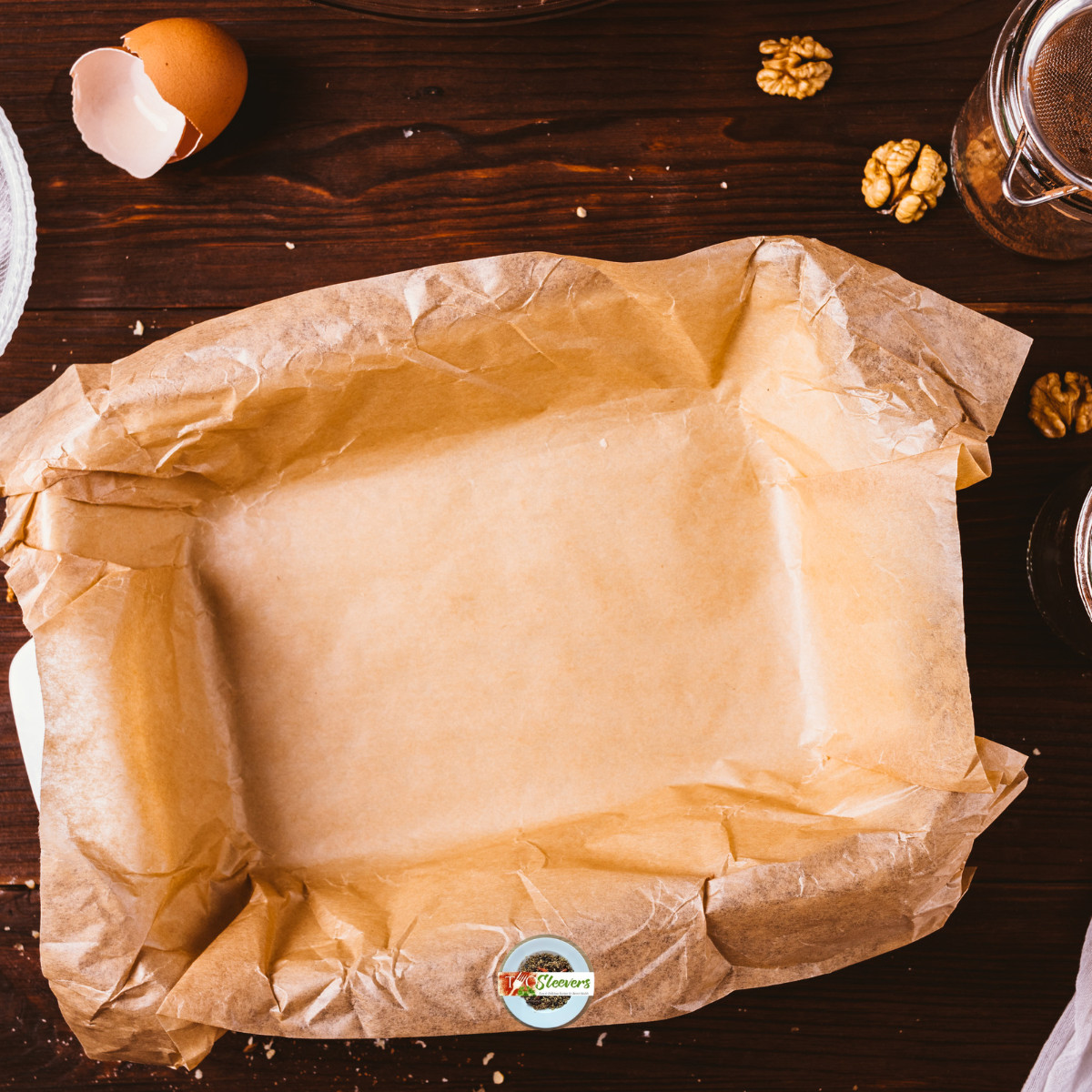
Line the baking dish with heavy-duty aluminum foil, leaving enough overhang to cover the casserole.
Assemble or cool the casserole in the lined dish, then freeze it until solid. Lift the frozen casserole out using the foil and transfer it to a labeled freezer bag.
When you are ready to cook it, return the frozen casserole block to the original baking dish and thaw it in the refrigerator.
This method keeps your baking dish available and ensures the frozen casserole will still fit when it is time to bake.
How Long Can You Freeze A Casserole?
Most casseroles maintain their best quality for approximately 2 to 3 months in the freezer.
Freeze baked egg casseroles for 2 to 3 months for the best quality. It also notes that food kept continuously frozen at 0°F can remain safe longer, although texture and flavor may decline.
Use the casserole sooner if it contains:
- Delicate dairy sauces
- Cooked pasta
- Potatoes
- Seafood
- Crispy toppings
- High-moisture vegetables
Freezer storage recommendations concern quality as well as safety. A casserole may remain frozen but develop freezer burn, dry edges, muted flavors, or a watery texture.
How To Prevent Freezer Burn
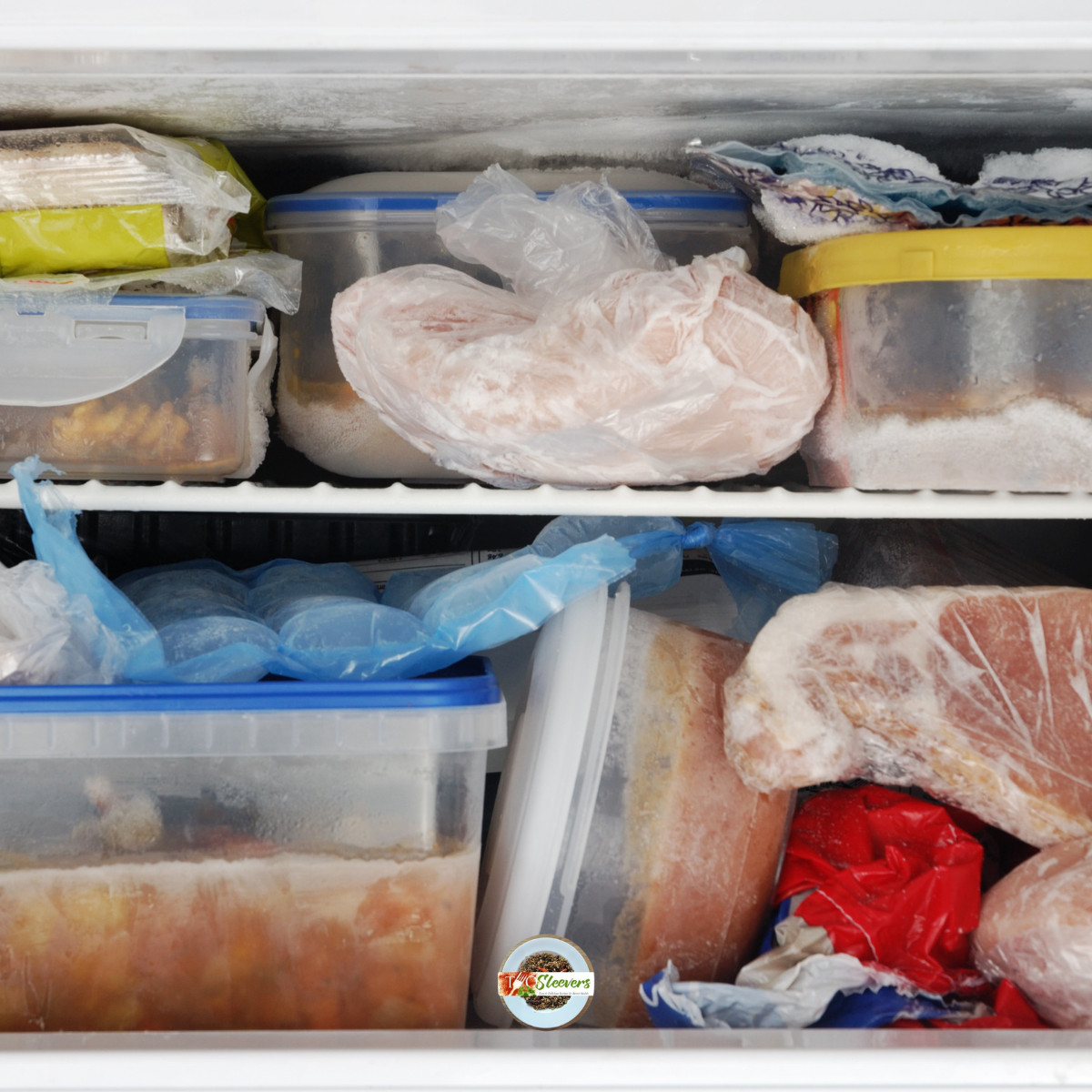
Freezer burn happens when food is exposed to cold, dry air.
Prevent it by:
- Cooling the casserole before freezing.
- Using freezer-safe packaging.
- Pressing out excess air.
- Wrapping the surface tightly.
- Using a second protective layer.
- Labeling the date.
- Keeping the freezer at 0°F.
- Using the casserole within 2 to 3 months.
Freezer burn does not automatically make food unsafe, but it can cause dry, tough, or discolored areas.
Should You Thaw A Frozen Casserole Before Baking?
Thawing a casserole in the refrigerator usually produces the most even result.
A thawed casserole heats more quickly and is less likely to have cold spots in the center or overcooked edges.
Allow approximately 24 to 48 hours for a large casserole to thaw in the refrigerator. Individual portions may thaw overnight.
Never thaw a meat, dairy, or egg casserole on the kitchen counter.
When Can You Bake A Casserole From Frozen?
You may bake a casserole directly from frozen if:
- The recipe specifically allows it.
- The baking dish is safe for the temperature change.
- The casserole does not contain raw ingredients that may cook unevenly.
- You allow additional cooking time.
- You verify the center with a food thermometer.
A frozen casserole may take 50 percent longer or more than a thawed casserole. The exact time depends on its depth, ingredients, pan material, and oven temperature.
How To Reheat A Casserole In The Oven
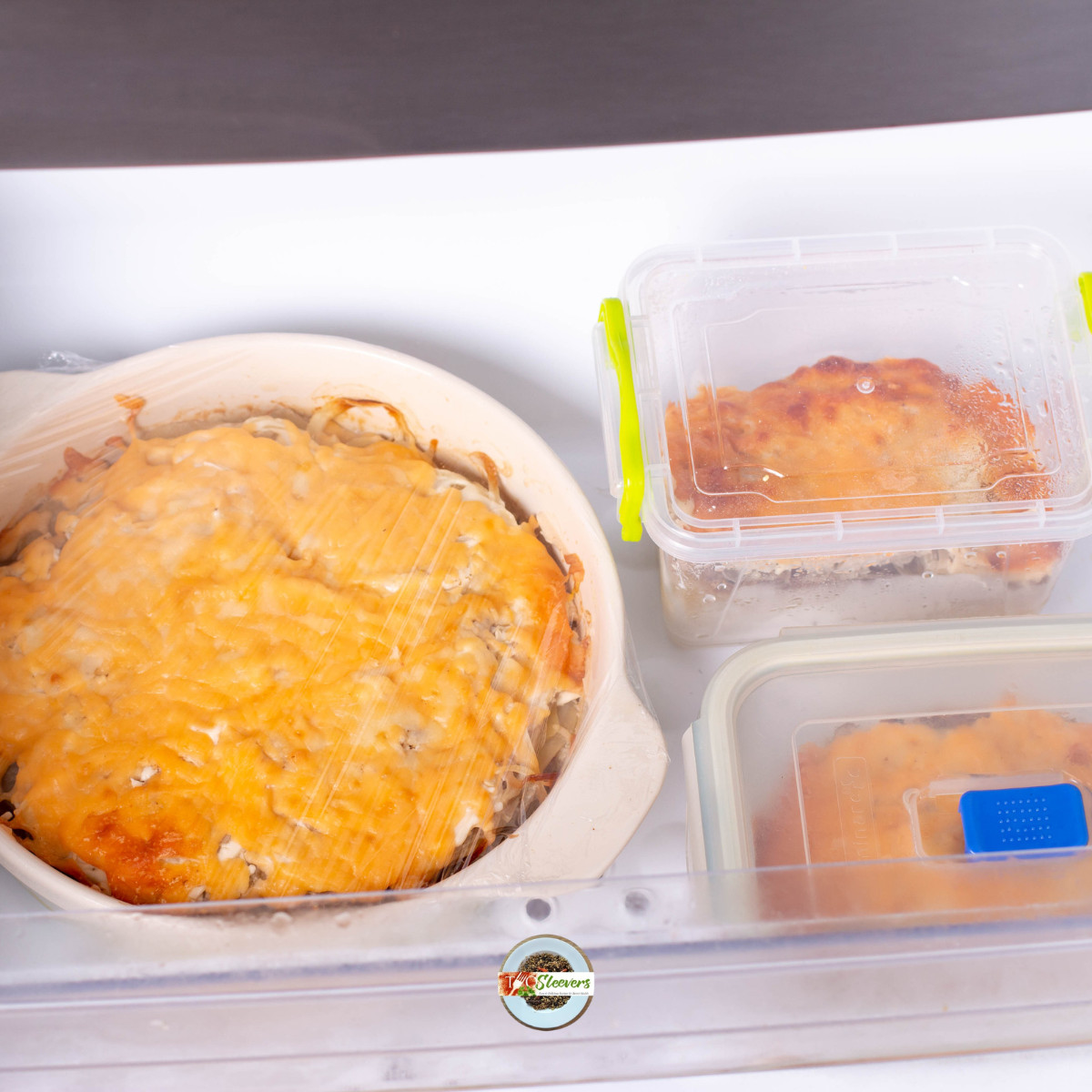
The oven is usually the best way to reheat an entire casserole because it warms the dish more evenly than a microwave.
For A Refrigerated Casserole
- Preheat the oven to 350°F.
- Place the casserole in an oven-safe dish.
- Add a small amount of sauce, broth, milk, or water if it looks dry.
- Cover the dish with foil.
- Heat until the center is hot.
- Remove the foil during the final 5 to 10 minutes if you want the top to crisp.
- Check the center with a food thermometer.
A small casserole may take 20 to 30 minutes. A deep or family-sized casserole may take 30 to 45 minutes or longer.
For A Frozen Casserole
- Confirm the baking dish is safe for freezer-to-oven use.
- Cover the casserole with foil.
- Place it in a cold oven if recommended by the dish manufacturer.
- Set the oven to 350°F.
- Allow significantly more time than you would for a thawed casserole.
- Remove the foil near the end.
- Verify that the center reaches 165°F.
Reheating times vary widely. Use temperature rather than appearance alone to determine whether it is ready.
What Temperature Should A Reheated Casserole Reach?
Reheat leftovers until they reach 165°F throughout. Check the center and several other areas with a food thermometer, particularly in a deep or dense casserole.
The USDA recommends using an oven temperature no lower than 325°F when reheating leftovers in the oven. It does not recommend reheating leftovers in a slow cooker because the food may remain at an unsafe temperature for too long.
How To Reheat Individual Casserole Portions In The Microwave
The microwave is convenient for a single serving.
- Place the casserole on a microwave-safe plate.
- Add a spoonful of broth, water, milk, or sauce if it looks dry.
- Cover it loosely with a microwave-safe lid.
- Heat at 50 to 70 percent power.
- Rotate the plate and stir when possible.
- Continue heating in short intervals.
- Let the portion stand briefly.
- Check several areas for a temperature of 165°F.
Lower power allows the center to warm before the edges become dry or rubbery.
Microwave reheating works particularly well for:
- Rice casseroles
- Pasta casseroles
- Ground beef casseroles
- Enchilada casseroles
- Chicken casseroles
- Breakfast casseroles
How To Reheat A Casserole In An Air Fryer
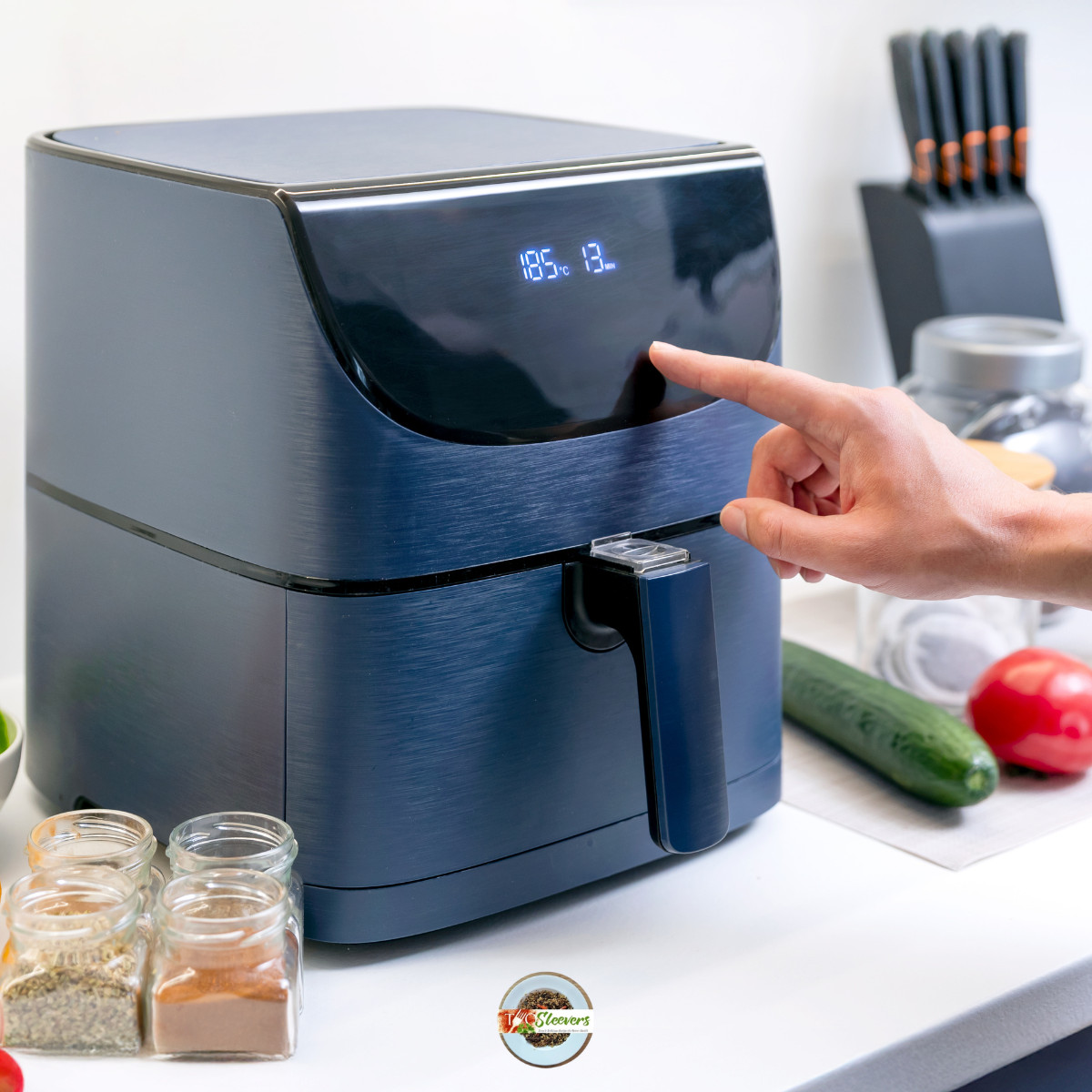
An air fryer works best for individual portions rather than an entire deep casserole.
Place a serving in a small air-fryer-safe dish. Cover it loosely with foil if the top is browning before the middle is hot, provided your air fryer manufacturer allows foil.
Reheat at approximately 300°F to 325°F, checking frequently.
The air fryer is useful for casseroles with:
- Breadcrumb toppings
- Crispy cheese
- Tortillas
- Roasted vegetables
- Firm individual portions
It is not ideal for very deep, saucy casseroles. The surface may dry out before the center warms. Our air fryer cooking times guide mentions that thick casseroles often reheat more evenly in an oven or microwave.
For additional temperatures and techniques, use this guide to reheating food in an air fryer.
How To Reheat A Casserole On The Stovetop
The stovetop works well for casseroles that can be stirred, such as:
- Rice casseroles
- Ground beef casseroles
- Pasta casseroles
- Chili-style casseroles
- Creamy chicken casseroles
Transfer a portion to a skillet or saucepan. Add a splash of broth, water, milk, or sauce. Cover and heat over low to medium-low heat, stirring frequently.
The stovetop is not the best option for a neatly layered casserole because stirring will break apart the layers.
Can You Reheat A Casserole In A Slow Cooker?
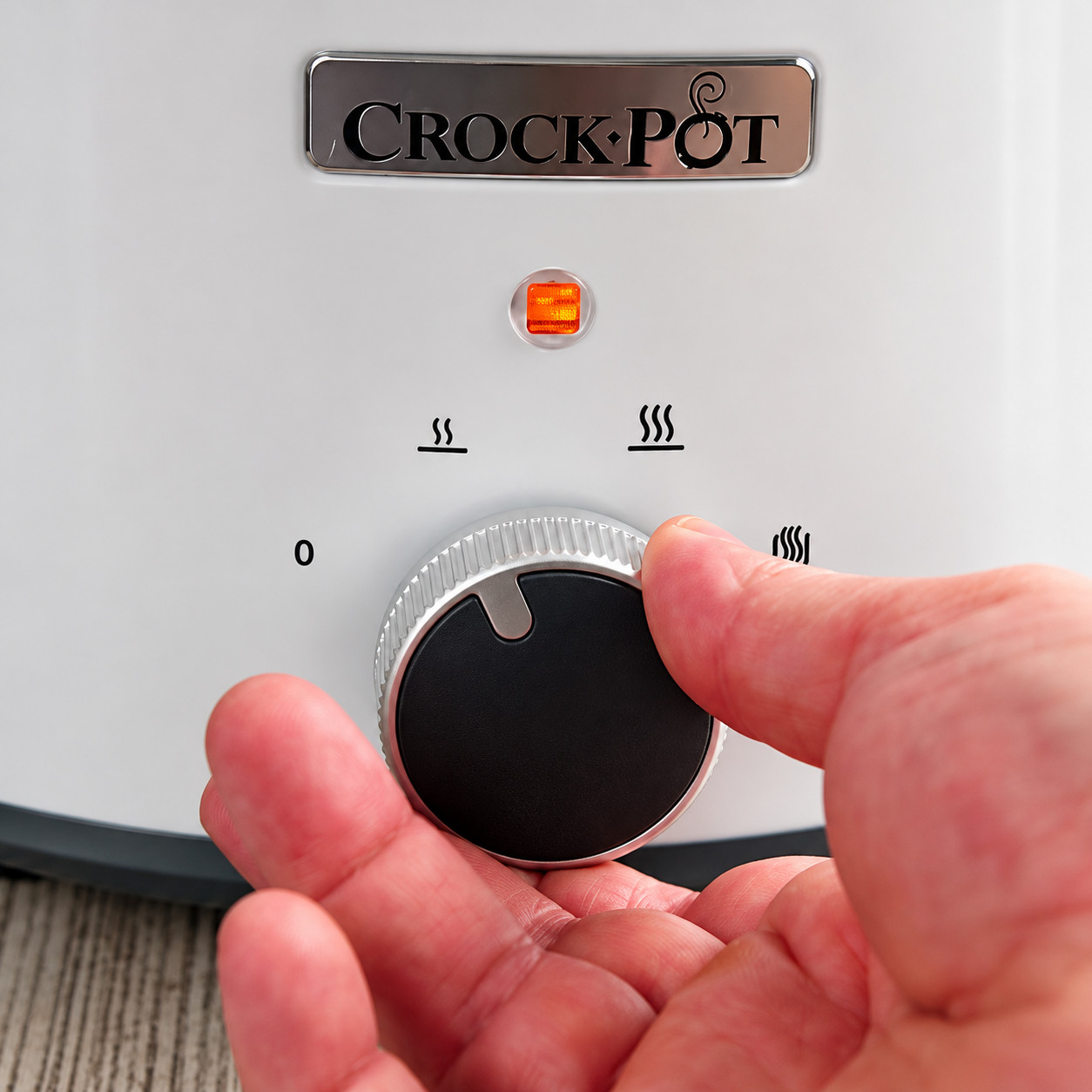
A slow cooker should not be used to reheat cold or frozen leftovers. It may take too long for the food to pass through unsafe temperatures.
Reheat the casserole to 165°F using the oven, microwave, or stovetop. Once hot, you may transfer it to a preheated slow cooker to keep it warm for serving.
How To Keep A Reheated Casserole From Drying Out
Casseroles may dry out in the freezer or during reheating.
To restore moisture:
- Add a small amount of broth.
- Spoon extra sauce over the top.
- Add milk or cream to a creamy casserole.
- Cover the dish while most of it reheats.
- Use a lower oven temperature.
- Reheat only until hot.
- Add fresh cheese near the end.
- Let the casserole rest before serving.
For a tomato-based casserole, add tomato sauce or salsa. For a chicken casserole, broth or cream may be more appropriate.
Do not add too much liquid at once. A few tablespoons may be enough.
How To Keep A Reheated Casserole From Becoming Soggy
A frozen casserole may become soggy when excess moisture is trapped beneath the foil.
To improve the texture:
- Thaw it in the refrigerator.
- Drain liquid that accumulates during thawing.
- Reheat it covered until the center is nearly hot.
- Remove the foil for the final 10 to 15 minutes.
- Add fresh breadcrumbs or cheese near the end.
- Use the broiler briefly only when the baking dish and recipe permit it.
- Let the casserole stand before cutting.
Do not add crispy toppings before freezing. Freeze them separately or prepare them fresh.
How To Freeze And Reheat Pasta Casseroles
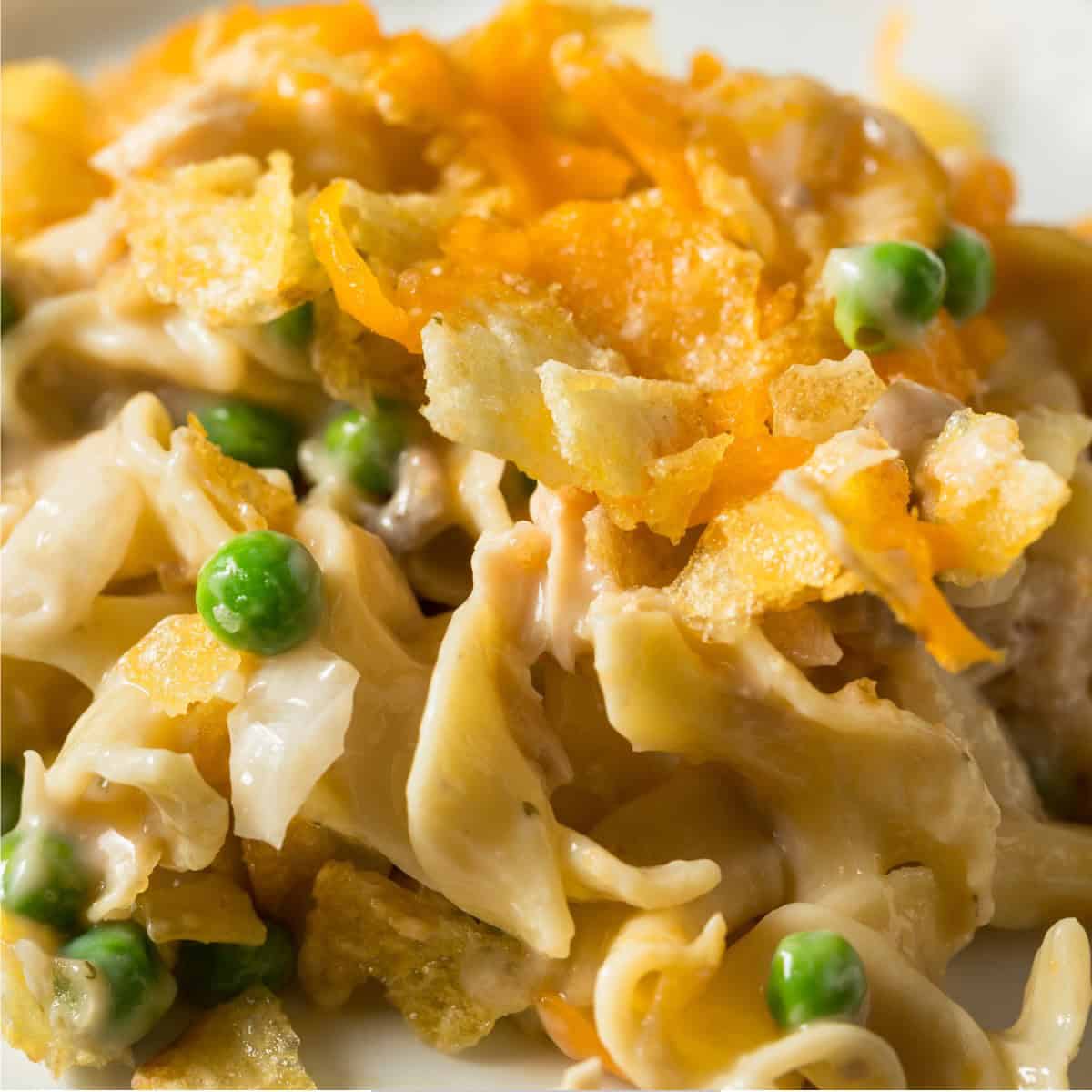
Pasta continues absorbing liquid during storage, so it can become soft or dry.
For the best texture:
- Cook pasta slightly less than usual.
- Use enough sauce to coat it generously.
- Cool the casserole promptly.
- Freeze it tightly wrapped.
- Thaw it in the refrigerator.
- Add extra sauce before reheating.
- Keep it covered for most of the reheating time.
Very delicate pasta and cream sauces may separate after freezing. Baked ziti, lasagna, and sturdy noodle casseroles generally hold up better.
How To Freeze And Reheat Rice Casseroles
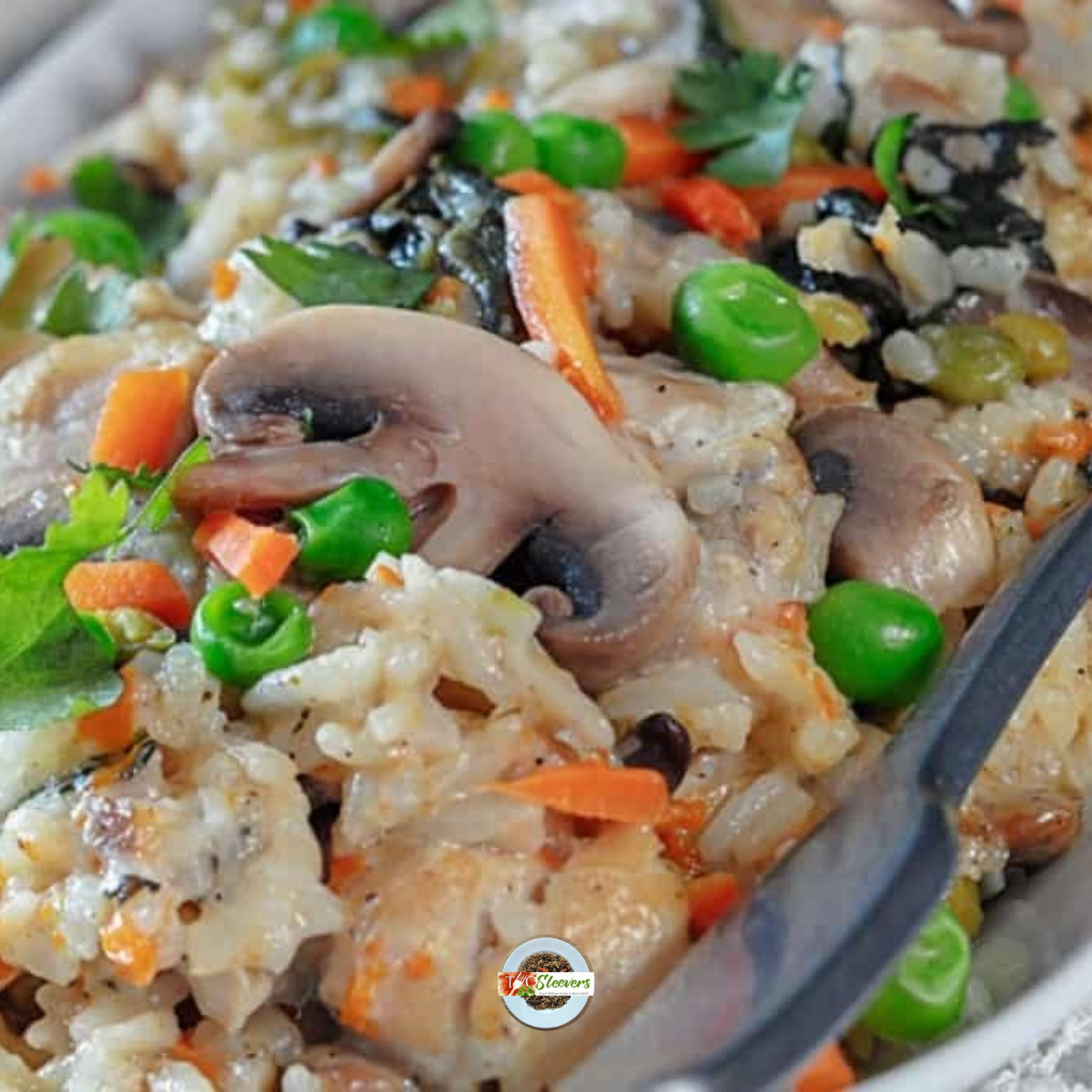
Rice casseroles should be cooled quickly and stored in shallow containers.
When reheating:
- Add a splash of broth or water.
- Cover the dish to trap steam.
- Stir individual portions when possible.
- Check for cold spots.
- Heat to 165°F.
The Instant Pot Chicken and Rice Casserole can be cooled, portioned, and stored in freezer-safe containers for an easy make-ahead meal. Chicken And Rice Casserole
How To Freeze And Reheat Chicken Casseroles

Chicken casseroles freeze well when the chicken is surrounded by sauce, cheese, or vegetables.
To prevent dry chicken:
- Avoid overcooking it before freezing.
- Use enough sauce.
- Cover the casserole while reheating.
- Add broth or cream if needed.
- Reheat only until it reaches 165°F.
Try freezing individual portions of:
- Chicken Cordon Bleu Casserole
- Chicken and Broccoli Casserole
- Chicken Bacon Ranch Casserole
- Low Carb Chicken Alfredo Bake
- Chicken Enchilada Casserole
How To Freeze And Reheat Breakfast Casseroles
Breakfast casseroles containing eggs, sausage, cheese, and cooked potatoes can usually be frozen after baking.
Cool the casserole completely, slice it into portions, and wrap each portion tightly.
Thaw servings overnight in the refrigerator or reheat them gently in the microwave. Avoid overheating because eggs can become tough or rubbery.
For best freezer quality, baked egg casseroles are generally recommended within 2 to 3 months. FoodSafety.gov
This Breakfast Casserole is a convenient one-pan brunch or meal-prep option.
How Long Does Casserole Last In The Refrigerator?
Most cooked casseroles should be refrigerated within two hours and used within 3 to 4 days.
Store leftovers in airtight containers at 40°F or below.
If you do not expect to eat the casserole within that period, freeze it promptly rather than waiting until the final day.
Can You Refreeze A Casserole?
A casserole thawed safely in the refrigerator may be refrozen, although its quality can decline.
USDA guidance says thawed leftovers may be portioned and refrozen without reheating when they were thawed in the refrigerator. Previously frozen leftovers may also be refrozen after being reheated to 165°F. ask.fsis.usda.gov
Avoid repeatedly thawing and refreezing the same casserole. Freeze individual portions so you can remove only what you need.
Casserole Freezing And Reheating Checklist
Before freezing:
- Is the casserole suitable for freezing?
- Have watery vegetables been cooked and drained?
- Is the pasta slightly undercooked?
- Is the casserole cool enough to wrap?
- Did you remove the crispy topping?
- Is the container freezer-safe?
- Is the wrapping airtight?
- Did you add a label and date?
Before reheating:
- Was the casserole thawed safely?
- Is the baking dish oven-safe?
- Does it need extra sauce or broth?
- Should it remain covered?
- Does the topping need to be added?
- Has the center reached 165°F?
- Did you check more than one area?
Tips And Tricks

- Freeze Individual Portions. They thaw and reheat faster than an entire casserole.
- Use Shallow Containers. Food cools and freezes more evenly.
- Remove Excess Air. This helps prevent freezer burn.
- Label Clearly. Include whether the casserole is baked or unbaked.
- Reserve The Topping. Add breadcrumbs, crackers, chips, or fried onions after thawing.
- Use Enough Sauce. Pasta, rice, and chicken can dry out during reheating.
- Thaw In The Refrigerator. This produces safer and more even results.
- Cover First, Crisp Later. Keep the casserole covered while the center warms, then uncover it.
- Reheat Only What You Need. Repeated reheating reduces quality.
- Trust Temperature, Not Appearance. The edges can bubble while the center remains cold.
Frequently Asked Questions
Can I Freeze A Casserole With Cheese?
Yes. Most baked casseroles containing cheddar, mozzarella, Swiss, Parmesan, or similar cheeses freeze well.
Creamy cheese sauces may separate slightly, but gentle reheating and stirring can improve their consistency.
Can I Freeze A Casserole With Sour Cream?
You can, but sour cream may separate or become grainy after thawing.
For the best texture, freeze the casserole without the sour cream when possible and stir it in after reheating. If sour cream is part of the tested recipe, follow that recipe's instructions.
Can I Freeze A Casserole With Cream Cheese?
Cream cheese usually freezes better when it is incorporated into a sauce rather than used in a thick standalone layer.
Reheat the casserole gently to reduce the risk of separation.
Can You Freeze A Casserole With Potatoes?
Yes, but cooked potatoes may become softer or slightly grainy after thawing. Mashed potato toppings usually freeze better than large chunks of boiled potato.
Can You Freeze A Casserole With Cooked Pasta?
Yes. Slightly undercook the pasta and use enough sauce to prevent it from becoming dry.
Can You Freeze A Casserole With Uncooked Rice?
Only if the recipe was specifically designed for uncooked rice. Rice needs the correct amount of liquid and cooking time, and freezing can affect how evenly it cooks.
Can You Put A Frozen Casserole Directly In The Oven?
Only when both the recipe and baking dish allow it. Frozen glass can break when exposed to a sudden temperature change.
Thawing the casserole in the refrigerator is generally the safest and most reliable option.
Why Is My Reheated Casserole Dry?
The casserole may not contain enough sauce, it may have been stored with excess air, or it may have reheated uncovered for too long.
Add broth, sauce, cream, or milk and keep the dish covered until the center is nearly hot.
Why Is The Center Of My Casserole Still Cold?
A deep or frozen casserole heats slowly. Cover it, lower the heat if the edges are overcooking, and continue heating until the center reaches 165°F.
Is It Better To Reheat A Casserole Covered Or Uncovered?
Reheat it covered for most of the cooking time to prevent moisture loss. Uncover it near the end if you want to crisp the top.
More of our best Casserole Recipes
Build your freezer meal rotation with these easy TwoSleevers casseroles:
- Mexican Ground Beef Casserole
- Chicken Enchilada Casserole
- Chicken Divan
- Instant Pot Tamale Pie
- Keto Buffalo Chicken Casserole
Freezing casseroles successfully comes down to controlling moisture, limiting air exposure, and reheating the center without drying out the edges. Cool the casserole promptly, wrap it tightly, thaw it safely, and use a food thermometer for reliable results.