Learn how to build an Indian thali at home without spending the entire day cooking. Use this practical guide to choose rice, bread, dal, curry, vegetables, raita, chutney, and dessert, then arrange everything on one satisfying platter.
An Indian thali looks elaborate because it brings several colors, textures, and flavors together on one plate. That does not mean every component needs to be complicated or made from scratch on the same day.
A simple homemade thali can include one dal or curry, rice or bread, one vegetable, yogurt or salad, and a small spoonful of chutney or pickle. Add another main dish and dessert when you are cooking for a celebration or dinner party.
The goal is balance, not the maximum number of bowls you can fit on a tray.
Why You'll Love Building A Thali
- Flexible. Make a vegetarian, meat-based, vegan, low carb, or regional-inspired thali.
- Balanced. Combine rich, spicy, mild, fresh, creamy, tangy, soft, and crisp elements.
- Practical. Use leftovers and make-ahead dishes instead of cooking everything at once.
- Customizable. Adjust the number of components for a weeknight or celebration.
- Beautiful. Serve a colorful meal on one platter without complicated plating.
For a broader approach to menu planning, read How To Build A Complete Indian Meal. This guide focuses specifically on choosing, portioning, arranging, and serving the components of a thali.
What Is An Indian Thali?
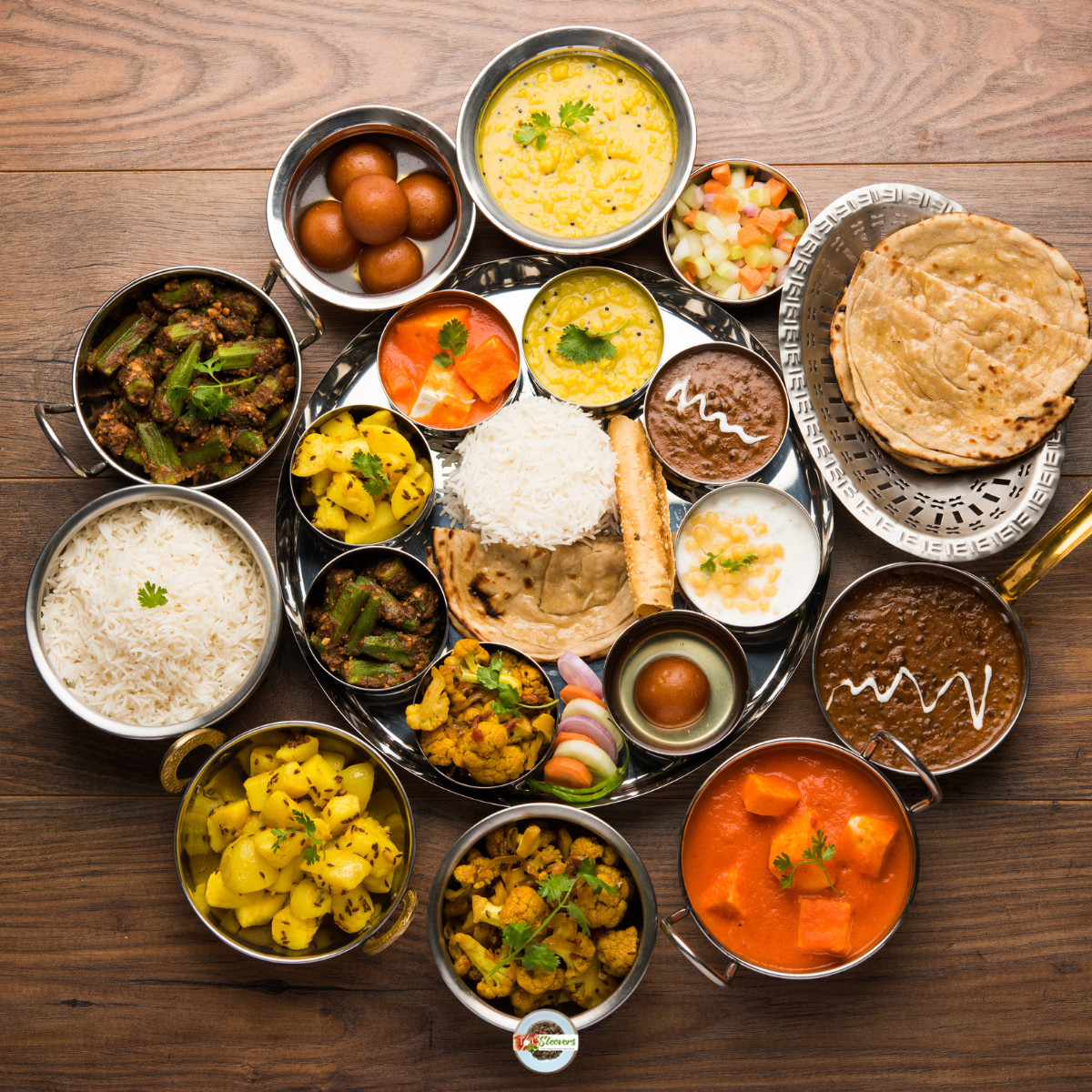
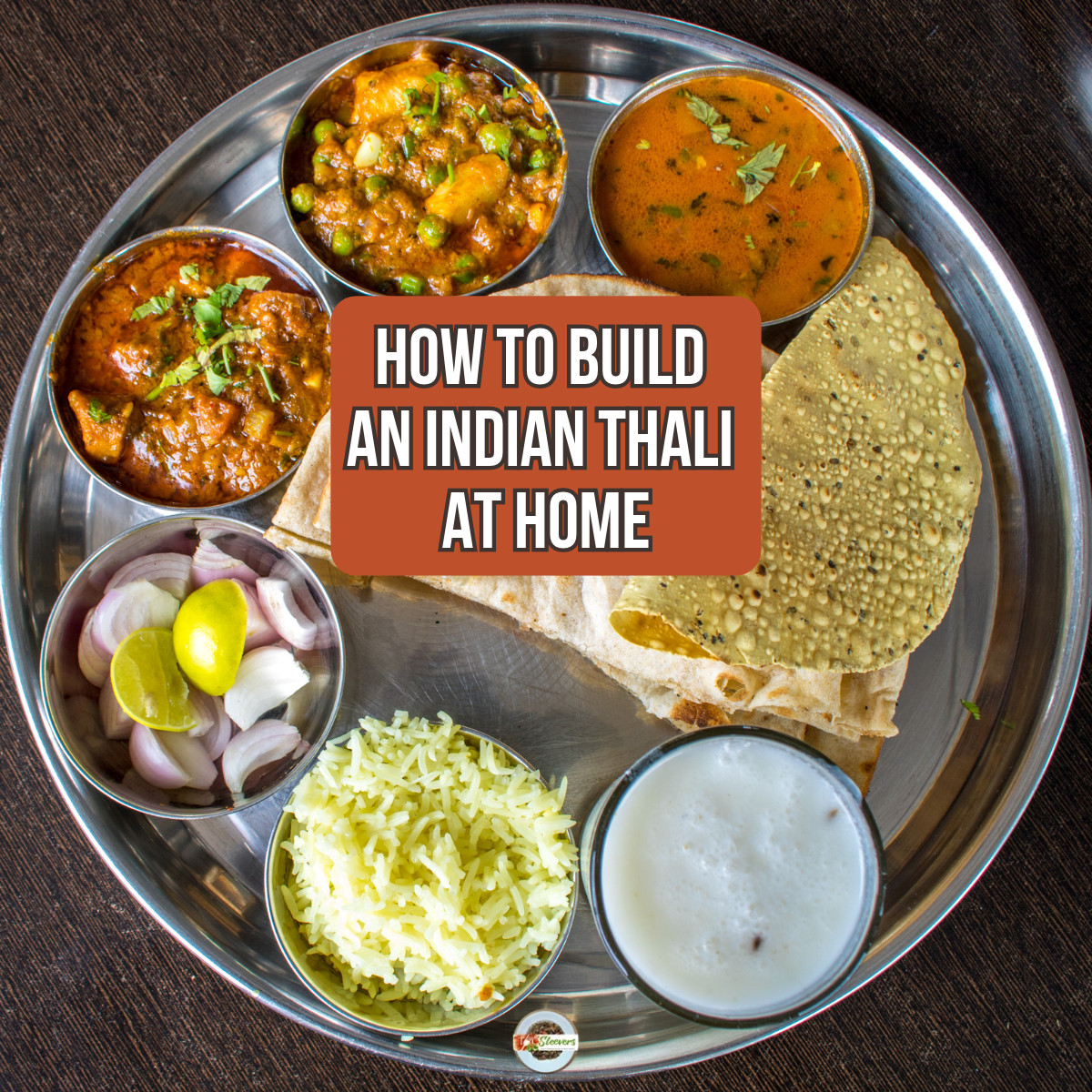
The word thali can refer to both the meal and the round plate or platter on which it is served. A thali meal brings several dishes together so the diner can combine different flavors and textures throughout the meal.
Small bowls called katoris may hold dal, curry, raita, or dessert. Rice, bread, dry vegetables, salad, papad, pickle, chutney, and garnishes can be arranged around them.
There is no single menu that defines every Indian thali. India has numerous regions, communities, religions, climates, ingredients, and food traditions. A North Indian thali can look very different from a South Indian, Gujarati, Maharashtrian, Bengali, Punjabi, or Rajasthani thali.
A home thali also does not need to copy a restaurant's unlimited spread. An everyday version may contain only four or five thoughtfully chosen components.
What Is Included In An Indian Thali?
Use these categories as a menu-building framework rather than a rigid checklist.
| Thali component | Purpose | Easy examples |
|---|---|---|
| Rice or bread | Provides the main starch | Basmati rice, pilau, roti, naan |
| Dal, beans, or curry | Adds protein and a saucy element | Moong dal, dal makhani, chana masala, chicken curry |
| Vegetable dish | Adds color, texture, and balance | Bhindi masala, cabbage, aloo gobi, baingan bharta |
| Cooling or fresh side | Balances heat and richness | Raita, yogurt, cucumber salad, sliced vegetables |
| Chutney or pickle | Adds concentrated acidity, heat, sweetness, or freshness | Green chutney, tamarind chutney, mango pickle |
| Crisp element | Adds contrast | Papad, roasted nuts, crisp salad |
| Dessert | Finishes a larger or festive meal | Kheer, halwa, shrikhand, sweet coconut rice |
You do not need every category for every meal. Start with one starch, one protein-rich dish, one vegetable, and one fresh or cooling side. Add chutney, pickle, papad, or dessert only when they improve the menu.
The Easiest Indian Thali Formula
Use this basic formula for a manageable weeknight thali:
One starch + one dal or curry + one vegetable + one cooling side + one condiment
For example:
- Instant Pot basmati rice
- Moong dal
- Indian cabbage with peas and carrots
- Tomato raita
- Green chutney
This already gives you soft rice, saucy lentils, seasoned vegetables, cooling yogurt, and a fresh condiment. It feels complete without requiring multiple curries or a separate dessert.
How To Build An Indian Thali At Home
1. Choose The Style Of Thali
Decide whether you are making:
- A simple weeknight thali
- A vegetarian thali
- A meat-based thali
- A vegan thali
- A low carb thali
- A regional-inspired thali
- A celebration or dinner-party thali
This first decision prevents the menu from becoming a random collection of dishes.
2. Pick One Main Starch
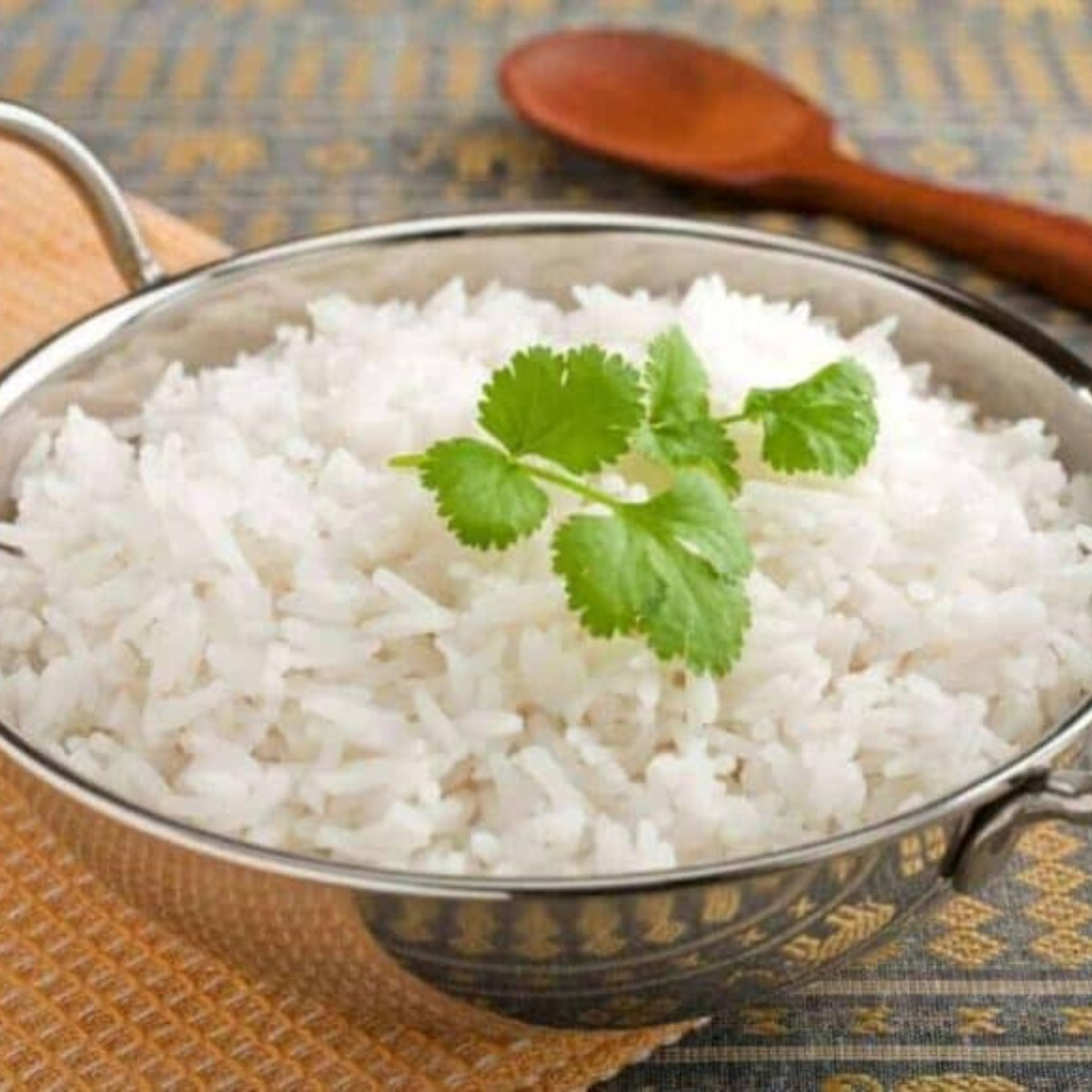
Rice and bread both give you something to eat with dal and curry. One is enough for an everyday meal.
Good choices include:
- Plain Instant Pot Basmati Rice
- Aromatic Basmati Rice Pilau
- Roti or chapati
- Naan
- Paratha
- Cauliflower rice for a lower-carb meal
Serve both rice and bread for a dinner party if the menu contains dishes with different textures. Rice works well with thinner dal, while bread is useful for scooping thick curry and dry vegetables.
Do not choose several heavily seasoned starches for the same thali. Plain rice often provides a necessary pause between more intensely flavored dishes.
3. Add Dal, Beans, Or Another Protein-Rich Dish
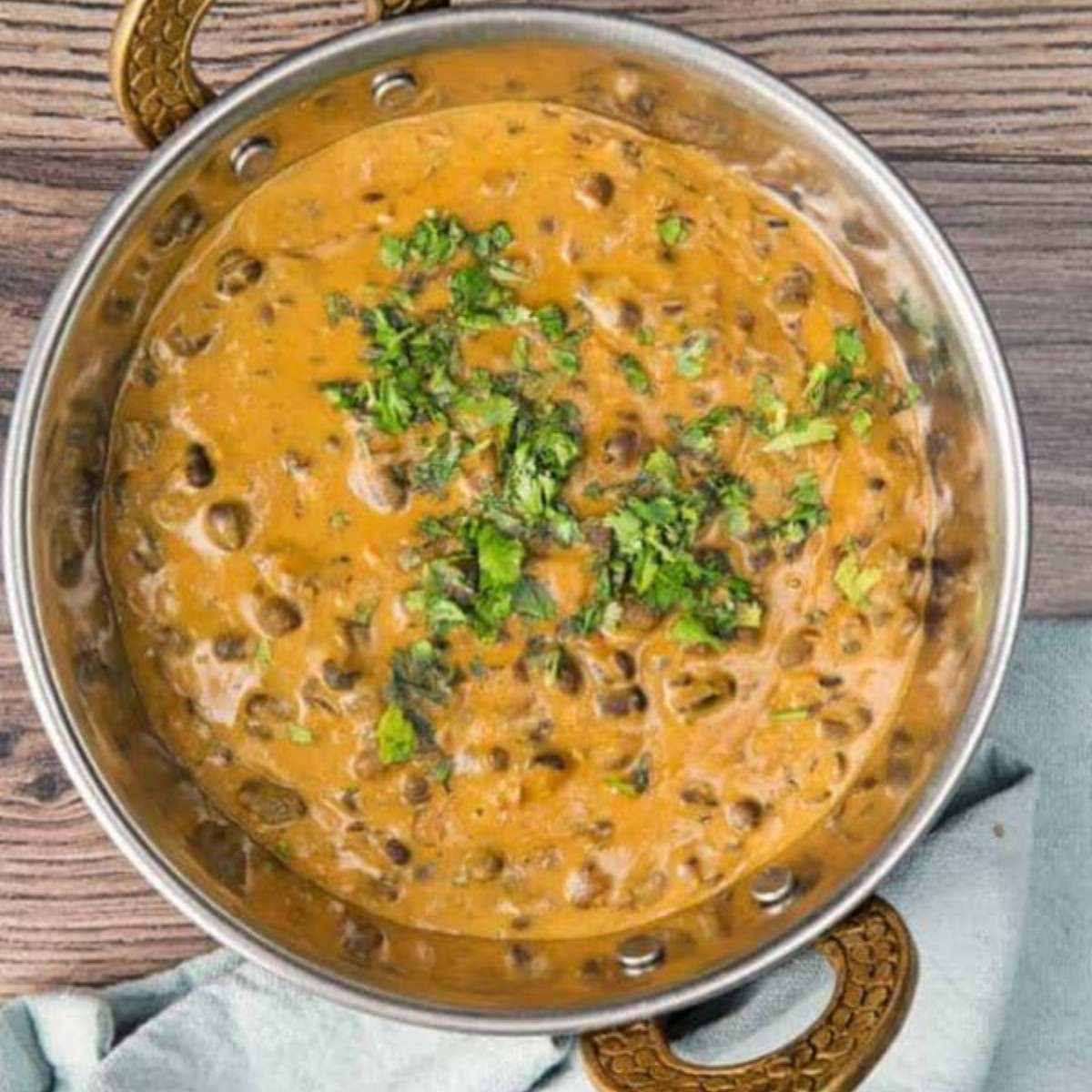
Dal gives a thali moisture, protein, and comfort. It can be the main dish in a vegetarian meal or a smaller supporting dish beside meat or paneer.
Try:
My guide to Indian Dal Types explains how lentils and pulses differ and which dishes they make.
For a meat-based thali, choose one curry such as butter chicken, chicken korma, beef curry, or lamb rogan josh. You do not need a dal and two meat curries unless you are feeding a crowd.
4. Choose One Vegetable Dish
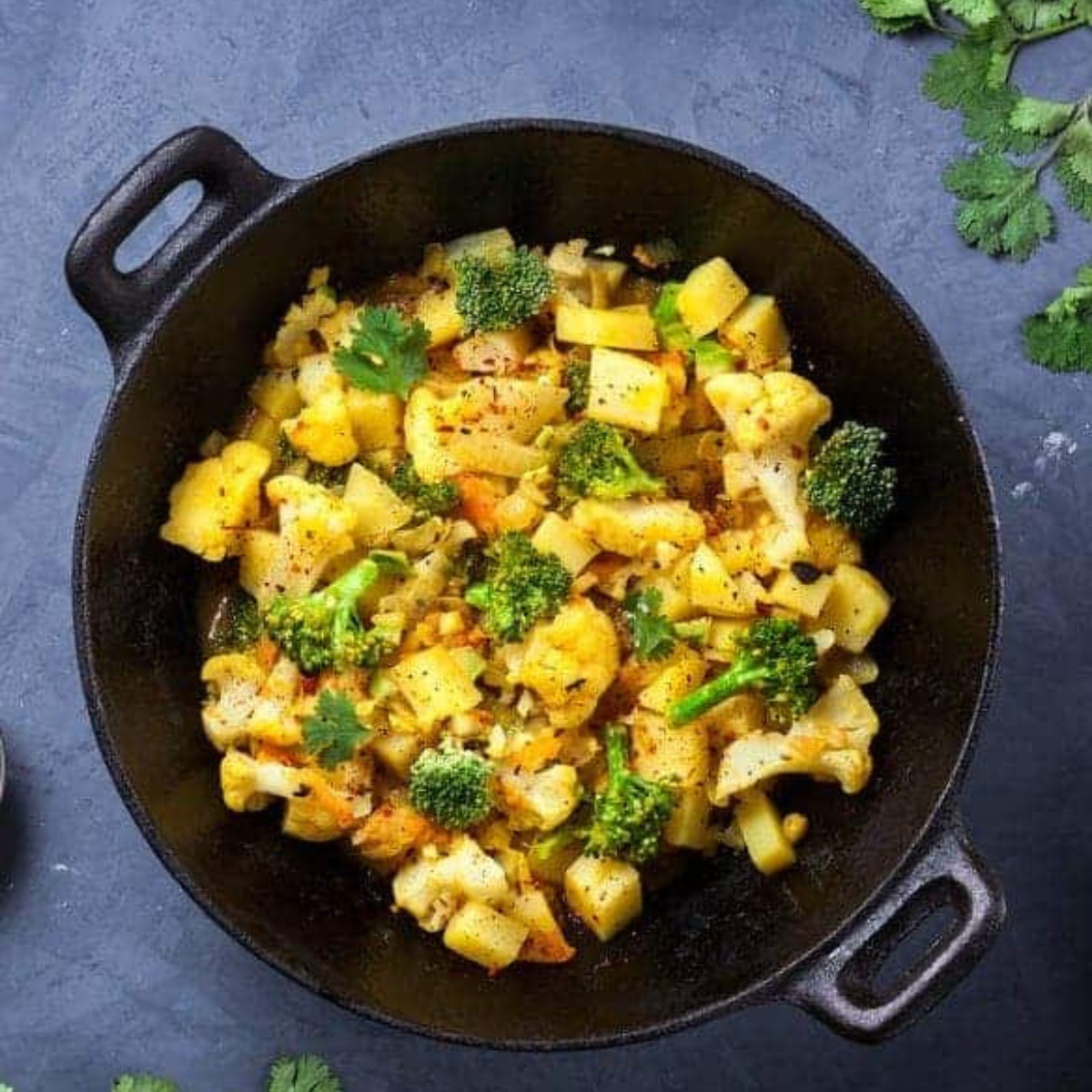
A vegetable dish prevents a thali from becoming a plate of rice covered in several similar sauces.
Choose a dry or semi-dry vegetable when the dal and curry are both saucy. Choose a softer vegetable dish when the rest of the plate is dry.
Good options include:
- Indian Cabbage With Peas And Carrots
- Bhindi Masala
- Aloo gobi
- Baingan bharta
- Saag or palak paneer
- Spiced green beans
- Roasted cauliflower
- Beetroot salad
Think about color as well as flavor. If the curry and dal are both brown or orange, choose a green vegetable, bright cabbage dish, or crisp salad.
5. Add Something Cooling Or Fresh
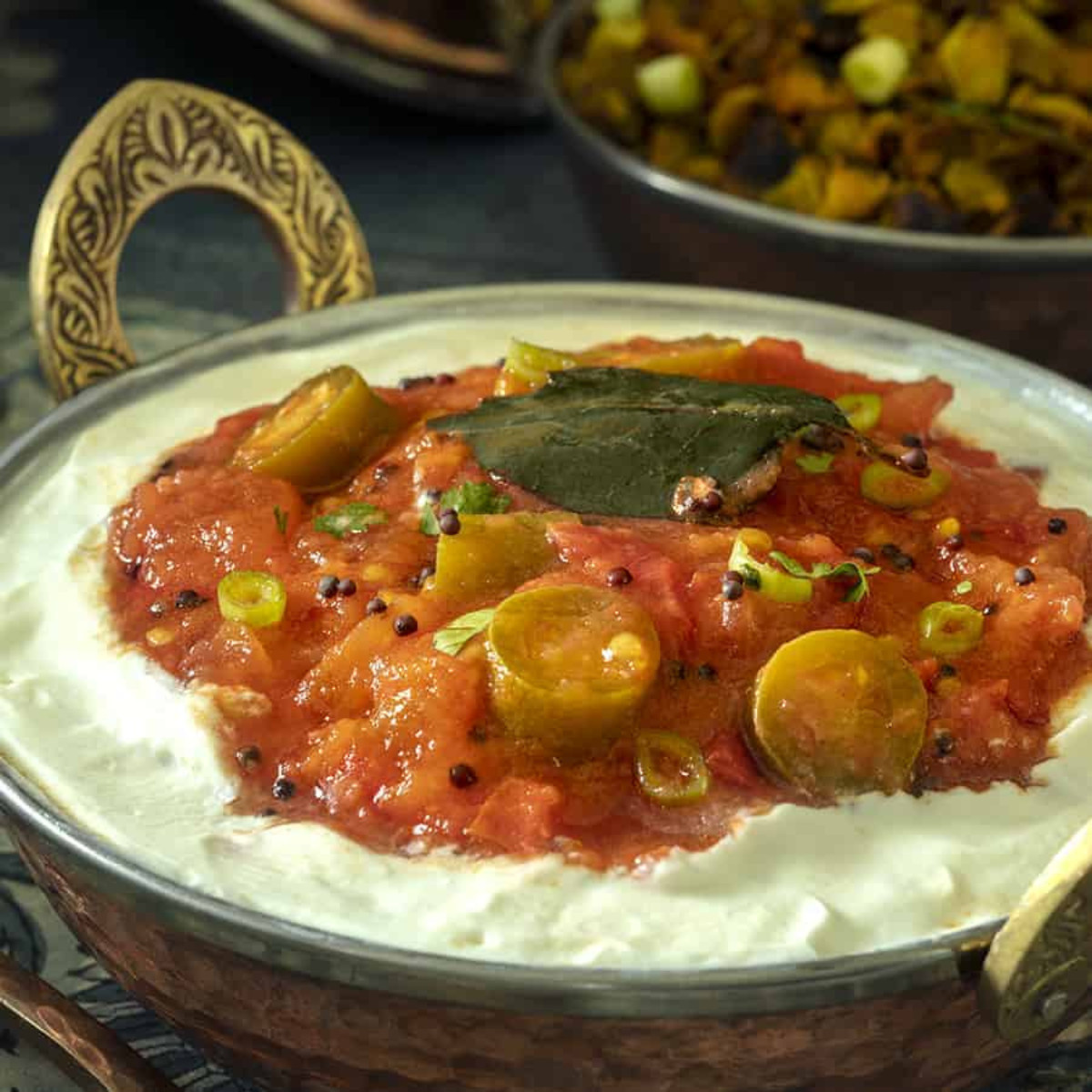
Raita, yogurt, or salad balances warm spices and rich textures. It can also make the meal feel lighter.
Try:
- Tomato Raita
- Plain yogurt with salt and roasted cumin
- Indian Cucumber Salad
- Indian Carrot Salad
- Sliced cucumber, tomato, and onion
- Lemon wedges and fresh cilantro
If the thali is already mild and creamy, choose a lemony salad rather than another dairy-based side. If the curry is fiery, raita or plain yogurt may be more useful.
6. Add Chutney Or Pickle
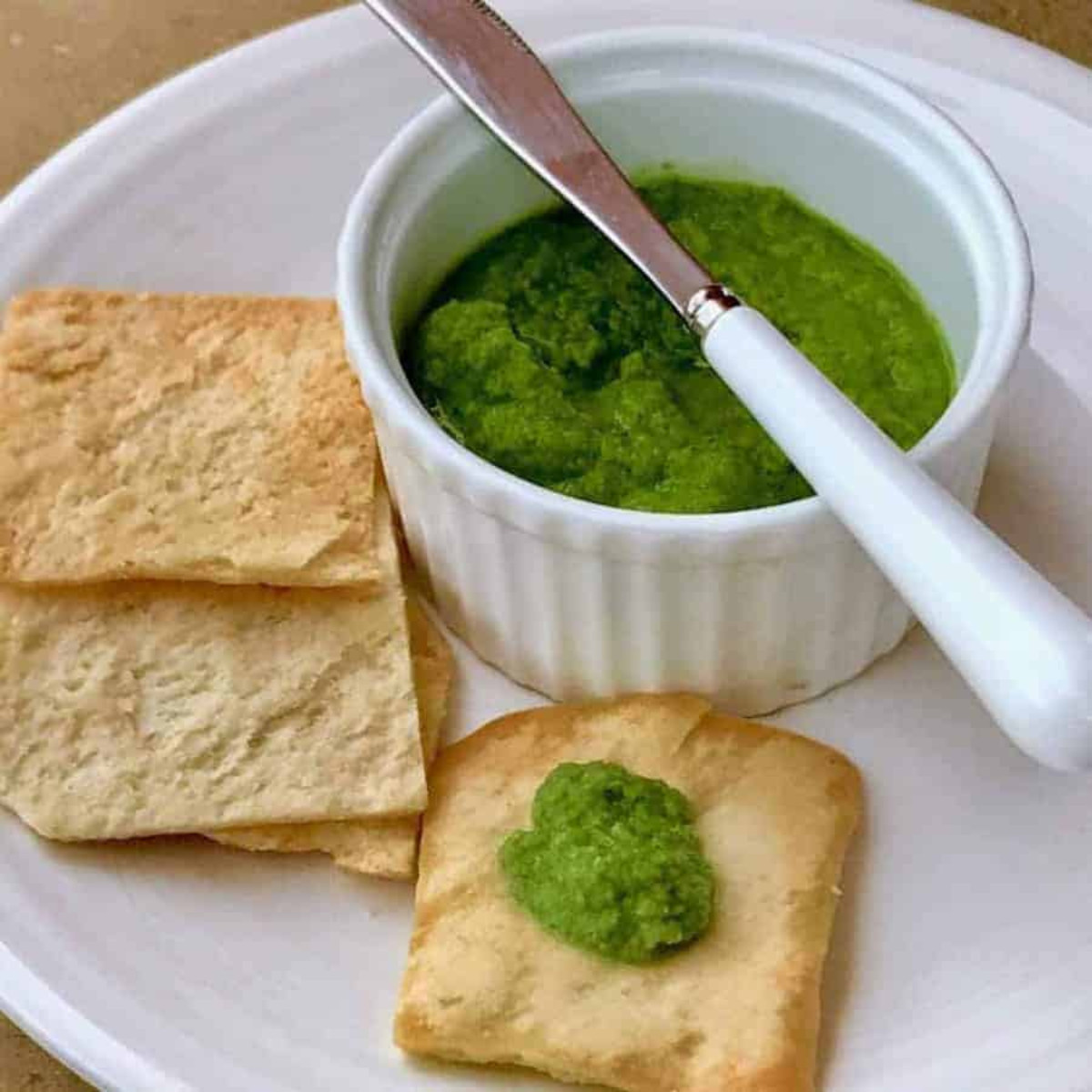
Indian chutneys and pickles provide concentrated flavor, so a small portion is enough.
Use:
- Indian Green Chutney for fresh herbs and chile heat
- Tamarind Sauce for sweet and sour flavor
- Raw mango chutney for tartness
- Lime or mango pickle for salt, acid, spice, and heat
- Dry garlic chutney for toasted, savory intensity
Serve approximately 1 to 2 tablespoons of wet chutney or about a teaspoon of a highly concentrated pickle or dry chutney.
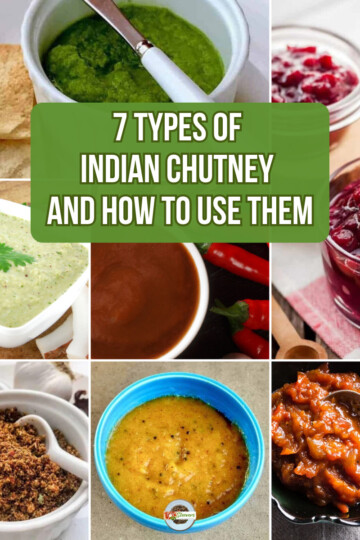
For more pairing help, compare the individual green, tamarind, mango, coconut, tomato, garlic, and fruit chutney styles available for the meal.
7. Include Something Crisp
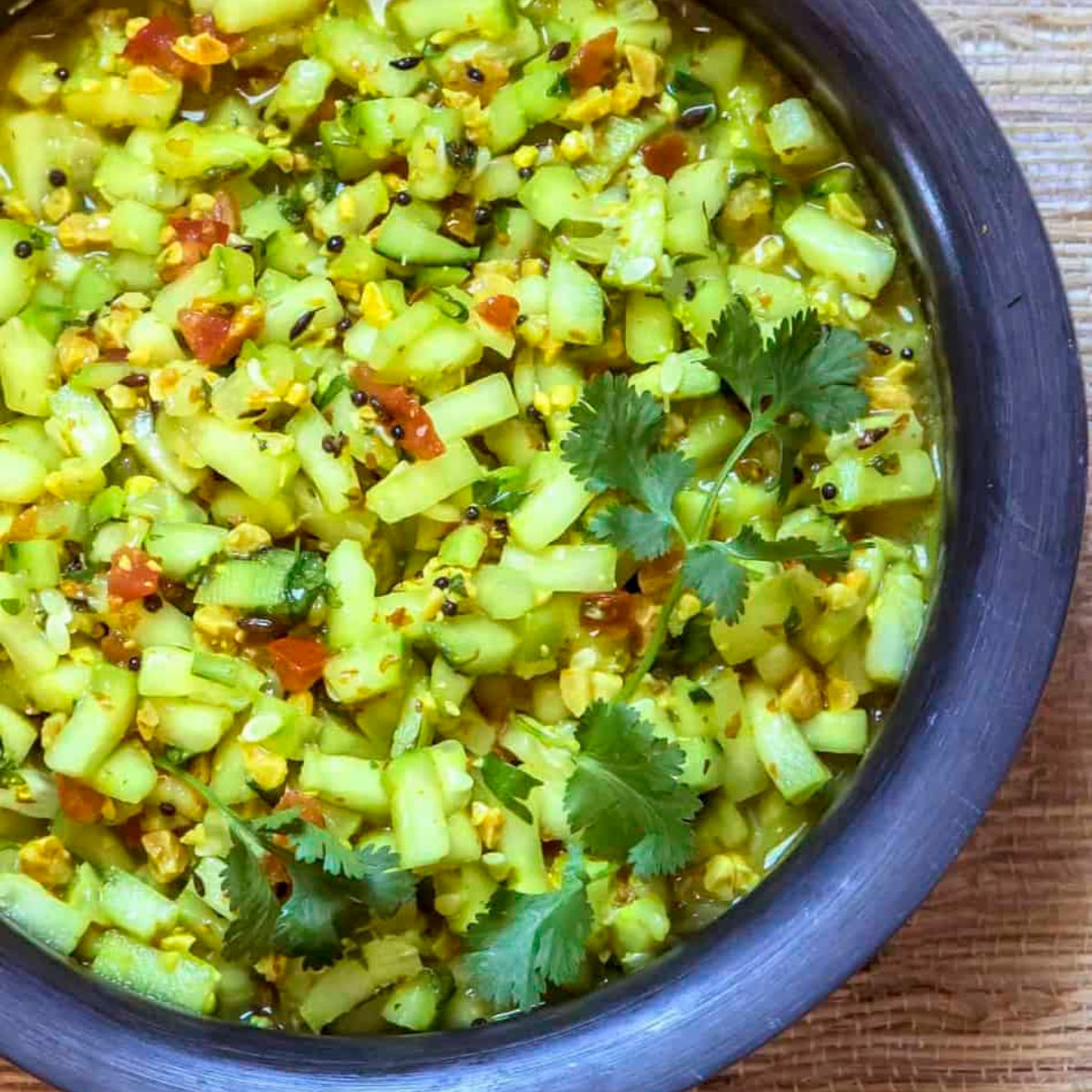
A crisp element keeps a thali from feeling entirely soft and saucy.
Options include:
- Papad
- Kachumber or another crisp salad
- Roasted peanuts
- Fresh cucumber
- Thinly sliced onion
- A small pakora or samosa for a celebration meal
Keep fried food portions modest when the thali already contains rich curry, rice, bread, and dessert.
8. Finish With Dessert When Appropriate

Dessert is optional for an everyday thali but feels natural in a festive meal.
Serve a small portion of:
- Indian Kheer
- Gajar halwa
- Shrikhand
- Kulfi
- Gulab jamun
- Sweet Coconut Rice
- Fresh fruit
A sweet dish may be placed on the thali at the beginning or served at the end, depending on the meal and family tradition. If dessert sits on the platter, keep it in its own katori so it does not mix with savory sauces.
How To Arrange An Indian Thali
You do not need a special metal platter. Use a large dinner plate, serving tray, sectioned plate, or shallow bowl with several small dishes.
Traditional-Inspired Arrangement
- Place two to four katoris along the upper edge of the platter.
- Fill them with dal, curry, raita, and optional dessert.
- Spoon rice onto the lower center of the plate.
- Place bread to one side so it stays dry.
- Arrange the vegetable and salad in separate portions.
- Add small spoonfuls of chutney and pickle near the edge.
- Place papad or another crisp item where it will not absorb sauce.
- Finish with lemon, onion, cilantro, or another fresh garnish.
Why Use Katoris?
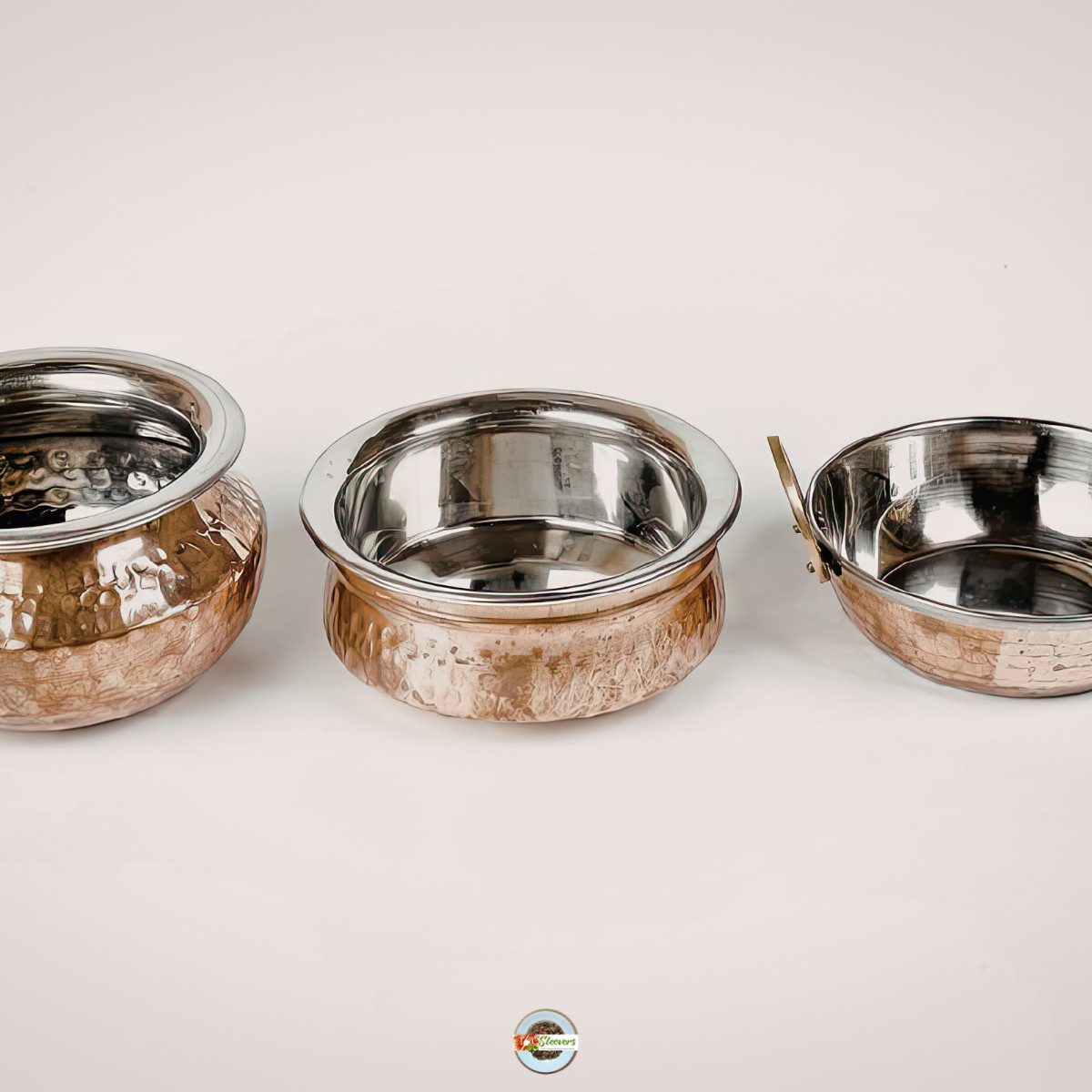
Small bowls keep wet dishes separate until you choose to combine them. They also protect dessert and raita from hot curry and make portioning easier.
If you do not own katoris, use ramekins, condiment bowls, teacups, or small glass food-storage dishes.
Should Food Touch On A Thali?
It is normal for diners to combine rice or bread with different dishes as they eat. The initial arrangement can still keep components separate, so each person controls the combinations.
A sectioned plate is useful for children, picky eaters, or anyone who prefers foods not to touch.
Indian Thali Portion Guide
The following amounts are practical starting points for one adult when serving several components.
| Component | Approximate serving per person |
|---|---|
| Cooked rice | ½ to ¾ cup |
| Roti or small naan | 1 to 2 pieces |
| Dal | ⅓ to ½ cup |
| Curry | ⅓ to ½ cup |
| Vegetable dish | ⅓ to ½ cup |
| Raita or salad | ¼ to ⅓ cup |
| Chutney | 1 to 2 tablespoons |
| Indian pickle | 1 teaspoon or less |
| Dessert | ¼ to ⅓ cup |
These portions assume the thali contains several foods. Serve more of the main dish and starch when making a smaller weeknight thali, and smaller portions of each item when offering a large celebration spread.
How Many Dishes Should A Thali Have?
A satisfying homemade thali can contain four to six components. A larger dinner-party thali may contain seven to ten.
Simple Weeknight Thali
- One rice or bread
- One dal or curry
- One vegetable
- One raita or salad
- One chutney or pickle
Full Dinner Thali
- Rice
- Bread
- Dal
- Curry or bean dish
- Vegetable
- Raita or salad
- Chutney or pickle
- Papad
- Dessert
Do not add dishes merely to reach a number. Each item should contribute a different flavor, texture, temperature, color, or nutritional role.
Easy Vegetarian Indian Thali Menu
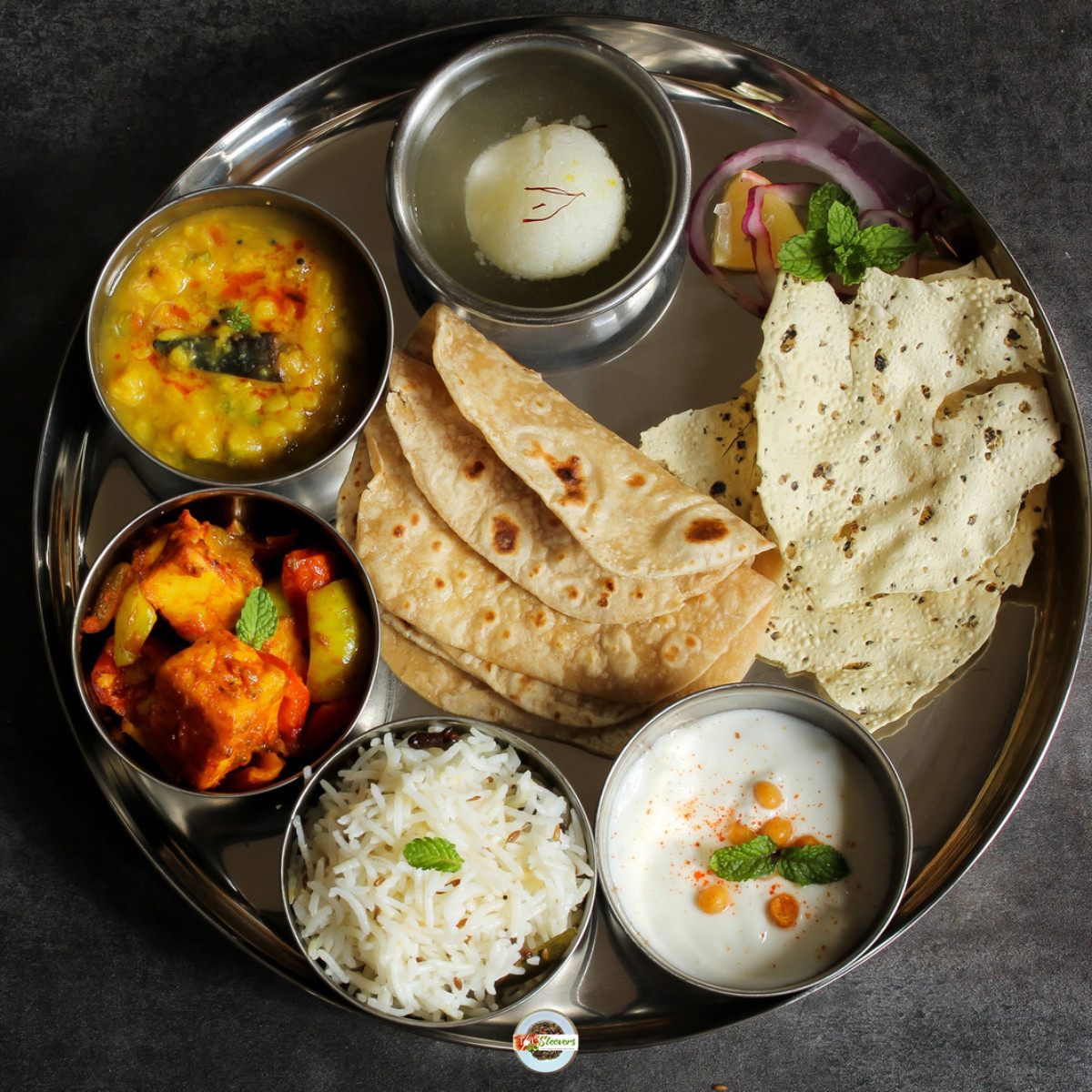
This vegetarian thali is substantial without requiring multiple heavy curries:
- Basmati Rice Pilau
- Moong Dal
- Bhindi Masala
- Tomato Raita
- Indian Green Chutney
- Papad or sliced cucumber
- Kheer for an optional dessert
Moong dal supplies protein, rice provides the starch, okra adds a drier vegetable texture, and raita and chutney create cool and fresh contrast.
Easy Vegan Indian Thali Menu
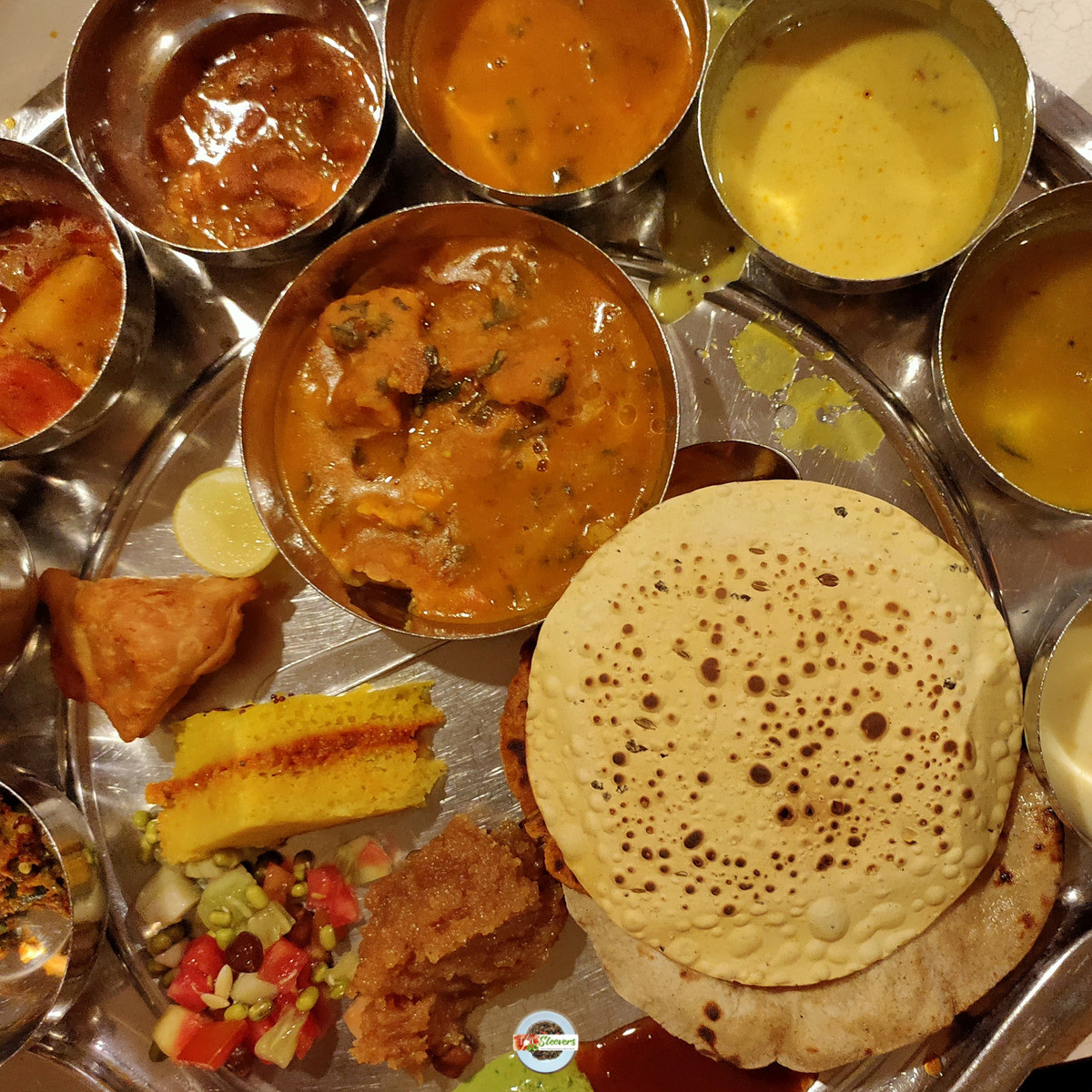
Check every individual recipe and packaged ingredient when cooking for dietary needs, but this framework can be made vegan:
- Plain basmati rice
- Chana masala
- Indian cabbage with peas and carrots
- Indian cucumber salad made without dairy
- Raw mango or green chutney
- Papad, if the package ingredients are suitable
- Fresh fruit
Use oil instead of ghee, skip dairy-based raita, and choose a chutney without yogurt.
Easy North Indian-Inspired Thali
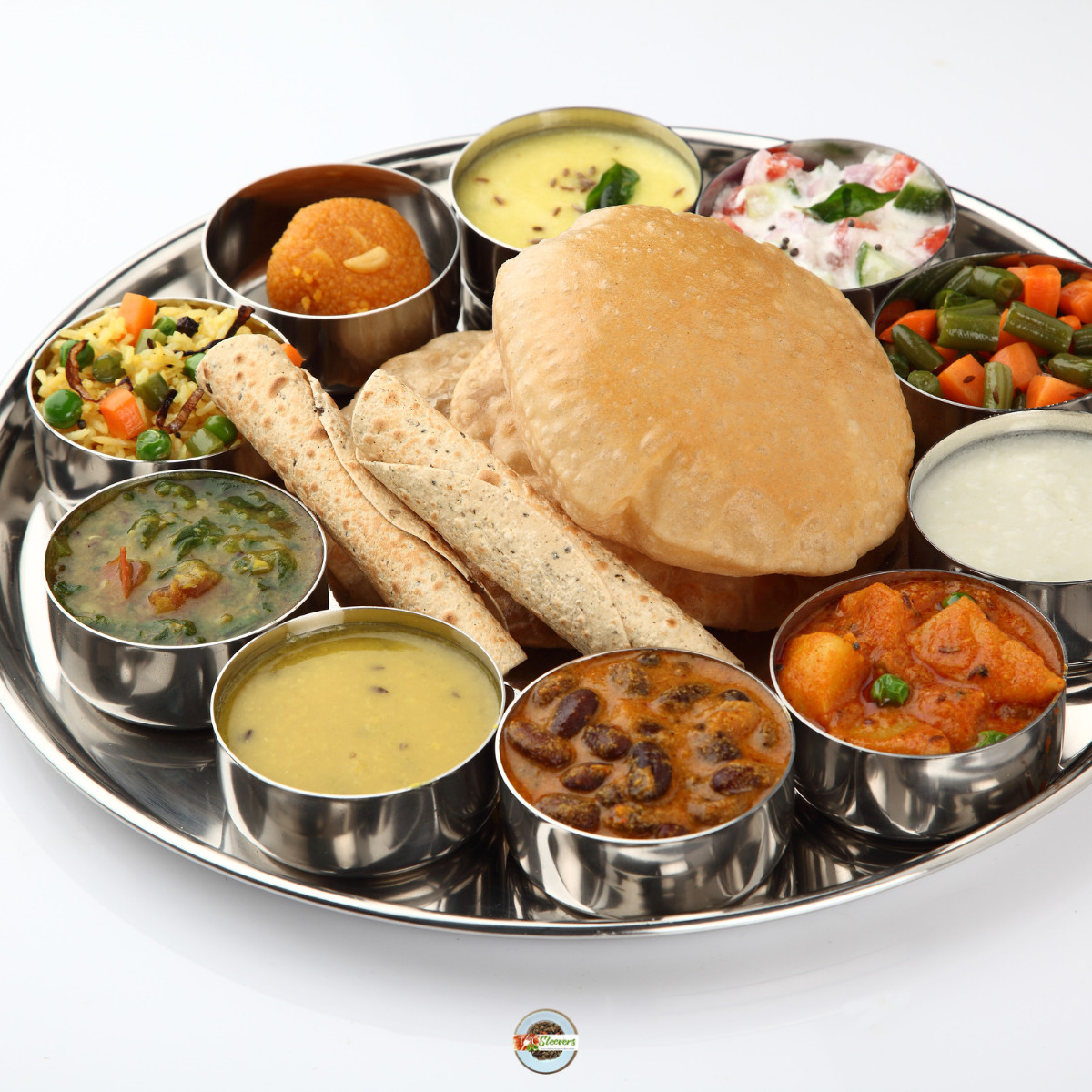
North Indian thalis vary considerably, but this approachable menu uses familiar dishes:
- Roti or naan
- Jeera rice or basmati pilau
- Dal makhani
- Chana masala or paneer curry
- Aloo gobi or bhindi masala
- Tomato raita
- Green chutney and pickle
- Kheer or gajar halwa
Choose either chana masala or paneer for a smaller meal. Serving both is more appropriate for guests or a celebration.
Easy South Indian-Inspired Thali
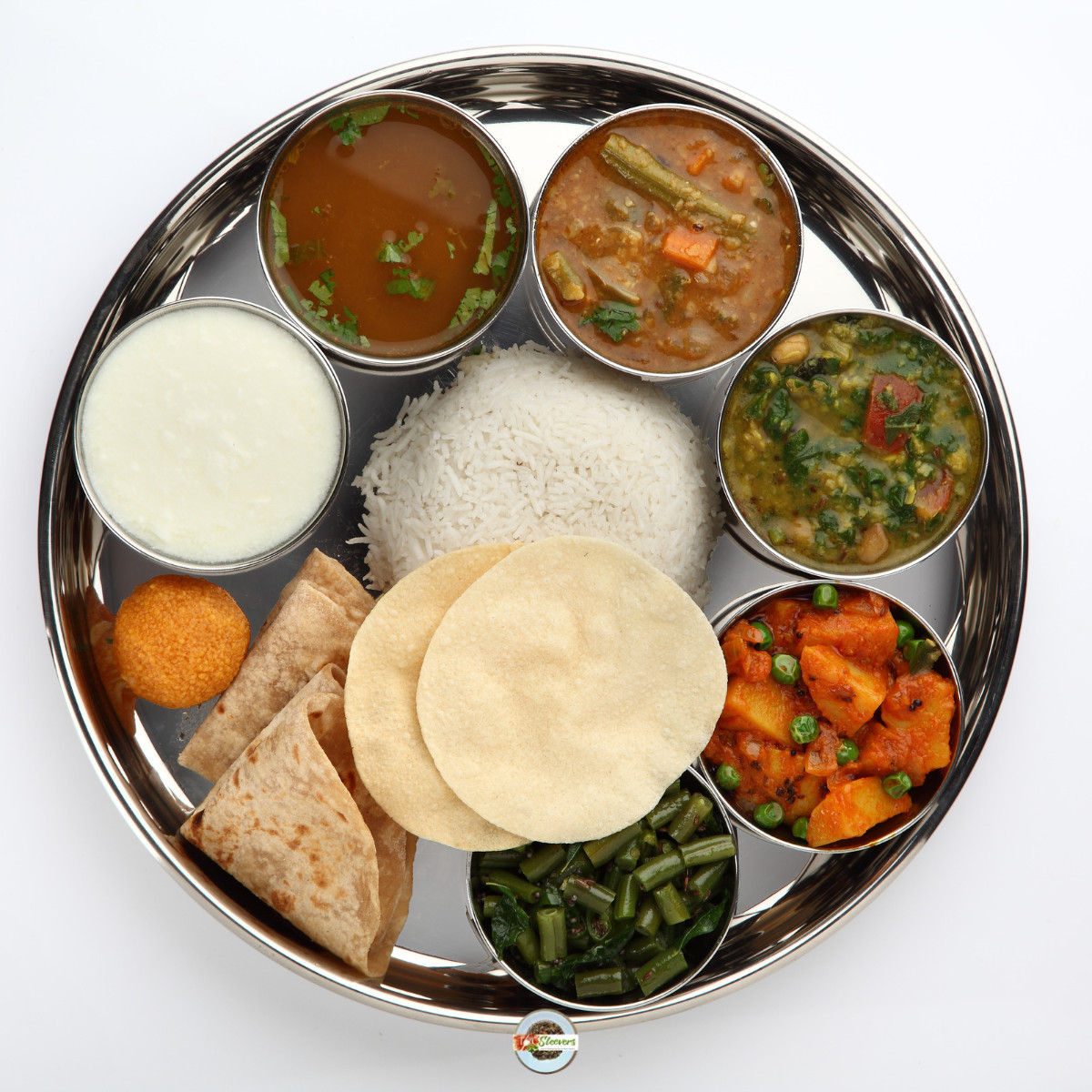
South Indian meals also vary by state, community, and occasion. A simple inspired menu might include:
- Plain rice
- Sambar
- Rasam
- One dry vegetable preparation
- Yogurt or curd
- Coconut chutney
- Pickle
- Papad or appalam
- A small sweet
You do not need both sambar and rasam for a casual meal. Choose one, then add a vegetable and cooling side.
Easy Maharashtrian-Inspired Thali
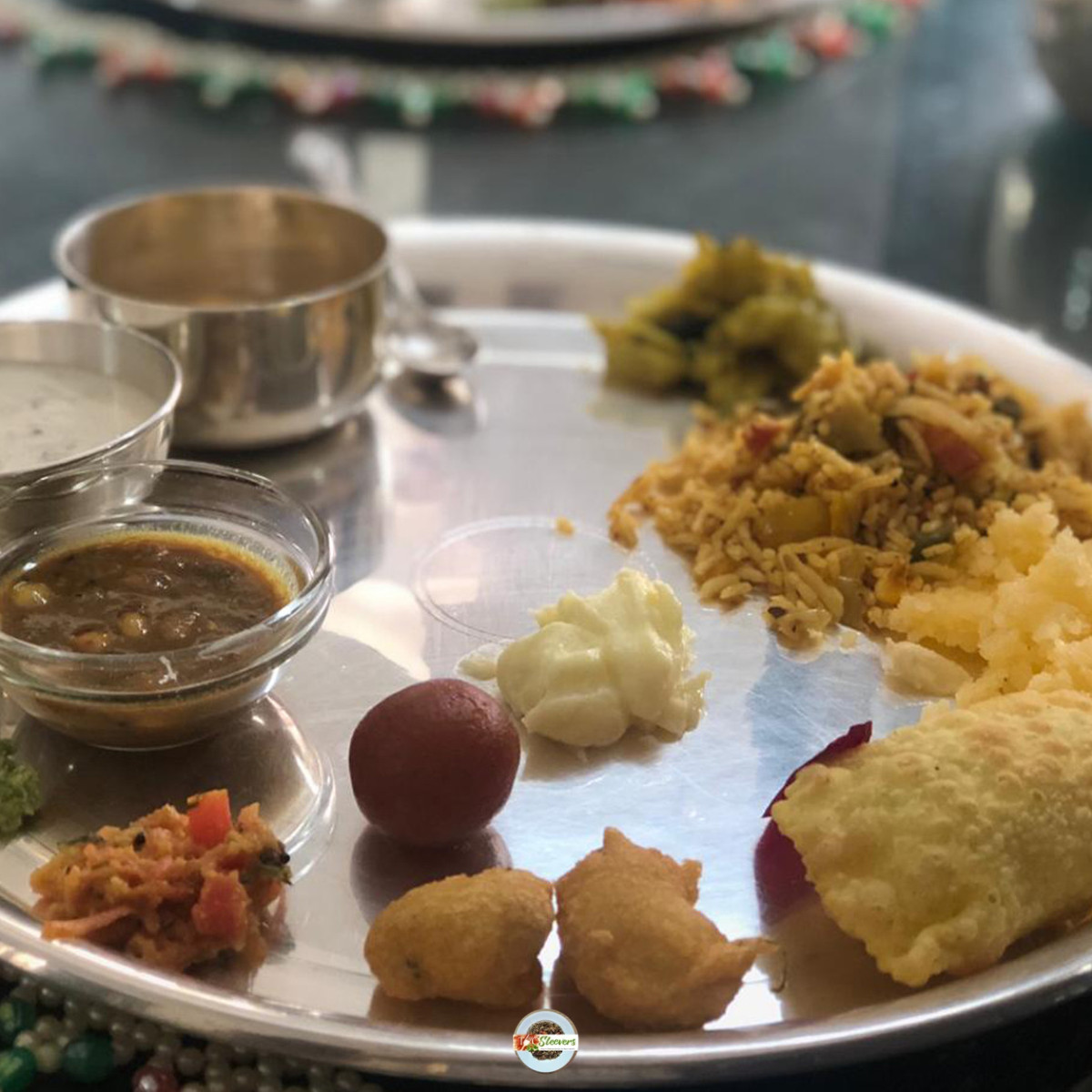
For a Maharashtrian-inspired plate, try:
- Maharashtrian Masale Bhat
- Moong dal or another simple dal
- A dry vegetable dish
- Indian Cucumber Peanut Salad
- Raw mango chutney or pickle
- Plain yogurt
- A small sweet
Masale bhat is already seasoned and contains vegetables, so pair it with a relatively simple dal rather than another heavily spiced rice dish.
Easy Meat-Based Indian Thali
Use one meat curry as the centerpiece and keep the supporting dishes simpler:
- Instant Pot Butter Chicken
- Plain basmati rice or naan
- A dry vegetable dish
- Indian cucumber salad
- Tomato raita or plain yogurt
- Green chutney
- Lemon and sliced onion
Butter chicken is rich and saucy, so plain rice and a fresh salad provide better contrast than another creamy curry.
For help choosing another main dish, explore Indian Curry Types.
Easy Low Carb Indian Thali
A low carb thali replaces rice and bread with non-starchy vegetables or cauliflower rice. Always check each recipe's nutrition information if you are tracking carbohydrates.
Try:
- Chicken tikka bites or tandoori chicken
- Cauliflower rice
- Bhindi masala or another non-starchy vegetable
- Cucumber salad
- Tomato raita
- Green chutney
- Lemon and sliced onion
Avoid filling the plate with potatoes, rice, naan, sweet chutney, and lentil dishes if your goal is to keep carbohydrates low.
Indian Dinner Party Thali
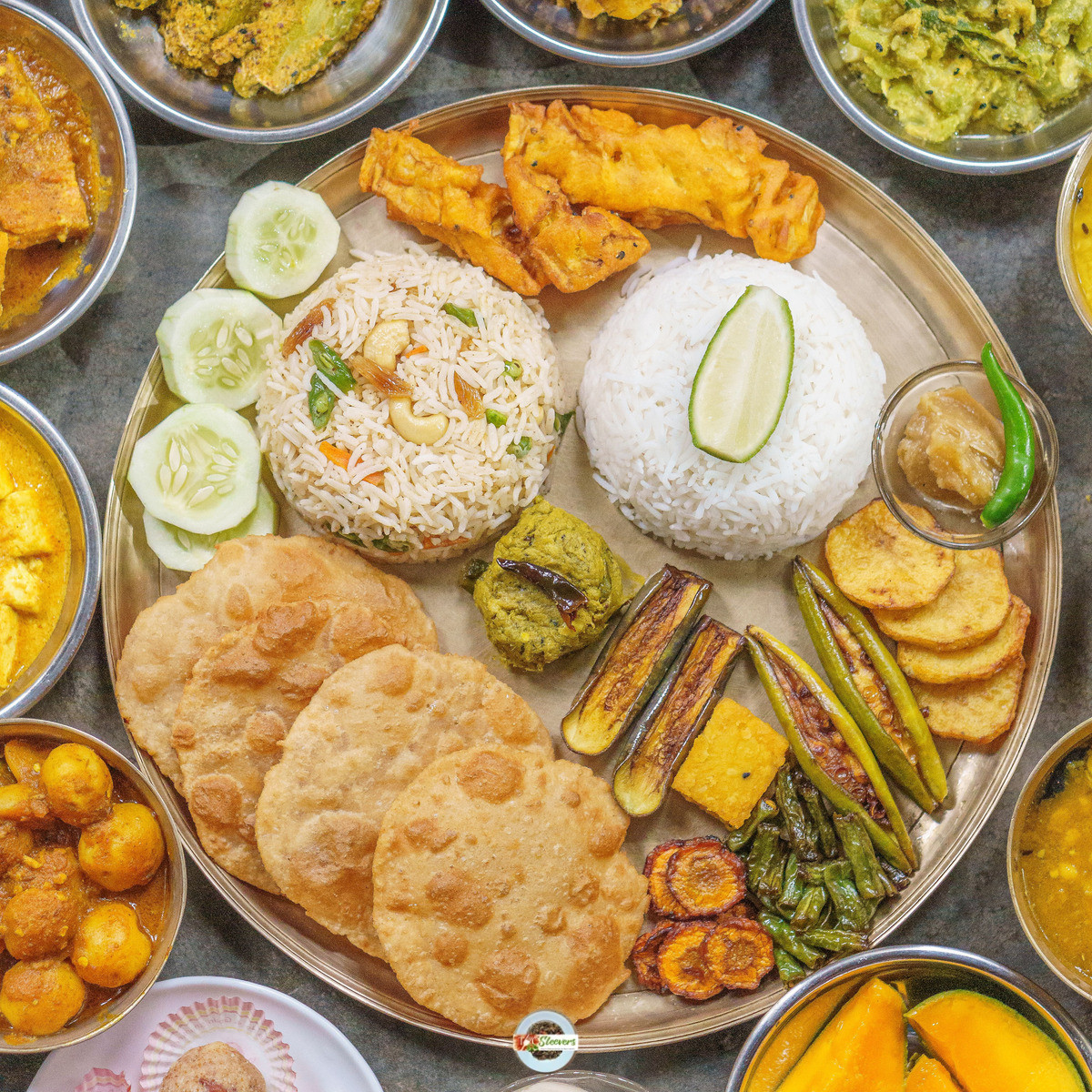
For guests, offer variety without making every dish at the last minute:
- Samosas or Chicken Tikka Bites as a small starter
- Plain basmati rice
- Purchased naan or roti
- One meat or paneer curry
- One dal or bean dish
- One dry vegetable
- Tomato raita
- Green and tamarind chutneys
- Papad and pickle
- Kheer, shrikhand, or halwa
One starter, two saucy dishes, one vegetable, and several simple accompaniments are enough. Avoid serving three rich curries with nearly identical textures.
How To Balance Flavors On A Thali
A thali becomes interesting when its dishes contrast rather than repeat one another.
Try to include several of these qualities:
- Rich. Butter chicken, korma, paneer, or dal makhani
- Spicy. Vindaloo, pickle, chile chutney, or a hot vegetable dish
- Tangy. Tamarind, tomato, yogurt, lemon, or raw mango
- Cooling. Raita, plain yogurt, cucumber, or mint
- Fresh. Cilantro, salad, onions, or citrus
- Earthy. Dal, chickpeas, cumin, or roasted vegetables
- Crisp. Papad, salad, nuts, or raw vegetables
- Sweet. Fruit chutney, halwa, kheer, or fresh fruit
You do not need every flavor in equal amounts. A little pickle can provide all the salt, acid, and heat the plate needs.
How To Balance Textures
Avoid choosing five soft, saucy foods. Pair creamy dal with a dry vegetable, crisp salad, or papad.
Use this simple texture formula:
- One saucy dish
- One soft starch
- One dry or firm vegetable
- One cool or crisp side
- One concentrated condiment
For a larger thali, add a second saucy dish with a different consistency. For example, serve a smooth curry beside a whole-bean or lentil dish rather than two nearly identical cream sauces.
How To Keep A Thali From Becoming Too Heavy
- Serve either rice or bread for a casual meal rather than both.
- Choose one rich curry, not several.
- Add a fresh salad or yogurt side.
- Keep fried appetizers small.
- Use chutney and pickle in teaspoon-sized portions.
- Serve dessert in a small katori.
- Choose plain rice when the main dishes are strongly seasoned.
- Let vegetables occupy a meaningful part of the plate.
How To Prepare A Thali Without Getting Overwhelmed
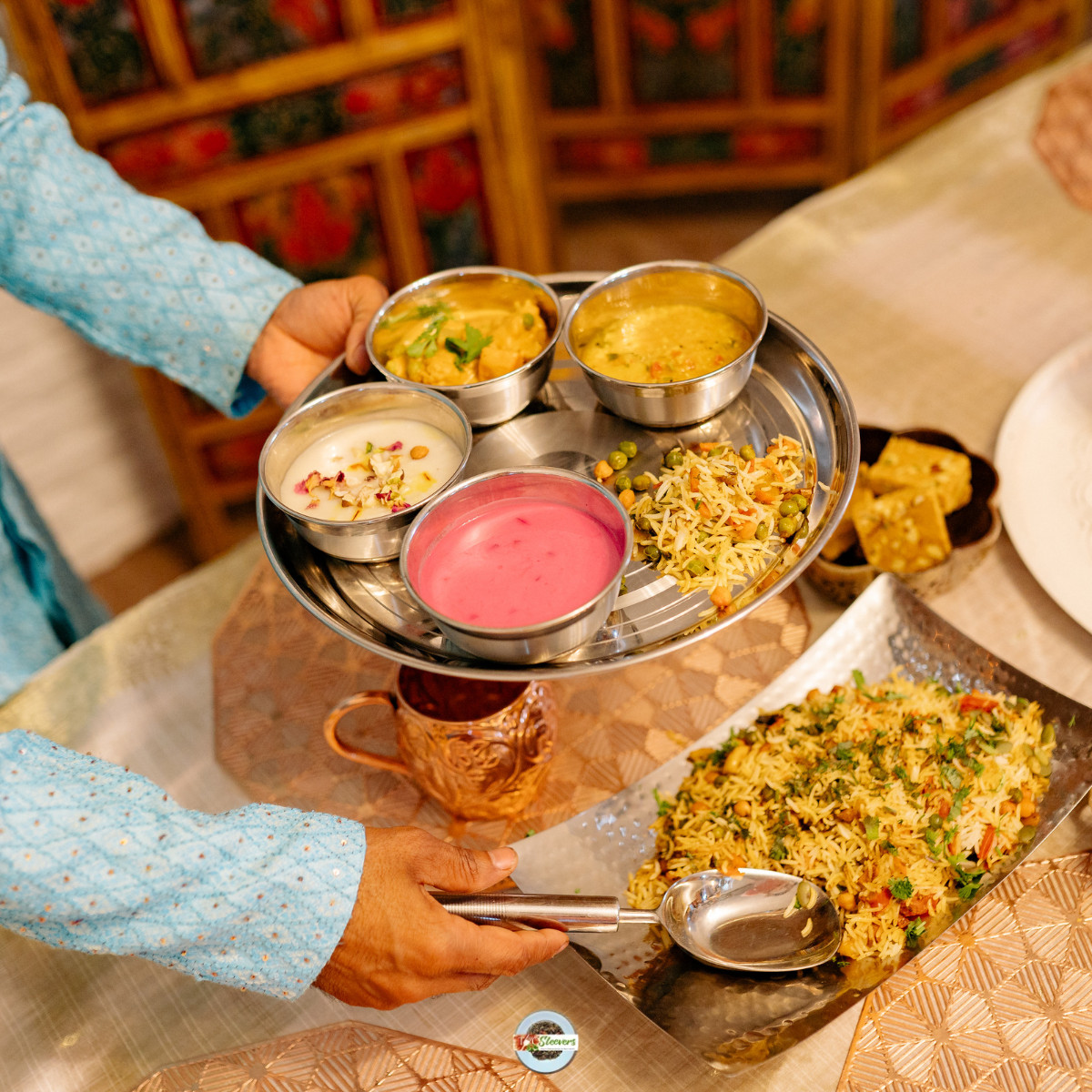
Start With The Main Dish
Choose dal, curry, beans, paneer, or meat first. Build the rest of the thali around its richness, heat, and texture.
Limit Same-Day Cooking
Make dal, curry, chutney, and dessert in advance when possible. Prepare fresh salad, rice, and bread closer to serving.
Use More Than One Cooking Method
Cook dal in the Instant Pot while a vegetable roasts in the air fryer or oven. Prepare raita and chutney without using another burner.
Use One Shortcut
Buy naan, papad, pickle, or dessert instead of making every item from scratch. A thali is still homemade when one component comes from the store.
Reuse Ingredients
Choose recipes that share cilantro, yogurt, lemon, onion, tomato, or cucumber. This reduces shopping costs and preparation time.
Keep One Component Plain
Plain rice, yogurt, sliced cucumber, or purchased bread gives your palate a rest and gives the cook less work.
Make-Ahead Thali Timeline
One Or Two Days Before
- Make chutney and dessert.
- Cook dal, bean dishes, or curry.
- Prepare spice blends or ginger-garlic paste.
- Shop for fresh herbs, yogurt, vegetables, bread, and garnishes.
Earlier The Same Day
- Cook or chop the vegetable dish.
- Prepare raita if its ingredients will not release too much water.
- Set out thali plates, katoris, serving spoons, and labels.
- Portion pickle and chutney into small bowls.
Shortly Before Serving
- Cook rice.
- Warm dal, curry, and vegetables gently.
- Heat bread.
- Fry, roast, or microwave papad as directed.
- Add fresh herbs, lemon, and other garnishes.
- Fill katoris and arrange the platters.
If you prepare curry in advance, use my guide for Freezing And Reheating Curry to protect its flavor and texture.
How To Serve And Eat An Indian Thali
There is no single required order for every thali. Begin with the combinations that appeal to you and alternate flavors as you eat.
Common approaches include:
- Mix small amounts of dal or curry with rice.
- Tear off a piece of bread and use it to scoop a thicker dish.
- Eat raita, salad, or cucumber between spicy bites.
- Add chutney or pickle in very small amounts.
- Break papad over rice or eat it separately for crunch.
- Save dessert for the end or enjoy a small taste during the meal according to preference and tradition.
Do not pour every sauce over the entire plate at once. Combining small portions lets you experience each dish and adjust the balance as you go.
Common Thali-Building Mistakes

Making Too Many Dishes
A thali is not a contest. Four balanced components are better than ten rushed recipes with repetitive flavors.
Choosing Too Many Saucy Curries
Add a dry vegetable, crisp salad, papad, or bread so the meal has textural contrast.
Making Everything Spicy
Include plain rice, yogurt, raita, cucumber, or a mild dal so diners can control the heat.
Serving Rice And Bread In Full Portions
When offering both, reduce the serving of each. Otherwise the thali can become mostly starch.
Adding Too Much Pickle Or Chutney
These condiments are concentrated. Start with a teaspoon or tablespoon, then add more if needed.
Letting Papad And Bread Become Soggy
Keep crisp and dry items away from dal and curry until serving.
Trying To Finish Everything At Once
Use make-ahead dishes and reheat them while rice cooks. Prepare garnishes and cold sides before warming bread.
Tips And Tricks

- Plan by contrast. Pair rich with fresh, spicy with cooling, and soft with crisp.
- Choose one centerpiece. Let dal, curry, paneer, or meat guide the menu.
- Use small bowls. Katoris keep sauces separate and control portions.
- Keep one item simple. Plain rice, yogurt, or sliced cucumber reduces work.
- Buy the bread. Purchased naan or roti is a reasonable shortcut.
- Prepare condiments early. Chutney and pickle do not need last-minute attention.
- Cook in parallel. Use the Instant Pot, air fryer, oven, and no-cook sides strategically.
- Label spicy foods. Guests should know which chutney, pickle, or curry is hottest.
- Consider dietary needs. Keep serving utensils separate for vegan, vegetarian, gluten-free, and allergen-sensitive guests.
- Serve smaller portions. Guests can return for more, and the platter will remain manageable.
Frequently Asked Questions

What Is A Thali Meal?
A thali is a meal of several complementary dishes served together on one platter, often in small bowls. It may include rice, bread, dal, curry, vegetables, yogurt, chutney, pickle, papad, and dessert.
How Many Items Are In An Indian Thali?
There is no required number. A simple homemade thali may have four to six components, while a festive or restaurant thali may have considerably more.
What Is The Difference Between A Thali And A Regular Indian Meal?
A thali emphasizes several components served together on one platter. A regular Indian meal may contain the same foods but does not need to be portioned or arranged in the same way.
Is An Indian Thali Vegetarian?
It can be, but not every thali is vegetarian. Depending on the region and household, thalis may include chicken, lamb, goat, fish, seafood, or eggs.
What Goes In A Vegetarian Indian Thali?
Choose rice or bread, dal or beans, one vegetable, raita or salad, chutney or pickle, and an optional dessert. Paneer can be added for another protein-rich dish.
Do You Need A Special Thali Plate?
No. Use a large dinner plate or tray with small bowls. Ramekins and condiment bowls work well in place of traditional katoris.
Do You Serve Rice And Bread On The Same Thali?
You can, especially for a dinner party. For a weeknight meal, one starch is enough. When serving both, offer smaller portions of each.
What Dessert Goes On An Indian Thali?
Kheer, halwa, shrikhand, gulab jamun, sweet rice, or fresh fruit can all work. Serve a small portion because the main platter is already varied and filling.
Can You Make An Indian Thali Ahead Of Time?
Yes. Dal, curry, beans, chutney, and many desserts can be prepared in advance. Cook rice, warm bread, and finish fresh salads closer to serving.
What Is A Good Beginner Indian Thali?
Serve basmati rice, moong dal, one easy vegetable, tomato raita, and green chutney. This combination is approachable, balanced, and manageable.
How Do You Make A Low Carb Indian Thali?
Use cauliflower rice or non-starchy vegetables instead of rice and bread. Add grilled meat or paneer, a vegetable side, salad, raita, and a low-sugar chutney while checking each recipe's nutrition information.
More Indian Recipes And Cooking Guides
Use these resources to keep building your thali:
- How To Build A Complete Indian Meal
- Indian Cooking For Beginners
- Indian Curry Types Explained
- Indian Dal Types Explained
- How To Bloom And Temper Indian Spices
- What To Serve With Biryani
- Instant Pot Basmati Rice
- Moong Dal
- Tomato Raita
- Indian Green Chutney
- All Indian Recipes
Learning how to build an Indian thali at home is mostly about choosing contrast. Start with one starch and one dal or curry, add a vegetable and something cooling, then finish the platter with a small amount of chutney or pickle. Once that simple version feels easy, add bread, papad, a second main dish, or dessert for a larger occasion.
If you found this guide helpful, share it on Facebook or Pinterest so your friends can build a balanced Indian thali at home too.