

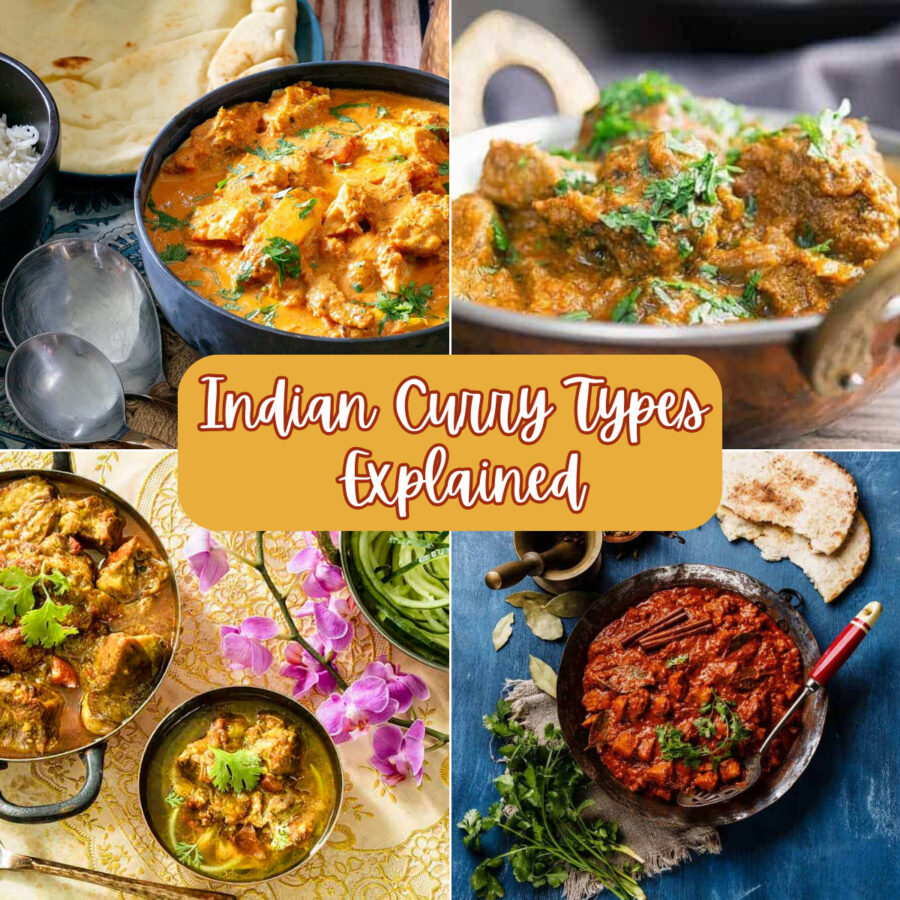
Indian curry is not one single flavor, sauce, or recipe. It is an enormous category of dishes shaped by regional ingredients, cooking methods, spices, and family traditions. Use this guide to understand some of the most popular Indian curry types, how they differ, and which curry you should try first.
Why You'll Love This Indian Curry Guide
- Informative. Learn what makes popular Indian curry types different from one another.
- Beginner-Friendly. Choose a curry based on its flavor, texture, ingredients, and heat level.
- Practical. Find easy recipes that let you make authentic Indian curries at home.
- Varied. Explore creamy, tomato-based, vegetable, lentil, spinach, coconut, and meat curries.
- Customizable. Discover which curries can be adjusted to suit your preferred level of heat.
If you are new to Indian food, a restaurant menu can feel like a long list of unfamiliar names. Korma, vindaloo, saag, rogan josh, jalfrezi, and tikka masala may all be described as curries, but they do not taste the same.
Some are creamy and mild. Others are tangy, spicy, earthy, tomato-forward, or filled with vegetables. Understanding these basic differences makes it much easier to order Indian food or start cooking Indian food at home.
What Is Indian Curry?
The word "curry" is commonly used outside India as a broad description for a saucy, spiced dish. However, there is no single traditional Indian dish simply called curry, and Indian cooks do not rely on one universal curry powder.
Instead, Indian curries are built by combining ingredients such as onions, ginger, garlic, tomatoes, yogurt, coconut milk, nuts, chiles, herbs, and individual spices. The exact combination depends on the region, recipe, protein, and cook.
A curry may be:
- Thick or thin
- Mild or spicy
- Creamy or broth-based
- Made with meat, seafood, vegetables, beans, paneer, or lentils
- Tomato-based, yogurt-based, nut-based, coconut-based, or spinach-based
If you want to become more familiar with the spices behind these dishes, start with this guide to essential Indian spices for beginners.
Indian Curry Types At A Glance
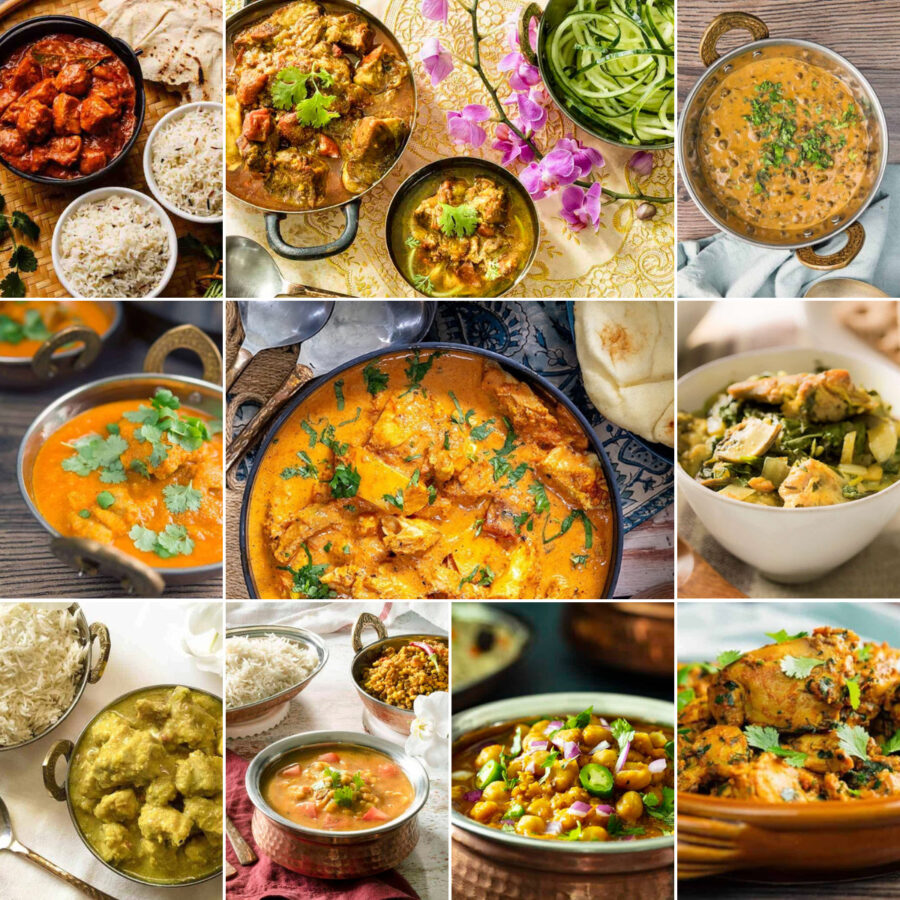
| Curry Type | Main Flavor | Usual Heat Level | Typical Base |
|---|---|---|---|
| Butter Chicken | Creamy, buttery, lightly sweet | Mild | Tomato, butter, cream |
| Tikka Masala | Creamy, tomato-forward, aromatic | Mild to medium | Tomato, yogurt, cream |
| Korma | Rich, nutty, gently spiced | Mild | Nuts, yogurt, coconut milk |
| Vindaloo | Tangy, sharp, chile-forward | Hot | Vinegar, garlic, chiles |
| Rogan Josh | Aromatic, savory, warmly spiced | Medium | Yogurt, spices, meat juices |
| Jalfrezi | Bright, savory, vegetable-forward | Medium to hot | Tomato, peppers, onions |
| Saag | Earthy, creamy, herbaceous | Mild to medium | Leafy greens |
| Chana Masala | Tangy, earthy, savory | Medium | Chickpeas, tomato, onion |
| Dal | Earthy, comforting, highly varied | Mild to medium | Lentils or split pulses |
| South Indian Curry | Tangy, coconut-rich, aromatic | Medium to hot | Coconut, tamarind, spices |
Heat levels vary considerably from one recipe to another, so these descriptions are a general guide rather than a fixed rule.
Popular Types Of Indian Curry
Butter Chicken
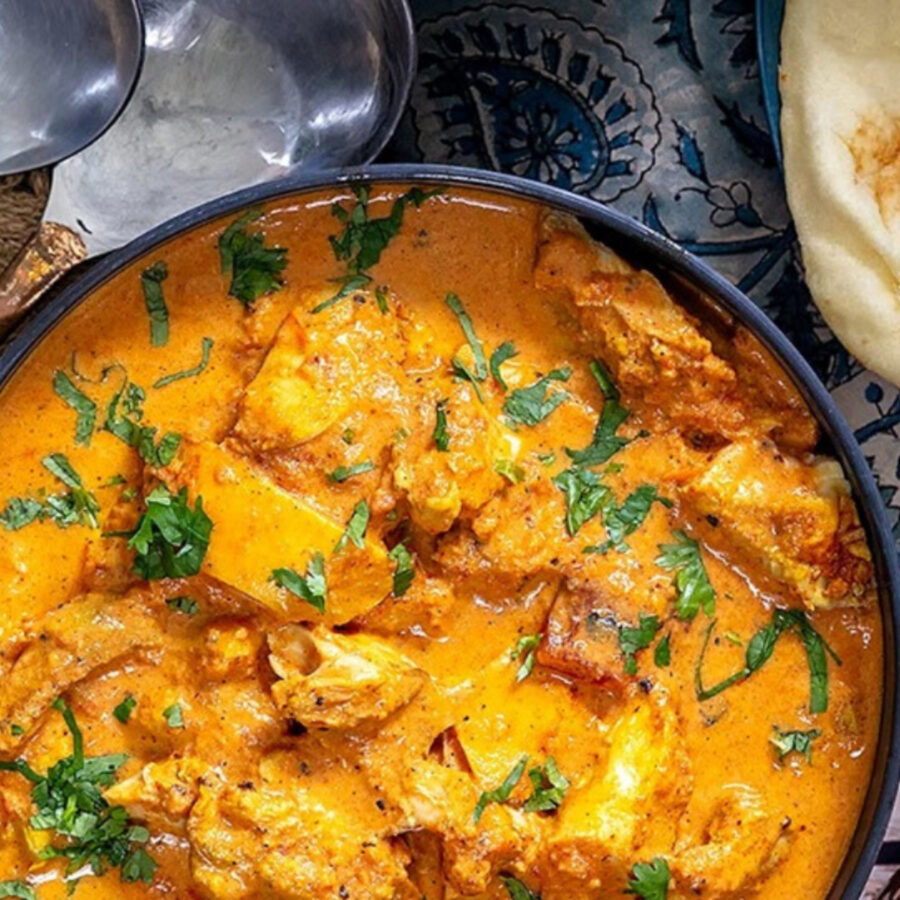
Butter chicken, also called murgh makhani, is one of the most recognizable Indian curry dishes. It combines tender chicken with a smooth sauce traditionally made from tomatoes, butter, cream, aromatics, and warm spices.
The sauce is rich without needing to be extremely spicy. Tomato adds sweetness and acidity, while butter and cream soften the spices and create a velvety texture.
This is often one of the best Indian curries for beginners because it uses familiar ingredients and has a balanced, approachable flavor.
Try the famous Instant Pot Butter Chicken for a fast version that delivers restaurant-quality flavor without requiring hours at the stove.
Best for: Anyone who enjoys creamy tomato sauces
Typical heat level: Mild
Pairs well with: Basmati rice, naan, or roasted vegetables
Chicken Tikka Masala
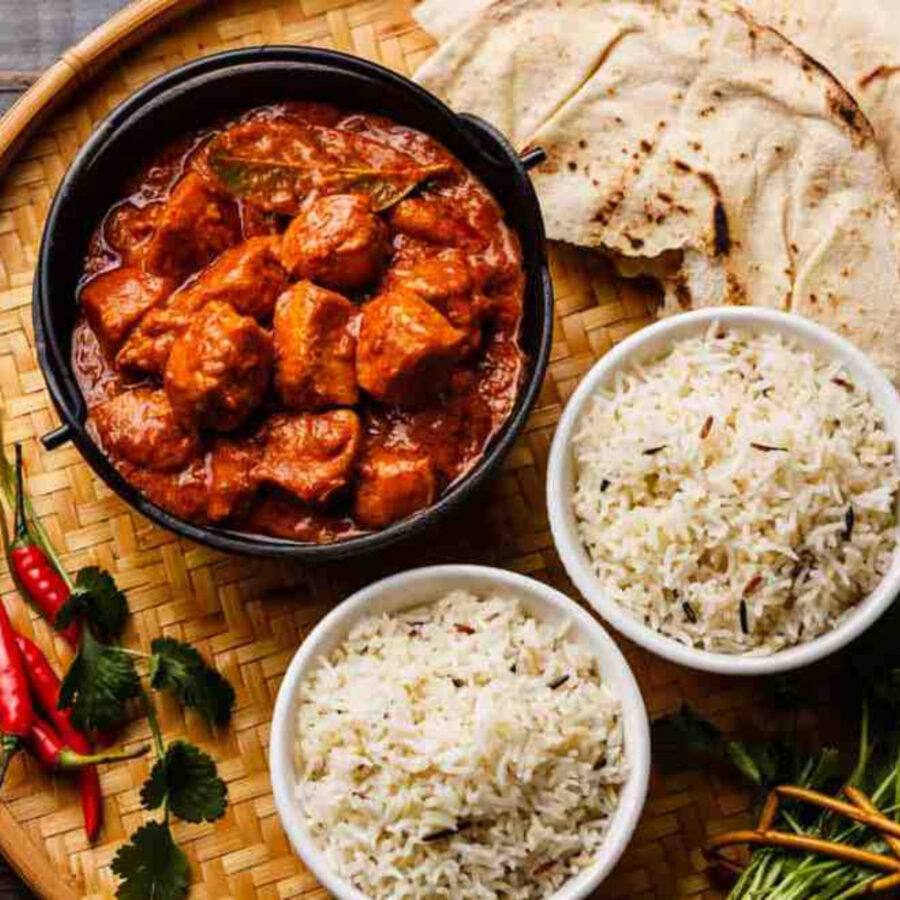
Chicken tikka masala is made with seasoned chicken served in a creamy, spiced tomato sauce. Although it is frequently compared to butter chicken, the two are not exactly the same.
Tikka masala generally has a bolder tomato flavor and a more noticeable spice profile. Butter chicken tends to be smoother, richer, and slightly sweeter. Exact recipes vary, which is why the distinction can become blurry.
This Instant Pot Chicken Tikka Masala makes it easy to prepare this popular Indian restaurant dish at home.
Best for: Fans of tomato-based sauces and warm spices
Typical heat level: Mild to medium
Pairs well with: Rice, naan, cucumber salad, or raita
Korma
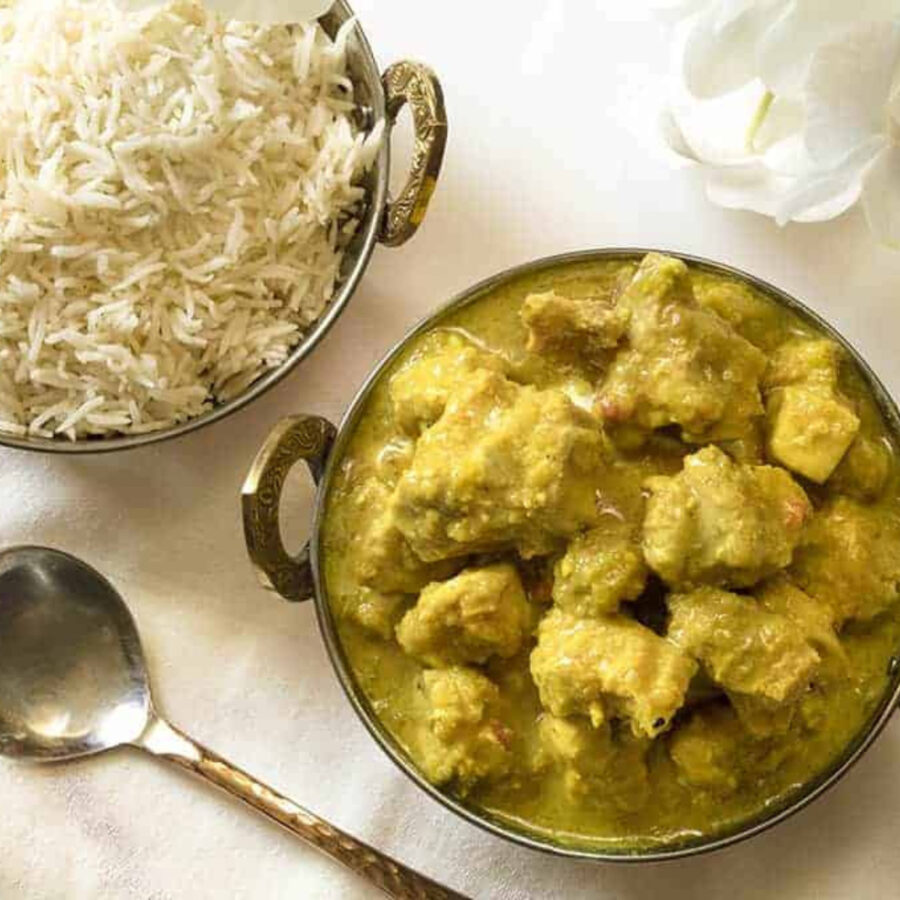
Korma is a rich, creamy curry that is usually much milder than vindaloo or jalfrezi. Its sauce may contain yogurt, cream, coconut milk, ground almonds, or cashews.
Rather than relying on chiles for its primary flavor, korma gets its complexity from aromatic spices such as cardamom, cinnamon, cloves, cumin, and coriander. It often has a subtle sweetness that balances its savory ingredients.
The Chicken Korma uses a creamy cashew and coconut milk sauce. You can also try Safed Chicken Korma, a white korma made with yogurt, nuts, sesame seeds, and fragrant spices.
Best for: People who want a mild Indian curry
Typical heat level: Mild
Pairs well with: Basmati rice, pilau, naan, or a simple vegetable side
Vindaloo
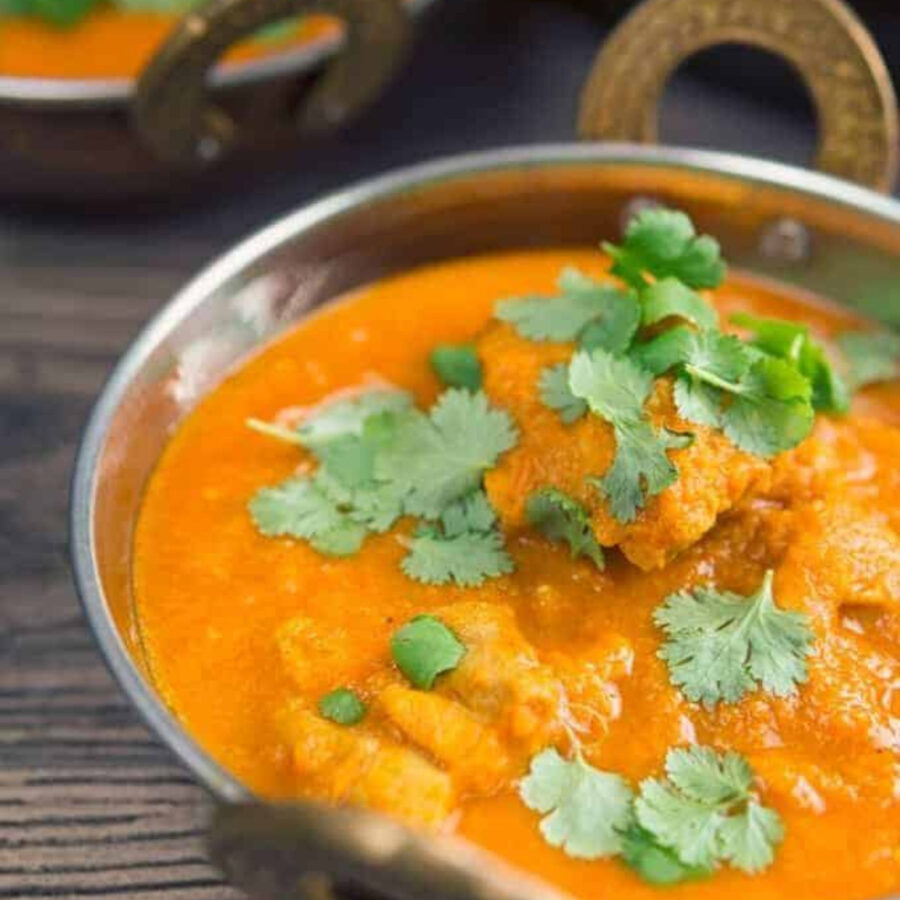
Vindaloo is a bold, spicy, and tangy curry associated with Goa. The dish developed from Portuguese culinary influence and traditionally features vinegar, garlic, chiles, and spices.
Unlike creamy curry sauces, vindaloo is known for acidity and sharpness. It should have more than raw heat. A good vindaloo balances its chiles with garlic, vinegar, salt, and aromatic spices.
You can control the intensity when making Chicken Vindaloo at home. Reducing the cayenne will lower the heat, but keeping the vinegar is important because that tangy flavor is part of the curry's identity.
Best for: People who enjoy spicy, tangy food
Typical heat level: Hot
Pairs well with: Rice, cooling raita, or an Indian cucumber salad
Rogan Josh
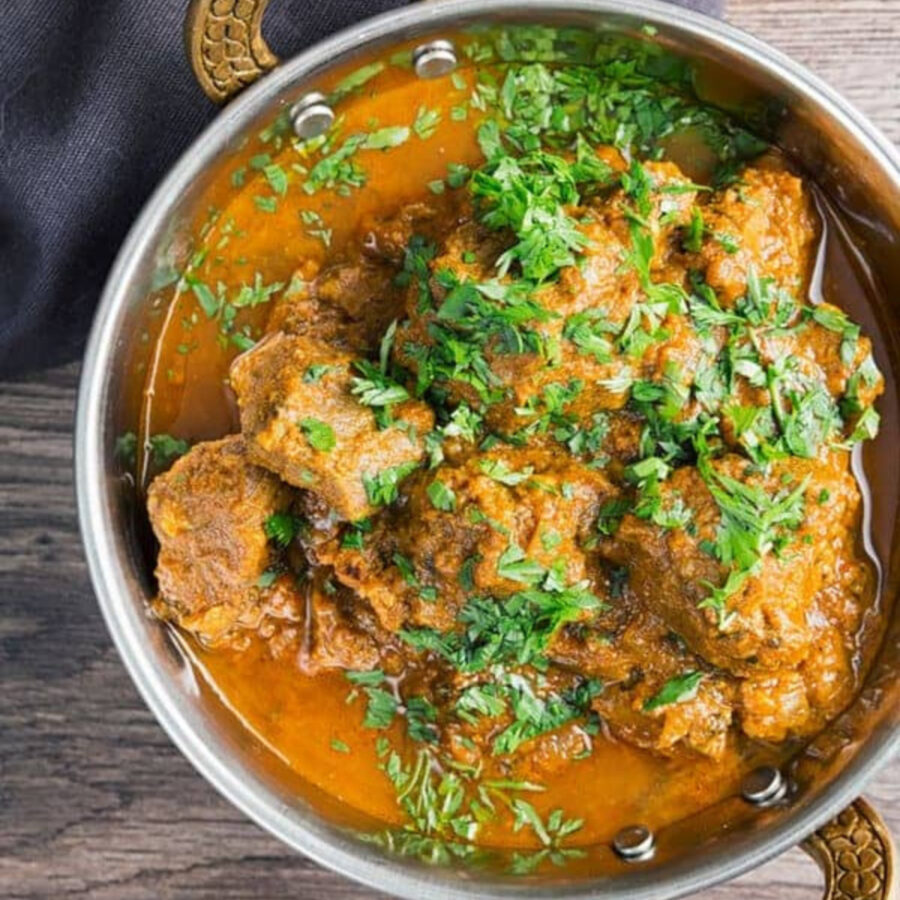
Rogan josh is a deeply aromatic curry associated with Kashmiri cuisine. It is commonly made with lamb or mutton and is known for its red color and warm, layered seasonings.
Despite its striking color, rogan josh does not have to be fiercely hot. Kashmiri chiles can provide brilliant color and flavor without the aggressive heat of some other chile varieties.
The meat is traditionally braised until tender, allowing it to absorb the spices and enrich the sauce. This Instant Pot Lamb Rogan Josh recreates that slow-cooked flavor in significantly less time.
Best for: Lamb lovers and anyone who enjoys aromatic meat curries
Typical heat level: Medium
Pairs well with: Rice, naan, or a cooling yogurt side
Jalfrezi
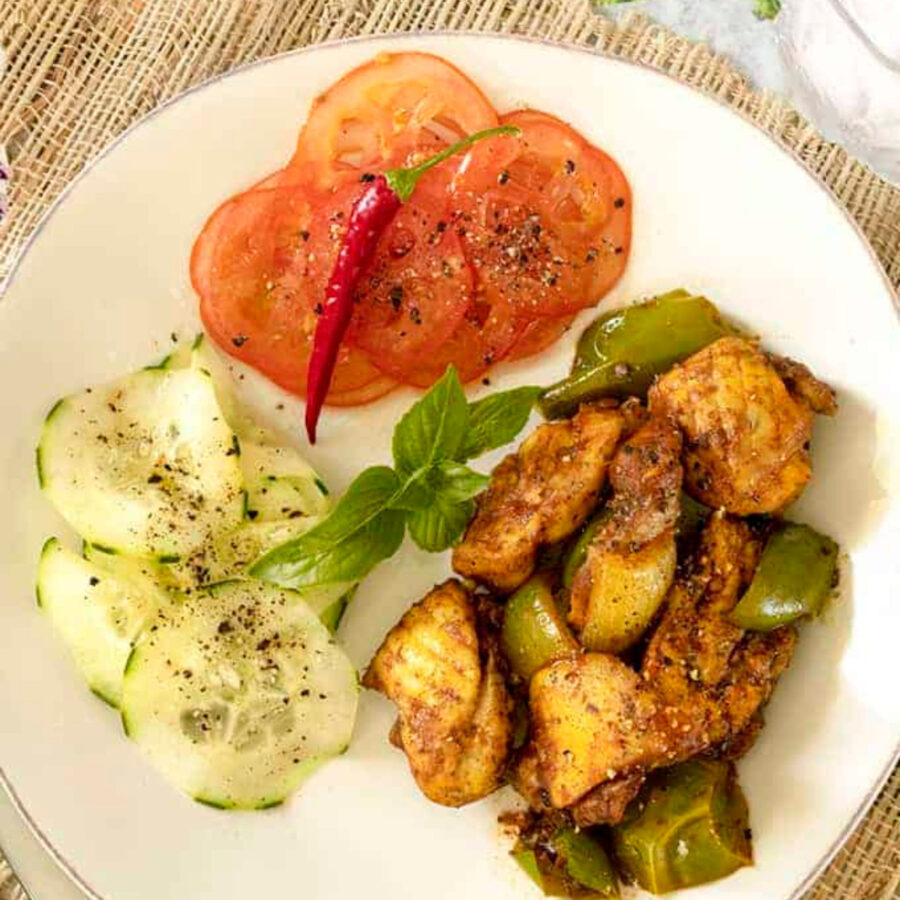
Jalfrezi is different from many smooth, sauce-heavy curries because it emphasizes stir-fried meat and vegetables. Bell peppers, onions, tomatoes, and chiles are common ingredients.
The vegetables usually retain some texture, giving the dish a fresher and less uniform consistency. Its flavor is bright, savory, tomato-forward, and often moderately spicy.
This Chicken Jalfrezi uses the air fryer to cook the chicken, peppers, and onions before they are tossed with a quick tomato sauce.
Best for: Anyone who wants a curry packed with vegetables
Typical heat level: Medium to hot
Pairs well with: Rice, naan, or a simple salad
Saag
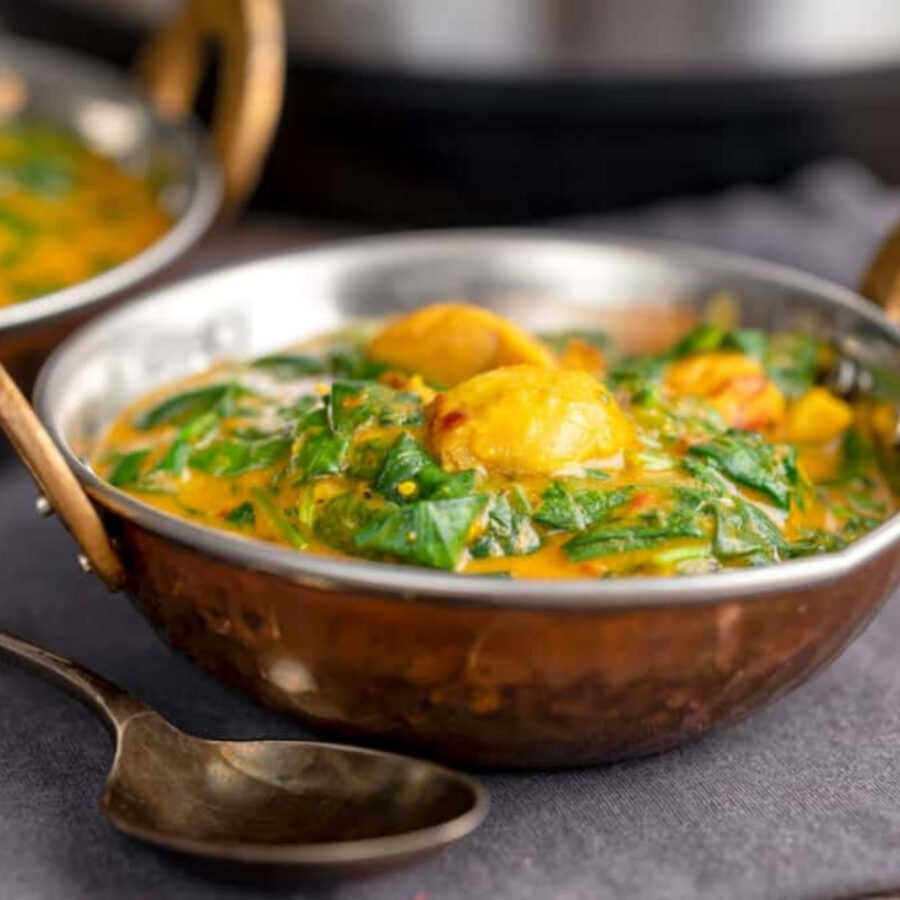
Saag refers to dishes made with leafy greens. Spinach is commonly used, but traditional versions can also contain mustard greens, fenugreek leaves, collard greens, or other seasonal greens.
The cooked greens create an earthy, savory sauce that may be combined with paneer, chicken, lamb, seafood, or legumes. Cream, yogurt, or coconut milk can be added for richness, depending on the recipe.
Saag and palak are sometimes used interchangeably on restaurant menus, but palak specifically means spinach. Saag can refer to a broader mixture of greens.
For a quick seafood version, try this flavorful Fish Saag.
Best for: Fans of spinach, leafy greens, and earthy flavors
Typical heat level: Mild to medium
Pairs well with: Rice, naan, or cauliflower rice
Chana Masala
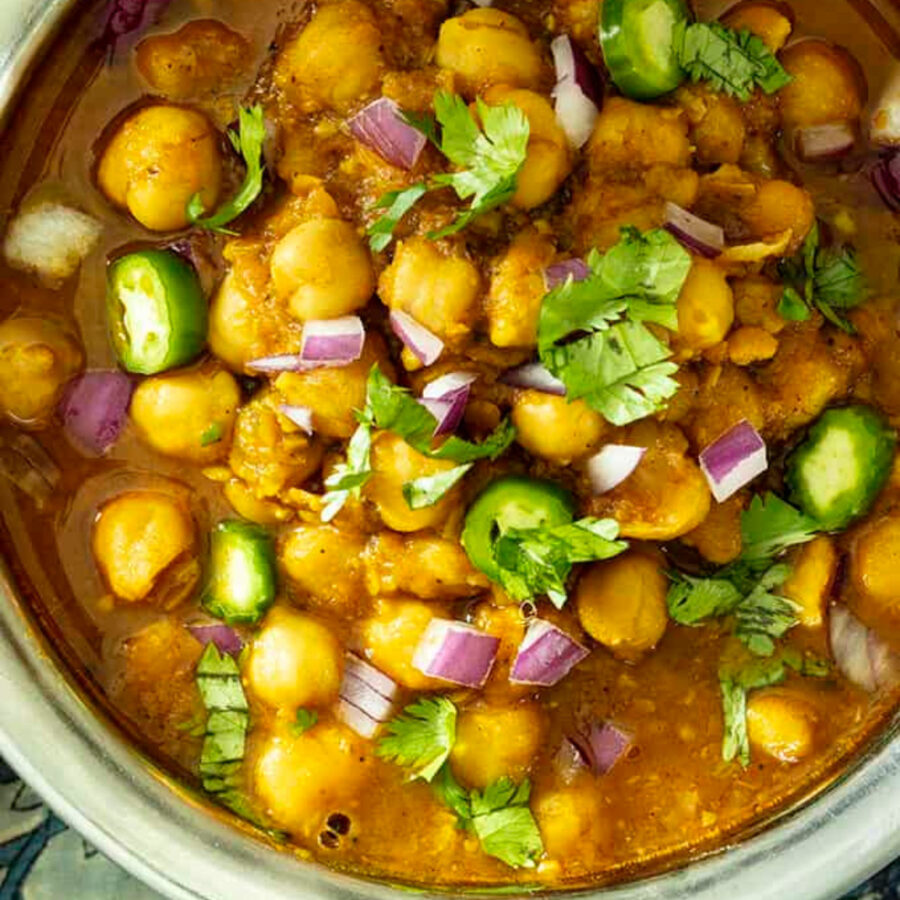
Chana masala is a vegetarian curry made primarily with chickpeas. It is hearty, tangy, earthy, and packed with plant-based protein.
The sauce usually contains onions, tomatoes, ginger, garlic, chiles, and spices. Amchur, or dried mango powder, may be added for a distinctive tart flavor. Lemon juice can also provide acidity.
Unlike korma or butter chicken, chana masala is not usually creamy. Its flavor is brighter, and its texture comes from the chickpeas and cooked aromatics.
This Chana Masala is an easy place to begin if you want a filling vegetarian Indian curry.
Best for: Vegetarian meals and budget-friendly dinners
Typical heat level: Medium
Pairs well with: Rice, roti, naan, or a fresh salad
Dal
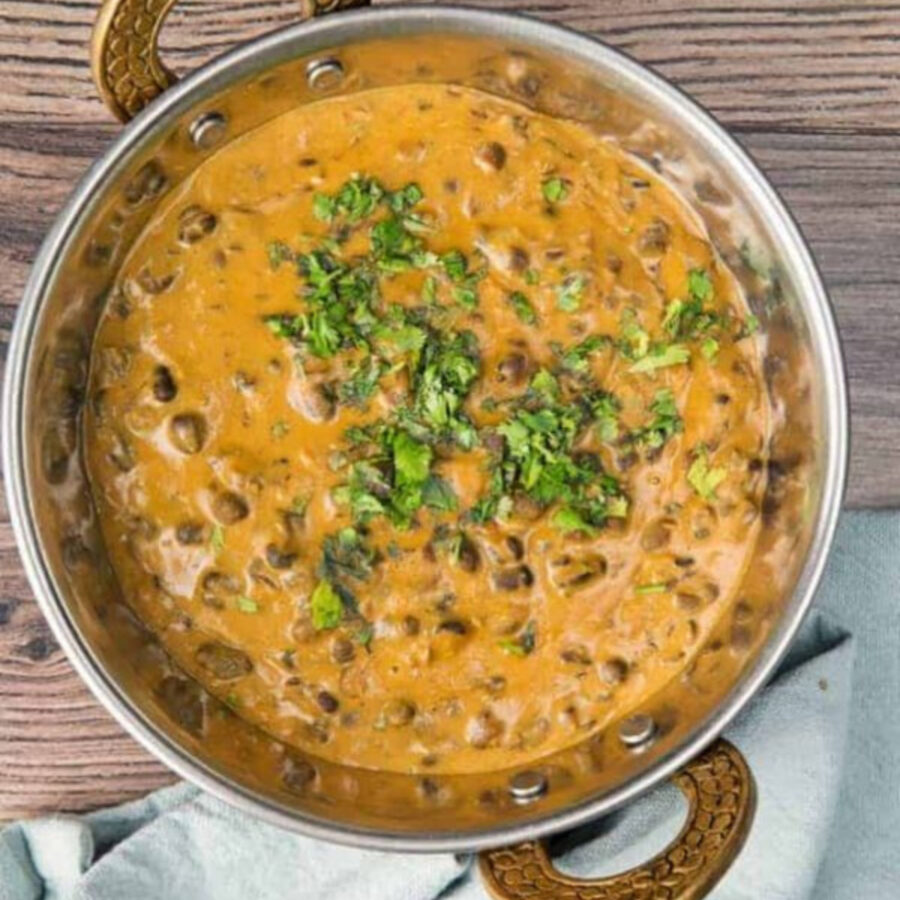
Dal can refer to dried split pulses as well as the cooked dishes made from them. Depending on the recipe, dal may include lentils, split peas, mung beans, pigeon peas, or split chickpeas.
There are many different types of dal rather than one standard recipe. Some are thin and simple, while others are thick, creamy, smoky, tangy, or highly seasoned.
Common examples include:
- Dal tadka. Cooked lentils finished with spices tempered in hot oil or ghee.
- Dal makhani. A rich dish generally made with whole black lentils and kidney beans.
- Langar ki dal. A hearty lentil dish associated with Sikh community kitchens.
- Sambar. A South Indian lentil and vegetable dish with tamarind.
Explore even more options in this collection of lentil recipes, or make Langar Ki Dal for a satisfying vegetarian meal.
Best for: Comfort food, vegetarian dinners, and meal prep
Typical heat level: Mild to medium
Pairs well with: Rice, roti, vegetables, or yogurt
Basic Homestyle Chicken Curry
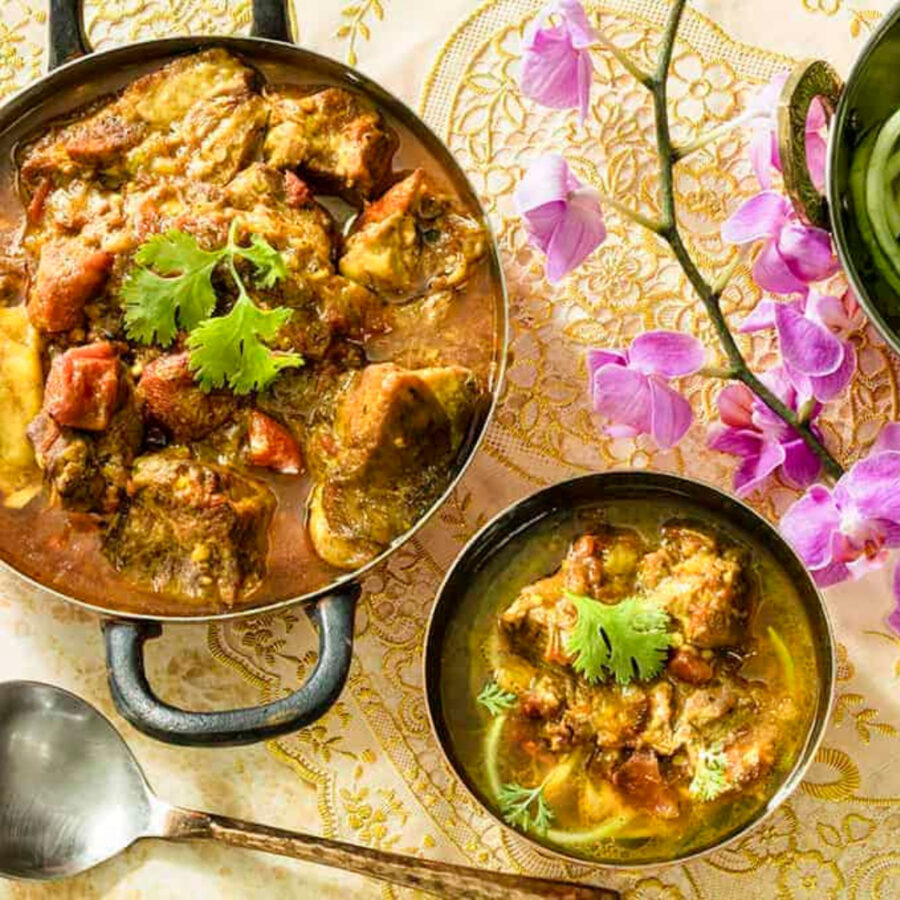
Not every Indian curry has a restaurant-style name. Many everyday curries are simply described by their main ingredient, such as chicken curry, egg curry, fish curry, or potato curry.
A basic homestyle curry might use onions, tomatoes, ginger, garlic, cumin, coriander, turmeric, and garam masala. The consistency and seasoning change from one home and region to another.
This type of flexible recipe is especially useful for beginner cooks because the basic sauce can be paired with different proteins. Start with this Basic Indian Curry to learn how a straightforward curry sauce comes together.
Best for: Learning foundational Indian cooking techniques
Typical heat level: Customizable
Pairs well with: Rice, naan, roti, or vegetables
South Indian Coconut Curry
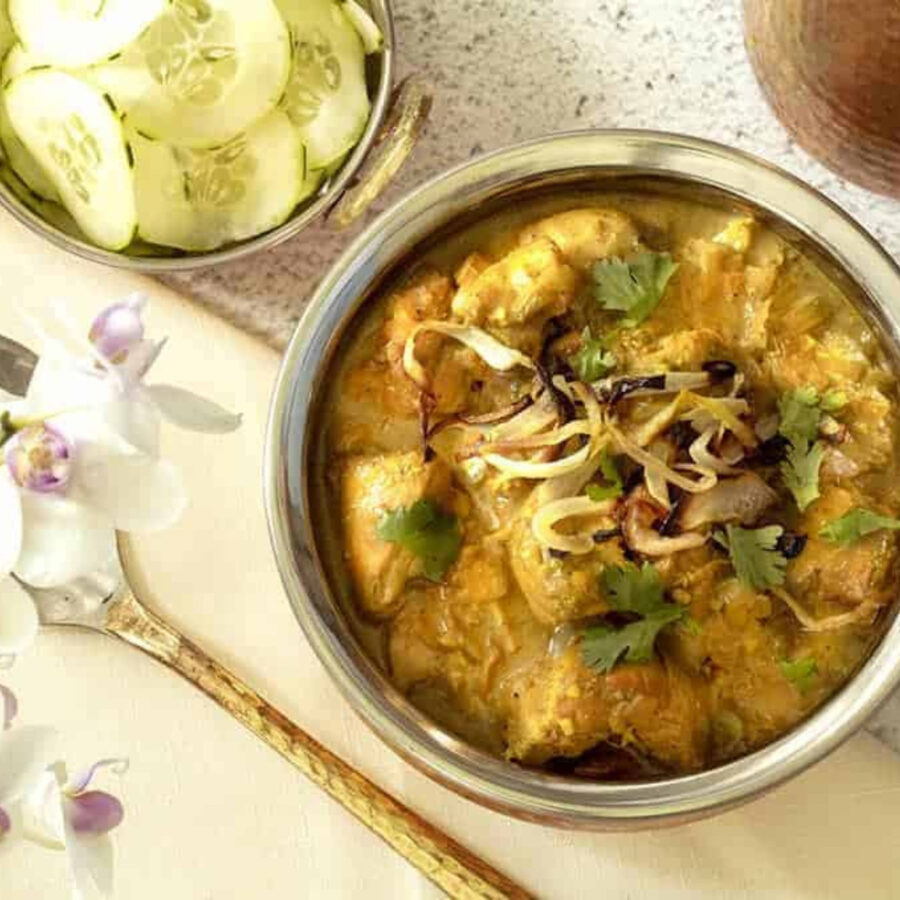
South Indian curry is another broad category rather than one specific dish. Recipes from southern regions of India often feature coconut, curry leaves, mustard seeds, tamarind, black pepper, and regional spice blends.
Coconut milk or ground coconut gives the sauce richness, while tamarind supplies a distinct sweet-sour note. These curries can include chicken, seafood, lentils, or vegetables.
The combination of coconut milk and tamarind in this South Indian Chicken Curry creates a creamy curry with noticeable tang and aromatic spices.
Best for: Fans of coconut, tamarind, and tangy sauces
Typical heat level: Medium to hot
Pairs well with: Steamed rice or vegetable sides
North Indian Curry Vs. South Indian Curry
There is no single formula that applies to every dish, but several broad ingredient patterns can help beginners understand regional curry styles.
North Indian Curries
North Indian curries are more likely to feature:
- Dairy products such as yogurt, cream, butter, or ghee
- Wheat breads such as naan, roti, and paratha
- Tomatoes, onions, ginger, and garlic
- Nuts or nut pastes
- Garam masala and warming whole spices
- Paneer, legumes, chicken, lamb, or goat
Butter chicken, korma, rogan josh, and many paneer dishes fit within this broad group.
South Indian Curries
South Indian curries are more likely to feature:
- Coconut milk or fresh coconut
- Tamarind
- Curry leaves
- Mustard seeds
- Rice as a staple accompaniment
- Lentils, vegetables, chicken, or seafood
- Fresh chiles and black pepper
These are general patterns, not strict rules. India contains many states, languages, communities, and local cooking traditions, so recipes can vary considerably even within the same region.
Is Curry Powder Used In Indian Curry?
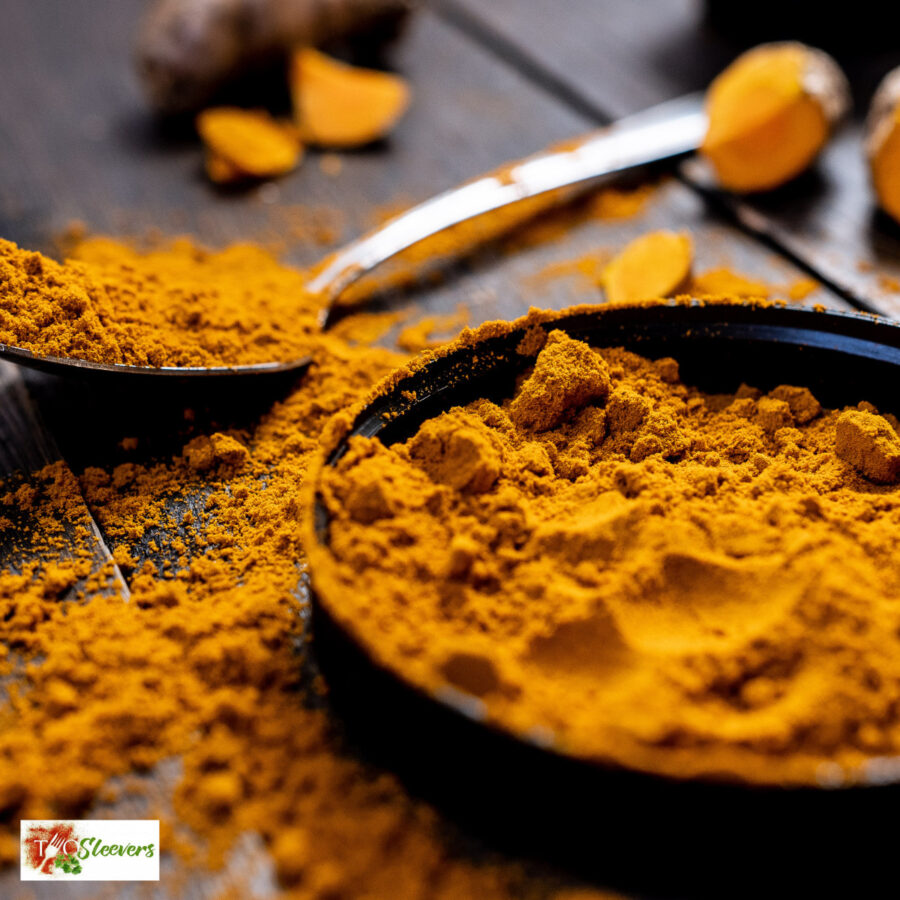
Indian cooks generally build flavor with individual spices or a specific spice blend rather than relying on one all-purpose product labeled curry powder. Read more about the intricacies in my garam masala vs curry powder article.
Common Indian curry spices include:
- Cumin
- Coriander
- Turmeric
- Cardamom
- Cinnamon
- Cloves
- Mustard seeds
- Fenugreek
- Kashmiri chile
- Cayenne pepper
- Black pepper
- Garam masala
Garam masala and curry powder are not the same thing. Garam masala is an aromatic Indian spice blend, but its formula varies by cook and region. It is frequently added toward the end of cooking to preserve its fragrance.
You can make homemade garam masala to give your Indian recipes a fresher, more complex flavor.
Which Indian Curry Should A Beginner Try?
Your best first curry depends on the flavors you already enjoy.
- Butter chicken if you like creamy tomato sauces.
- Korma if you want something mild, rich, and nutty.
- Tikka masala if you want a bolder tomato and spice flavor.
- Jalfrezi if you prefer plenty of peppers and onions.
- Saag if you love spinach and earthy flavors.
- Masala or dal if you want a vegetarian option.
- Vindaloo if you enjoy tangy food and significant heat.
- Rogan josh if you want a rich, aromatic lamb curry.
- South Indian curry if you enjoy coconut and tamarind.
For an even larger selection, browse these Indian recipes and Instant Pot curry recipes.
What To Serve With Indian Curry
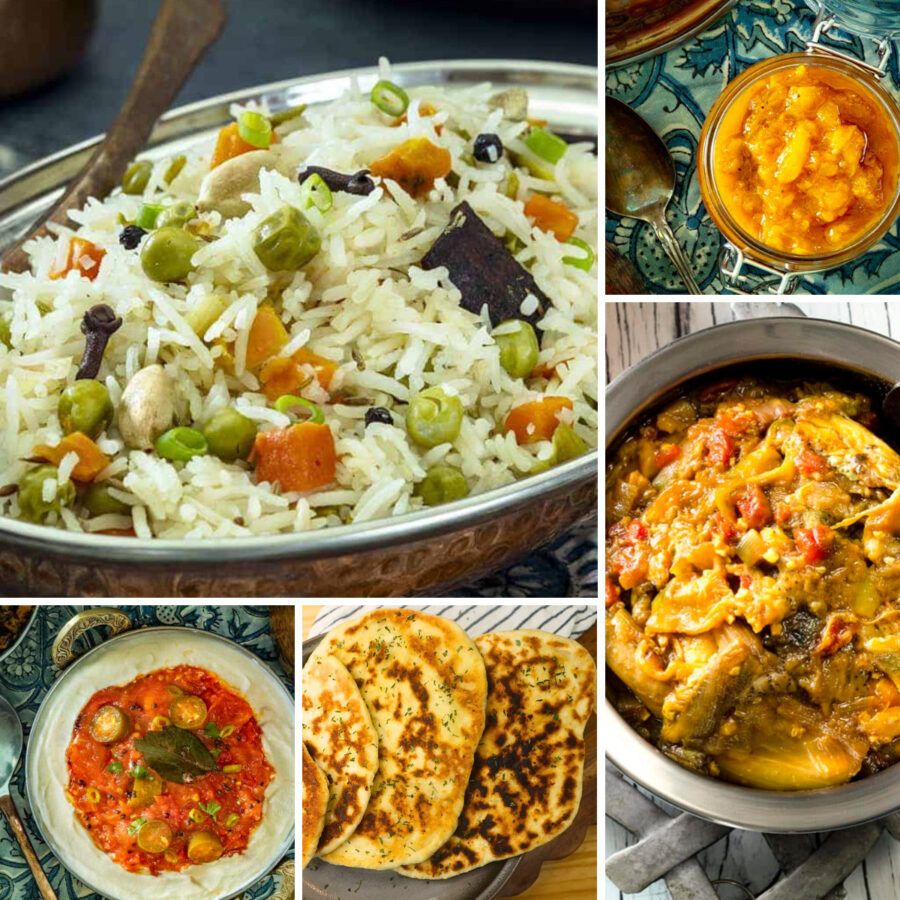
Basmati Rice
Steamed or Instant Pot basmati rice absorbs flavorful curry sauces without competing with the spices. For a more aromatic option, make Instant Pot Indian Pilau.
Naan Or Roti
Indian flatbreads are excellent for scooping up thicker curries such as korma, butter chicken, and tikka masala.
Raita
Tomato raita is a chilled yogurt side that can contain cucumber, herbs, or spices. It adds contrast to rich or spicy dishes.
Vegetable Sides
A vegetable dish can balance a meat-based curry and add texture to the meal. Aloo Gobi and Eggplant Bharta are flavorful options.
Chutney Or Pickles
Indian mint chutney and pickles add sweetness, acidity, heat, or freshness. Since their flavors can be intense, a small serving is usually enough.
Frequently Asked Questions
What Is The Most Popular Type Of Indian Curry?
Butter chicken and chicken tikka masala are among the most widely recognized Indian curry dishes, particularly outside India. Their creamy tomato sauces and adjustable heat make them approachable for new diners.
Which Indian Curry Is The Mildest?
Korma is usually one of the mildest choices because its sauce often contains yogurt, coconut milk, cream, or nuts. Butter chicken is another mild option, although the heat level depends on the recipe.
Which Indian Curry Is The Spiciest?
Vindaloo is widely known as a hot curry, but jalfrezi and some South Indian curries can also be spicy. Restaurant heat levels are not standardized, so it is always wise to ask before ordering.
What Is The Difference Between Curry And Masala?
Curry is a broad term used for a seasoned dish, often with a sauce or gravy. Masala means a mixture of spices. It can refer to a dry spice blend, a wet mixture of spices and aromatics, or a finished dish such as chicken tikka masala.
What Is The Difference Between Butter Chicken And Korma?
Butter chicken has a buttery tomato and cream sauce. Korma generally uses yogurt, nuts, coconut milk, or a combination of these ingredients. Korma is nuttier and more aromatic, while butter chicken is more tomato-forward.
Are All Indian Curries Spicy?
No. Indian food uses many essential Indian spices, but "spiced" does not necessarily mean "hot." Cardamom, cumin, turmeric, cinnamon, coriander, and cloves add flavor without adding the burning heat associated with chiles. I
If you accidentally added too many spices to your curry, check out my articles on How To Fix Indian Curry.
Are Indian Curries Gluten Free?
Many Indian curries are naturally gluten free, but ingredients and preparation methods vary. Check spice blends, packaged sauces, thickeners, and cross-contamination risks if you must follow a strict gluten-free diet. Breads such as naan and roti usually contain wheat.
Explore More Indian Recipes
Indian curry types cannot be reduced to a single flavor or sauce. From mild, nutty korma to tangy vindaloo and coconut-rich South Indian chicken curry, every style offers a different combination of ingredients and cooking traditions.
Once you understand the basic differences, choosing a curry becomes much easier. Pick one that matches the flavors you already enjoy, gather a few foundational spices, and start experimenting.
If you want more beginner-friendly advice, read the complete Indian Cooking for Beginners guide, Why Is My Curry Bitter?, what to serve with biryani, or explore more than 120 Indian recipes for your next meal.



Leave a Reply