

Indian cooking does not have to be complicated. You do not need an overflowing spice cabinet, years of experience, or an entire afternoon to make flavorful Indian food at home. The easiest way to begin is to learn a few essential spices, understand several dependable cooking techniques, and start with forgiving recipes that build confidence.
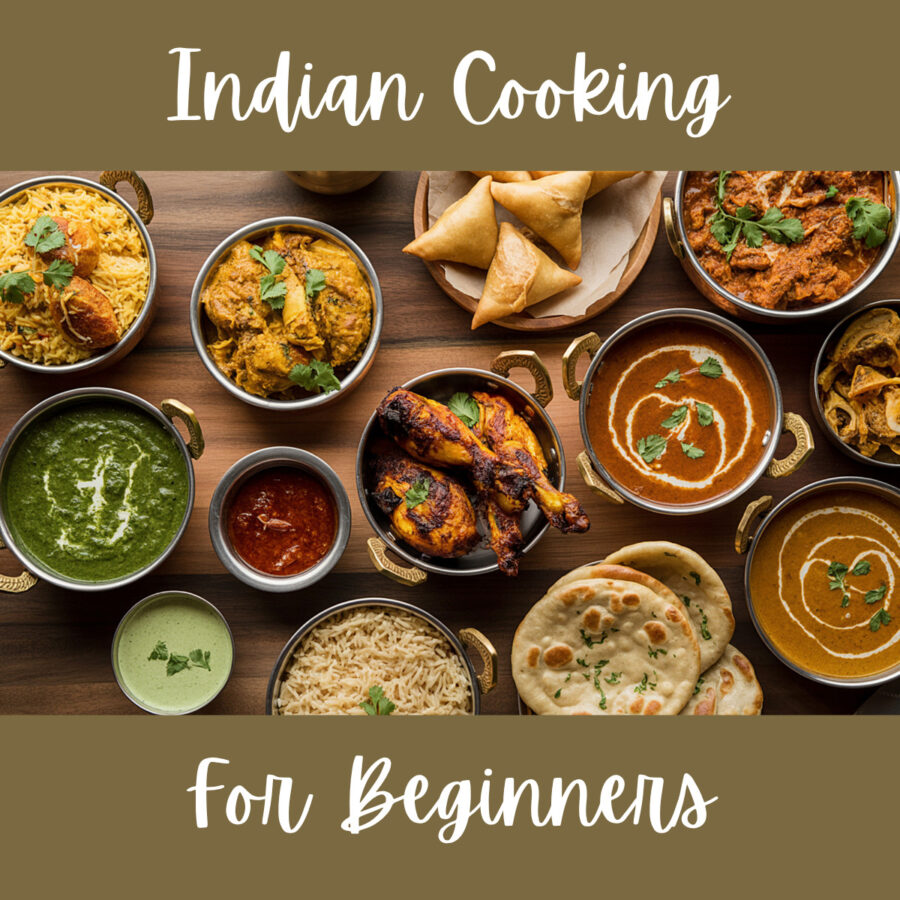
What You'll Learn In This Guide
This Indian Cooking for Beginners guide will help you:
- Choose the most useful Indian spices
- Understand how Indian recipes build flavor
- Learn the differences between popular curry types
- Find easy Indian recipes for your first few meals
- Combine curries, rice, dal, and vegetables into a complete dinner
Start small, taste as you cook, and remember that Indian food is incredibly varied. There is no single spice blend, sauce, or cooking method that defines every Indian dish.
Start Here: Your Beginner Indian Cooking Path
If this is your first time cooking Indian food, follow this simple progression:
- Make or purchase a good garam masala.
- Learn how onions, tomatoes, garlic, and ginger create a curry base.
- Begin with a mild, forgiving curry.
- Add a simple rice, dal, or vegetable side.
- Experiment with different curry styles after mastering the basics.
You do not need to learn everything at once. One good spice blend and one reliable recipe are enough to get started.
Essential Indian Spices for Beginners

Indian recipes can contain long ingredient lists, but many use the same core group of spices. Begin with these essential Indian spices and expand your collection as you try new dishes.
Garam Masala
Garam masala is a fragrant blend of warming spices. The exact ingredients and proportions vary among regions, families, and individual cooks.
It is commonly made with spices such as cumin, coriander, cardamom, cloves, cinnamon, bay leaves, and pepper. Some recipes add garam masala during cooking, while others add a small amount at the end to refresh the aroma.
Making your own blend allows you to control the flavor and freshness. Our Homemade Garam Masala takes about five minutes and can be used throughout this beginner recipe collection (plus, it's better than anything you can buy at the store).
Cumin
Cumin has an earthy, savory flavor that works well with meat, lentils, beans, and vegetables. Indian recipes may use whole cumin seeds, ground cumin, or both.
Whole cumin seeds are often heated in oil at the beginning of a recipe. Ground cumin is normally incorporated with other spices later in the cooking process.
Coriander
Ground coriander has a warm, citrusy flavor and is frequently combined with cumin. Coriander seeds can also be toasted and ground at home.
Do not confuse coriander seed with fresh cilantro. They come from the same plant, but they contribute very different flavors.
Turmeric
Turmeric adds an earthy flavor and a recognizable golden color. A small amount goes a long way. Too much can make a dish taste bitter, so measure it rather than pouring directly from the container.
Chili Powder or Cayenne
These ingredients control heat. Begin with less than the recipe suggests if you are sensitive to spicy food. You can add heat later, but it is difficult to remove.
Indian chili powder can be considerably hotter than the chili powder blends commonly used in American cooking. Read the label and adjust carefully.
Mustard Seeds
Mustard seeds are especially useful in vegetable dishes, dals, salads, and many South Indian recipes. When heated in oil, they begin to pop and release a nutty, pungent flavor.
Cardamom, Cinnamon and Cloves
These warming spices contribute fragrance and subtle sweetness. They appear in savory curries, rice dishes, spice blends, and desserts.
Whole spices are usually removed before serving or eaten around, much like a bay leaf.
How to Store Indian Spices
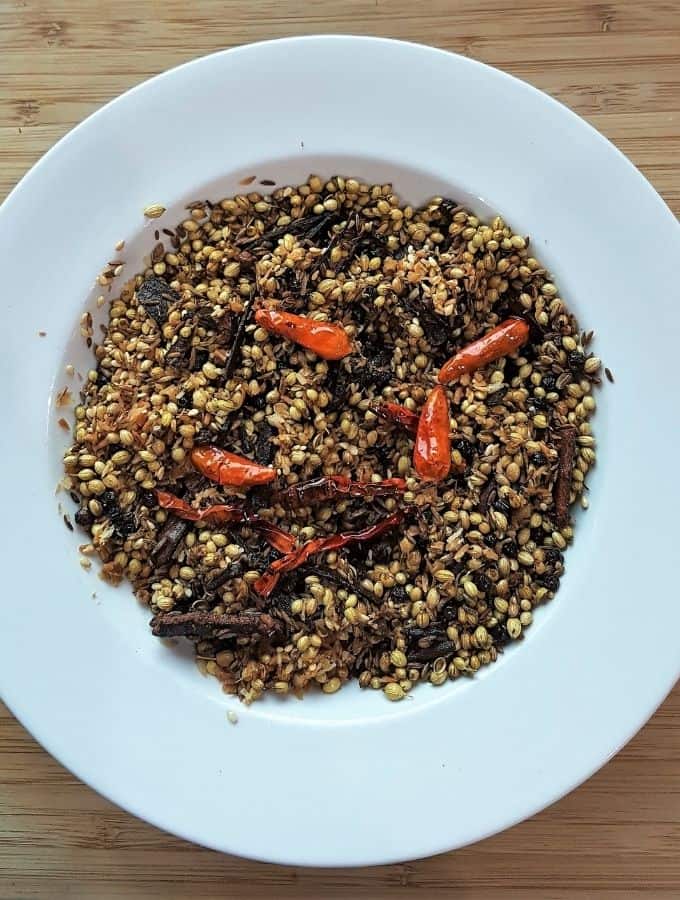
Store spices in airtight containers away from heat, moisture and direct sunlight. The cabinet beside the stove may be convenient, but the heat can cause spices to lose flavor faster.
Whole spices generally stay flavorful longer than ground spices. Buy quantities you can reasonably use and label homemade blends with the preparation date.
Five Indian Cooking Techniques to Learn
Understanding a few basic Indian cooking techniques will make long recipes feel much more manageable.
1. Blooming Spices in Fat
Heating spices in oil or ghee releases aromatic compounds and distributes their flavor throughout the dish.
Whole spices are often added first. Ground spices need less time and can burn quickly. If ground spices begin sticking, add a small splash of water or the recipe's next wet ingredient.
2. Building an Onion-Tomato Base
Many North Indian curries begin with some combination of onion, tomato, ginger, and garlic.
The onions provide sweetness and body. Tomatoes contribute acidity and moisture. Ginger and garlic supply the savory aromatic foundation.
The texture and flavor of the final curry depend partly on how this base is prepared. Lightly cooked onions create a different result from deeply browned onions.
I like to keep my homemade Ginger Garlic Paste available to keep the food flavors rich without a ton of extra work.
3. Tempering or Tadka
Tempering involves heating spices and aromatics in fat before adding them to a dish. Depending on the recipe, the tempering may be prepared at the beginning or poured over cooked dal, vegetables or yogurt immediately before serving.
Common tempering ingredients include cumin seeds, mustard seeds, dried chiles, curry leaves and garlic.
4. Adding Dairy at the Right Time
Yogurt, cream and coconut milk can add richness and soften the heat of a curry. They can also separate if handled incorrectly.
Follow the recipe carefully. Many pressure cooker recipes add cream or coconut milk after pressure cooking. Yogurt may need to be blended, brought closer to room temperature, or added gradually.
5. Finishing for Balance
Before serving, taste the dish for more than salt.
Ask yourself:
- Does it need acidity from lemon or lime?
- Does it need richness from cream, coconut milk, or ghee?
- Can I add freshness from cilantro?
- Does it need more heat?
- Would a final pinch of garam masala improve the aroma?
Small finishing adjustments can turn a flat curry into a balanced one.
What Is Curry?
Curry is not one spice, one flavor, or one specific dish. It is a broad term used for many dishes with sauces or gravies.
Traditional Indian cooks generally do not rely on the generic curry powder commonly sold in American supermarkets. Different dishes use different combinations of spices and aromatics. I explain the difference in my article on Garam Masala vs Curry Powder.
The Easy Indian Curry is an excellent starting point because it demonstrates how onions, tomatoes, ginger, garlic, and spices can create a flexible curry base. For more examples, check out my list of Best Curry Recipes.
Popular Indian Curry Types
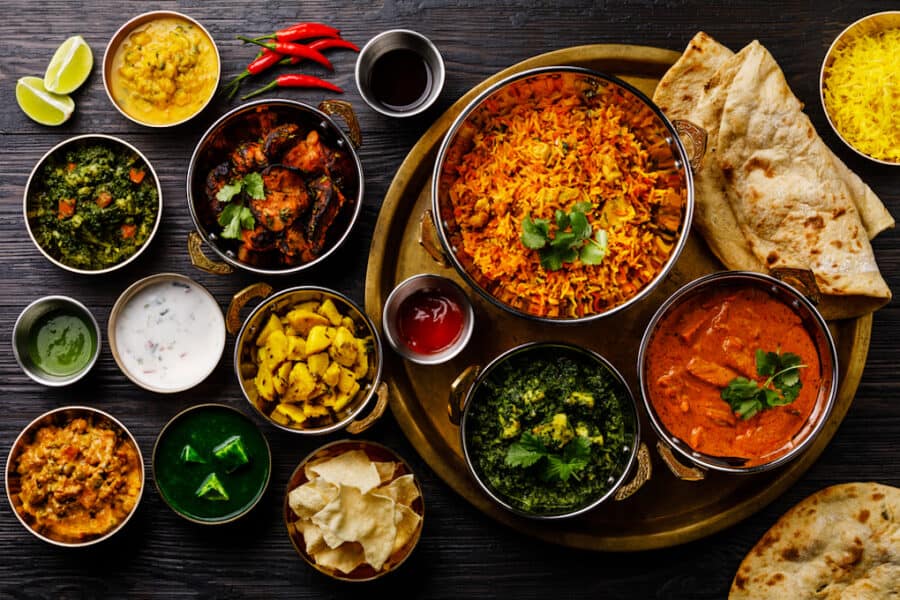
Learning several broad curry styles will make it easier to choose recipes you are likely to enjoy. Read more about it in my Indian Curry Types Explained post!
Makhani
Makhani means buttery. These dishes typically have a smooth, rich tomato sauce finished with butter and cream.
Start with the Instant Pot Butter Chicken. It is creamy, approachable, and made without a complicated restaurant-style preparation.
Korma
Korma is generally mild, creamy, and aromatic. Nuts, coconut milk, dairy, or a combination of these ingredients may provide its characteristic richness.
The Chicken Korma uses cashews and coconut milk to create a creamy sauce. It is a helpful first curry for anyone concerned about excessive heat.
Tikka Masala
Tikka masala pairs seasoned chicken with a tomato-based sauce. It usually tastes more tomato-forward and can be spicier than butter chicken.
Try the Instant Pot Chicken Tikka Masala after you are comfortable working with yogurt marinades and finishing a curry with dairy.
Rogan Josh
Rogan josh is a deeply seasoned Kashmiri-style curry recognized for its red color and aromatic flavor. Despite its appearance, it does not have to be extremely hot.
The Instant Pot Lamb Rogan Josh simplifies the traditional preparation into an approachable pressure cooker recipe.
Saag
Saag refers to dishes made with leafy greens. Spinach is common, but other greens may also be used. Saag can be combined with paneer, chicken, pork, or fish. I guarantee you'll love my Chicken Saag recipe.
These curries are an excellent way to add vegetables to an Indian meal without preparing a separate side dish.
Vindaloo
Vindaloo is a tangy curry influenced by vinegar, garlic, and chiles. It is often spicy, although the heat can be adjusted when you prepare it at home.
Save my Instant Pot Chicken Vindaloo until you are comfortable measuring and balancing stronger flavors.
Dal
Dal can refer to dried split pulses and the dishes made from them. They may be mild, spicy, creamy, or relatively thin.
It is one of the most practical foundations for Indian home cooking because it is economical, filling, and easy to pair with rice or vegetables.
The Pressure Cooker Rice and Dal is a convenient introduction to cooking both parts of a comforting Indian meal.
Biryani
Biryani is a layered or combined rice dish flavored with spices, aromatics and frequently meat or vegetables. It is not a curry, but it is an important style to understand when exploring Indian food.
Traditional biryani can involve several stages. The Instant Pot Chicken Biryani makes the process more approachable for beginners. To make it a perfectly paired meal, check out my list of what to serve with biryani.
The Best Indian Recipes for Beginners
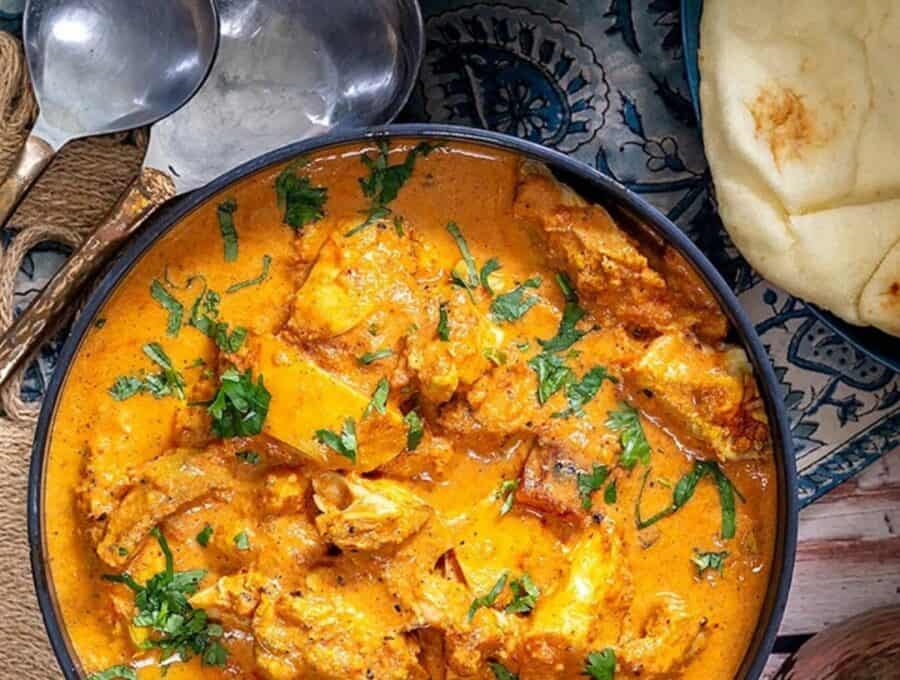
Best First Recipe: Butter Chicken
Choose Instant Pot Butter Chicken if you want a creamy, familiar curry with a manageable ingredient list.
Pair it with: basmati rice and a cucumber salad.
Best Flexible Recipe: Basic Indian Curry
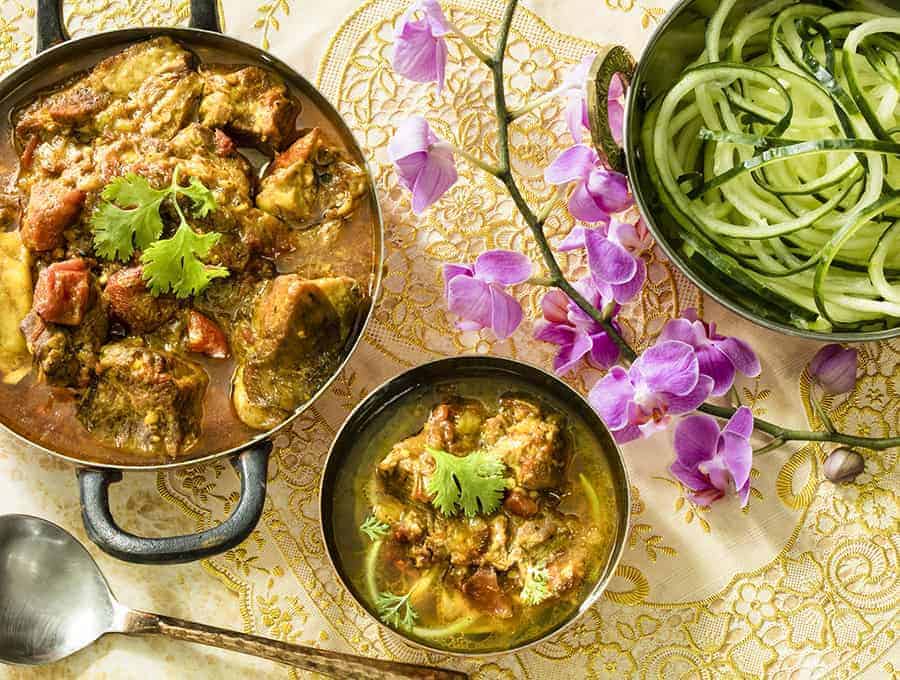
Choose the Easy Indian Curry if you want to understand the structure of a curry and experiment with different proteins.
What you will learn: building a sauce with onions, tomatoes, ginger, garlic, and spices.
Best Mild Recipe: Chicken Korma
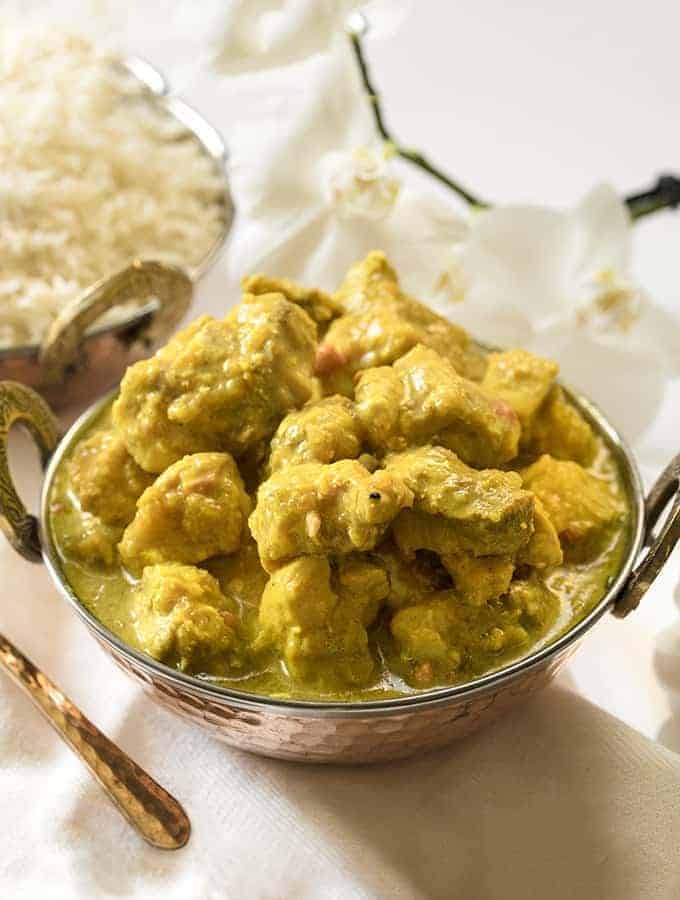
Choose Chicken Korma if you prefer mild, creamy sauces.
What you will learn: blending a curry sauce and adding coconut milk after pressure cooking.
Best One-Pot Rice Recipe: Chicken Biryani
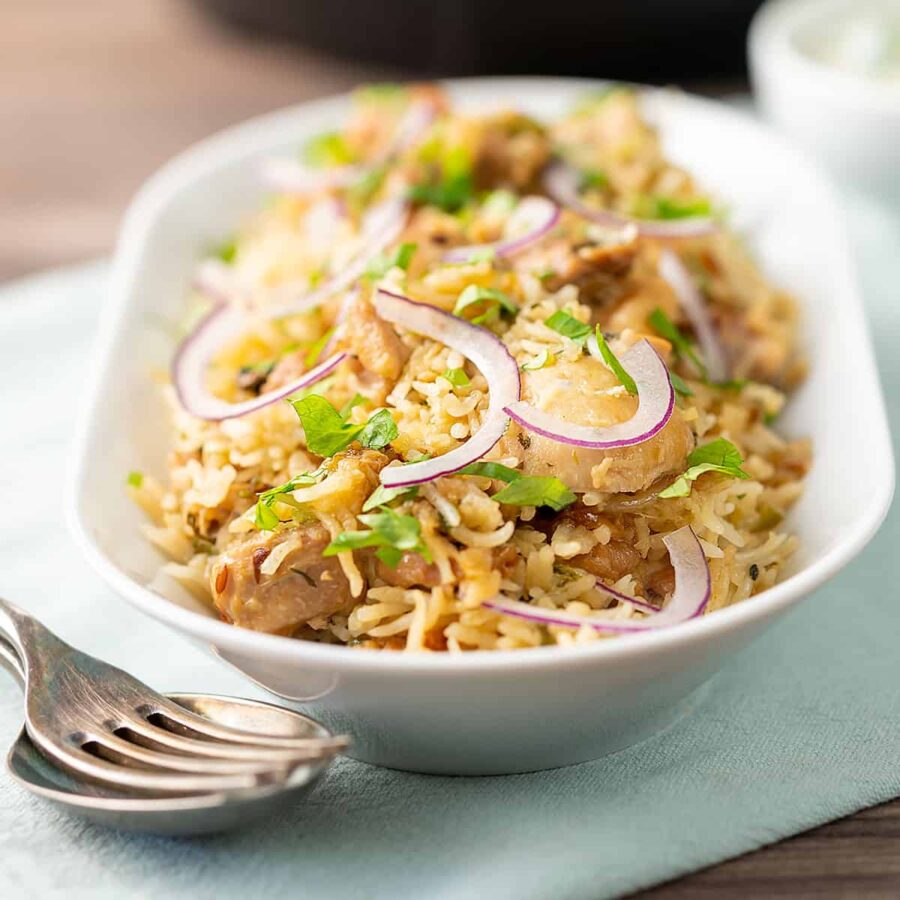
Choose Instant Pot Chicken Biryani if you want a main course and rice in one dish.
What you will learn: seasoning rice, controlling liquid, and cooking chicken and rice together.
Best Meatless Starting Point: Rice and Dal
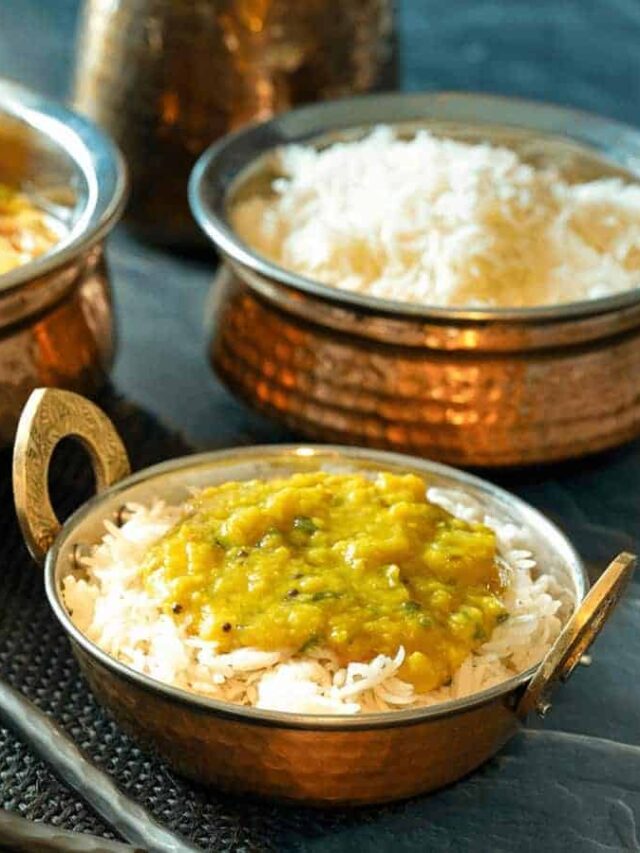
Choose Pressure Cooker Rice and Dal for an economical, comforting meal.
What you will learn: cooking lentils and rice efficiently and building a balanced meatless dinner.
Best Next-Step Curry: Chicken Tikka Masala
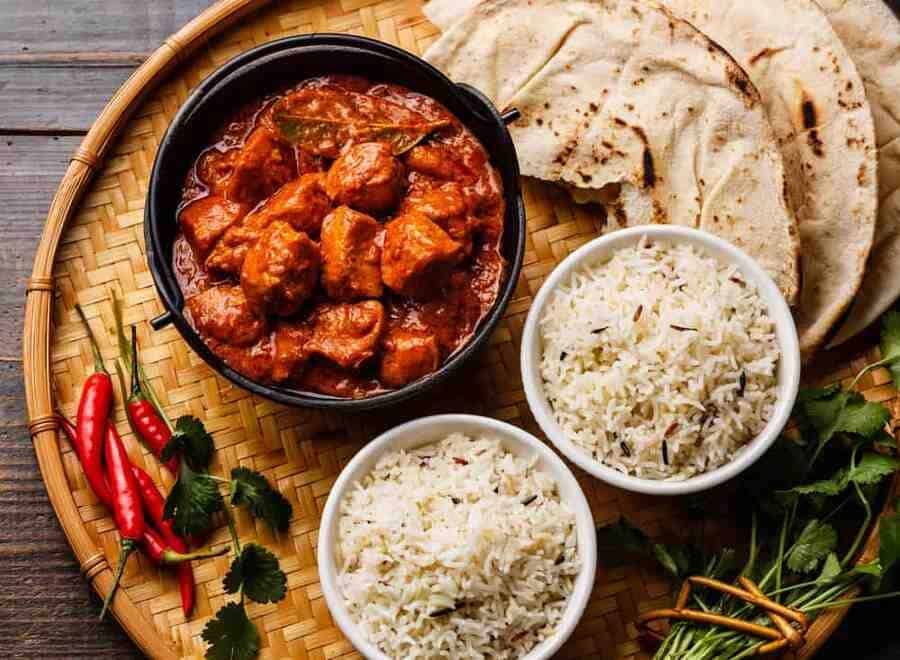
Choose Chicken Tikka Masala after making one or two simpler curries.
What you will learn: marinating chicken, blending a tomato sauce, and adjusting its richness.
How to Build a Complete Indian Meal
A satisfying Indian meal does not need six separate dishes. Use this simple formula:
One main dish + one starch + one vegetable or cooling side + one finishing element
For help troubleshooting any of these curries, check out my "Why Is My Curry Bitter" and how to fix Indian curry guides.
Choose a Main Dish
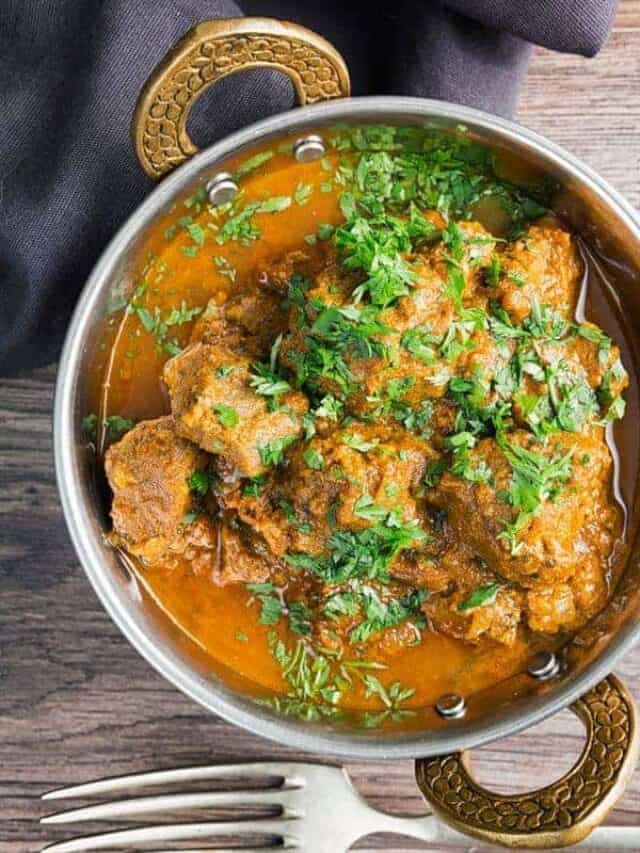
- Butter chicken
- Chicken korma
- Basic Indian curry
- Dal
- Chicken tikka masala
- Lamb rogan josh
Add a Starch
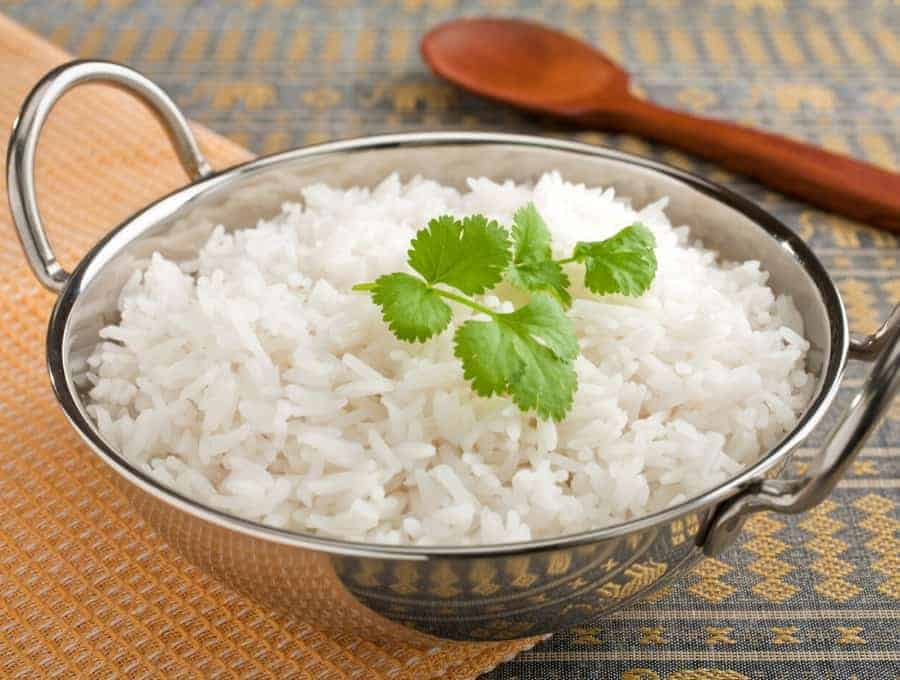
- Basmati rice
- Jeera rice
- Naan
- Roti
- Cauliflower rice for a lower-carb option
Add a Vegetable or Cooling Side
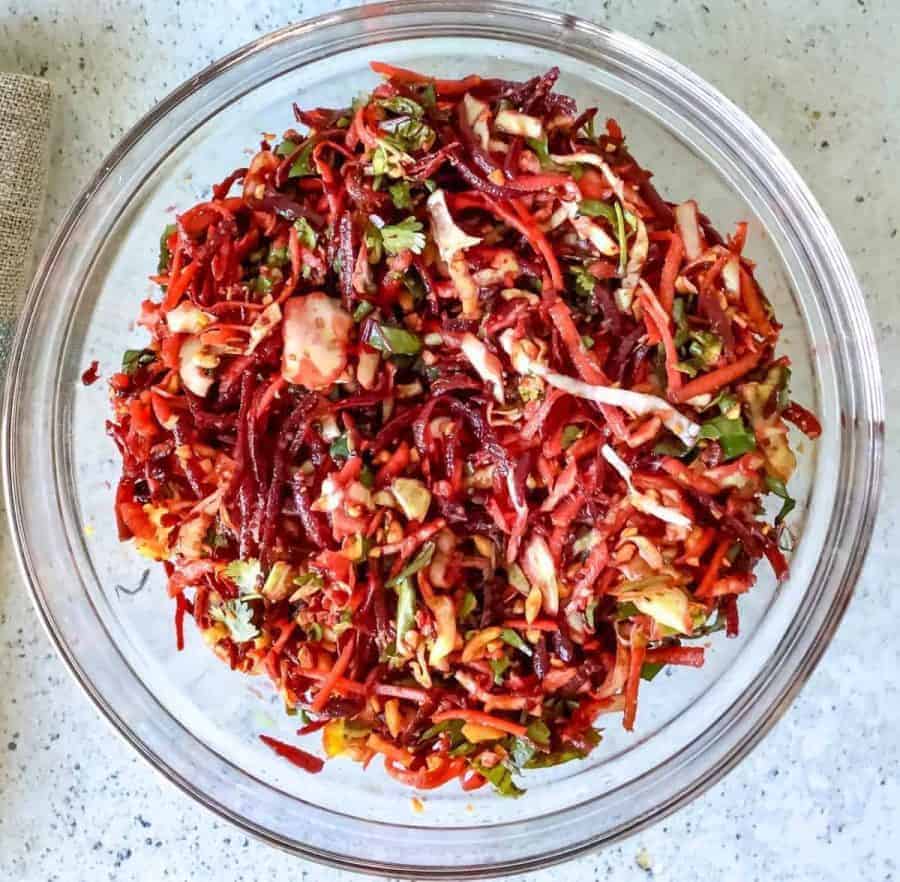
A fresh side provides contrast to a rich or spicy curry. Try Indian Cabbage Slaw or a simple tomato raita.
Finish the Meal
Add one or two simple finishing elements:
- Chopped cilantro
- Lemon or lime wedges
- Homemade Greek yogurt
- Chutney
- Sliced cucumber
- Pickled onions
Three Beginner Indian Dinner Menus
Menu 1: The Easiest First Indian Dinner
- Instant Pot Butter Chicken
- Basmati rice
- Cucumber salad or raita
This menu is creamy, familiar, and forgiving.
Menu 2: A Simple Vegetarian Meal
- Pressure Cooker Rice and Dal
- Indian Cabbage Slaw
- Tamarind chutney
This combination is affordable, filling, and suitable for meal preparation.
Menu 3: A Mild Dinner for the Family
- Chicken Korma
- Rice or naan
- Roasted cauliflower
- Plain yogurt and cilantro
Reduce the cayenne or fresh chiles for diners who prefer very mild food.
Common Beginner Mistakes
Using Too Many Spices
More spice does not automatically mean more flavor. Follow the recipe and learn how each spice affects the dish before improvising.
Burning Ground Spices
Ground spices can become bitter quickly. Keep the heat controlled and have the next wet ingredient ready.
Adding Too Much Water
Onions, tomatoes, meat, and vegetables release liquid as they cook. This is especially important in pressure cooker recipes. Adding unnecessary water can produce a thin, bland sauce.
Adding Cream Too Early
Cream, butter and coconut milk may separate under pressure or high heat. Add them when directed, which is frequently after pressure cooking.
Treating Every Curry the Same
Korma, tikka masala, rogan josh and dal should not taste identical. Each uses different ingredients, ratios, and techniques.
Making the Dish Too Hot
Spicy heat is only one part of Indian cooking. Start with less cayenne or chile and concentrate on developing aroma, acidity, richness, and savory flavor.
No. Indian food can be mild, warming, tangy, creamy or hot. Chicken korma and butter chicken are good choices for people who prefer milder dishes.
Not for most of the Indian recipes on TwoSleevers. Individual spices and blends such as garam masala provide more control over the final flavor.
Yes. Indian food can be prepared on the stovetop, in a slow cooker, in the oven, or with an air fryer. The Instant Pot simply makes many braised dishes, lentils, and rice recipes faster.
Reduce or omit cayenne and fresh chiles. Do not reduce aromatic spices such as cumin, coriander, turmeric or garam masala unless necessary. Serve the finished dish with rice, yogurt or raita.
Make Homemade Garam Masala, choose a beginner curry, and add a simple rice or vegetable side. Once you understand how spices, aromatics, and finishing ingredients work together, the rest of Indian cooking becomes much less intimidating.


Leave a Reply