

Learning how to fix Indian curry starts with identifying the actual problem. A curry that is too spicy needs a different correction from one that is bitter, salty, thin, or bland. Taste carefully, make one small adjustment at a time, and give each addition time to blend before deciding what the curry needs next.

Why You'll Love This Curry Troubleshooting Guide
- Practical. Find a specific correction for the curry problem in front of you.
- Beginner-Friendly. Understand what caused the problem before trying to fix it.
- Versatile. Use these tips for meat, vegetable, lentil, tomato, yogurt, and coconut curries.
- Measured. Avoid overcorrecting one problem and creating another.
- Preventative. Learn how heat, timing, ingredient order, and seasoning affect the finished curry.
Curry is a broad term, not one standardized sauce. Indian curries can be creamy, brothy, dry, tangy, spicy, nutty, earthy, or tomato-forward. Before changing the dish, consider what the recipe is supposed to taste like.
Vindaloo should have a noticeable tang. Saag has an earthy character. Korma is usually creamy and mild, while a dry curry may have very little sauce at all. What seems wrong in one curry may be intentional in another.
If you are unfamiliar with the major styles, read Indian Curry Types Explained before deciding that the texture or flavor needs to be changed.
How Do You Fix A Curry?
To fix a curry, first identify whether the problem is heat, salt, acidity, bitterness, sweetness, seasoning, consistency, separation, scorching, or doneness. Make the smallest appropriate adjustment, simmer briefly when needed, and taste again before adding anything else.
Do not add sugar, cream, lemon, and salt all at once. You will not know which addition helped, and you may create a curry that is simultaneously sweet, sour, salty, and too thin.
Use this basic process:
- Stop adding ingredients.
- Taste a small spoonful after it cools slightly.
- Identify the dominant problem.
- Check the recipe's intended flavor and consistency.
- Make one measured correction.
- Stir and cook as appropriate.
- Taste again before repeating.
Curry Problems And Solutions At A Glance
| Curry Problem | Most Likely Cause | Best First Fix |
|---|---|---|
| Too spicy | Too much chile or hot pepper | Dilute with more unsalted curry base or main ingredients |
| Too salty | Too much salt or salty packaged ingredient | Add unsalted ingredients or divide and dilute the curry |
| Too sour | Excess tomato, tamarind, vinegar, lemon, or yogurt | Add richness and a very small amount of sweetness if appropriate |
| Too sweet | Too much sugar, coconut, onion, or sweet chutney | Add salt, acidity, chile, or more unsweetened base |
| Bitter | Burned spices, excess turmeric or fenugreek, or scorching | Transfer from scorched pan and dilute the bitter ingredient |
| Bland | Insufficient salt, aroma, acid, or cooking | Check salt first, then add the missing finishing element |
| Too thin | Too much liquid or insufficient reduction | Simmer uncovered or add body from blended ingredients |
| Too thick | Too much reduction or thickener | Add warm water, broth, tomato, or coconut milk gradually |
| Oily | Excess fat, broken emulsion, or normal masala separation | Determine whether it is intentional, then skim or emulsify if needed |
| Curdled | Dairy added too cold or cooked too hot | Lower heat and blend if appropriate; prevent with tempering next time |
| Burned | Pan too hot, too little liquid, or food stuck to bottom | Transfer unburned curry without scraping the pot |
| Raw spice flavor | Spices added too late or not cooked | Simmer gently with enough fat and moisture |
| Tough meat | Wrong cut or insufficient cooking | Continue gentle cooking if the cut benefits from braising |
| Mushy vegetables | Excess cooking or pressure time | Add fresh cooked vegetables for texture; shorten cooking next time |
How To Fix Curry That Is Too Spicy
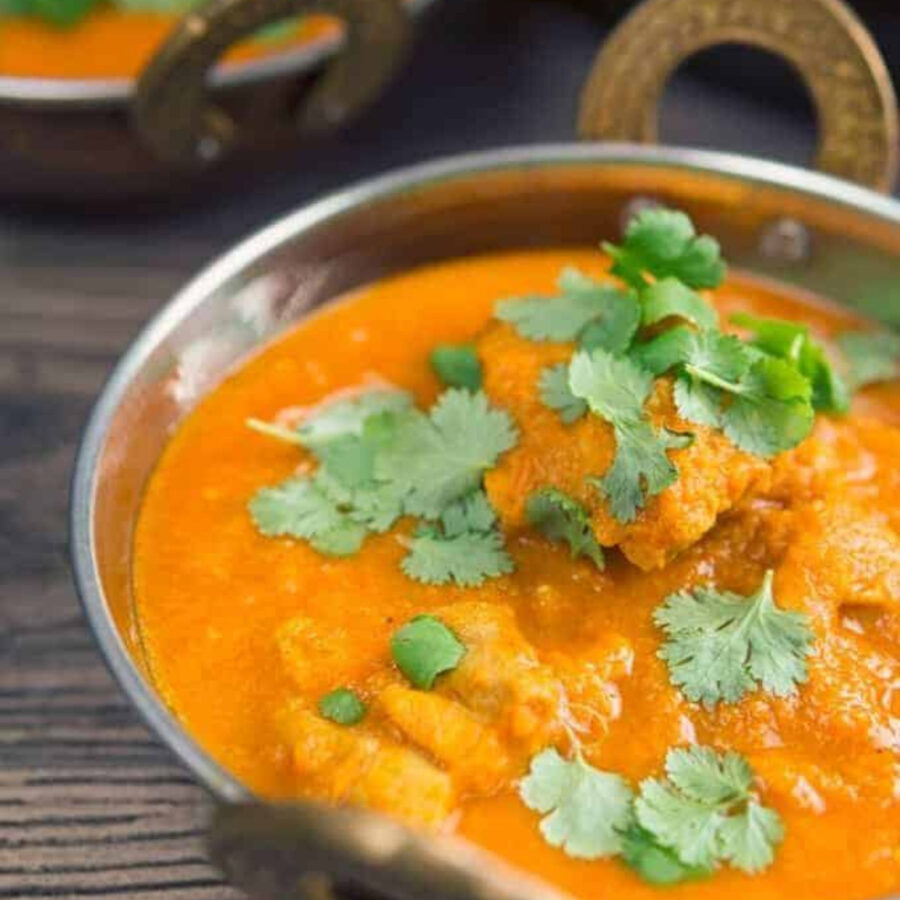
The most reliable way to reduce chile heat is dilution. Capsaicin does not disappear because you add sugar or lemon. Other ingredients may soften how the heat feels, but reducing its concentration requires more food.
Add More Curry Base
Prepare or add more of the unsalted, non-spicy ingredients that form the sauce, such as:
- Cooked onions
- Tomatoes
- Plain tomato sauce
- Coconut milk
- Yogurt
- Nut or seed paste
- Unsalted broth
Choose ingredients that belong in the particular curry. Coconut milk may complement a South Indian curry but substantially change a rogan josh.
Add More Main Ingredients
Increase the quantity of chicken, meat, paneer, lentils, beans, or vegetables. Cook the additional ingredients safely before serving.
If the recipe contains enough sauce, divide the curry into two pots and build a second mild batch around half of it.
Add Fat Or Dairy
Full-fat yogurt, cream, butter, coconut milk, or cashew cream can soften the perception of heat because capsaicin is fat-soluble.
Add dairy over low heat to reduce the chance of curdling. This method changes the flavor and richness, so use it only when it suits the recipe.
Serve It With Cooling Foods
Rice, naan, plain yogurt, or raita can make each serving feel milder. These accompaniments do not change the curry itself, but they give diners control over every bite.
Use the formula in How to Build a Complete Indian Meal to choose a cooling side.
What Not To Do
Do not pour in a large amount of water. Water may make the sauce thin without providing enough body to balance the chile. Do not add large quantities of sugar, which can create an unpleasant sweet-hot sauce.
How To Fix Curry That Is Too Salty
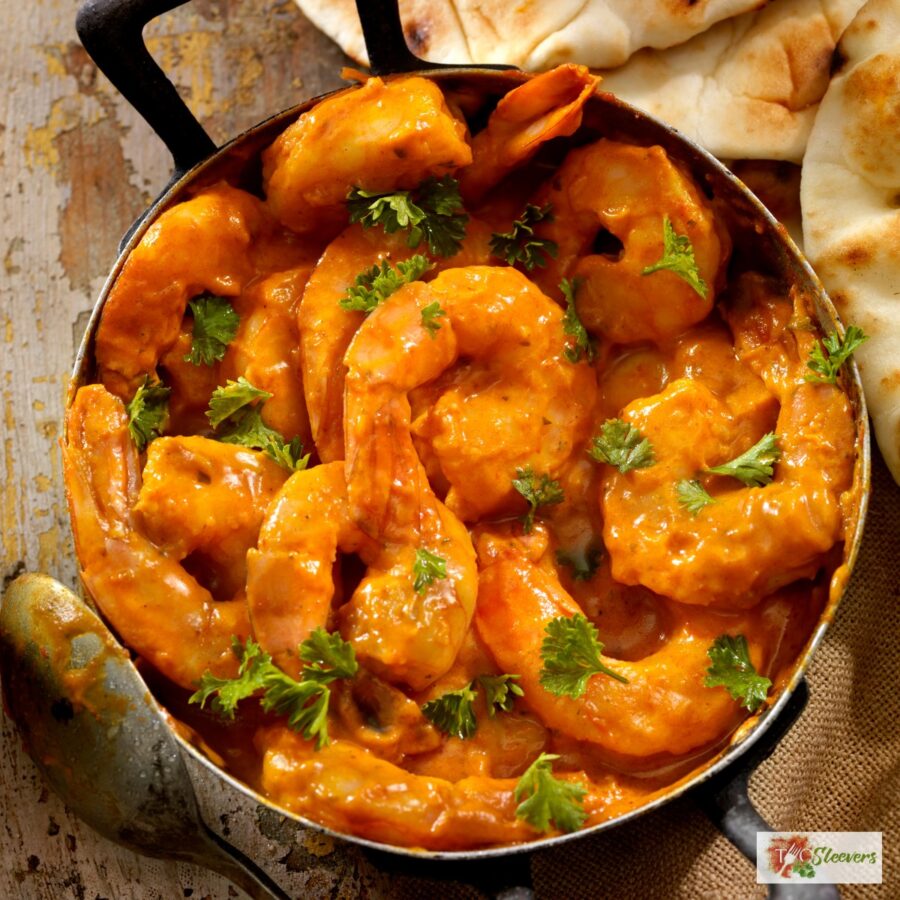
Salt cannot be removed once it dissolves. The practical solution is to spread it through a larger quantity of unsalted food.
Dilute With Unsalted Ingredients
Add more of the ingredients already used in the recipe:
- Unsalted curry base
- Cooked meat or vegetables
- Plain lentils or beans
- Unsalted tomato sauce
- Coconut milk
- Water or unsalted broth
If liquid makes the sauce too thin, simmer it after dilution.
Divide The Curry
For severely salty curry, remove half and freeze it as a concentrated base. Add unsalted ingredients to the half you plan to serve. Later, dilute the reserved portion when making another batch.
Add A Starchy Ingredient When Appropriate
Potatoes, chickpeas, lentils, or other ingredients can increase the volume of the dish. A potato does not act like a salt magnet that extracts all the seasoning and can simply be discarded. It helps mainly because it becomes part of a larger, diluted curry.
Serve With Unsalted Accompaniments
Plain rice, unsalted flatbread, or unseasoned yogurt can balance each serving when the excess salt is mild.
Do not add acid or sugar as the only fix. They may distract from saltiness, but the total amount of salt remains unchanged.
How To Fix Curry That Is Too Sour
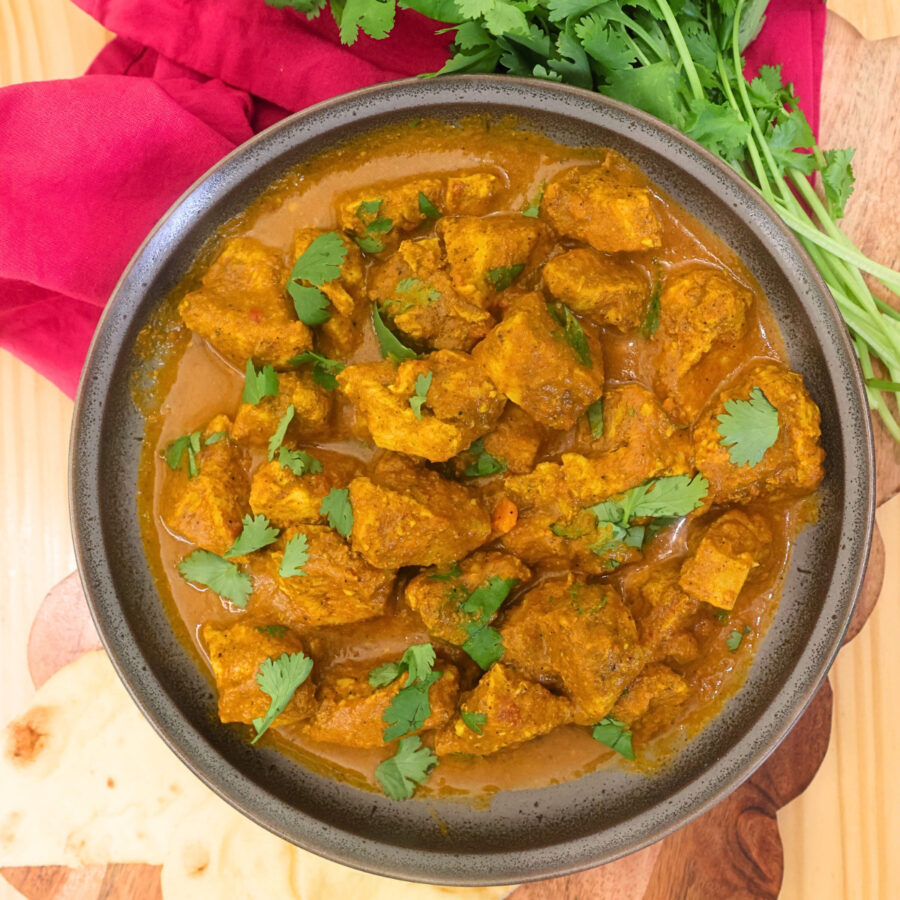
Excess sourness may come from tomatoes, tamarind, vinegar, lemon, lime, amchur, or yogurt. First confirm that tanginess is not central to the dish. Chicken Vindaloo, for example, should have a vinegar-forward character.
Add Richness
Fat rounds sharp acidity. Depending on the curry, add a small amount of:
- Coconut milk
- Heavy cream
- Yogurt
- Butter or ghee
- Cashew cream
Add A Small Amount Of Sweetness
A pinch of sugar can balance excessive sourness. Start with a very small amount, stir well, and taste. The curry should not become noticeably sweet.
Dilute The Acidic Base
Add more non-acidic sauce ingredients, protein, lentils, or vegetables. If tomato is the source of acidity, cooked onions or a neutral nut paste may help restore balance.
Cook The Tomatoes Longer
Raw or insufficiently cooked tomatoes can taste sharply acidic. If nothing has burned, simmer the curry gently until the tomato flavor becomes rounder and the sauce thickens.
How To Fix Curry That Is Too Sweet
Sweetness can come from added sugar, coconut milk, caramelized onions, sweet vegetables, fruit, or chutney.
Add Salt First
A small pinch of salt may be enough to bring savory flavors forward. Add it gradually, especially if the curry already contains broth or packaged ingredients.
Add Acidity
A few drops of lemon juice, lime juice, vinegar, or tamarind can counter excessive sweetness. Choose an acid that fits the curry and add it in very small increments.
Add Heat Or Aromatic Spice
A small amount of chile, black pepper, cumin, or garam masala may shift the balance back toward savory. Do not add uncooked ground spice directly before serving. Bloom it briefly or allow enough simmering time for the raw flavor to disappear.
Add More Unsweetened Base
If a large amount of sugar or sweet coconut product was added, dilution will be more effective than trying to cover it with acid and chile.
How To Fix Bitter Curry
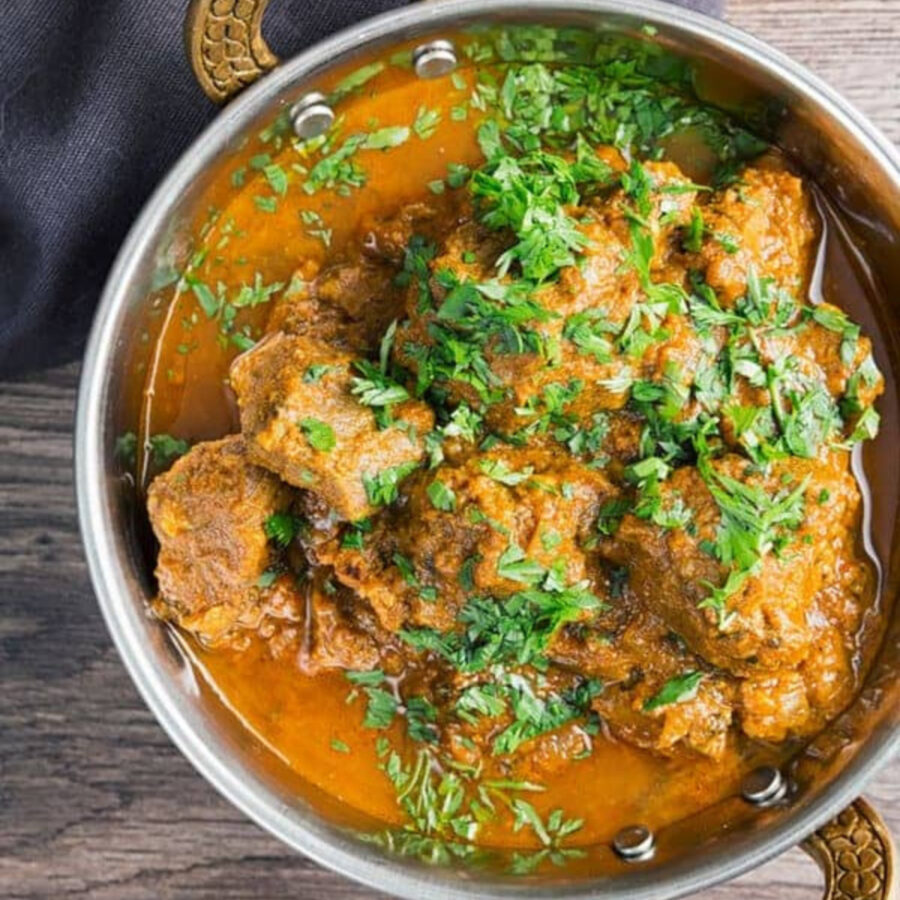
Bitterness can result from burned spices, scorched garlic or onions, too much turmeric or fenugreek, citrus pith, old oil, or a burned layer on the bottom of the pot.
The correct fix depends on the cause:
- Transfer unburned curry to a clean pot without scraping the scorched bottom.
- Dilute excessive turmeric, fenugreek, or other strong spices.
- Add a pinch of salt if the curry is underseasoned.
- Add a compatible fat, such as coconut milk, cream, or cashew cream.
- Use only a tiny amount of sweetness for mild bitterness.
- Discard food made with rancid oil, nuts, seeds, or coconut products.
Read the dedicated guide to fixing bitter curry for a full list of causes and corrections.
How To Fix Bland Curry
Bland curry does not always need more chile or more garam masala. It may lack salt, acid, aroma, richness, or sufficient cooking.
Use this order to diagnose it.
1. Check The Salt
Salt makes existing flavors easier to perceive. Add a small pinch, stir until dissolved, and taste again.
2. Check Whether The Base Is Fully Cooked
Raw onion, tomato, ginger, garlic, or spices can make curry taste flat and disconnected. Continue simmering gently if the ingredients need more time.
3. Add Acidity
A few drops of lemon juice, lime juice, tamarind, or vinegar can brighten a heavy sauce. Acidity should sharpen the flavors without becoming the dominant taste.
4. Refresh The Aroma
A small finishing amount of garam masala, toasted cumin, cilantro, mint, or ginger can restore aroma that faded during cooking.
Learn why spice timing matters in How to Bloom and Temper Indian Spices.
5. Add Richness
Butter, ghee, cream, coconut milk, or nut paste can carry aromas and make the sauce feel more complete.
6. Add Heat Last
If the curry is flavorful but simply not hot enough, add cayenne, fresh chile, or a bloomed chile seasoning. Do not confuse chile heat with overall flavor.
If your garam masala seems weak, freshness may be the problem. Try the five-minute Homemade Garam Masala rather than adding large amounts of an old blend.
How To Thicken Curry That Is Too Thin
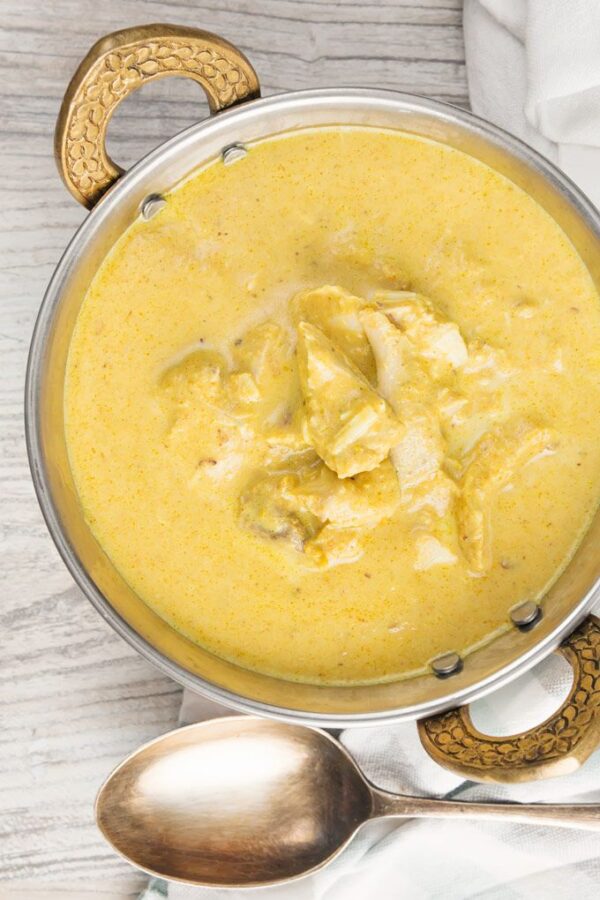
Before thickening the sauce, let it cool slightly on a spoon. Curry often looks thinner while extremely hot and thickens as it rests.
Simmer It Uncovered
This is the simplest method. Simmer over low or medium-low heat and stir regularly until excess water evaporates.
Remove cooked meat first if it is already tender and would become dry during a long reduction. Return it after the sauce thickens.
Blend Part Of The Curry
Puree some cooked onions, tomatoes, lentils, beans, or vegetables and stir them back into the sauce. This adds body without introducing a foreign flavor.
Use caution with hot liquids. Let the mixture cool or use equipment designed to vent steam.
Add Nut Or Seed Paste
Cashew, almond, sesame, or coconut paste can thicken curry while adding richness. This works particularly well for korma-style sauces.
Chicken Korma demonstrates how cashews and coconut milk create a naturally creamy sauce.
Add Dairy Or Coconut Milk Appropriately
Cream, thick yogurt, or coconut cream can add body, but they also change flavor and richness. Add dairy over lower heat and avoid aggressive boiling.
Use A Slurry Only When It Fits
Cornstarch or another starch can thicken sauce quickly, but it may create a glossy texture that is not appropriate for every Indian curry. Mix it with cold water first and add it gradually.
Reduction or blended ingredients usually produce a more natural curry texture.
How To Thin Curry That Is Too Thick
Add warm liquid a tablespoon or two at a time. Options include:
- Water
- Unsalted broth
- Tomato sauce
- Coconut milk
- Milk or cream
- Reserved cooking liquid from lentils or beans
Match the liquid to the recipe. Water preserves the original flavor most effectively, while broth, tomato, dairy, and coconut will change it.
Stir thoroughly and let the curry return to serving temperature before deciding whether it needs more. Check the salt after thinning because dilution can mute the seasoning.
How To Fix Oily Curry
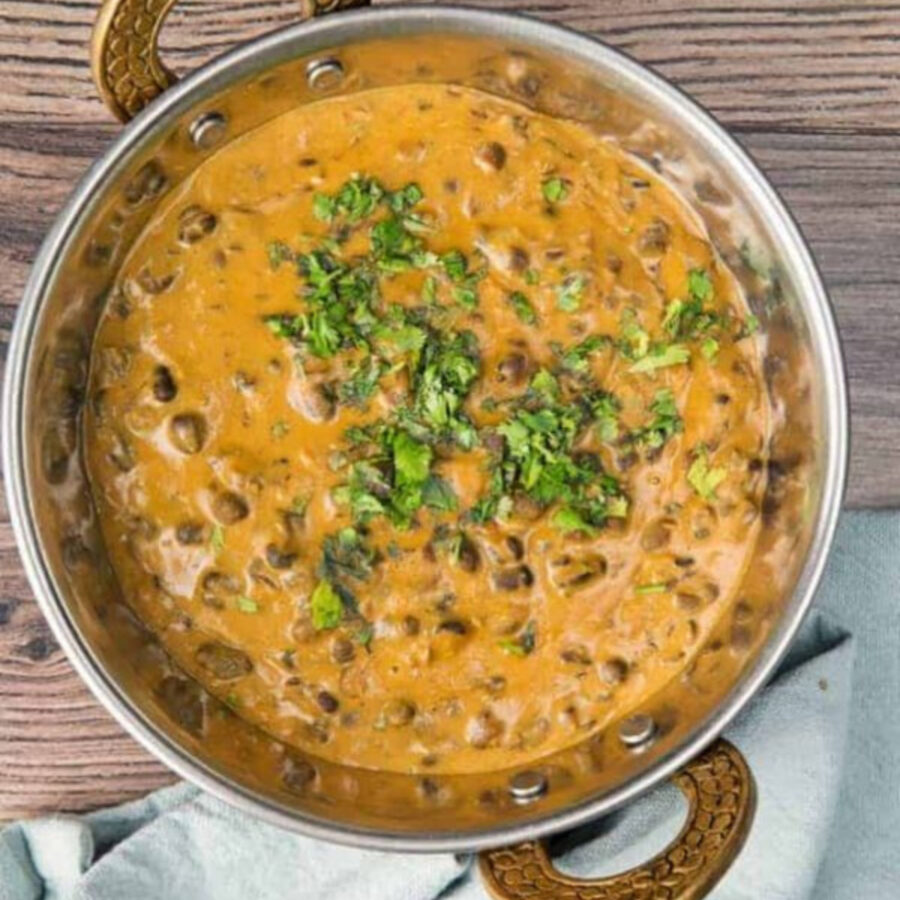
A visible layer of oil does not automatically mean the curry is ruined. In some Indian cooking, small beads of oil separating around the edges indicate that a masala has cooked and its water has evaporated.
The curry may be excessively oily if there is a thick slick on top, the sauce feels greasy rather than cohesive, or too much fat was added accidentally.
Spoon Off Excess Oil
Let the curry sit briefly, then remove oil from the surface with a shallow spoon.
Chill And Remove The Solid Fat
For a make-ahead curry, refrigerate it safely. Some fats will firm on the surface and become easier to remove. Reheat the curry thoroughly before serving.
Add More Curry Base
If the recipe can be expanded, add more onions, tomatoes, lentils, vegetables, or another unsalted base ingredient to distribute the fat.
Re-Emulsify The Sauce
Gentle stirring or careful blending can reincorporate a mildly separated sauce. This does not help when the recipe simply contains too much oil.
How To Fix Curdled Curry
Yogurt, cream, and coconut milk can separate when exposed to high heat, rapid temperature changes, or prolonged pressure cooking.
Curdling is usually a texture problem, not a safety problem, when the dairy was fresh and handled safely. If it smells spoiled or sat at unsafe temperatures, discard it.
Lower The Heat
Stop boiling the sauce. Aggressive heat makes separation worse.
Whisk Or Blend The Sauce
For a curry intended to be smooth, whisking or using an immersion blender may improve the texture. Remove bones, whole spices, and delicate meat or vegetables first.
Add Fresh Dairy Carefully
Temper a small amount of fresh full-fat yogurt or cream with warm sauce, then stir it into the curry over low heat. This may restore some creaminess but will not always create a perfectly smooth emulsion.
Prevent Curdling Next Time
- Use full-fat yogurt.
- Bring dairy closer to room temperature.
- Whisk yogurt before adding it.
- Lower the heat.
- Stir in dairy gradually.
- Add cream or coconut milk after pressure cooking when directed.
Basic Indian Curry provides a flexible foundation and explains why creamy ingredients are often added after the pressure-cooking stage.
How To Fix Burned Curry

Turn off the heat immediately. Do not stir and do not scrape the bottom.
Carefully ladle the unburned curry into a clean pot. Leave the bottom layer behind. Taste the transferred portion before making any additions.
If the burned flavor is mild, add more fresh curry base, salt, fat, or a very small amount of sweetness as appropriate. If the entire batch tastes like smoke or charcoal, starting over is usually better than adding more ingredients to a flavor that cannot be removed.
Prevent Scorching
- Control the heat.
- Use enough oil for blooming spices.
- Add liquid before ground spices burn.
- Stir thick curry frequently.
- Deglaze an Instant Pot before pressure cooking.
- Keep thick tomato products away from the bottom when the recipe uses layering.
- Use the required amount of thin liquid.
For more on heat, order, and timing, read Indian Cooking Techniques Explained.
How To Fix Raw Spice Flavor
Raw ground spices may taste dusty, chalky, harsh, or disconnected from the sauce.
If the spices were added recently and nothing burned, simmer the curry gently for another 10 to 15 minutes. Add a splash of water if needed to prevent sticking.
For spices that need fat-soluble flavor development, make a small separate tadka. Heat a compatible fat, briefly bloom a carefully measured amount of spice, then stir the seasoned fat into the curry.
Do not dump more dry spice into the finished dish. This usually intensifies the raw flavor rather than correcting it.
How To Fix Curry With Tough Meat

First determine whether the meat is undercooked or overcooked.
Tough Braising Cuts
Beef chuck, lamb shoulder, goat, and similar cuts often need more time for connective tissue to soften. Continue cooking them gently with enough liquid until tender.
Dry Chicken Breast Or Lean Meat
Lean meat may become tough because it is overcooked. More simmering will not restore lost moisture. Slice or shred it and serve it with plenty of sauce. Use thighs or a shorter cook time next time.
Food Safety
Do not rely on texture or color alone to determine whether meat is safe. Verify doneness with an appropriate food thermometer and current food-safety guidance.
How To Fix Undercooked Vegetables
Remove meat or seafood that is already fully cooked, then continue simmering the vegetables in the sauce until tender.
For large pieces, cut them smaller if doing so can be done safely. Add a small amount of liquid if the curry is becoming too thick before the vegetables finish cooking.
In a pressure cooker recipe, use the shortest additional cooking interval possible. Some vegetables go from firm to mushy very quickly under pressure.
How To Fix Mushy Vegetables
Mushy vegetables cannot be returned to their original texture, but you can improve the overall dish.
- Puree some into the sauce if that suits the curry.
- Add a freshly cooked batch of the same vegetable for texture.
- Add a crisp garnish such as onions or herbs.
- Serve with a crunchy salad or papad.
- Shorten the cook time or cut larger pieces next time.
Do not continue simmering in an attempt to make the vegetables firm again.
How To Fix A Curry That Is Too Tomatoey
An overly tomato-forward curry may need more cooking, seasoning, richness, or dilution.
Cook It Longer
Raw tomatoes taste sharper and more metallic than fully cooked tomatoes. Simmer until the sauce darkens and the raw aroma disappears.
Add Cooked Onions Or Aromatics
More properly cooked onions, ginger, garlic, and spices can bring the base back into proportion.
Add Richness
Butter, cream, coconut milk, yogurt, or nut paste can soften tomato acidity when appropriate for the recipe.
Add The Main Ingredient
If the sauce-to-protein or sauce-to-vegetable ratio is too high, add more cooked main ingredients rather than trying to season the tomato flavor away.
How To Fix A Curry That Tastes Like Coconut Milk
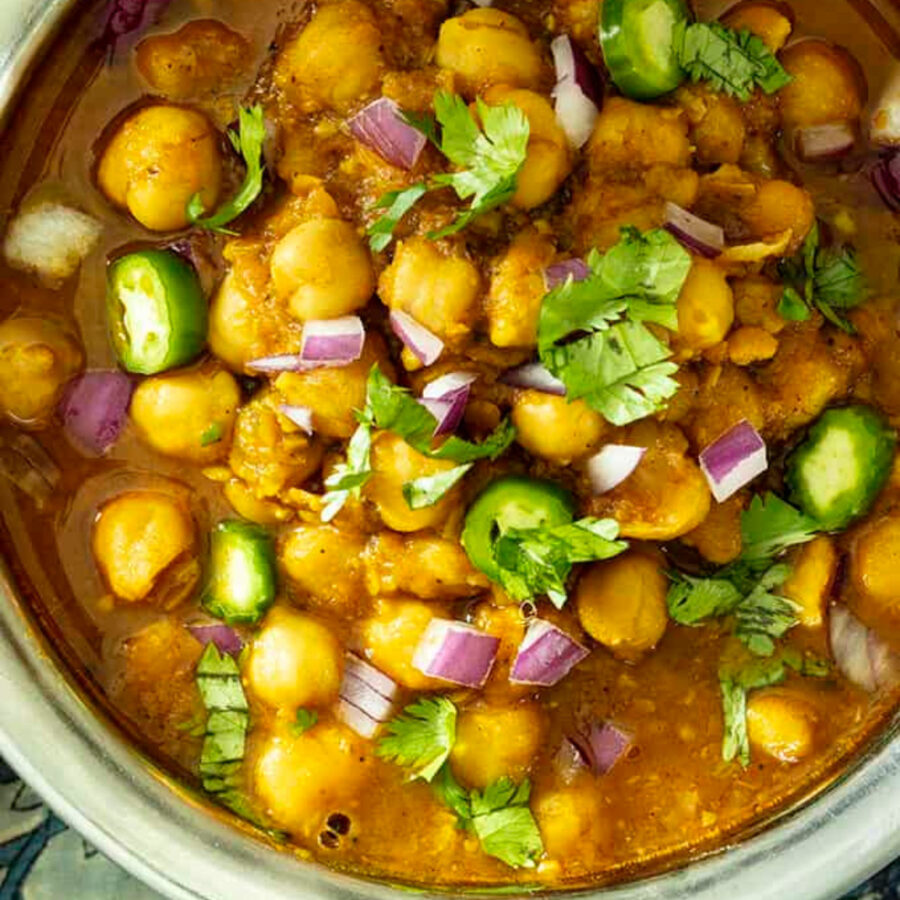
When coconut milk overwhelms every other flavor, the curry may need more aromatics, salt, acid, chile, or non-coconut base.
- Check the salt first.
- Add a small amount of tamarind, lime, or tomato if the recipe supports acidity.
- Add more cooked aromatics and spices.
- Increase the amount of protein, legumes, or vegetables.
- Simmer gently to integrate the flavors, but avoid a hard boil that may separate the coconut milk.
Do not add several spoonfuls of dry spice directly to the sauce. Bloom the spices first or give them enough cooking time.
South Indian Chicken Curry shows how coconut milk, tamarind, and spices can be balanced in a tested recipe.
How To Fix Instant Pot Curry
Pressure cooking introduces several specific problems.
Burn Warning
Release pressure according to the appliance instructions, then check for insufficient liquid, stuck browned bits, or thick sauce on the bottom. Do not continue pressurizing a scorched pot without correcting the cause.
Curry Is Too Thin
Pressure cookers retain moisture. After cooking, remove the lid and use sauté mode to reduce the sauce. Remove tender meat first if needed.
Curry Is Too Thick
Stir in warm water or broth gradually. Deglaze thoroughly before any additional pressure cycle.
Dairy Separated
Add cream, yogurt, butter, or coconut milk after pressure cooking when the recipe directs. High pressure is not ideal for every creamy ingredient.
Meat Is Tough
A braising cut may need more time, while lean meat may already be overcooked. Identify the cut before adding another pressure cycle.
Browse these Instant Pot curry recipes for tested liquid ratios and cooking times.
How To Prevent Curry Problems
Read The Entire Recipe First
Note which ingredients are divided, added after pressure cooking, or reserved for finishing.
Prepare Before Heating The Pan
Spices can burn while you search for tomatoes or water. Measure everything and keep the next ingredient ready.
Measure Strong Ingredients
Turmeric, fenugreek, cayenne, salt, tamarind, vinegar, and concentrated tomato products can quickly dominate a dish.
Add Seasoning In Stages
It is easier to add more salt, acid, or chile than to remove it.
Use Fresh Spices
Old ground spices often taste dull, leading cooks to add too much. Store spices away from heat, light, and moisture.
Control The Heat
High heat is not a shortcut for properly cooked aromatics. Use the heat level appropriate for the ingredient and technique.
Respect Ingredient Order
Whole spices, ground spices, aromatics, tomatoes, liquid, dairy, and finishing ingredients do not all belong in the pot at the same time.
Taste At Useful Stages
Taste after the sauce has cooked, after reduction, and before serving. Do not judge raw spices or uncooked meat marinades by tasting them.
Follow A Tested Recipe
Start with Basic Indian Curry, Instant Pot Butter Chicken, or Chicken Korma before improvising ingredient quantities and cooking times.
Frequently Asked Questions
What Is The Fastest Way To Balance Curry Flavor?
Check the salt first. Then decide whether the curry needs acid, richness, aroma, heat, sweetness, or more cooking. Add only one correction at a time and taste again.
How Do You Cool Down Curry Without Ruining It?
Dilute it with more mild curry base or main ingredients. Yogurt, cream, coconut milk, rice, and raita can soften the perception of heat when they suit the recipe.
Does Sugar Make Curry Less Spicy?
Sugar may distract from chile heat, but it does not remove capsaicin. Too much creates a sweet and spicy curry. Dilution is more effective.
Can You Add Water To Fix Curry?
Water can thin thick, salty, or spicy curry, but it can also dilute flavor and create a watery sauce. Add it gradually and follow with simmering or additional base ingredients when necessary.
How Do You Make Curry Taste Richer?
Depending on the recipe, add properly cooked onions, ghee, butter, cream, coconut milk, yogurt, cashew paste, or a fresh finishing amount of garam masala.
How Do You Fix Curry With Too Much Garam Masala?
Increase the unseasoned sauce and main ingredients to dilute the blend. Do not try to cover it with large amounts of sugar or acid. Learn how the blends differ in Garam Masala vs Curry Powder.
Why Does My Curry Taste Powdery?
The ground spices may be raw, stale, or used in excessive quantities. Simmer the curry gently with enough moisture and fat. Next time, bloom measured spices briefly before adding the liquid.
Why Did My Curry Separate?
Some oil separation is normal when a masala is properly cooked. Excessive separation may result from too much oil or dairy and coconut milk exposed to high heat. Lower the heat and whisk or blend if the intended sauce should be smooth.
Can You Fix Curry The Next Day?
Yes, provided it was cooled and stored safely. Reheat it thoroughly, then adjust thickness, salt, acid, or richness. Many curries taste more integrated after resting overnight.
Check out my guide on how to freeze and reheat curry for more tips and tricks.
When Should You Throw Curry Away?
Discard curry that contains spoiled or rancid ingredients, has been stored unsafely, or has an off smell or signs of spoilage. Flavor corrections cannot make unsafe food safe.
More Indian Cooking Help

Continue building your Indian cooking skills with these Twosleevers guides:
- Indian Cooking for Beginners
- Indian Cooking Techniques Explained
- Essential Indian Spices for Beginners
- How to Bloom and Temper Indian Spices
- Why Is My Curry Bitter?
- Indian Curry Types Explained
- Best Instant Pot Curry Recipes
The best way to fix Indian curry is to diagnose before you season. A little salt may wake up a bland sauce, but it will make an already salty curry worse. Coconut milk may soften chile heat, but it can overpower a curry that was never meant to taste like coconut.
Understand the intended style, adjust one variable, and taste again. That habit is more useful than any single rescue ingredient.





Leave a Reply