

Learning how to bloom and temper Indian spices is one of the easiest ways to make more flavorful Indian food at home. These simple techniques release the natural oils and aromas inside spices, allowing their flavor to spread through an entire dish.
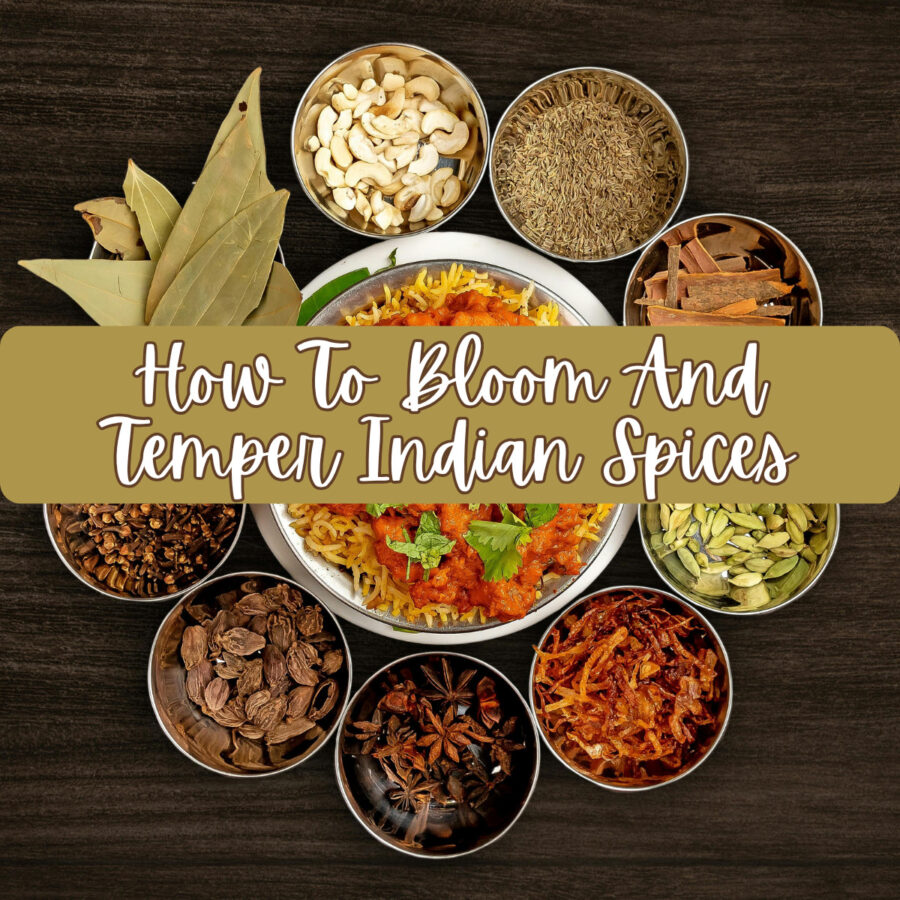
You do not need complicated equipment or dozens of spices. All you need is the right cooking fat, controlled heat, and a clear understanding of when each ingredient should go into the pan.
Once you learn how to bloom ground spices and prepare an Indian tadka with whole spices, recipes such as dal, curry, vegetables, and rice become much easier to understand.
If you are still building your spice collection, start with these essential Indian spices for beginners. You can also use the complete Indian Cooking for Beginners guide to learn more foundational Indian cooking techniques and find approachable recipes.
Why You Need To Learn These Techniques
- More Flavor. Heating spices correctly releases aromatic oils that cannot be fully experienced when spices are added without cooking.
- Better Aroma. Bloomed spices perfume the cooking fat, spreading their fragrance throughout the dish.
- Less Bitterness. Understanding the correct temperature and timing helps prevent scorched spices.
- More Control. You can change the order, amount, and timing of spices to adjust the final flavor.
- Authentic Results. Blooming and tempering are foundational techniques used in many Indian recipes.
- Beginner-Friendly. Both techniques are easy once you understand the visual and aromatic cues.
What Does It Mean To Bloom Spices?
Blooming spices means briefly heating them in fat to release their flavor and aroma.
The cooking fat absorbs aromatic compounds from the spices and distributes them throughout the finished dish. This is why spices bloomed in oil or ghee usually taste deeper and more rounded than the same spices stirred into a finished sauce.
Both whole and ground spices can be bloomed, but they require different timing.
Whole spices generally need a little more time. Ground spices expose more surface area to the heat, so they can become fragrant very quickly and burn just as fast.
For an expanded introduction to selecting and using spices, read this guide to cooking with spices.
What Is Tempering Indian Spices?
Tempering is the process of heating whole spices and sometimes aromatics in hot fat. The seasoned fat may become the beginning of a recipe or be poured over a completed dish.
In Indian cooking, this technique is commonly called tadka, tarka, chaunk, chhonk, or baghaar. The terminology varies by language and region, but the basic idea is similar.
Hot oil or ghee quickly extracts flavor from ingredients such as:
- Cumin seeds
- Mustard seeds
- Dried red chiles
- Curry leaves
- Fenugreek seeds
- Fennel seeds
- Nigella seeds
- Asafoetida
- Garlic
- Ginger
- Shallots or onions
The finished tadka may be stirred into lentils, spooned over vegetables, poured onto yogurt or used as the first flavor layer in a curry.
The tempering in this Moong Dal Soup uses hot ghee, cumin seeds, and sliced garlic. Pouring that fragrant mixture over the cooked dal adds a fresh layer of flavor immediately before serving.
Blooming Versus Tempering
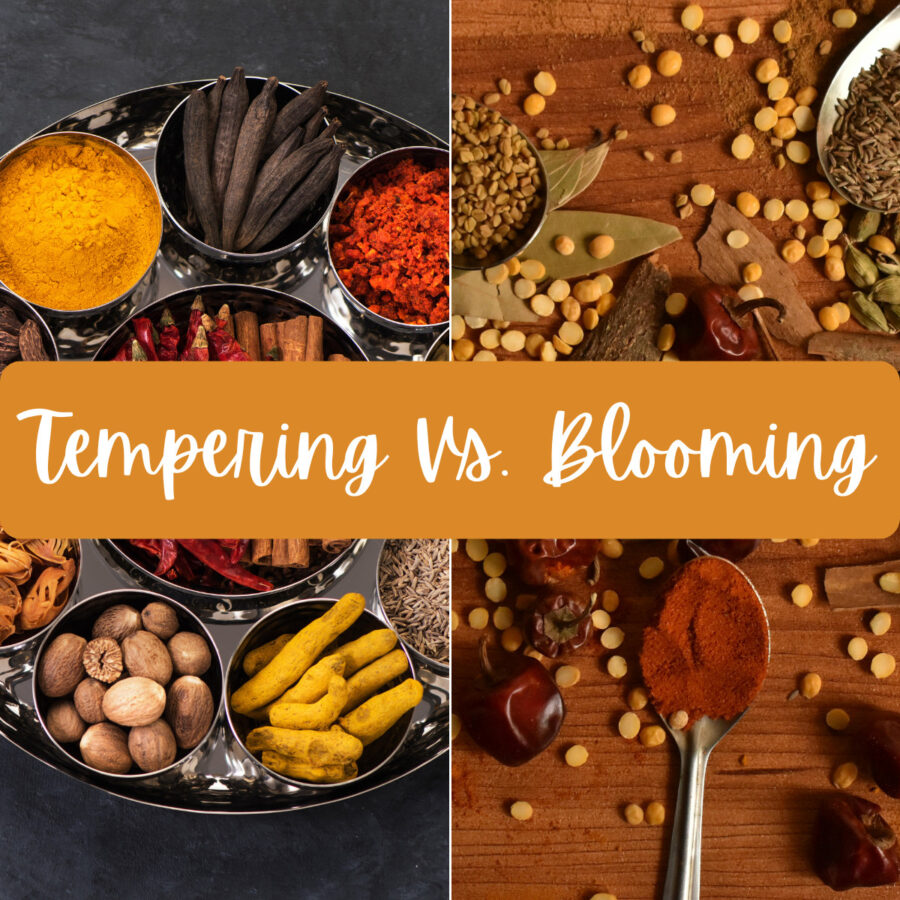
Blooming and tempering are closely related, but the terms are not always used in exactly the same way.
| Technique | How It Works | Common Ingredients | When It Is Used |
|---|---|---|---|
| Blooming | Spices are briefly cooked in fat to release flavor | Whole or ground spices | Usually during the main cooking process |
| Tempering or tadka | Whole spices and aromatics are quickly fried in hot fat | Seeds, chiles, curry leaves, garlic and ginger | At the beginning or poured over a finished dish |
| Dry roasting | Spices are heated without fat | Whole spices or seeds | Before grinding or adding to a recipe |
| Toasting in oil | Whole spices are heated in oil until fragrant | Cumin, coriander, fennel and mustard seeds | Often the first step of a recipe |
In everyday cooking, people may use "blooming" and "tempering" interchangeably. The important distinction is whether you are flavoring the main cooking fat during the recipe or making a concentrated finishing tadka.
Why Heat Changes the Flavor of Spices
Spices contain natural aromatic compounds and oils. Heat helps release these compounds, while fat captures and carries them through the dish.
Heating cumin seeds in oil changes both the seeds and the oil. The cumin becomes toastier and more aromatic, while the oil carries that cumin flavor into every bite.
However, more heat does not always create more flavor. Spices can move from fragrant to burned in seconds. Scorched spices add harsh bitterness that is difficult to hide and often compromise the flavor of dishes. For ways to fix this, check out my Why Is My Curry Bitter and How To Fix Indian Curry guides.
The goal is to heat the spices just until their aroma becomes noticeable and their color deepens slightly.
What Is the Best Fat for Blooming Spices?
Choose a fat that can tolerate the cooking temperature and complement the recipe.
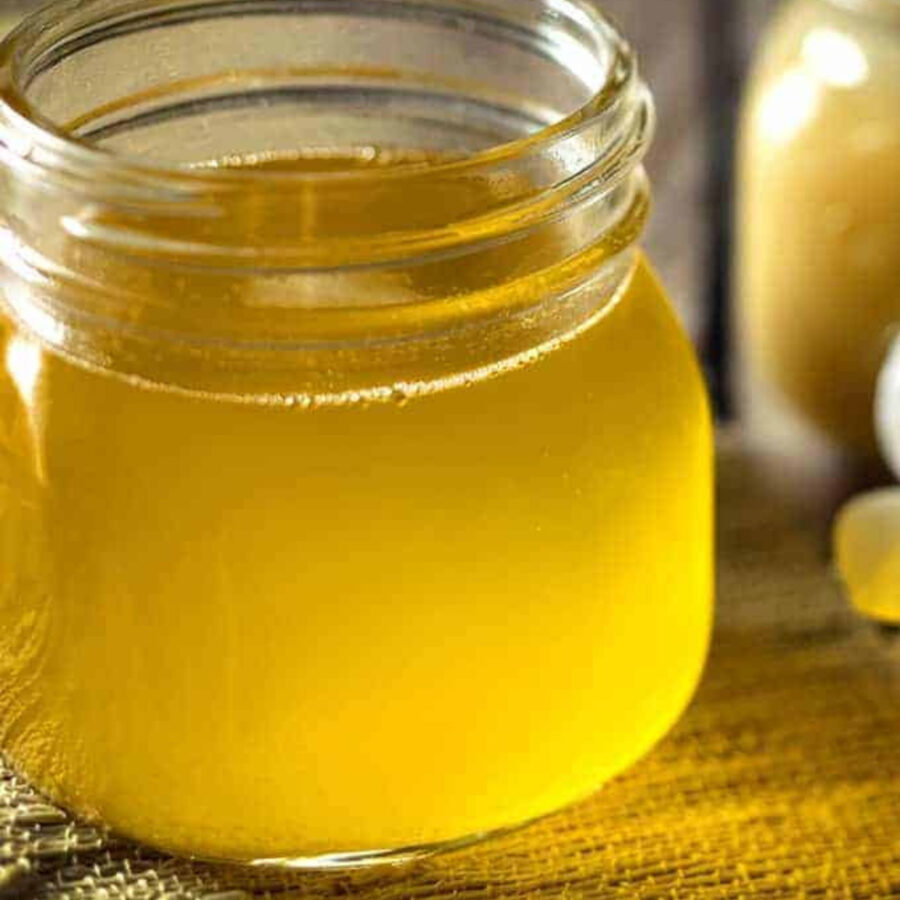
Ghee
Ghee has a rich, buttery flavor and works especially well for dal, rice, vegetables, and North Indian dishes. It can tolerate more heat than regular butter because its milk solids have been removed.
Neutral Oil
Avocado, vegetable, canola, or another neutral cooking oil allows the spices to remain the main flavor. Neutral oil is also useful for dairy-free and vegan recipes.
Coconut Oil
Coconut oil works well in recipes where coconut is already part of the flavor profile. It is especially useful in some South Indian dishes.
Mustard Oil
Mustard oil has a strong, pungent flavor that is used in specific regional dishes. It should be heated and handled according to the product directions.
Butter
Regular butter can burn because it contains milk solids. If you use butter, keep the temperature lower or combine it with oil.
The Best Spices for Blooming and Tempering
Cumin Seeds
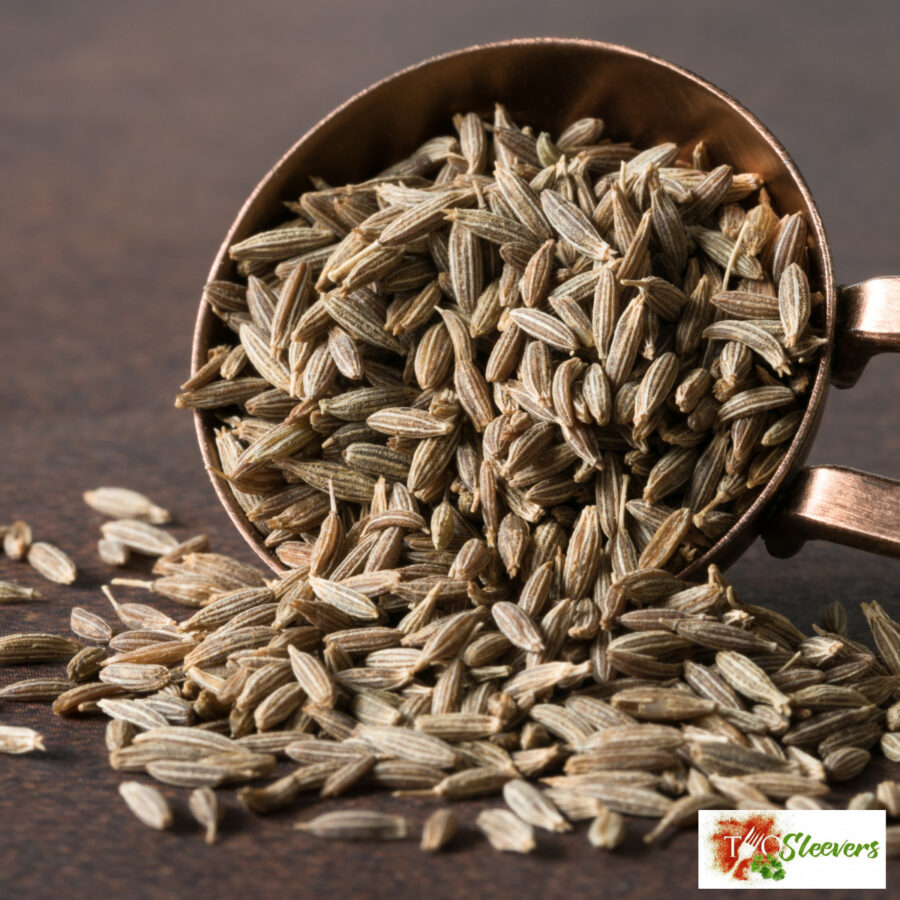
Cumin seeds are one of the easiest spices for beginners to temper. They darken slightly and become intensely fragrant when ready.
Avoid cooking them until they turn black. Burned cumin tastes bitter.
Mustard Seeds
Mustard seeds begin to pop when the oil is hot enough. Cover the pan loosely or use a splatter screen if necessary.
Wait for the popping to begin before adding ingredients that lower the oil temperature.
Dried Red Chiles
Dried chiles add flavor, heat, and color. They may darken slightly as they cook, but blackened chiles can make the entire tadka bitter.
Curry Leaves
Fresh curry leaves create a dramatic sizzle when added to hot oil. Make sure they are dry before adding them because moisture causes hot oil to splatter.
Fenugreek Seeds
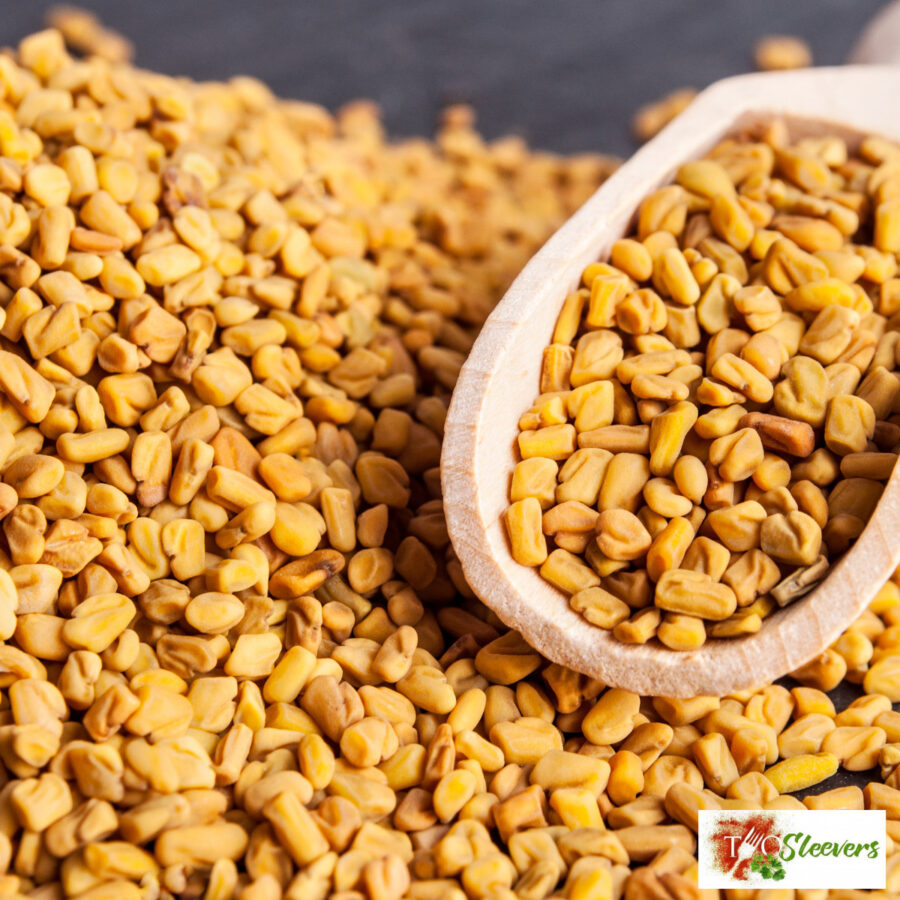
Fenugreek has a distinctive bittersweet flavor. It can become unpleasantly bitter when burned, so use moderate heat and watch it closely.
Fennel Seeds
Fennel seeds contribute sweetness and a light licorice aroma. They are useful in certain meat, vegetable, and regional Indian dishes.
Asafoetida
Asafoetida, also called hing, is extremely strong before cooking. Only a small pinch is needed. Briefly heating it in fat mellows its raw aroma and gives the dish a savory, onion-like depth.
Ground Spices
Turmeric, ground cumin, coriander, chile powder and garam masala can also be bloomed, but they cook much faster than whole spices.
Have your next ingredient ready before putting ground spices into the pan.
How To Bloom Ground Indian Spices
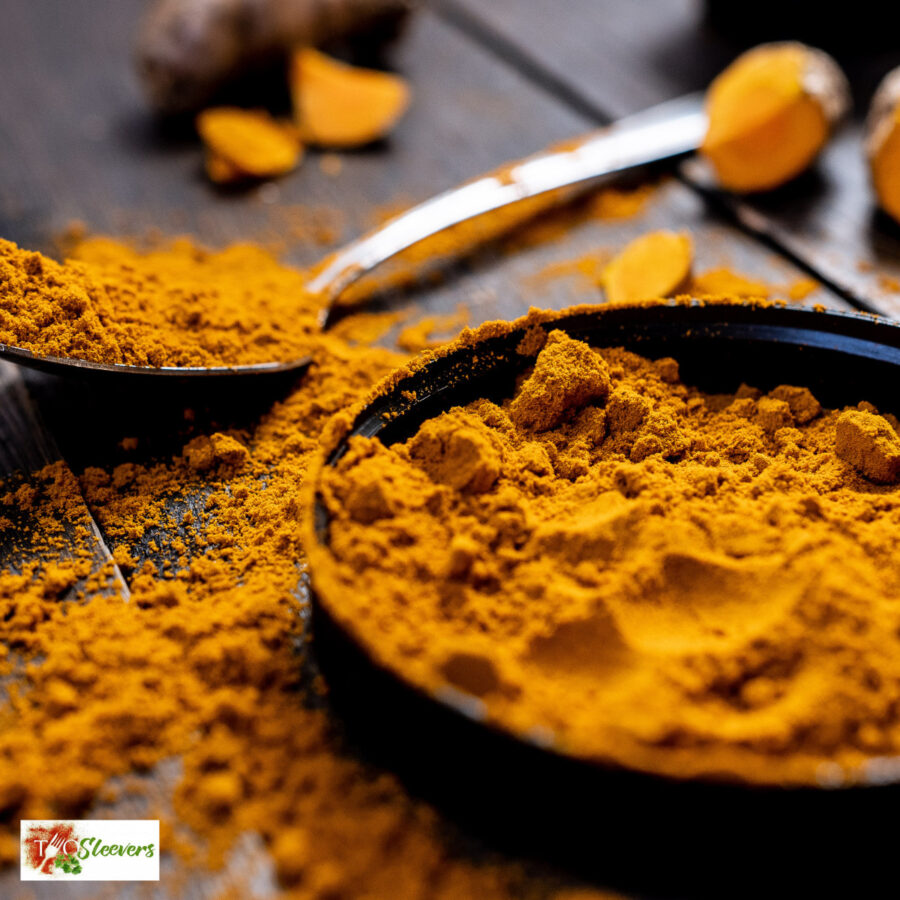
Blooming ground spices is simple, but the timing matters.
1. Prepare Everything First
Measure your spices and have the next wet ingredient ready. This might be tomatoes, onions, broth, coconut milk, or water.
Once ground spices hit the hot fat, you will not have time to search for ingredients.
2. Heat the Fat
Warm oil or ghee over medium or medium-low heat. The fat should be hot and fluid but not smoking.
3. Cook the Aromatics
If the recipe includes onions, ginger, or garlic before the ground spices, cook them as directed.
Onions and tomatoes can also provide some protection against scorching by adding moisture to the pan.
4. Add the Ground Spices
Sprinkle the spices evenly into the pan. Stir constantly so they are coated with fat.
The spices should become fragrant within approximately 15 to 30 seconds. They may darken slightly, but they should not turn black.
5. Add Moisture
As soon as the spices smell aromatic, add the next wet ingredient. Stir and scrape the bottom of the pan to prevent sticking.
If the spices begin sticking before you are ready, add a tablespoon of water to cool the pan and stop them from burning.
This also seems like a good time to throw in the fact that garam masala and curry powder are not the same thing. Read more about it in my garam masala vs curry powder article.
How To Temper Whole Indian Spices
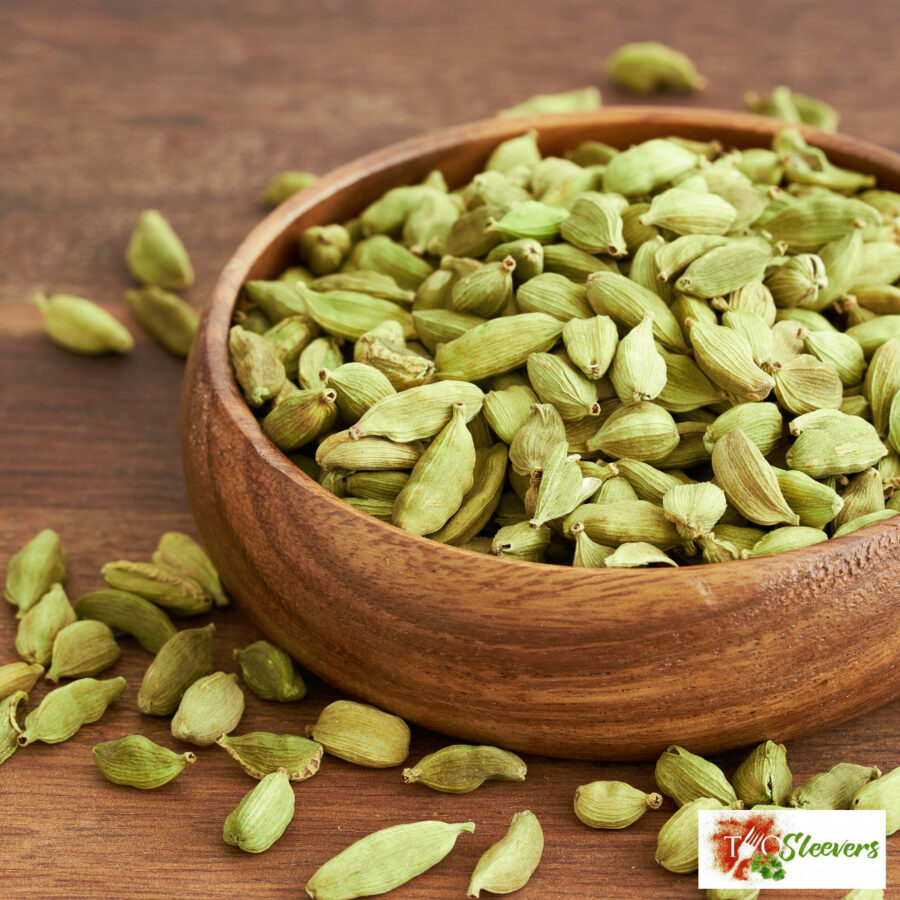
Use these steps to make a basic Indian tadka.
1. Select a Small Pan
A small skillet, saucepan, or tadka pan keeps the spices and fat together. This helps you monitor the cooking and makes the tempering easier to pour.
2. Heat the Oil or Ghee
Heat the fat over medium heat until it is shimmering. Avoid letting it smoke.
You can test the temperature by adding one cumin or mustard seed. If it sizzles promptly, the oil is ready.
3. Add the Hardest Whole Spices First
Add ingredients that need the most cooking time first, such as:
- Mustard seeds
- Cumin seeds
- Fenugreek seeds
- Fennel seeds
- Whole cloves
- Cinnamon
- Cardamom pods
Allow them to sizzle, pop, or become fragrant.
4. Add Dried Chiles and Curry Leaves
Add dried chiles after the seeds begin reacting. Curry leaves should usually go in near the end because they cook quickly and splatter when they touch hot oil.
5. Add Fresh Aromatics
Garlic, ginger, shallots, and onions can burn quickly when cut into small pieces. Add them after the whole spices have released their aroma.
Cook only until the garlic is lightly golden and fragrant.
6. Add Asafoetida or Ground Spices
If using hing or ground spices, add them last. Stir briefly and immediately remove the pan from the heat.
7. Add the Tadka to the Dish
Pour the hot flavored fat over the cooked dish. Expect a noticeable sizzle, especially when adding tadka to dal or another moist food.
Stir it in completely or leave some visible on top for aroma and presentation.
The Correct Order for Tempering Spices
A dependable order for a mixed tadka is:
- Oil or ghee
- Larger whole spices
- Mustard seeds
- Cumin, fennel or fenugreek seeds
- Dried red chiles
- Curry leaves
- Garlic, ginger or shallots
- Asafoetida
- Ground spices
- Remove from heat and pour over the dish
Not every tadka contains all of these ingredients. Follow the individual recipe because cooking order can change depending on the spices, heat level, and amount of fat.
How Do You Know When the Spices Are Ready?
Use your senses rather than relying only on a timer.
Properly bloomed or tempered spices should:
- Smell strongly aromatic
- Sizzle actively without producing heavy smoke
- Darken slightly
- Release visible bubbles around seeds and aromatics
- Make the cooking fat smell seasoned
- Taste warm and fragrant rather than raw or dusty
Mustard seeds usually pop. Cumin seeds may sizzle and darken. Curry leaves become glossy and crisp around the edges. Garlic should become lightly golden rather than dark brown.
If the spices turn black, smell acrid, or create heavy smoke, they have probably burned.
What To Do If You Burn the Spices
Discard burned spices and the cooking fat, wipe out the pan, and begin again.
Do not pour burned tadka into the dish and hope the other ingredients will disguise it. The bitterness spreads quickly and can ruin an entire pot of food.
Starting again costs a few minutes and a small amount of spices. Trying to repair a dish filled with burned oil is far more frustrating.
Common Mistakes When Blooming Indian Spices

Starting With Oil That Is Too Cold
Spices placed in cold oil may absorb fat without releasing their aroma properly.
Let the oil become hot enough for a test seed to sizzle.
Letting the Oil Smoke
Smoking oil is too hot for many spices. Remove the pan from the heat briefly and let it cool before proceeding.
Adding Every Spice at the Same Time
Large whole spices, tiny seeds, and ground spices cook at different rates. Adding them together increases the chance that one ingredient will burn before another becomes fragrant.
Walking Away From the Pan
Tempering happens quickly. Stay near the stove and keep every ingredient within reach.
Using Wet Curry Leaves
Water and hot oil create dangerous splattering. Wash curry leaves ahead of time and dry them thoroughly.
Burning the Garlic
Thinly sliced garlic can change from golden to burned very quickly. Add it late and remove the pan from the heat when it is lightly golden.
Cooking Ground Spices Too Long
Ground spices generally need seconds, not minutes. Add moisture as soon as they become fragrant.
Using Old Spices
Old spices may smell weak even when heated. Fresh, properly stored spices provide better aroma and flavor. Making your own Homemade Garam Masala is an easy way to improve your Indian cooking.
Can You Bloom Spices in the Instant Pot?
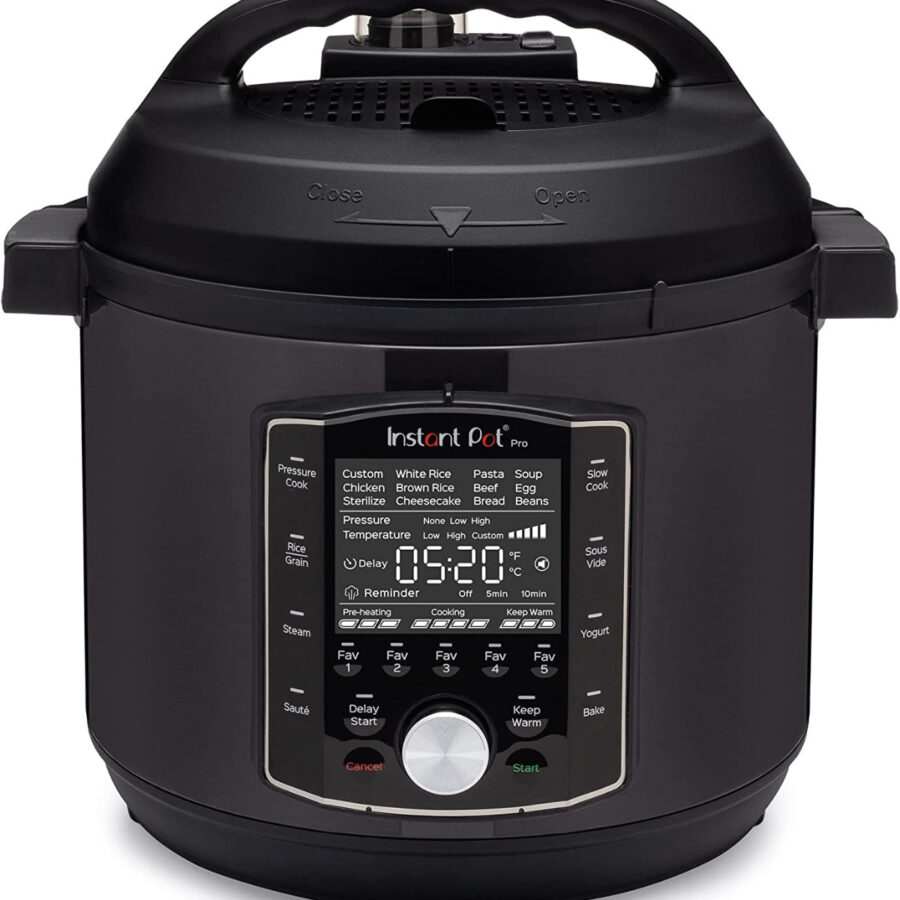
Yes. Use the Sauté function to heat the oil or ghee before adding the spices.
Wait until the inner pot is hot, add the fat, and then add whole spices. Once the seeds sizzle or pop, continue with the recipe.
The Pressure Cooker Rice and Dal uses this approach by heating oil before adding mustard seeds, cumin seeds, and aromatics. The remaining ingredients are then added before pressure cooking.
Be especially careful with ground spices in the Instant Pot. The metal insert can become very hot, and spices may stick to the bottom. Add them over the cooked vegetables or follow quickly with liquid.
Always scrape up anything stuck to the bottom before pressure cooking to reduce the chance of a burn warning.
Recipes That Use Bloomed or Tempered Spices
Practice is the easiest way to recognize when spices are properly cooked.
Pressure Cooker Rice and Dal
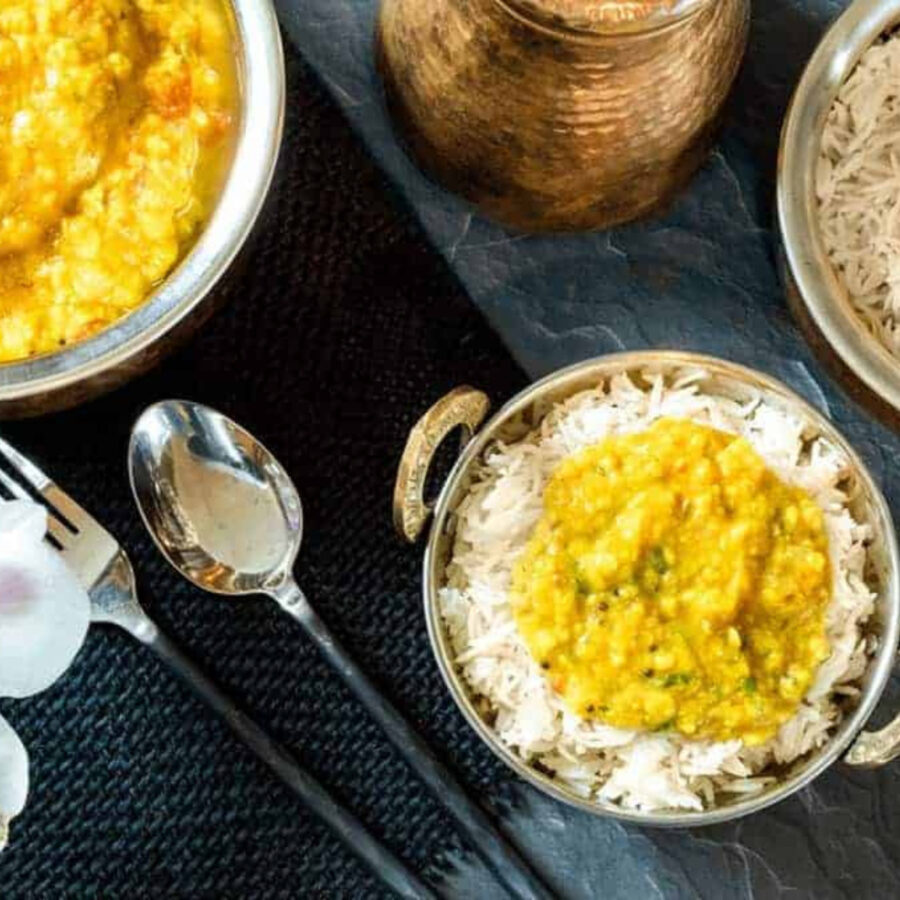
This Rice and Dal recipe blooms mustard seeds, cumin seeds, ginger, garlic and other seasonings before the lentils and rice cook.
Moong Dal Soup
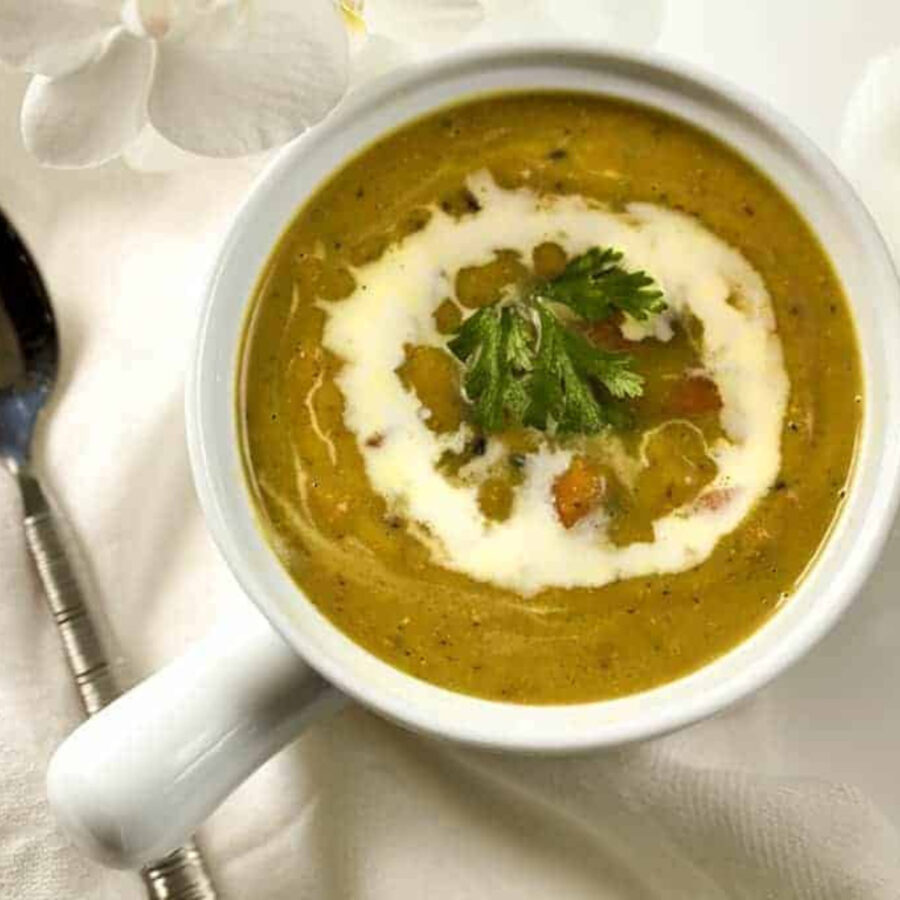
This Moong Dal Soup is finished with a cumin and garlic tadka poured over the cooked lentils.
Dal Makhani
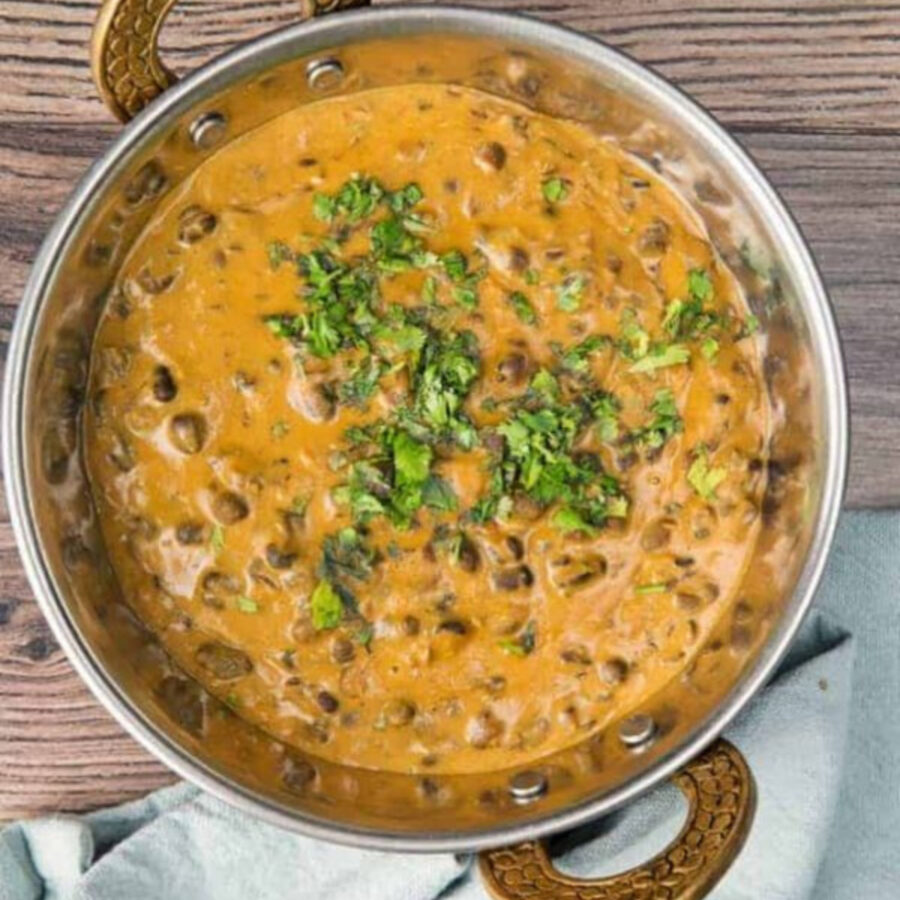
This creamy Dal Makhani uses a ghee and cumin finish to add another layer of fragrance to the cooked lentils.
Indian Cabbage Slaw
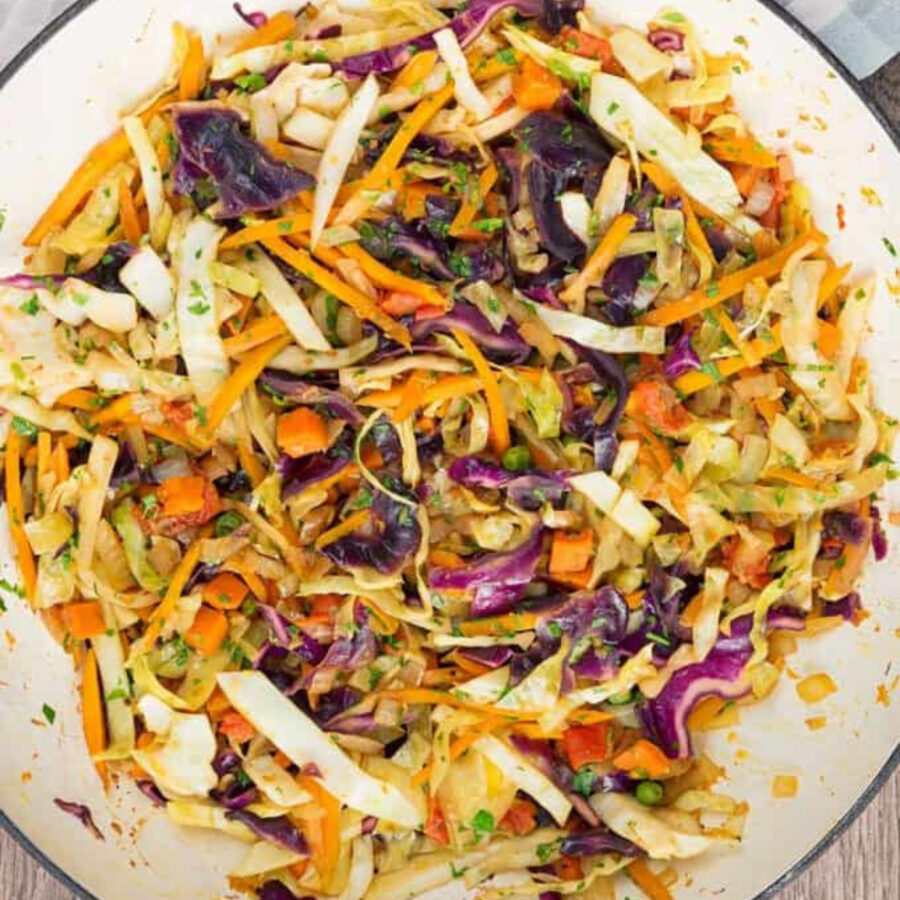
The seasoning technique used in this Indian Cabbage Slaw is an approachable way to see how a classic Indian tadka adds flavor to vegetables.
Maharashtrian Goda Masala
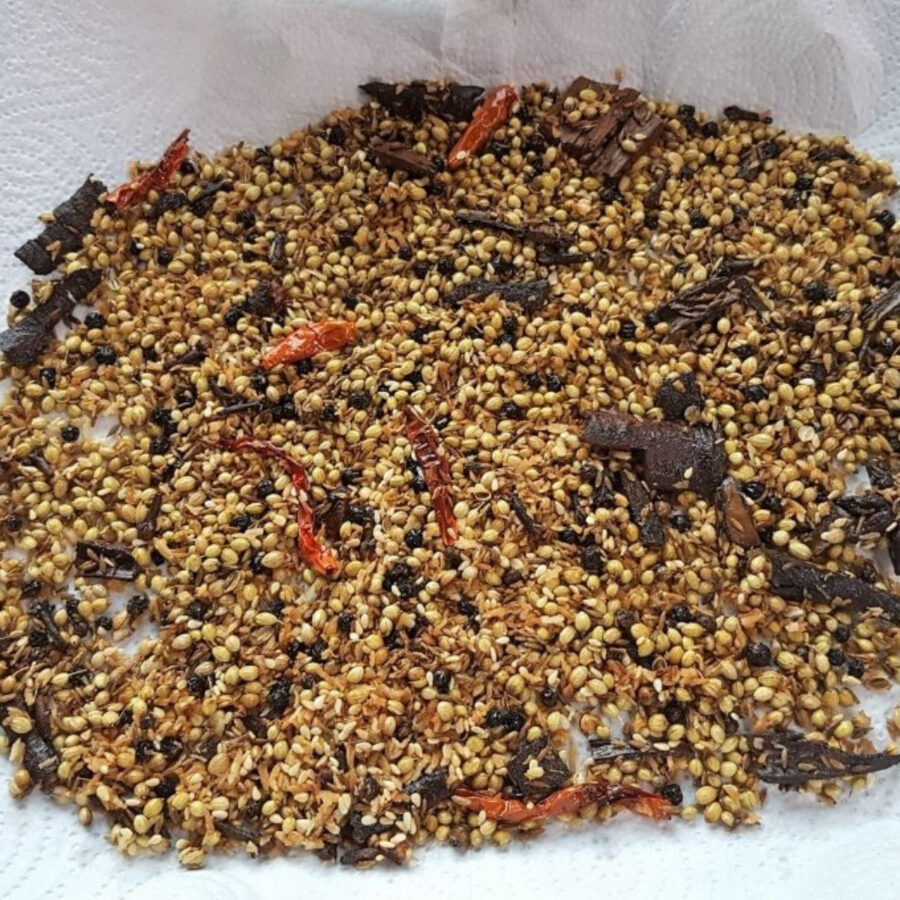
Making Maharashtrian Goda Masala demonstrates how heat changes the fragrance and flavor of whole spices before grinding.
For more homemade seasonings, browse these spice blend recipes.
Frequently Asked Questions
Do you have to bloom Indian spices?
Not every spice in every recipe needs to be bloomed. However, heating many spices in fat improves their aroma and removes the raw, dusty flavor that ground spices can have.
Follow the recipe's directions because some spice blends, including garam masala, may also be added near the end for fragrance.
Should you bloom whole or ground spices first?
Whole spices usually go into the oil first because they need more time. Ground spices should be added later and cooked briefly.
How long should spices bloom?
Ground spices may need only 15 to 30 seconds. Whole spices usually need longer, depending on their size and the oil temperature.
Aroma, movement, and color are better indicators than an exact time.
What temperature should you use?
Medium heat is a safe starting point for most home cooks. Use medium-low heat for ground spices or delicate aromatics.
The fat should shimmer, but it should not produce heavy smoke.
Can you bloom spices without oil?
Heating spices without oil is dry roasting rather than blooming. Dry roasting can intensify flavor and remove moisture before grinding, but it does not create seasoned cooking fat.
Can you use olive oil for tadka?
You can use a cooking-grade olive oil, but its flavor may affect the dish. Ghee or a neutral high-heat oil is generally a more versatile choice.
Is tadka always added at the end?
No. Some recipes begin with tadka and build the rest of the dish in the seasoned oil. Other recipes prepare it separately and pour it over the finished food.
Why did my tadka taste bitter?
The oil may have been too hot, or the cumin, fenugreek, dried chiles, garlic or ground spices may have burned. Fenugreek and garlic are particularly easy to overcook.
More Indian Cooking Resources
Continue building your Indian cooking skills with these guides:
- Indian Cooking for Beginners
- Essential Indian Spices for Beginners
- Indian Curry Types Explained
- Cooking With Spices
- Homemade Garam Masala
Learning how to bloom and temper Indian spices gives you more control over aroma, heat, and flavor. Start with cumin seeds in ghee, pay attention to the sound and smell, and keep the next ingredient ready.
With a little practice, you will know exactly when your spices are fragrant, when your tadka is ready, and when it is time to add the next ingredients.

Leave a Reply