

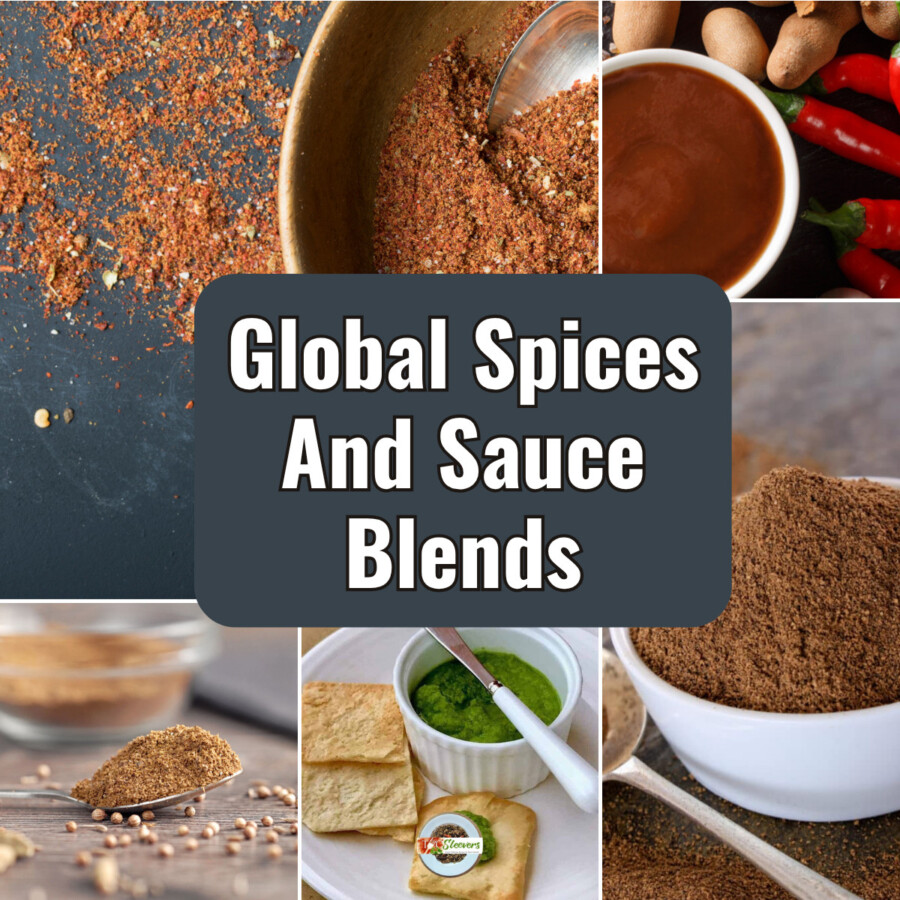
Explore the world without leaving your kitchen with these global spices and sauce blends. From Indian garam masala and Moroccan ras el hanout to Thai peanut sauce, Japanese yakiniku sauce, Mexican salsa roja, and Korean gochujang mayonnaise, these homemade blends make it easy to add international flavor to everyday meals.
Why You'll Love These Global Flavors
- Easy. Most homemade spice blends and sauces require only a few minutes of preparation.
- Versatile. Use them with meat, seafood, vegetables, rice, salads, sandwiches, and snacks.
- Customizable. Adjust the salt, sweetness, acidity, and spice level to suit your preferences.
- Meal Prep Friendly. Prepare a seasoning blend or sauce once and use it for several meals.
- Budget Friendly. Homemade blends can be less expensive than buying multiple specialty products.
- Flavorful. A good seasoning mix or sauce can transform simple ingredients into an exciting meal.
Whether you enjoy Indian, Middle Eastern, African, Asian, Mexican, or Cajun cooking, learning a few international spice blends and sauces is one of the easiest ways to make weeknight meals more interesting.
What Are Global Spice Blends?
Global spice blends are combinations of herbs, seeds, chiles, aromatics, and ground spices traditionally associated with a particular country, region, or style of cooking.
Some blends are warm and aromatic, while others are smoky, earthy, herbal, sweet, or intensely spicy. Recipes and ratios can vary between regions, families, and individual cooks.
Popular international seasoning blends include:
- Garam masala
- Punjabi garam masala
- Ras el hanout
- Baharat
- Shawarma seasoning
- Berbere
- Dukkah
- Sambar masala
- Goda masala
- Cajun seasoning
- Taco seasoning
- Kofta seasoning
A homemade spice blend allows you to control the amount of salt and heat while adjusting the flavor to fit your cooking.
Browse the complete collection of homemade spice blends for even more recipes.
What Is A Sauce Blend?
A sauce blend combines liquid or creamy ingredients with seasonings, aromatics, sweeteners, acids, and other flavorings.
Unlike a dry spice blend, a sauce may contain perishable ingredients and usually needs to be refrigerated.
Global sauces can function as:
- Marinades
- Dipping sauces
- Salad dressings
- Cooking sauces
- Condiments
- Sandwich spreads
- Finishing sauces
- Glazes
Examples include Indian chutney, Thai peanut sauce, Japanese barbecue sauce, Mexican salsa, Korean spicy mayonnaise, and tamarind sauce.
You can find more inspiration in the TwoSleevers collection of spices and sauces.
Indian Spice Blends
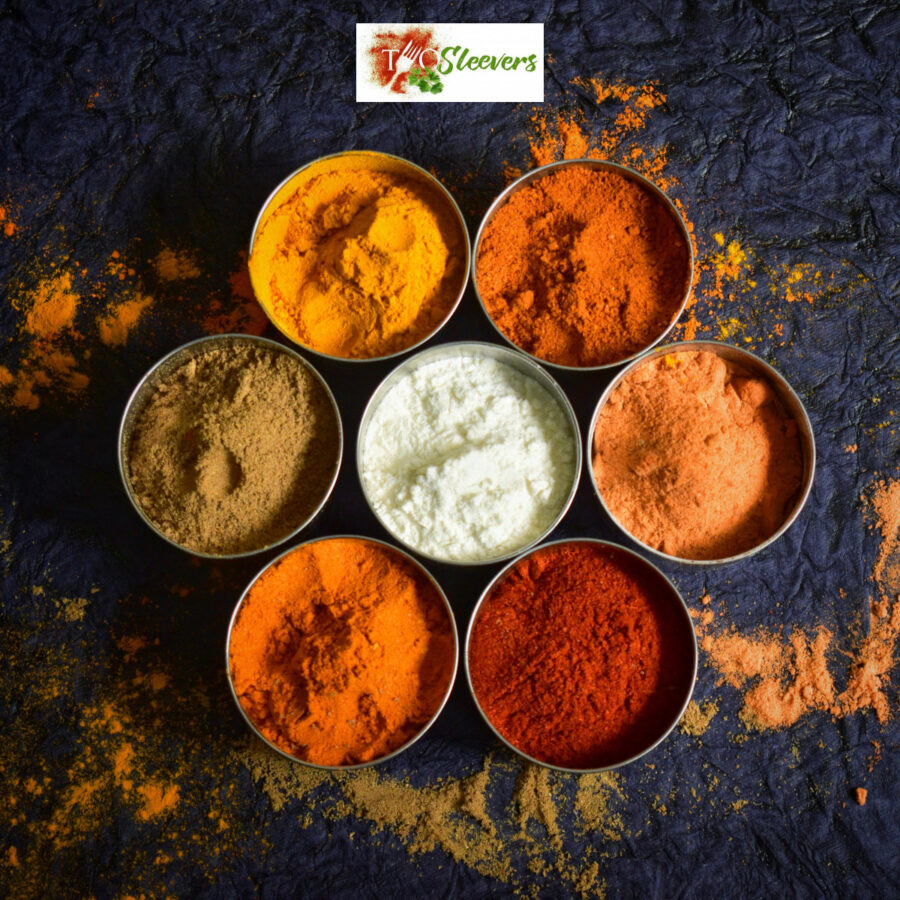
Indian cooking uses an enormous variety of whole spices, ground seasonings, regional masalas, aromatic pastes, and finishing spices. There is no single blend that defines all Indian food.
If you are new to this style of cooking, start with this guide to essential Indian spices for beginners.
Garam Masala
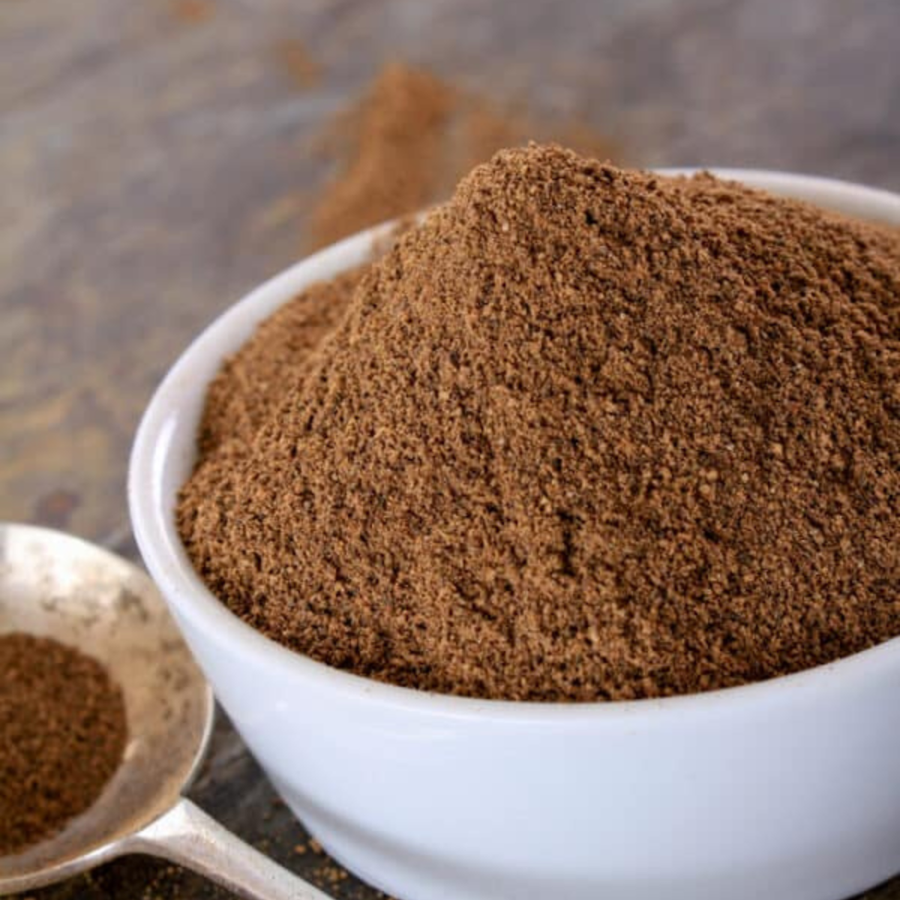
Garam masala is an aromatic Indian spice blend that may contain cumin, coriander, cardamom, cinnamon, cloves, peppercorns, bay leaves, dried chiles, and other spices.
It is frequently added near the end of cooking so its fragrance remains noticeable. However, some recipes use it earlier to season meat, lentils, or sauces.
Use garam masala in:
- Chicken curry
- Lentil dishes
- Roasted vegetables
- Marinades
- Rice dishes
- Soups and stews
- Ground meat recipes
If you are unsure how it differs from a general curry powder, read this guide to garam masala versus curry powder.
Punjabi Garam Masala
This Punjabi Garam Masala emphasizes warm, fragrant spices rather than chile heat.
It works particularly well in dishes such as chana masala, dal makhani, rajma, and other North Indian recipes.
Since spice blend formulas vary by region and household, Punjabi garam masala may taste different from the garam masala sold in an American grocery store.
Sambar Masala
Sambar Masala is a South Indian blend made with ingredients such as dried chiles, cumin, black pepper, fenugreek, curry leaves, coconut, chana dal, and urad dal.
The ingredients are lightly toasted, cooled, and ground into a fragrant powder. Cooling them completely is important because grinding hot ingredients can release moisture and create a paste.
Use this blend to make sambar, a flavorful lentil and vegetable dish commonly served with rice, idli, or dosa.
Maharashtrian Goda Masala
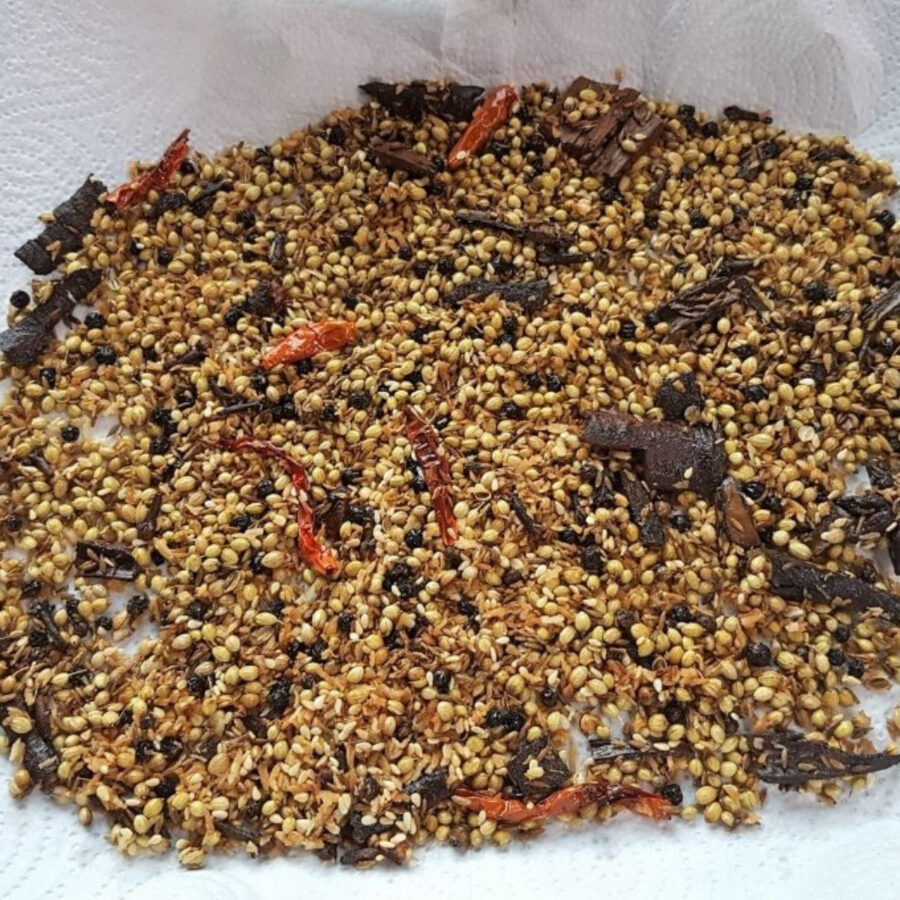
Maharashtrian Goda Masala is a regional Indian blend with a complex combination of toasted spices.
It is used in Maharashtrian dishes, including masale bhat, lentils, vegetables, and rice recipes. Compared with some Indian spice blends, goda masala can have a deeper toasted flavor and subtle sweetness.
Ginger Garlic Paste
While it is technically an aromatic paste rather than a dry seasoning blend, Ginger Garlic Paste is an essential shortcut for Indian cooking.
Use it to build flavor in curries, dals, marinades, soups, and stir-fries. Preparing a batch ahead of time eliminates the need to peel and mince fresh ginger and garlic for every recipe.
Middle Eastern Spice Blends
Middle Eastern seasoning blends often balance warm spices, savory ingredients, and subtle sweetness. They are excellent with lamb, beef, chicken, fish, grains, and roasted vegetables.
Shawarma Seasoning
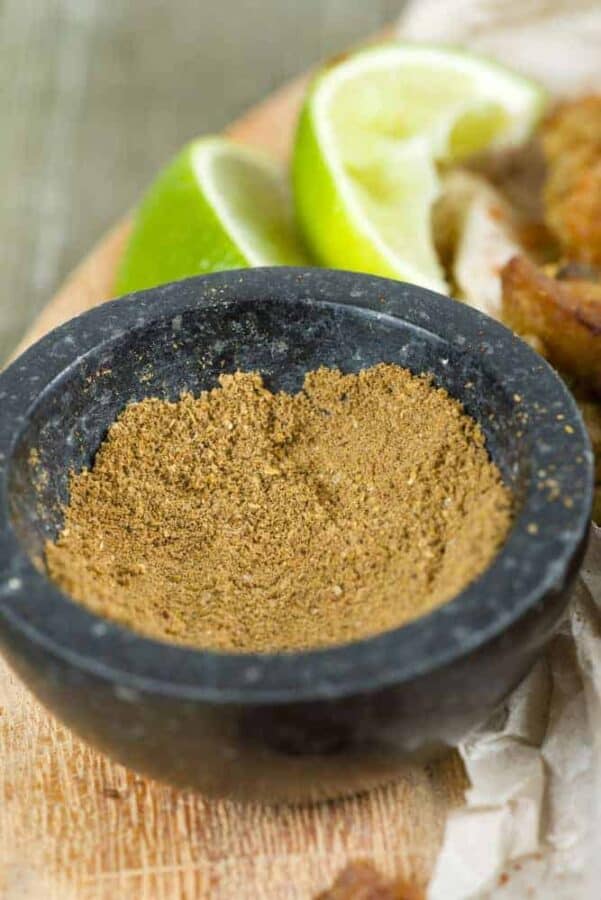
Shawarma Spice Blend combines warm, earthy, and aromatic seasonings that complement chicken, beef, lamb, vegetables, and rice.
Use it as a dry rub or combine it with oil and an acidic ingredient to create a marinade.
Try shawarma seasoning in:
- Beef Shawarma
- Chicken shawarma
- Ground beef and rice
- Roasted cauliflower
- Air fryer vegetables
- Chickpea bowls
- Grilled meat
Baharat
Baharat, sometimes called Lebanese seven spice, is a warm Middle Eastern blend that commonly includes ingredients such as black pepper, allspice, cinnamon, cloves, cumin, coriander, and nutmeg.
The exact formula varies, but the result is generally fragrant, savory, and gently sweet rather than intensely spicy.
Use it to season ground meat, kebabs, rice, roasted vegetables, lentils, and soups.
Kofta Seasoning
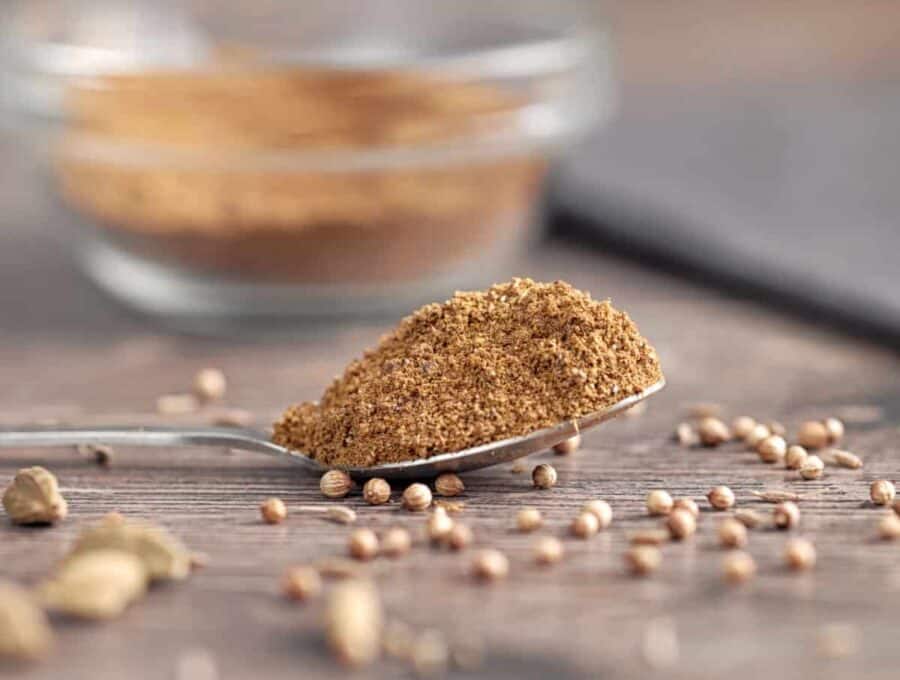
This Kofta Kebab Spice Mix combines coriander, cumin, peppercorns, allspice, cardamom, and turmeric.
Mix it into ground beef, lamb, chicken, or turkey before shaping the meat into patties, meatballs, or kebabs.
It also makes an excellent seasoning for grilled chicken, roasted vegetables, or fish.
Dukkah
Dukkah Seasoning is an Egyptian mixture of nuts, seeds, herbs, and spices.
Unlike a finely ground seasoning powder, dukkah usually retains some texture. This makes it ideal for sprinkling over hummus, salads, yogurt, eggs, roasted vegetables, or bread dipped in olive oil.
Because the blend contains nuts and seeds, it does not store exactly like a standard dry spice mix. Keep it airtight and watch for signs of rancidity.
North African And East African Spice Blends
Ras El Hanout
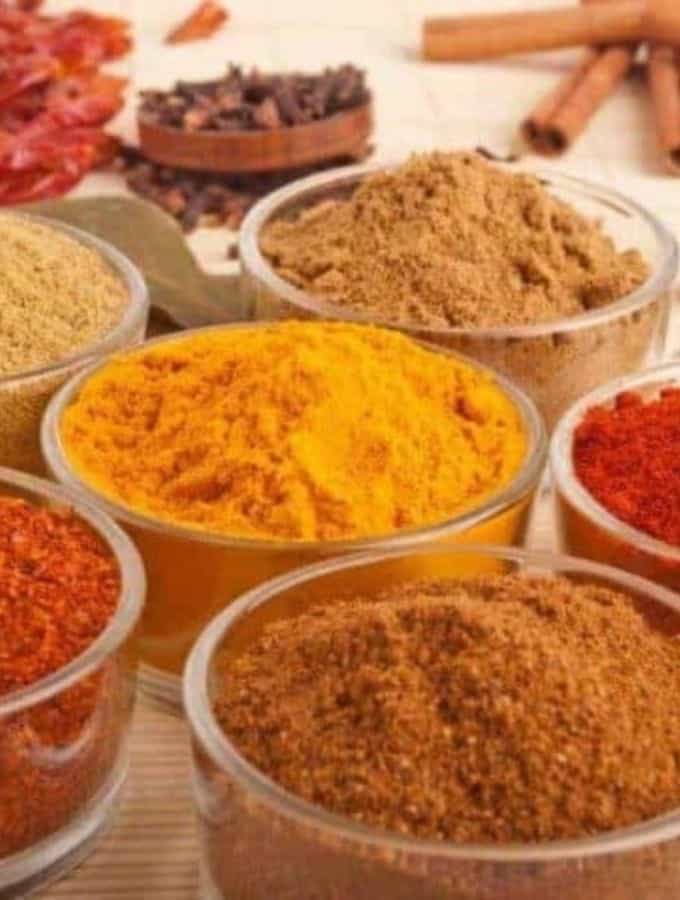
Ras El Hanout is a Moroccan spice blend that combines savory, aromatic, and gently sweet spices.
There is no single universal recipe. Different versions may include cardamom, cumin, coriander, ginger, turmeric, cinnamon, nutmeg, pepper, cloves, and saffron.
Use ras el hanout to season:
- Lamb
- Chicken
- Beef
- Couscous
- Chickpeas
- Roasted carrots
- Squash
- Cauliflower
- Soups and stews
It can be used for grilling, braising, roasting, pressure cooking, or air frying.
Berbere
Berbere is an Ethiopian seasoning blend known for its bold, spicy flavor. It commonly includes dried chiles, fenugreek, coriander, cumin, cardamom, cloves, cinnamon, and other aromatics.
The heat level varies by recipe. Use berbere in stews, lentils, chicken, roasted vegetables, and ground meat dishes.
You can find the homemade version in the TwoSleevers collection of international spice blend recipes.
North American And Mexican-Inspired Seasoning Blends
Cajun Seasoning
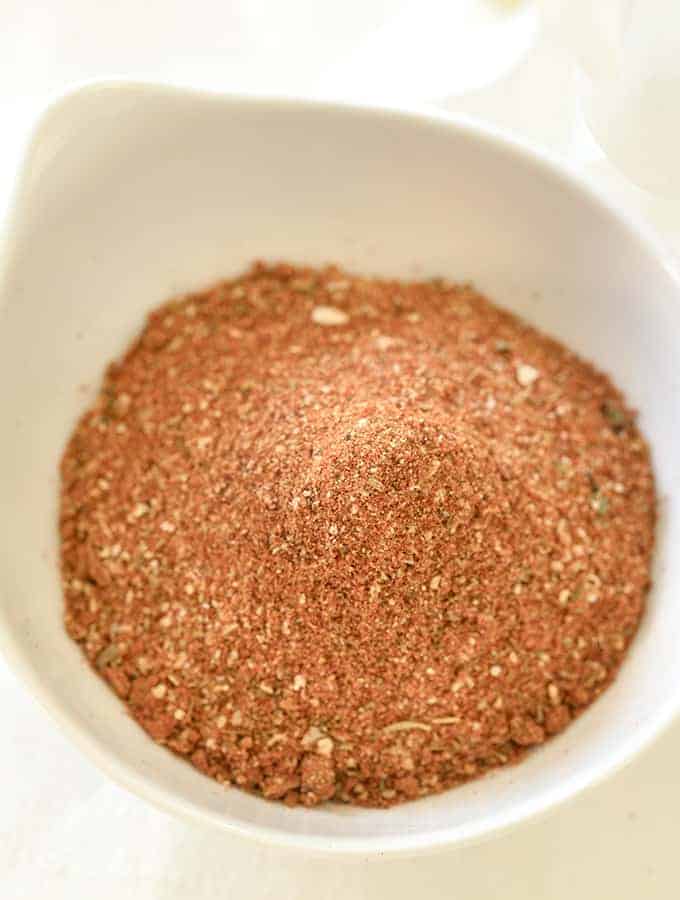
This Homemade Cajun Spice Mix combines herbs, smoked paprika, cayenne, garlic, black pepper, and other savory seasonings.
Use it with:
- Shrimp
- Sausage
- Chicken
- Fish
- Potatoes
- Rice
- Gumbo
- Jambalaya
- Roasted vegetables
Adjust the cayenne if you prefer a milder or hotter blend. You can also omit the salt to create a salt-free Cajun seasoning.
Taco Seasoning
Keto Taco Seasoning is a useful homemade alternative to packaged taco seasoning.
Use it with ground beef, chicken, turkey, fish, shrimp, tofu, cauliflower, or roasted vegetables. It works in tacos, burrito bowls, salads, casseroles, soups, and dips.
Making your own allows you to control the salt and avoid unnecessary fillers or added sugar.
Indian Sauces And Chutneys
Indian Green Chutney
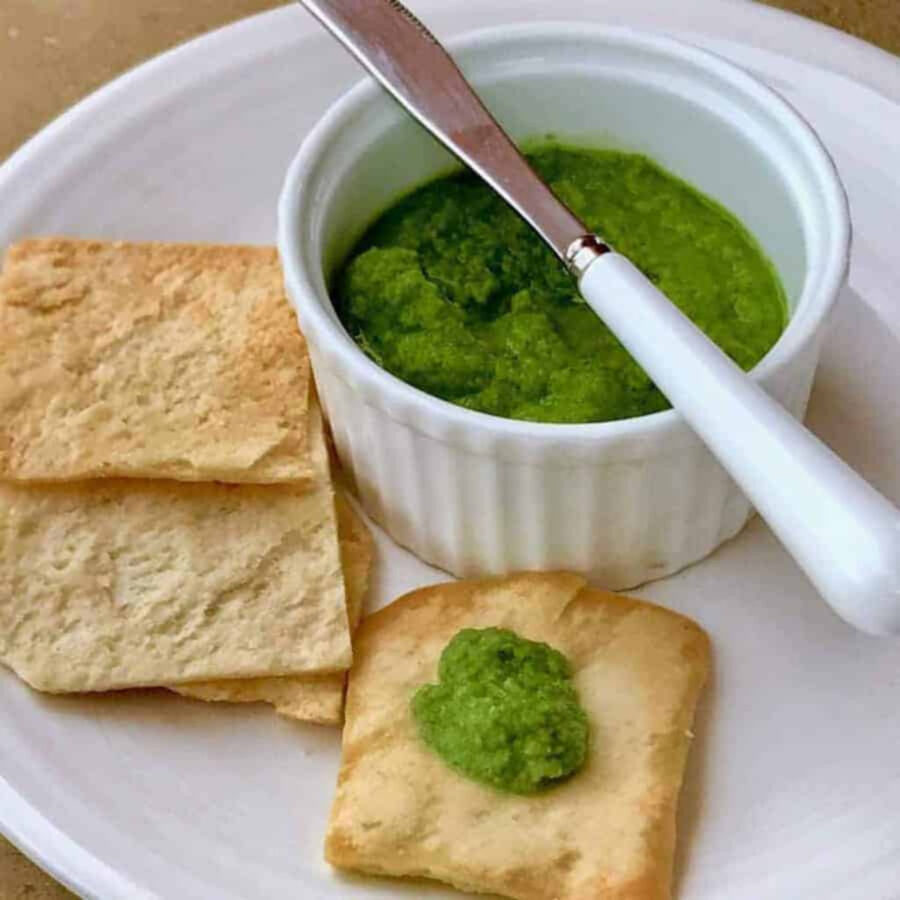
This Indian Green Chutney combines cilantro, mint, coconut, garlic, jalapeño, and lemon.
It is fresh, bright, and ready in about five minutes. Serve it with samosas, pakoras, grilled meat, sandwiches, fish, pita chips, or chicken nuggets.
It can also be used as a marinade or mixed with yogurt to create a creamy dip.
Tamarind Sauce
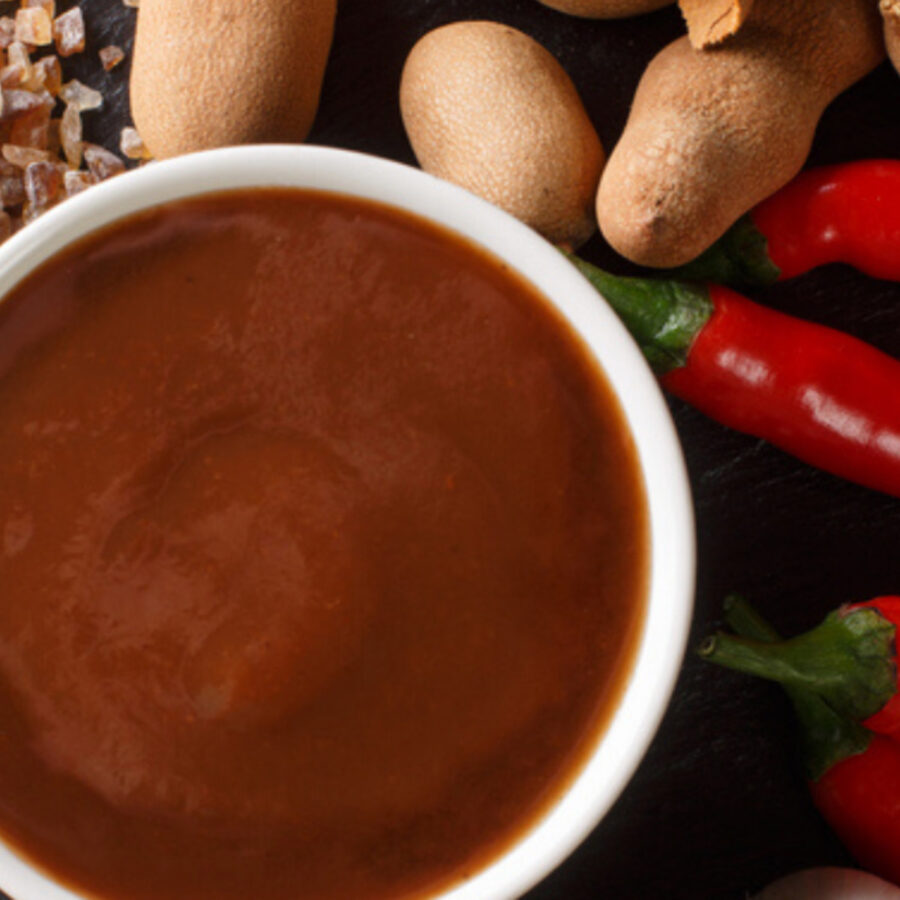
Tamarind Sauce balances tart tamarind with sweet, salty, and warmly spiced flavors.
Use it as:
- A samosa dipping sauce
- A glaze for meat
- Topping for chaat
- A dressing for grain bowls
- Sauce for roasted vegetables
- A condiment for appetizers
Tamarind products vary in strength, so taste the sauce and adjust the water, sweetener, and seasonings as needed.
Basic Indian Curry Sauce
This Basic Indian Curry provides a flexible sauce that can be paired with chicken, beef, pork, seafood, paneer, or vegetables.
Learning one adaptable curry sauce can help you build several different meals without starting from scratch every time.
For a deeper look at how different curries are constructed, read this guide to Indian curry types.
Indian Onion Masala
Onion masala is a concentrated mixture of onions, tomatoes, ginger, garlic, and spices. Preparing it ahead of time gives you a flavorful base for curries, dals, beans, rice, and soups.
Find the recipe in the TwoSleevers spice blend collection, then portion and freeze it for quick meals.
Thai And Southeast Asian Sauces
Thai Peanut Sauce
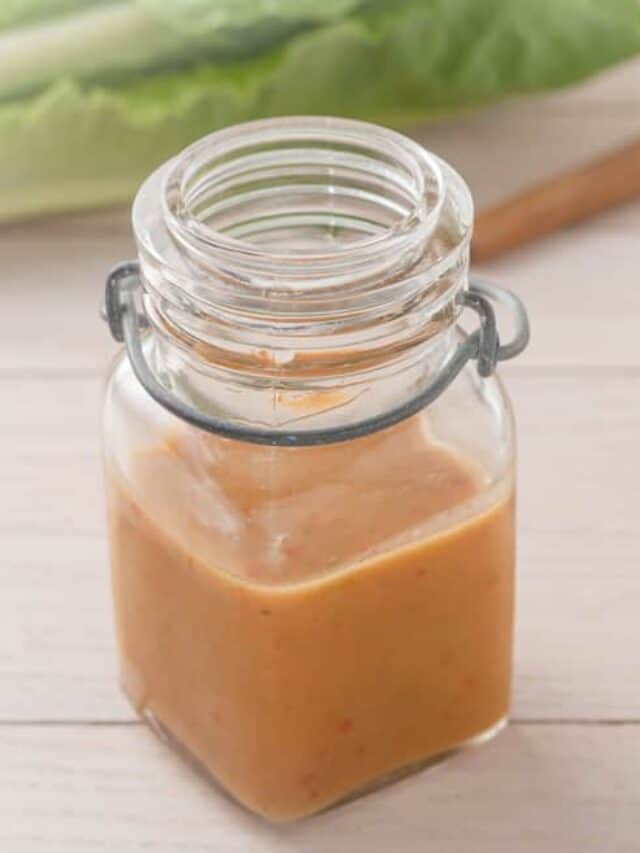
This Thai Peanut Dressing combines creamy peanut butter with savory, sweet, tangy, and spicy ingredients.
Use it as a dressing, dipping sauce, marinade, or finishing sauce for:
- Grilled chicken
- Tofu
- Noodles
- Lettuce wraps
- Salads
- Spring rolls
- Roasted vegetables
- Rice bowls
For an easy dinner that puts this flavor combination to work, try Air Fryer Thai Peanut Chicken.
Bang Bang Sauce
Bang Bang Sauce is a creamy mixture of mayonnaise, Thai sweet chili sauce, sriracha, and garlic.
Serve it with shrimp, chicken, fish, vegetables, fries, tacos, sandwiches, or rice bowls. Adjust the sriracha to control the heat.
Korean-Inspired Sauces
Gochujang Mayonnaise
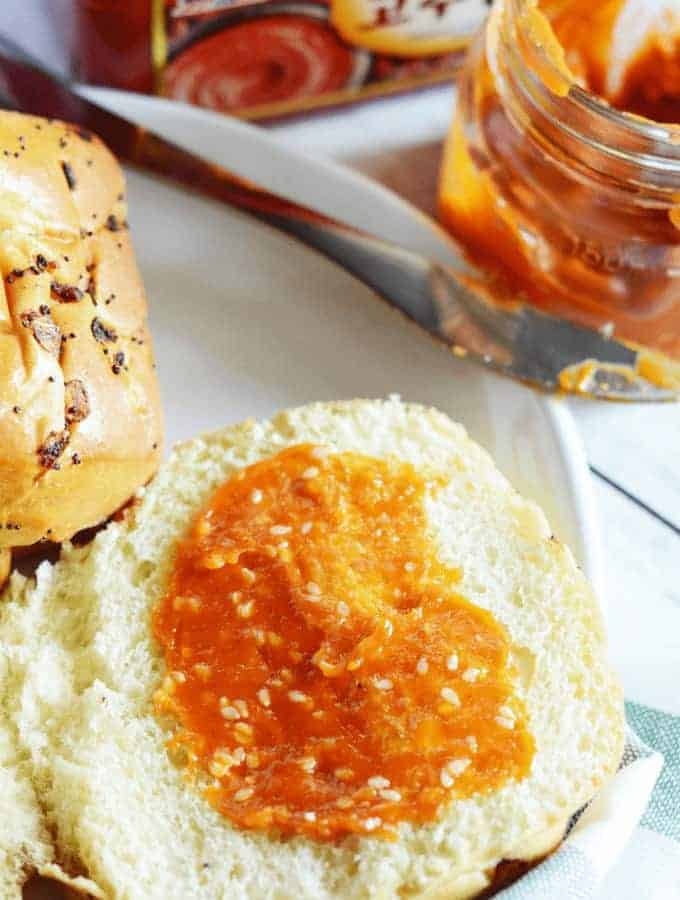
This Spicy Korean Mayonnaise combines mayonnaise, gochujang, sesame oil, sesame seeds, and green onions.
Gochujang is a fermented Korean chile paste with a combination of heat, sweetness, and savory flavor. Different brands are available in different spice levels.
Use gochujang mayonnaise on:
- Burgers
- Sandwiches
- Wraps
- Rice bowls
- Fries
- Grilled chicken
- Vegetables
- Sushi-inspired dishes
Gochujang has a distinctive fermented flavor, so substituting another hot sauce will change the final result.
Japanese Sauces
Japanese BBQ Sauce
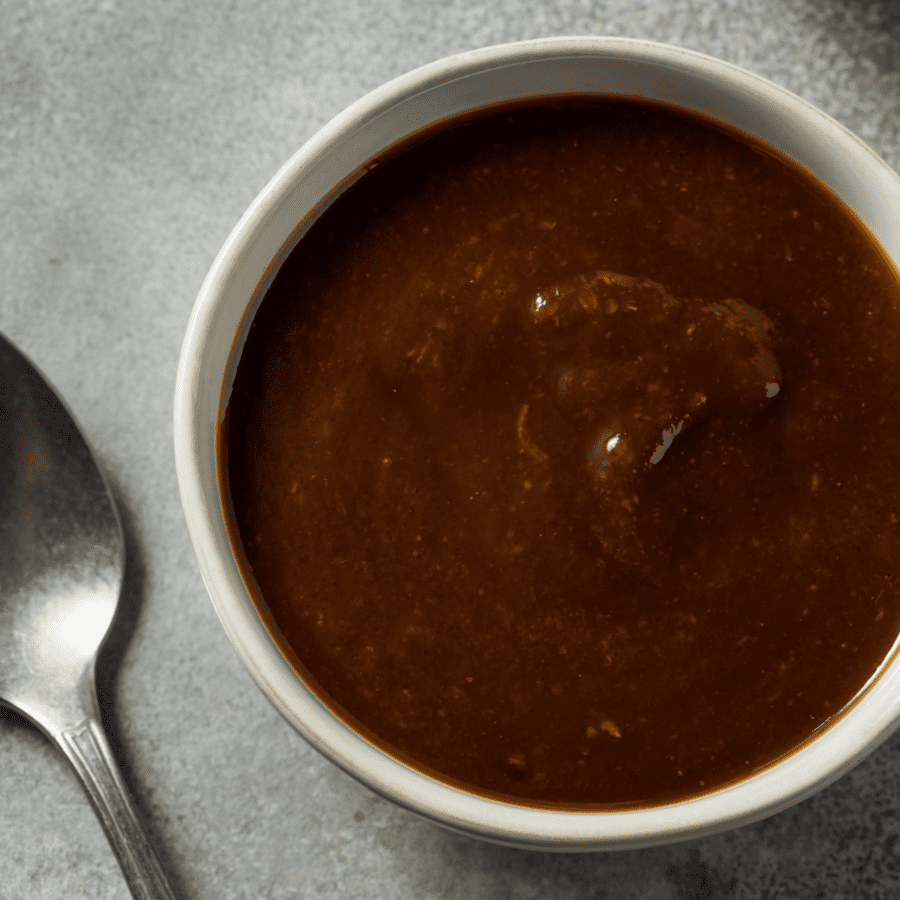
Also known as yakiniku sauce, Japanese BBQ Sauce is sweet, savory, and packed with umami.
It can be used as a dipping sauce, marinade, or glaze for grilled meat, seafood, vegetables, stir-fries, and rice bowls.
Since the sauce contains sugar, apply it near the end of grilling to reduce the risk of burning.
Potsticker Sauce
This Potsticker Sauce combines salty, tangy, savory, and slightly sweet flavors.
Use it with dumplings, egg rolls, lettuce wraps, noodles, vegetables, tofu, or grilled meat. Add chile oil or red pepper flakes if you prefer a spicier dipping sauce.
Mexican-Inspired Sauces
Salsa Roja
Salsa Roja is a red tomato-based Mexican salsa made with chiles, garlic, and seasonings.
Roasting or charring the ingredients creates deeper flavor. Use salsa roja with tacos, eggs, grilled meat, enchiladas, tortilla chips, burrito bowls, and roasted vegetables.
Baja Sauce
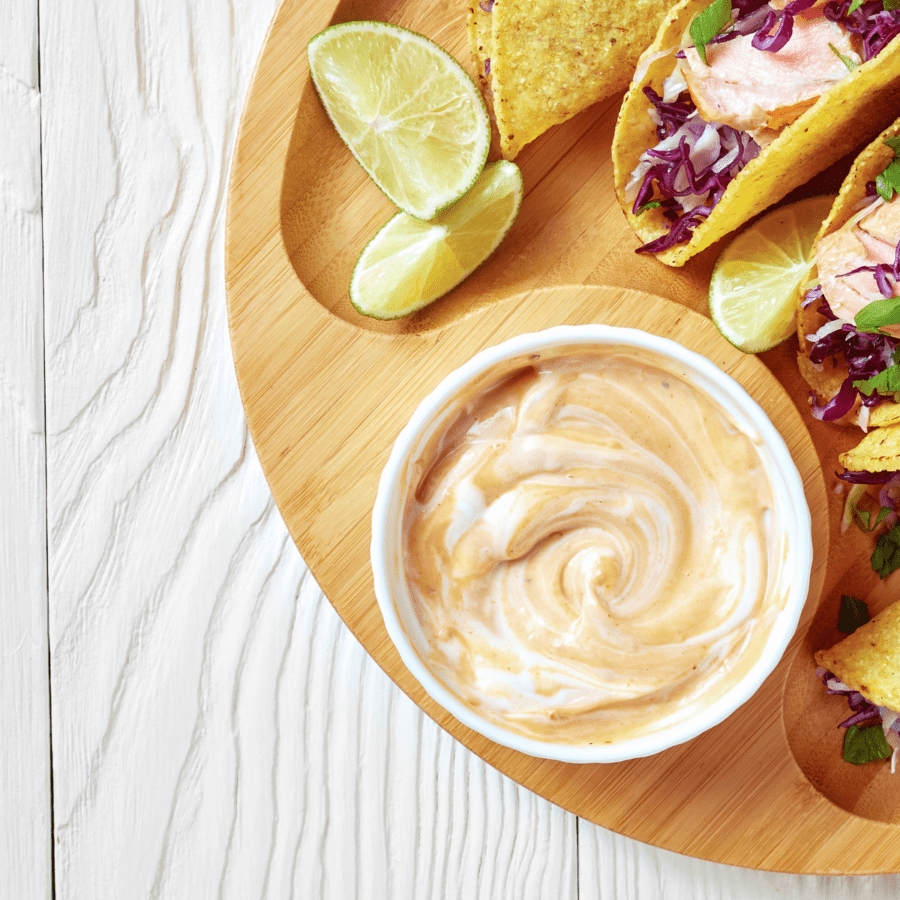
Baja Sauce is a creamy, seasoned sauce that works especially well with Mexican-inspired meals.
Add it to:
- Fish tacos
- Shrimp tacos
- Burritos
- Taco salads
- Burgers
- Sandwiches
- Grilled chicken
- Roasted vegetables
Increase the chile powder or add cayenne when you want additional heat.
Mediterranean And Herb Sauces
Cilantro Pesto
This Cilantro Pesto can be used as a marinade, cooking sauce, sandwich spread, dip, or finishing sauce.
Serve it with grilled meat, fish, vegetables, eggs, bread, or cauliflower rice. Its fresh herbs and bold seasonings can brighten rich or smoky foods.
Tzatziki
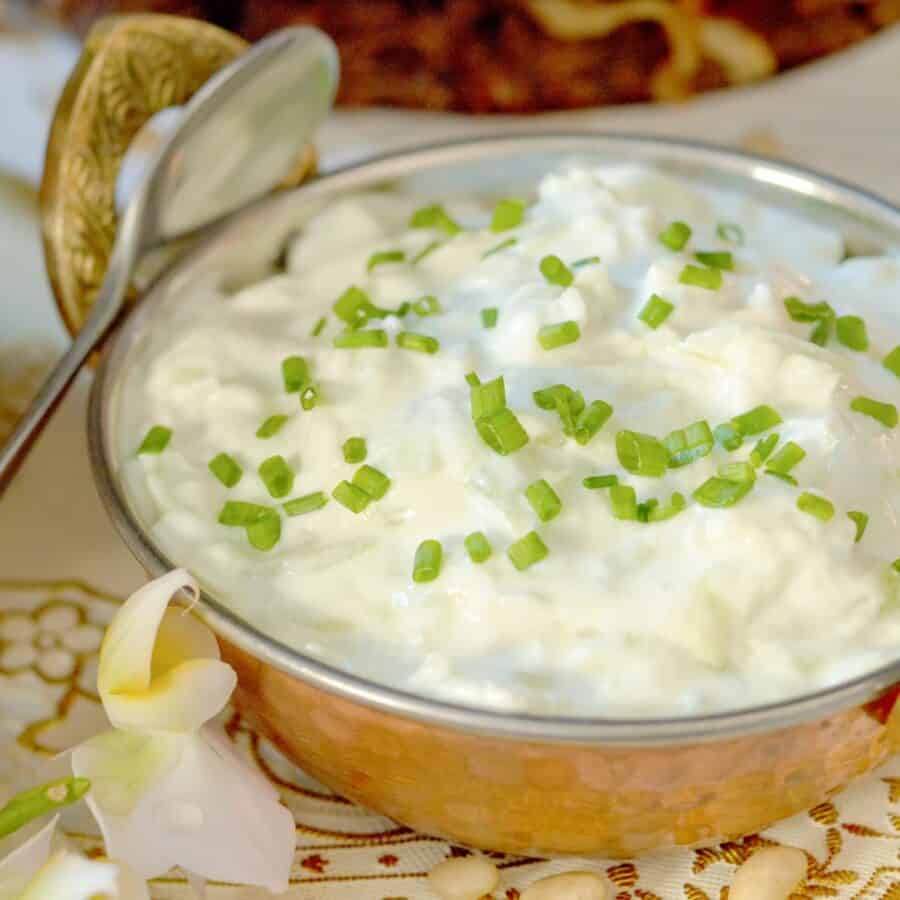
Tzatziki is a cool, creamy sauce traditionally made with yogurt, cucumber, garlic, lemon, salt, and herbs.
Serve it with gyro meat, shawarma, kebabs, vegetables, pita, grilled chicken, or lamb. For a complete meal, pair it with Beef Shawarma.
How To Use Spice Blends And Sauces
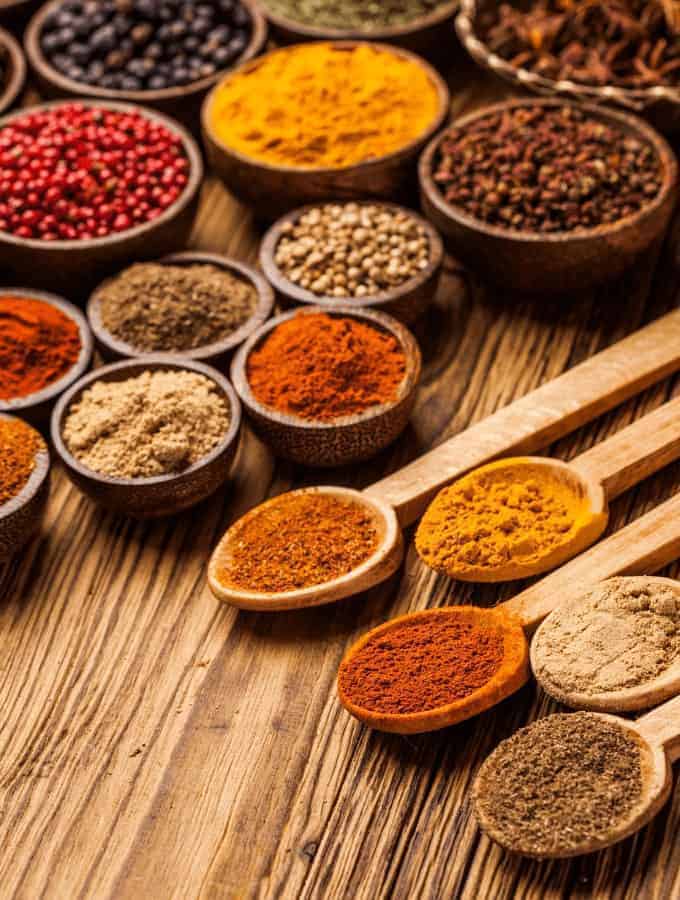
Use Spice Blends As A Dry Rub
Coat meat, seafood, tofu, or vegetables with a small amount of oil and your chosen seasoning blend before cooking.
This works particularly well for air frying, roasting, and grilling.
Turn A Spice Blend Into A Marinade
Combine a dry seasoning blend with oil and an acidic ingredient such as lemon juice, lime juice, vinegar, or yogurt.
The amount of salt and acid will depend on the food and how long you plan to marinate it.
Add Spices During Cooking
Some seasonings benefit from being cooked briefly in oil, butter, or ghee. This technique helps release aromatic compounds and distribute flavor throughout the dish.
Learn more about the process in this guide to blooming and tempering Indian spices.
Avoid cooking ground spices over high heat for too long because they can burn and become bitter.
Use Sauces For Finishing
Fresh chutneys, creamy condiments, herb sauces, and dipping sauces often taste best when added after cooking.
A finishing sauce adds moisture, acidity, freshness, or cooling flavor to rich and spicy foods.
Create A Sauce Bar
When serving grilled meat, vegetables, or appetizers, offer several sauces with different flavor profiles:
- One creamy sauce
- One spicy sauce
- One fresh herb sauce
- One sweet and tangy sauce
This allows everyone to customize the meal.
Tips And Tricks
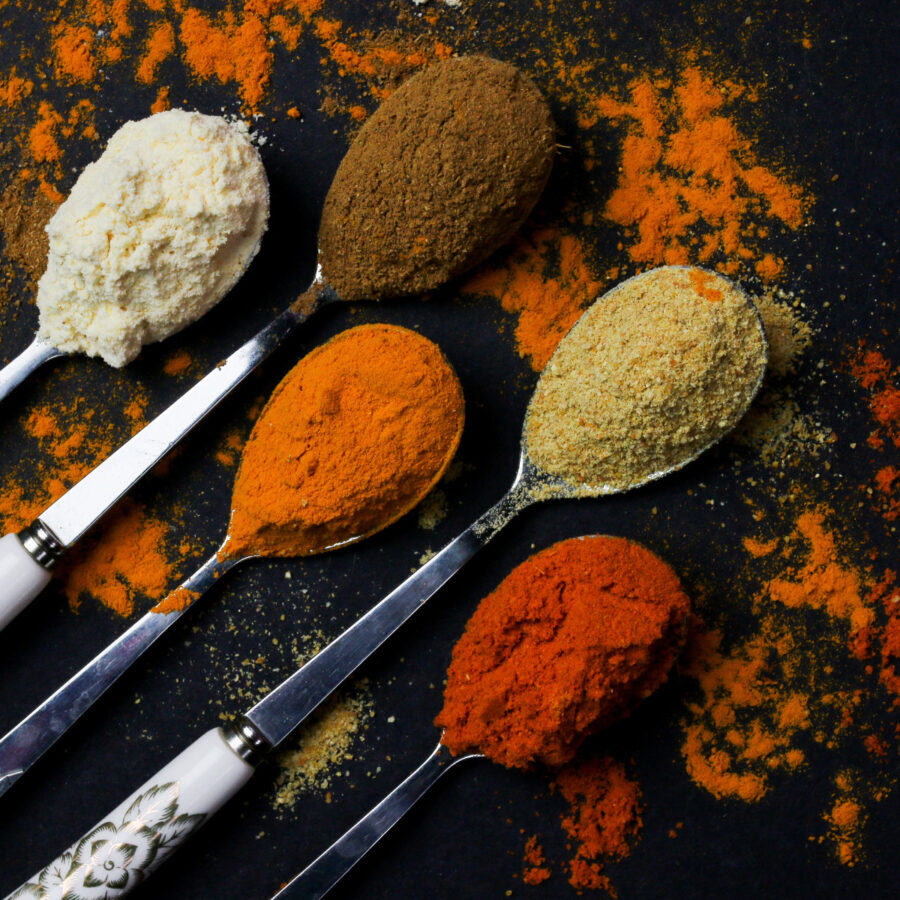
Start With Fresh Spices
Ground spices lose aroma over time. For the best flavor, replace old, dull-smelling spices and purchase whole spices when practical.
Toast Carefully
Some recipes call for toasting whole spices, nuts, seeds, or lentils before grinding. Toast them only until fragrant and stir frequently to prevent burning.
Follow the tested recipe because not every spice blend requires toasting.
Cool Before Grinding
Allow toasted ingredients to cool completely before placing them in a spice grinder. Grinding hot ingredients can trap steam and create an uneven or pasty mixture.
Label Everything
Write the name and preparation date on each container. Several brown or red spice blends can look nearly identical once stored.
Make Small Batches
Homemade blends taste best while their aromas are still fresh. Unless you use a seasoning frequently, make a smaller batch rather than storing a large amount for years.
Taste Sauces Before Serving
Sauces can change as they rest. Taste for salt, acidity, sweetness, heat, and consistency before serving.
Check For Allergens
Global sauces may contain peanuts, tree nuts, sesame, soy, dairy, wheat, fish sauce, or shellfish ingredients. Check every label when cooking for someone with food allergies.
How To Store Homemade Spice Blends
Store dry spice blends in airtight containers away from heat, moisture, and direct sunlight.
Do not store them directly above the stove, where heat and steam can reduce quality. Use a clean, dry spoon instead of shaking a spice jar over a steaming pot.
Most dry blends remain safe longer than their most flavorful period. For the best results, follow the storage recommendation provided in each recipe and replace the blend when its aroma becomes weak or stale.
Blends containing nuts, seeds, coconut, or other high-fat ingredients may have a shorter shelf life than mixtures made only from dried ground spices.
How To Store Homemade Sauces
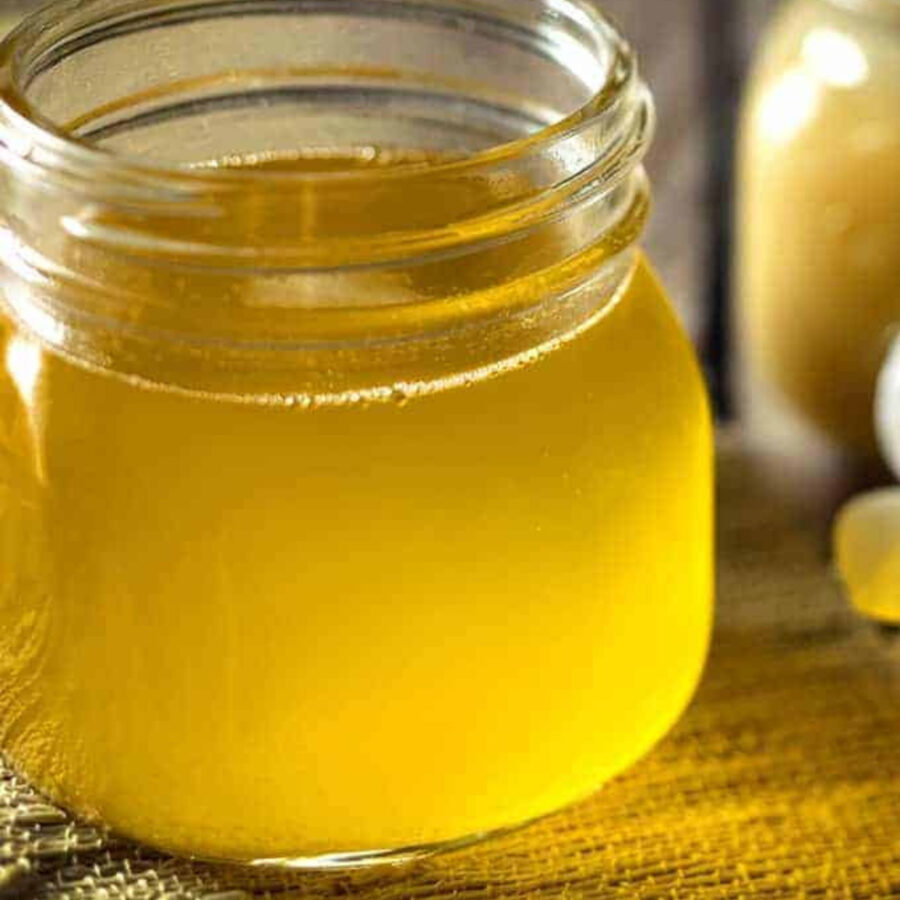
Storage time varies according to the ingredients, so follow the individual recipe instructions.
Use clean utensils, keep containers tightly sealed, and discard a sauce if you notice mold, fermentation, an unusual odor, or another sign of spoilage.
Some sauces and chutneys freeze well. Freeze them in small portions so you can thaw only what you need.
Frequently Asked Questions

Is It Cheaper To Make Your Own Spice Blends?
It can be, especially when you already have the individual spices. Homemade blends also allow you to make only the amount you need and control ingredients such as salt and sugar.
Specialty whole spices can be an initial investment, but they may be used across many recipes.
Do Homemade Spice Blends Taste Better?
Freshly prepared spice blends can have a stronger aroma and more distinct flavor than older store-bought mixes.
The final result depends on the quality and freshness of the individual spices.
Are Spice Blends And Seasoning Blends The Same?
The terms are often used interchangeably. However, a seasoning blend may include a significant amount of salt, while a spice blend may contain only spices and dried herbs.
Read the ingredient list before adding extra salt to a dish.
Can I Substitute One Global Spice Blend For Another?
Sometimes, but the flavor will change.
Ras el hanout and garam masala both contain warm aromatic spices, but they are associated with different cuisines and are not identical. Shawarma seasoning, baharat, Cajun seasoning, and berbere also have distinct flavor profiles.
Use substitutions when necessary, but do not expect the finished dish to taste exactly the same.
How Much Spice Blend Should I Use?
The ideal amount depends on the blend, food, and cooking method. Start with the quantity recommended in the recipe.
When seasoning without a recipe, begin conservatively and add more as needed. Remember that you can add seasoning, but it is difficult to remove.
What Is The Difference Between A Marinade And A Sauce?
A marinade flavors food before cooking. A sauce may be used during cooking or served with the finished dish.
Do not serve a marinade that has touched raw meat unless you boil it thoroughly according to food safety guidelines. It is often easier to reserve a clean portion before marinating.
How Do I Fix A Sauce That Is Too Spicy?
Depending on the sauce, add more of the base ingredient, dairy, coconut milk, nut butter, sweetener, or acid.
Do not add all of the corrective ingredient at once. Adjust gradually and taste between additions.
How Do I Fix A Sauce That Is Too Salty?
Dilute the sauce with more unsalted ingredients. Depending on the recipe, this may include water, broth, tomatoes, coconut milk, yogurt, or additional sauce ingredients.
Avoid relying on sugar alone because sweetness can mask salt without actually reducing it.
What Basic Spices Should I Keep In My Pantry?
A useful international spice pantry might include:
- Cumin
- Coriander
- Paprika
- Smoked paprika
- Turmeric
- Cinnamon
- Cardamom
- Cloves
- Black pepper
- Cayenne
- Garlic powder
- Onion powder
- Dried oregano
- Dried thyme
- Chile flakes
Build your collection gradually based on the cuisines you cook most often.
More Global Flavor Guides
If you enjoyed these global spices and sauce blends, explore:
- Homemade Spice Blend Recipes
- Spices And Sauces
- Essential Indian Spices For Beginners
- Indian Cooking Techniques Explained
- Garam Masala Versus Curry Powder
- Indian Curry Types Explained
- Best Instant Pot Curry Recipes
Homemade global spice blends and sauces make it possible to turn basic ingredients into exciting meals with very little additional effort. Start with one or two blends that fit the foods you already cook, then gradually explore new regions and flavor combinations. If you found this guide helpful, share it with your friends on Facebook and Pinterest so they can start exploring global flavors too.





Leave a Reply