
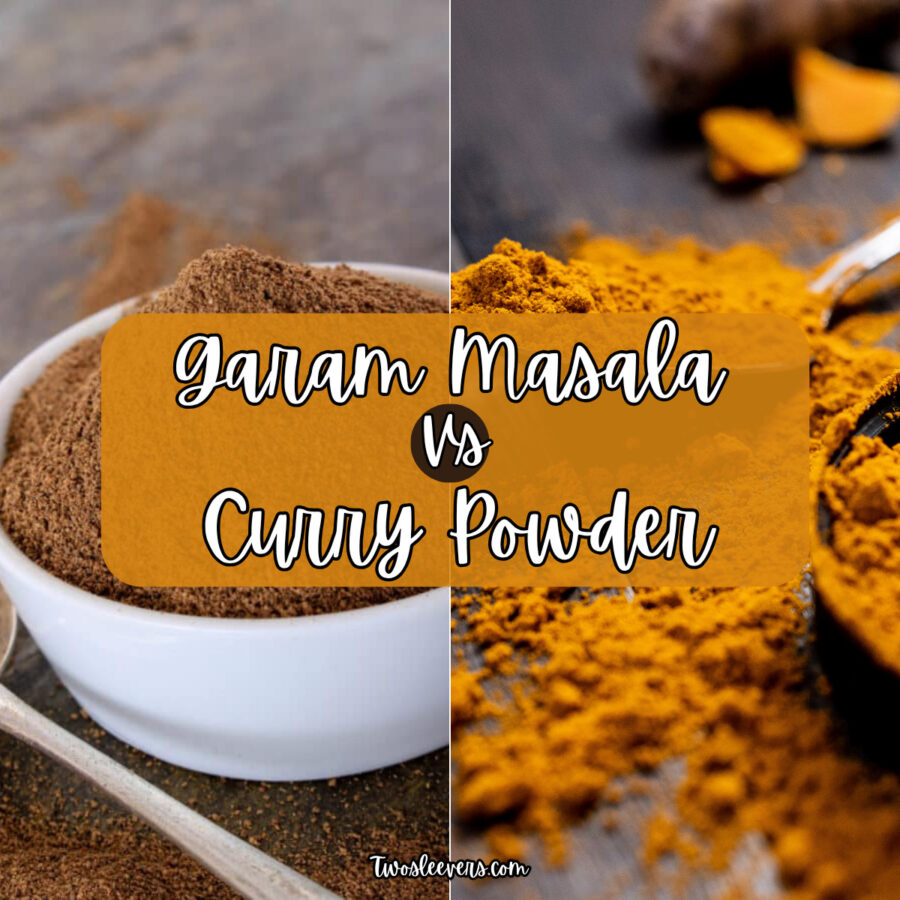
Garam masala and curry powder may sit beside each other in the spice aisle, but they are not interchangeable blends with different names. Garam masala is an aromatic Indian masala that varies by region and family, while generic curry powder is a standardized commercial-style blend usually dominated by turmeric, coriander, cumin, and other earthy spices.
Why You'll Love This Indian Spice Guide
- Informative. Understand the most important differences between garam masala and curry powder.
- Practical. Learn when to add each spice blend and how much to use.
- Beginner-Friendly. Choose the right seasoning without feeling overwhelmed by the spice aisle.
- Flexible. Find out when a substitution may work and when it will change the dish too much.
- Flavorful. Use each blend in a way that preserves its best aroma and taste.
If you are new to Indian cooking, the number of spice jars and blends can make a simple recipe look much more complicated than it is. Two of the most frequently confused blends are garam masala and curry powder.
Both can contain cumin, coriander, and other familiar spices. That overlap does not make them identical. Their typical ingredients, flavor profiles, colors, culinary histories, and uses are different.
Understanding those differences will make it easier to follow recipes accurately and create Indian food that tastes intentional rather than generically spiced.
For a broader introduction, start with Indian Cooking for Beginners and this guide to essential Indian spices.
What Is The Difference Between Garam Masala And Curry Powder?
Garam masala is a traditional Indian spice blend built around fragrant, warming spices. Its formula changes between regions, households, and individual dishes. Curry powder is a broad commercial category of blends developed to provide an all-purpose curry flavor, and many versions are heavily colored and flavored with turmeric.
Garam masala often contains spices such as cardamom, cinnamon, cloves, cumin, coriander, and bay leaves. Curry powder commonly contains turmeric, coriander, cumin, fenugreek, mustard, ginger, chile, or black pepper.
There is overlap, but the proportions and overall effect are not the same.
Garam masala generally tastes warm, aromatic, floral, sweet, and complex. Curry powder is usually earthier, more savory, and more turmeric-forward. Garam masala is often added near the end of cooking to preserve its aroma, while curry powder is normally cooked earlier so its spices can bloom and lose any raw flavor.
Garam Masala vs Curry Powder At A Glance
| Feature | Garam Masala | Curry Powder |
|---|---|---|
| What it is | A family of Indian masala blends | A broad commercial category of spice blends |
| Typical flavor | Warm, fragrant, floral, sweet, and complex | Earthy, savory, warm, and sometimes bitter or hot |
| Typical color | Brown or reddish brown | Usually yellow or golden |
| Common ingredients | Cardamom, cinnamon, cloves, cumin, coriander, bay leaves, pepper | Turmeric, coriander, cumin, fenugreek, mustard, ginger, chile |
| Turmeric | Not always included | Commonly a major ingredient |
| Heat level | Aromatically warm, but not necessarily spicy hot | Mild to hot depending on the blend |
| When it is added | During cooking, near the end, or both | Usually earlier in cooking |
| How standardized it is | Varies widely by region, family, and recipe | Varies by brand, but marketed as an all-purpose blend |
| Primary use | Adds aroma and a finishing layer of complexity | Builds a general curry-style flavor and golden color |
| Directly interchangeable | No | No |
What Is Garam Masala?
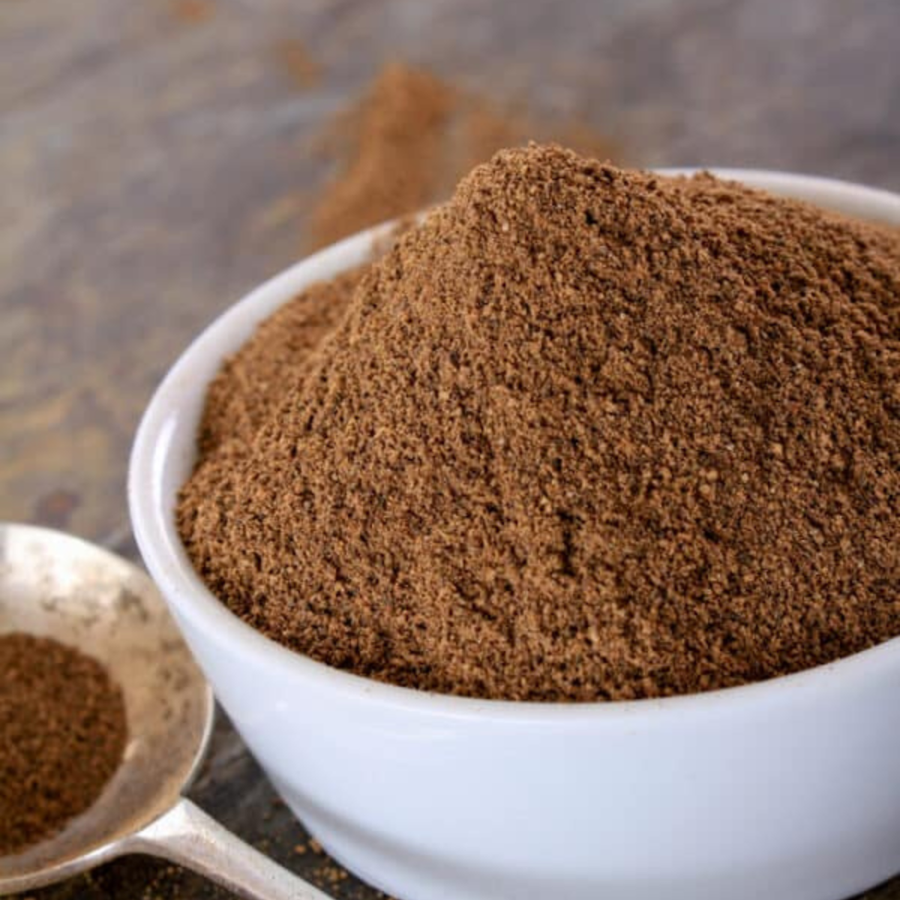
Garam masala is a ground mixture of aromatic spices used throughout Indian cooking. The name is commonly translated as “warming spice blend.” In this context, warming refers to the character of the spices, not necessarily chile heat.
There is no single authentic garam masala recipe that represents every region or household. A Punjabi garam masala blend may have a different balance from a South Indian blend. One family may emphasize cardamom and cinnamon, while another uses more cumin, coriander, black pepper, nutmeg, or mace.
That variation is part of what garam masala is. It is a category of blends rather than one rigid formula.
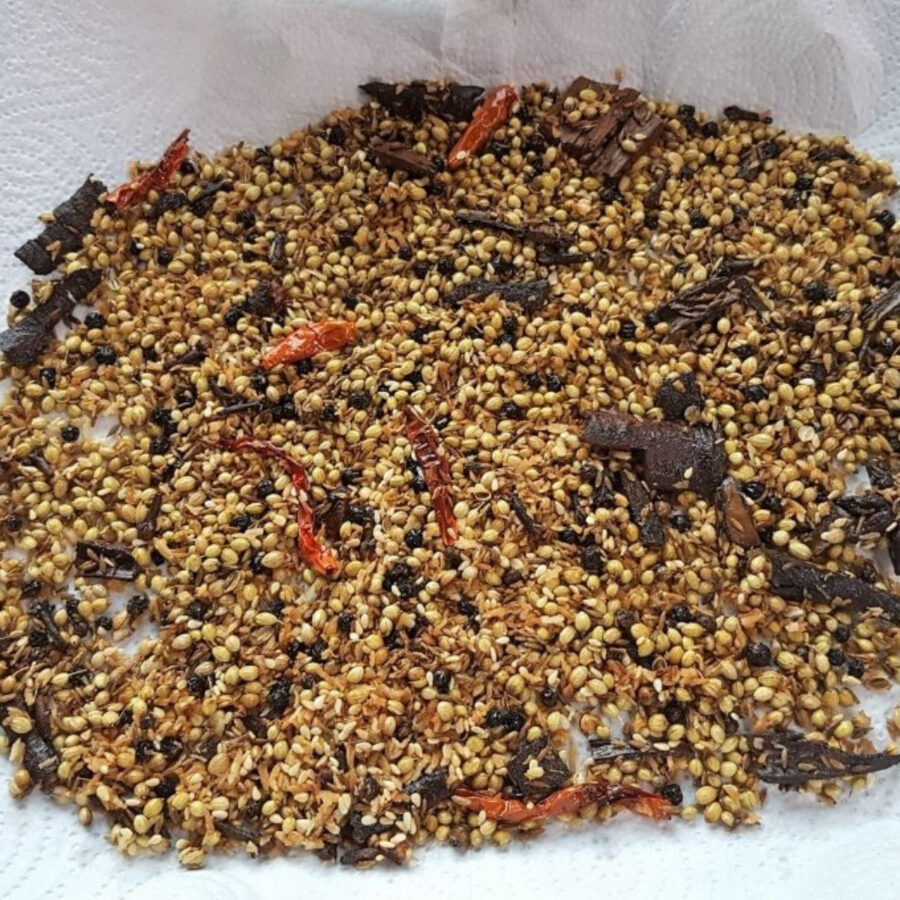
Our homemade garam masala combines coriander seeds, cumin seeds, cloves, cardamom seeds, bay leaves, dried red chiles, and cinnamon. It takes only about five minutes to prepare.
What Does Garam Masala Taste Like?
The exact flavor depends on the recipe, but garam masala generally tastes:
- Warm
- Aromatic
- Floral
- Earthy
- Lightly sweet
- Peppery or gently hot
- Complex
Cardamom can contribute a floral, citrusy aroma. Cinnamon and cloves add sweetness and warmth. Cumin supplies savory depth, while coriander adds an earthy citrus note.
Garam masala should not taste like one isolated spice. A well-balanced blend creates a layered aroma in which the ingredients support one another.
What Is In Garam Masala?
Common garam masala ingredients include:
- Coriander seeds
- Cumin seeds
- Green cardamom
- Black cardamom
- Cinnamon or cassia
- Cloves
- Black peppercorns
- Bay leaves
- Nutmeg
- Mace
- Fennel seeds
- Dried red chiles
Not every blend contains every ingredient. Turmeric is not a required garam masala ingredient, which is one reason the blend is usually brown rather than bright yellow.
For another regional example, compare the standard blend with this Punjabi Garam Masala.
Is Garam Masala Spicy?
Garam masala can taste warm and peppery, but it is not automatically spicy hot. The heat depends on whether the blend contains chiles, black pepper, or other pungent ingredients and how much is used.
Recipes commonly control chile heat separately with cayenne, Kashmiri chile powder, fresh chiles, or dried chiles. Reducing those ingredients will normally make a dish milder without sacrificing all of the aroma provided by garam masala.
What Is Curry Powder?
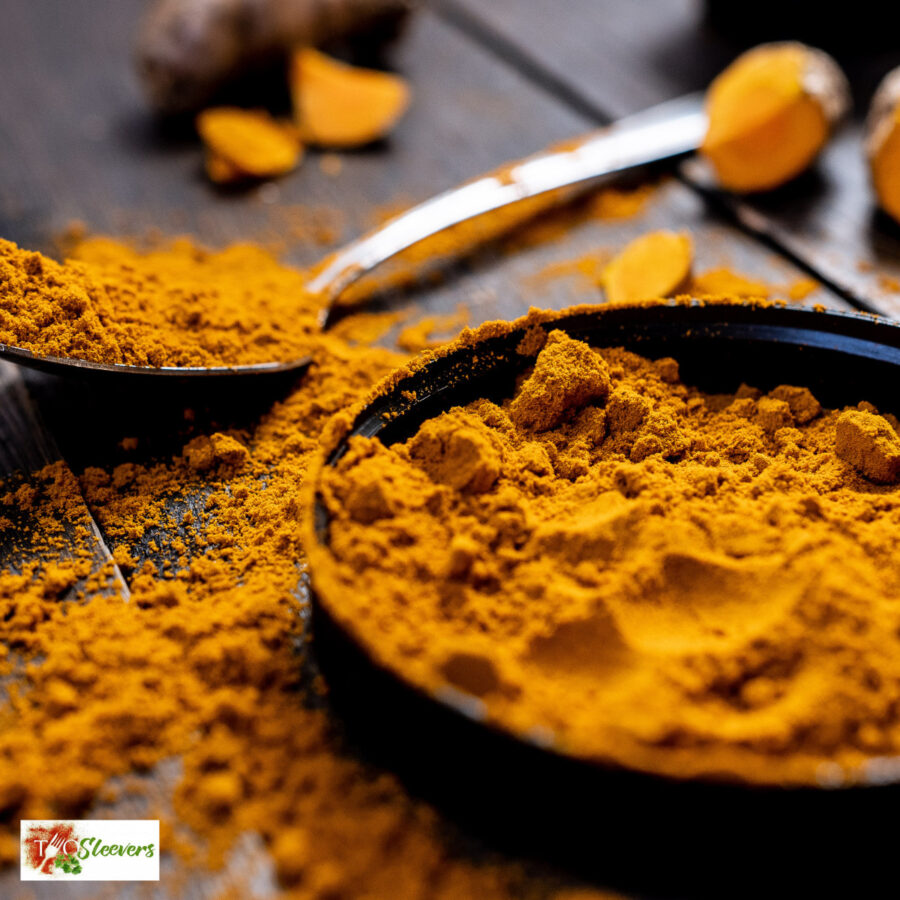
Curry powder is not one traditional Indian spice mixture used uniformly across India. It is a broad name applied to prepared blends intended to create a convenient, generalized curry flavor.
Commercial curry powders were shaped by British attempts to package the varied flavors of South Asian cooking into a single shelf-stable seasoning. As a result, curry powder is better understood as a product category than as one specific Indian masala.
Today, curry powders appear in many cuisines and differ considerably between countries, brands, and recipes. A mild yellow curry powder, Jamaican curry powder, and Madras-style curry powder will not taste identical.
Indian cooks more often use individual spices and dish-specific masalas, although curry powder may still appear in modern kitchens and recipes.
What Does Curry Powder Taste Like?
Generic curry powder usually tastes:
- Earthy
- Savory
- Turmeric-forward
- Slightly bitter
- Warm
- Mildly peppery or hot
The flavor depends heavily on the brand. Some blends are mild and dominated by turmeric and coriander. Others contain enough fenugreek, mustard, ginger, black pepper, or chile to taste pungent and hot.
What Is In Curry Powder?
Common curry powder ingredients include:
- Turmeric
- Coriander
- Cumin
- Fenugreek
- Mustard seed
- Ginger
- Black pepper
- Chile powder
- Garlic
- Fennel
- Cinnamon
- Cardamom
- Cloves
There is no universal formula. Check the ingredient label rather than assuming two brands will taste the same.
Turmeric is frequently one of the first ingredients, which accounts for curry powder's recognizable yellow color. It can also make the blend taste bitter if too much is used or if the powder is not cooked properly.
Is Garam Masala The Same As Curry Powder?
No. Garam masala and curry powder are both mixtures of ground spices, but they serve different purposes.
Garam masala usually emphasizes fragrant spices and is closely associated with Indian cooking traditions. Curry powder usually emphasizes earthy spices and turmeric and was designed as a broad, convenient seasoning.
The two blends may share cumin, coriander, cinnamon, cardamom, or cloves. Ingredient overlap does not make them equivalent, just as two sauces containing tomatoes are not necessarily interchangeable.
The Most Important Differences
Ingredients
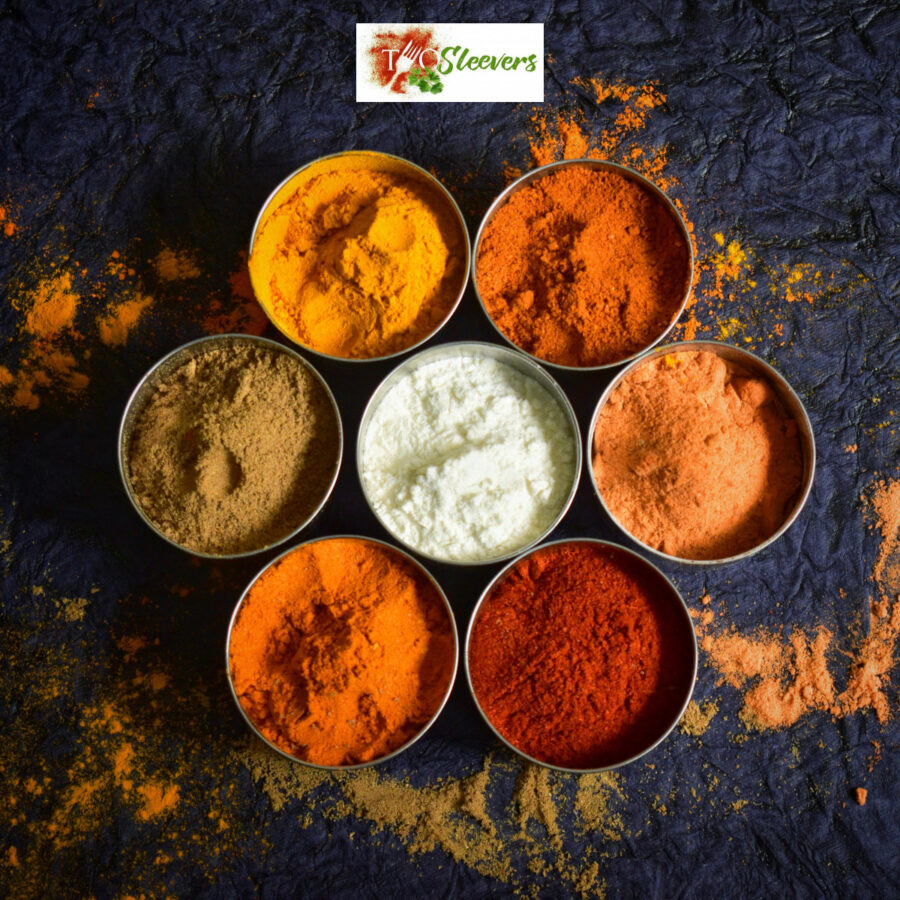
Garam masala often emphasizes cardamom, cinnamon, cloves, cumin, and coriander. Curry powder commonly emphasizes turmeric, coriander, cumin, fenugreek, and mustard.
Color
Garam masala is typically brown. Curry powder is often bright yellow or golden because it contains a substantial amount of turmeric.
Flavor
Garam masala is aromatic, fragrant, and warming. Curry powder tends to be earthy, savory, and turmeric-forward.
Culinary Origin
Garam masala belongs to a diverse family of Indian spice mixtures with regional and household variations. Generic curry powder developed as an attempt to condense many South Asian flavors into one convenient blend.
Cooking Time
Curry powder usually benefits from being cooked in oil near the beginning of a recipe. Garam masala may be used during cooking, near the end, or in both stages, depending on the dish.
Purpose
Curry powder often supplies the principal spice profile and color. Garam masala frequently supplies a final aromatic layer on top of spices that are already in the dish.
When Should You Add Garam Masala?
The correct timing depends on the recipe.
Garam masala may be:
- Added to the sauce during cooking
- Divided between the beginning and end
- Stirred in during the final few minutes
- Sprinkled over a finished dish in a very small amount
Adding some near the end preserves volatile aromas that would fade during a long simmer. For example, Instant Pot Butter Chicken cooks with garam masala and reserves an additional amount for finishing the sauce.
Do not automatically add extra garam masala to every Indian dish. Follow the tested recipe because the blend needs to work with the individual spices already present.
When Should You Add Curry Powder?
Curry powder is generally added earlier so it can bloom in oil and cook with the aromatics. This softens raw, dusty flavors and distributes the seasoning throughout the dish.
A common order is:
- Heat the oil.
- Cook whole spices if the recipe uses them.
- Cook the onions, ginger, and garlic.
- Add curry powder and cook briefly until fragrant.
- Add tomatoes, broth, coconut milk, or another moist ingredient before the powder burns.
Ground spice blends cook quickly. Keep the next ingredient ready and lower the heat if the pan is very hot.
For more detail, learn how to bloom and temper Indian spices.
Can You Substitute Garam Masala For Curry Powder?
You can sometimes use garam masala when curry powder is unavailable, but it will not produce the same flavor or color.
Garam masala lacks the strong turmeric base found in many curry powders. It may make the dish more floral and aromatic but less earthy and less yellow.
For a closer emergency substitution for 1 teaspoon of mild curry powder, try:
- 1/2 teaspoon ground coriander
- 1/4 teaspoon ground cumin
- 1/8 teaspoon turmeric
- 1/8 teaspoon garam masala
This is only a general starting point. The right substitute depends on the recipe and the curry powder it was designed to use.
If the dish comes from a cuisine with its own specific curry powder, such as Jamaican or Japanese curry, use the intended blend rather than replacing it with garam masala.
Can You Substitute Curry Powder For Garam Masala?
Curry powder is usually not a good one-for-one substitute for garam masala. The turmeric can change the dish's color, and its earthy flavor may overwhelm the floral and warming notes the recipe needs.
If a recipe calls for garam masala and no alternative is available, use a small amount of curry powder only if you are comfortable changing the final flavor. Start with half the quantity and taste before adding more.
A better simple substitute for 1 teaspoon of garam masala is approximately:
- 1/2 teaspoon ground cumin
- 1/4 teaspoon ground coriander
- 1/8 teaspoon ground cinnamon
- A small pinch of ground cardamom and cloves
This will not perfectly recreate a regional garam masala, but it better reflects the blend's warm aromatic character than a turmeric-heavy curry powder.
Can You Use Garam Masala And Curry Powder Together?
Yes, a recipe can use both blends when each has a clear purpose. Curry powder may form the earthy base while garam masala adds fragrance near the end.
Using both does not automatically make a dish more authentic or more flavorful. Because the blends may contain overlapping spices, careless amounts can create a muddy, bitter, or over-seasoned result.
Follow a tested recipe or begin with conservative quantities. Taste after the spices have had enough time to cook before adding more.
Which One Is Better For Indian Cooking?
For most Indian recipes on Twosleevers, garam masala and individually measured spices are the better choice because they provide more control and preserve the identity of the dish.
Indian curries are not meant to taste exactly alike. Korma, vindaloo, saag, dal, and tikka masala use different ingredients and techniques. A single generic curry powder cannot reproduce every style.
Read Indian Curry Types Explained to understand how sauces and seasonings vary between popular dishes.
Curry powder is still useful when a particular recipe calls for it, when cooking a cuisine that has developed its own curry blend, or when convenience matters more than reproducing a specific regional flavor.
The best option is the blend intended for the recipe you are making.
Recipes That Use Garam Masala
Once you have a fresh batch of garam masala, use it in recipes where its fragrance can support the sauce rather than dominate it.
Instant Pot Butter Chicken
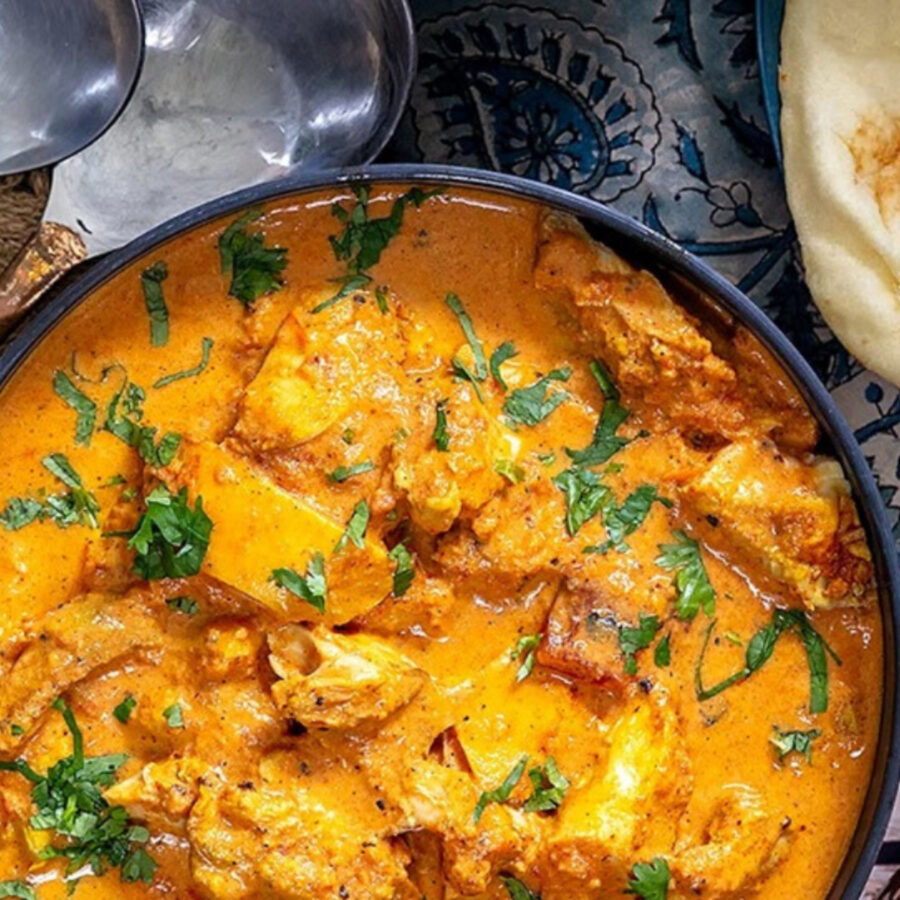
Instant Pot Butter Chicken combines tomatoes, aromatics, spices, butter, and cream. Garam masala appears in the cooking sauce and again as a finishing spice.
Chicken Vindaloo
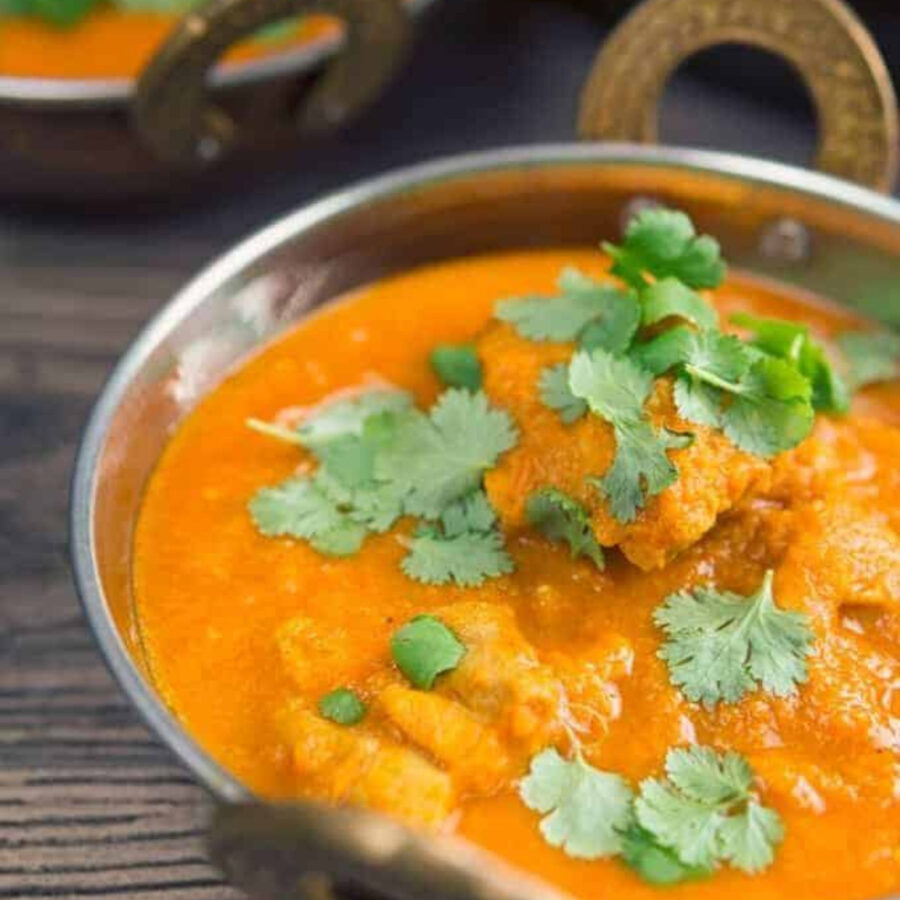
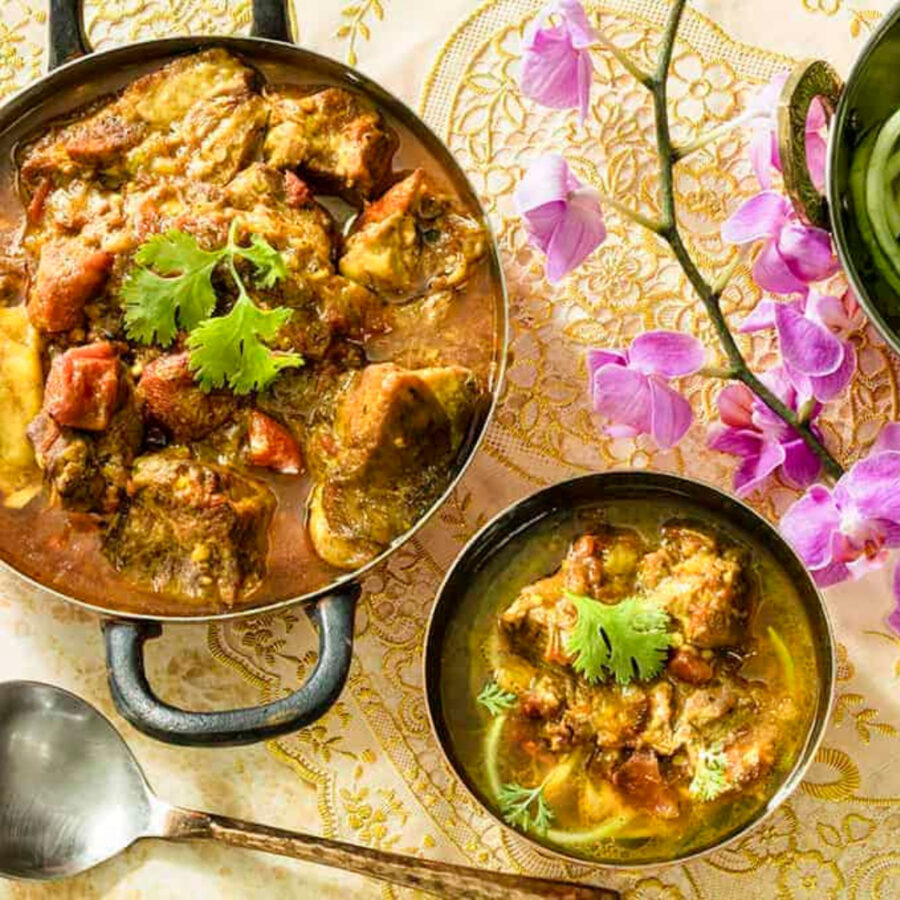
Chicken Vindaloo uses garam masala with cumin, coriander, turmeric, cayenne, vinegar, garlic, and tomatoes to create a spicy, tangy curry.
Basic Indian Curry
Basic Indian Curry demonstrates how garam masala and individual spices work with onions, ginger, garlic, and tomatoes to build a flexible curry sauce.
Chicken Korma
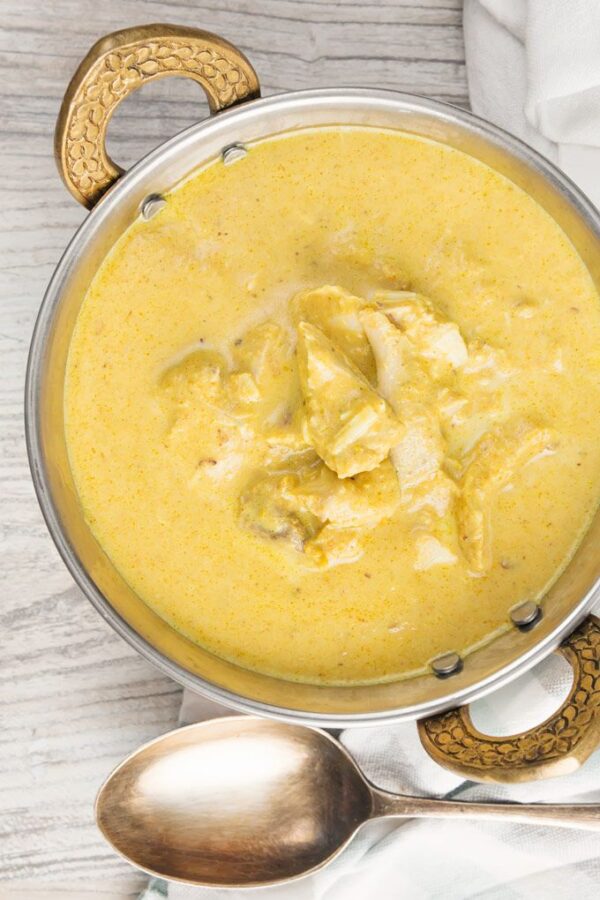
Chicken Korma combines warm spices with cashews and coconut milk for a mild, creamy curry.
Vegetarian Butter Chicken
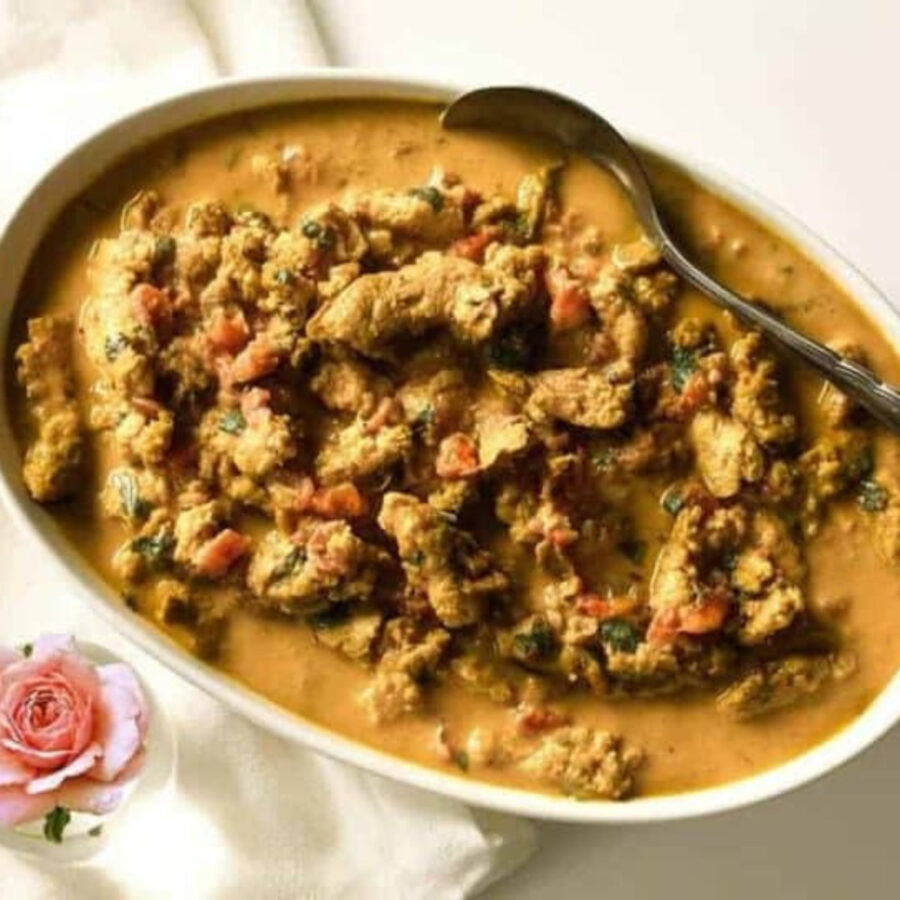
Vegetarian Butter Chicken uses soy curls to absorb a creamy tomato sauce seasoned with garam masala.
Browse the Indian recipe index for even more ways to use your spice collection.
How To Choose A Good Spice Blend
Read The Ingredient List
The front label does not tell you enough. Look at the ingredients and their order. A curry powder with turmeric listed first will taste and behave differently from one led by coriander.
Consider The Recipe
Use an Indian garam masala for a recipe that specifically calls for it. Use Jamaican curry powder for a Jamaican recipe and Japanese curry powder for a Japanese recipe. The word curry does not make these products interchangeable.
Smell The Blend
Fresh spices should smell vivid as soon as the container opens. If the powder smells faint, dusty, musty, or rancid, it will not improve your food.
Buy Small Quantities
Ground blends lose fragrance faster than whole spices. Buy an amount you can reasonably use while it is still aromatic.
Make Garam Masala At Home
Homemade garam masala lets you control the ingredients and grind only what you need. It also makes it easier to recognize how individual spices contribute to the finished blend.
The Twosleevers garam masala recipe intentionally uses untoasted spices for a fresh, bright aroma that works particularly well when the blend will be cooked in a dish. Follow the tested method rather than adding an untested toasting step.
How To Store Garam Masala And Curry Powder
Store both spice blends in airtight containers away from heat, moisture, and direct sunlight.
Avoid the cabinet immediately beside the stove if it becomes hot. Do not shake the jar directly over a steaming pot because moisture can enter the container and cause clumping or deterioration.
Label homemade blends with the name and date. Ground spices do not suddenly become unsafe on a particular day, but their flavor and aroma fade over time.
Whole spices retain their quality longer. If possible, store whole spices and grind smaller batches as needed.
Common Mistakes To Avoid
- Assuming all curry powder is identical. Formulas vary considerably by brand and cuisine.
- Using garam masala and curry powder interchangeably. Their flavor, color, and intended purpose differ.
- Adding too much turmeric. Excess turmeric can make a dish bitter and medicinal.
- Burning ground spices. Add the next moist ingredient as soon as the spices become fragrant.
- Using stale blends. Old powder adds color without the fresh aroma you expect.
- Adding garam masala only for heat. It provides aroma and complexity, not just spiciness.
- Adding more of every spice. More seasoning can obscure the distinct flavor of the recipe.
- Ignoring the recipe's timing. A finishing spice and a base spice are not always handled the same way.
If your seasoning has already become harsh, use this guide to diagnose why curry tastes bitter.
Frequently Asked Questions
Is Garam Masala A Type Of Curry Powder?
No. Garam masala is an Indian masala, or spice mixture, with its own regional and household traditions. Generic curry powder is a separate category of blends usually associated with a turmeric-forward, all-purpose curry flavor.
Which Is Hotter, Garam Masala Or Curry Powder?
Neither is automatically hotter. Garam masala may contain black pepper or dried chiles, while curry powder can range from mild to very hot. Read the ingredient label and consider the quantity used.
Why Is Curry Powder Yellow But Garam Masala Brown?
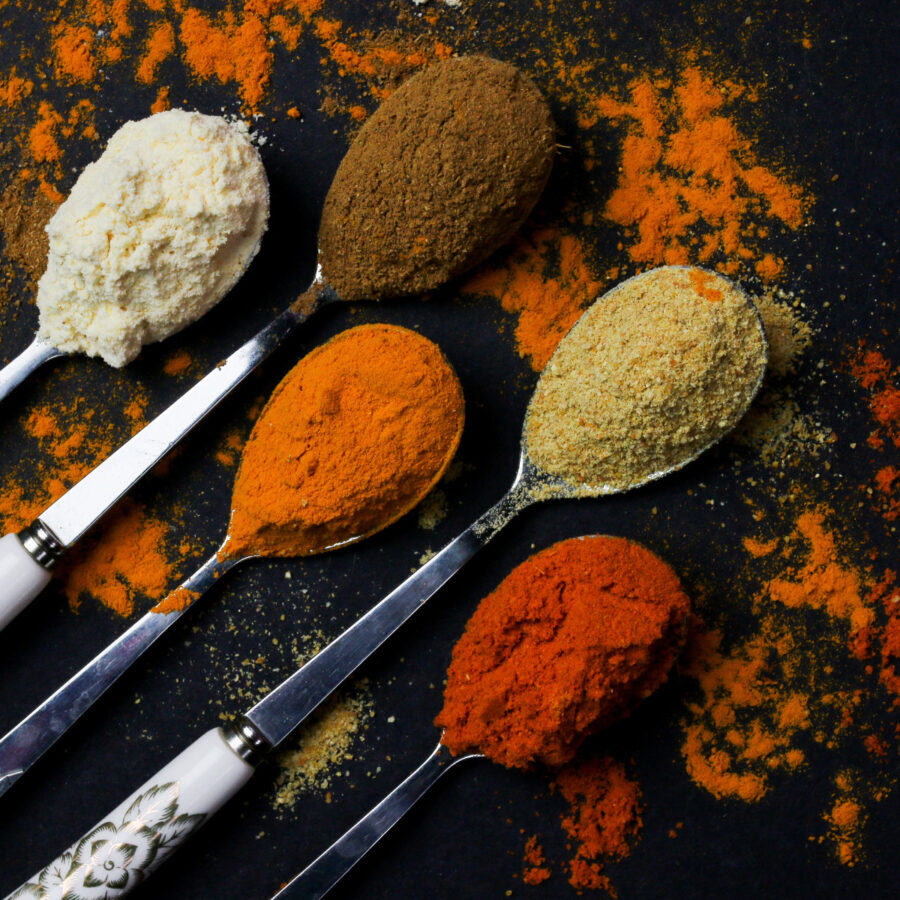
Curry powder usually contains a substantial amount of turmeric, which gives it a bright yellow or golden color. Garam masala is often made with brown spices such as cumin, coriander, cinnamon, cloves, and cardamom and may contain little or no turmeric.
Can I Add Garam Masala At The Beginning Of Cooking?
Yes. Some recipes cook garam masala in the sauce, while others add it near the end. Many use it at both stages. Follow the recipe because prolonged heat can soften some of the blend's most delicate aromas.
Can I Add Curry Powder At The End Of Cooking?
It is usually better to cook curry powder briefly in oil or with the sauce so turmeric and other ground spices do not taste raw. If you add it late, give the dish enough simmering time for the flavors to blend.
Does Garam Masala Contain Turmeric?
Some blends may contain turmeric, but it is not required and many traditional garam masalas omit it. Check the label or recipe instead of assuming.
Does Curry Powder Contain Garam Masala?
Not usually as a separately prepared ingredient. The two blends may contain some of the same individual spices, such as cumin, coriander, cinnamon, or cardamom.
Can I Make Butter Chicken With Curry Powder?
You can make a creamy chicken curry with curry powder, but it will not taste like the tested Twosleevers butter chicken recipe. Garam masala and the other specified spices give butter chicken its intended aroma and balance.
Is Garam Masala Used In Every Indian Curry?
No. Indian cooking includes countless regional dishes and masalas. Some curries use garam masala, while others use a different blend or rely entirely on individual spices.
Is Curry Powder Used In India?
Some modern Indian cooks may use packaged curry powder, but it is not the universal foundation of Indian curry. Individual spices and recipe-specific masalas provide greater control and better reflect the diversity of Indian cooking.
More Indian Cooking Resources
For more help using Indian spices confidently, explore these guides and recipes:
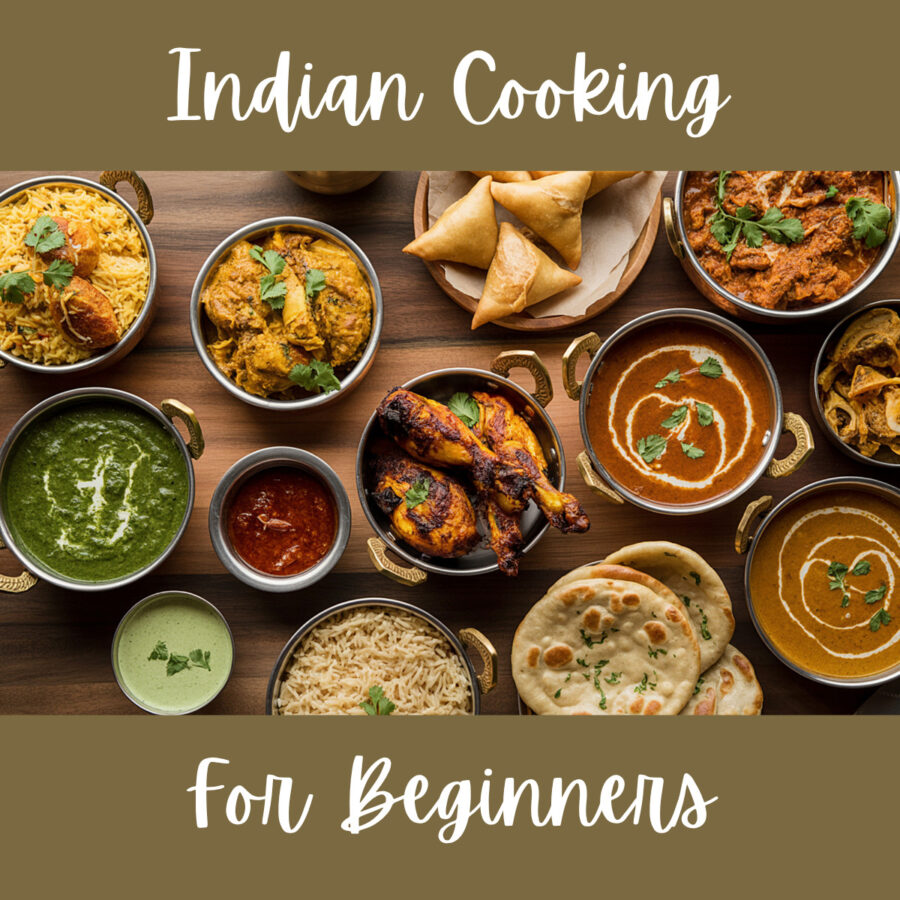
- Indian Cooking for Beginners
- Essential Indian Spices for Beginners
- Homemade Garam Masala
- How to Bloom and Temper Indian Spices
- Indian Curry Types Explained
- How to Build a Complete Indian Meal
Garam masala and curry powder can both be useful, but they should not be treated as two names for the same seasoning. Use garam masala when a recipe needs warm, fragrant complexity. Use curry powder when the recipe specifically calls for its earthier, turmeric-forward profile.

Leave a Reply