

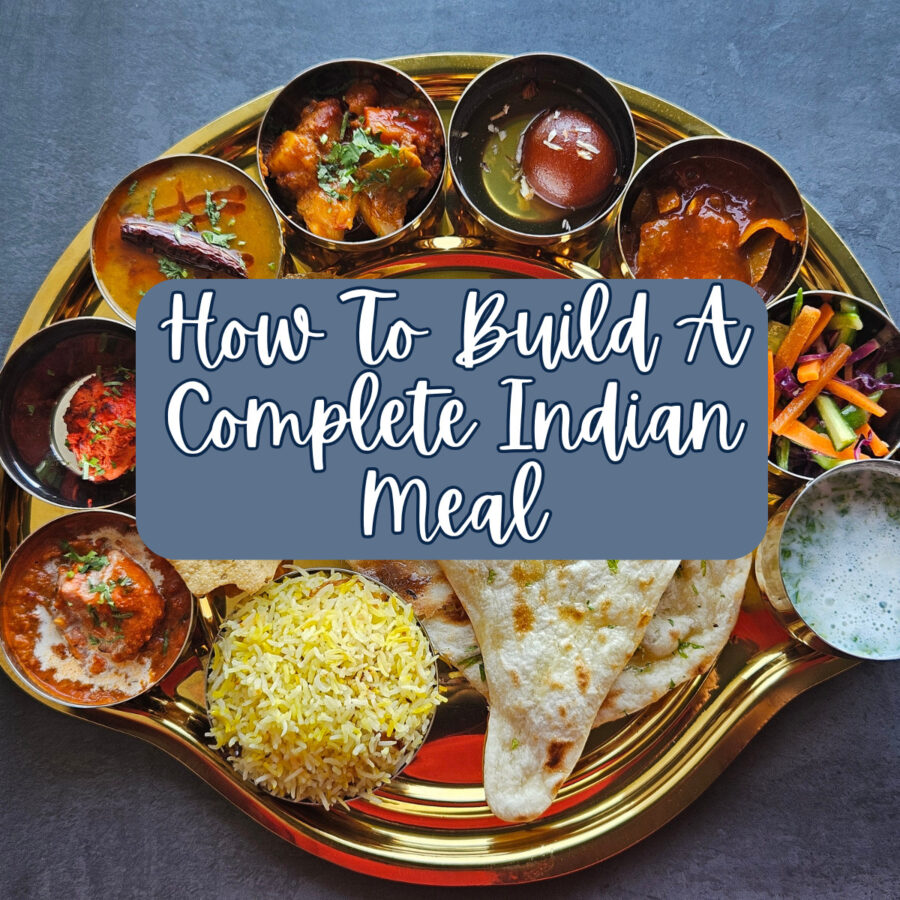
Building a complete Indian meal is easier than it looks. Choose one main dish, add rice or bread, include a vegetable or cooling side, and finish with a chutney, pickle, or fresh garnish. This simple guide will help you create a balanced Indian dinner without spending the entire day in the kitchen.
Why You'll Love This Indian Meal Guide
- Beginner-Friendly. Use a simple formula to build an Indian meal without feeling overwhelmed.
- Flexible. Create vegetarian, meat-based, low carb, 30 minute weeknight, or celebration menus.
- Balanced. Combine rich, spicy, cooling, fresh, and savory flavors.
- Practical. Choose as few as three dishes or prepare a larger Indian feast.
- Customizable. Adjust the menu based on your available time, dietary needs, and preferred heat level.
If you are new to Indian food, it is easy to assume that every meal needs several curries, freshly baked bread, rice, chutney, appetizers, and dessert. While a large Indian feast may include all of those things, an everyday Indian meal is often much simpler.
A satisfying meal can be as easy as a curry, rice, and a cooling side. The secret is not the number of recipes you make. It is choosing dishes with complementary flavors, textures, and Indian cooking techniques.
If you are just beginning to explore the cuisine, start with this complete guide to Indian cooking for beginners. Also read more on garam masala vs curry powder to make using unfamiliar spices easier.
What Is Included In A Complete Indian Meal?
There is no single menu that defines a complete Indian meal. India has numerous regions, languages, communities, climates, and food traditions. Everyday meals vary considerably between households and throughout the country.
However, many Indian meals combine several basic components:
- A main dish. This may be a meat curry, paneer dish, bean curry, lentil dish, or substantial vegetable recipe.
- A starch. Rice, roti, naan, paratha, or another regional bread gives you something to serve with the main dish.
- A vegetable or secondary dish. A dry vegetable preparation, dal, salad, or legume dish adds contrast and variety.
- A cooling or fresh element. Raita, plain yogurt, cucumber, sliced onions, or a simple salad balances rich and spicy flavors.
- A finishing element. Chutney, pickle, fresh cilantro, lemon, or lime adds brightness and intensity.
- An optional dessert or drink. Save this addition for weekends, celebrations, or whenever you want to make the meal feel special.
You do not need every component every time. For a simple weeknight dinner, choose three or four elements and let one dish do most of the work.
The Easiest Indian Meal Formula
Use this formula when you do not know where to begin:
One main dish + one starch + one vegetable or cooling side + one finishing element
For example:
- Butter chicken
- Basmati rice
- Cucumber raita
- Cilantro and lemon
This gives you a rich main dish, a neutral starch, a cool and creamy side, and a fresh garnish. The components complement each other without requiring an elaborate menu.
For a vegetarian version, try:
- Chana masala
- Rice or roti
- Aloo gobi
- Chutney or Indian pickle
Once you understand this basic formula, you can make dozens of different Indian dinner menus simply by changing one component.
Step 1: Choose Your Main Dish
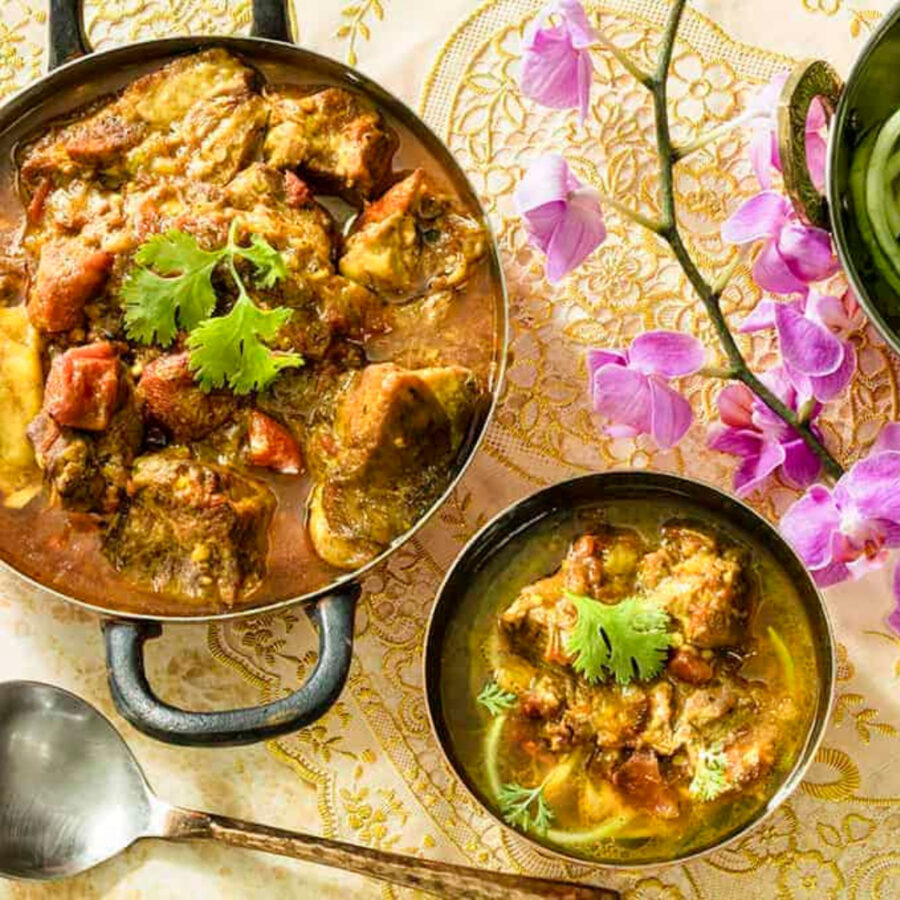
The main dish gives the meal its central flavor and usually determines which sides will work best. Start by deciding whether you want meat, seafood, paneer, lentils, beans, or vegetables.
If the main dish is particularly rich, choose lighter sides. If it is dry or vegetable-based, consider adding a saucy dal or raita.
Not sure which kind of curry you want? This guide to Indian curry types explains the differences between creamy, spicy, tomato-based, spinach-based, and coconut-based curries.
Mild And Creamy Curries
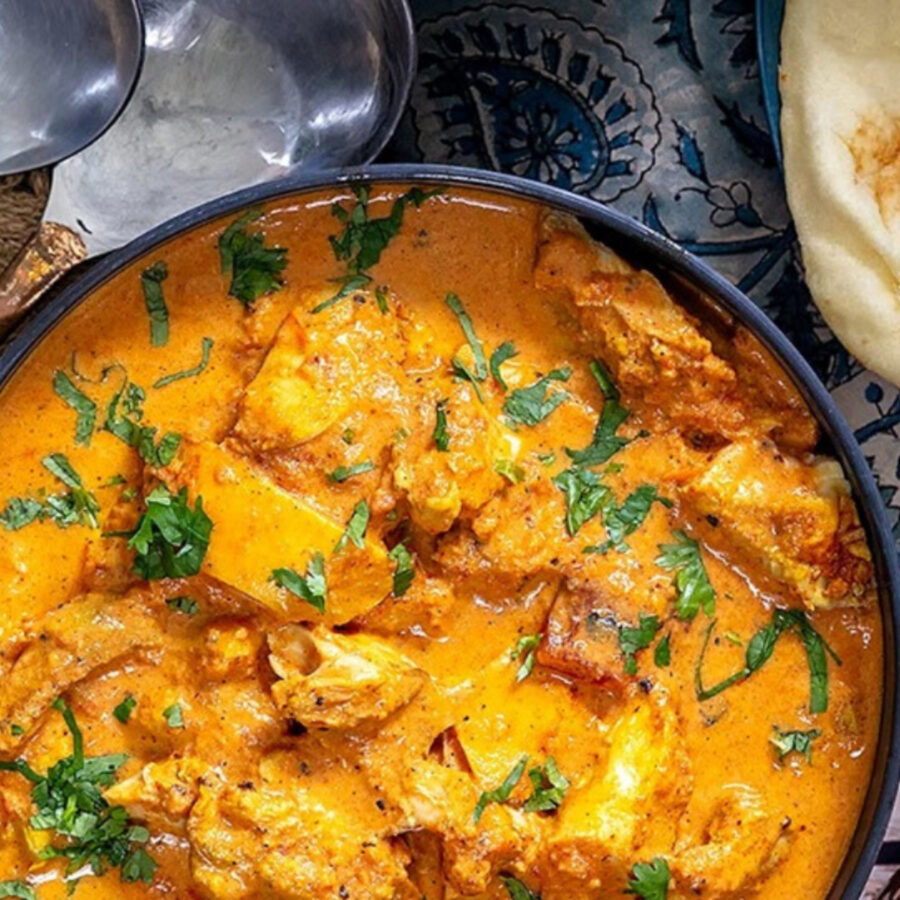
Mild Indian curries are a good choice when serving children, new Indian food eaters, or guests with different heat tolerances.
Try one of these options:
- Instant Pot Butter Chicken
- Chicken Korma
- Safed Chicken Korma
- Chicken Tikka Masala
- Slow Cooker Butter Chicken
Creamy curries pair well with plain basmati rice, lightly seasoned vegetables, cucumber raita, and naan.
Spicy And Bold Curries
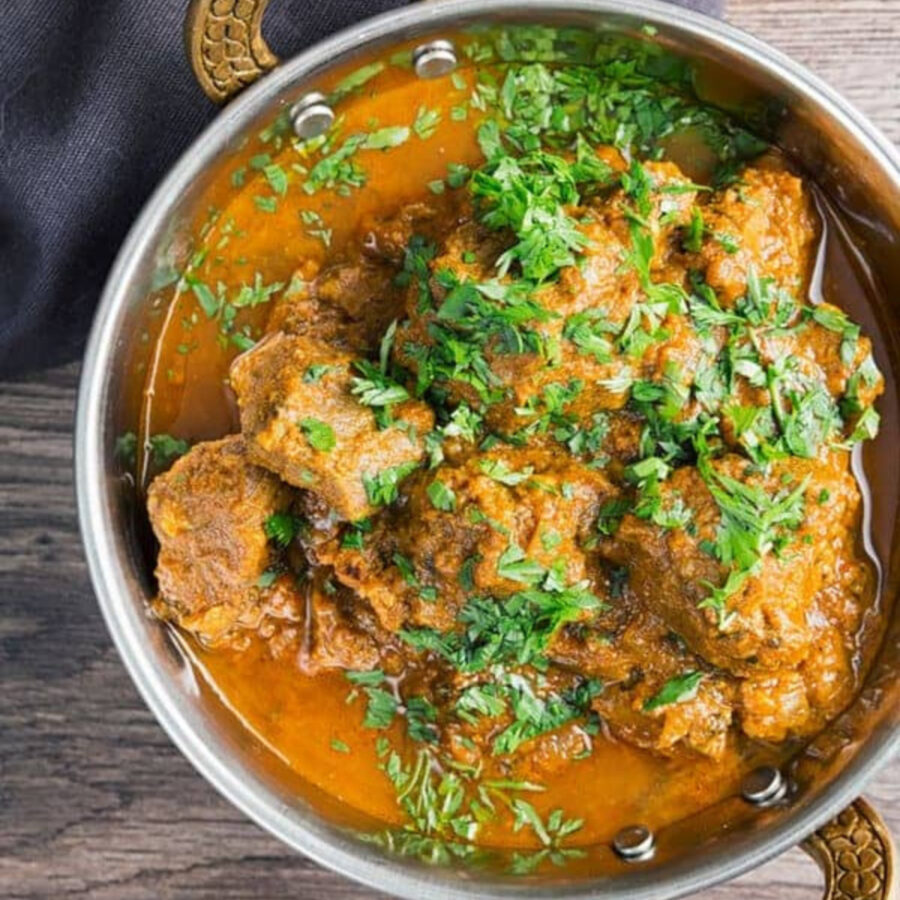
If you enjoy assertive seasonings and chile heat, choose a curry with a sharper or more aromatic flavor profile.
Good choices include:
Serve a spicy curry with plain rice, yogurt, raita, or a fresh cucumber salad. Avoid making every dish on the table equally hot. A mild side gives everyone a way to control the intensity of each bite.
Accidentally make your curry too spicy? Don't toss it; fix it with my How To Fix Indian Curry guide!
Vegetarian Main Dishes
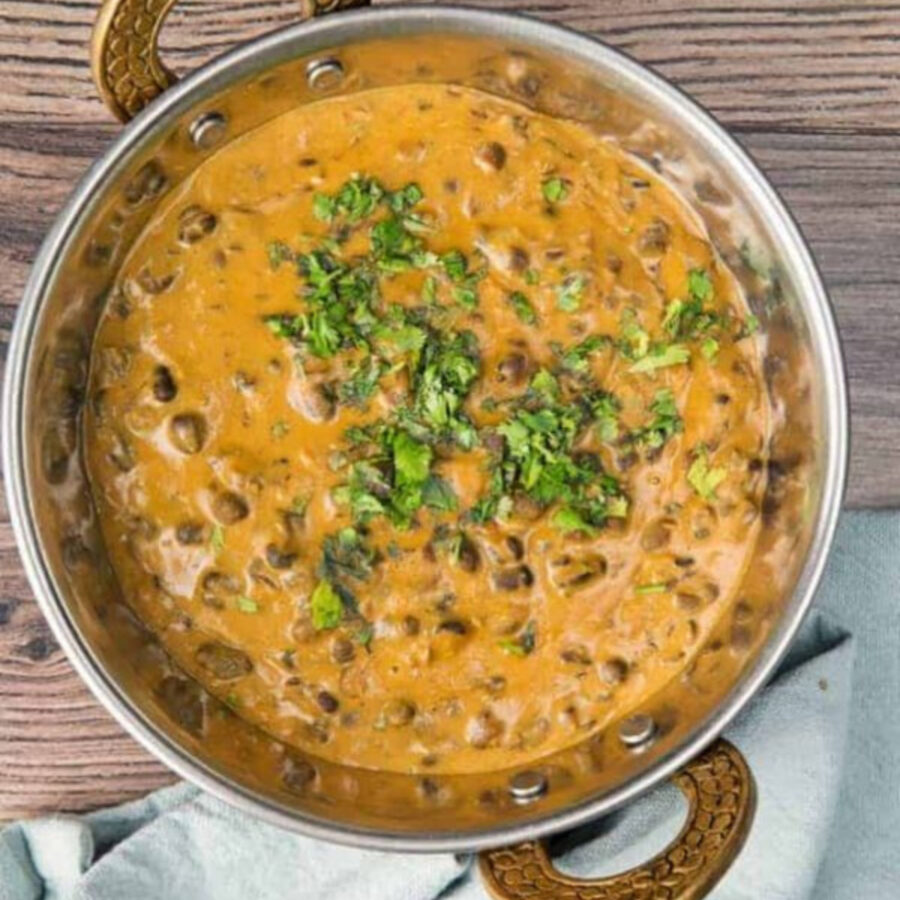
A complete Indian vegetarian meal can be every bit as filling as one built around meat.
Consider serving:
Beans, lentils, and paneer provide substance, while vegetables add texture and variety. Browse these Indian vegetarian recipes to find more combinations.
Step 2: Add Rice Or Indian Bread
The starch supports the rest of the meal. It absorbs flavorful sauces, softens intense spices, and makes the meal more filling.
You can serve rice, bread, or both. For an everyday dinner, one is usually enough.
When To Serve Rice
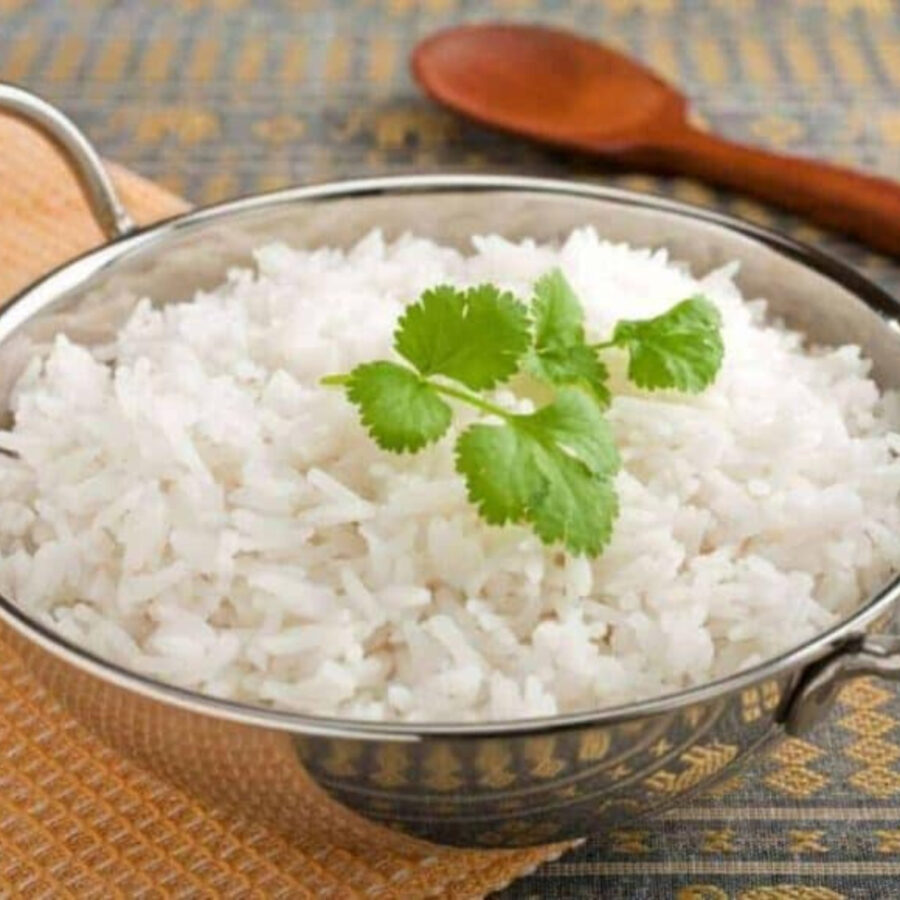
Rice is especially useful with saucy curries and dal. Plain basmati rice has a delicate aroma and neutral flavor, so it will not compete with a heavily seasoned main dish.
Serve rice with:
- Butter chicken
- Tikka masala
- Korma
- Vindaloo
- Dal
- Chana masala
- Coconut Chickpea Curry
- Rogan josh
For something more aromatic, make Instant Pot Indian Pilau. Because pilau contains spices and additional flavor, it works best when the rest of the meal is relatively simple.
When To Serve Naan Or Roti
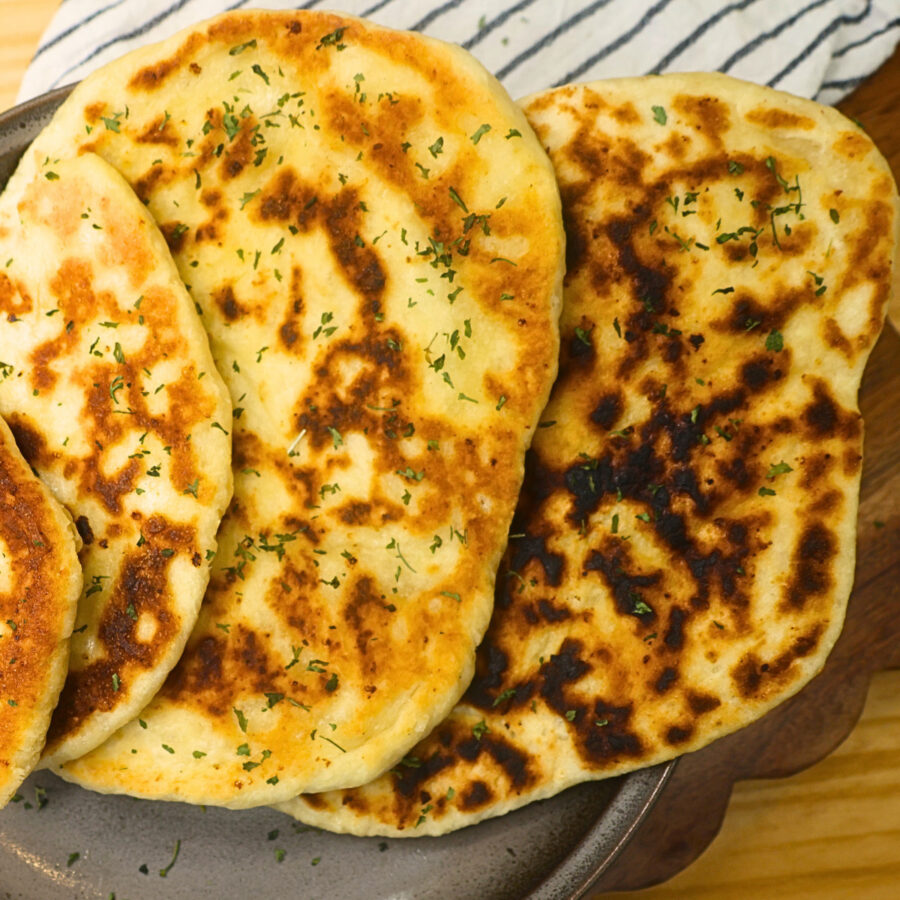
Indian breads are excellent with thick sauces, dry vegetable dishes, and scoopable curries. They also provide a different texture than rice.
Naan is soft, chewy, and commonly served with restaurant-style curries. Roti and chapati are thinner whole-wheat flatbreads that are more common in many everyday meals.
Serve bread with:
- Korma
- Saag or palak dishes
- Paneer curries
- Jalfrezi
- Aloo gobi
- Eggplant bharta
- Thick chickpea curries
Can You Serve Both Rice And Bread?
Yes. Serving both creates more variety and makes a meal feel generous, especially when entertaining.
If you serve both, keep the portions modest. You do not need a full serving of rice and several pieces of bread for each person. Let guests choose the starch they prefer or enjoy a small amount of each.
Step 3: Include Dal Or Beans
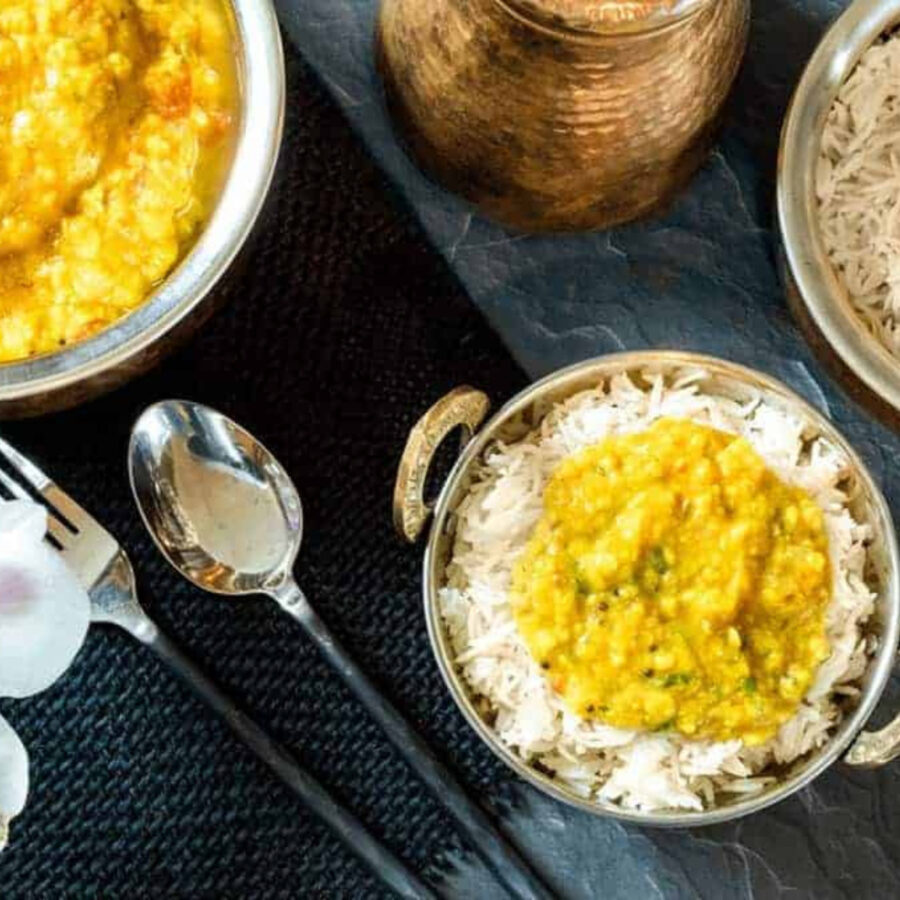
Dal is a lentil or pulse-based dish that can act as a main course, a supporting dish, or both. It adds protein, fiber, comfort, and a softer texture to an Indian meal.
If your main dish contains meat, serve dal in a smaller portion as a side. If you are preparing a vegetarian meal, dal can become the centerpiece.
Dal works particularly well with:
- Plain basmati rice
- Dry vegetable dishes
- Roti
- Yogurt
- Indian pickles
- Fresh onions and lemon
There are numerous types of dal, ranging from light and brothy to rich and creamy. Explore these lentil recipes to find one that suits your menu.
For a simple complete meal, serve dal with rice, a cooked vegetable, and yogurt. You do not need a second curry unless you want one.
Step 4: Add A Vegetable Dish
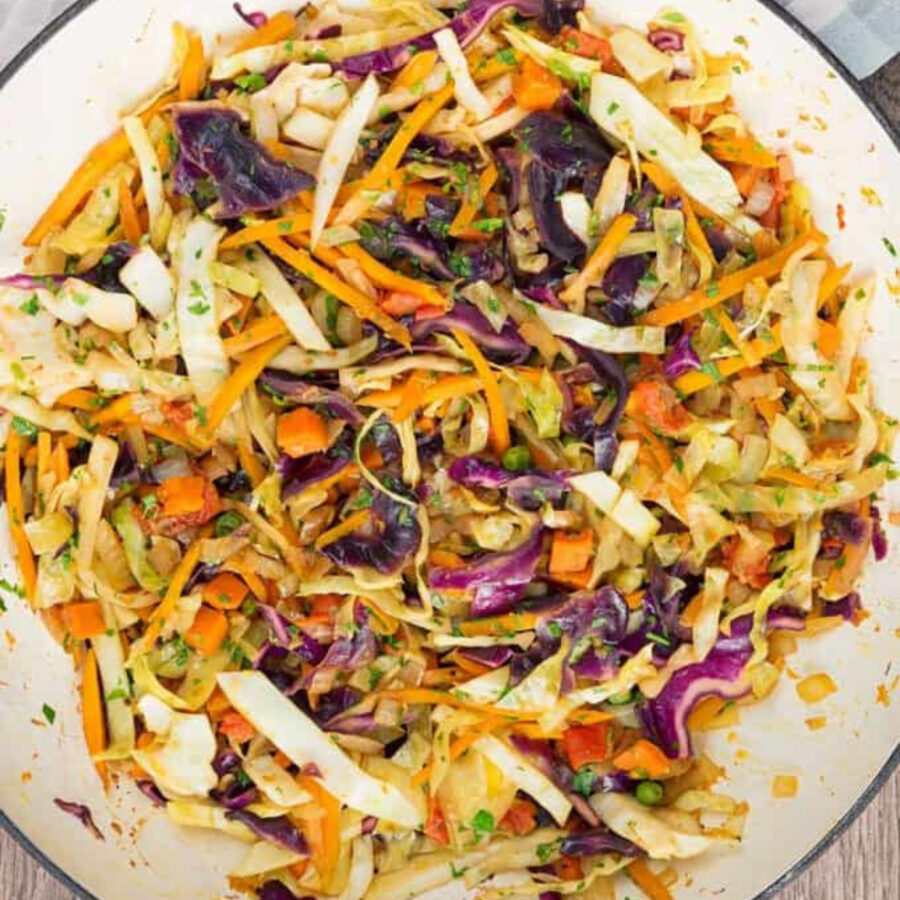
Vegetables add color, texture, and balance to a complete Indian meal. They are especially important when the main course is creamy, rich, or meat-heavy.
Indian vegetable dishes may be dry, saucy, roasted, mashed, or stir-fried. A drier vegetable preparation is often the best contrast to a saucy curry.
Popular options include:
- Aloo Gobi with potatoes and cauliflower
- Eggplant Bharta with roasted eggplant
- Bhindi Masala with okra
- Cabbage With Peas for a lighter side
- Instant Pot Green Beans for a simple vegetable option
When choosing a vegetable side, look at the texture of your main course. If you are serving a smooth curry, choose a vegetable with some bite. If the main dish already contains potatoes, select a green vegetable rather than adding another starchy side.
Step 5: Include A Cooling Side
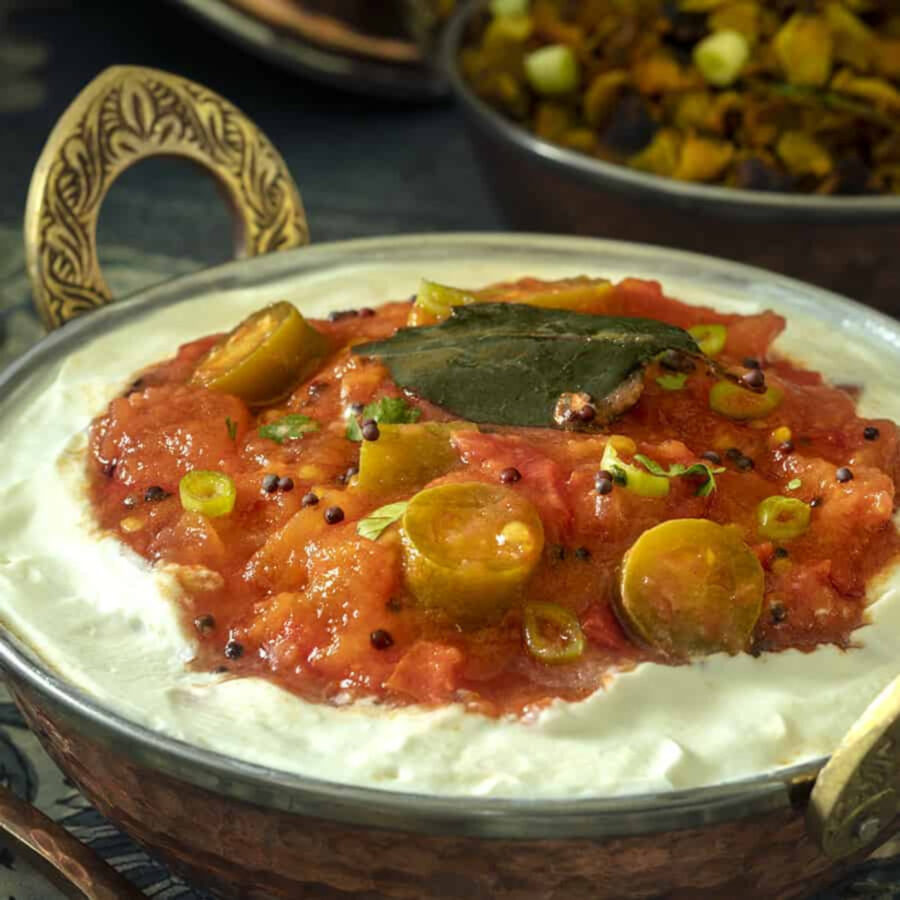
A cooling side balances chile heat, rich sauces, and intensely seasoned foods. It also introduces a fresh or creamy texture to the plate.
Raita
Raita is a yogurt-based side that may contain cucumber, herbs, spices, tomatoes, onions, or other vegetables. It can be spooned alongside a curry or eaten between spicy bites.
Raita is especially helpful with:
- Vindaloo
- Biryani
- Jalfrezi
- Kebabs
- Spicy dal
- Heavily seasoned rice dishes
Plain Yogurt
Plain Greek yogurt is the easiest alternative when you do not have time to make raita. Add a pinch of salt and roasted cumin if you want more flavor.
Salad Or Sliced Vegetables
A simple plate of cucumbers, tomatoes, onions, and lemon wedges adds freshness without requiring another cooked dish. This is often all you need beside a rich curry and rice.
The goal is contrast. If your curry is hot, rich, and soft, make this part of the meal cool, light, and crisp.
Step 6: Add Chutney, Pickle, Or Fresh Garnishes
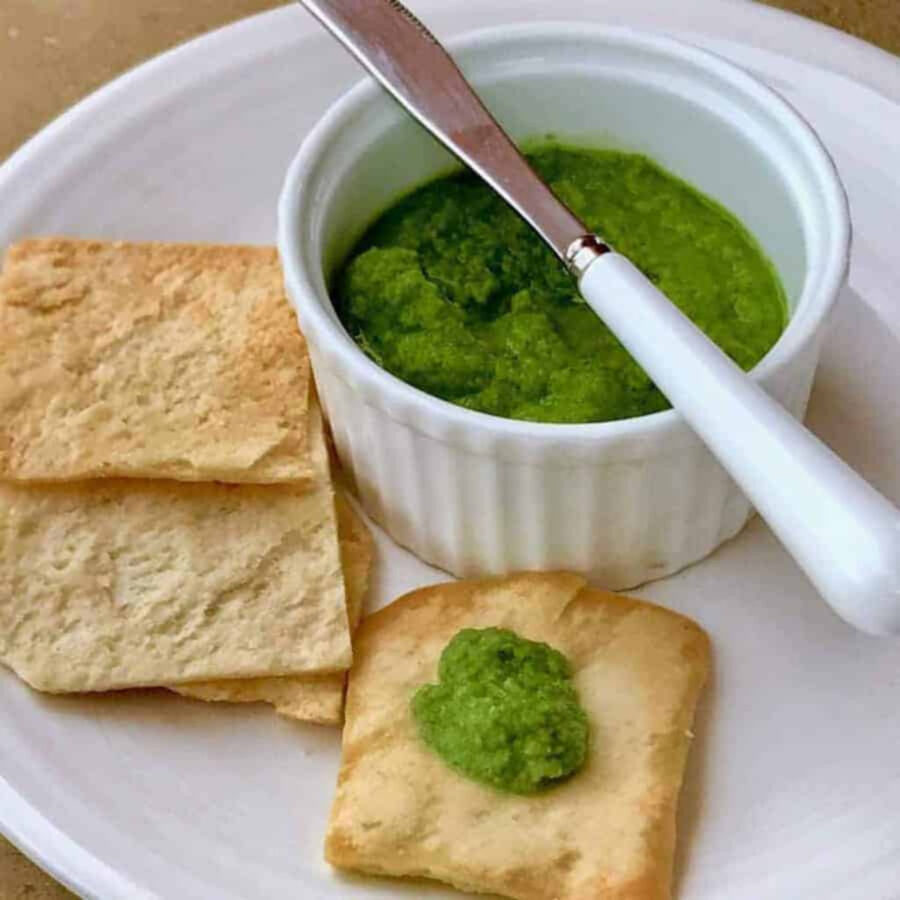
A finishing element may be small, but it can transform the entire meal. Indian chutneys and pickles provide concentrated sweetness, acidity, heat, salt, or freshness.
Chutney
Different chutneys bring different flavors to the table:
- Mint chutney adds cool, herbal heat.
- Cilantro chutney tastes bright and fresh.
- Tamarind chutney is sweet and tangy.
- Coconut chutney is creamy and savory.
- Peach chutney adds fruity sweetness.
Chutney is particularly useful with appetizers, kebabs, breads, and dry dishes.
Indian Pickles
Indian pickles are intensely seasoned condiments made with vegetables or fruits, salt, oil, and spices. They are typically served in small quantities. A little pickle can brighten a simple plate of dal and rice.
Fresh Garnishes
If you do not have chutney or pickle, finish the meal with:
- Chopped cilantro
- Lemon or lime wedges
- Thinly sliced onions
- Chopped green chiles
- Fresh mint
- A small spoonful of plain yogurt
These inexpensive additions keep a rich meal from tasting heavy.
Step 7: Decide Whether You Need An Appetizer
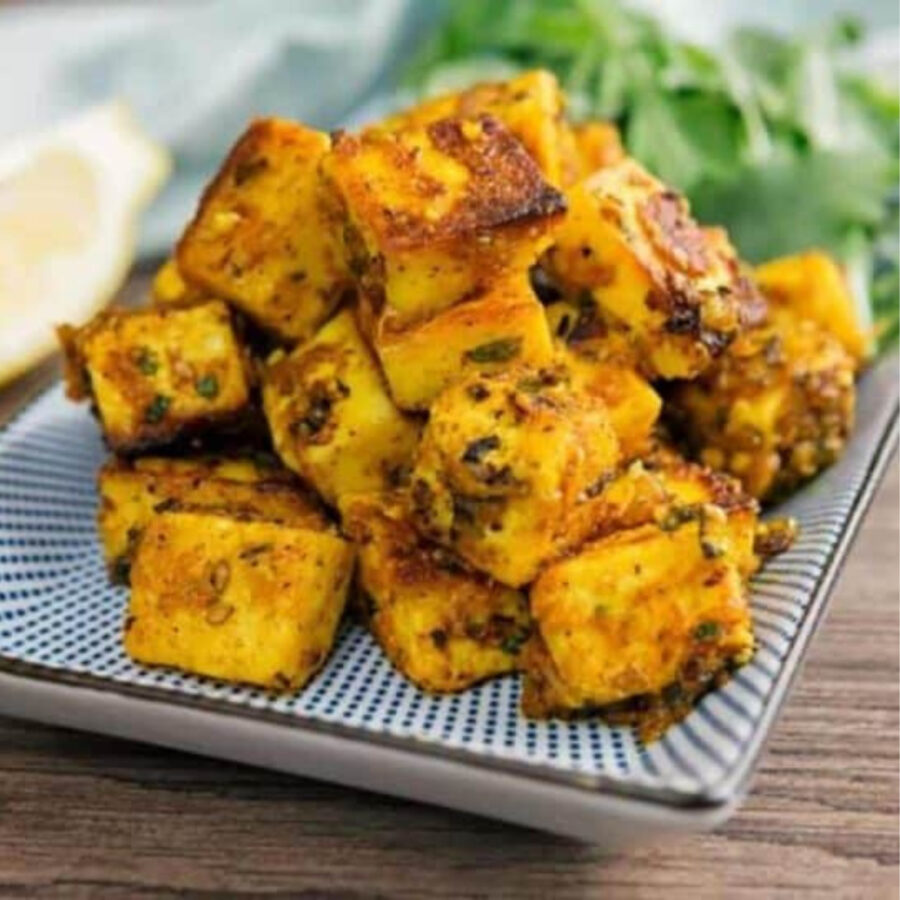
An appetizer is optional. For a regular family dinner, the main dish and sides are usually enough.
Add an Indian appetizer when:
- You are entertaining guests.
- The main course needs more time to finish.
- You are planning a holiday meal.
- You want a restaurant-style experience.
- The appetizer provides a texture missing from the main meal.
Good appetizer options include samosas, pakoras, kebabs, tandoori chicken, or a small chaat. Keep portions small so guests still have room for the main course.
Try Air Fryer Samosas for a crisp starter without deep frying, or serve Air Fryer Tandoori Chicken in smaller portions as an appetizer.
Step 8: Finish With An Indian Dessert Or Drink
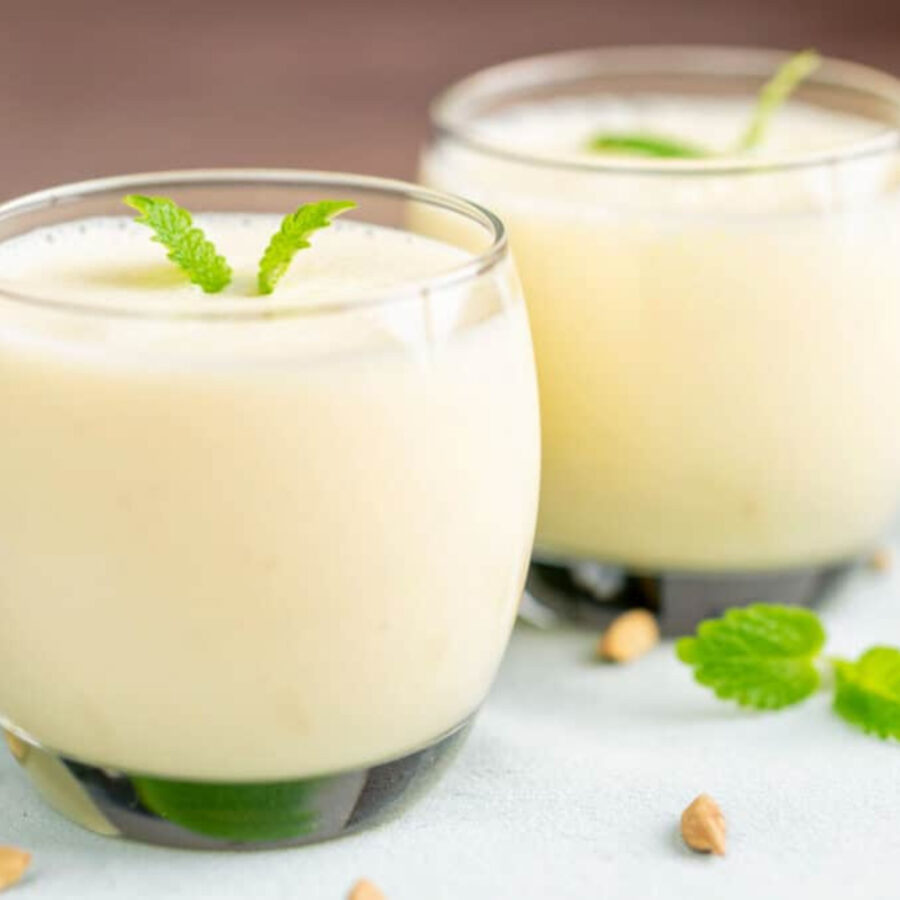
Dessert is not required for a complete everyday Indian meal, but it is a lovely addition for holidays and dinner parties.
Indian desserts tend to be sweet, fragrant, and served in relatively small portions. Cardamom, saffron, rose, nuts, milk, and coconut are common flavors.
Popular choices include:
You can also finish the meal with chai or a cooling mango lassi.
If the dinner is particularly rich, choose a smaller dessert or fresh fruit. If the meal is light and vegetable-forward, a creamy dessert can provide a satisfying finish.
How To Balance Flavors In An Indian Meal
A good Indian menu does not require every dish to taste similar. In fact, contrast is what makes the meal interesting.
Try to include some of these flavor elements:
- Rich. Butter chicken, korma, paneer, or dal makhani
- Spicy. Vindaloo, jalfrezi, pickle, or chile chutney
- Tangy. Tamarind, tomato, lemon, yogurt, or amchur
- Cooling. Raita, plain yogurt, cucumber, or mint
- Fresh. Cilantro, salad, onions, or citrus
- Earthy. Lentils, chickpeas, cumin, or roasted vegetables
- Sweet. Mango chutney, caramelized onions, or dessert
You do not need to check every box. Aim for contrast between the main dish and the sides.
For example, pair a creamy curry with a crisp vegetable side. Pair a spicy curry with raita. Pair a dry vegetable dish with a saucy dal.
How To Balance Textures
Texture matters just as much as flavor. A meal made entirely from soft curries and rice can taste delicious, but it may feel repetitive.
Combine several textures when possible:
- A smooth or saucy curry
- Fluffy rice or chewy bread
- A vegetable with some bite
- Crisp sliced onions or cucumber
- A creamy spoonful of raita
- A crunchy papad or roasted garnish
Even one crisp or fresh element can make a simple meal feel more complete.
How Many Dishes Do You Need?
The right number of dishes depends on the occasion.
Simple Weeknight Meal
Prepare three components:
- One main dish
- Rice or bread
- Raita, yogurt, or a vegetable
Family Dinner
Prepare four or five components:
- One main dish
- One dal or vegetable
- Rice or bread
- Raita or salad
- Chutney or pickle
Indian Dinner Party
Prepare six or more components:
- One appetizer
- Two main dishes
- One rice dish
- Bread
- One vegetable
- Raita or salad
- Chutney or pickle
- Dessert
These are flexible guidelines. You can create a satisfying dinner party menu with fewer dishes if you choose substantial recipes and prepare enough food.
Easy Indian Meal Ideas
Beginner-Friendly Indian Dinner
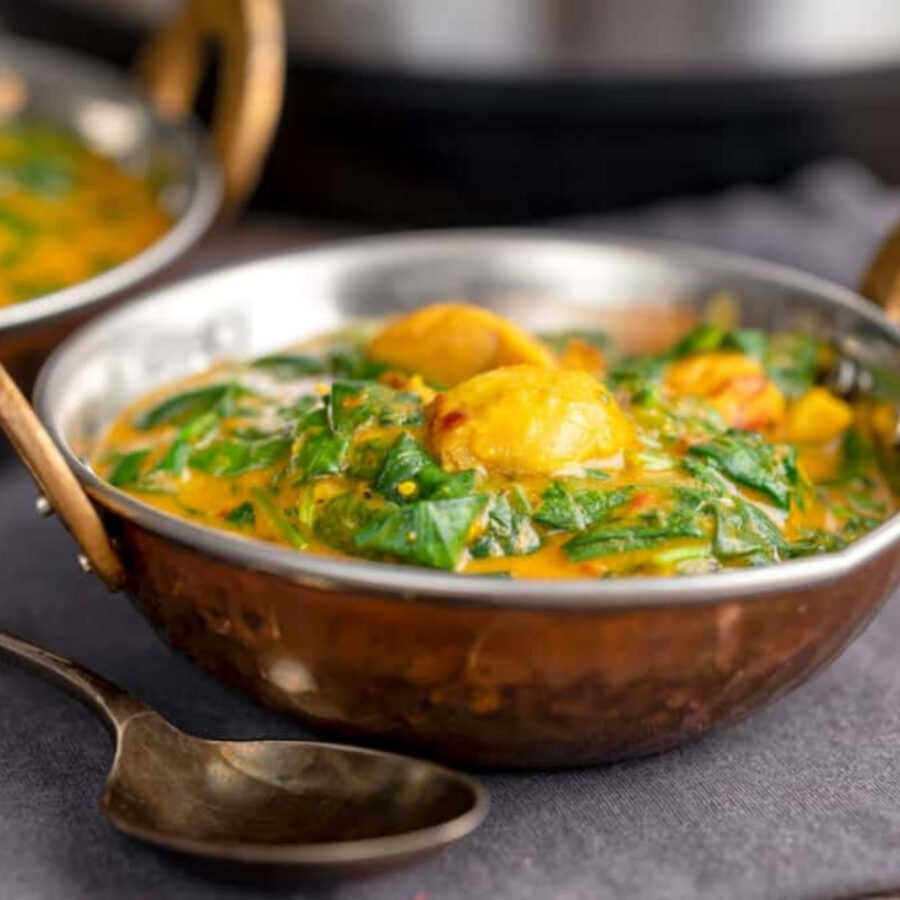
- Instant Pot Butter Chicken
- Plain basmati rice
- Cucumber raita
- Naan
- Lemon wedges
This is an approachable menu for anyone trying Indian food for the first time. The creamy curry is flavorful without needing excessive heat.
Mild Indian Dinner Menu
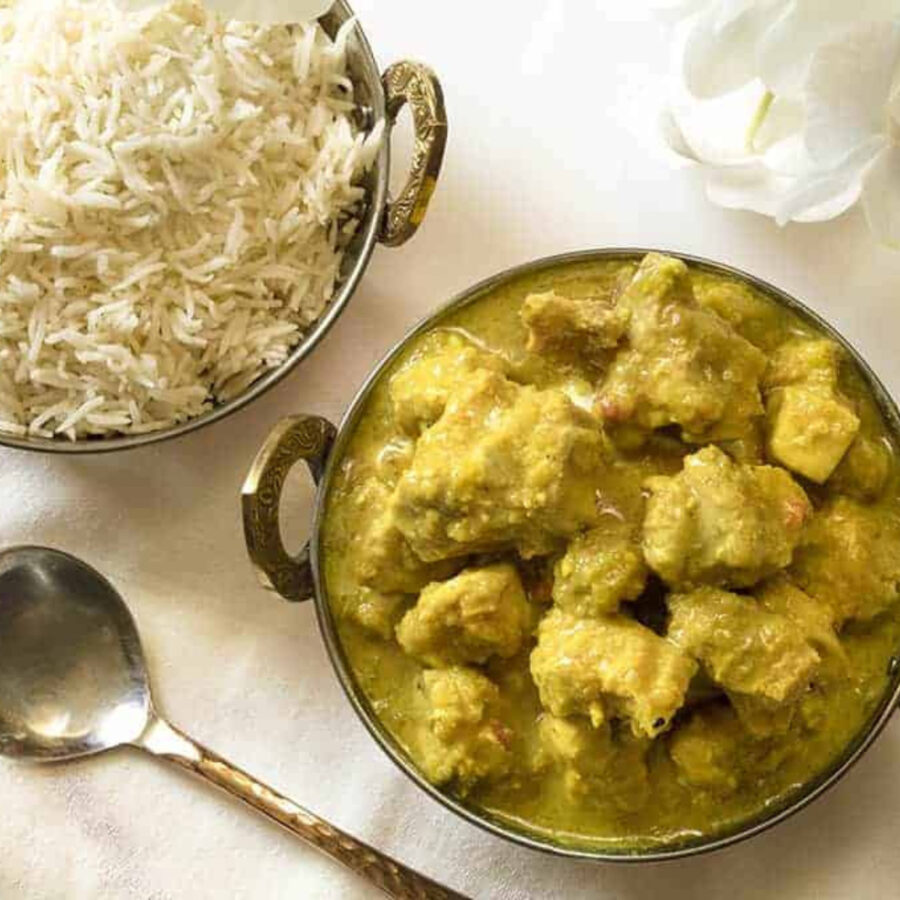
- Chicken Korma
- Instant Pot Indian Pilau
- Cabbage or green beans
- Plain yogurt
- Mango chutney
Because both the korma and pilau are aromatic, keep the vegetable side relatively simple.
Spicy Indian Dinner Menu
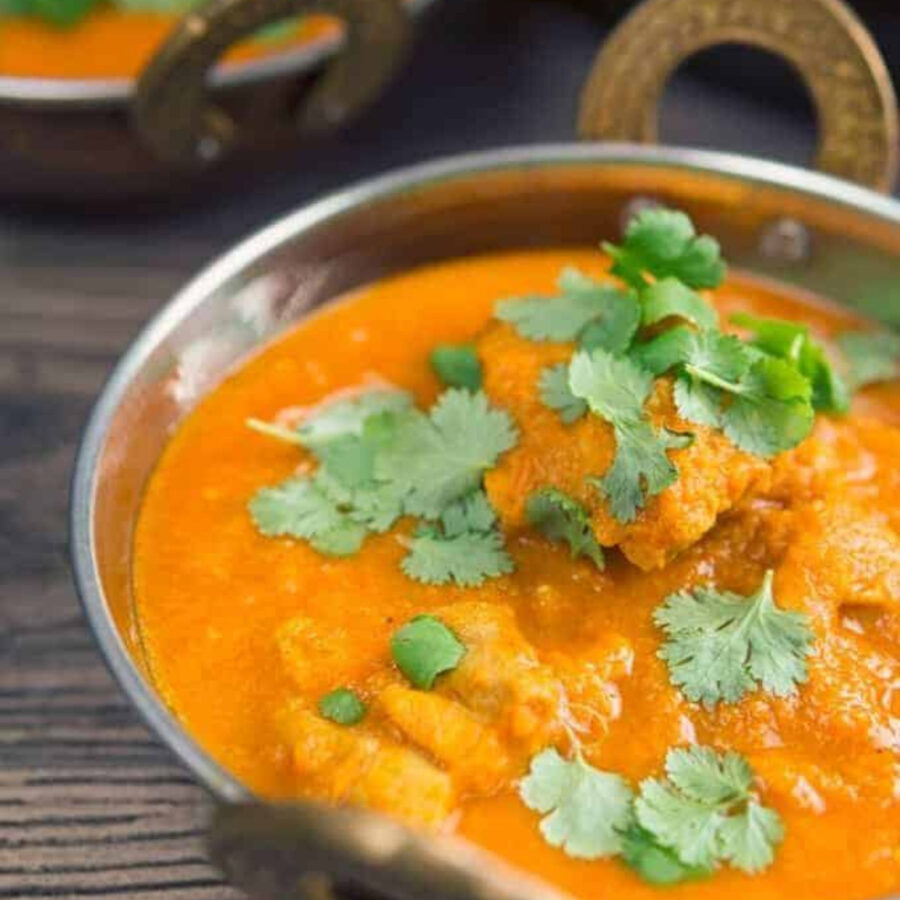
- Chicken Vindaloo
- Plain basmati rice
- Cucumber raita
- Fresh tomato and onion salad
- Cilantro
The plain rice and cooling sides balance the vinegar and chile heat in the vindaloo.
Vegetarian Indian Meal
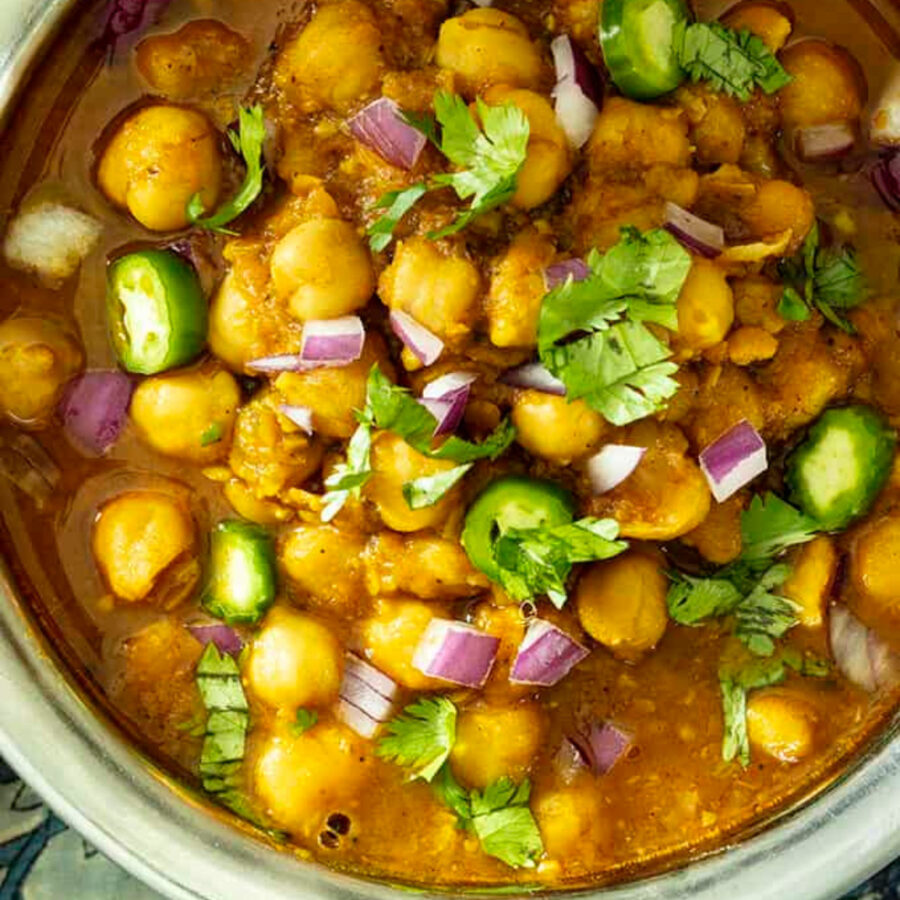
- Chana Masala
- Aloo Gobi
- Rice or roti
- Cucumber salad
- Tamarind chutney
Chickpeas provide protein, while cauliflower and potatoes add a contrasting texture.
Dal And Rice Comfort Meal
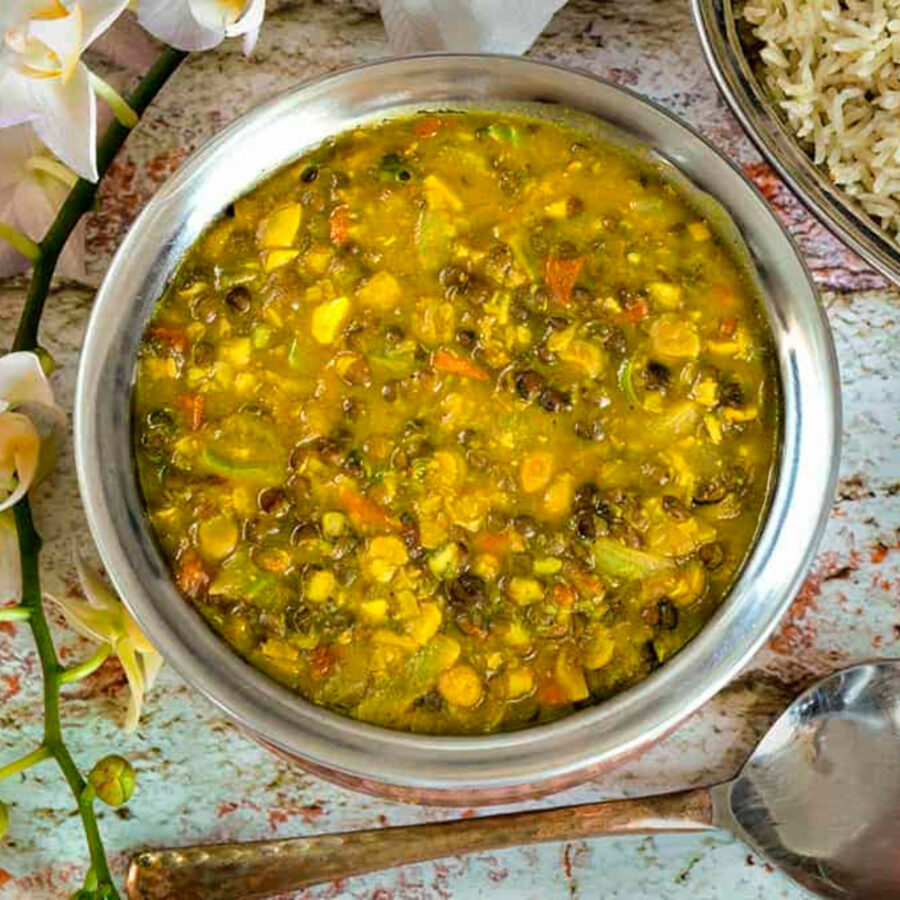
- Langar Ki Dal
- Basmati rice
- A dry vegetable dish
- Plain yogurt
- Indian pickle
This is a simple, comforting meal that does not require an additional curry.
Low Carb Indian Meal
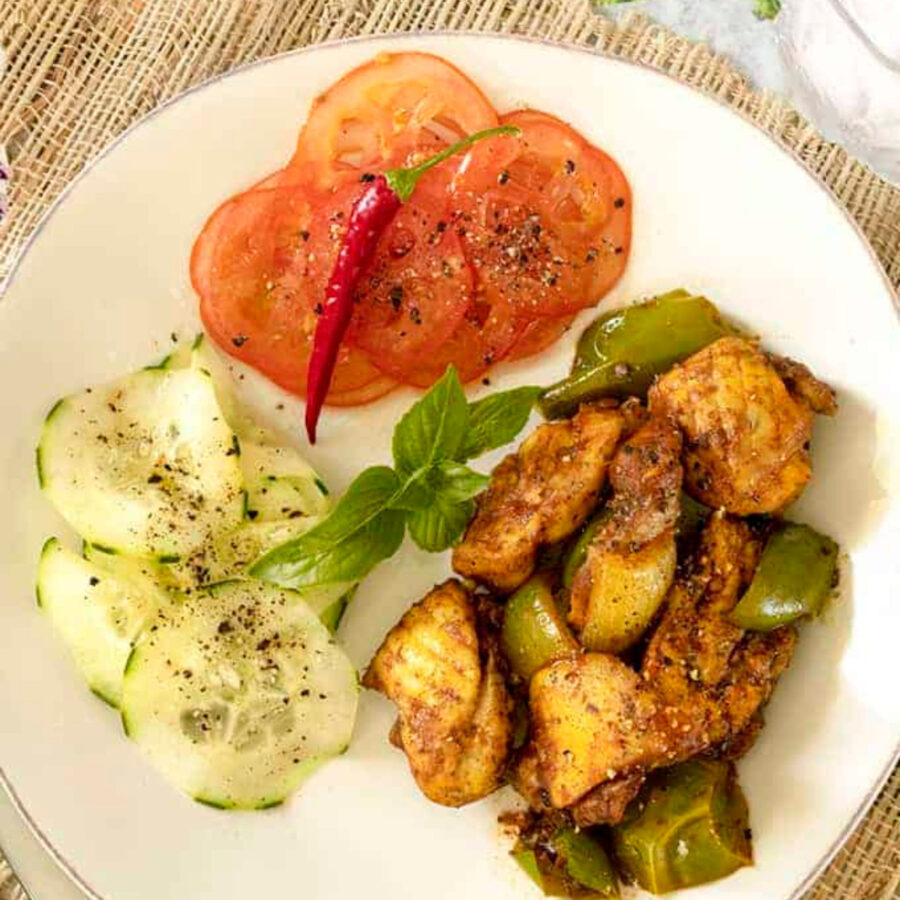
- Chicken Jalfrezi
- Cauliflower rice
- Cucumber raita
- A green salad
- Fresh cilantro and lemon
Many Indian curries can work in a low carb meal when served with cauliflower rice or vegetables instead of rice and bread. Always check the individual recipe ingredients and nutrition information.
Indian Dinner Party Menu
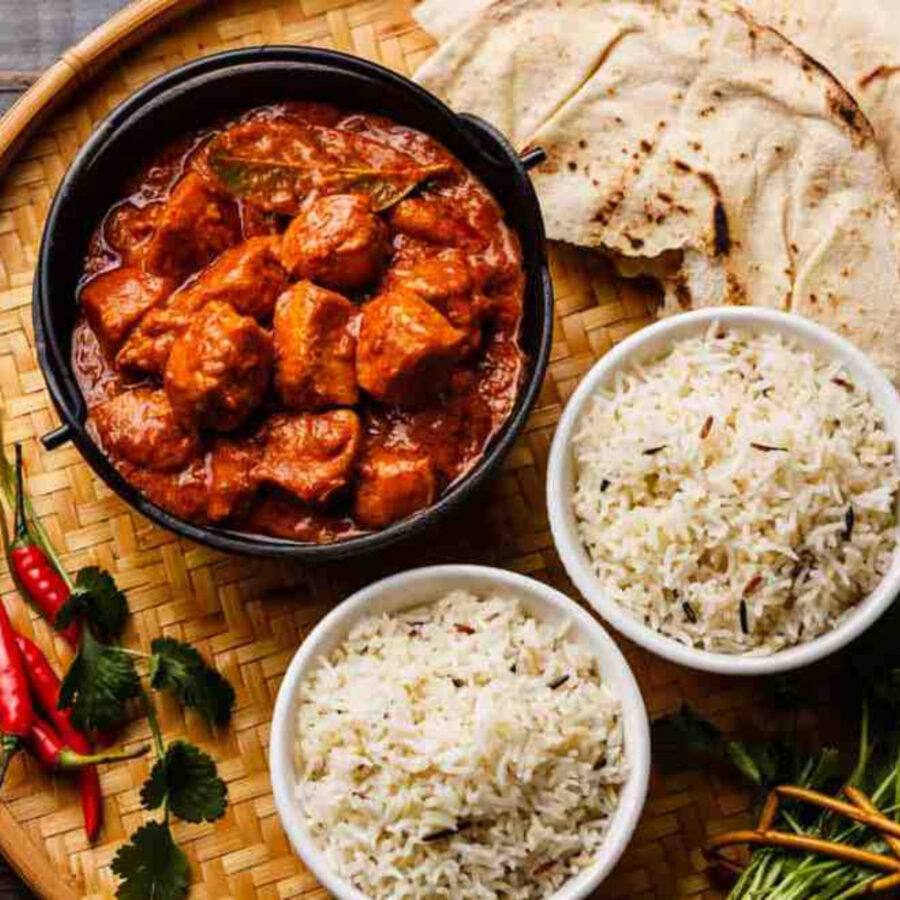
- Air fryer samosas
- Chicken Tikka Masala
- Lamb Rogan Josh
- Basmati rice
- Naan
- Aloo gobi
- Cucumber raita
- Mint and tamarind chutneys
- Kheer or gulab jamun
Choose dishes that can be made ahead so you are not trying to finish everything at once.
Tips And Tricks For Planning An Indian Meal
- Do not make every dish complicated. If your curry requires several steps, serve it with plain rice and an easy salad.
- Vary the cooking methods. Combine a pressure-cooked curry with a roasted vegetable or fresh side.
- Use the Instant Pot strategically. Make the main dish in the pressure cooker while preparing rice or vegetables separately.
- Choose one star dish. Let one recipe carry most of the flavor and keep the other components supportive.
- Avoid repeating ingredients. If the main dish contains potatoes, choose a non-starchy vegetable side.
- Control the heat. Keep at least one side mild when serving a spicy curry.
- Consider color. A green vegetable or fresh garnish makes a brown, red, or cream-colored curry look more appealing.
- Prepare chutneys ahead. Many condiments can be refrigerated until serving time.
- Use store-bought shortcuts thoughtfully. Purchased naan or chutney can make a homemade Indian dinner much more manageable.
- Check dietary needs. Indian recipes may contain dairy, nuts, wheat, or other allergens even when the dish name does not make that obvious.
How To Prepare An Indian Dinner Without Getting Overwhelmed
Start by choosing the main dish. Then select the simplest starch that works with it. After that, add one contrasting side and an easy garnish.
For example, if you choose butter chicken:
- Make the butter chicken in the Instant Pot.
- Cook plain basmati rice.
- Stir chopped cucumber and salt into plain yogurt.
- Cut a lemon into wedges.
- Warm purchased naan only if you want an additional starch.
That is already a complete Indian dinner.
As you become more comfortable, you can add dal, vegetable dishes, homemade breads, chutneys, and desserts.
Learning how to bloom and temper Indian spices will also help you build deeper flavor without adding extra dishes.
Can You Make An Indian Meal Ahead Of Time?
Yes. Many curries, dals, and bean dishes taste even better after resting because the spices have more time to blend.
Good make-ahead components include:
- Curries
- Dal
- Chana masala
- Cooked rice
- Chutneys
- Raita
- Roasted or sautéed vegetables
Store each component separately in an airtight container. Refrigerate cooked dishes promptly and follow the storage guidance provided with each individual recipe.
Reheat curries and dal gently, adding a small amount of water if the sauce has become too thick. Add fresh cilantro, lemon, onions, and other garnishes after reheating.
Naan and other breads are best warmed shortly before serving.
Frequently Asked Questions
What Is A Traditional Indian Meal?
A traditional Indian meal varies by region, household, religion, season, and occasion. It may include rice or bread with dal, vegetables, curry, yogurt, chutney, or pickle. There is no single menu that represents every Indian food tradition.
What Should I Serve With Indian Curry?
Serve Indian curry with basmati rice, roti, naan, or another flatbread. Add a vegetable, dal, salad, yogurt, raita, chutney, or pickle to create contrast and make the meal more complete. Most of these are similar to what to serve with biryani.
Do I Need To Serve Both Rice And Naan?
No. One starch is enough for an everyday meal. Serve both when entertaining or when you want to offer guests more choices.
How Many Curries Should I Serve At An Indian Dinner?
One curry is enough for a family meal. For a dinner party, you can serve two contrasting main dishes, such as one meat curry and one vegetarian curry. Avoid choosing two dishes with nearly identical sauces.
What Is A Good Indian Meal For Beginners?
Butter chicken with basmati rice and cucumber raita is an easy place to start. Chicken korma, chicken tikka masala, chana masala, and dal are also approachable options.
What Makes An Indian Meal Balanced?
A balanced Indian meal generally contains a protein-rich dish, a starch, vegetables, and a fresh or cooling component. Balance also comes from combining rich, spicy, tangy, mild, soft, and crisp elements.
Can I Make A Complete Vegetarian Indian Meal?
Yes. Combine dal, beans, paneer, or chickpeas with rice or bread, a vegetable dish, and raita or chutney. Indian cuisine offers a wide variety of satisfying vegetarian recipes.
What Is An Indian Thali?
A thali is a meal made up of several small dishes served together, traditionally on a round platter. It may include rice, bread, dal, vegetables, curry, yogurt, chutney, pickle, and something sweet. The exact contents vary by region and occasion.
More Indian Cooking Resources
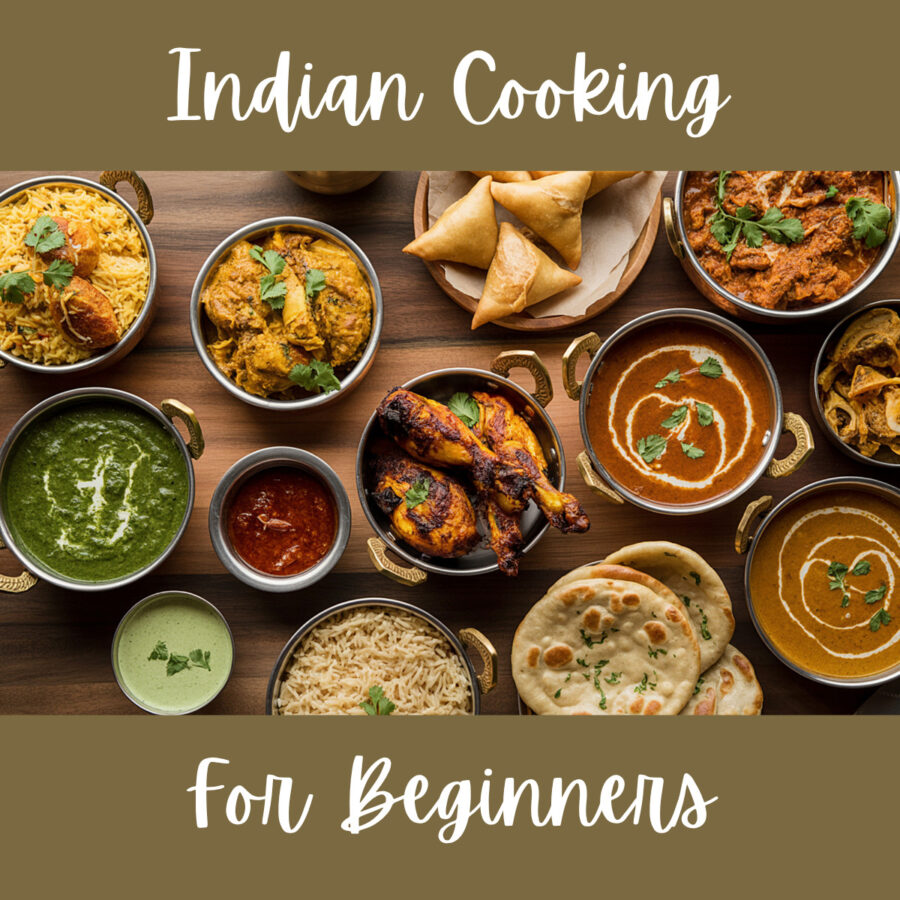
A complete Indian meal does not need to be complicated. Start with one flavorful main dish, add rice or bread, include one contrasting side, and finish the plate with something cooling or fresh.
Once you feel comfortable with that formula, you can expand the menu for holidays, guests, and special occasions.
Use these guides to keep building your Indian cooking skills:
- Indian Cooking for Beginners
- Essential Indian Spices for Beginners
- Indian Curry Types Explained
- How to Bloom and Temper Indian Spices
- Indian Recipes
- Easy Indian Instant Pot Recipes
- Why Is My Curry Bitter?
Learning new cuisines can be fun to eat and to make! Once you learn how to build a complete Indian meal, the pairings are limitless.



Leave a Reply