

Are you ready to elevate your dishes with a burst of rich, sweet, and savory flavor? Our Caramelized Onions recipe is here to transform your meals by adding a touch of caramelized perfection. Whether you're a seasoned chef or a kitchen newbie, this technique is a game-changer that will elevate your culinary creations.
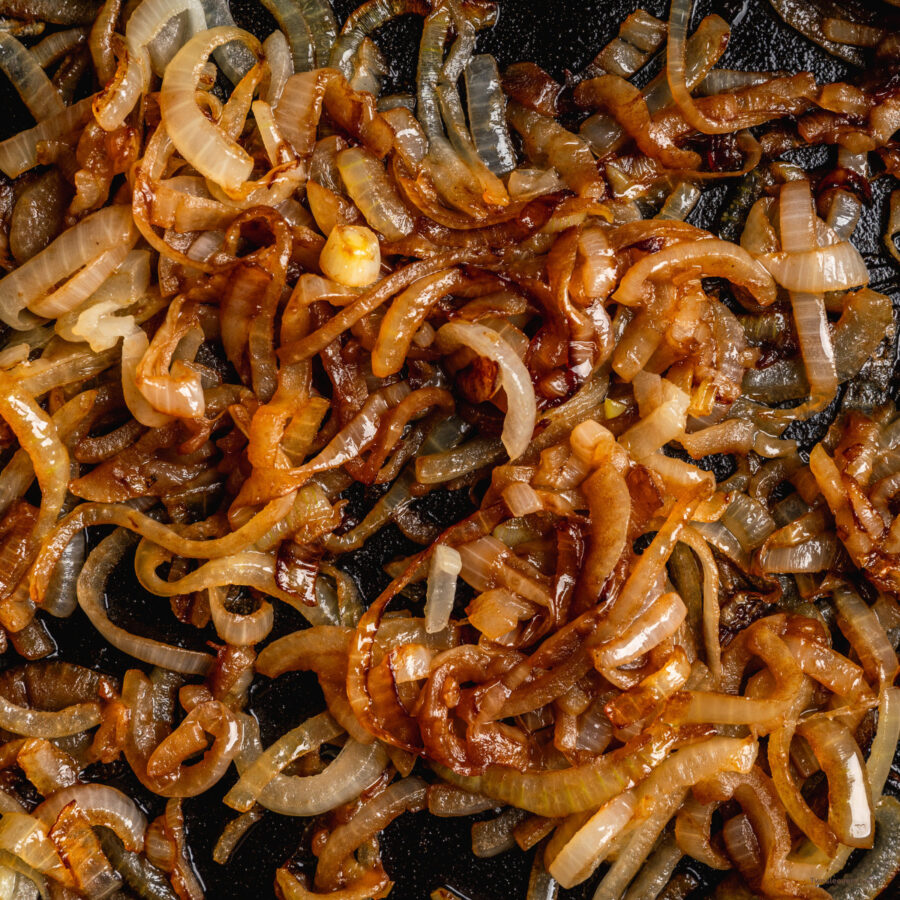
Why You'll Love Them On Everything
- Irresistible Flavor. Caramelized onions offer a complex sweetness and depth of flavor that can enhance a wide range of dishes, from sandwiches to soups and everything in between.
- Versatile. These golden, caramelized gems can be used as a topping, condiment, or ingredient in countless recipes. They're a versatile addition to your culinary arsenal.
- Easy to Make. Don't be intimidated by the process; caramelized onions are simple to prepare with a bit of patience. Our step-by-step guide will have you caramelizing like a pro in no time.
These golden, sweet, and savory morsels will become a staple in your kitchen, adding a touch of gourmet flair to your everyday meals. Enjoy experimenting with this versatile ingredient, and watch your culinary creations come to life!
Do You Use Oil Or Butter To Caramelize Onions?
Both oil and butter can be used to caramelize onions, and the choice between the two often comes down to personal preference and the flavor profile you want to achieve in your dish.
- Oil- Using a neutral oil like olive oil or vegetable oil is a common choice for caramelizing onions. It works well because it can handle high heat without burning. It's a good option if you want a clean, sweet onion flavor without the added richness of butter.
- Butter- Butter adds a delightful richness and a hint of nutty flavor to caramelized onions. It can be a great choice if you want your onions to have a slightly more indulgent and buttery taste. However, you need to be careful not to let the butter burn, so it's essential to cook the onions over low to medium-low heat when using butter.
You can also combine both oil and butter for the best of both worlds, starting with oil to prevent burning and then adding a bit of butter for flavor towards the end of the caramelization process.
Ingredients You'll Need
Caramelized onions are created by slowly cooking onions until their natural sugars break down and transform into a sweet, savory syrup. Here's what you'll need:
- Onions- Yellow or red onions work best for caramelizing.
- Olive Oil- Provides a touch of richness and helps prevent sticking.
- Salt- Enhances the natural flavors.
- Optional- You can add a pinch of sugar or a splash of balsamic vinegar to enhance the sweetness and depth of flavor.
How To Make Caramelized Onions
- Prep the Onions. Slice your onions thinly. The more uniform your slices, the more evenly they will caramelize.
- Heat the Olive Oil. In a wide, heavy-bottomed skillet, heat a generous drizzle of olive oil over medium-low heat.
- Add the Onions. Add your sliced onions to the skillet and stir to coat them in the oil. Sprinkle a pinch of salt over the onions to help release their moisture.
- Cook Slow and Low. This is where patience comes in. Lower the heat to its lowest setting and let the onions cook slowly. Stir occasionally to ensure even caramelization.
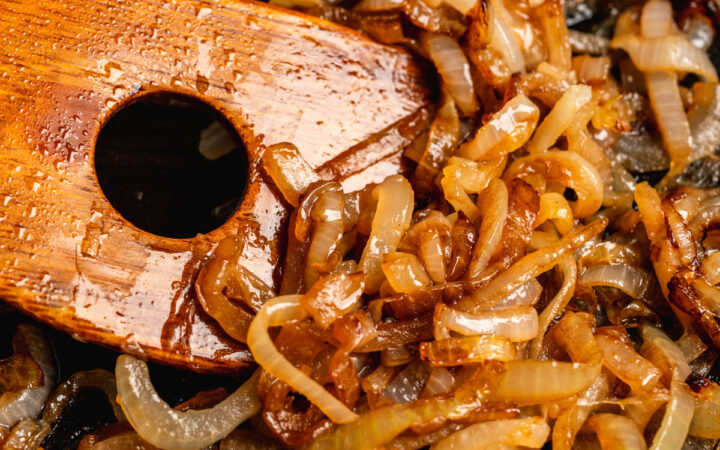
- Watch for Color. It will take about 30-45 minutes for the onions to turn a beautiful deep golden brown. This slow cooking allows the natural sugars to develop, creating that sweet, caramelized flavor.
- Optional Sweeteners. If desired, you can add a pinch of sugar or a splash of balsamic vinegar during the last 5 minutes of cooking for extra sweetness and flavor.
- Cool and Store. Allow your caramelized onions to cool before transferring them to an airtight container.
What Is The Trick To Caramelizing Onions?
Caramelizing onions to perfection requires patience and attention to detail. Here are some tricks to achieve beautifully caramelized onions:
- Choose the Right Onions. Use yellow or sweet onions for caramelizing. They have a higher sugar content, which helps with the caramelization process.
- Thinly Slice the Onions. Slice the onions as thinly and uniformly as possible. Thin slices will cook more evenly and caramelize better.
- Use the Right Pan. A wide, heavy-bottomed skillet or pan works best for caramelizing onions. The wider surface area allows for even cooking and better evaporation of moisture.
- Low and Slow. Caramelizing onions takes time. Cook them over low to medium-low heat. Rushing the process by using high heat will result in burnt onions instead of caramelized ones.
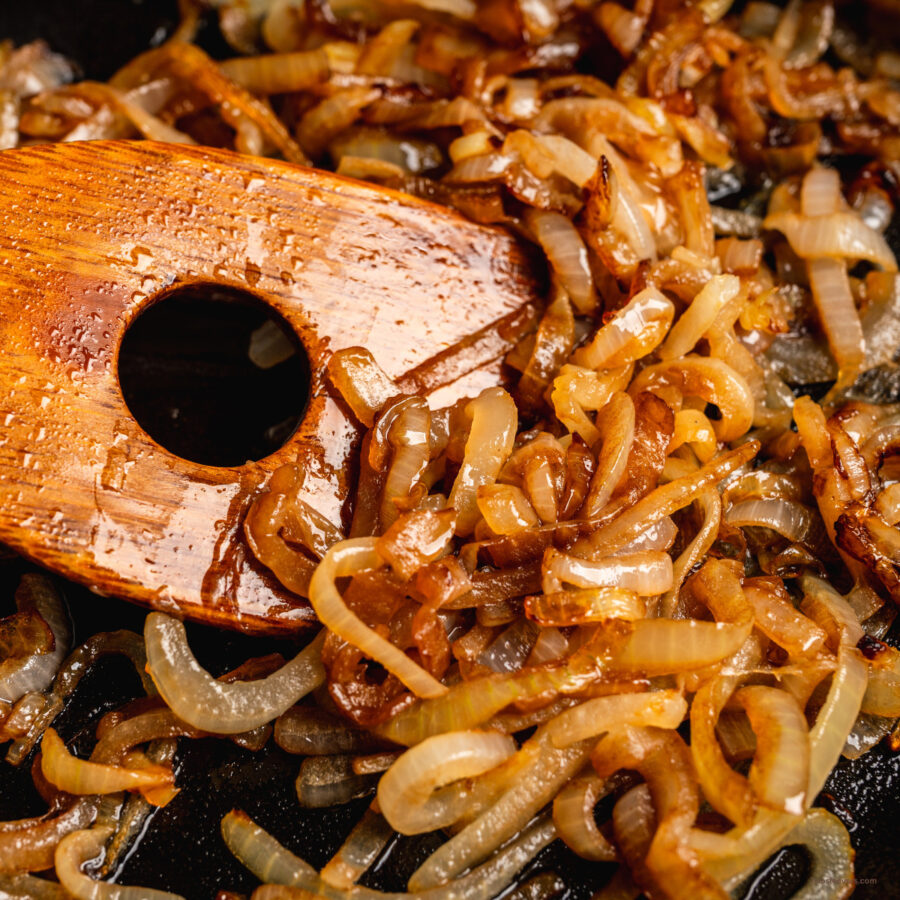
- Stirring. Stir the onions regularly to prevent them from sticking to the pan and to ensure even browning. A wooden spatula is a good choice for this.
Variations
Caramelized onions are a versatile and flavorful addition to many dishes, and there are several variations and flavor twists you can try to enhance your culinary creations. Here are some variations:
- Sweet- Classic caramelized onions are naturally sweet, but you can enhance their sweetness by adding a touch of brown sugar or honey during the caramelization process.
- Red- Instead of yellow or white onions, use red onions. They have a milder and sweeter flavor profile and can add a beautiful color to your dishes.
- Balsamic- Add balsamic vinegar to the caramelization process for a tangy and slightly sweet twist. It complements grilled meats and is great in sandwiches and salads.
- Beer- Substitute water or broth with beer when deglazing the pan. This adds a unique depth of flavor, and the caramelized onions can be used as a topping for burgers or hot dogs.
What To Enjoy Caramelized Onions With
Caramelized onions are incredibly versatile and can enhance the flavor of many dishes. Here are some delicious ways to enjoy caramelized onions:
- Burgers- Top your favorite burger with caramelized onions for a sweet and savory kick.
- Sandwiches- Add caramelized onions to sandwiches, especially with roasted vegetables, cheese, and grilled meats.
- Pizza- Sprinkle caramelized onions over your pizza for a gourmet touch.
- Steak- Serve caramelized onions as a topping for a perfectly cooked steak.
- Hot Dogs and Sausages- Elevate your hot dogs or sausages with a generous spoonful of caramelized onions.
How Long Do They Last?
Caramelized onions can be stored in the refrigerator for up to one week when properly stored. To maximize their shelf life, follow these tips:
- Cool Completely. Allow the caramelized onions to cool down to room temperature before storing them.
- Airtight Container. Transfer the cooled caramelized onions to an airtight container or a resealable plastic bag.
- Refrigerate. Place the container in the refrigerator. Keep the temperature at or below 40°F to ensure freshness.
Can You Freeze Them?
If you need to store them for an extended period, consider freezing them. In the freezer, caramelized onions can last for several months without a significant loss in quality.
More Delicious Condiments
Pin it!
If you love this Caramelized Onions recipe as much as we do, make sure you share it with your friends on Facebook and Instagram so they can try it too! Don't forget to Pin it so you can make them again soon.
Ingredients
- 4 Yellow Onions, thinly sliced
- 3 tbsp Olive Oil
- 1/2 tsp Salt
- 1 tsp Granulated Sugar, optional
- 1 tsp Balsamic Vinegar, optional
Instructions
- Slice your onions thinly. The more uniform your slices, the more evenly they will caramelize.
- In a wide, heavy-bottomed skillet, heat a generous drizzle of olive oil over medium-low heat.
- Add your sliced onions to the skillet and stir to coat them in the oil. Sprinkle a pinch of salt over the onions to help release their moisture.
- This is where patience comes in. Lower the heat to its lowest setting and let the onions cook slowly. Stir occasionally to ensure even caramelization.
- It will take about 30-45 minutes for the onions to turn a beautiful deep golden brown. This slow cooking allows the natural sugars to develop, creating that sweet, caramelized flavor.
- If desired, you can add a pinch of sugar or a splash of balsamic vinegar during the last 5 minutes of cooking for extra sweetness and flavor.
- Allow your caramelized onions to cool before transferring them to an airtight container.


istanbul kentsel dönüşüm
Her değişim sürecinde nedense hep teknik detaylara boğuluyoruz. Bizim ysgrup projelerinde edindiğimiz en büyük tecrübe, insan faktörünü ilk sıraya koymadığınızda o planların kağıt üstünde kalması oldu. [jrgxdfohvppcfgxpvm]