Wondering how long to cook vegetables in an air fryer? This Air Fryer Vegetable Cooking Times guide includes temperatures and estimated times for fresh and frozen vegetables, along with tips for getting tender centers and perfectly roasted edges.
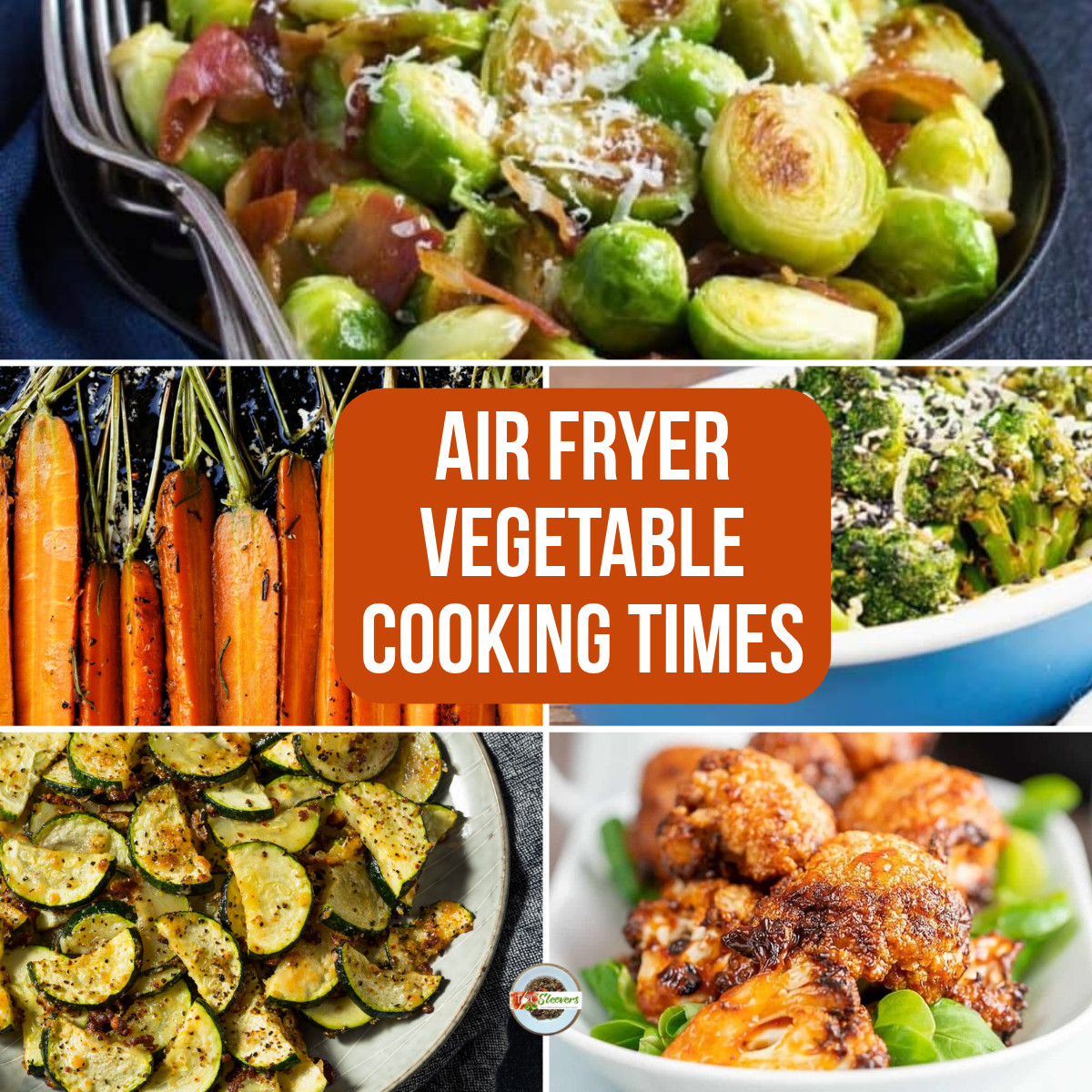
Cooking vegetables in an air fryer is one of the easiest ways to turn a simple side dish into something you actually look forward to eating. The concentrated heat helps vegetables brown quickly without requiring a sheet pan or heating the entire oven.
The tricky part is knowing how long each vegetable needs. Tender asparagus can be ready in minutes, while potatoes, carrots, and winter squash require more time to soften.
Use this air fryer vegetable cooking chart as a starting point, then adjust the time for the size of your vegetables and the way your air fryer cooks.
For cooking times covering meat, seafood, frozen foods, and leftovers, save my complete Air Fryer Cooking Times Chart.
Why You'll Love Air Fryer Vegetables
- Fast. Most vegetables cook in less than 20 minutes.
- Easy. Toss the vegetables with oil and seasoning, then let the air fryer do the work.
- Versatile. Cook fresh or frozen vegetables for quick sides, bowls, salads, and meal prep.
- Flavorful. Circulating hot air creates browned edges and brings out natural sweetness.
- Customizable. Change the oil, herbs, spices, sauces, and toppings to fit the rest of your meal.
- Efficient. Make a small batch without heating a conventional oven.
Air Fryer Vegetable Cooking Times Chart
The following times are estimates for fresh vegetables lightly coated with oil and arranged in an even layer.
Air fryer models vary in size, power, basket shape, and heating strength. Start checking your vegetables near the beginning of the suggested range.
| Vegetable | Preparation | Temperature | Cooking time |
|---|---|---|---|
| Asparagus | Trimmed whole spears | 390°F | 6 to 9 minutes |
| Bell peppers | ½-inch strips | 390°F | 8 to 10 minutes |
| Broccoli | Medium florets | 400°F | 10 to 15 minutes |
| Brussels sprouts | Trimmed and halved | 375°F | 12 to 16 minutes |
| Butternut squash | ¾- to 1-inch cubes | 380°F | 15 to 20 minutes |
| Cabbage | 1-inch wedges or steaks | 375°F | 12 to 18 minutes |
| Carrots | ½-inch slices or sticks | 380°F | 12 to 18 minutes |
| Cauliflower | Medium florets | 390°F | 12 to 16 minutes |
| Corn on the cob | Whole ears or halves | 390°F | 10 to 14 minutes |
| Eggplant | 1-inch cubes | 375°F | 12 to 16 minutes |
| Green beans | Trimmed | 370°F | 8 to 12 minutes |
| Mushrooms | Whole small or halved large | 375°F | 8 to 12 minutes |
| Onions | Thick wedges or slices | 375°F | 10 to 15 minutes |
| Parsnips | ½-inch sticks | 380°F | 14 to 18 minutes |
| Potatoes | ¾-inch cubes | 400°F | 15 to 22 minutes |
| Sweet potatoes | ¾-inch cubes | 390°F | 14 to 20 minutes |
| Tomatoes | Cherry tomatoes | 375°F | 6 to 9 minutes |
| Zucchini | ½-inch slices or spears | 400°F | 7 to 10 minutes |
Shake the basket or turn larger pieces halfway through cooking. Add another 1 to 3 minutes when the vegetables need additional browning or tenderness.
Frozen Air Fryer Vegetable Cooking Times
Frozen vegetables can go directly into the air fryer without thawing. Thawing releases water, which can make them soft rather than roasted.
| Frozen vegetable | Temperature | Cooking time | Notes |
|---|---|---|---|
| Broccoli florets | 390°F | 10 to 15 minutes | Shake several times |
| Brussels sprouts | 380°F | 14 to 18 minutes | Halved sprouts brown more evenly |
| Cauliflower florets | 390°F | 12 to 16 minutes | Season after oiling |
| Corn kernels | 400°F | 8 to 12 minutes | Use an air-fryer-safe pan if kernels fall through |
| Green beans | 380°F | 10 to 14 minutes | Cook until browned and tender |
| Mixed vegetables | 380°F | 10 to 15 minutes | Remove smaller pieces if they finish early |
| Peas | 375°F | 8 to 12 minutes | Use a pan or basket liner approved for your model |
| Vegetable medley | 380°F | 12 to 16 minutes | Separate large frozen clumps |
For more frozen-food guidance, read How To Cook Frozen Food In An Air Fryer.
How To Cook Vegetables In An Air Fryer
1. Prepare the Vegetables
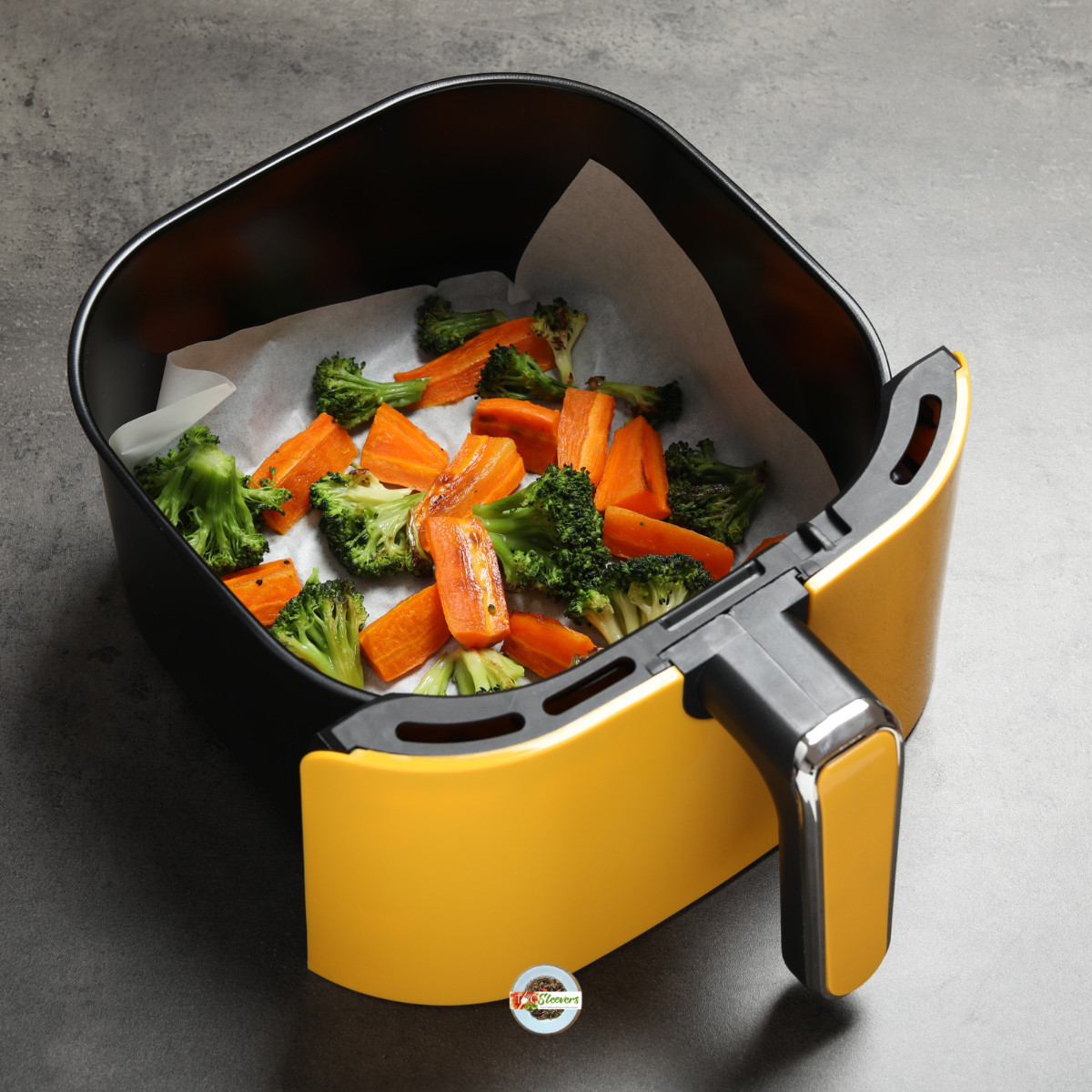
Wash fresh vegetables and dry them thoroughly. Water on the surface creates steam and interferes with browning.
Trim stems, remove tough ends, and cut everything into similarly sized pieces. Uniform vegetables cook more evenly than a mixture of tiny and oversized pieces.
2. Add Oil
Toss the vegetables with enough oil to coat them lightly. You do not need to soak them.
A useful starting point is:
- 1 to 2 teaspoons of oil per pound for firm or naturally moist vegetables
- Up to 1 tablespoon per pound for dry, absorbent, or starchy vegetables
Eggplant, mushrooms, potatoes, and breaded vegetables may need slightly more oil than asparagus or zucchini.
3. Season
Add salt, pepper, and dry seasonings before cooking unless the seasoning contains sugar or delicate herbs.
Sugary sauces can burn before dense vegetables become tender. Add honey, maple syrup, sweet chili sauce, barbecue sauce, or balsamic glaze during the final few minutes.
Fresh herbs, grated cheese, citrus juice, and other finishing ingredients are usually best added after cooking.
4. Preheat If Needed
Preheating is not required for every air fryer, but it can help vegetables start browning immediately.
Preheat for 3 to 5 minutes when:
- You want deeply roasted edges.
- You are cooking potatoes or other dense vegetables.
- Your air fryer manual recommends preheating.
- You are making a small batch that will cook quickly.
If a recipe was tested without preheating, preheating may shorten the necessary cooking time. Begin checking early.
5. Arrange the Vegetables
Place the vegetables in a mostly even layer. A little overlap is acceptable for small pieces if you shake the basket frequently.
Avoid packing the basket tightly. When vegetables are crowded, trapped moisture makes them steam instead of roast.
Cook in batches when necessary.
6. Air Fry
Cook at the recommended temperature, shaking the basket or turning the vegetables halfway through.
Start checking several minutes early, especially when cooking:
- Thin asparagus
- Small broccoli florets
- Zucchini
- Cherry tomatoes
- Thin onion slices
- A small portion
7. Check for Doneness
Vegetables are ready when they have the texture and color you want.
Depending on the vegetable, look for:
- A fork-tender center
- Lightly browned edges
- Crisp-tender green vegetables
- Softened centers with caramelized surfaces
- Shriveled and browned mushrooms
- Potatoes that are easily pierced
The timer is only a guide. Let texture determine when the vegetables leave the air fryer.
Fresh Versus Frozen Air Fryer Vegetables
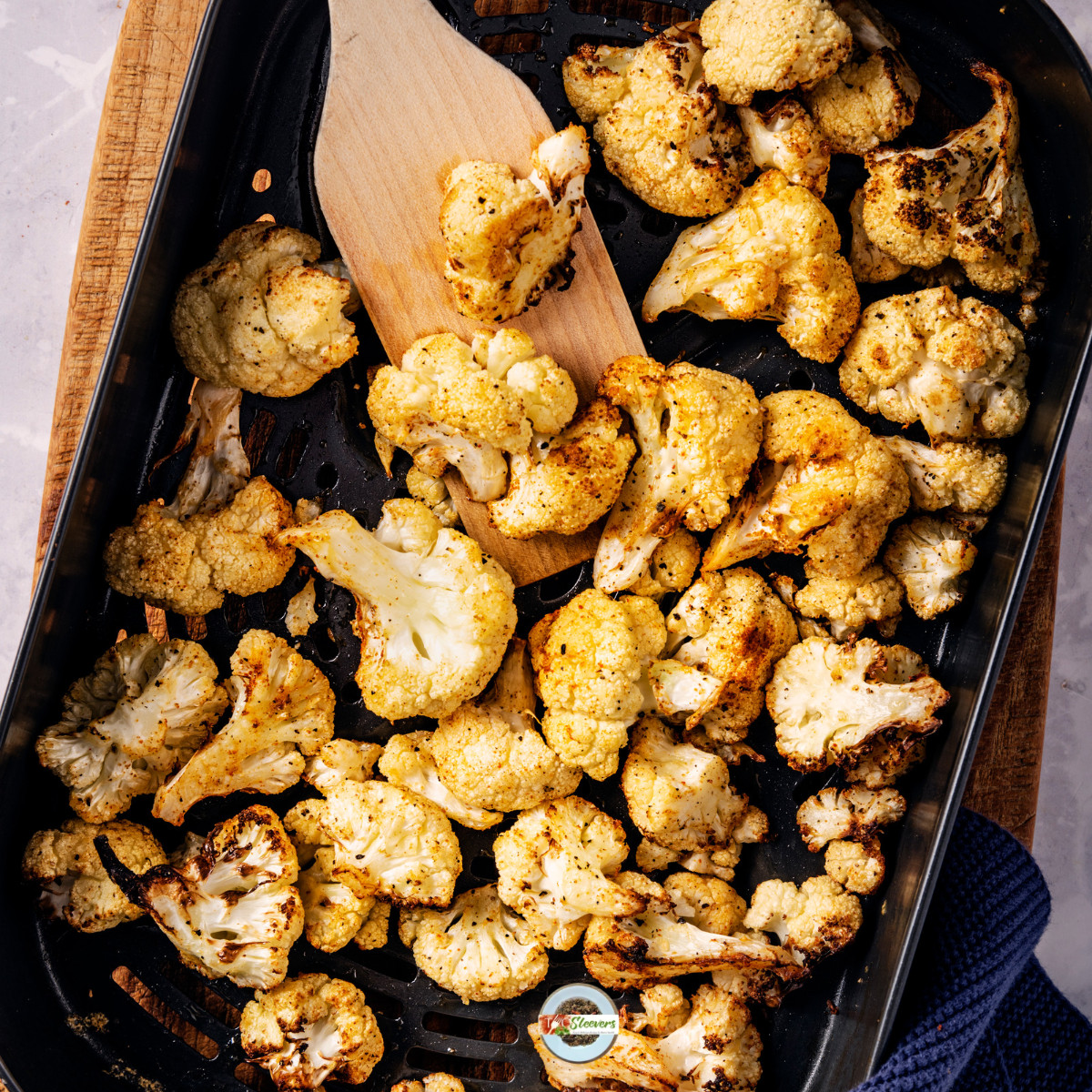
Fresh vegetables generally develop more caramelization and a firmer texture. Frozen vegetables tend to release additional water and may be softer inside.
Use fresh vegetables when:
- Browning is your priority.
- You want crisp-tender texture.
- The vegetable is in season.
- You need clean, evenly sized pieces.
Use frozen vegetables when:
- Convenience matters most.
- You do not want to wash and chop.
- The fresh version is unavailable or expensive.
- You are making a quick weeknight side dish.
Do not thaw frozen vegetables before air frying. Toss them with oil and seasonings while frozen, then shake the basket several times as they cook.
Should You Add Water When Air Frying Vegetables?
Most vegetables do not need water in an air fryer. Water creates steam and can prevent the surfaces from browning.
Broccoli is one exception that may benefit from a small amount of water when its thin florets are browning before the stems become tender.
My Sesame Ginger Air Fryer Broccoli can be made with fresh or frozen broccoli. The fresh version may benefit from a little water in the bottom of an air fryer designed to accommodate it.
Check your manufacturer's instructions before adding water to any air fryer. Never pour water into an area containing electrical components.
Do You Need Oil for Air Fryer Vegetables?
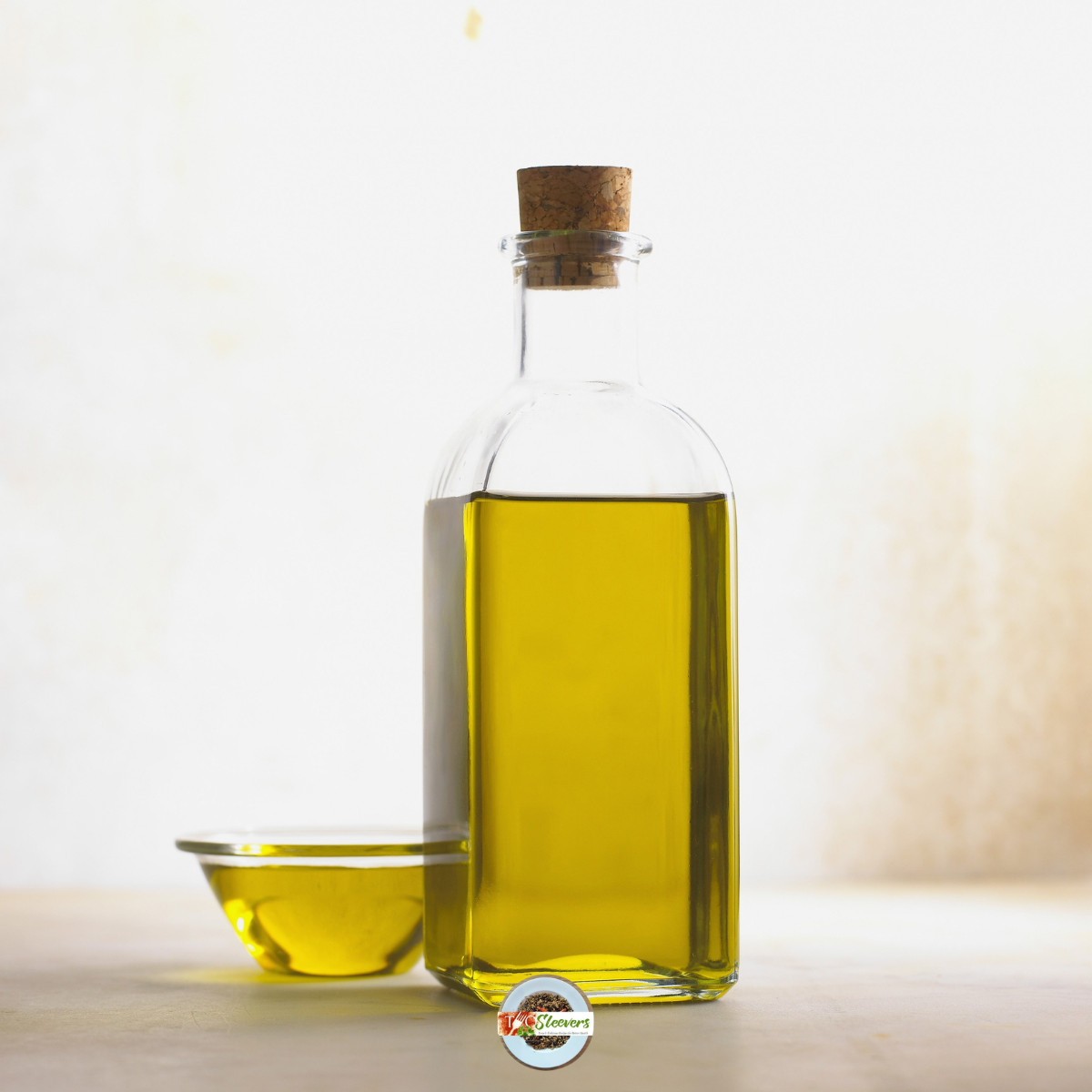
You can cook some vegetables without oil, but a small amount usually improves browning, flavor, and surface texture.
Oil helps:
- Seasonings stick.
- Heat move across the vegetable's surface.
- Edges become browned rather than leathery.
- Potatoes and root vegetables develop a roasted exterior.
- Dry vegetables retain a more pleasant texture.
Use an oil with a smoke point appropriate for the selected temperature. Avocado oil, light olive oil, vegetable oil, and grapeseed oil are common options.
Avoid aerosol cooking sprays unless the air fryer manufacturer says they are safe for the basket coating. A refillable oil mister is often a better choice.
How Long To Air Fry Asparagus
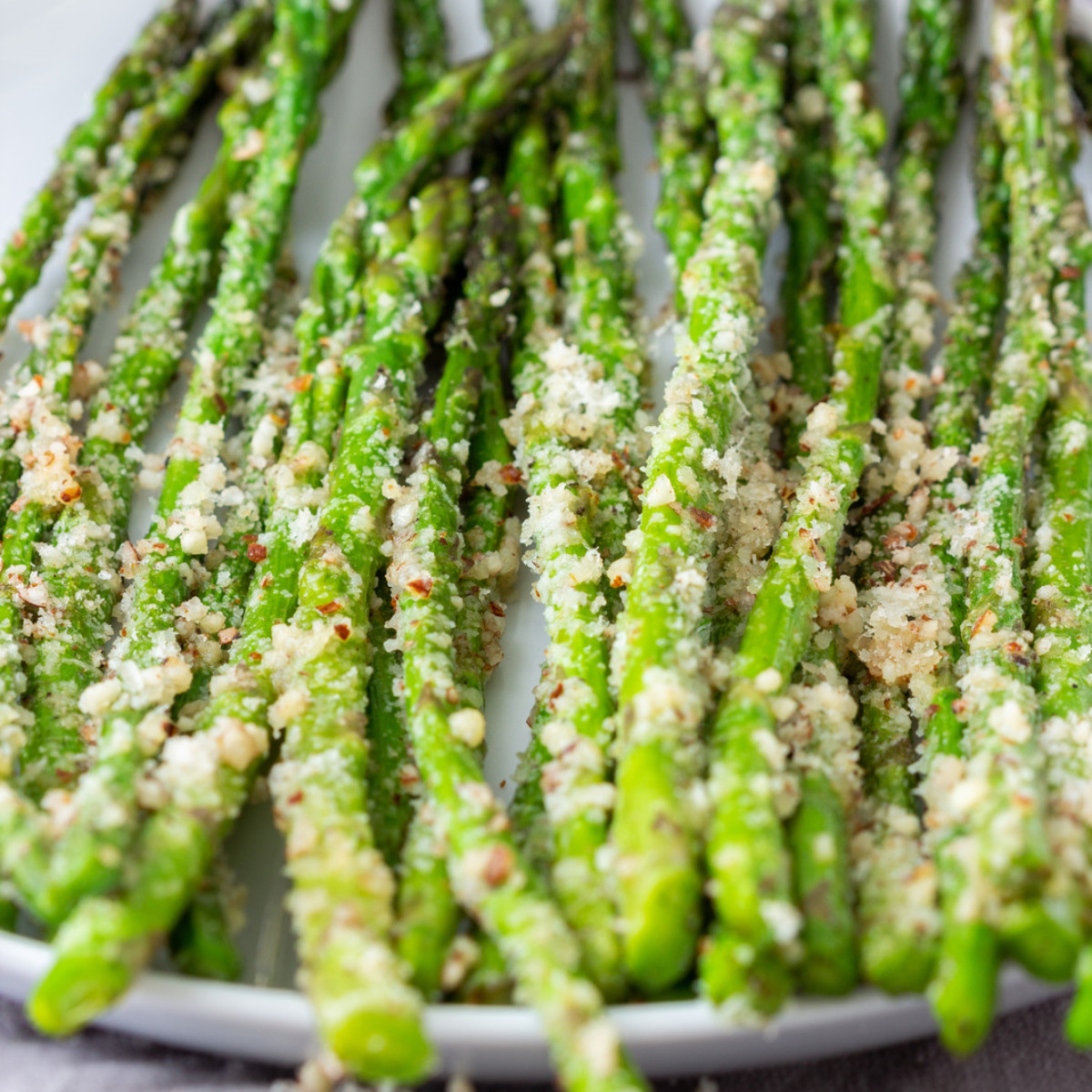
Air fry asparagus at 390°F for approximately 6 to 9 minutes.
Thin spears may be ready in 5 or 6 minutes, while thick stalks can require 8 to 10 minutes. Trim the woody ends and arrange the spears across the basket.
Asparagus should be bright green, lightly browned, and tender enough to pierce without becoming limp.
How Long To Air Fry Broccoli
Air fry fresh broccoli at 400°F for approximately 10 to 15 minutes. Toss or turn it halfway through.
Cut the florets into similar sizes, but do not make them too small. Tiny buds can burn before the thicker stems soften.
For a flavorful side dish, make Air Fryer Sesame Ginger Broccoli with miso, sesame oil, ginger, and chile-garlic sauce.
Frozen broccoli generally needs 10 to 15 minutes at 390°F. It may have a softer, more steamed interior than fresh broccoli.
How Long To Air Fry Brussels Sprouts
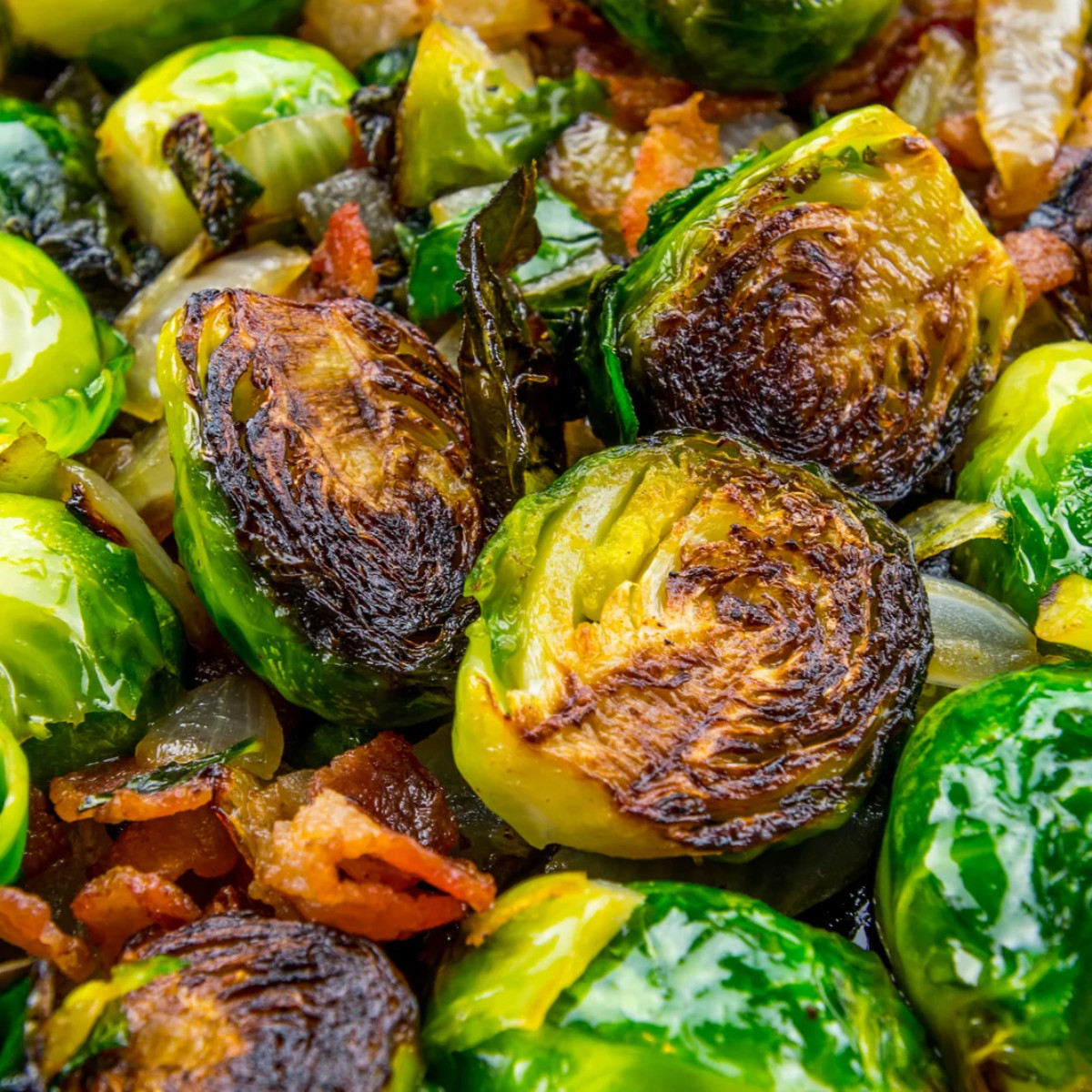
Air fry halved Brussels sprouts at 375°F for 12 to 16 minutes.
Place the cut sides down when possible to encourage browning. Shake the basket after about 7 minutes.
Very large sprouts may need to be quartered. Loose outer leaves will become crisp before the centers finish, so remove any that look excessively dark.
How Long To Air Fry Carrots
Air fry carrots at 380°F for 12 to 18 minutes.
Cut them into even sticks, coins, or diagonal slices. Thick pieces take longer to soften, while very thin slices can become dry.
Add sweet glazes near the end of cooking so the sugar does not burn.
How Long To Air Fry Cauliflower
Air fry cauliflower florets at 390°F for 12 to 16 minutes.
Medium florets cook more evenly than a mixture of tiny crumbs and large pieces. Shake the basket two or three times for browning on several sides.
Frozen cauliflower can be air fried at the same temperature but may need additional time and frequent shaking.
How Long To Air Fry Green Beans
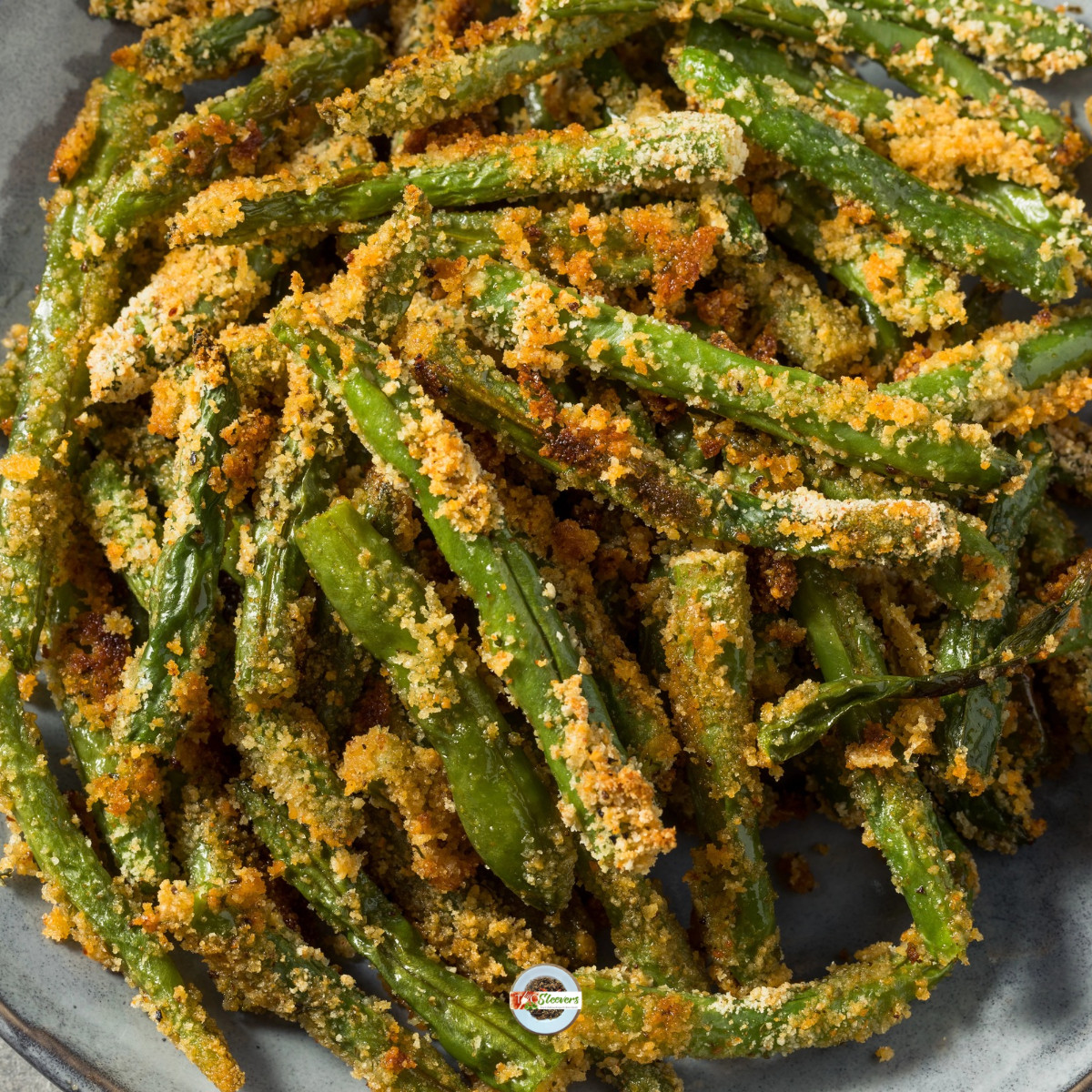
Air fry fresh green beans at 370°F for 8 to 12 minutes.
Trim the ends, dry the beans, and coat them lightly with oil. Shake after approximately 5 minutes.
For a tested variation, try these Shawarma Green Beans. They cook at 370°F for approximately 10 minutes with shawarma seasoning and salt.
How Long To Air Fry Mushrooms
Air fry mushrooms at 375°F for 8 to 12 minutes.
Small mushrooms can remain whole. Halve or quarter larger mushrooms so all of the pieces are similar in size.
Mushrooms release water as they cook. Give them enough basket space for that moisture to evaporate. A crowded basket can make them watery and pale.
How Long To Air Fry Potatoes
Air fry ¾-inch potato cubes at 400°F for 15 to 22 minutes.
Soaking is optional for roasted potato cubes, but rinsing away surface starch and drying thoroughly can improve the finished texture.
Shake the basket every 5 to 7 minutes. Potatoes should be tender inside and deeply golden outside.
Larger wedges, whole potatoes, or baby potatoes need more time than cubes. Follow a recipe developed for that particular shape rather than assuming every potato takes 20 minutes.
How Long To Air Fry Sweet Potatoes
Air fry ¾-inch sweet potato cubes at 390°F for 14 to 20 minutes.
Sweet potatoes contain natural sugars and can darken quickly. Check them early and reduce the temperature if the edges brown before the centers become tender.
Avoid cutting the cubes too small. Small pieces can become dry or burn at the corners.
How Long To Air Fry Zucchini
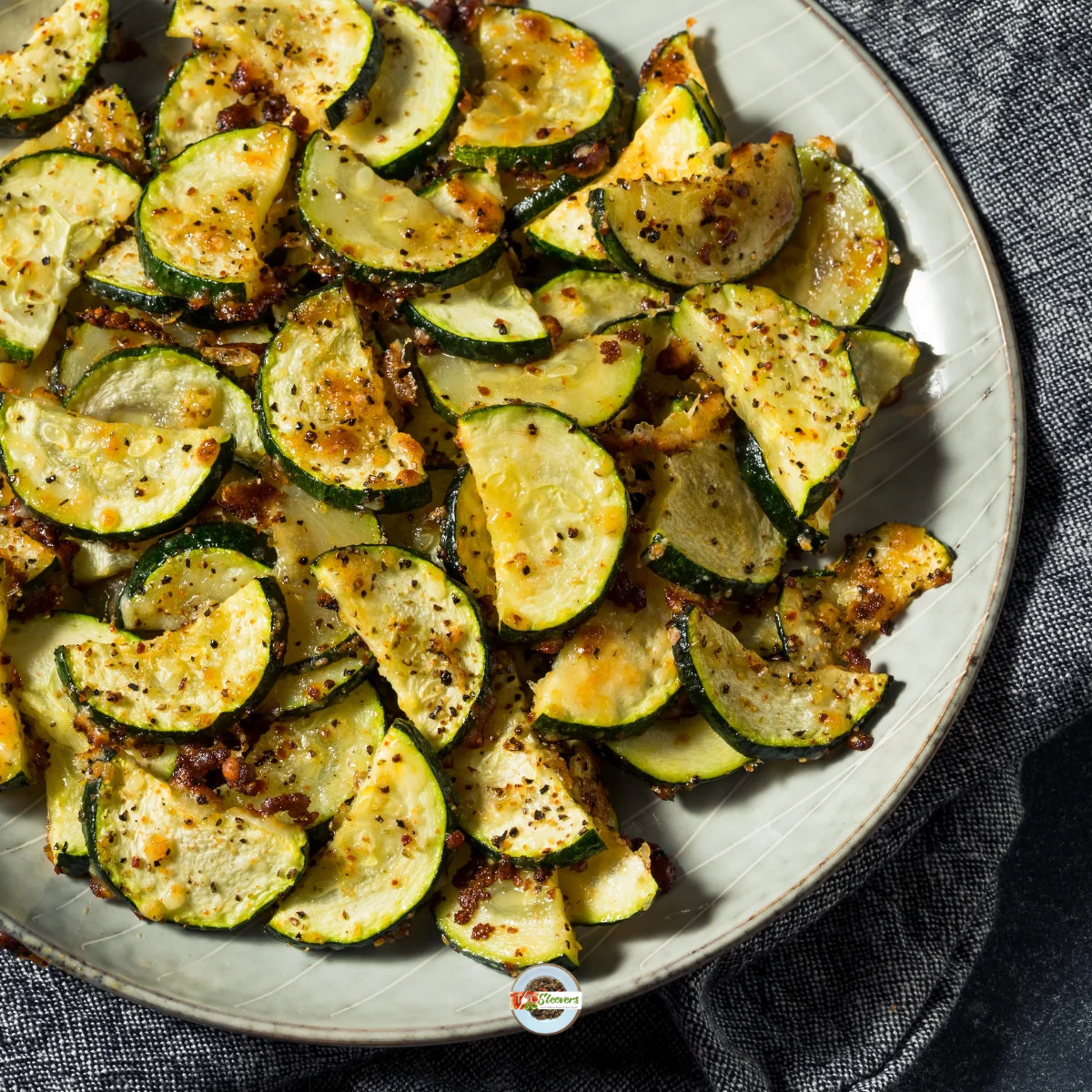
Air fry zucchini at 400°F for 7 to 10 minutes.
Cut zucchini into thick slices, half-moons, or spears. Very thin pieces can become limp and watery.
Do not salt zucchini far in advance. Salt draws out moisture, which can make the surface wet before it enters the air fryer.
How Long To Air Fry Corn
Air fry corn on the cob at 390°F for 10 to 14 minutes, turning once.
Frozen corn kernels generally need 8 to 12 minutes at 400°F. Cook kernels in an air-fryer-safe pan or accessory if they can fall through the basket.
For a complete side dish, try this Air Fryer Southwestern Roasted Corn with peppers, onions, jalapeño, cumin, queso fresco, and cilantro.
What Vegetables Cook Well Together?
Vegetables cook well together when they have similar density, moisture content, preparation size, and cooking time.
Good combinations include:
- Broccoli and cauliflower
- Bell peppers and onions
- Potatoes and sweet potatoes
- Carrots and parsnips
- Zucchini and mushrooms
- Green beans and bell peppers
- Brussels sprouts and cauliflower
Avoid combining delicate zucchini with dense raw potatoes unless you add the zucchini later.
When cooking vegetables with different times:
- Start the firmest vegetable first.
- Air fry it until partially tender.
- Add the faster-cooking vegetable.
- Toss everything together.
- Continue cooking until both are ready.
Why Are My Air Fryer Vegetables Soggy?
Air fryer vegetables become soggy when excess moisture is trapped in the basket.
Common causes include:
- Crowding the basket
- Failing to dry fresh vegetables
- Thawing frozen vegetables
- Using too much oil
- Cutting vegetables unevenly
- Cooking at too low a temperature
- Lining the basket in a way that blocks airflow
- Adding watery sauce too early
To fix soggy vegetables, spread them into a thinner layer and increase the temperature slightly. Continue cooking for a few minutes while shaking frequently.
Do not expect every frozen vegetable to become as crisp as its fresh counterpart. Frozen broccoli and cauliflower will usually remain softer inside.
Why Are My Air Fryer Vegetables Dry?
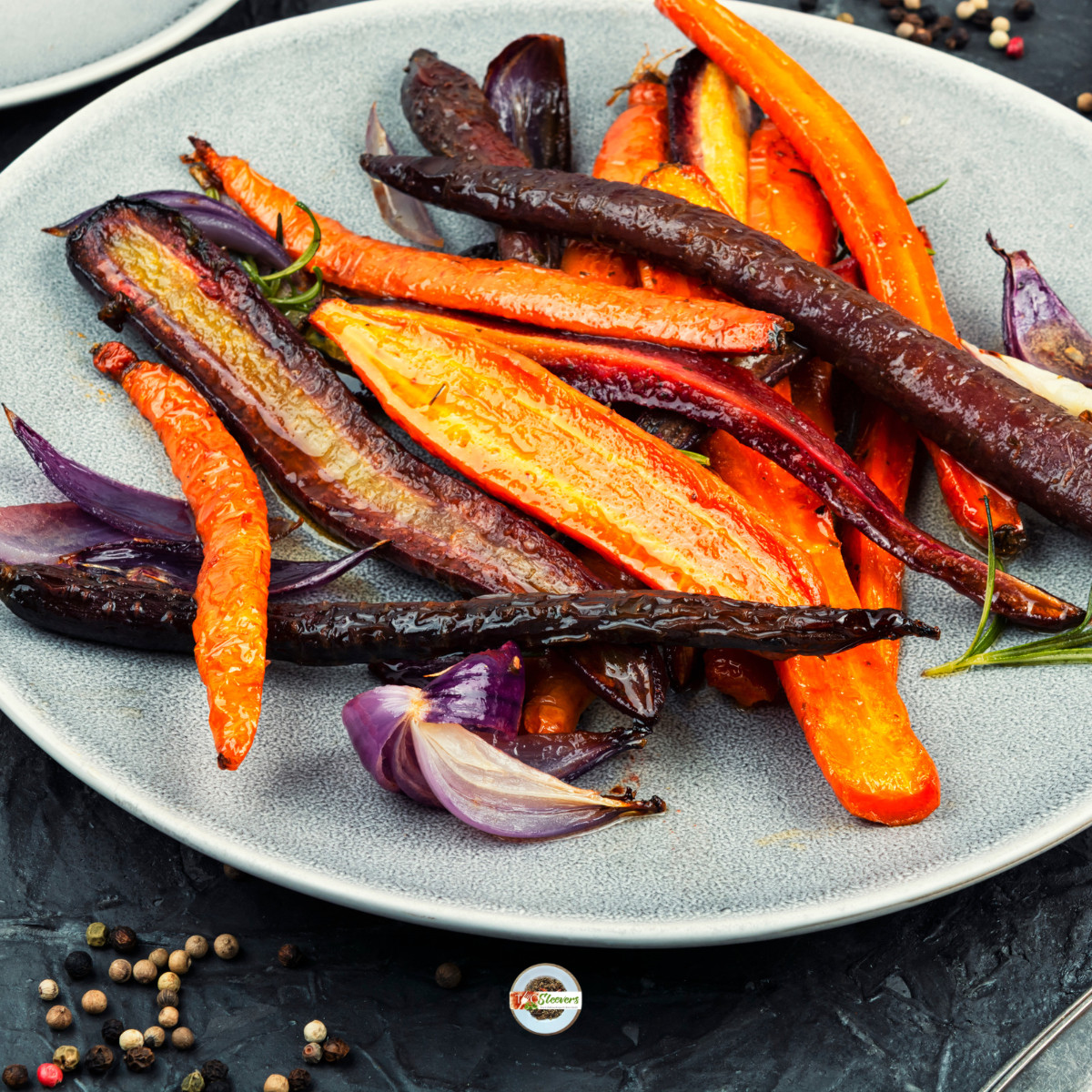
Vegetables can become dry, shriveled, or leathery when they are cut too small, cooked too long, or exposed to excessive heat without enough oil.
To keep vegetables from drying out:
- Cut similar-sized pieces.
- Use a light coating of oil.
- Lower the temperature by 10°F to 25°F.
- Begin checking early.
- Remove cooked pieces instead of waiting for every piece to match.
- Do not leave vegetables in the hot basket after cooking.
- Use larger pieces for naturally delicate vegetables.
For more troubleshooting, read Why Is My Air Fryer Food Dry?.
Why Do My Air Fryer Vegetables Burn?
Vegetables can burn when:
- The temperature is too high.
- The pieces are too small.
- The seasoning contains sugar.
- Loose herbs or spices blow toward the heating element.
- The vegetables are not shaken.
- Your air fryer cooks hotter than the one used to develop the recipe.
- A small batch receives more intense airflow.
Reduce the temperature and check sooner during the next batch. Add sugary glazes and grated cheese near the end.
If the outside is already dark but the center is still firm, lower the heat and continue cooking until tender.
Do You Need To Shake Air Fryer Vegetables?
Shake small vegetables and bite-sized pieces at least once during cooking. Dense vegetables and crowded batches may benefit from shaking two or three times.
Turn larger items such as:
- Cabbage steaks
- Corn on the cob
- Eggplant slices
- Large potato wedges
- Thick zucchini spears
Shaking and turning expose more surfaces to the circulating air, creating more even browning.
Can You Stack Vegetables in an Air Fryer?
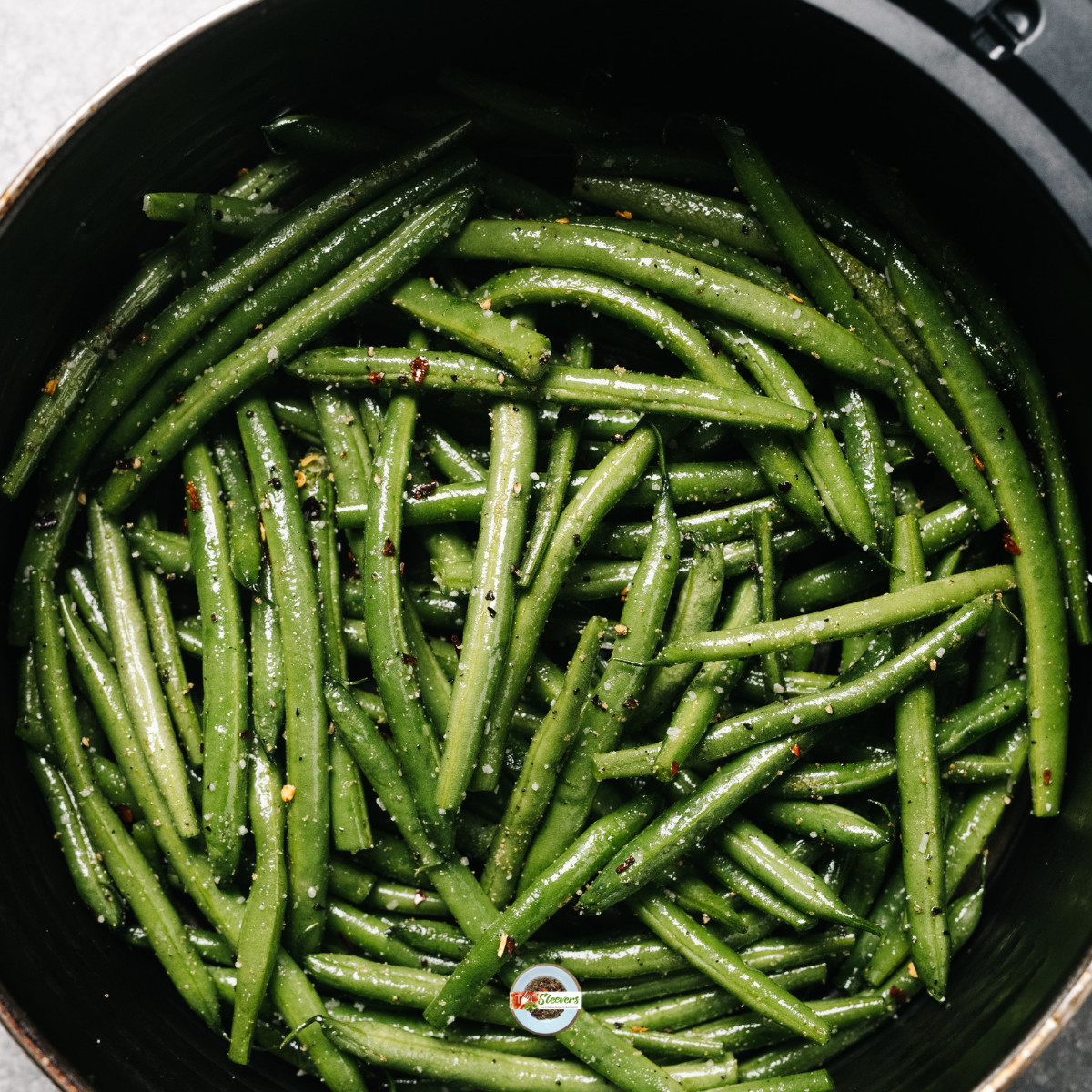
A small amount of overlap is acceptable for green beans, fries, Brussels sprouts, broccoli, and similar vegetables if you shake the basket frequently.
Do not tightly pack or compress vegetables. Air needs to move between the pieces.
For the most roasted texture, cook the vegetables in a single layer. For a larger quantity, cook in batches and combine everything before serving.
Should You Use Parchment or Foil?
Parchment and foil can make cleanup easier, but they may also reduce airflow.
Use them only when permitted by the air fryer manufacturer. Choose perforated parchment when possible and leave open space around the edges.
Never preheat an empty air fryer with loose parchment or foil. The circulating air can lift it toward the heating element. Food must securely weigh it down.
If cleanup is the main concern, see How To Clean An Air Fryer before covering the basket in a way that interferes with cooking.
Seasoning Ideas for Air Fryer Vegetables
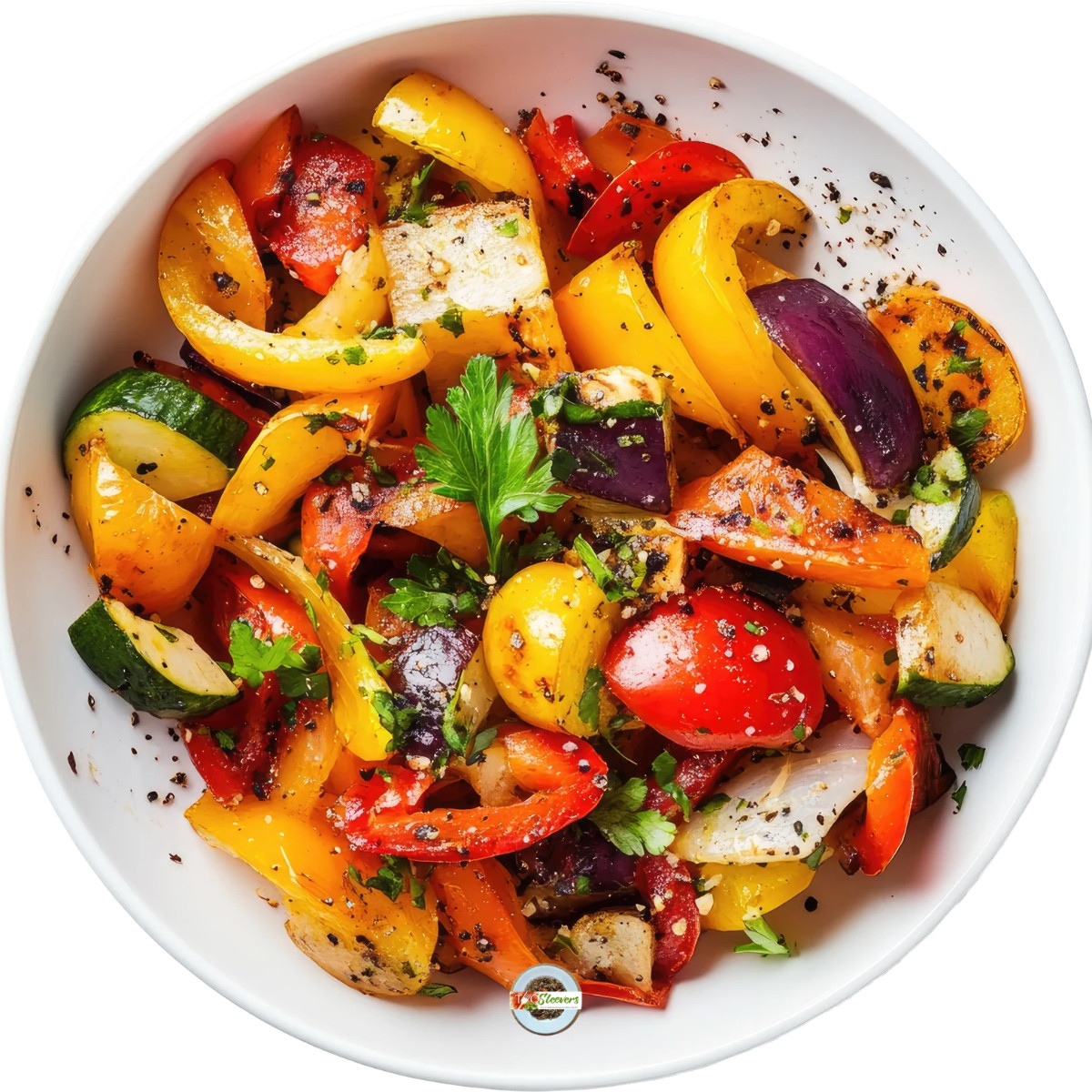
Simple Garlic Herb
Combine:
- Olive oil
- Garlic powder
- Kosher salt
- Black pepper
- Italian seasoning
Smoky and Spicy
Combine:
- Avocado oil
- Smoked paprika
- Garlic powder
- Ground cumin
- Cayenne
- Kosher salt
Parmesan
Toss with oil, salt, pepper, and garlic powder. Add finely grated Parmesan during the final few minutes or immediately after cooking.
Lemon Pepper
Season with oil, black pepper, garlic powder, and salt. Add fresh lemon zest and juice after air frying.
Sesame Ginger
Combine sesame oil with ginger, garlic, and a small amount of soy sauce. Watch liquid amounts carefully because a wet sauce can reduce browning.
Shawarma-Inspired
Season with oil, cumin, coriander, paprika, garlic, and a small amount of cinnamon. Or use the same technique as these Air Fryer Shawarma Green Beans.
How To Reheat Air Fryer Vegetables
Reheat roasted vegetables at 325°F to 350°F for approximately 3 to 6 minutes.
Spread them in a shallow layer and check frequently. The vegetables are already cooked, so the goal is to warm them and restore some surface texture without drying out the centers.
Dense vegetables such as potatoes may take longer than zucchini, asparagus, or green beans.
For additional temperatures and techniques, use my guide to reheating food in an air fryer.
How To Store Air Fryer Vegetables
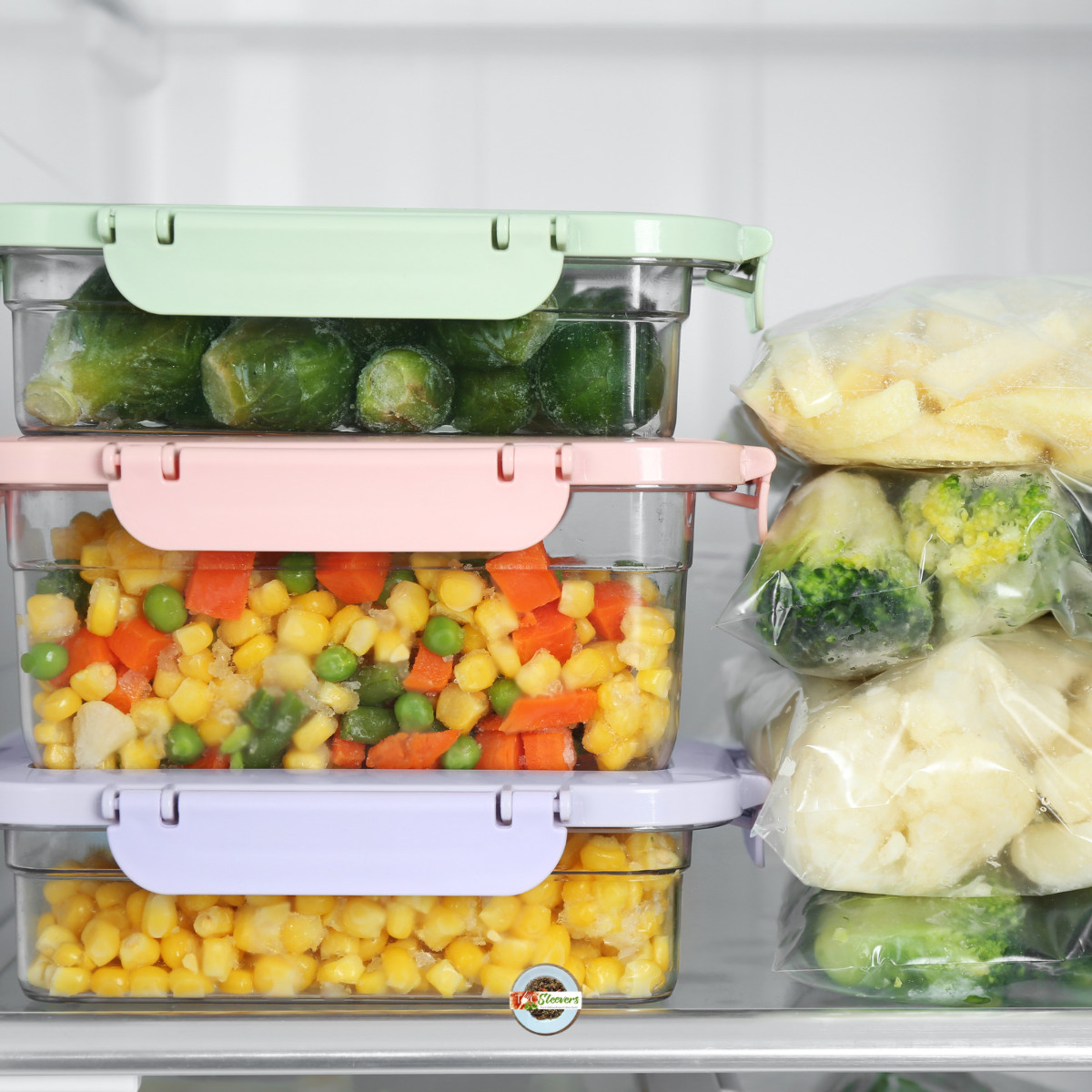
Allow leftover vegetables to stop steaming, then refrigerate them promptly in an airtight container.
Most cooked vegetables can be refrigerated for approximately three to four days. Texture may soften during storage, particularly with zucchini, mushrooms, tomatoes, and frozen vegetables.
Do not leave cooked vegetables at room temperature for more than two hours.
Freezing previously air-fried vegetables is possible, but many will become softer after thawing. Potatoes, carrots, corn, broccoli, and cauliflower generally freeze better than zucchini, mushrooms, or tomatoes.
Frequently Asked Questions
What Temperature Is Best for Air Frying Vegetables?
Most vegetables air fry well between 375°F and 400°F.
Use the lower end for delicate, thin, or naturally sugary vegetables. Use the higher end for potatoes, broccoli, cauliflower, and vegetables that need stronger browning.
How Long Do Vegetables Take in an Air Fryer?
Most air fryer vegetables take between 7 and 20 minutes. Tender vegetables such as asparagus and zucchini cook quickly, while potatoes, carrots, winter squash, and other dense vegetables take longer.
Is It Better to Air Fry Vegetables at 375°F or 400°F?
Both temperatures work. Use 375°F when the vegetable needs time to soften without excessive browning. Use 400°F when you want faster cooking and crisp, roasted edges.
Can You Air Fry Vegetables Without Oil?
Yes, but they may be less browned and can develop a dry surface. A small amount of oil usually improves flavor and texture.
Can You Air Fry Raw Vegetables?
Yes. Wash, dry, cut, oil, and season raw vegetables before placing them in the basket.
Can You Air Fry Frozen Vegetables?
Yes. Do not thaw them first. Toss frozen vegetables with oil and seasoning, then cook at approximately 375°F to 390°F while shaking frequently.
Should You Salt Vegetables Before Air Frying?
Most vegetables can be salted before cooking. For watery vegetables such as zucchini, salt immediately before air frying so it does not have time to draw out excessive moisture.
Can You Cook Meat and Vegetables Together?
You can when the ingredients require similar cooking temperatures and times. Raw meat must reach its safe internal temperature without overcooking the vegetables.
In many cases, it is easier to begin cooking the meat first and add the vegetables later.
For chicken-specific temperatures and times, use this Air Fryer Chicken Cooking Times By Cut.
Why Are My Vegetables Blowing Around?
Light vegetables, leafy greens, loose herbs, and small pieces can be lifted by the air circulation.
Use larger pieces, apply enough oil to help seasonings adhere, and secure light foods with an air-fryer-safe rack when your manufacturer permits it.
How Do You Convert an Oven Vegetable Recipe to an Air Fryer?
Reduce the conventional oven temperature by approximately 25°F and begin checking the vegetables about 20% earlier.
This is only a starting point. Use the complete guide to converting oven recipes to air fryer instructions for more examples.
More Air Fryer Vegetable Recipes

Put this air fryer vegetable cooking times chart to work with these tested recipes and collections:
- Sesame Ginger Air Fryer Broccoli
- Shawarma Green Beans
- Southwestern Roasted Corn
- Vegetable Side Dish Recipes
- Vegetarian Recipes
- Air Fryer Recipes
For the best air fryer vegetables, cut everything evenly, dry fresh produce thoroughly, use a light coating of oil, and leave room for airflow. Start checking early and adjust the cooking time based on your appliance, the size of the pieces, and how tender or browned you want the vegetables.