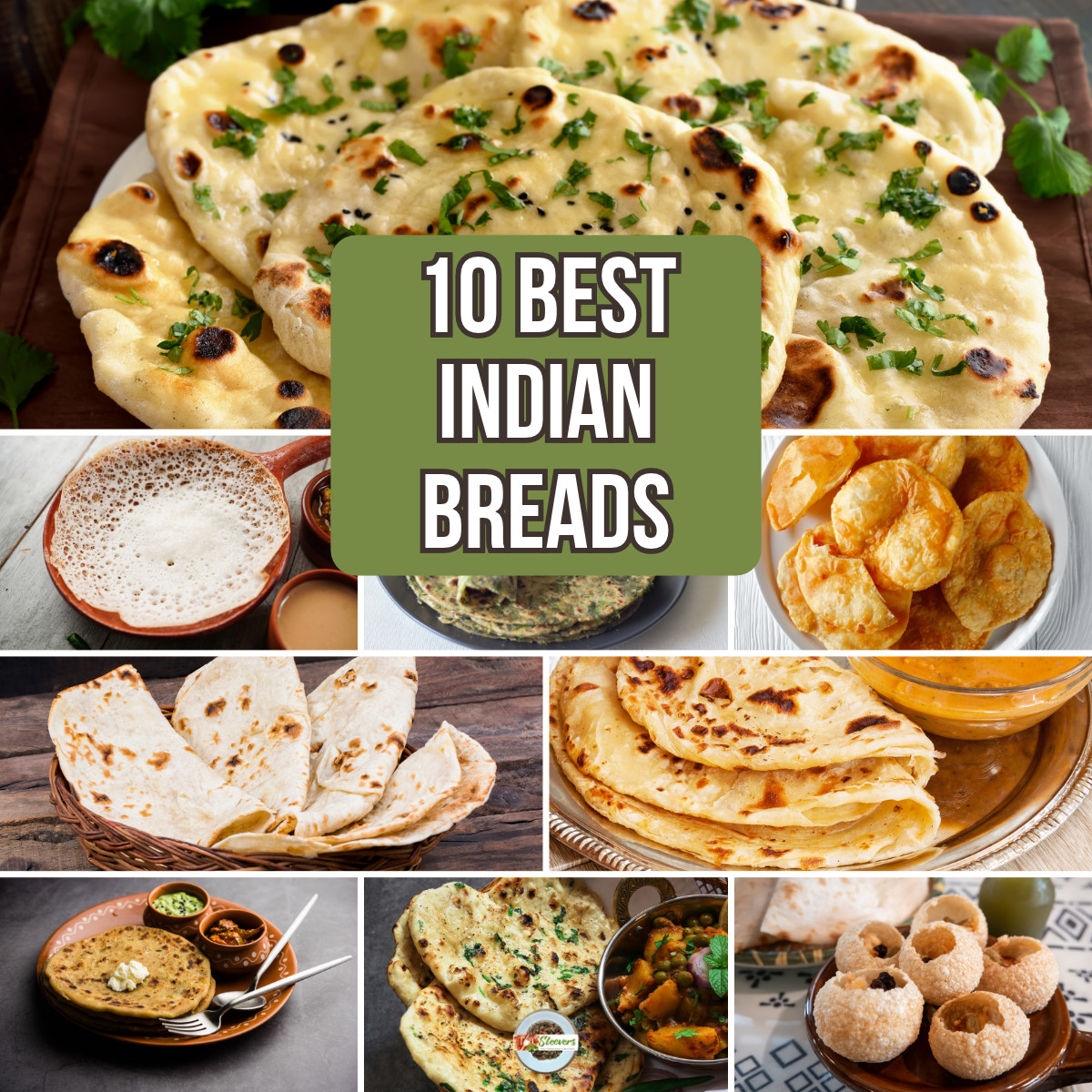
From soft, chewy naan to crisp, puffed puri, Indian breads vary by region, grain, cooking method, and occasion. This guide explains 10 types of Indian bread, what makes each one different, and which curries, dals, and sides pair with them best.
Why You'll Love This Guide
- Easy to compare. A quick chart shows the flour, texture, and cooking method for every bread.
- Practical. Learn which Indian flatbread works best with a thick curry, dry vegetable dish, or festive meal.
- Beginner-friendly. Clear explanations take the mystery out of names such as roti, chapati, kulcha, and bhatura.
- Useful for planning. Pairing suggestions make it easier to build a complete Indian meal.
When someone says Indian bread, they may mean a thin everyday roti, a flaky paratha, a tandoor-baked naan, or a deep-fried puri. These breads are not interchangeable, and there is no single bread that represents all of India.
India's many regions, communities, climates, and grains have produced an enormous variety of breads. Some are made with whole wheat, while others use refined wheat, chickpea flour, millet, sorghum, or rice. Some are unleavened, some are fermented, and some puff dramatically in hot oil.
This list is an introduction rather than a complete catalog. It focuses on ten traditional Indian breads that demonstrate the range of flours, textures, and cooking techniques you may encounter at home or in a restaurant.
What Is Indian Bread?
Indian bread is a broad English-language category for many breads and bread-like staples from the Indian subcontinent. Most are flatbreads, but they can be cooked on a hot griddle, slapped onto the wall of a tandoor, baked, deep-fried, or steamed.
The dough may be as simple as flour, water, and salt. Other versions contain yogurt, milk, ghee, oil, yeast, sourdough starter, spices, herbs, or vegetables.
Indian breads are commonly used to:
- Scoop up curry, dal, or vegetables
- Wrap kebabs, eggs, and fillings
- Provide contrast to saucy dishes
- Turn leftovers into a satisfying meal
- Carry chutneys, pickles, and raita
For more help understanding the rest of the plate, see this guide to Indian curry types and this explanation of Indian dal types.
Indian Bread Comparison Chart
| Bread | Common Base | Leavened? | Cooking Method | Texture | Best With |
|---|---|---|---|---|---|
| Roti or chapati | Whole wheat atta | No | Tawa or griddle | Thin, soft, flexible | Dal, vegetables, everyday curry |
| Naan | Refined wheat flour | Usually | Tandoor or very hot oven | Puffy, chewy, tender | Butter chicken, korma, thick curry |
| Paratha | Whole wheat atta | No | Tawa with fat | Flaky, layered, crisp-edged | Yogurt, chutney, pickles, curry |
| Puri | Whole wheat flour | No | Deep-fried | Crisp, light, puffed | Potato curry, chana, festive meals |
| Bhatura | Refined wheat flour | Yes | Deep-fried | Puffy, chewy, substantial | Chole or chana masala |
| Kulcha | Refined wheat flour | Often | Tandoor, oven, or griddle | Soft, tender, slightly chewy | Chole, dal makhani, kebabs |
| Bhakri | Millet, sorghum, or wheat | No | Tawa or griddle | Rustic, sturdy, hearty | Dal, dry vegetables, regional curries |
| Thepla | Whole wheat, often with fenugreek | No | Tawa with oil | Thin, pliable, savory | Yogurt, chutney, pickle |
| Missi roti | Chickpea and wheat flours | No | Tawa or tandoor | Nutty, hearty, lightly crisp | Dal, raita, vegetable curry |
| Appam | Rice and coconut batter | Yes, by fermentation | Appam pan | Lacy edges, soft center | Stew, coconut curry, South Indian dishes |
Recipes and regional traditions vary. A bread may be prepared differently from one household or state to another, so treat the chart as an orientation rather than a set of rigid rules.
1. Roti Or Chapati
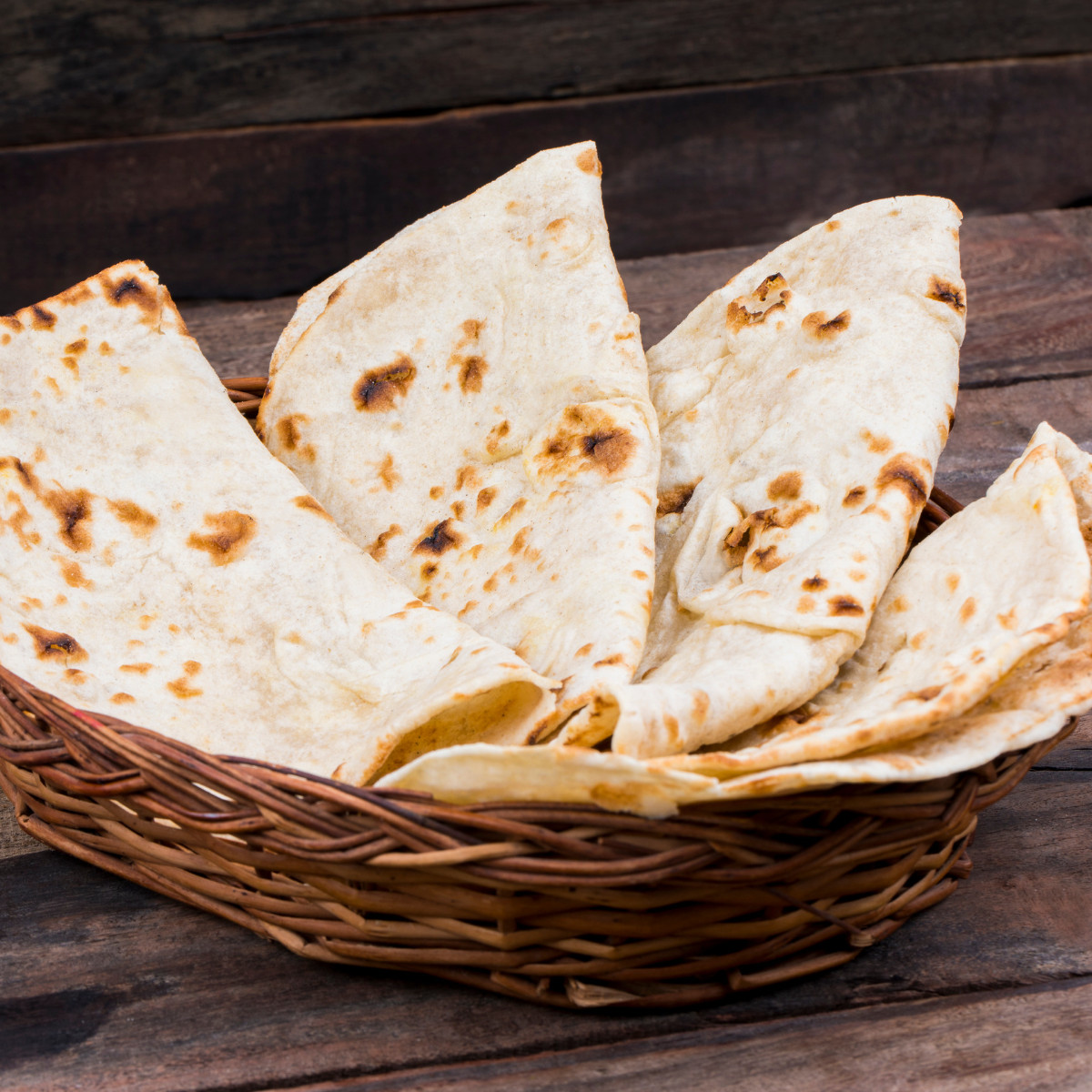
Roti is one of the most common everyday Indian flatbreads. A basic dough made from atta, a finely milled whole wheat flour, water, and sometimes salt is divided, rolled thin, and cooked on a hot tawa.
The words roti and chapati are frequently used interchangeably. Depending on region and household, roti can be a broad term for bread while chapati refers more specifically to an unleavened, griddle-cooked whole wheat flatbread. Phulka is a closely related bread that is finished directly over a flame so it balloons with steam.
Roti is thin, flexible, and less rich than naan or paratha. That makes it practical for everyday meals and especially good with Moong Dal, Sookhi Urad Dal, vegetable dishes, and homestyle curries.
It can also become a wrap. This Indian Frankie uses roti or chapati with egg, sauce, and a filling for an easy meal.
2. Naan
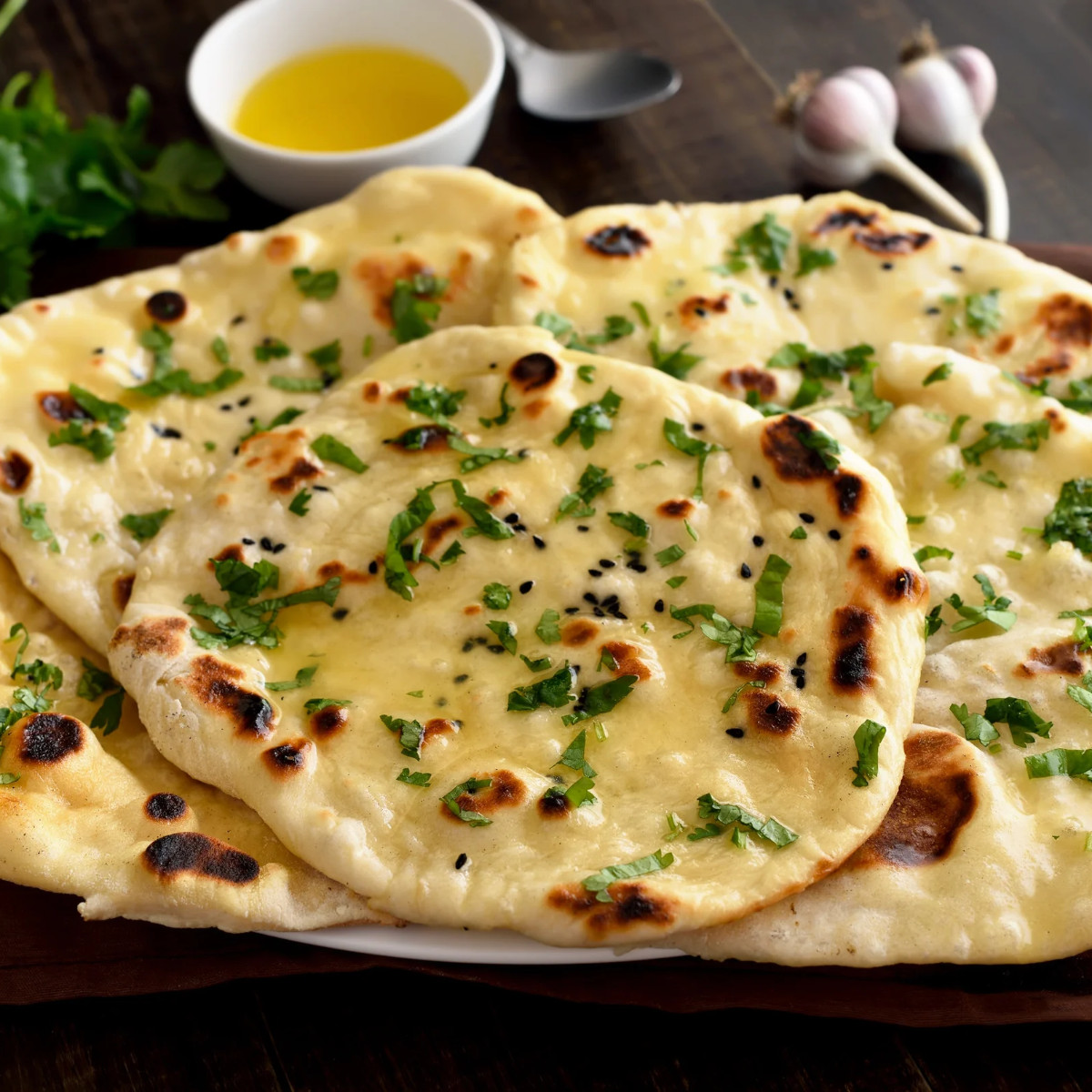
Naan is a soft, chewy, leavened bread traditionally cooked against the very hot inner wall of a tandoor. The dough commonly contains refined wheat flour, and may include yogurt, milk, yeast, or another leavening agent. Exact formulas differ.
High heat creates browned blisters, a puffy structure, and lightly charred spots. Butter naan and garlic naan are popular variations, but naan can also be filled or topped with herbs, cheese, or seeds.
Its substantial texture makes naan one of the best breads for thick, rich sauces. Use it to scoop up Instant Pot Butter Chicken, Chicken Korma, Chicken Tikka Masala, or creamy Dal Makhani.
3. Paratha
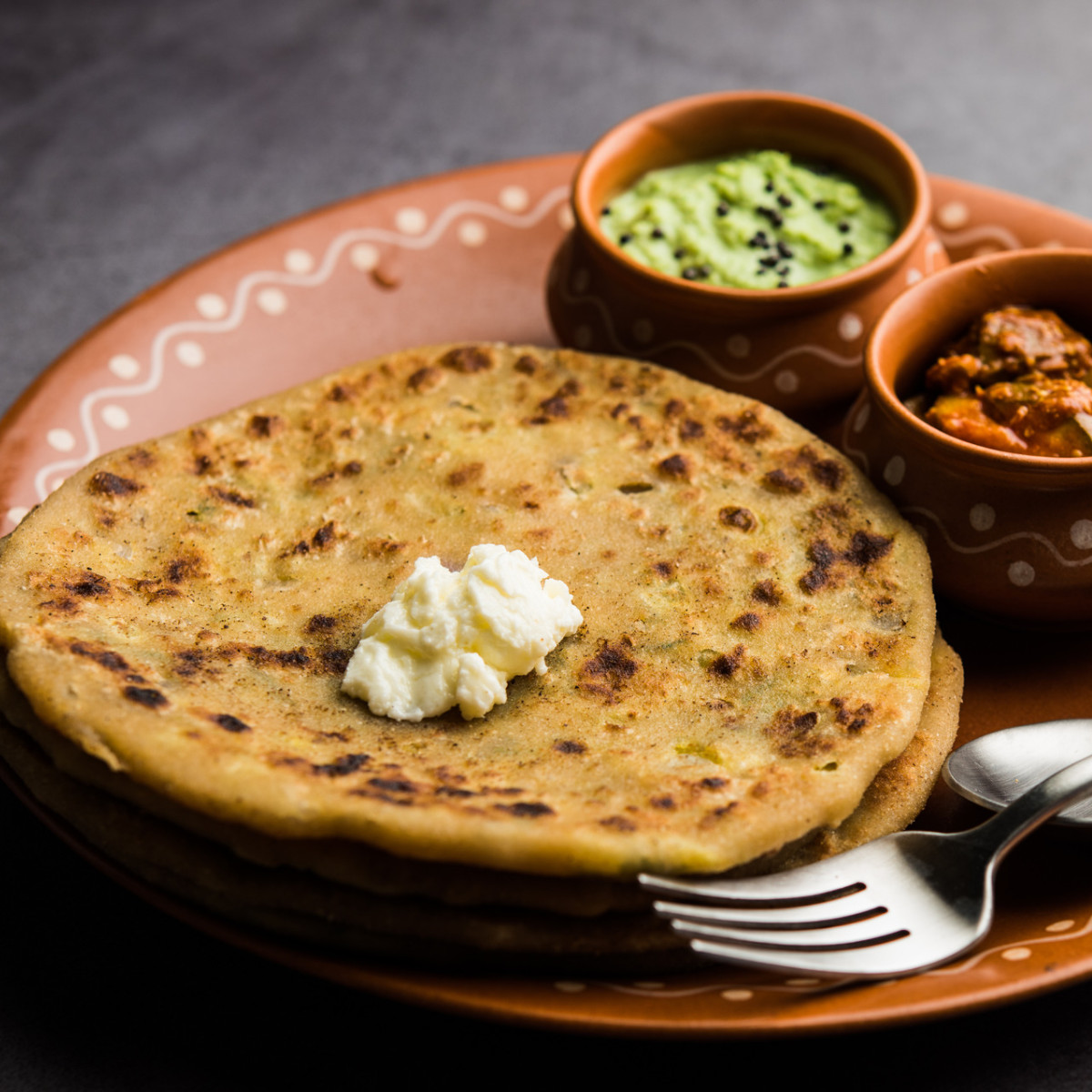
Paratha is an unleavened flatbread cooked on a tawa with oil or ghee. Plain paratha is folded or coiled to create layers, then rolled and cooked until flaky with crisp, browned patches.
Stuffed parathas turn the bread into a meal. Fillings may include seasoned potato, cauliflower, paneer, radish, fenugreek leaves, or lentils. A stuffed paratha needs little more than yogurt, pickle, butter, or chutney alongside it.
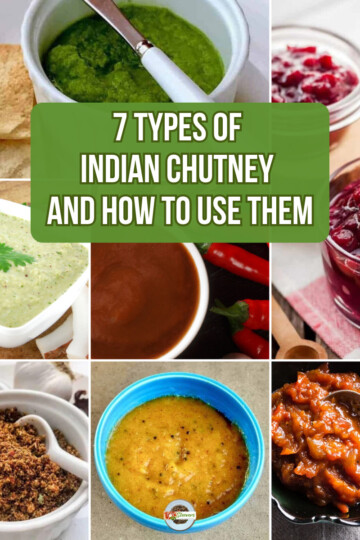
Serve plain paratha with eggs, kebabs, dry vegetable dishes, or curry. For a bright contrast to its richness, add Indian Green Chutney or use the pairing ideas in this guide to seven types of Indian chutney.
4. Puri Or Poori
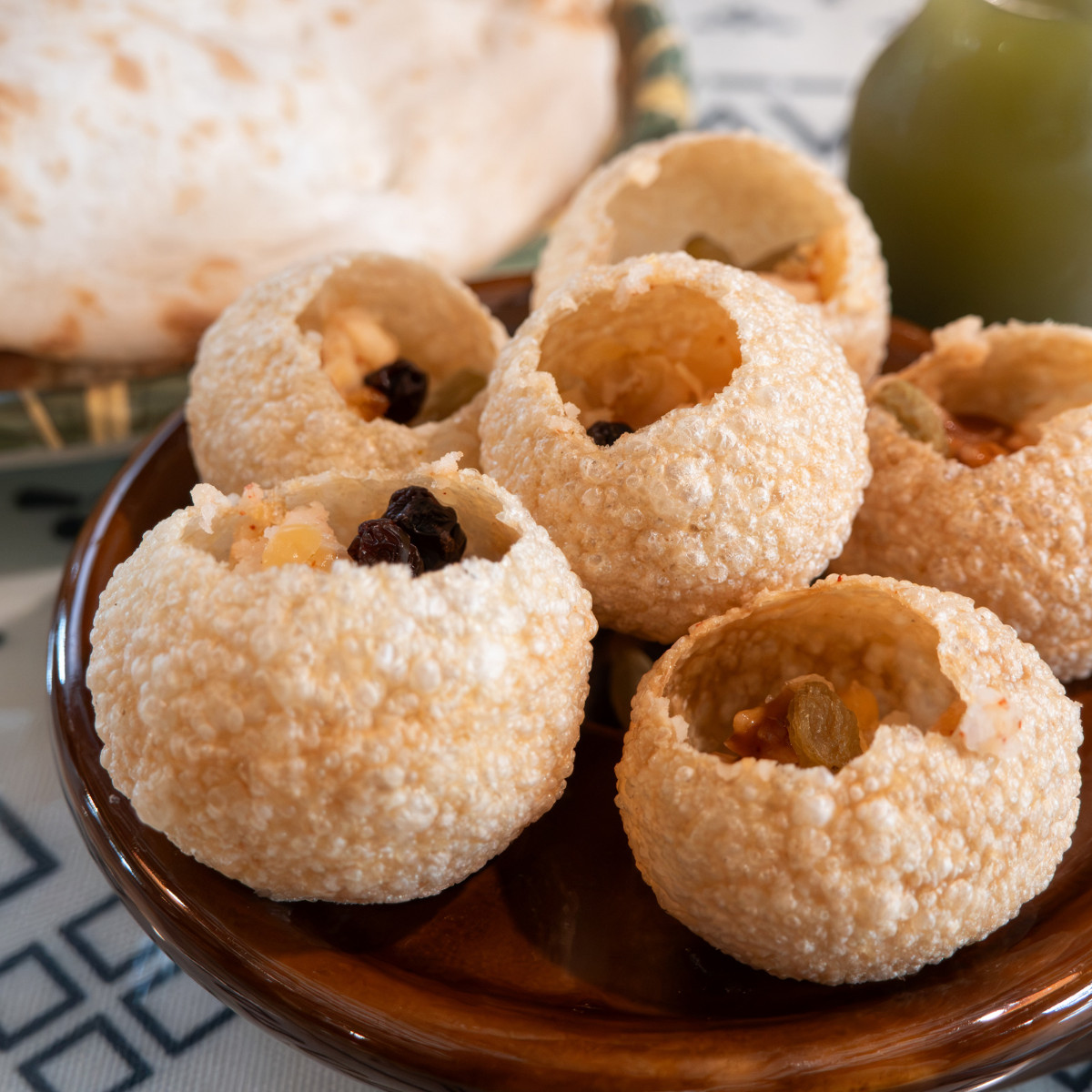
Puri, also spelled poori, is a small unleavened wheat bread that is deep-fried. When the rolled dough enters hot oil, trapped steam expands and inflates it into a round, hollow dome.
Fresh puri is light and crisp on the outside with a tender interior. It is often served for breakfast, celebrations, religious occasions, or special meals rather than as an everyday bread.
Pair puri with potato curry, chickpeas, halwa, or a thick vegetable dish. Because fried bread is already rich, a tangy chutney or lightly spiced legume dish provides useful balance.
Puri is different from the crunchy hollow shells used for pani puri. It is also different from bhel puri, where the word puri refers to crisp components in the snack rather than this soft-centered fried bread.
5. Bhatura
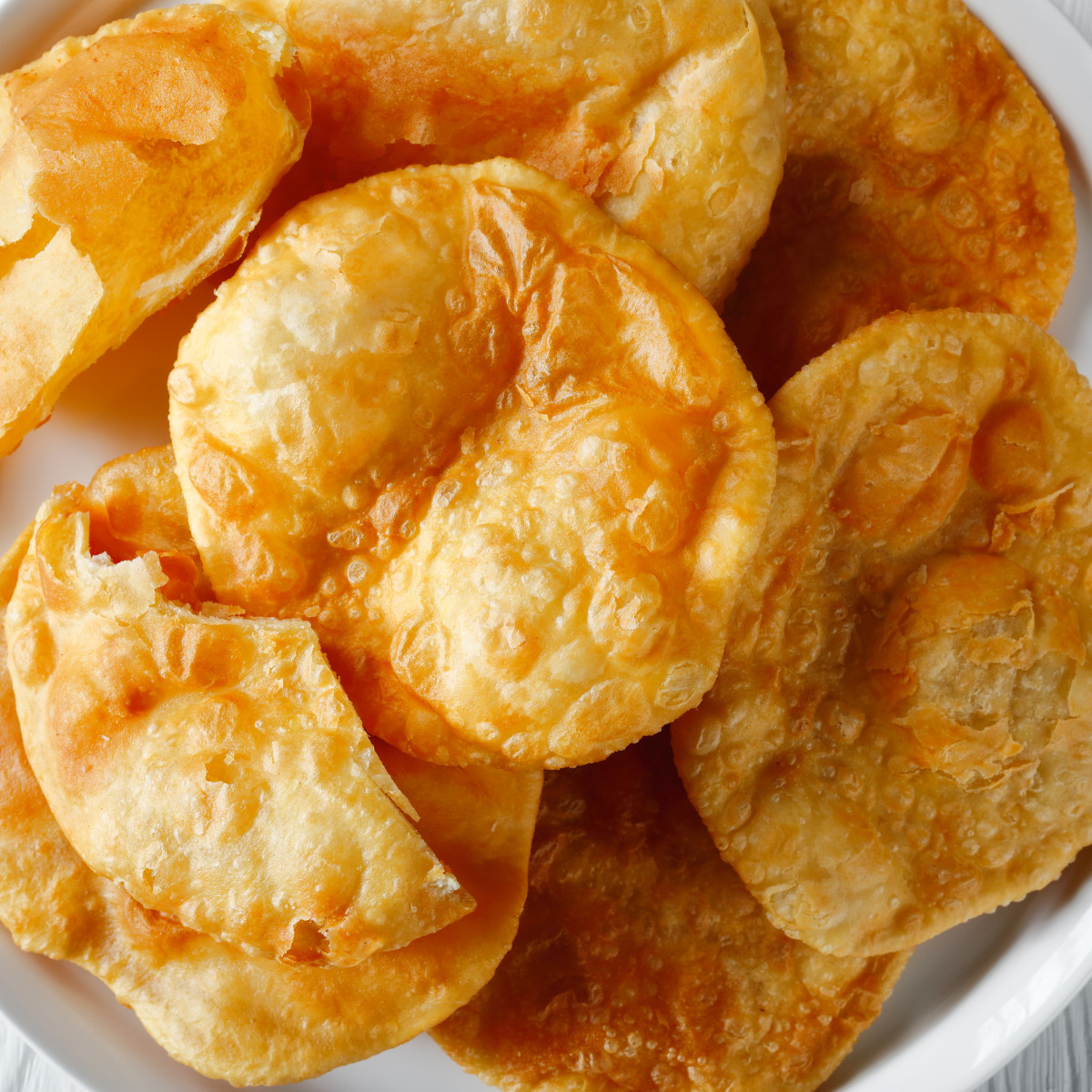
Bhatura is a large, leavened, deep-fried bread made primarily with refined wheat flour. Yogurt and a leavening agent help develop its tangy flavor and chewy, airy texture.
Although both puri and bhatura puff in hot oil, bhatura is generally larger, softer, chewier, and made from a leavened dough. Puri is usually smaller and unleavened.
The classic pairing is chole bhature, a combination of bhatura and spiced chickpeas. At home, serve it with Slow Cooker Chana Masala and sliced onion, lemon, or pickle. The hearty bread stands up well to a thick chickpea gravy.
6. Kulcha
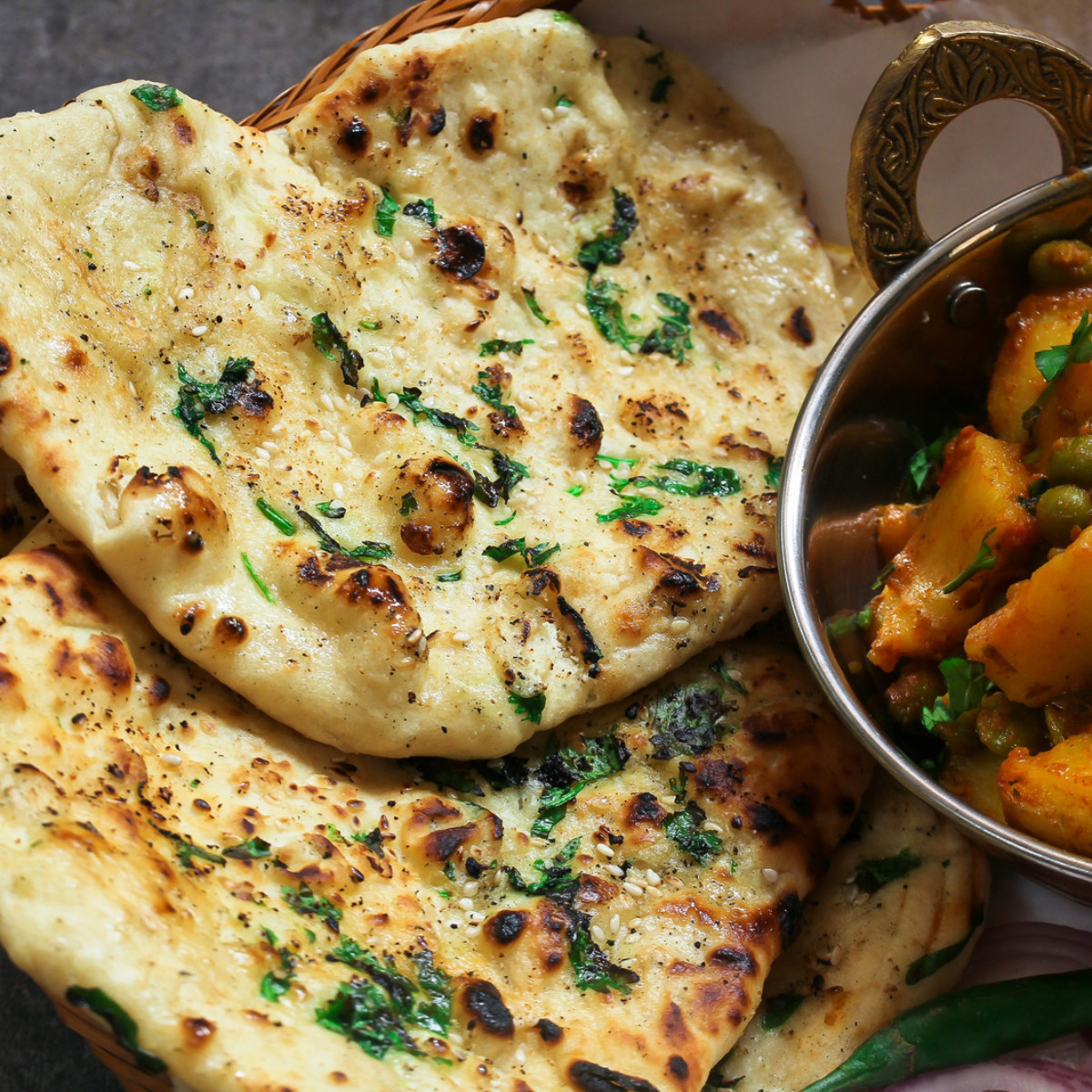
Kulcha is a soft North Indian bread usually made with refined wheat flour. It may be leavened with yogurt, baking soda, baking powder, a fermented dough, or a combination, depending on the style.
Traditional kulcha can be cooked in a tandoor, while home versions may use an oven or griddle. It can be plain or stuffed with potato, paneer, onion, or other seasoned fillings. Amritsari kulcha is a well-known stuffed version associated with Punjab.
Serve kulcha with chole, dal, paneer dishes, or kebabs. Its tender crumb is especially useful with creamy sauces, making Dal Makhani a natural pairing.
7. Bhakri
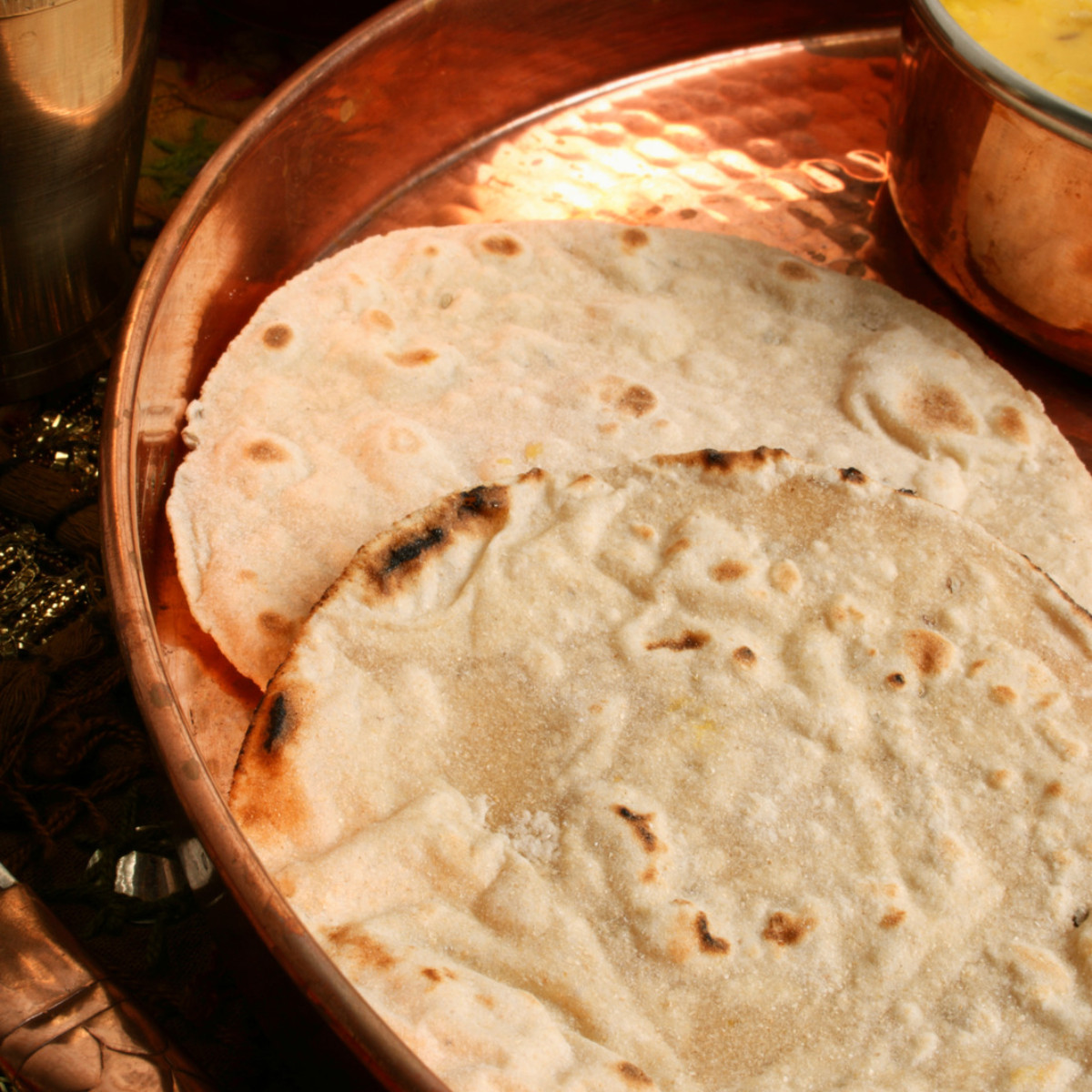
Bhakri is a rustic, sturdy flatbread associated with several regions of western and central India. Depending on local tradition, it may be made with jowar, bajra, ragi, rice flour, or wheat.
These grains give bhakri a more pronounced flavor and a heartier texture than a soft wheat roti. The dough is often patted into shape by hand and cooked on a tawa.
Bhakri works well with dal, dry vegetables, fiery chutneys, and regional curries. Because millet and sorghum breads do not contain wheat gluten, shaping them can require a different technique from rolling chapati dough.
Do not assume every bhakri is gluten-free. Some versions contain wheat, and cross-contact is possible. Check the actual flour and preparation if gluten avoidance is medically necessary.
8. Thepla
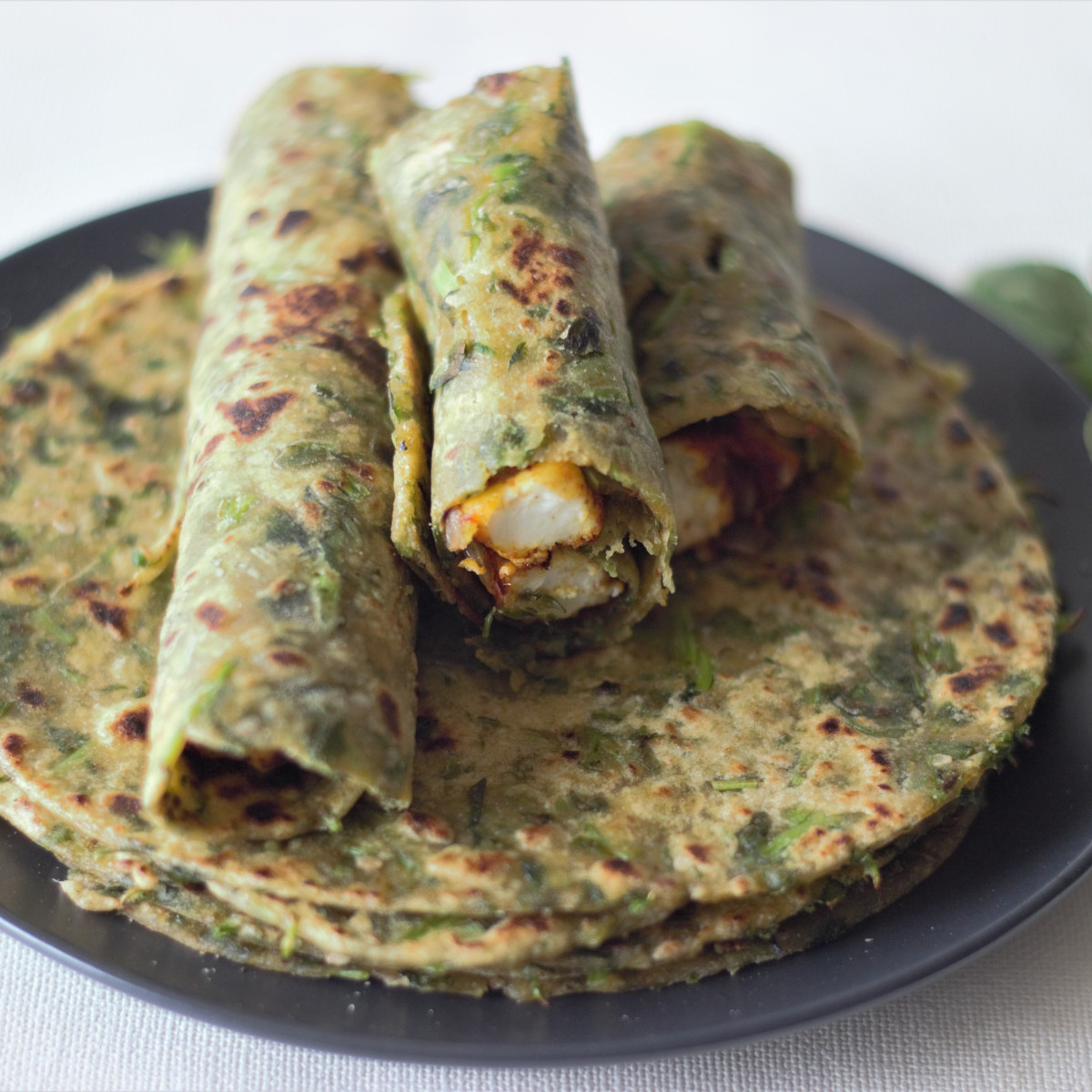
Thepla is a thin Gujarati flatbread commonly made from whole wheat flour, spices, and oil. Methi thepla contains fresh fenugreek leaves, which give it a savory, gently bitter, herbal flavor.
Other versions may contain grated vegetables, yogurt, or additional flours. Thepla stays pliable and travels well, so it is a popular make-ahead food for lunches and journeys.
Serve thepla with plain yogurt, raita, pickle, or chutney. It is flavorful enough to eat without curry, although it can also accompany a simple vegetable dish. A cool Tomato Raita is an easy counterpoint to the spices.
9. Missi Roti
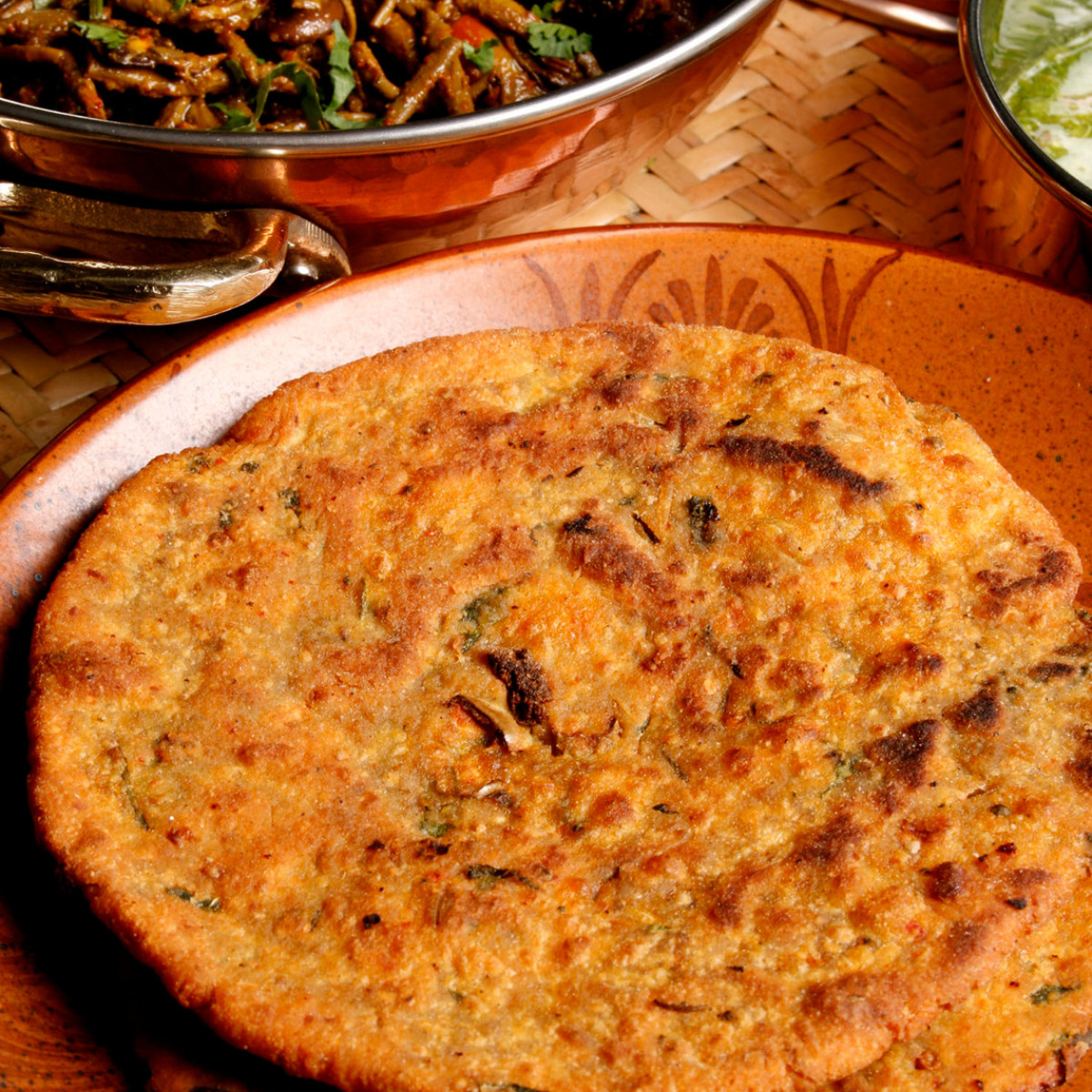
Missi roti is a savory North Indian flatbread made with chickpea flour, usually combined with wheat flour. Onion, cilantro, chiles, cumin, carom seeds, fenugreek, or other seasonings may be added.
Chickpea flour provides a nutty flavor and a slightly denser, more crumbly texture than plain wheat roti. Missi roti may be cooked on a tawa or in a tandoor and brushed with ghee before serving.
Pair it with dal, raita, pickle, or a vegetable curry. It is particularly good when the rest of the meal is simple because the bread brings its own seasoning and character.
Missi roti is not automatically gluten-free. Many recipes blend chickpea flour with wheat flour, so confirm the ingredients before serving someone who avoids gluten.
10. Appam
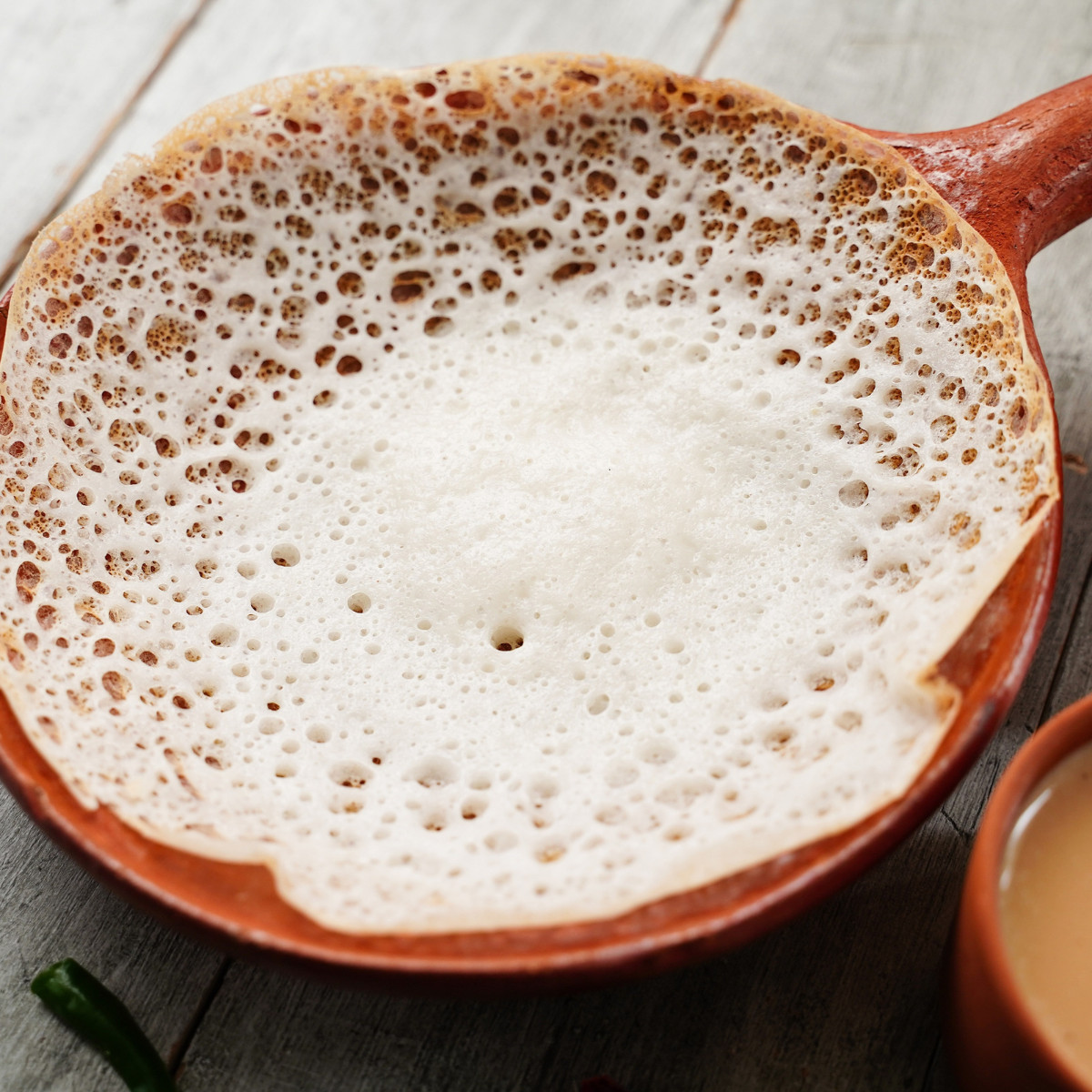
Appam is a fermented rice and coconut bread-like pancake associated with Kerala and other parts of South India and Sri Lanka. It is cooked in a curved appam pan, which produces thin, lacy, lightly crisp edges and a soft, thicker center.
Unlike wheat flatbreads that are kneaded and rolled, appam begins as a pourable batter. Fermentation gives it a subtle tang and airy texture.
Appam is excellent with vegetable stew, egg curry, meat curry, or coconut-based dishes. Try it with South Indian Chicken Curry so the soft center can absorb the coconut milk and tamarind sauce.
Appam is usually made without wheat, but ingredients and kitchen practices vary. Verify the recipe and cross-contact controls when serving a gluten-free meal.
How Are Indian Breads Cooked?
The cooking method has as much influence on texture as the flour does.
On A Tawa
A tawa is a flat or slightly concave griddle. Roti, paratha, thepla, bhakri, and many other flatbreads cook quickly on its hot surface. Paratha and thepla generally use some fat, while chapati may cook on a dry tawa.
In A Tandoor
A tandoor is a very hot clay oven. Naan and some styles of kulcha or roti adhere to the oven wall and bake rapidly, developing blisters and charred spots.
In Hot Oil
Puri and bhatura are deep-fried. Steam inflates the dough, while the oil sets the exterior. Correct oil temperature matters. Oil that is too cool can make the bread greasy, while excessively hot oil can brown it before it cooks through.
In A Specialty Pan
Appam cooks in a bowl-shaped pan. Swirling the batter creates the characteristic lacy perimeter and thicker, tender center.
If these methods are new to you, this overview of Indian cooking techniques explains more of the vocabulary and processes used in Indian recipes.
How To Choose The Best Bread For An Indian Meal
Match the bread to the texture and richness of the other dishes.
- For thick, creamy curry: Choose naan, kulcha, or paratha. They are sturdy enough for scooping substantial sauces.
- For everyday dal and vegetables: Choose roti or chapati. The thin whole wheat bread supports the meal without adding much richness.
- For chole: Choose bhatura for the classic combination, or kulcha for a less oily option.
- For a festive meal: Serve fresh puri with potato curry, chickpeas, or halwa.
- For a portable meal: Thepla travels well and already contains plenty of flavor.
- For coconut-based curry or stew: Choose appam, whose soft center absorbs sauce beautifully.
- For a hearty regional plate: Pair bhakri with dal, dry vegetables, pickle, and chutney.
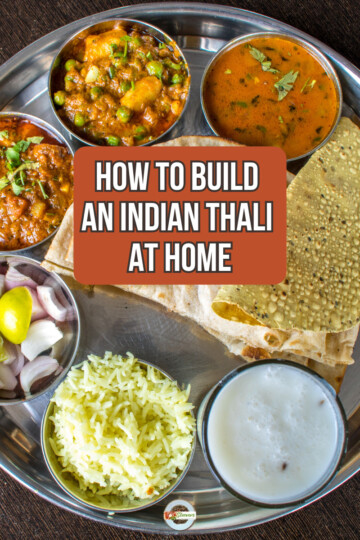
You can also serve rice and bread together when entertaining. Keep both portions modest so guests can enjoy variety without making the plate too heavy. This Indian thali guide can help you balance the remaining dishes.
Tips And Tricks For Soft Indian Flatbread

- Measure water gradually. Flour absorption changes with brand, humidity, and grain. Add only enough liquid to create the texture your recipe describes.
- Rest the dough. Resting allows flour to hydrate and makes many wheat doughs easier to roll.
- Use even thickness. An uneven round can burn in thin spots while remaining raw in thick areas.
- Preheat the cooking surface. A properly heated tawa helps the bread cook quickly and puff instead of drying out.
- Avoid excess bench flour. Too much dry flour can leave a dusty surface and make the bread tougher.
- Keep cooked breads covered. Stack roti or paratha in a clean towel or covered container so steam keeps them pliable.
- Serve fried breads promptly. Puri and bhatura lose their signature puff and texture as they sit.
- Follow a tested recipe. The right hydration, rest, heat, and cooking time differ by bread.
How To Store And Reheat Indian Bread
Cool breads before storing so trapped condensation does not make them gummy. Refrigerate them in an airtight container according to the storage directions in the specific recipe.
For soft flatbreads such as roti, naan, and paratha, wrap a small stack and reheat it briefly on a hot tawa. You can also microwave the stack under a slightly damp paper towel in short intervals. Avoid prolonged heating, which dries bread quickly.
Puri and bhatura are best eaten fresh. Reheating can warm them, but it will not fully restore the original puff.
Can You Freeze Indian Bread?
Many cooked flatbreads freeze well.
- Cool them completely.
- Place parchment between breads if they tend to stick.
- Wrap the stack tightly.
- Place it in a freezer-safe container or bag.
- Label it with the bread and date.
- Reheat only the number you need.
Roti, naan, paratha, thepla, and kulcha are generally better freezer candidates than freshly fried puri or bhatura. Stuffed breads may have different storage needs depending on the filling.
Frequently Asked Questions

What Is The Most Popular Indian Bread?
Naan is among the best-known Indian breads in restaurants outside India. Roti or chapati is a more common everyday bread in many Indian households. Popularity depends heavily on region, household, and occasion.
What Is The Difference Between Naan And Roti?
Naan is usually made with refined wheat flour, leavened, and cooked in a tandoor. It is soft, thick, and chewy. Roti is usually an unleavened whole wheat flatbread cooked on a tawa. It is thinner, lighter, and common in everyday meals.
Are Roti And Chapati The Same?
The terms often overlap. Chapati generally describes an unleavened whole wheat flatbread cooked on a griddle, while roti can mean that same bread or serve as a broader term. Usage varies by language, region, and household.
What Is The Difference Between Puri And Bhatura?
Both are deep-fried and puffed. Puri is generally smaller, made with whole wheat flour, and unleavened. Bhatura is generally larger, made with refined wheat flour, and leavened, giving it a softer, chewier texture.
Is Paratha The Same As Naan?
No. Paratha is an unleavened, layered or stuffed flatbread typically cooked with fat on a tawa. Naan is a leavened bread traditionally cooked in a tandoor.
Which Indian Bread Is Best With Butter Chicken?
Naan is a classic choice because its chewy texture handles the creamy sauce well. Kulcha, paratha, or roti can also work. Serve Butter Chicken with Instant Pot Basmati Rice if you prefer rice or want to offer both starches.
Are Indian Breads Vegan?
Some are, but not all. Basic roti may contain only flour and water, while naan, paratha, kulcha, or bhatura may include yogurt, milk, butter, or ghee. Always check the individual recipe.
Which Indian Breads Are Gluten-Free?
Rice-based appam and bhakri made exclusively with millet, sorghum, ragi, or rice can be gluten-free. However, recipes may include wheat and kitchens may have cross-contact. Verify both ingredients and preparation.
Is Dosa A Type Of Indian Bread?
Dosa is usually classified as a fermented crepe or pancake made from rice and lentils rather than a bread. It serves a similar role as a starch and accompaniment, but it has its own preparation method and culinary identity.
What Is The Healthiest Indian Bread?
There is no single healthiest choice for everyone. A simple whole wheat roti is often lower in added fat than fried puri, bhatura, or a heavily buttered naan. Nutrition depends on the flour, portion, added fat, filling, and the rest of the meal.
More Indian Cooking Guides
Once you can identify these breads, putting together a meal becomes much easier. Explore Indian Cooking For Beginners for foundational techniques, browse these Indian recipes, or discover more regional favorites in this collection of Indian street food recipes.
Whether you choose everyday roti, restaurant-style naan, flaky paratha, or lacy appam, match the bread to the sauce, texture, and occasion. Then add dal, a vegetable, raita, chutney, or rice to make the meal feel complete.
If this guide to 10 types of Indian bread helped you plan dinner, share it with your friends on Facebook and Instagram so they can try a new Indian flatbread too.