

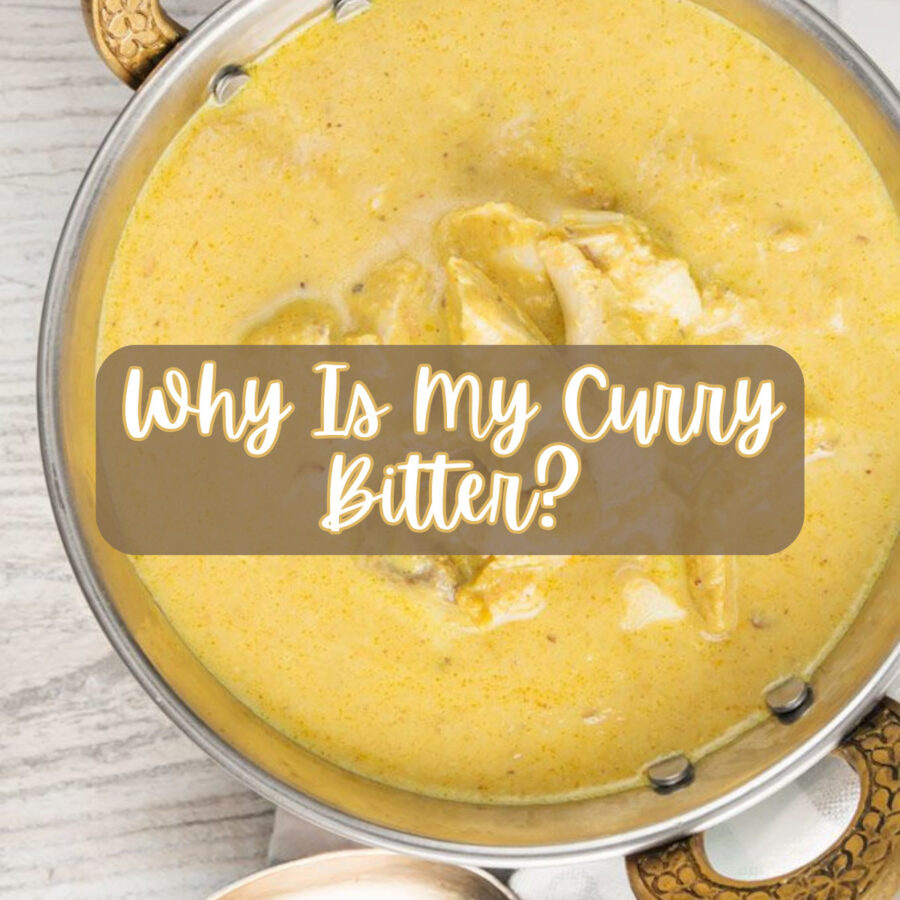
Why is my curry bitter? The most common causes are burned spices, scorched garlic or onions, too much of a naturally bitter ingredient, or a sauce that has not been properly balanced. Before adding sugar or cream, identify what went wrong so you can choose the fix that will actually help.
Why You'll Love These Curry Troubleshooting Tips
- Practical. Learn how to identify the most likely source of bitterness.
- Easy. Most of these fixes use ingredients that are already in your kitchen.
- Versatile. Use the tips for Indian curries, lentil dishes, and many other spiced sauces.
- Preventative. Understand how heat, timing, and ingredient quantities affect curry flavor.
- Beginner-Friendly. Fix common curry mistakes without needing advanced cooking skills.
Cooking curry involves building several layers of flavor. Spices, aromatics, tomatoes, dairy, coconut milk, herbs, and chiles may all contribute something different to the finished dish. When those elements are balanced, the curry tastes savory, aromatic, and complex. When one layer is burned or overpowering, the entire sauce can taste bitter.
The good news is that mild bitterness can often be corrected. The important thing is to taste carefully and make small changes rather than adding several corrective ingredients at once.
If you are still learning the fundamentals, read this guide to Indian cooking for beginners before making your next curry.
Why Does My Curry Taste Bitter?
Your curry may taste bitter because the spices or aromatics burned, you used too much turmeric or fenugreek, the pan scorched, or the sauce lacks enough salt, fat, sweetness, or acidity to balance its flavors.
Bitterness can also come from a particular vegetable, old cooking oil, excessive citrus peel, or a spice blend that was used too generously.
Before trying to fix the dish, ask yourself three questions:
- Does it taste burned? Look for blackened spices, scorched garlic, or a burned layer on the bottom of the pan.
- Does one spice dominate? Turmeric, fenugreek, mustard, cloves, and some commercial curry powders can become bitter when overused.
- Does it simply taste unfinished? A curry that needs more salt, cooking time, fat, or acidity may register as unpleasantly bitter even when nothing has burned.
These distinctions matter because a mildly unbalanced curry can usually be adjusted, while a heavily scorched sauce may need to be partially or completely remade.
The Most Common Causes Of Bitter Curry
The Spices Burned
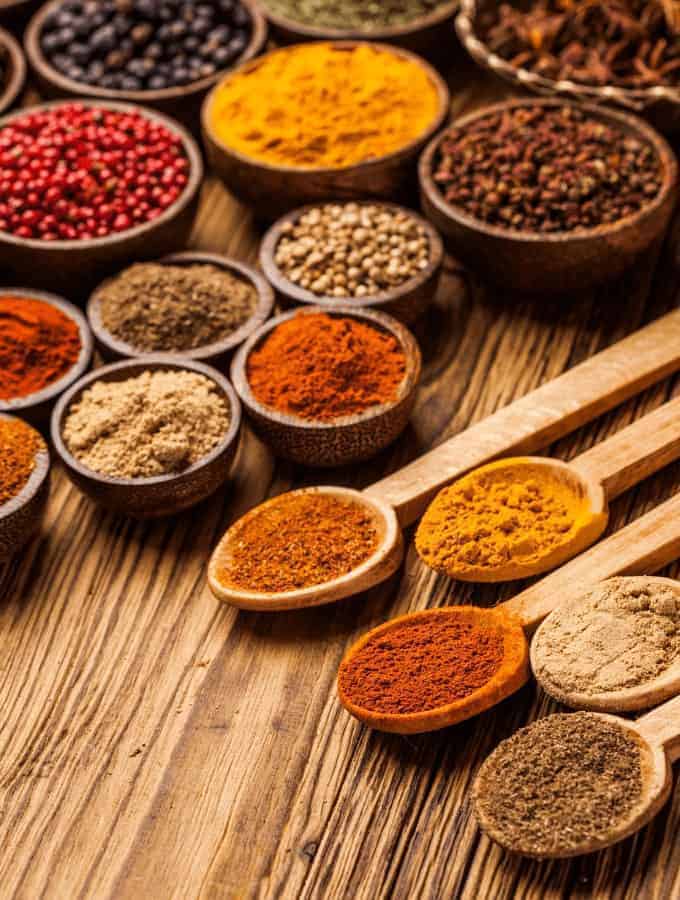
Burned spices are one of the most common reasons a curry tastes bitter. Whole and ground spices release their aromatic oils when heated in fat, but the difference between fragrant and burned can be a matter of seconds.
Ground spices are especially vulnerable because their small particles heat quickly. If the pan is too hot or there is not enough oil, they can darken and burn before the next ingredient is added.
Properly bloomed spices should smell intensely fragrant. They should not smell acrid, smoky, or charred. Learn the correct timing and order in this guide to blooming and tempering Indian spices.
The Garlic, Ginger, Or Onions Scorched
Spices are not the only ingredients that can burn. Finely minced garlic can go from golden to black very quickly. Ginger may stick to a dry pan, and onions can scorch if the heat is too high or they are not stirred often enough.
Deeply browned onions can add sweetness and complexity. Blackened onions and garlic add a harsh bitterness that spreads throughout the sauce.
Keep the heat controlled, add a splash of water if the aromatics begin sticking, and do not scrape burned bits from the bottom of the pan into the curry.
You can also prepare ginger garlic paste ahead of time to make measuring and cooking aromatics easier.
You Used Too Much Turmeric
Turmeric provides earthy flavor and golden color, but more is not necessarily better. Too much turmeric can make curry taste bitter, dusty, or medicinal.
Follow the recipe quantity rather than adding turmeric until the dish reaches a particular color. Many curries need only a modest amount. If the curry is not yellow or orange enough, that does not mean it needs more turmeric.
Turmeric also needs time to cook. Raw turmeric powder can taste harsh, so it should be briefly cooked with the other spices without allowing it to burn.
You Added Too Much Fenugreek
Fenugreek has a naturally bitter edge. In the correct quantity, it adds an unmistakable savory aroma and complexity. In excess, it can overpower the entire curry.
Fenugreek seeds, ground fenugreek, and dried fenugreek leaves are not interchangeable in equal quantities. Check which form the recipe requires before measuring.
Fenugreek seeds can also become extremely bitter when burned during tempering. Use them sparingly and keep the next ingredient ready to add as soon as the seeds become fragrant.
Other Strong Spices Were Overused
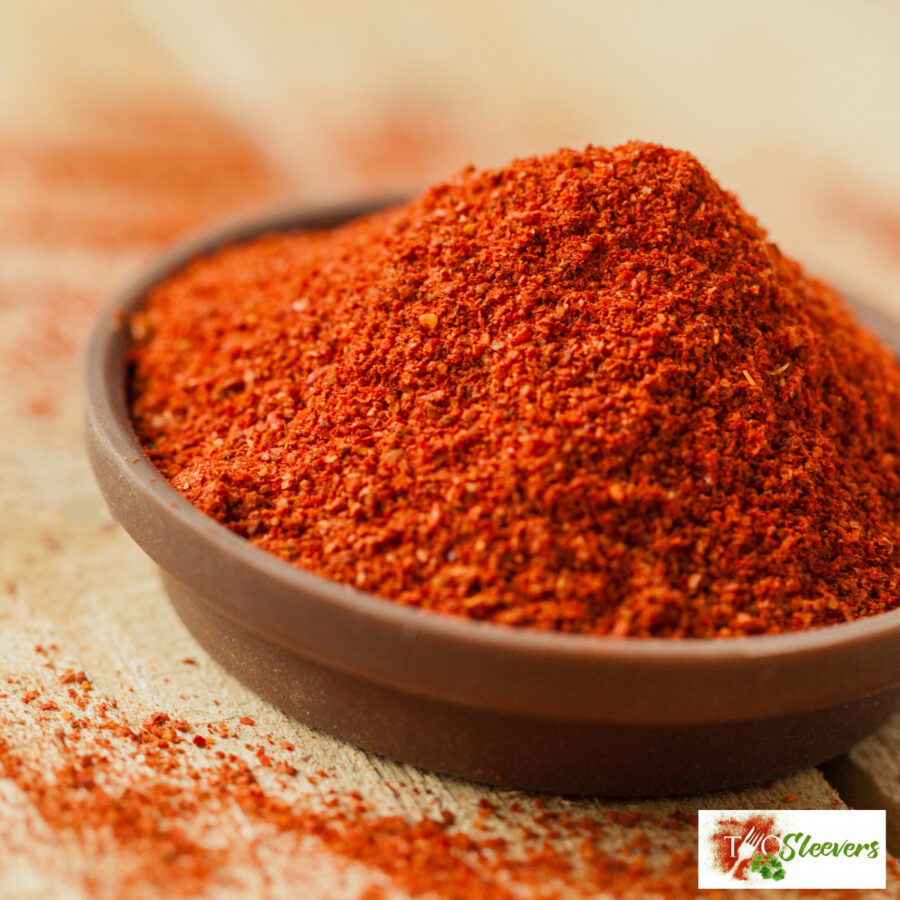
Cloves, mustard seeds, black cardamom, cumin, and some chile powders may taste harsh or bitter when used excessively or burned.
A homemade blend gives you more control over the balance of individual spices. Try this homemade garam masala instead of adding an unknown amount of a commercial blend.
If you are not sure what each spice contributes, use this guide to essential Indian spices for beginners.
The Curry Is Scorched On The Bottom
A thick curry can stick to the bottom of a saucepan or trigger a burn warning in an electric pressure cooker. Stirring the scorched layer back into the sauce distributes the burned flavor throughout the dish.
If you suspect scorching, stop stirring. Carefully ladle the unburned curry into a clean pot without scraping the bottom. Taste it again before adding anything else.
This will not repair liquid that already tastes strongly burned, but it can save the portion that has not touched the scorched layer.
The Spices Are Raw Or The Sauce Is Undercooked
Raw spices do not always taste literally bitter. They can taste dusty, sharp, chalky, or harsh, which many people interpret as bitterness.
Ground spices need a short period of contact with warm fat and enough additional cooking time to blend into the sauce. Tomatoes and onions also need time to soften and lose their raw flavor.
If nothing has burned and the ingredients are fully submerged, a little more gentle simmering may be all the curry needs.
The Oil Or Spices Are Old
Old oil, nuts, seeds, coconut products, and ground spices can become stale or rancid. Rancid ingredients may taste bitter, sour, waxy, or unpleasantly sharp.
Smell ingredients before adding them, especially if they have been stored for a long time. Ground spices lose their best flavor more quickly than whole spices, while nuts and seeds can deteriorate because of their natural oils.
Do not try to cover rancidity with sugar or cream. Discard the affected ingredient and start with a fresh one.
A Vegetable Is Contributing Bitterness
Some vegetables naturally contain bitter compounds. Bitter melon is the most obvious example, but eggplant, leafy greens, charred peppers, or certain squash may also contribute bitterness depending on their condition and preparation.
Taste the vegetables separately when possible. If the bitterness is intentional and mild, fat, salt, tomato, coconut, or yogurt may help balance it. If a vegetable tastes spoiled or unusually unpleasant, do not use it.
Citrus Seeds, Peel, Or Too Much Acid Were Added
Lemon and lime juice can brighten curry, but simmering citrus peel, pith, or crushed seeds may introduce bitterness. Too much tamarind or another acidic ingredient can also make the sauce taste sharp and unbalanced, although acidity and bitterness are different tastes.
Use citrus juice rather than cooking whole citrus pieces in the curry unless the recipe specifically instructs you to do so. Add acidic finishing ingredients gradually and taste between additions.
The Curry Needs More Salt
Underseasoning can make bitter notes seem more prominent. Salt suppresses some perceptions of bitterness and makes aromatic spices taste fuller.
Taste the curry before reaching for sugar. Add a small pinch of salt, stir thoroughly, and taste again. If the flavor becomes rounder and more recognizable, the problem may have been insufficient seasoning rather than a burned ingredient.
How To Fix Bitter Curry

There is no single ingredient that fixes every bitter curry. Use the method that matches the likely cause and adjust the dish in small increments. If you don't find what you're looking for here, check out more in my How To Fix Indian Curry guide!
Transfer The Curry To A Clean Pot
If the bottom of the pan is scorched, do this first. Do not scrape the pan. Gently transfer only the unburned portion to a clean saucepan.
Taste the transferred curry. If the burned flavor is faint, you may be able to balance it. If every spoonful tastes strongly charred, adding more ingredients will probably produce a larger quantity of burned curry.
Dilute The Bitter Ingredient
When too much spice was added, increasing the other ingredients is usually the most reliable correction.
Depending on the recipe, add more:
- Tomato sauce or crushed tomatoes
- Unsalted broth or water
- Coconut milk
- Plain yogurt
- Cooked onions
- Cooked lentils, beans, meat, or vegetables
Add liquid gradually so the curry does not become watery. You may need to simmer it afterward to restore the correct consistency.
Add A Small Amount Of Salt
Add salt a pinch at a time, particularly if the curry contains packaged broth, canned tomatoes, or another salty ingredient. Stir well and let the salt dissolve before tasting again.
Salt can soften the perception of bitterness, but it cannot remove the flavor of heavily burned spices.
Add Fat Or A Creamy Ingredient
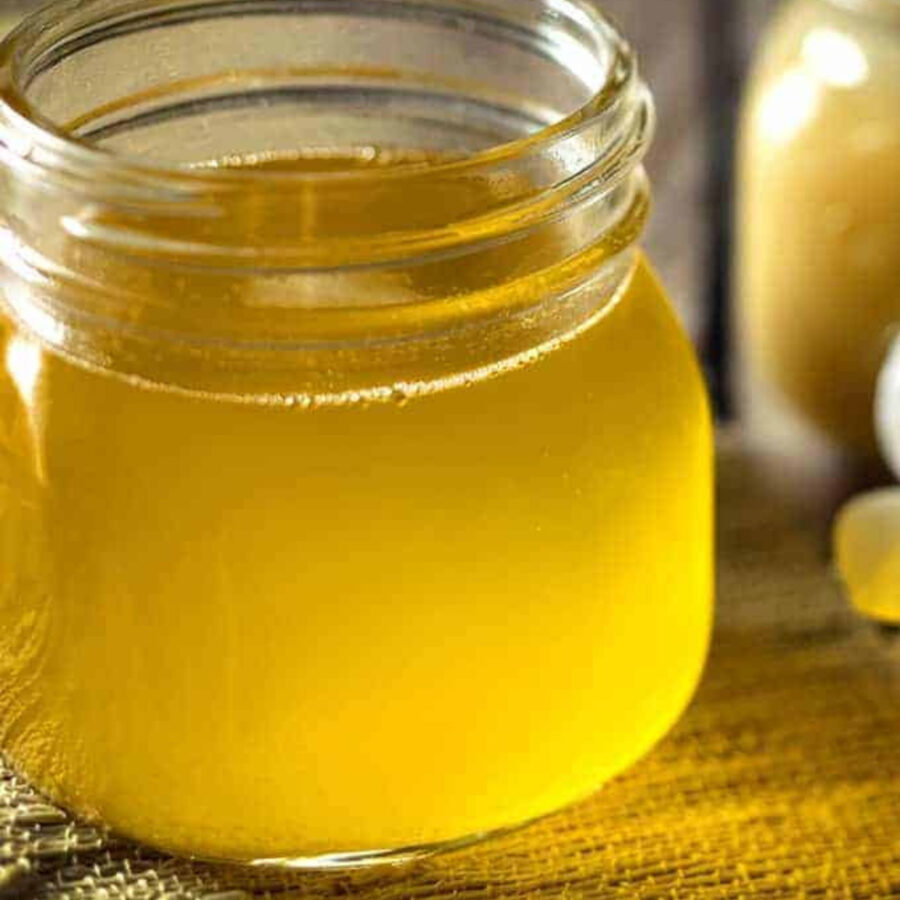
Fat can soften sharp flavors and make a curry taste rounder. Choose an ingredient that fits the style of curry you are making:
- Heavy cream
- Coconut milk or coconut cream
- Plain yogurt
- Cashew cream
- Butter
- Ghee
Add a small amount, stir, and taste. Dairy is not appropriate for every regional curry, but it may be a practical rescue when authenticity is less important than saving dinner.
Do not boil yogurt aggressively because it can separate. Lower the heat and temper the yogurt with a little warm sauce before stirring it into the pot.
Add A Touch Of Sweetness
A small amount of sweetness can balance mild bitterness. Start with no more than a pinch of sugar or a small amount of a naturally sweet ingredient.
Possible options include:
- Granulated sugar
- Brown sugar
- Honey
- Finely grated carrot
- Additional caramelized onion
- Coconut milk
The goal is not to make the curry sweet. If sugar is the first flavor you notice, too much was added.
Add Acidity Only When The Curry Tastes Flat
Lemon juice, lime juice, tomato, or tamarind can brighten a curry that tastes heavy or dull. Acidity does not universally remove bitterness, and adding too much can make an already sharp curry worse.
Use acid only if the curry needs brightness. Add a few drops, stir, and taste before adding more.
Add More Aromatic Base
If the curry is bitter because the spice-to-sauce ratio is too high, cook a second small batch of onions, ginger, garlic, and tomatoes in a separate pan. Combine it with the original curry after the new base is properly cooked.
This method takes longer, but it works better than pouring in water because it preserves the body and flavor of the sauce.
Let The Curry Simmer Gently
If the sauce tastes raw rather than burned, cook it over low heat for another 10 to 15 minutes. Add a splash of water if needed and stir regularly.
Extra cooking can soften raw tomato, onion, turmeric, and ground-spice flavors. It will not reverse scorching, so smell and inspect the curry before using this method.
What Should You Add To Bitter Curry?
Use this quick guide to choose a correction:
| Problem | Best First Step | Possible Addition |
|---|---|---|
| Scorched bottom | Transfer to a clean pot | Fresh sauce base if needed |
| Too much turmeric | Dilute the curry | Tomato, broth, coconut milk, or more main ingredients |
| Too much fenugreek | Dilute and balance | More sauce, salt, or a small amount of fat |
| Raw spice flavor | Simmer gently | A splash of water to prevent sticking |
| Mild bitterness | Check seasoning | A pinch of salt |
| Sharp, thin sauce | Add richness | Coconut milk, yogurt, cream, butter, or cashew cream |
| Bitter but otherwise balanced | Add minimal sweetness | A pinch of sugar |
| Heavy or dull flavor | Add brightness | A few drops of lemon juice or tamarind |
| Rancid ingredient | Do not attempt to mask it | Remake with fresh ingredients |
Can You Fix Burned Curry?
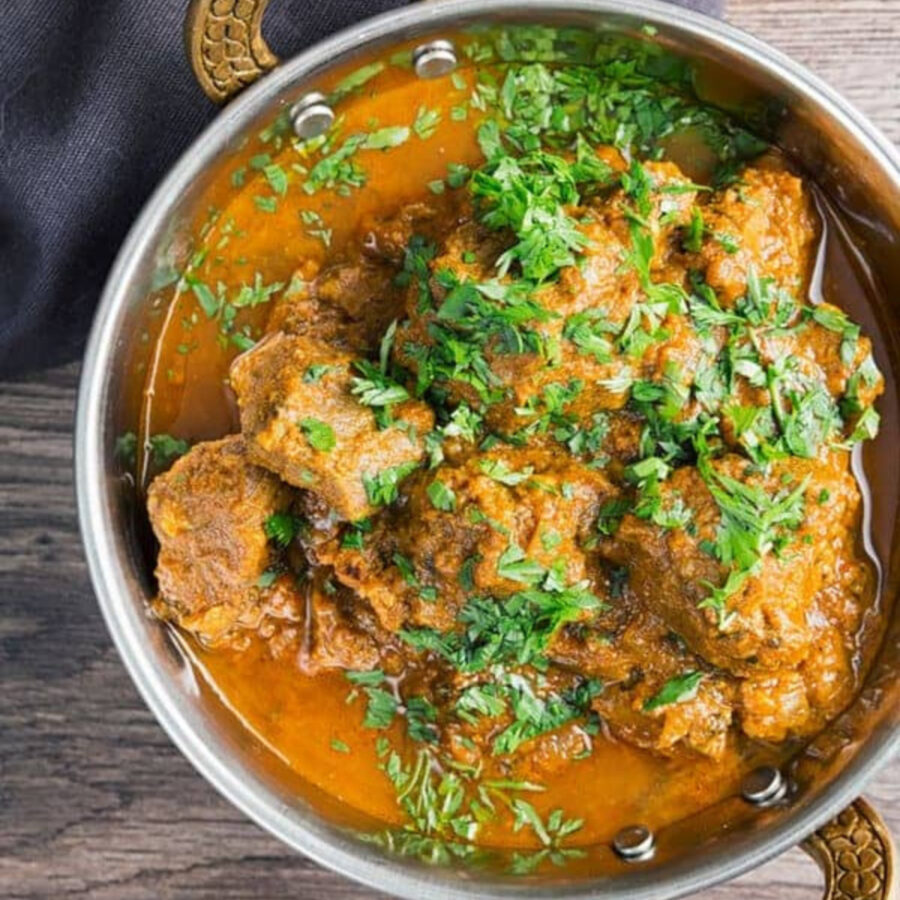
You may be able to save curry when only the bottom of the pan has burned, and the scorched flavor has not spread through the entire sauce.
Immediately turn off the heat and transfer the top portion to a clean pot. Do not scrape the burned layer. Once transferred, taste the curry and decide whether it needs more sauce, fat, salt, or a small amount of sweetness.
If the entire curry smells and tastes like smoke or charcoal, it is unlikely that sugar, cream, or acid will fix it. Starting over may produce a better result than using more ingredients to chase an irreversible flavor.
How To Prevent Bitter Curry
Control The Heat
Use medium or medium-low heat when cooking delicate aromatics and ground spices. A very hot pan may be appropriate for certain whole spices, but it requires close attention and quick timing.
Measure Potent Spices
Measure turmeric, fenugreek, cloves, and other intense spices rather than shaking them directly into the pan. You can always add more later, but removing an excessive spice is difficult.
Prepare The Next Ingredient First
Spices continue cooking while you search for the onions, tomatoes, or liquid. Complete your preparation before heating the oil so the next ingredient is ready to cool the pan at the correct moment.
Use Enough Cooking Fat
Spices need enough oil or ghee to bloom evenly. If the pan looks dry, ground spices are more likely to stick and burn. Follow the tested recipe rather than drastically reducing the fat during this step.
Add Ground Spices At The Right Time
Whole spices generally tolerate heat longer than ground spices. Add ground spices after the aromatics unless the recipe directs otherwise, and cook them only until fragrant before adding tomatoes, water, or another moist ingredient.
Deglaze The Pan
If browned ingredients begin sticking, add a small amount of water and scrape up the flavorful browned bits before they turn black. Deglazing is particularly important before pressure cooking.
Use Fresh Ingredients
Store spices away from heat, moisture, and direct light. Smell oils, nuts, seeds, and coconut products before using them. Fresh ingredients make it much easier to distinguish intentional bitterness from spoilage or rancidity.
Follow A Tested Curry Recipe
Until you know how each spice behaves, begin with a tested recipe instead of estimating quantities. Try Instant Pot Butter Chicken, Chicken Korma, or Chicken Tikka Masala to practice building a balanced curry sauce.
How Should A Well-Balanced Curry Taste?

A balanced curry does not need to be mild, creamy, or sweet. Different types of Indian curry emphasize different flavors.
For example, vindaloo should taste tangy and spicy, while korma is rich and gently aromatic. A South Indian curry may feature coconut and tamarind, while a saag dish has an earthy flavor from leafy greens.
What matters is that no accidental flavor overwhelms everything else. You should be able to taste the central ingredients along with the spices, aromatics, salt, and any sour or creamy elements intended for that recipe.
Serve your corrected curry as part of a complete Indian meal with rice or bread and a cooling side. Plain rice, raita, or yogurt can provide useful contrast, but accompaniments will not repair a badly burned sauce.
Frequently Asked Questions
How Do You Take The Bitterness Out Of Curry?
First identify the source. Transfer the curry if the pan scorched, dilute excessive spices with more sauce or main ingredients, and then adjust salt, fat, or sweetness in small amounts. A strongly burned or rancid curry may need to be remade.
Does Sugar Fix Bitter Curry?
A pinch of sugar can balance mild bitterness, but it does not remove burned flavor. Add very little, stir thoroughly, and taste. Too much sugar will create a sweet curry without solving the underlying problem.
Does Coconut Milk Remove Bitterness From Curry?
Coconut milk can dilute bitter spices, and its fat can soften harsh flavors. It works best in a curry where coconut complements the other ingredients. Add it gradually because it will change both the flavor and consistency.
Does Salt Reduce Bitterness?
A small amount of salt can reduce the perception of bitterness and bring other flavors forward. Check the existing salt level first, then add a pinch at a time.
Can Too Much Turmeric Make Curry Bitter?
Yes. Excess turmeric can taste bitter, dusty, or medicinal. Dilute it by increasing the other sauce ingredients rather than trying to cover it with a large amount of sugar.
Why Does My Curry Taste Bitter After Adding Garam Masala?
You may have added too much garam masala, used a blend with an overpowering spice, or cooked it over high heat until it burned. Garam masala is potent and is often most fragrant when added in a measured amount near the end of cooking.
Why Is My Curry Bitter After Using Fenugreek?
Fenugreek is naturally bitter and becomes more intense when overused or burned. Confirm whether the recipe requires seeds, ground fenugreek, or dried leaves, because these forms should not be substituted in equal amounts.
Why Is My Curry Bitter In The Instant Pot?
The sauce may have scorched on the bottom before or during pressure cooking. Deglaze the inner pot thoroughly after sautéing, use enough thin liquid, and layer thick tomato products according to the recipe instead of stirring them into the bottom.
Will Cooking Curry Longer Remove Bitterness?
Longer cooking may soften raw spice, onion, or tomato flavors. It will not remove the taste of burned spices, scorched garlic, rancid oil, or excessive fenugreek. Determine whether the curry tastes raw or burned before simmering it longer.
More Indian Cooking Tips And Recipes

For more help building rich, balanced Indian flavor, explore these Twosleevers resources:
- Indian Cooking for Beginners
- Essential Indian Spices for Beginners
- How to Bloom and Temper Indian Spices
- Indian Curry Types Explained
- How to Build a Complete Indian Meal
- Best Instant Pot Curry Recipes
- Indian Cooking Techniques
The next time your curry tastes bitter, resist the urge to add a large spoonful of sugar immediately. Check for scorching, consider which spices you used, and correct one element at a time.




Leave a Reply