

Learn how to keep yogurt from curdling in curry with a few simple techniques that create a smooth, creamy sauce every time. From choosing the right yogurt to tempering it properly, this guide explains why yogurt splits and how to fix a curdled curry when it happens.
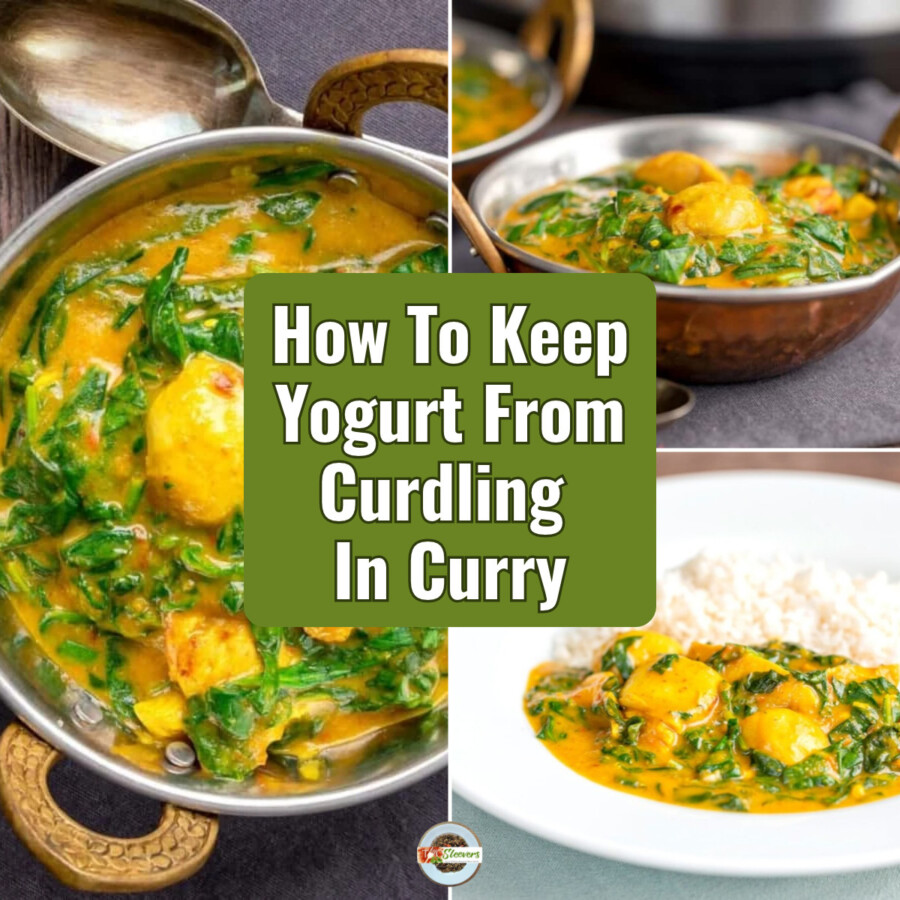
Yogurt adds tang, richness, and body to Indian curry, but it can turn grainy or separate if it is added at the wrong time or exposed to too much heat. The good news is that curdled yogurt is usually a texture problem, not a ruined dinner.
Once you understand how temperature, fat, and acidity affect yogurt, keeping it smooth is quite easy. Use the steps below whether you are making curry on the stovetop or adapting a recipe for the pressure cooker.
Why You'll Love These Tips
- Easy. You do not need special equipment or complicated techniques.
- Reliable. Gradual temperature changes help prevent yogurt from splitting.
- Versatile. These tips work for chicken curry, vegetable curry, dal, and yogurt-based sauces.
- Practical. You will also learn how to improve a curry that has already curdled.
- Pressure cooker friendly. A few timing changes make it easy to add yogurt to an Instant Pot curry.
Why Does Yogurt Curdle In Curry?
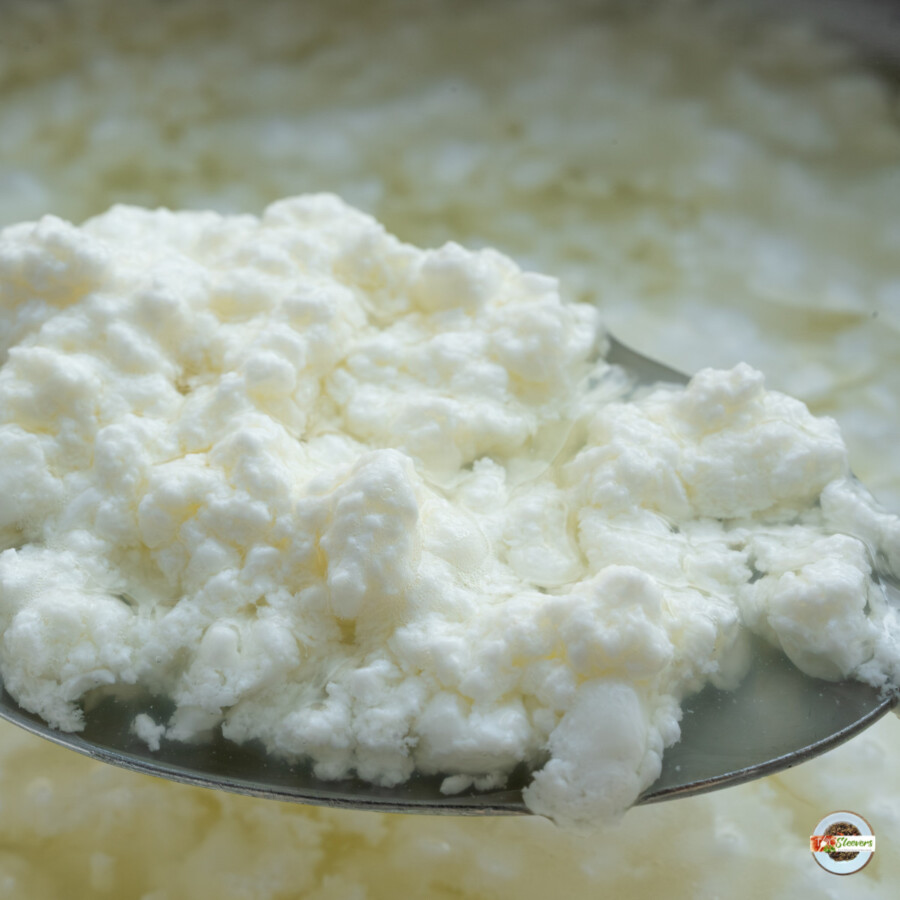
Yogurt curdles when its milk proteins tighten and clump together, separating from the liquid around them. This is more likely to happen when yogurt is exposed to high heat, a sudden temperature change, or an acidic sauce.
These are the most common causes:
- Adding cold yogurt directly to a hot, bubbling curry
- Boiling the sauce after the yogurt has been added
- Using low-fat or nonfat yogurt
- Adding a large amount of yogurt all at once
- Combining yogurt with a very acidic tomato or lemon-based sauce over high heat
- Pressure cooking yogurt in a recipe that was not designed and tested for it
- Reheating a yogurt curry too aggressively
Salt is often blamed for splitting yogurt, but temperature and acidity are usually the bigger issues. You do not need to avoid seasoning your curry. Focus on controlling the heat and adding the yogurt gradually.
For help with other common sauce problems, use my complete How To Fix Indian Curry guide.
What Is The Best Yogurt For Curry?

Full-fat plain yogurt is generally the easiest yogurt to use in curry. Its fat helps create a rich texture and makes the sauce more forgiving than one made with low-fat or nonfat yogurt.
Choose a yogurt that is:
- Plain and unsweetened
- Full-fat when possible
- Smooth rather than watery or separated
- Fresh and not excessively sour
- Near room temperature before it goes into the curry
Regular yogurt and Greek yogurt can both work. Greek yogurt is thicker and higher in protein, so it may need to be loosened with a little water or warm curry sauce before you add it. Full-fat Greek yogurt is generally easier to incorporate than a fat-free version.
If you enjoy making ingredients from scratch, try this Homemade Greek Yogurt.
How To Keep Yogurt From Curdling In Curry

The most reliable method is to smooth the yogurt, warm it gradually, and stir it into the curry over low heat.
1. Bring The Yogurt Closer To Room Temperature
Take the yogurt out of the refrigerator while you prepare the curry. It does not need to become warm. You simply want to reduce the temperature difference between the yogurt and the hot sauce.
Do not leave yogurt at room temperature for an extended period. Twenty to thirty minutes is generally enough to remove the refrigerator chill while you finish cooking.
2. Whisk The Yogurt Until Smooth
Place the yogurt in a bowl and whisk it before adding anything else. This breaks up existing lumps and gives you a uniform base.
If the yogurt is very thick, whisk in a small amount of water. Start with a tablespoon and add only enough to make the yogurt easy to stir.
3. Lower The Heat
Turn the burner to low, or briefly remove the pan from the heat. A rolling boil is the fastest way to make yogurt separate.
If you are using an electric pressure cooker, finish the pressure-cooking stage and release the pressure before adding the yogurt. Turn off the pot and let the sauce stop bubbling. This is the same general approach used in my Basic Indian Curry, where dairy or coconut milk is added after pressure cooking.
4. Temper The Yogurt
Tempering means warming the yogurt gradually before combining it with the full pot of curry.
- Spoon a small amount of hot curry sauce into the bowl of whisked yogurt.
- Whisk until completely smooth.
- Add another spoonful of curry and whisk again.
- Repeat until the yogurt mixture feels warm and has a thinner consistency.
- Slowly pour the tempered yogurt into the curry while stirring continuously.
Tempering does not refer to the same process as a spice tadka. If you want to understand that technique, read my guide to Blooming And Tempering Indian Spices.
5. Keep The Curry Below A Boil
After adding the yogurt, warm the curry gently. Use low heat and stir occasionally. Avoid bringing the sauce back to a hard boil.
The curry can become steaming hot without bubbling violently. If it begins to boil, lower the heat immediately.
The Quickest Foolproof Method
If you only remember one process, use this sequence:
- Use full-fat plain yogurt.
- Whisk it until smooth.
- Turn the curry to low or remove it from the heat.
- Whisk several spoonfuls of hot curry sauce into the yogurt.
- Stir the warmed yogurt mixture slowly into the pot.
- Reheat gently without boiling.
That combination solves most yogurt-splitting problems.
Should You Add Cornstarch Or Flour To Yogurt?
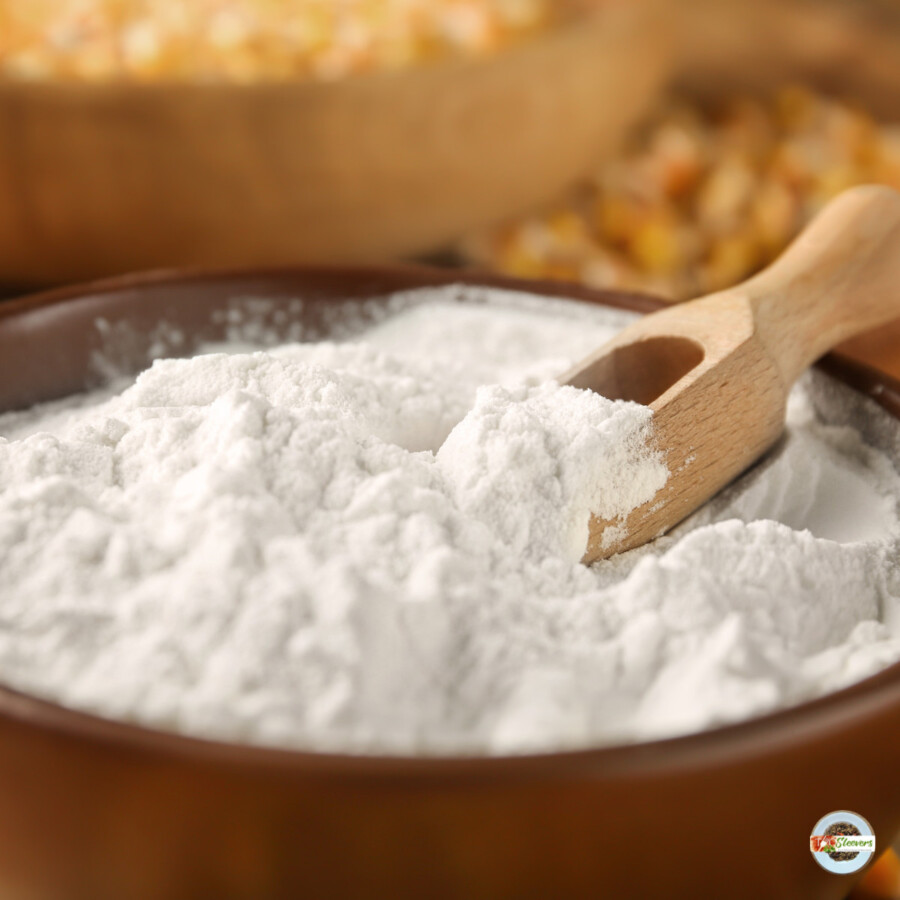
A small amount of starch can help stabilize yogurt when a recipe requires longer heating. Whisk the starch into the yogurt until completely smooth before the yogurt goes into the curry.
Good options include:
- Cornstarch
- Besan, also called chickpea flour or gram flour
- All-purpose flour, when appropriate for the recipe
Start with about 1 teaspoon of cornstarch or flour per cup of yogurt. The exact amount depends on the sauce and how thick you want it to become.
Cornstarch is especially useful in slow cooker dishes. My Chicken Saag uses cornstarch to help the yogurt stay creamy during the longer cooking time. The yogurt sauce in Instant Pot Jordanian Mansaf is blended with cornstarch before cooking for a smooth result.
Besan is a natural choice for certain Indian yogurt dishes because it thickens the sauce and complements the flavor. This Indian Yogurt Soup combines yogurt and besan to make a smooth, tangy kadhi.
Starch is helpful, but it does not make yogurt indestructible. You should still control the temperature and avoid a vigorous boil unless the specific recipe directs otherwise.
How To Add Yogurt To A Tomato-Based Curry
Tomatoes make a curry more acidic, so a tomato-heavy sauce needs a little extra care.
Cook the tomato mixture completely before adding the yogurt. You want the tomatoes, aromatics, and spices to develop into a cohesive sauce first. Then lower the heat and temper the yogurt with several spoonfuls of that sauce.
Add the tempered yogurt slowly while stirring. If the curry is extremely thick, a splash of water can make it easier to blend the yogurt evenly.
Do not add cold yogurt and lemon juice at the same time to a boiling tomato curry. If the dish needs extra acidity, adjust it after the yogurt has been incorporated and the heat is under control.
For more context on how different sauces are built, see Indian Curry Types Explained.
How To Keep Yogurt From Curdling In An Instant Pot
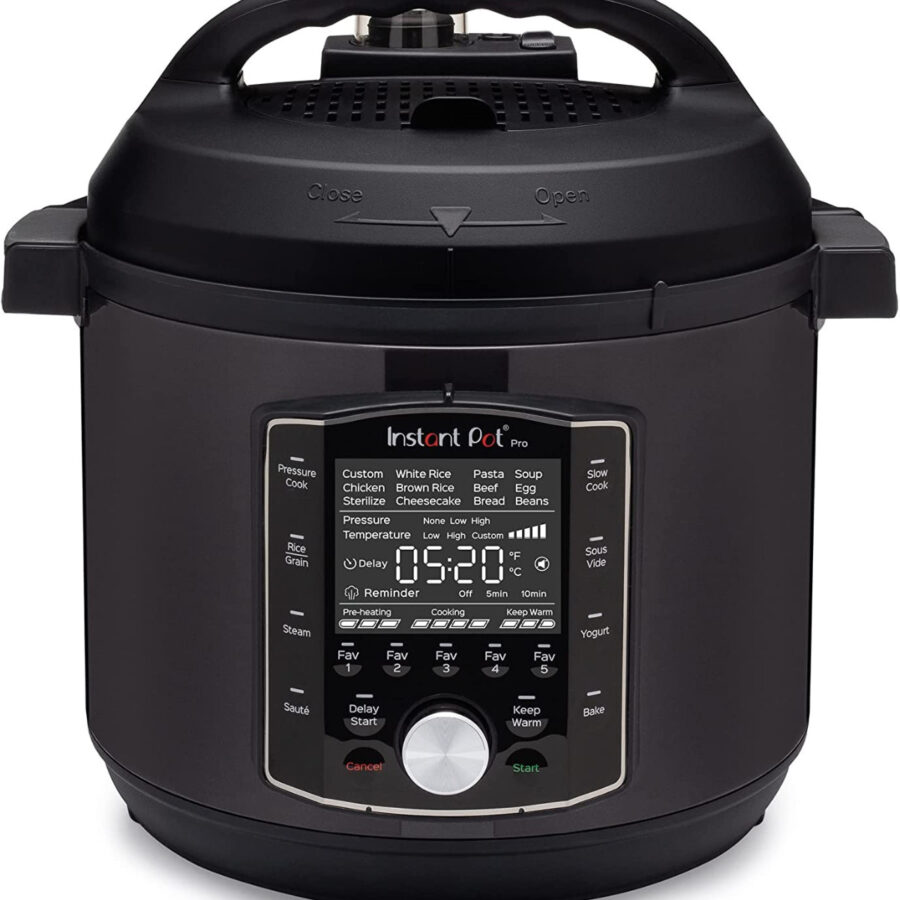
Pressure cooking creates more heat than yogurt needs, so timing matters.
For most Instant Pot curries:
- Pressure cook the meat, vegetables, aromatics, spices, and cooking liquid without the finishing yogurt.
- Release the pressure as directed by the recipe.
- Turn off the Instant Pot and wait for vigorous bubbling to stop.
- Whisk the yogurt in a separate bowl.
- Temper it with hot sauce from the inner pot.
- Stir the tempered yogurt into the curry.
- Use Low Sauté only if the curry needs gentle warming, and do not let it boil.
Some tested recipes intentionally cook yogurt under pressure or use a blended, stabilized yogurt mixture. Follow those recipes exactly. Otherwise, adding yogurt after pressure cooking is the safer default.
Yogurt in a marinade behaves differently from yogurt stirred into a finished sauce. Chicken Tikka Masala uses yogurt-marinated chicken, while the sauce develops separately. If small bits of marinade appear during cooking, that does not necessarily mean the finished curry sauce has failed.
If pressure cooking is new to you, this collection of Indian Instant Pot Recipes is a useful place to start.
Can You Use Greek Yogurt In Curry?
Yes. Greek yogurt makes a thick, creamy curry, but its concentrated protein can become grainy if it is heated too quickly.
For the best results:
- Use full-fat plain Greek yogurt.
- Whisk it thoroughly.
- Thin it with a little water or curry sauce.
- Temper it before adding it to the pot.
- Keep the finished sauce below a boil.
Do not assume that a thicker yogurt is automatically more stable. The same gentle-heat rules still apply.
Can You Use Low-Fat Or Nonfat Yogurt?
You can, but it is less forgiving. Low-fat and nonfat yogurt contain less fat to support a creamy texture, so they are more likely to look separated when heated.
If low-fat yogurt is what you have, whisk it with a little cornstarch, temper it carefully, and add it with the curry off the heat. Reheat only as much as necessary.
For the smoothest result, full-fat yogurt remains the better choice.
How To Fix Curdled Yogurt In Curry
First, stop cooking. Continuing to boil a split sauce will usually make the texture worse.
Then try one of these options:
Whisk The Sauce
Remove the curry from the heat and whisk it vigorously. This can redistribute small curds and make mild separation less noticeable.
Blend The Curry
If the sauce does not contain ingredients that need to remain whole, use an immersion blender to smooth it. You can also transfer the sauce carefully to a countertop blender, following the manufacturer's safety instructions for hot liquids.
Add A Little Fat
A small amount of heavy cream, coconut milk, butter, or additional full-fat yogurt can soften the appearance and texture. Let the curry cool slightly first, then temper any yogurt before adding it.
Choose the ingredient that fits the flavor of the dish. Coconut milk will change the flavor more noticeably than cream or butter.
Adjust The Consistency
If the sauce looks both curdled and watery, stir in a small cornstarch slurry and warm it gently. If it is too thick, add a little warm water or broth.
Accept A Rustic Texture
Curdled yogurt does not automatically make curry unsafe. If the yogurt and curry were stored and handled safely, the dish is generally still edible. The main problem is texture.
If the curry has also become too bitter, salty, spicy, thin, or greasy, consult How To Fix Indian Curry and Why Is My Curry Bitter? before making several corrections at once.
Tips And Tricks

- Read the recipe before substituting. Greek yogurt, regular yogurt, coconut milk, and cream do not behave identically.
- Use moderate heat. Once yogurt enters the sauce, patience matters more than speed.
- Whisk first. Smooth yogurt incorporates more evenly than yogurt spooned directly from the container.
- Add it gradually. Several small additions are safer than one large addition.
- Cook the curry base first. Let onions, tomatoes, aromatics, and spices develop before finishing with yogurt.
- Use starch when needed. Cornstarch or besan can stabilize yogurt during longer cooking.
- Do not overcrowd the fix. If a curry splits, change one thing at a time so you do not accidentally make it too thin, bland, or rich.
- Follow tested pressure cooker recipes. Ingredient order is particularly important under pressure.
For more foundational advice, read Indian Cooking For Beginners and Indian Cooking Techniques Explained.
Common Mistakes To Avoid

Adding Cold Yogurt To Boiling Curry
This creates a sudden temperature change and exposes the yogurt proteins to intense heat at the same time. Temper the yogurt first.
Using High Heat To Speed Things Up
High heat will not make the yogurt combine faster. It is more likely to create grainy curds. Stir over low heat instead.
Skipping The Whisking Step
Lumpy yogurt is harder to incorporate smoothly. Whisk it in a separate bowl before tempering.
Boiling The Curry During Reheating
Even a sauce that was smooth the first day can split when it is reheated aggressively. Warm leftovers slowly on the stovetop or use short microwave intervals, stirring between each one.
Assuming Every Creamy Curry Contains Yogurt
Indian curries can get their richness from cream, nuts, coconut milk, butter, or a combination of ingredients. For example, this Chicken Korma uses cashews and coconut milk, while Instant Pot Butter Chicken gets its silky finish from butter and cream.
Understanding the intended sauce helps you choose a substitution that will actually work.
How To Reheat Curry With Yogurt
Reheat yogurt-based curry slowly. Place it in a saucepan over low heat and stir frequently. If the sauce has thickened in the refrigerator, add a splash of water or broth before warming it.
For the microwave, use medium power in short intervals. Stir after each interval so hot spots do not cause the yogurt to separate.
Do not repeatedly cool and reheat the same batch. Warm only the amount you plan to serve.
For more storage advice, read How To Freeze And Reheat Curry.
Frequently Asked Questions

When Should Yogurt Be Added To Curry?
Add yogurt after the main curry base has cooked and the heat has been reduced. For most pressure cooker recipes, add it after pressure cooking and pressure release.
Do I Need To Temper Yogurt Before Adding It To Curry?
Tempering is the most reliable way to prevent yogurt from splitting. It is especially helpful when the curry is hot, tomato-based, or acidic.
Why Did My Yogurt Curdle Even Though I Tempered It?
The curry may have been too hot after the yogurt was added, or the finished sauce may have returned to a boil. Very low-fat or highly acidic yogurt can also split more easily.
Does Salt Make Yogurt Curdle?
Salt is not usually the primary cause. Excessive heat, sudden temperature changes, low fat, and acidity are more common reasons yogurt separates in curry.
Can I Add Yogurt Straight From The Refrigerator?
You can, but it increases the risk of splitting. Let the yogurt lose some of its chill, whisk it smooth, and temper it with hot curry sauce first.
Can I Substitute Coconut Milk For Yogurt?
Sometimes. Coconut milk is less likely to curdle and works well in many curries, but it adds coconut flavor and lacks yogurt's tang. Whether it is a good swap depends on the dish.
Is Curdled Curry Safe To Eat?
Curdling alone is normally a texture issue. If all ingredients were fresh, cooked safely, and stored correctly, a split sauce is generally safe to eat. Discard the curry if it has been left at an unsafe temperature or shows signs of spoilage.
Can I Freeze Curry Made With Yogurt?
Yes, but the sauce may separate after thawing. Cool it promptly, freeze it in an airtight container, thaw it in the refrigerator, and reheat gently while stirring. A quick whisk or blend can improve the texture.
More Indian Cooking Guides And Recipes
Once you know how to prevent yogurt from splitting, these guides and recipes will help you build better curries from start to finish:
- Indian Curry Types Explained
- How To Fix Indian Curry
- Why Is My Curry Bitter?
- Indian Cooking Techniques Explained
- How To Bloom And Temper Indian Spices
- How To Build A Complete Indian Meal
- Chicken Tikka Masala
- Chicken Saag
- Indian Yogurt Soup
- All Indian Recipes
Knowing how to keep yogurt from curdling in curry comes down to three habits: use a smooth full-fat yogurt, temper it gradually, and keep the finished sauce below a boil. Once those steps become routine, you can add yogurt to curry with confidence and get a creamy sauce without the grainy texture.
If you found this guide helpful, share it on Facebook or Pinterest so your friends can use these curry troubleshooting tips too.





Leave a Reply