Learn how to convert a slow cooker recipe to an Instant Pot without ending up with tough meat, watery sauce, mushy vegetables, or a burn warning. This practical guide covers cooking times, liquid adjustments, ingredient order, pressure release methods, and the recipes that should not be converted without extra testing.
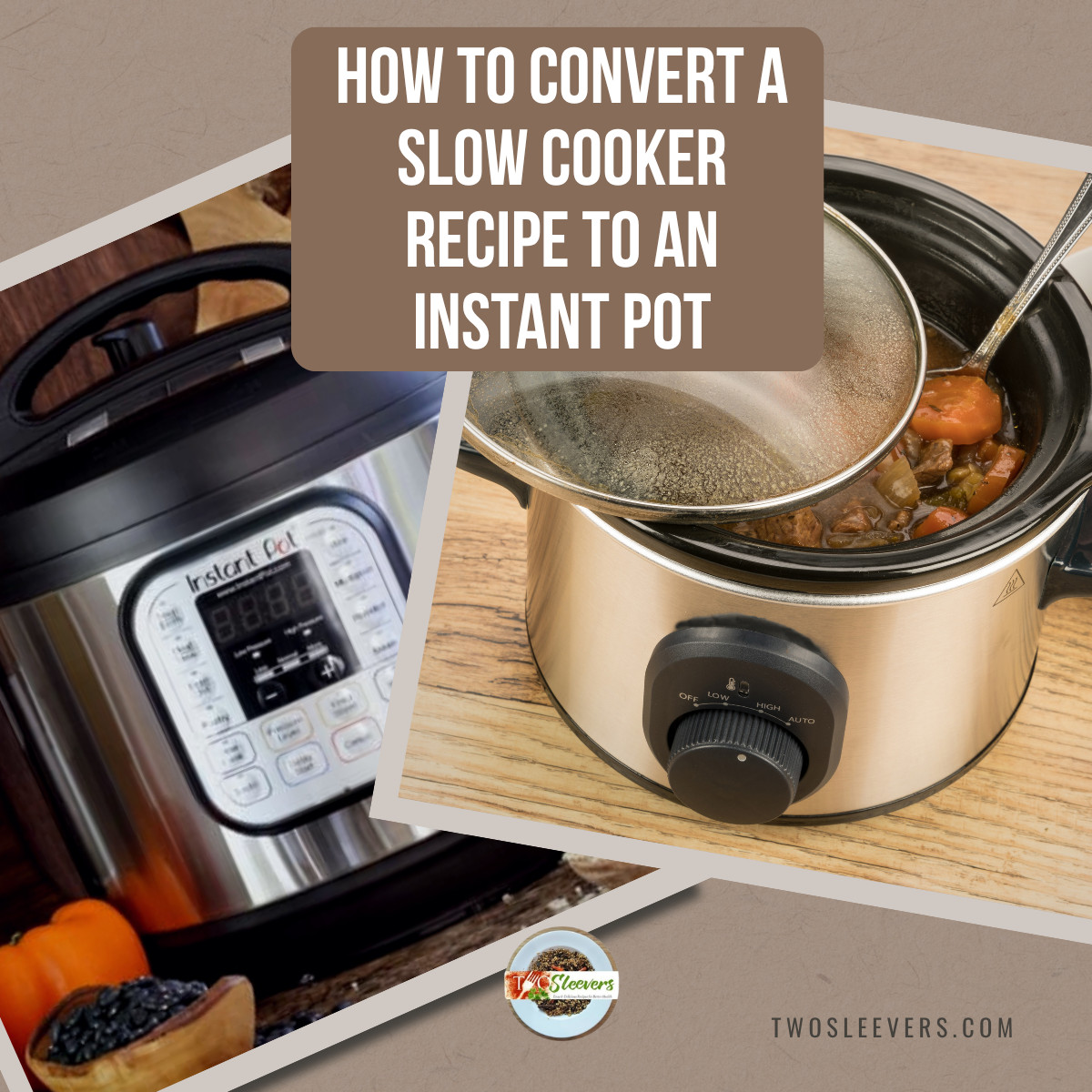
A slow cooker and an Instant Pot can both turn simple ingredients into a tender, flavorful meal, but they do not cook in the same way. A slow cooker heats gradually and allows some evaporation over several hours. An electric pressure cooker traps steam, builds pressure, and cooks at a much higher temperature.
That means you cannot simply turn eight hours on LOW into eight minutes under pressure. You need to consider the main ingredient, the size of the pieces, the amount and thickness of the liquid, and how quickly each component cooks.
Once you understand those differences, many soups, stews, roasts, beans, curries, and shredded meat recipes can be adapted successfully.
Why You'll Love This Guide
- Practical. Learn which parts of a slow cooker recipe must change.
- Time saving. Turn an all-day meal into a weeknight dinner.
- Versatile. Convert recipes for beef, chicken, pork, beans, soup, and curry.
- Beginner friendly. Follow a step-by-step process instead of guessing.
- Helpful. Prevent thin sauces, burn warnings, overcooked vegetables, and separated dairy.
If you are new to pressure cooking, browse my Instant Pot Tips And Tricks before adapting your first recipe.
Can You Convert A Slow Cooker Recipe To An Instant Pot?
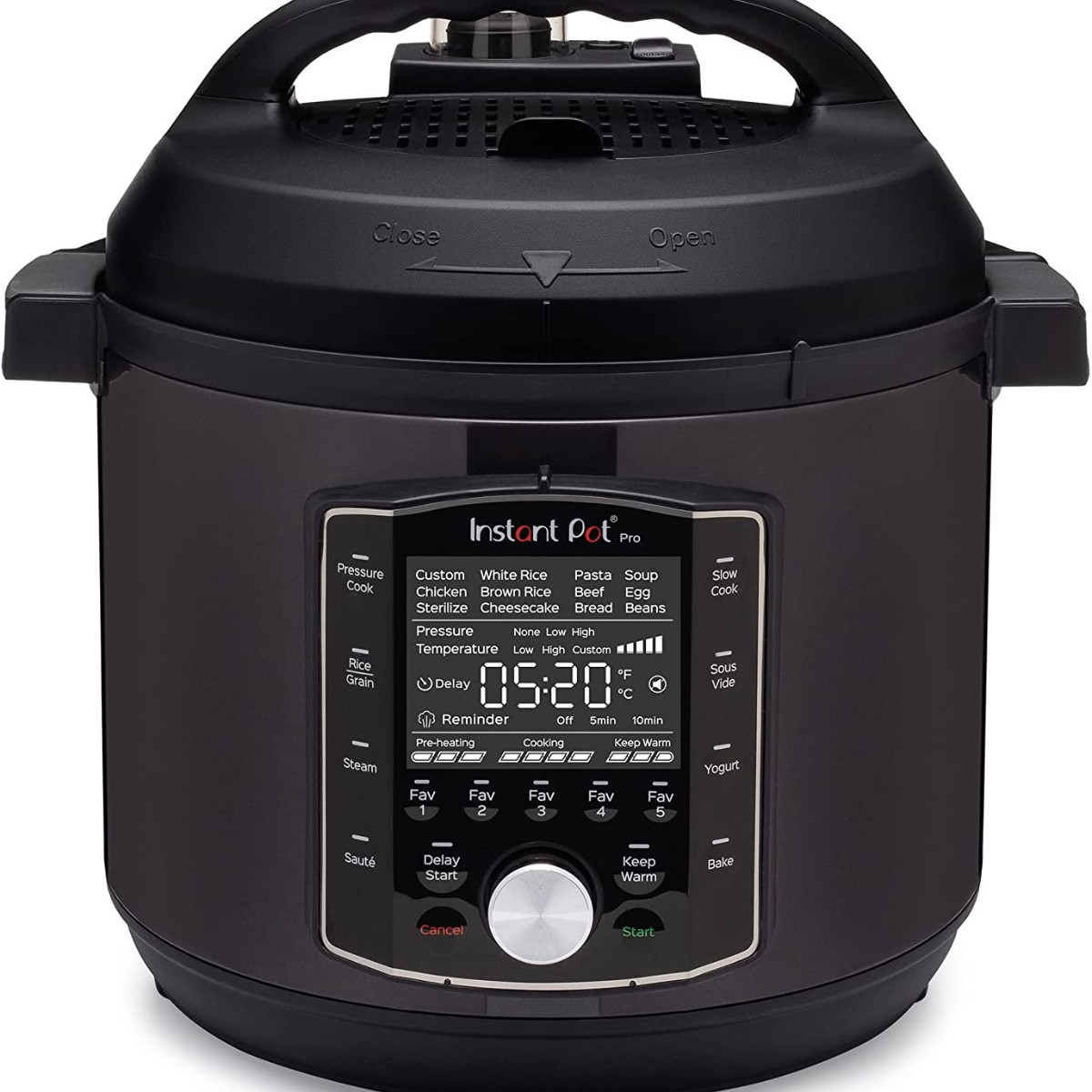
Yes, many slow cooker recipes can be converted to an Instant Pot. The best candidates contain ingredients that benefit from moist cooking, such as:
- Chuck roast and other braising cuts
- Pork shoulder
- Chicken thighs
- Dried beans and chickpeas
- Lentils
- Soups and stews
- Curries
- Chili
- Shredded meat fillings
Recipes are harder to convert when their success depends on evaporation, crispness, delicate dairy sauces, precisely cooked pasta, or vegetables that need only a few minutes.
Before converting, look for a tested pressure cooker version of the dish. A tested recipe has already solved questions about liquid, layering, pressure time, and release method. Browse more than 300 recipes in the Instant Pot Recipe Collection before creating your own adaptation.
Slow Cooker Versus Instant Pot
| Slow cooker | Instant Pot pressure cooking |
|---|---|
| Heats gradually | Heats until pressure is reached |
| Cooks for several hours | Cooks under pressure for minutes |
| Allows some evaporation | Traps most moisture |
| Ingredients can often be stirred together | Layering can be important |
| Dairy may be added near the end | Dairy is usually added after pressure cooking |
| Vegetables may cook alongside meat | Delicate vegetables often need a separate cycle |
| Lid can be opened to check progress | Lid stays locked while pressurized |
The Instant Pot also needs time to reach pressure and release pressure. A recipe with a 20-minute programmed cooking time may take 40 minutes or longer from start to finish.
Slow Cooker To Instant Pot Conversion Chart
There is no exact one-to-one formula. The following chart is a rough starting point for soups, stews, curries, and braises made with similarly sized ingredients.
| Slow cooker time | Starting Instant Pot time | Suggested release |
|---|---|---|
| 2 to 3 hours on LOW | 5 to 10 minutes on High Pressure | Recipe dependent |
| 4 hours on LOW or 2 hours on HIGH | 10 to 15 minutes on High Pressure | 5 to 10-minute natural release |
| 6 hours on LOW or 3 hours on HIGH | 15 to 25 minutes on High Pressure | 10-minute natural release |
| 8 hours on LOW or 4 hours on HIGH | 25 to 35 minutes on High Pressure | 10 to 15-minute natural release |
| 10 hours on LOW or 5 to 6 hours on HIGH | 35 to 45 minutes on High Pressure | 15-minute natural release |
This chart does not replace ingredient-specific timing. A whole roast may require much longer than cubed meat even if both slow cooker recipes call for eight hours. Delicate chicken breast may require less time than a collagen-rich pork shoulder.
Use my Instant Pot Cooking Times Chart to choose a more precise starting time for the main ingredient.
The Most Important Conversion Rule
Set the pressure time according to the ingredient that takes the longest to cook, not the number of hours in the slow cooker recipe.
For example:
- Boneless chicken thighs cook much faster than a whole chuck roast.
- Dried chickpeas need more time than canned chickpeas.
- Two-inch beef cubes need less time than one solid roast.
- Carrots need less time than pork shoulder.
- Pasta can overcook long before dried beans become tender.
If one ingredient cooks much faster than another, add it during a second pressure cycle or stir it in after pressure cooking.
How To Convert A Crockpot Recipe To An Instant Pot
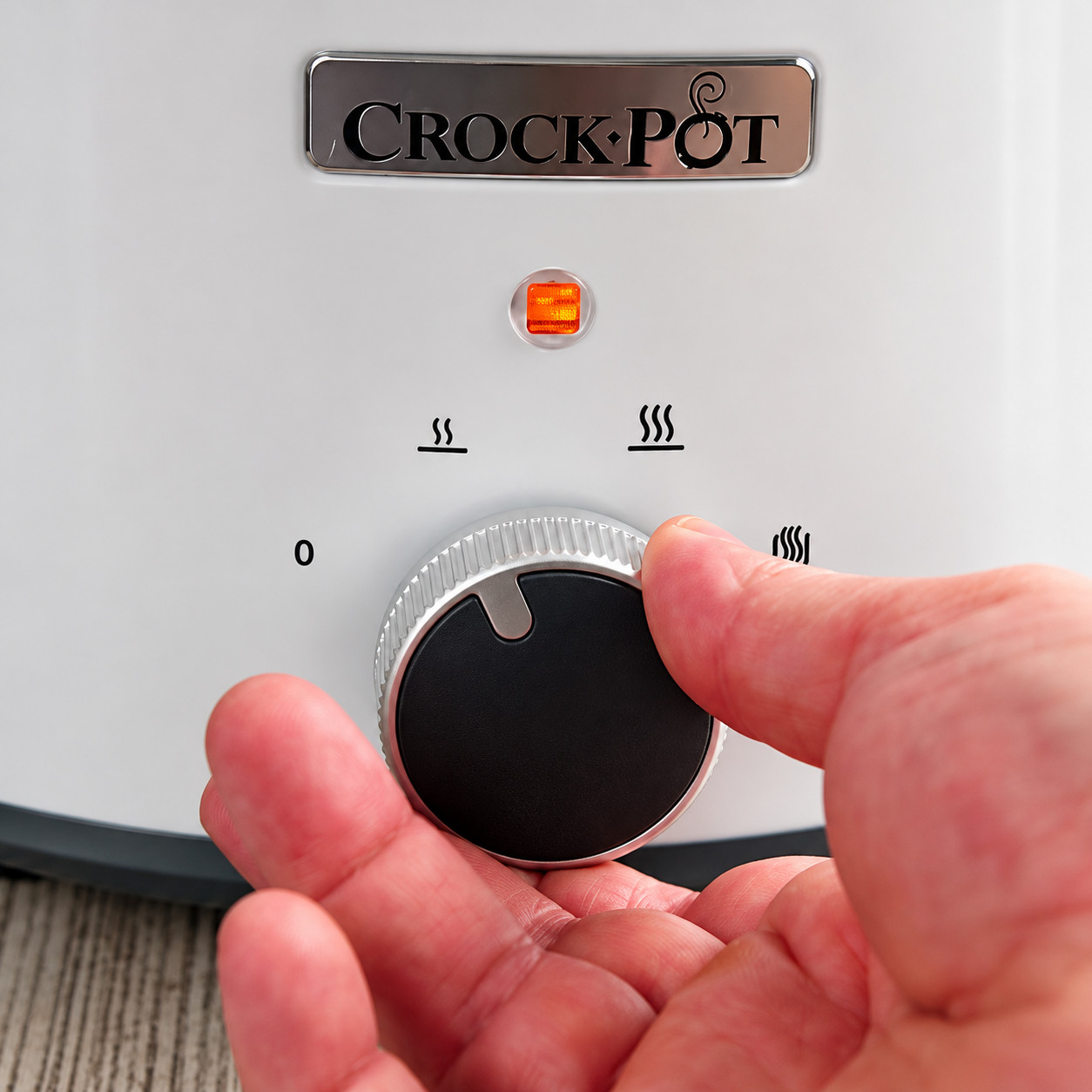
1. Check Whether The Recipe Is A Good Candidate
Look for a recipe with enough moisture and ingredients that benefit from braising. Soups, stews, roasts, shredded meats, beans, lentils, and many curries usually convert well.
Recipes that need a crisp surface, extensive evaporation, or careful last-minute texture require more changes and may not be worth converting.
2. Identify The Longest-Cooking Ingredient
The primary protein, dried bean, or dense vegetable usually determines the pressure time. Note its size as well as its weight.
Pressure cooking time is strongly affected by thickness. Three pounds of chuck cut into several large pieces cooks faster than one solid three-pound roast because heat reaches the center more quickly.
3. Reduce The Liquid
Slow cooker recipes often contain more liquid because they cook for hours and lose moisture. The Instant Pot traps steam, so using the full slow cooker quantity can create a thin, diluted sauce.
As a general starting point, reduce broth, water, wine, or other thin liquid by about 25% to 50%. However, always keep at least the minimum amount required by your Instant Pot model.
Do not reduce liquid contributed by ingredients that are essential to the recipe without considering flavor and texture. Canned tomatoes, watery vegetables, frozen meat, and chicken all release additional moisture while cooking.
4. Keep Enough Thin Liquid To Build Pressure
The Instant Pot needs thin liquid to create steam. Water, broth, and thin cooking juices work well.
Thick ingredients such as these may not count as the only pressure-building liquid:
- Tomato paste
- Thick tomato sauce
- Barbecue sauce
- Cream soup
- Salsa with very little free liquid
- Nut butter
- Cornstarch-thickened sauce
- Cheese sauce
Use the manufacturer's minimum liquid requirement for your model. If the recipe relies almost entirely on thick sauce, add thin liquid underneath it.
5. Brown The Meat And Aromatics If Desired
Use Sauté to brown meat, onions, garlic, or spices before pressure cooking. Browning adds flavor, but it is optional when speed matters most.
Work in batches so the meat sears rather than steams. After sautéing, pour in some of the thin liquid and scrape the inner pot thoroughly. No browned bits should remain stuck to the bottom.
This deglazing step helps prevent a burn warning.
6. Layer The Ingredients Correctly
Slow cooker recipes often tell you to combine everything. That can cause problems in an Instant Pot.
Use this general order:
- Thin liquid on the bottom
- Meat, beans, or firm vegetables
- Aromatics and seasonings
- Tomatoes and thicker sauces on top
Do not stir thick tomato products into the bottom unless a tested recipe specifically tells you to do so. Keeping them on top reduces the chance of scorching before the pot reaches pressure.
7. Choose The Pressure Time
Use a tested pressure-cooking time for the main ingredient and its size. Treat the conversion chart as a rough comparison, not the final authority.
Select High Pressure unless the recipe or a reliable cooking chart recommends Low Pressure.
8. Choose The Correct Pressure Release
The release method is part of the cooking process.
- Use a natural or timed natural release for large cuts of meat, dried beans, grains, and foamy soups.
- Use a quick release for many delicate vegetables and foods that overcook easily.
- Use the release method from a tested recipe whenever possible.
For a complete explanation, read Instant Pot Natural Release Versus Quick Release.
9. Add Delicate Ingredients After Pressure Cooking
Stir in dairy, cheese, fresh herbs, seafood, quick-cooking vegetables, and most thickeners after the pressure has been released.
Use Sauté on a low or normal setting to finish the sauce, but stir frequently and avoid scorching.
10. Adjust The Sauce
If the finished dish is thinner than the slow cooker version, use Sauté to simmer it uncovered. Remove the meat first if it is already tender enough.
You can also add a cornstarch slurry or another thickener appropriate for the recipe. Never add a flour or cornstarch slurry before pressure cooking unless a tested recipe specifically calls for it.
How Much Liquid Should You Use?
The right amount of liquid must satisfy two competing needs:
- The cooker needs enough thin liquid to make steam.
- The finished dish should not be watery.
Begin by reducing the slow cooker recipe's added thin liquid by about one-quarter to one-half. Then compare that amount with the minimum required by your pressure cooker. Use whichever amount safely meets the appliance requirement and suits the recipe.
Example
If a slow cooker stew uses 4 cups of broth, an Instant Pot version may need only 2 to 3 cups. The meat, onions, mushrooms, tomatoes, and other vegetables will contribute additional liquid.
If a slow cooker pot roast uses only 1 cup of broth, do not reduce it automatically. That may already be close to the minimum needed by your particular cooker.
How To Convert Slow Cooker Beef Recipes

Chuck roast, brisket, short ribs, and stew meat are good Instant Pot candidates because pressure and moisture help soften their connective tissue.
Use these general approaches:
- Cut roasts into large, evenly sized pieces for faster cooking.
- Use a natural release for large or collagen-rich cuts.
- Add potatoes, carrots, and mushrooms during a second cycle if you want them to remain distinct.
- If the beef is still firm, it may need more time rather than less.
- Slice brisket and roast beef against the grain.
Instant Pot Pot Roast cooks the chuck first, then adds vegetables for a short second pressure cycle. This prevents the vegetables from cooking for as long as the beef.
Pressure Cooker Beef Stew uses the same useful strategy by cooking the beef separately before adding quicker-cooking vegetables.
You can also compare methods in Instant Pot Brisket, which includes slow cooker instructions for the same dish.
How To Convert Slow Cooker Chicken Recipes
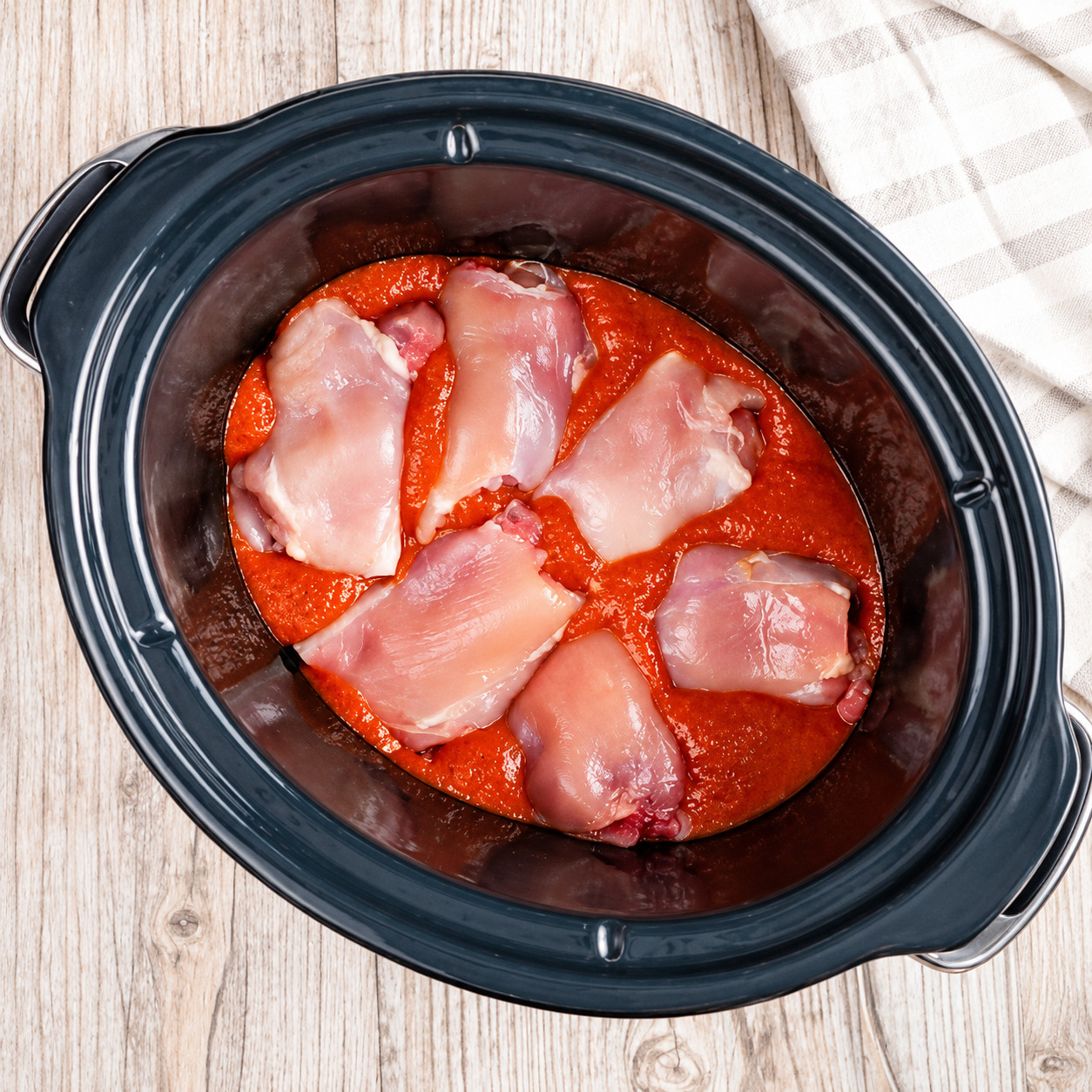
Chicken usually needs much less pressure time than beef or pork shoulder. Chicken breast is especially easy to overcook, so do not use the time intended for a long slow cooker braise.
Consider these differences:
- Boneless chicken breast cooks faster than bone-in chicken.
- Chicken thighs are more forgiving than breasts.
- Frozen chicken lengthens the time needed to reach pressure.
- Large whole pieces cook differently from small cubes.
- A natural release adds carryover cooking.
Use an instant-read thermometer to verify safe doneness. If you plan to shred the chicken, thighs often produce a juicier result.
Compare Slow Cooker Butter Chicken with Instant Pot Butter Chicken to see how the same general dish changes between appliances. The pressure cooker version uses its own tested ingredient ratios and instructions rather than a simple time swap.
For more ideas, browse these Instant Pot Chicken Recipes.
How To Convert Slow Cooker Pork Recipes
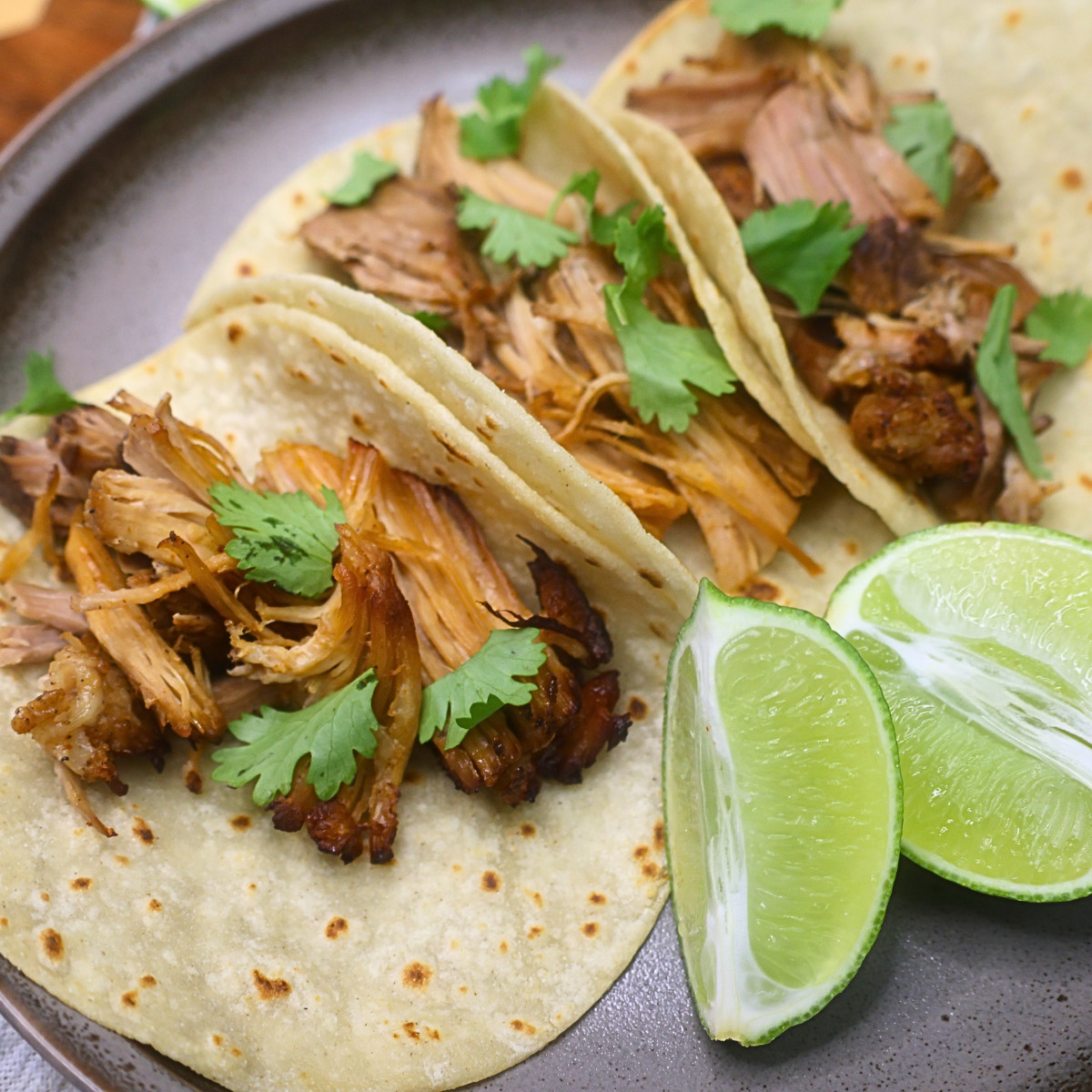
Pork shoulder and pork butt convert well because they contain enough fat and connective tissue to remain juicy during pressure cooking. Pork loin and tenderloin are much leaner and need shorter, more careful cooking.
For shredded pork:
- Cut a large shoulder into several chunks.
- Keep pieces similar in size.
- Use enough thin liquid to build pressure.
- Allow a natural release.
- Remove excess liquid before returning the shredded pork to the sauce.
For a tested pressure cooker pork stew, try Pressure Cooker Pork Chile Verde or this Instant Pot Pork Stew.
How To Convert Slow Cooker Beans And Lentils

Dried beans can work well in the Instant Pot, but variety, age, and soaking make a major difference.
Before converting, identify whether the slow cooker recipe uses:
- Dried beans
- Soaked dried beans
- Canned beans
- Brown or green lentils
- Red lentils
- Chickpeas
Do not give all of these ingredients the same pressure time. Canned beans are already cooked and often need to be stirred in after the main pressure cycle. Red lentils soften much faster than chickpeas.
Use sufficient water for dried beans and remain below the lower fill line required for expanding or foamy foods. A natural release helps reduce sputtering from the valve.
Read How To Cook Beans In The Instant Pot before adapting a slow cooker bean recipe.
How To Convert Slow Cooker Soup And Stew
Soup and stew are among the easiest recipes to convert, but vegetables can become mushy and the broth can become too thin.
For better results:
- Reduce the slow cooker's added liquid.
- Cook meat, dried beans, and firm ingredients first.
- Add delicate vegetables during a second short cycle.
- Add spinach, peas, cream, and fresh herbs after pressure cooking.
- Use Sauté to reduce or thicken the broth at the end.
Remember that soup ingredients should not exceed the appropriate fill line. Beans, grains, and other expanding ingredients require additional room.
What To Do With Dairy
Milk, cream, sour cream, cream cheese, and yogurt can separate or scorch under pressure. Leave them out during the main cooking cycle unless the pressure cooker recipe has been specifically tested with that ingredient.
After pressure cooking:
- Release pressure as directed.
- Turn off the pot or select a gentle Sauté setting.
- Stir in cream, milk, or cream cheese gradually.
- Temper yogurt or sour cream with a little hot sauce before adding it.
- Avoid boiling the finished dairy sauce.
Cream of mushroom or cream of chicken soup is also thick enough to cause scorching. If it is essential to the dish, layer it on top without stirring or add it after pressure cooking.
What To Do With Cornstarch And Flour
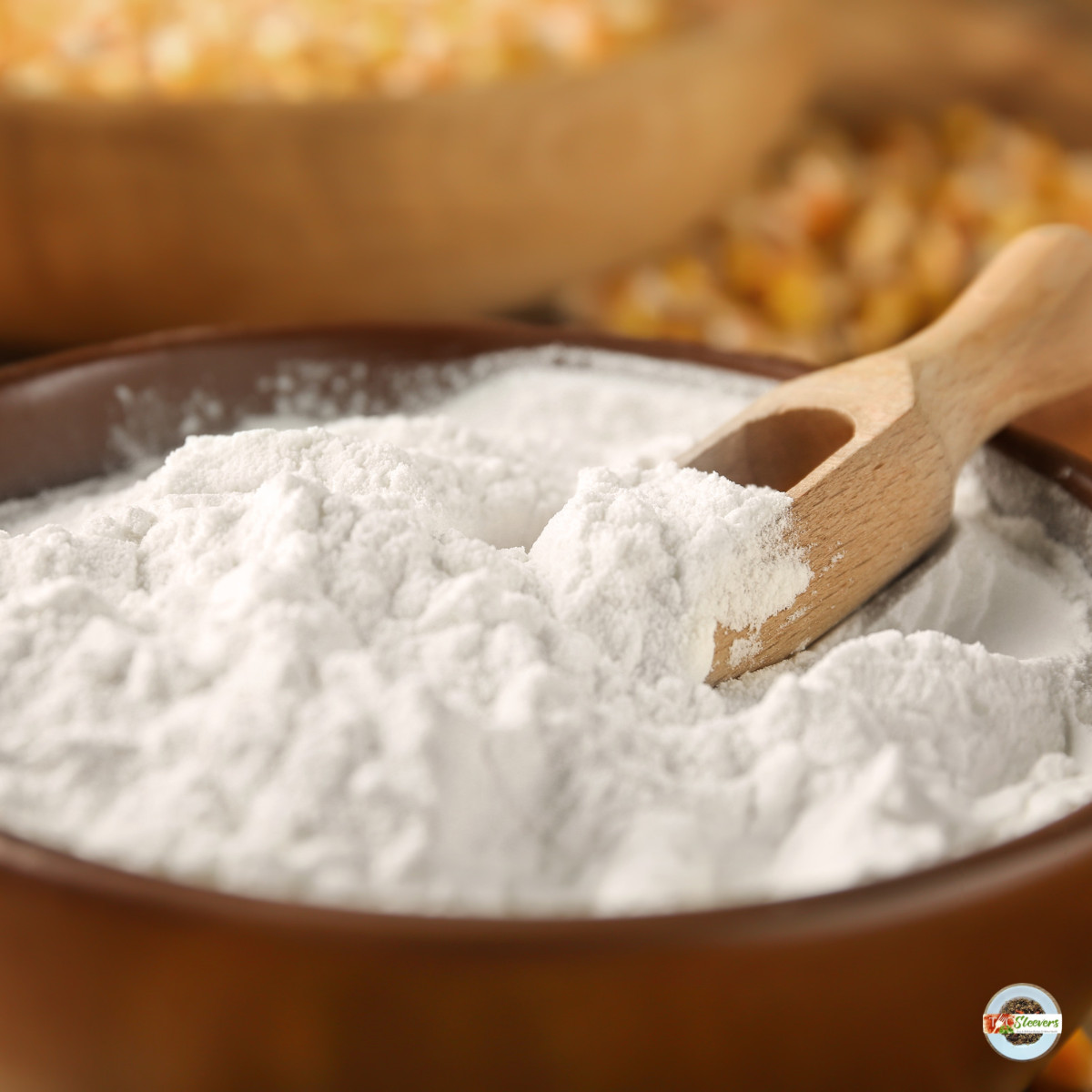
Do not pressure cook a cornstarch slurry. It can thicken the liquid before the cooker reaches pressure and contribute to a burn warning.
Flour-thickened sauces can create the same problem. In most conversions, omit the thickener during pressure cooking and add it at the end.
To thicken after cooking:
- Mix cornstarch with cold water until smooth.
- Select Sauté.
- Stir the slurry into the simmering liquid.
- Cook briefly until the sauce reaches the desired consistency.
You can also reduce the sauce uncovered. Remove perfectly cooked meat and vegetables first so they do not become overcooked while the liquid simmers.
How To Handle Tomatoes And Thick Sauces
Tomatoes work well in many Instant Pot recipes, but thick tomato products can scorch when they sit directly on the heating surface.
Add thin liquid first, deglaze the pot, and place tomatoes or tomato sauce on top. Do not stir before pressure cooking unless the tested recipe instructs you to do so.
Use the same approach for barbecue sauce, enchilada sauce, and other thick mixtures. If the recipe contains very little thin liquid, add enough broth or water to meet the minimum for your cooker.
How To Handle Vegetables

Slow cooker vegetables can tolerate several hours of gradual cooking. Under pressure, some vegetables become soft in only a few minutes.
Add Before Pressure Cooking
These firmer vegetables can sometimes cook with the main ingredients when cut into large pieces:
- Potatoes
- Carrots
- Beets
- Winter squash
- Turnips
Whether they survive the full pressure time depends on the meat and the size of the pieces.
Add During A Second Cycle
Use a short second cycle for vegetables that need some pressure cooking but much less than the meat. Potatoes, carrots, mushrooms, and firm squash often benefit from this method.
Add After Pressure Cooking
Stir in these ingredients after opening the pot or cook them briefly on Sauté:
- Spinach
- Peas
- Fresh herbs
- Broccoli
- Zucchini
- Tender greens
This staged approach preserves color and texture.
Can You Convert Slow Cooker Pasta Recipes?
You can, but pasta requires its own liquid ratio and pressure time. A slow cooker pasta recipe may contain enough liquid for gradual absorption and evaporation, while an Instant Pot recipe must account for trapped moisture and the starch released by the pasta.
Do not use the slow cooker time chart for pasta. Start with a tested Instant Pot pasta recipe and match the pasta shape, sauce thickness, and liquid ratio.
Layer thick sauce above the pasta rather than stirring it against the bottom, and allow space for foaming. Dairy and cheese are usually stirred in after pressure cooking.
Can You Convert Slow Cooker Rice Recipes?
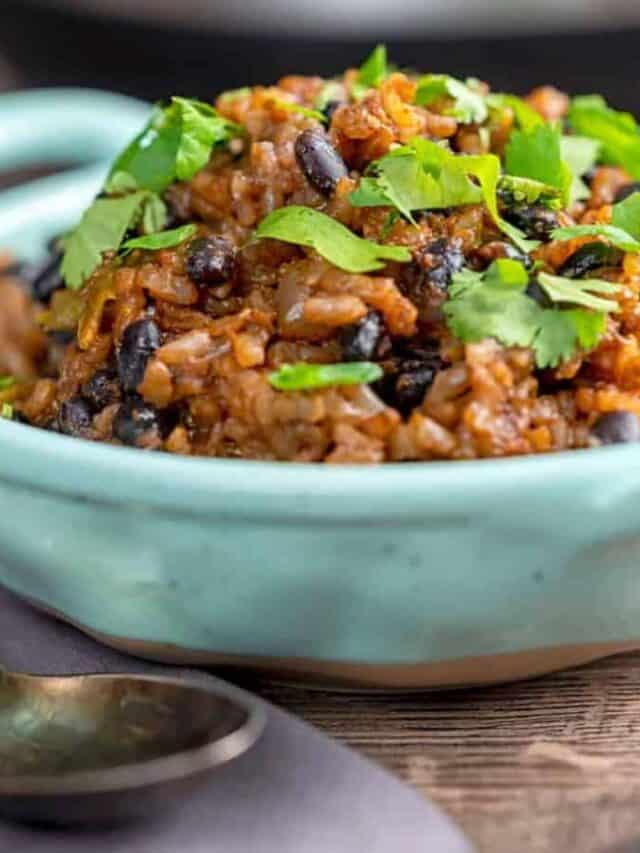
Rice also needs a tested liquid ratio and precise time. Simply reducing an eight-hour slow cooker recipe to a few pressure-cooking minutes is not enough.
The amount of water depends on the type of rice, whether it is rinsed or soaked, and whether other ingredients release liquid. Brown rice and white rice need different cooking times.
When meat requires much longer than rice, use a pot-in-pot method or cook the rice separately. Instant Pot Pot-In-Pot Beans And Rice shows how two components can cook in separate containers during the same pressure cycle.
Recipes That Do Not Convert Well
Some slow cooker recipes are better left in the crockpot or rebuilt from the ground up.
Very Thick Or Low-Liquid Recipes
The Instant Pot needs thin liquid to create steam. A recipe based only on cheese, condensed soup, nut butter, or thick sauce may trigger a burn warning.
Crispy Recipes
Pressure cooking creates a moist environment. It cannot produce a crisp crust, browned cheese topping, or crunchy breading. Use the oven, broiler, or air fryer for the finishing step.
Delicate Seafood
Shrimp, scallops, and thin fish cook so quickly that the time needed to pressurize can overcook them. Add seafood after the main pressure cycle whenever possible.
Dairy-Heavy Sauces
Cream, milk, yogurt, cheese, and sour cream can scorch or separate. Add them after pressure cooking or use a tested pot-in-pot method.
Mixed Recipes With Dramatically Different Cooking Times
A whole roast, pasta, dairy, and broccoli cannot all cook under pressure for the same length of time and retain their ideal textures. Stage the ingredients or choose a tested Instant Pot recipe.
How To Prevent The Burn Warning
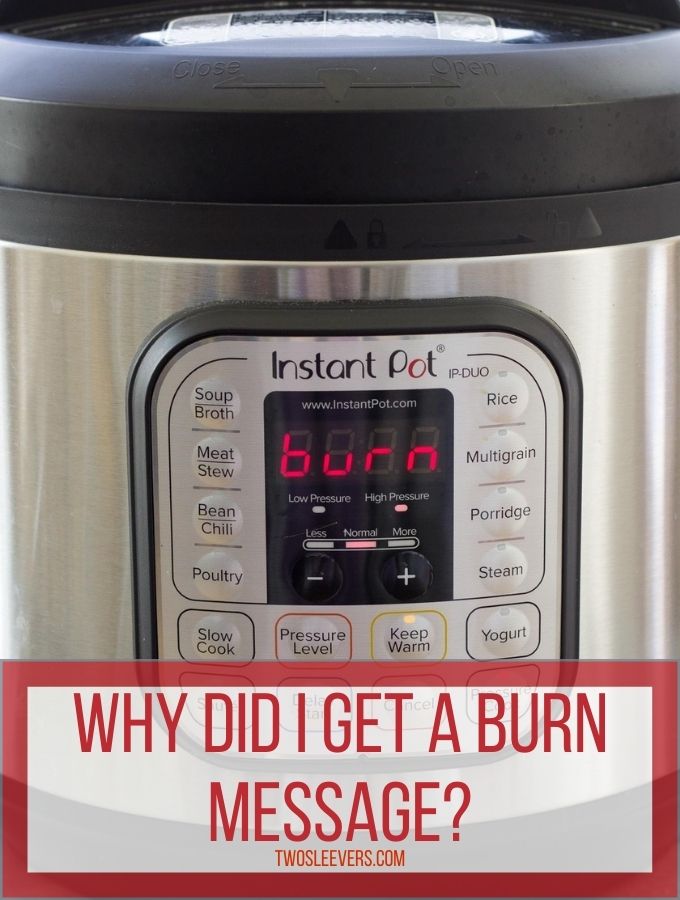
The burn warning is one of the most common problems with an untested conversion.
To reduce the risk:
- Use enough thin liquid.
- Deglaze thoroughly after sautéing.
- Keep tomato products and thick sauces on top.
- Do not add cornstarch slurry before pressure cooking.
- Add cheese, cream, and condensed soup after cooking when possible.
- Make sure the sealing ring and valve are installed correctly.
- Avoid overfilling the pot.
If the display still shows an error, use my Instant Pot Troubleshooting Guide.
Common Conversion Mistakes
Using All Of The Slow Cooker Liquid
Because the Instant Pot retains moisture, the finished sauce may be watery. Reduce added thin liquid while still meeting the cooker minimum.
Choosing Time Based Only On Slow Cooker Hours
Ingredient size and type matter more than whether the crockpot recipe cooks for six or eight hours.
Pressure Cooking Everything At Once
Meat, pasta, dairy, and tender vegetables rarely need the same time. Use separate stages.
Stirring Thick Sauce Into The Bottom
Thick sauce can scorch before the pot reaches pressure. Layer it above thin liquid.
Forgetting The Release Method
An immediate quick release can make meat less tender or cause foamy foods to sputter. A long natural release can overcook vegetables.
Expecting The Programmed Time To Equal Total Time
The cooker needs time to pressurize and depressurize. Include those stages when planning dinner.
Opening The Lid Too Soon
Never force the lid. Wait until pressure has been released completely and the float valve has dropped.
Conversion Example: Slow Cooker Beef Stew

Suppose the original recipe cooks beef stew meat, potatoes, carrots, mushrooms, broth, tomato paste, and seasonings for eight hours on LOW.
An Instant Pot conversion could look like this:
- Reduce the broth while maintaining the model's required minimum.
- Sauté the beef in batches if desired.
- Deglaze with some broth.
- Add the beef and seasonings.
- Place tomato paste on top rather than stirring it against the bottom.
- Pressure cook according to the size of the beef cubes.
- Release pressure as appropriate for the tested beef timing.
- Add potatoes, carrots, and mushrooms for a short second cycle.
- Thicken the sauce after pressure cooking.
This staged process produces tender beef without sacrificing the vegetables. Compare it with the tested steps in Pressure Cooker Beef Stew.
Tips And Tricks

- Find a tested comparison recipe. Use it to establish time, liquid, and release method.
- Match ingredient size. A whole roast and two-inch cubes do not cook at the same rate.
- Reduce liquid thoughtfully. Start with 25% to 50% less added thin liquid, but respect the appliance minimum.
- Layer instead of stirring. Keep thick tomato products and sauces away from the bottom.
- Deglaze completely. Stuck-on food can trigger a burn notice.
- Cook in stages. Add quick-cooking vegetables, pasta, seafood, and dairy later.
- Preserve the release method. It affects texture and safety.
- Measure doneness. Use a thermometer for meat and poultry.
- Change one variable at a time. Keep notes so you can repeat a successful conversion.
- Use Sauté to finish. Reduce watery sauce or add thickener after pressure cooking.
Frequently Asked Questions
What Is The Formula For Converting Slow Cooker Time To Instant Pot Time?
There is no exact universal formula. As a rough starting point, a recipe cooked for six to eight hours on LOW may require about 20 to 35 minutes on High Pressure, but the correct time depends on the main ingredient and its size.
How Do You Convert Eight Hours On LOW To An Instant Pot?
For many stews and braises, start around 25 to 35 minutes on High Pressure with a natural release. A whole roast may require much longer, while chicken may require much less. Use the main ingredient rather than the slow cooker hours to choose the final time.
Do You Need Less Liquid In An Instant Pot Than A Slow Cooker?
Usually, yes. An Instant Pot traps moisture, so many conversions need 25% to 50% less added liquid. Never reduce it below the minimum required by your model.
Can I Put Dairy In The Instant Pot?
Some tested recipes use dairy successfully, but milk, cream, yogurt, sour cream, and cheese can scorch or separate. For an untested conversion, add dairy after pressure cooking.
Can I Use Cream Of Chicken Soup In The Instant Pot?
It is very thick and may cause scorching if stirred into the bottom. Add it after pressure cooking or layer it on top only when a tested recipe uses that method. Include enough thin liquid underneath.
Should I Use Natural Release Or Quick Release?
Use natural or timed natural release for large cuts of meat, dried beans, grains, and foamy soups. Quick release is useful for delicate vegetables and foods that overcook easily. Follow the tested recipe whenever possible.
Why Is My Converted Recipe Watery?
The slow cooker recipe probably contained liquid intended to evaporate. Reduce added liquid next time, simmer the finished sauce on Sauté, or add a thickener after pressure cooking.
Why Did My Instant Pot Say Burn?
The pot may not have had enough thin liquid, browned food may have remained stuck to the bottom, or thick sauce may have been stirred against the heating surface. Cancel the program and follow your model's safety instructions before inspecting the food.
Can I Double A Converted Recipe?
Often, but converting and doubling at the same time introduces more variables. First confirm that the single recipe works. Then use my guide to Doubling Or Halving Instant Pot Recipes and stay below the appropriate fill line.
Does High Altitude Change The Conversion?
Yes. Pressure cooking at higher elevations may require additional programmed cooking time. Calculate the altitude adjustment after choosing the base pressure time for the ingredient.
Can I Convert An Instant Pot Recipe Back To A Slow Cooker?
Often. You may need to increase liquid slightly, brown ingredients separately, and add dairy or delicate vegetables near the end. Cook until meat is tender and reaches a safe internal temperature rather than relying only on the clock.
More Instant Pot Guides And Recipes
Use these tested resources when planning your next conversion:
- Instant Pot Cooking Times Chart
- Instant Pot Troubleshooting Guide
- Natural Release Versus Quick Release
- How To Double Or Halve Instant Pot Recipes
- How To Use Instant Pot Buttons
- Pressure Cooker Beef Stew
- Instant Pot Butter Chicken
- Instant Pot Chicken Korma
- Instant Pot Pot Roast
- All Slow Cooker Recipes
- All Instant Pot Recipes
Learning how to convert a slow cooker recipe to an Instant Pot is less about dividing the cooking time and more about understanding the food. Choose pressure time by ingredient and thickness, reduce excess liquid, layer thick sauces above thin liquid, use the right release, and add dairy and delicate ingredients after pressure cooking.
If you found this guide helpful, share it on Facebook or Pinterest so your friends can turn their favorite slow cooker meals into faster Instant Pot dinners too.