The best cuts of beef for the Instant Pot are usually the hardworking, collagen-rich cuts that need time and moisture to become tender. Learn which beef cuts work best for pot roast, shredded beef, stew, soup, and braised dishes, plus which expensive cuts you should save for another cooking method.
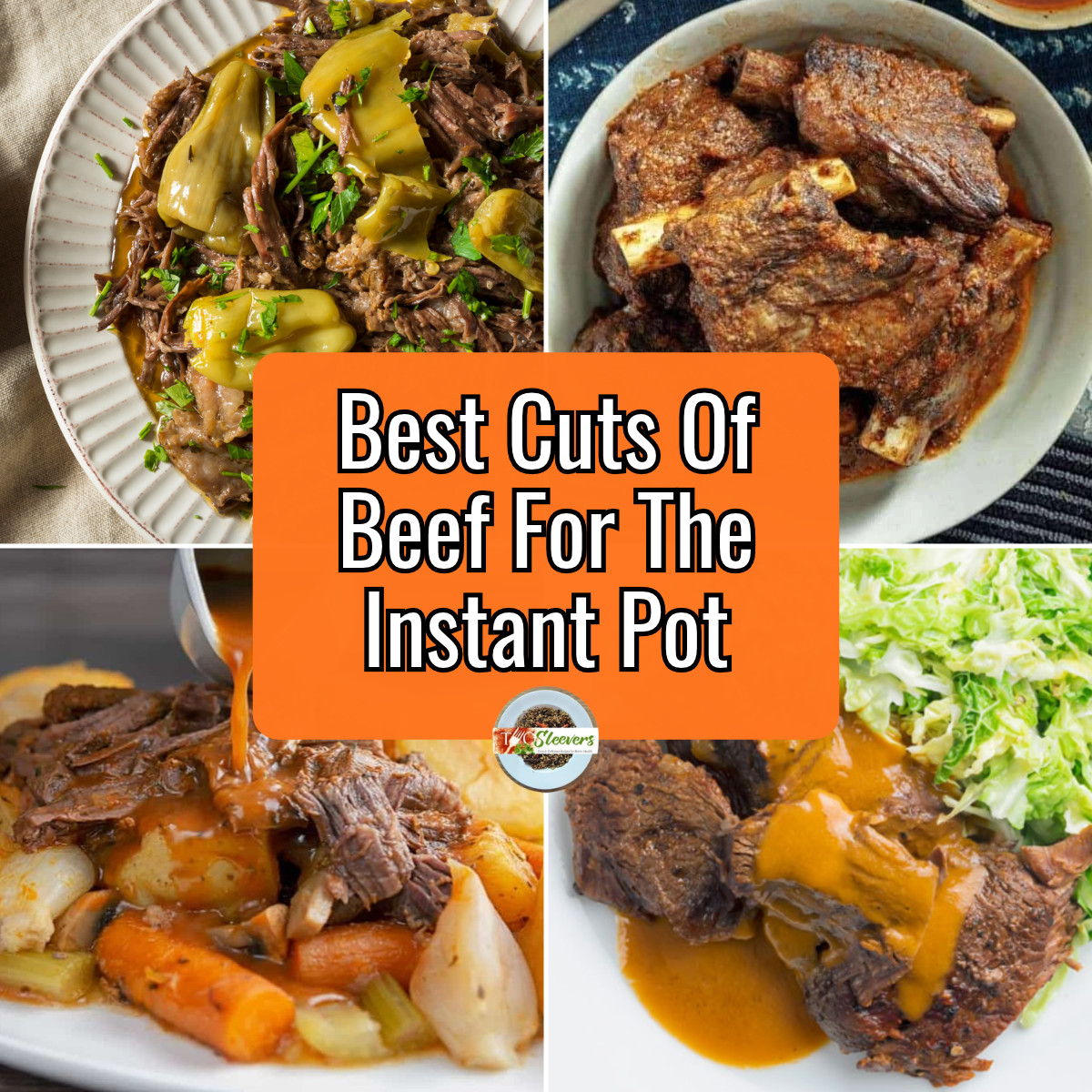
Pressure cooking can transform a firm, budget-friendly piece of beef into a tender dinner in a fraction of the time required for a traditional braise. The trick is choosing a cut that benefits from moist heat and matching it to the texture you want.
Chuck roast is the best all-purpose choice for most Instant Pot beef recipes, but it is not the only good option. Brisket, short ribs, beef shank, stew meat, and even ground beef can all work beautifully when they are used in the right dish.
Why You'll Love Cooking Beef In The Instant Pot
- Fast. Pressure cooking dramatically shortens the time needed to tenderize firm cuts.
- Budget friendly. Less expensive cuts often perform better than premium steaks.
- Versatile. Make pot roast, tacos, curry, stew, soup, chili, or shredded beef.
- Flavorful. A sealed pressure cooker keeps aromatic cooking liquid in close contact with the meat.
- Meal prep friendly. Many pressure cooker beef recipes store and reheat well.
Browse my collection of Instant Pot Beef Recipes when you are ready to start cooking.
What Is The Best Cut Of Beef For The Instant Pot?
Chuck roast is the best overall cut of beef for the Instant Pot. It has enough connective tissue and marbling to become tender and flavorful under pressure, and it works for pot roast, shredded beef, tacos, curry, and stew.
Unlike a lean, naturally tender steak, chuck benefits from the combination of pressure, moisture, and time. It is also widely available and usually less expensive than premium cuts.
For a classic example, try this Instant Pot Pot Roast. Cutting the chuck roast into palm-sized pieces helps it cook more quickly and evenly than one very thick piece.
Best Instant Pot Beef Cuts At A Glance
| Beef cut | Best use | Finished texture | General pressure-cooking approach |
|---|---|---|---|
| Chuck roast | Pot roast, shredded beef, tacos, curry | Rich, juicy, easy to shred | Cut into large chunks or cook as a roast; use a natural release |
| Brisket | Sliced or shredded beef | Deeply beefy and tender when cooked long enough | Choose flat for slices or point for richer shredded beef |
| Short ribs | Braised beef dishes | Rich and fall-off-the-bone tender | Cook bone-in or boneless with flavorful braising liquid |
| Beef shank | Soups, stews, caldo | Meaty with a silky, gelatin-rich broth | Allow enough time for connective tissue to soften |
| Stew meat | Stew, curry, soup | Tender bite-sized pieces | Keep pieces evenly sized and cook vegetables separately when needed |
| Bottom round or rump roast | Sliced roast beef or lean pot roast | Leaner and firmer than chuck | Avoid overcooking and slice thinly against the grain |
| Oxtail | Stew and braised dishes | Rich, succulent meat and full-bodied broth | Cook until the meat loosens easily from the bone |
| Ground beef | Chili, casseroles, taco meat | Crumbled rather than shredded | Brown first or use a tested dump-and-cook method |
Cooking times vary with thickness, weight, starting temperature, bone content, and the result you want. Use my Instant Pot Cooking Times Chart as a starting point, then follow the timing in your specific recipe.
Why Tough Cuts Work So Well Under Pressure
The muscles that a cow uses frequently contain more connective tissue. These cuts can be chewy when they are cooked too quickly, but they become tender when sufficient heat and moisture break down their collagen.
That is exactly what a pressure cooker is designed to do. It creates a hot, moist environment that speeds up the tenderizing process. This is why a chuck roast can become fork-tender while a ribeye may simply become overcooked.
The best pressure cooker beef is not necessarily the most expensive beef at the meat counter. Look for:
- Visible marbling
- Connective tissue that will soften during cooking
- Even thickness or pieces that can be cut evenly
- A cut suited to braising rather than quick searing
1. Chuck Roast
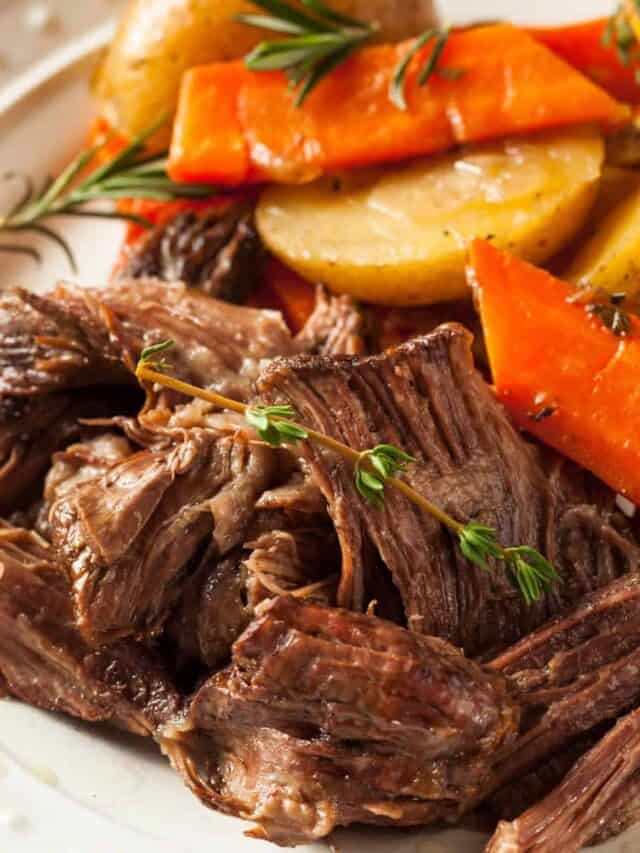
Chuck roast comes from the shoulder and is the most versatile choice for pressure cooking. It has a strong beef flavor, good marbling, and enough connective tissue to become tender without losing all of its moisture.
Best Uses For Chuck Roast
- Pot roast
- Shredded beef
- Beef tacos
- Barbacoa
- Beef curry
- Beef stew
- Sandwiches and rice bowls
For shredded beef, cut the roast into several large pieces so the cooking liquid can reach more surface area. Large chunks also cook more evenly than one extremely thick roast.
Chuck is the cut used in these Instant Pot Korean Beef Tacos, where it becomes tender enough to shred before being returned to the thickened sauce. It is also an excellent choice for Instant Pot Barbacoa.
Chuck Roast Versus Chuck Steak
Both come from the shoulder, but chuck steak is usually cut thinner. A thick chuck steak can work in recipes calling for chunks, but a chuck roast is more convenient for pot roast and shredded beef.
Boneless chuck is easy to portion. Bone-in chuck can add flavor, but make sure it fits comfortably below the pressure cooker's maximum fill line.
2. Beef Brisket
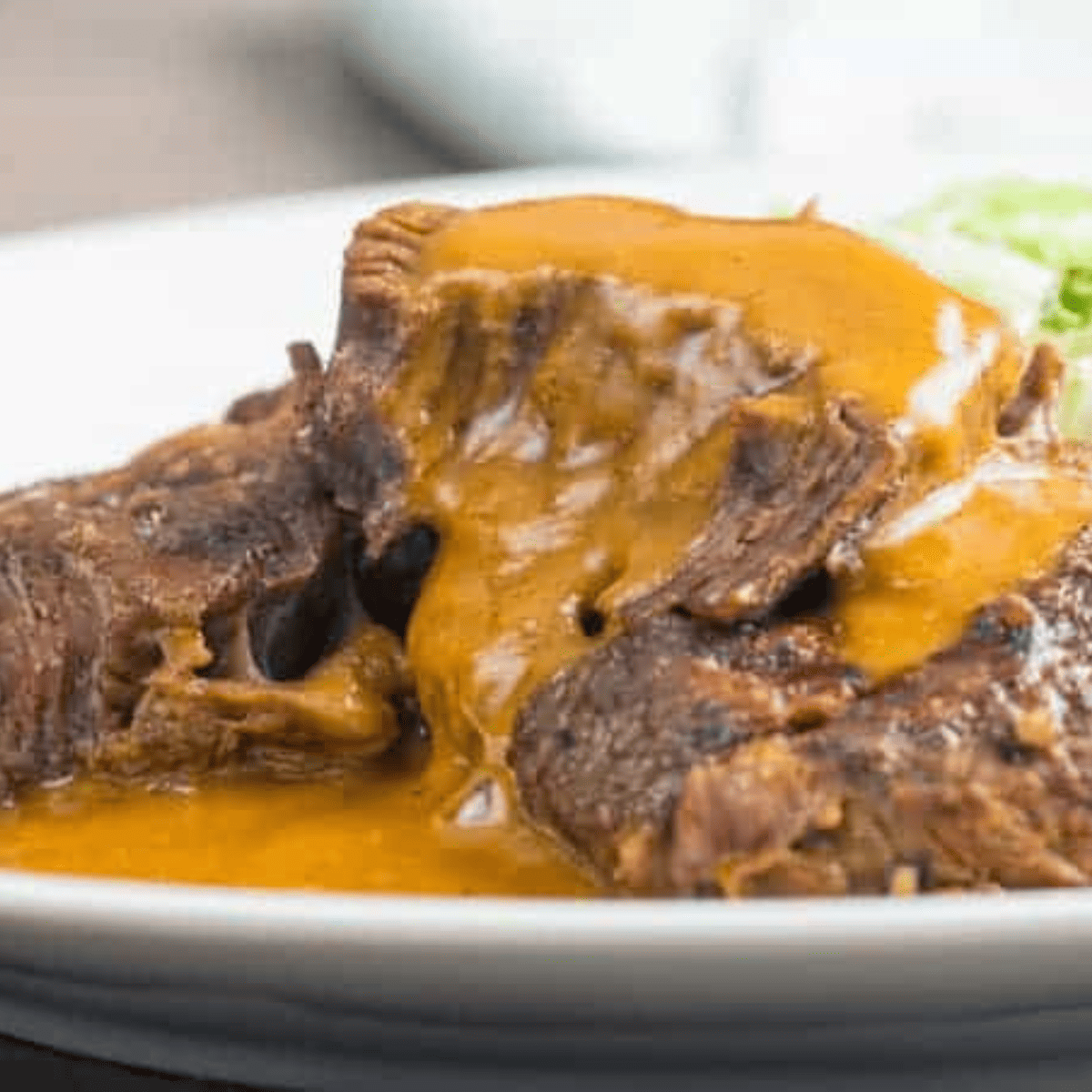
Brisket comes from the breast area and contains substantial connective tissue. It needs adequate cooking time, but pressure cooking can produce tender brisket much faster than a low oven or smoker.
There are two main sections:
- Brisket flat. Leaner, more uniform, and easier to slice neatly.
- Brisket point. Fattier, more marbled, and especially good for chopped or shredded beef.
Choose the flat if presentation and even slices are your priority. Choose the point when you want the richest, most forgiving result.
My Instant Pot Brisket includes guidance for sliced or shredded beef. Whichever section you use, allow a natural pressure release and slice across the grain.
Why Is Instant Pot Brisket Tough?
Brisket that is still firm is often undercooked, especially if it is thick. Collagen-rich meat can remain tough until it has had enough time to soften. If the brisket is difficult to pierce or shred, return it to pressure with enough cooking liquid and cook it a little longer.
Do not confuse undercooked toughness with dryness. A lean brisket flat can dry out if it is cooked far beyond tenderness, so check the texture before adding a large amount of extra time.
3. Beef Short Ribs
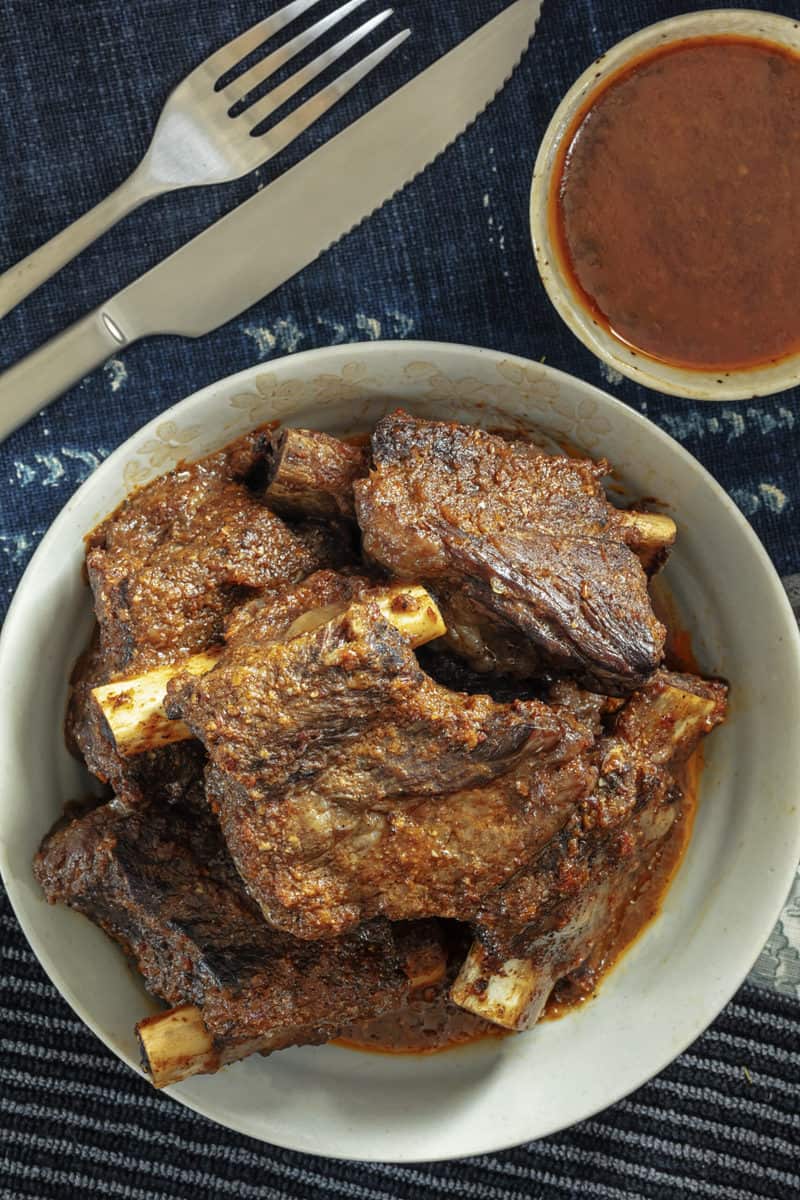
Short ribs are one of the richest beef cuts for the Instant Pot. Their combination of meat, fat, bone, and connective tissue makes them ideal for braising.
Bone-in short ribs create a luxurious sauce and an impressive presentation. Boneless short ribs are easier to serve and may cook more evenly if they are cut to a consistent size.
English-cut short ribs are thick pieces cut parallel to the bone. They are generally better for pressure cooking than thin flanken-style ribs, which are cut across several bones and can cook very quickly.
Try Instant Pot Beef Short Ribs for a tender braised beef dinner with a natural pressure release.
4. Beef Shank
Beef shank comes from the leg. It is lean but contains a great deal of connective tissue, and cross-cut shanks usually include a marrow bone. That combination makes shank especially useful in soups and brothy stews.
As the shank cooks, it gives the broth body and beefy flavor. It is a good choice when you want tender meat and a rich cooking liquid rather than a neat, steak-like slice.
Caldo De Res can be made with bone-in beef shank for a more traditional Mexican beef soup. The recipe cooks the meat first and adds the vegetables during a shorter second pressure cycle so they do not become mushy.
5. Beef Stew Meat

Packages labeled beef stew meat are convenient, but the pieces may come from more than one cut. That means the cubes can have different amounts of fat and connective tissue, causing some pieces to soften before others.
For more consistent results, buy a chuck roast and cut it into your own 1 ½- to 2-inch cubes. If packaged stew meat is more convenient, choose pieces that look similar in size and marbling.
Stew meat works well in:
- Pressure Cooker Beef Stew
- Instant Pot Beef Curry
- Carne Guisada
- Easy Beef Daube
- Instant Pot Bo Kho
- Instant Pot Kimchi Beef Stew
The vegetables in a beef stew often need less time than the meat. For firm carrots, mushrooms, or potatoes, pressure cook the beef first and add delicate vegetables during a brief second cycle.
6. Bottom Round And Rump Roast
Bottom round and rump roast come from the rear of the animal. They are leaner than chuck and can be used in the Instant Pot, but they are less forgiving.
These cuts are best when you want relatively lean slices rather than rich, fall-apart beef. Use adequate liquid, avoid cutting the meat too small, and stop cooking when it reaches the texture you want. Rest the meat and slice it thinly against the grain.
If your goal is juicy shredded beef, chuck roast is usually the better option. If you prefer leaner meat and tidy slices, round can work with careful timing.
What About Top Round Or Eye Of Round?
Top round and eye of round are very lean. Pressure cooking can make them tender enough to slice, but it cannot add the fat and richness they do not naturally contain. They are more likely to become dry than chuck or brisket.
Use them only in a recipe designed for a lean roast, and avoid assuming they can be swapped one-for-one with chuck.
7. Oxtail
Oxtail contains bone, fat, meat, and a generous amount of connective tissue. It creates a deeply flavored, gelatin-rich broth and becomes succulent when cooked long enough.
Its irregular pieces can vary in size, so arrange them in an even layer when possible. Larger pieces may require more time than small ones. Oxtail is best for stew, soup, and braised dishes where the cooking liquid is as important as the meat.
It can be expensive despite once being considered a budget cut, so compare its price with short ribs or beef shank before buying.
8. Ground Beef

Ground beef does not need pressure to become tender, but it is convenient for one-pot meals. It works well in chili, taco meat, casseroles, and beef-and-rice dishes.
Brown ground beef on Sauté when you want deeper flavor and a crumbled texture. Deglaze the inner pot thoroughly after browning to remove stuck-on bits that could trigger a burn warning.
For easy meals, try Instant Pot Taco Meat, Keto Instant Pot Chili, or this Mexican Ground Beef Casserole.
Which Beef Cuts Should You Avoid In The Instant Pot?
Naturally tender steaks generally do not benefit from long pressure cooking. Save these cuts for grilling, pan searing, broiling, sous vide, or the air fryer:
- Beef tenderloin
- Filet mignon
- Ribeye steak
- New York strip steak
- Porterhouse or T-bone steak
- Thin sirloin steaks
- Thin flank or skirt steak
These cuts can become overcooked before pressure cooking provides any useful tenderizing benefit. They are also expensive, which makes them a poor choice when chuck can deliver a better braised texture for less money.
There are exceptions. Thin steak can be used in a very short, tested pressure cooker recipe, and sirloin cubes can work in a quick stew. The key is using a recipe written for that cut rather than substituting it into a long-cooking pot roast recipe.
How To Choose Beef At The Grocery Store
Match The Cut To The Finished Dish
Start with the texture you want:
- For shredding: Choose chuck roast, brisket point, or well-marbled short ribs.
- For neat slices: Choose brisket flat or a carefully cooked round roast.
- For stew: Choose chuck cut into cubes or evenly sized stew meat.
- For rich soup: Choose beef shank, oxtail, or bone-in short ribs.
- For ground beef meals: Choose the fat percentage that fits the recipe.
Look For Marbling
Fine streaks of fat help keep beef flavorful and moist. Large exterior fat caps can be trimmed, but do not remove every bit of internal marbling from a braising cut.
Check The Thickness
Pressure-cooking time is influenced more by thickness than total weight. Two pounds of beef cut into cubes cooks faster than a solid two-pound roast because heat reaches the center of each piece more quickly.
Buy A Whole Roast When Possible
Cutting your own chuck roast gives you more control over size and quality than a package of mixed stew meat. Uniform pieces cook more consistently.
Do Not Choose By Price Alone
The most expensive cut is not automatically the best cut for the Instant Pot. Pressure cooking is at its best when it turns a firm braising cut into something tender.
How Long Should You Cook Beef In The Instant Pot?
There is no single cooking time for every cut. Use these ranges as general planning guidance, then follow the tested recipe you are making.
| Beef | Approximate high-pressure time | Release method | Notes |
|---|---|---|---|
| Stew meat, 1 to 2-inch cubes | 20 to 25 minutes | 10 to 15-minute natural release | Add quick-cooking vegetables later |
| Chuck roast, 2 to 3 pounds | 60 to 75 minutes | 15 to 20-minute natural release | Very thick pieces may need longer |
| Pot roast, 3 to 4 pounds | 70 to 90 minutes | 15 to 20-minute natural release | Cutting it into chunks reduces cooking time |
| Beef short ribs | 40 to 45 minutes | About 15 minutes natural release | Bone-in pieces may need additional time |
| Brisket | Recipe dependent | Natural release | Thickness and whether you want slices or shreds matter |
Some TwoSleevers recipes use shorter times because the meat is cut into smaller pieces or because the desired texture is different. Always treat the recipe's cut size, liquid amount, and pressure-release instructions as part of the cooking time.
Natural Release Or Quick Release For Beef?

A natural pressure release is usually best for large, collagen-rich cuts such as chuck roast, brisket, and short ribs. It lets the pressure fall gradually while the meat finishes cooking and rests in the hot liquid.
A quick release can be appropriate for smaller beef cubes in some tested recipes, particularly when a second cooking cycle follows. However, do not automatically replace a specified natural release with an immediate quick release.
For a large roast, allow at least the natural-release period listed in the recipe. If pressure remains afterward, release it carefully according to the appliance manufacturer's instructions.
Should You Brown Beef Before Pressure Cooking?
Browning is optional, but it can add roasted flavor and deepen the color of the finished sauce. Use the Sauté function, work in batches, and leave enough room around the pieces for moisture to evaporate.
After browning, add some of the recipe's thin liquid and scrape the bottom of the pot thoroughly. This step, called deglazing, incorporates the flavorful browned bits and helps prevent a burn warning.
Do not crowd the pot in an effort to brown everything at once. Crowded beef releases liquid and steams instead of searing. If you are short on time, it is better to skip browning than to spend time ineffectively steaming several pounds of meat.
How Much Liquid Does Beef Need?
An Instant Pot needs enough thin liquid to create steam and come to pressure. The exact minimum depends on the size and model of your pressure cooker, so follow the manufacturer's instructions and your tested recipe.
Water, broth, wine, and thin sauces can contribute to the required liquid. Very thick tomato sauce, barbecue sauce, cream sauce, and starch-thickened gravy may not move freely enough to count as the only liquid.
Keep thick ingredients away from the bottom of the pot unless the recipe directs you to stir them in. Add dairy and most thickeners after pressure cooking.
Can You Cook Frozen Beef In The Instant Pot?
Some beef cuts can be pressure cooked from frozen, but frozen meat takes longer to reach pressure and cook through. It is also difficult to brown, season evenly, or cut into uniform pieces.
For the best texture and most predictable timing, thaw large roasts in the refrigerator before cooking. If you use frozen beef, follow a recipe specifically developed for its size and shape. Do not guess based only on total weight.
Never pressure cook a solid piece that is too large for the pot or prevents the lid from closing properly. Separate frozen cubes if possible so they cook evenly.
Why Is My Instant Pot Beef Tough?
Firm chuck, brisket, or short ribs are often undercooked rather than overcooked. They need enough time for connective tissue to soften.
If the meat is still firm:
- Check that there is enough thin cooking liquid.
- Return the beef to the pot.
- Pressure cook for another 5 to 15 minutes, depending on the size and toughness of the pieces.
- Allow another natural release.
- Check the texture before adding more time.
Lean beef that is dry and stringy may be overcooked. Adding more pressure time will not restore lost moisture, although serving it in sauce can make it more enjoyable.
For other common pressure cooker problems, see my Instant Pot Troubleshooting Guide.
Tips And Tricks

- Cut evenly. Uniform pieces finish cooking at approximately the same time.
- Do not overfill the pot. Stay below the maximum fill line and leave room for proper pressure cooking.
- Use enough thin liquid. Your pot needs steam to reach pressure.
- Deglaze after sautéing. Scrape away every stuck-on browned bit before sealing the lid.
- Keep vegetables in mind. Meat often needs much longer than carrots, potatoes, mushrooms, and other vegetables.
- Respect the release time. The natural release is part of the cooking process for many large cuts.
- Slice against the grain. Shortening the muscle fibers makes brisket and roast beef easier to chew.
- Thicken last. Add cornstarch slurry, cream, or other thickeners after pressure cooking.
- Rest before slicing. A brief rest helps the juices settle and makes the meat easier to cut.
Frequently Asked Questions

Is Chuck Roast Or Round Roast Better For The Instant Pot?
Chuck roast is better for most pressure cooker recipes because it has more marbling and connective tissue. It becomes rich and tender and is easier to shred. Round roast is leaner and works best when carefully cooked and thinly sliced.
What Is The Most Tender Beef For Pressure Cooking?
Chuck roast is one of the most consistently tender and forgiving options. Short ribs and brisket point can also become exceptionally tender because they contain fat and connective tissue.
Can I Use Stew Meat Instead Of Chuck Roast?
Yes, especially for soup, stew, curry, or carne guisada. Stew meat is already cut into pieces, so it usually needs less cooking time than a whole roast. Results are most consistent when the pieces are similar in size and come from the same cut.
What Is The Cheapest Cut Of Beef For The Instant Pot?
Prices vary by region and weekly sales, but chuck roast, round roast, and packaged stew meat are often more affordable than premium steaks. Compare price per pound and consider how much exterior fat or bone you will trim or discard.
Can You Overcook Beef In A Pressure Cooker?
Yes. Even though collagen-rich beef needs enough time to become tender, it can eventually become dry or stringy. Lean cuts have a smaller margin for error than chuck, short ribs, or brisket point.
Why Is My Roast Not Falling Apart?
It may need more pressure-cooking time, particularly if it is very thick. A roast that is cooked through but still firm has not necessarily reached the stage where its connective tissue has softened enough to shred.
Should Beef Be Covered With Liquid In The Instant Pot?
No. Pressure cooking uses steam, so a roast does not have to be submerged like meat in a stockpot. Use the amount of thin liquid required by the recipe and your appliance.
Can I Stack Beef In The Instant Pot?
Yes, you can stack chunks or short ribs as long as you remain below the maximum fill line and use adequate liquid. Pieces touching each other may not brown evenly, but they can still pressure cook.
Does Beef Get More Tender The Longer You Pressure Cook It?
Only up to a point. Tough cuts become more tender as collagen breaks down, but excessive cooking can eventually make the meat dry and stringy. Check the beef in small time increments if it needs additional cooking.
More Easy Instant Pot Beef Recipes
Put these beef-cut tips to work with one of these tested recipes:
- Instant Pot Pot Roast
- Instant Pot Brisket
- Instant Pot Beef Short Ribs
- Instant Pot Barbacoa
- Pressure Cooker Beef Stew
- Carne Guisada
- Instant Pot Beef Curry
- Caldo De Res
- Instant Pot Korean Beef Tacos
- All Beef Recipes
When choosing the best cuts of beef for the Instant Pot, start with chuck roast for the most versatile option. Pick brisket for slicing or shredding, short ribs for an especially rich braise, shank or oxtail for full-bodied soup, and evenly cut stew meat for quick curries and stews. Match the cut to the finished texture, use enough liquid, and give collagen-rich beef the pressure time and natural release it needs.
If you found this guide helpful, share it on Facebook or Pinterest so your friends can choose the right beef for their next pressure cooker meal too.