

If you love creamy Alfredo sauce but want an easy way to add more protein, this Cottage Cheese Alfredo Sauce is a delicious option. Blended cottage cheese, Parmesan, garlic, butter, and milk create a smooth, cheesy sauce that is ready in about 15 minutes.
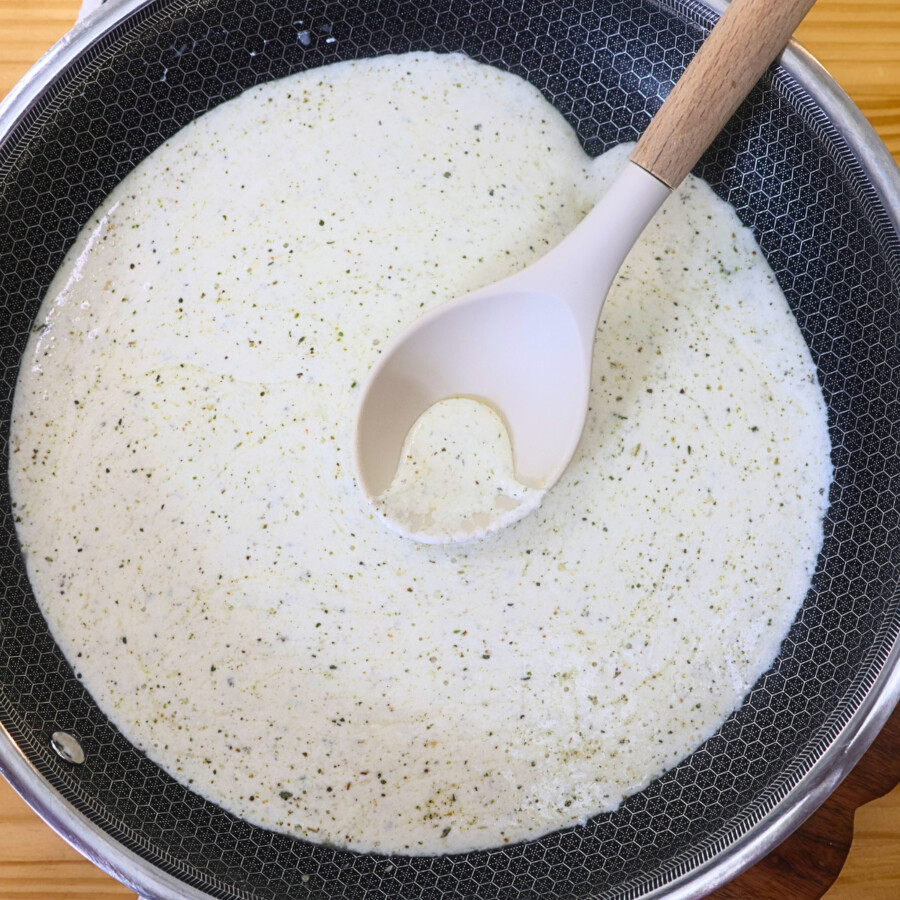
Serve this high protein Alfredo sauce with fettuccine, chicken, broccoli, zucchini noodles, spaghetti squash, or roasted vegetables for a quick and satisfying meal.
Why You'll Love This Creamy Sauce
- Fast. Blend and warm the sauce in about 15 minutes.
- Easy. A blender creates a smooth sauce with minimal preparation.
- Higher Protein. Cottage cheese and Parmesan add more protein than many basic pasta sauces.
- Creamy. Full-fat cottage cheese creates a rich texture without relying entirely on heavy cream.
- Versatile. Serve it with pasta, chicken, seafood, vegetables, or low carb noodles.
- Family-Friendly. Blending removes the cottage cheese curds and creates a mild, cheesy sauce.
- Meal Prep Friendly. Prepare the sauce ahead of time and reheat it gently when needed.
If you want more ideas for using this versatile ingredient, browse these high protein cottage cheese recipes.
Is Cottage Cheese Alfredo Sauce Healthy?
Cottage cheese Alfredo sauce is a higher-protein alternative to many Alfredo sauces made primarily with heavy cream and butter.
Whether it fits your nutritional goals depends on the cottage cheese, milk, Parmesan, serving size, and food you serve with it.
Cottage cheese Alfredo sauce is not automatically low calorie, low sodium, or suitable for every eating plan. Parmesan and cottage cheese can both contain a significant amount of sodium, so taste the sauce before adding extra salt.
For exact nutritional information, calculate the recipe using the brands and serving sizes you use.
Does Cottage Cheese Melt Into A Sauce?
Cottage cheese does not melt exactly like shredded cheese. However, it can be blended until completely smooth and warmed to create a creamy sauce.
A high-speed blender or food processor breaks down the curds. Milk helps adjust the consistency, while Parmesan adds savory flavor and helps the sauce coat pasta or vegetables.
Don't boil the sauce. Excessive heat can cause the dairy proteins to separate and may make the texture grainy. No one wants a sauce with a weird texture.
Does Cottage Cheese Alfredo Taste Like Cottage Cheese?
I know a lot of people aren't huge fans of cottage cheese, so this is the first question they always ask. The finished sauce has a mild tang from the cottage cheese, but it should not taste like a bowl of plain cottage cheese.
Garlic, Parmesan, black pepper, butter, and nutmeg create the familiar flavors associated with Alfredo sauce.
Using full-fat cottage cheese and blending it thoroughly produces the richest flavor and smoothest texture.
Is This Traditional Alfredo Sauce?
No. This is a modern, higher-protein variation made with blended cottage cheese.
Traditional Italian fettuccine Alfredo is generally made with pasta, butter, Parmesan, and pasta water. Many American-style Alfredo sauces use heavy cream, butter, garlic, and Parmesan.
This version uses cottage cheese as the creamy base. It delivers familiar garlic Parmesan flavor but has a lighter texture and subtle tang.
For a richer version made with cream, try this Cajun Chicken Alfredo or Crock Pot Chicken Alfredo.
Ingredients You'll Need
- Garlic. Fresh minced garlic provides classic Alfredo flavor. Cook it briefly so it becomes fragrant without browning.
- Unsalted Butter. Adds richness and gently cooks the garlic. Unsalted butter gives you better control over the final seasoning.
- Cottage Cheese. Forms the creamy, protein-rich base. Full-fat cottage cheese creates the smoothest, richest sauce, but reduced-fat cottage cheese can also work.
- Milk. Helps the cottage cheese blend and adjusts the consistency. Whole milk produces a richer sauce, but reduced-fat milk can be used.
- Parmesan Cheese. Adds salty, nutty flavor and helps thicken the sauce. Use finely grated Parmesan so it incorporates smoothly.
- Kosher Salt. Enhances the sauce. Add it only after tasting because the cheeses are already salty.
- Black Pepper. Adds mild heat and balances the creamy ingredients.
- Nutmeg. A small amount gives the sauce warmth and depth without making it taste sweet.
- Italian Seasoning. Optional, but it adds a blend of herbs that works well with chicken, vegetables, or pasta.
- Reserved Pasta Water. Optional for serving with pasta. The starchy water can thin the sauce and help it cling to the noodles.
What Kind Of Cottage Cheese Is Best?
Full-fat cottage cheese is the best option when you want a rich, silky Alfredo sauce.
Reduced-fat cottage cheese also works, but the sauce may taste slightly less rich. Fat-free cottage cheese can produce a thinner, more noticeably tangy sauce.
Small-curd and large-curd cottage cheese can both be used because the sauce is blended. The fat content and moisture level matter more than the curd size.
Different brands contain different amounts of liquid. Start with less milk if your cottage cheese looks especially watery, then add more as needed.
What Kind Of Parmesan Should You Use?
Use finely grated Parmesan cheese for the smoothest sauce.
Freshly grated Parmesan generally melts more evenly than containers of coarsely shredded cheese. Pre-shredded cheese may contain anti-caking ingredients that prevent it from blending as smoothly.
Parmigiano Reggiano creates a sharper, nuttier flavor, but a standard Parmesan cheese also works.
Avoid adding a large amount of salt before tasting the sauce. Parmesan can be quite salty.
How To Make Cottage Cheese Alfredo Sauce
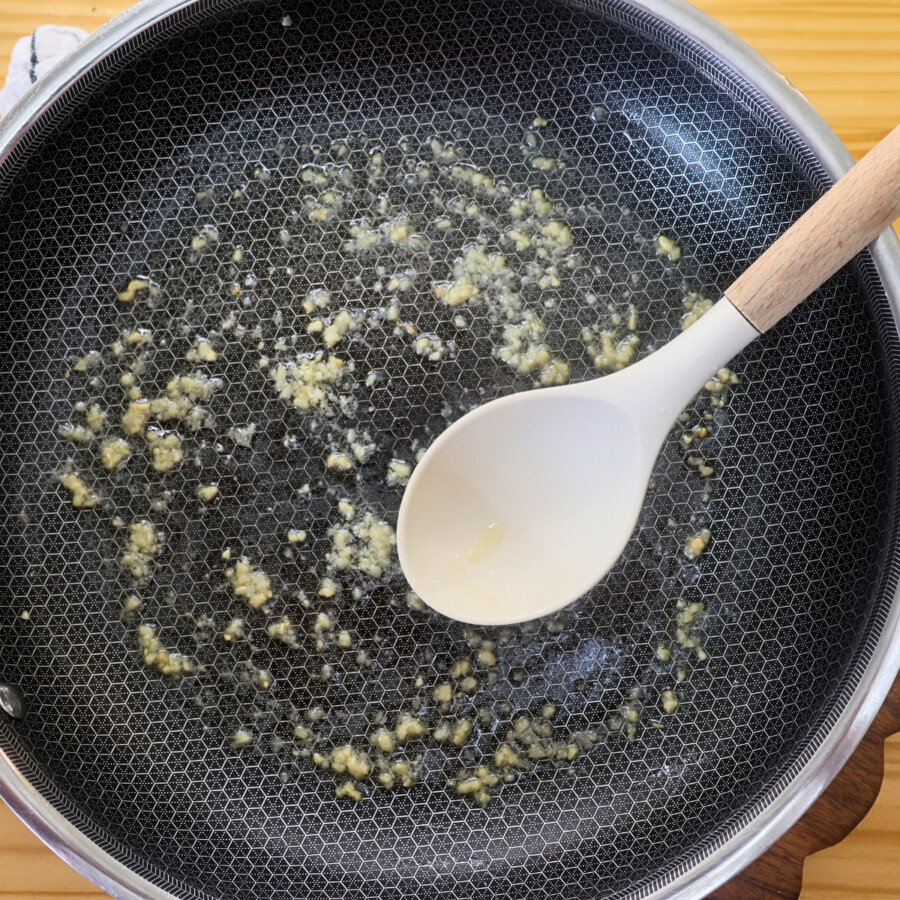
Cook The Garlic. Melt the butter in a small skillet or saucepan over medium-low heat. Add the minced garlic and cook for 30 to 60 seconds, stirring constantly. The garlic should smell fragrant but should not turn dark brown. Burned garlic will make the entire sauce taste bitter.
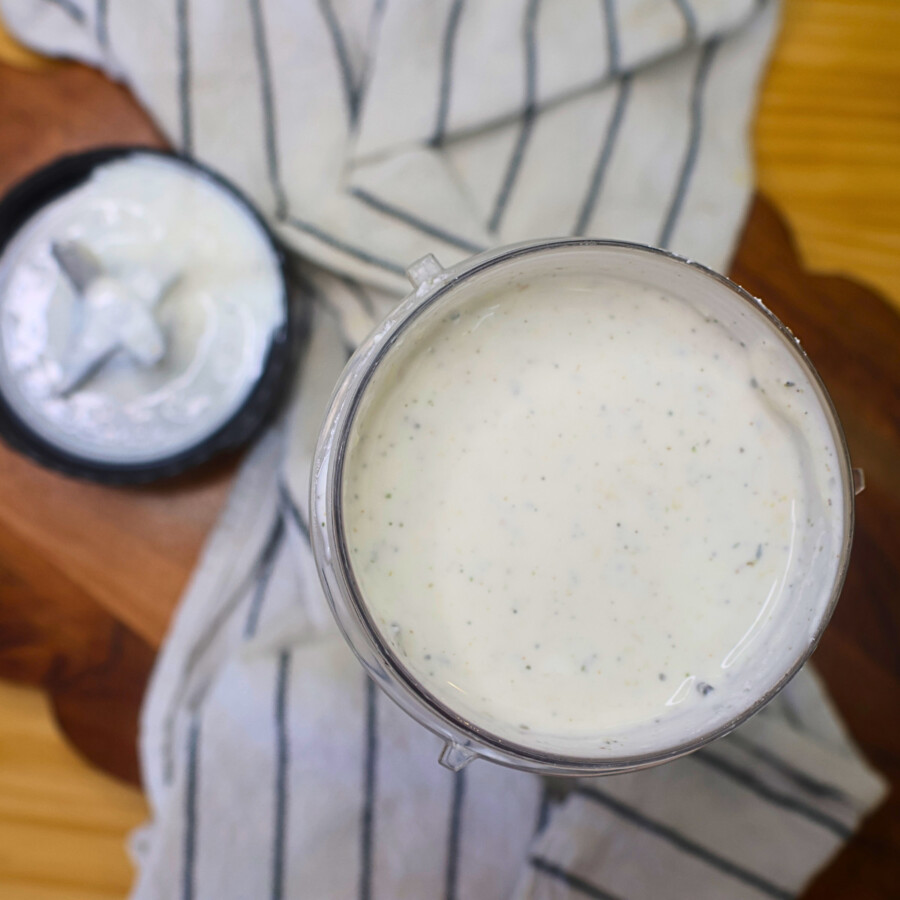
Blend The Cottage Cheese. Add the cottage cheese, milk, Parmesan, cooked garlic and butter, black pepper, nutmeg, and Italian seasoning to a blender. Blend until completely smooth. Stop and scrape down the sides if any curds or cheese remain visible.
Check The Consistency. The sauce should be thick but pourable. Add additional milk one tablespoon at a time if it is too thick. Remember that it will loosen slightly as it warms and may be thinned further with pasta water.
Warm The Sauce. Pour the blended sauce into the saucepan. Warm it over low heat for 3 to 5 minutes, stirring constantly. Do not let it boil. Remove it from the heat as soon as it is smooth, warm, and slightly thickened.
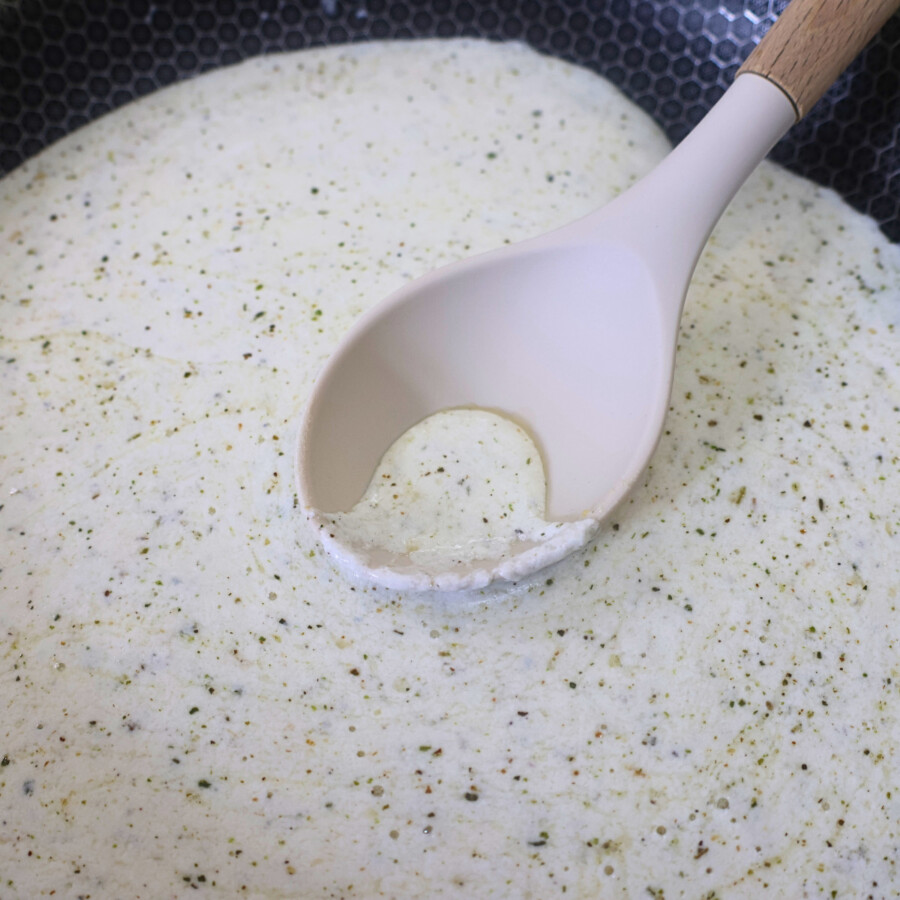
Taste And Adjust. Taste the sauce before adding salt. Add more black pepper, Parmesan, garlic, or a small pinch of salt if needed.
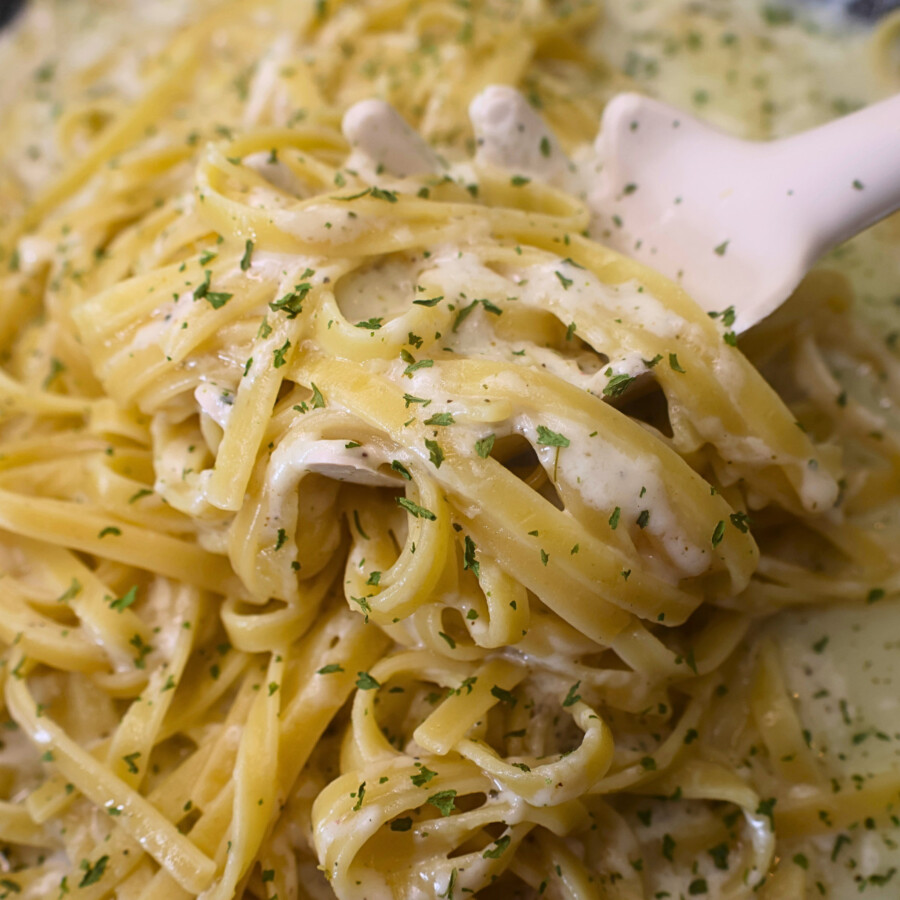
Serve. Toss the sauce with warm pasta, chicken, vegetables, zucchini noodles, or spaghetti squash. If using pasta, add reserved pasta water one tablespoon at a time until the sauce coats the noodles evenly.
How To Make Cottage Cheese Alfredo Sauce Smooth
Cottage cheese Alfredo sauce should be blended before it is heated.
For the smoothest sauce:
- Use full-fat cottage cheese.
- Use a high-speed blender when possible.
- Blend longer than you think you need to.
- Scrape down the sides of the blender.
- Use finely grated Parmesan.
- Add milk gradually.
- Warm the sauce over low heat.
- Do not allow it to boil.
- Serve it shortly after warming.
If the sauce still has small curds, blend it again before returning it to the pan.
Tips And Tricks
- Use Low Heat. High heat can cause cottage cheese and Parmesan to separate. Warm the sauce gently and remove it from the heat before it boils.
- Do Not Burn The Garlic. Garlic can move from fragrant to burned quickly. Keep the heat low and stir constantly.
- Blend Until Completely Smooth. The sauce should not contain visible cottage cheese curds. A longer blending time creates a more Alfredo-like consistency.
- Start With Less Milk. Cottage cheese varies in moisture. Begin with the recipe amount and add more only when needed.
- Grate The Parmesan Finely. Finely grated cheese distributes more evenly and is less likely to create stringy clumps.
- Taste Before Adding Salt. Both cottage cheese and Parmesan contribute salt. Season the sauce at the end.
- Reserve Pasta Water. Starchy pasta water can thin the sauce without making it taste diluted. It also helps the sauce cling to the noodles.
- Do Not Overheat Leftovers. Reheat the sauce over low heat or in short microwave intervals. Excessive heat can make it grainy.
Why Is My Cottage Cheese Alfredo Sauce Grainy?
Cottage cheese Alfredo sauce may become grainy when:
- It was not blended long enough.
- The cottage cheese was unusually dry.
- Coarsely grated Parmesan did not incorporate.
- The sauce was heated too quickly.
- The sauce boiled.
- Pre-shredded cheese contained anti-caking ingredients.
- The sauce was reheated repeatedly.
To fix grainy Alfredo sauce, remove it from the heat and let it cool slightly. Blend it again with a small amount of milk.
Return it to the pan and warm it over very low heat.
Why Is My Alfredo Sauce Too Thick?
The sauce may thicken as the Parmesan melts or as it sits.
Whisk in one tablespoon of milk or pasta water at a time until it reaches the desired consistency.
Avoid adding a large amount of liquid at once. It is easy to make the sauce too thin.
Why Is My Cottage Cheese Alfredo Sauce Too Thin?
The sauce may be thin because:
- The cottage cheese contained excess liquid.
- Too much milk was added.
- The sauce has not warmed long enough.
- The Parmesan was reduced or omitted.
- Watery vegetables were mixed into it.
Warm the sauce gently for several minutes while stirring. Add a small amount of finely grated Parmesan if it needs more body.
Do not boil it aggressively in an attempt to thicken it.
If serving it with zucchini noodles, drain excess water from the cooked zoodles before adding the sauce.
Why Did My Alfredo Sauce Separate?
The sauce probably became too hot.
Dairy proteins can tighten and separate when exposed to excessive heat. Oil may pool around the edges while the sauce becomes grainy.
Remove the pan from the heat and whisk in a small splash of milk. If whisking does not restore it, allow the sauce to cool slightly and blend it again.
What To Serve With Cottage Cheese Alfredo Sauce
- Pasta- Toss the sauce with:
- Fettuccine
- Linguine
- Spaghetti
- Penne
- Rigatoni
- Tortellini
- Protein pasta
- Chickpea pasta
- Gluten-free pasta
This recipe makes enough sauce for approximately 8 to 12 ounces of pasta, depending on how heavily you like it coated.
- Chicken- Add sliced grilled, baked, or air-fried chicken for a high protein Alfredo meal. You can also use the sauce to create a lighter variation of Chicken Broccoli Alfredo or Low Carb Chicken Alfredo Bake.
- Vegetables- Cottage cheese Alfredo sauce works well with:
- Broccoli
- Cauliflower
- Mushrooms
- Spinach
- Asparagus
- Peas
- Roasted zucchini
- Green beans
- Zucchini Noodles- Serve it over Zucchini Noodles for a lower-carb option. Cook the zoodles briefly and drain them thoroughly. Overcooked zucchini releases water and can dilute the sauce.
- Spaghetti Squash- Spoon the sauce over roasted or pressure-cooked spaghetti squash. This Garlic Parmesan Spaghetti Squash provides another flavorful alternative to traditional pasta.
- Chicken Milanese- Serve a small portion of Alfredo pasta or vegetables alongside crispy Air Fryer Chicken Milanese.
- Garlic Bread- Pair your pasta with Air Fryer Garlic Bread for an easy Italian-inspired dinner.
Variations
- Cottage Cheese Chicken Alfredo- Add 2 cups of sliced or shredded cooked chicken to the warm sauce. Toss it with pasta and broccoli for a complete meal.
- Cottage Cheese Broccoli Alfredo- Steam or roast 2 cups of broccoli florets and stir them into the finished sauce. Make sure the broccoli is well drained so it does not water down the Alfredo.
- Cajun Cottage Cheese Alfredo- Add 1 to 2 teaspoons of Cajun seasoning to the blender. Taste before adding salt because Cajun seasoning blends can contain a significant amount of sodium. For a traditional cream-based version, try Cajun Chicken Alfredo.
- Spinach Alfredo Sauce- Stir 2 cups of fresh spinach into the warm sauce. Cook over low heat until the spinach wilts.
- Spicy Alfredo Sauce- Add crushed red pepper flakes, cayenne, hot sauce, or Calabrian chile paste. Begin with a small amount and adjust after tasting.
- Low Carb Cottage Cheese Alfredo- The sauce itself is relatively low in carbohydrates, but the complete meal depends on what you serve with it. Use zucchini noodles, spaghetti squash, cauliflower, broccoli, green beans, or grilled chicken instead of traditional pasta. Browse these high protein low carb recipes for more meal ideas.
Can I Add Cottage Cheese Alfredo Sauce To Pasta In The Pan?
Yes, but keep the temperature low.
Drain the pasta and reserve some cooking water. Return the pasta to the warm pan, add the Alfredo sauce, and toss over low heat only until everything is coated and warm.
Add reserved pasta water a tablespoon at a time if the sauce is too thick.
Do not simmer the dressed pasta over high heat. The sauce may separate or become grainy.
Can You Make Cottage Cheese Alfredo Sauce Ahead Of Time?
Yes. Blend the sauce ingredients and refrigerate the sauce before warming it.
Store it in an airtight container for up to 3 days.
When ready to serve:
- Stir the sauce.
- Pour it into a saucepan.
- Add a small splash of milk.
- Warm it over low heat.
- Whisk frequently.
- Do not boil.
You can also warm individual portions in the microwave using short intervals.
How Long Does Cottage Cheese Alfredo Sauce Last?
Store the sauce in an airtight container in the refrigerator for up to 3 days.
Keep it separate from pasta when possible. Pasta continues absorbing sauce during storage and can become dry or overly soft.
Discard the sauce if it develops mold, an unusual smell, unexpected discoloration, or another sign of spoilage.
Can You Freeze Cottage Cheese Alfredo Sauce?
Freezing is not ideal because dairy-based sauces can become grainy or separate after thawing.
If you choose to freeze it:
- Cool the sauce promptly.
- Transfer it to a freezer-safe container.
- Leave room for expansion.
- Freeze it without pasta.
- Thaw it in the refrigerator.
- Reheat it over low heat.
- Blend it again with a small amount of milk if needed.
For the best texture, prepare the sauce fresh or refrigerate it for short-term meal prep.
How To Reheat Cottage Cheese Alfredo Sauce
Stovetop
Place the sauce in a small saucepan with a splash of milk.
Warm it over low heat while whisking frequently. Remove it from the heat as soon as it is hot.
Microwave
Place the sauce in a microwave-safe bowl.
Heat it in 15 to 20-second intervals, stirring after each interval. Add a small amount of milk if it becomes too thick.
Do not microwave it continuously for several minutes because the edges may overheat before the center is warm.
Frequently Asked Questions
Can You Use Cottage Cheese Instead Of Heavy Cream In Alfredo Sauce?
Yes, but the finished sauce will not taste or behave exactly like a heavy cream Alfredo.
Cottage cheese creates a thicker, tangier, higher-protein base. Blending it with milk, butter, garlic, and Parmesan creates a creamy sauce without using heavy cream.
Can You Use Cottage Cheese Instead Of Cream Cheese?
Yes. Cottage cheese can replace cream cheese as the primary creamy ingredient, but it must be blended until smooth.
Cottage cheese has a milder flavor and a different moisture level, so the amount of milk may need to be adjusted.
What Does Cottage Cheese Alfredo Taste Like?
It tastes creamy, cheesy, garlicky, and slightly tangy. Parmesan, butter, black pepper, and nutmeg give it familiar Alfredo flavor.
Can I Use Fat-Free Cottage Cheese?
Yes, but the sauce will be less rich and may be thinner or more tangy.
Full-fat cottage cheese is recommended for the creamiest texture.
Can I Use Lactose-Free Cottage Cheese?
Yes. Use lactose-free cottage cheese and milk. Check the Parmesan label if you need to control lactose strictly.
Can I Make Cottage Cheese Alfredo Without A Blender?
A blender or food processor is strongly recommended because it removes the cottage cheese curds.
An immersion blender may work if the container is narrow enough to keep the ingredients moving. The final texture may not be as smooth.
Can I Make It Without Parmesan?
You can, but the sauce will not have the same Alfredo flavor or thickness.
Try another finely grated hard cheese or a suitable dairy-free alternative. Adjust the salt and milk because different cheeses behave differently.
Can You Taste The Curds?
No visible curds should remain after thorough blending. If the sauce is lumpy, blend it longer before heating.
Is Cottage Cheese Alfredo Sauce Low Carb?
The sauce is relatively low in carbohydrates, but brands and serving sizes vary. Traditional pasta adds a substantial amount of carbohydrates.
Serve it with zucchini noodles, spaghetti squash, cauliflower, or broccoli when you want a lower-carb meal.
Is Cottage Cheese Alfredo Sauce Keto?
It may fit some keto eating plans depending on the cottage cheese, milk, portion size, and other foods in the meal.
Milk and cottage cheese contain natural carbohydrates, so check the product labels and calculate the complete serving according to your needs.
Is Cottage Cheese Alfredo Sauce Gluten-Free?
The basic sauce can be gluten-free when all packaged ingredients are appropriately labeled.
Serve it with gluten-free pasta or vegetables, and check for cross-contact when necessary.
Can I Use This Sauce For Pizza?
Yes. Spread a thin layer over pizza dough and top it with chicken, spinach, mushrooms, bacon, or mozzarella.
For more inspiration, try this Chicken Alfredo Pizza.
Can I Use It In A Casserole?
Yes. Cottage cheese Alfredo sauce can be used in a chicken, broccoli, cauliflower, pasta, or vegetable casserole.
Keep in mind that vegetables can release liquid while baking. Cook and drain watery vegetables before combining them with the sauce.
More Cottage Cheese And High Protein Recipes
If you enjoyed this Cottage Cheese Alfredo Sauce, try:
- High Protein Cottage Cheese Recipes
- Cottage Cheese Flatbread
- Cottage Cheese Overnight Oats
- Cottage Cheese Muffins
- High Protein Recipes
- High Protein Low Carb Recipes
- Recipes Ready In Under 30 Minutes
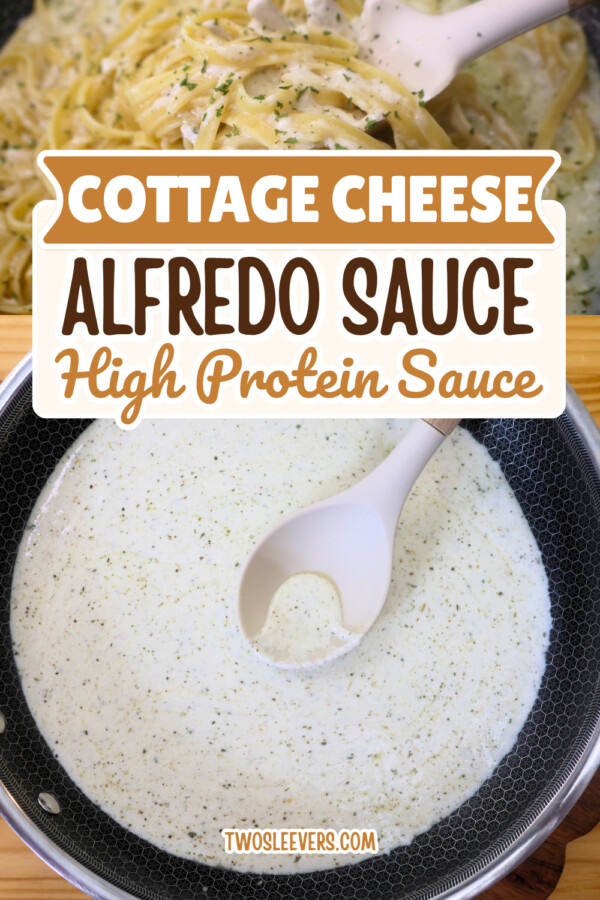
This Cottage Cheese Alfredo Sauce is a quick way to turn a container of cottage cheese into a creamy, versatile sauce. Blend it until completely smooth, warm it gently, and use milk or pasta water to adjust the consistency. If you love this recipe, share it with your friends on Facebook and Pinterest so they can try this higher-protein twist on Alfredo sauce too.
Ingredients
- 1 tablespoon unsalted butter
- 2 cloves garlic, finely minced
- 1½ cups full-fat cottage cheese
- ½ cup whole milk, plus more as needed to thin
- ½ cup finely grated Parmesan cheese
- ¼ teaspoon black pepper
- ⅛ teaspoon ground nutmeg
- ¼ teaspoon Italian seasoning
- Kosher salt, to taste
Instructions
- Cook The Garlic. Melt the butter in a small skillet or saucepan over medium-low heat. Add the minced garlic and cook for 30 to 60 seconds, stirring constantly. The garlic should smell fragrant but should not turn dark brown.
- Blend The Cottage Cheese. Add the cottage cheese, milk, Parmesan, cooked garlic and butter, black pepper, nutmeg, and Italian seasoning to a blender. Blend until completely smooth. Stop and scrape down the sides if any curds or cheese remain visible.
- Check The Consistency. The sauce should be thick but pourable. Add additional milk one tablespoon at a time if it is too thick. Remember that it will loosen slightly as it warms and may be thinned further with pasta water.
- Warm The Sauce. Pour the blended sauce into the saucepan. Warm it over low heat for 3 to 5 minutes, stirring constantly. Do not let it boil. Remove it from the heat as soon as it is smooth, warm, and slightly thickened.
- Taste And Adjust. Taste the sauce before adding salt. Add more black pepper, Parmesan, garlic, or a small pinch of salt if needed.
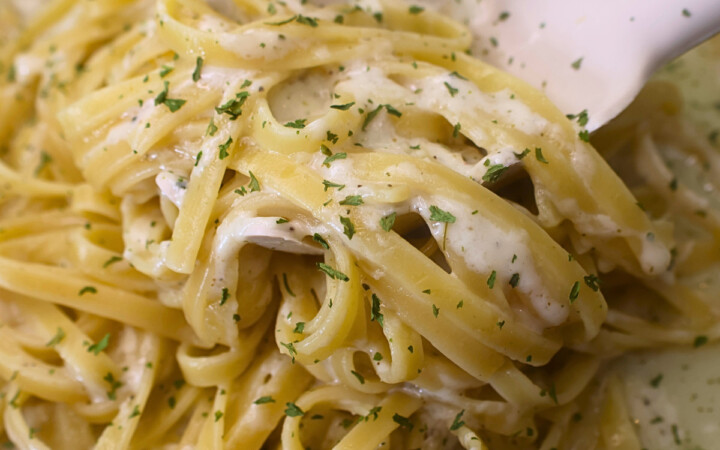
- Serve. Toss the sauce with warm pasta, chicken, vegetables, zucchini noodles, or spaghetti squash. If using pasta, add reserved pasta water one tablespoon at a time until the sauce coats the noodles evenly.



Leave a Reply