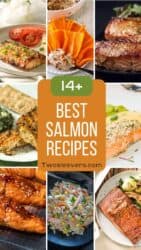
This roundup of the best salmon recipes is built for real life. From weeknight dinners, meal prep, "I forgot to thaw anything," and "I need something impressive, but I'm tired." You'll get baked salmon recipes, air fryer salmon, pan-seared salmon with crispy skin, plus sauces and flavor combos that make you actually excited to eat fish.
Why You'll Love These Spectacular Salmon Recipes
- Fast enough for weeknights. Most recipes cook in 10-25 minutes, so dinner happens without a whole production.
- Multiple cooking methods. Air fryer, oven, or stovetop. Use what you've got and still get great results.
- Moist, not dry. Built-in tips help you nail juicy seafood every time.
- Big flavor variety. Citrusy, spicy, creamy, sweet-savory, and herby. No "plain fish" boredom here.
These salmon recipes are quick, flavorful, and foolproof, giving you juicy fish and craveable sauces with minimal effort.
How To Pick The Right Salmon
The best way to choose salmon is to start with how you plan to cook it and what texture you want.
Fattier salmon (like Atlantic or King/Chinook) stays moist and is very forgiving for baking and creamy sauces, while leaner salmon (like sockeye) has a deeper flavor but can dry out faster, so it's best cooked quickly (air fryer, pan-sear) and pulled a little earlier.
Look for fillets that smell clean and mild (not strongly fishy), have firm flesh, and appear moist but not slimy. The color should look vibrant and even for that variety.
Frozen salmon is also a great option. Just thaw safely and pat it dry before seasoning so it browns well.
How Do You Keep Salmon From Drying Out?
To keep salmon from drying out, focus on time, temperature, and moisture. Cook it just until it turns opaque and flakes easily, then pull it early because it continues to cook as it rests.
A thermometer helps. Aim for about 125-135°F in the thickest part for moist salmon (higher temps tend to dry it out). Use high heat for a shorter time (like 400-425°F in the oven or 400°F in the air fryer), and add a little protection with skin-on fillets, a light brush of oil or butter, or a sauce/topping.
Finally, let it rest 3-5 minutes before serving so the juices settle back in.
What Temperature Should Salmon Be Cooked To?
A good target temperature for salmon depends on how you like the texture: for moist, tender salmon, many people pull it around 125°F (medium) to 130-135°F (medium-well) in the thickest part, then let it rest for a few minutes while carryover heat finishes the job.
If you prefer salmon more fully cooked, aim closer to 140°F, but keep an eye on it because it can dry out more easily at higher temps.
The easiest way to stay in the sweet spot is to use an instant-read thermometer and remove the salmon a little before it looks completely done, since it will continue cooking as it rests.
Can You Cook Salmon From Frozen?
Yes, you can cook salmon from frozen, and it can turn out really good if you use the right method. The easiest approaches are oven-baking or air frying because they cook evenly without needing constant attention. Just add extra time and season once the surface has warmed enough for spices to stick.
For the best texture, rinse off any ice glaze, pat the salmon as dry as you can, and cook it hot so it doesn't steam. Pan-searing from frozen is trickier because it's harder to get an even cook and nice browning, so if you want crispy skin, thawing first is usually better.
As always, cook until the thickest part hits your preferred doneness, around 125-135°F for moist salmon, or closer to 140°F if you like it more well done.
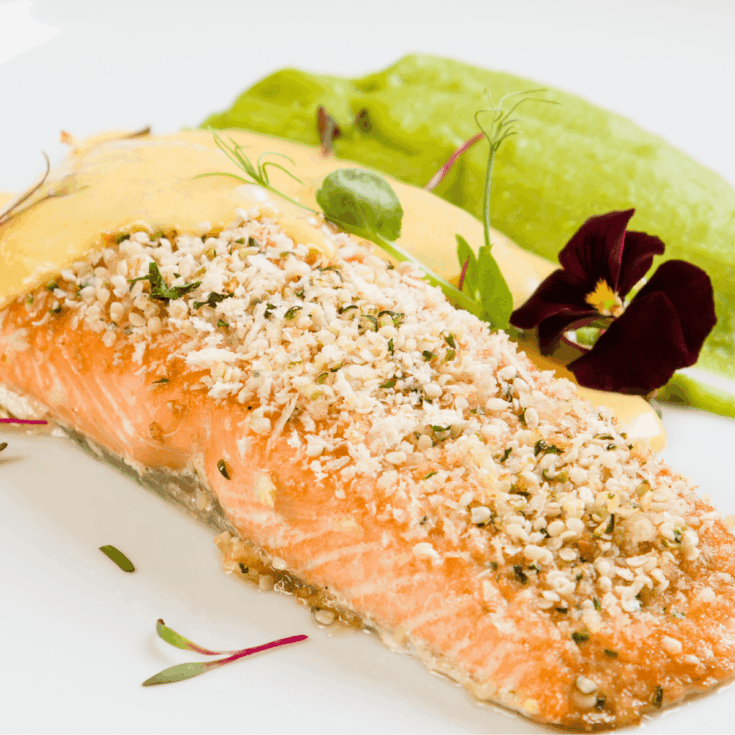
Crispy Parmesan Crusted Salmon is an easy baked salmon recipe that delivers tender, flaky fish topped with a golden Parmesan and panko crust in about 20 minutes. Made with simple pantry staples like garlic powder, paprika, olive oil, and lemon zest, this quick weeknight dinner is packed with flavor and high in protein.
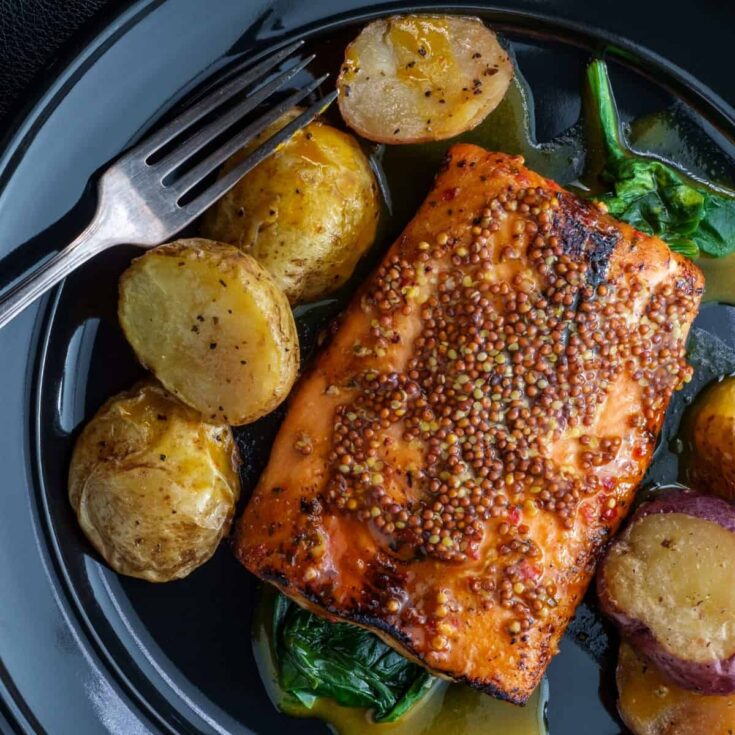
This Baked Dijon Salmon recipe makes tender, flaky salmon with a tangy Dijon mustard and herb coating that’s ready in about 20 minutes. With simple ingredients like lemon, garlic, olive oil, rosemary, and thyme, it’s a quick, healthy weeknight dinner packed with protein and omega 3s.
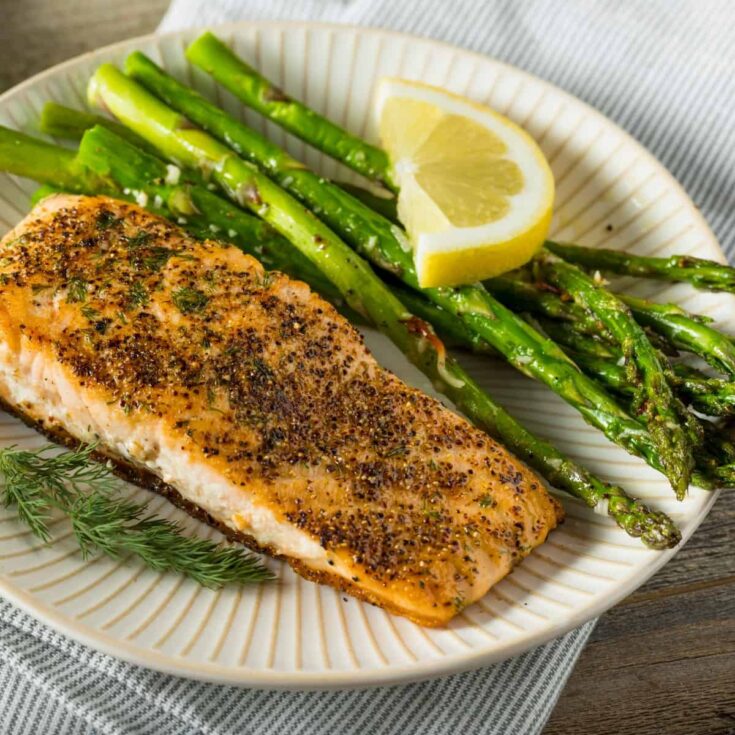
This Pan Seared Salmon recipe shows you how to get crispy, golden salmon with a tender, juicy center in just about 15 minutes. Made with simple ingredients like salmon fillets, olive oil, salt, dill, black pepper, and lemon, it’s an easy stovetop dinner that tastes restaurant quality on a busy weeknight.
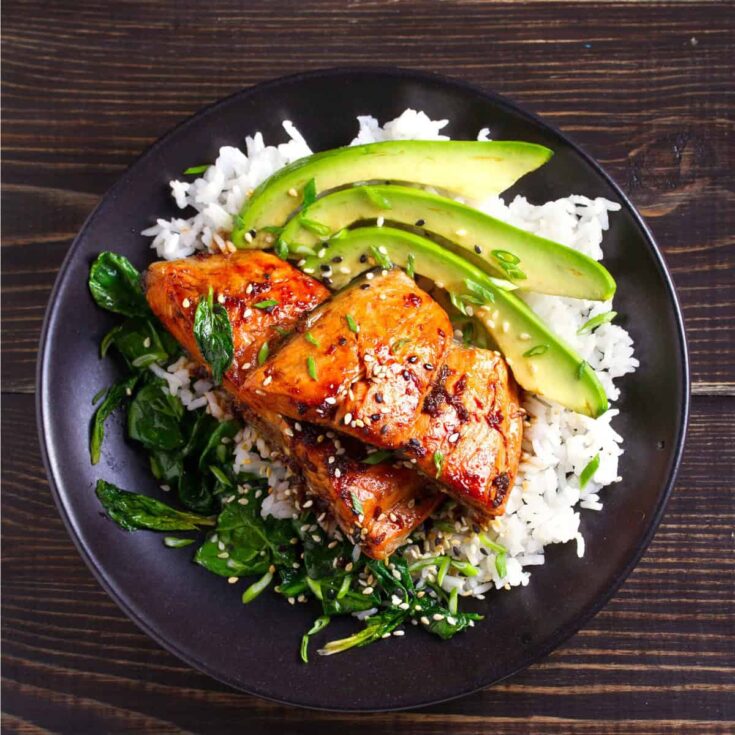
This Sweet Chili Salmon recipe delivers tender, flaky salmon coated in a sticky sweet-and-spicy glaze made with sweet chili sauce, soy sauce, honey, garlic, and lime for big flavor in minutes. It’s an easy weeknight salmon dinner that tastes better than takeout and finishes perfectly with a sprinkle of sesame seeds.
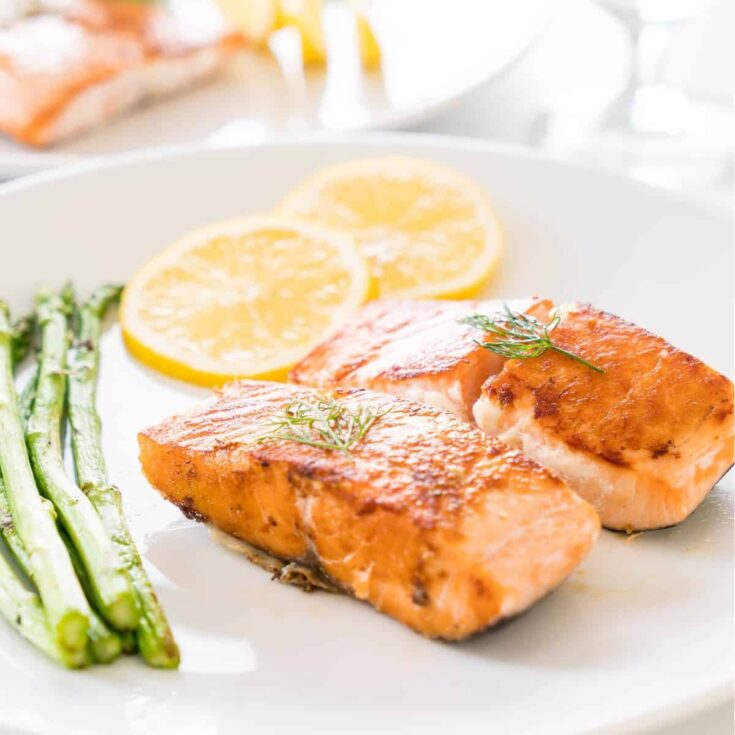
This Honey Lemon Salmon recipe makes tender, flaky salmon in the air fryer with a bright, sticky honey lemon glaze made from honey, fresh lemon juice and zest, garlic, and soy sauce. Ready fast with simple pantry staples, it’s a healthy weeknight salmon dinner packed with sweet citrus flavor and high-protein goodness.
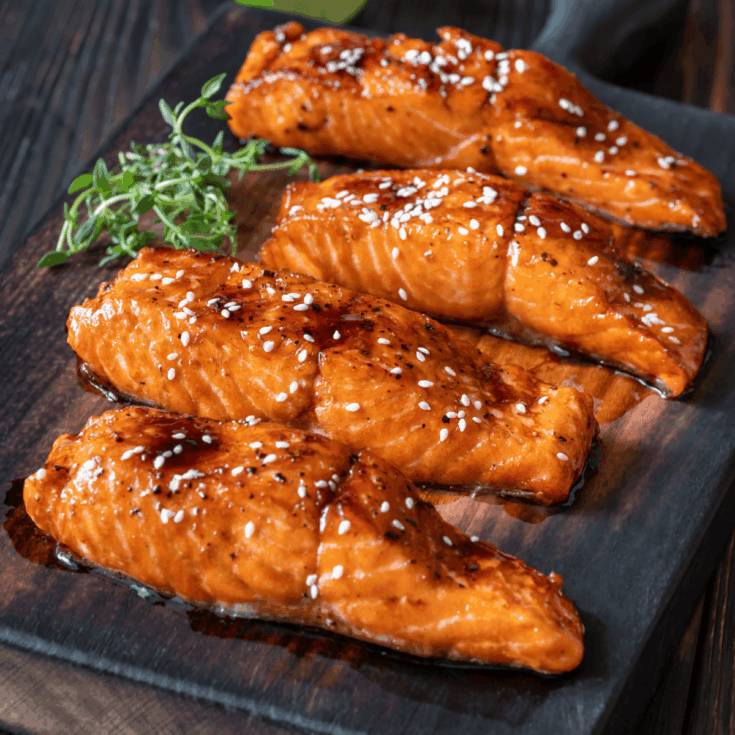
This Air Fryer Honey Glazed Salmon recipe makes tender, flaky salmon with a sticky sweet and savory glaze of honey, soy sauce, garlic, and ginger, all done in about 8 to 10 minutes. With a quick marinate and a simple baste, it’s an easy weeknight salmon dinner that tastes takeout-level good with a squeeze of lemon and a sprinkle of green onion.

This Air Fryer Salmon with Bok Choy recipe is a quick, Asian-inspired keto dinner featuring flaky salmon, tender baby bok choy, and savory shiitake mushrooms with big umami flavor. Marinated with garlic, ginger, orange, soy sauce, and rice vinegar, it’s an easy one-basket meal that’s ready in about 30 minutes with minimal cleanup.

These Air Fryer Salmon Croquettes are crispy salmon patties made with pouch salmon, panko, egg, scallions, and dill for crunchy edges and a tender center in under 30 minutes. Perfect for a fast weeknight dinner or meal prep, they cook up golden at 400°F and taste amazing with a squeeze of fresh lemon.

This Low Carb Miso Soup with Salmon is a quick one-pot Japanese-inspired soup with tender salmon chunks in a savory, umami-rich miso broth that’s ready in under 30 minutes. Made with mushrooms, scallions, garlic, and a creamy splash of unsweetened soy milk, it’s an easy keto-friendly dinner that tastes cozy and restaurant-worthy.

This Instant Pot Quinoa Salad With Salmon (aka a Salmon Quinoa Bowl) is a fast, high-protein meal featuring fluffy quinoa and tender salmon with crisp veggies like red onion, cabbage, and carrots, ready in under 30 minutes. Tossed with a zesty cilantro lime vinaigrette and topped with roasted chopped peanuts, it’s an easy healthy dinner you can enjoy warm or chilled.

This Instant Pot Salmon with Orange Ginger Sauce is a quick, low carb salmon dinner with tender, perfectly cooked fillets glazed in a sweet and savory sauce made from marmalade, dark soy sauce, ginger, and garlic. Using an easy pot in pot method, this pressure cooker salmon is ready in about 30 minutes and tastes like a takeout-style Asian glazed salmon at home.

This Crazy Good Salmon Cream Cheese Dip is a quick keto appetizer made in about 10 minutes with canned salmon, cream cheese, liquid smoke, scallions, and crunchy pecans for a smoky, creamy bite. Perfect for parties and easy snacking, this low carb salmon dip is rich, flavorful, and ready to serve with your favorite crackers or veggies.
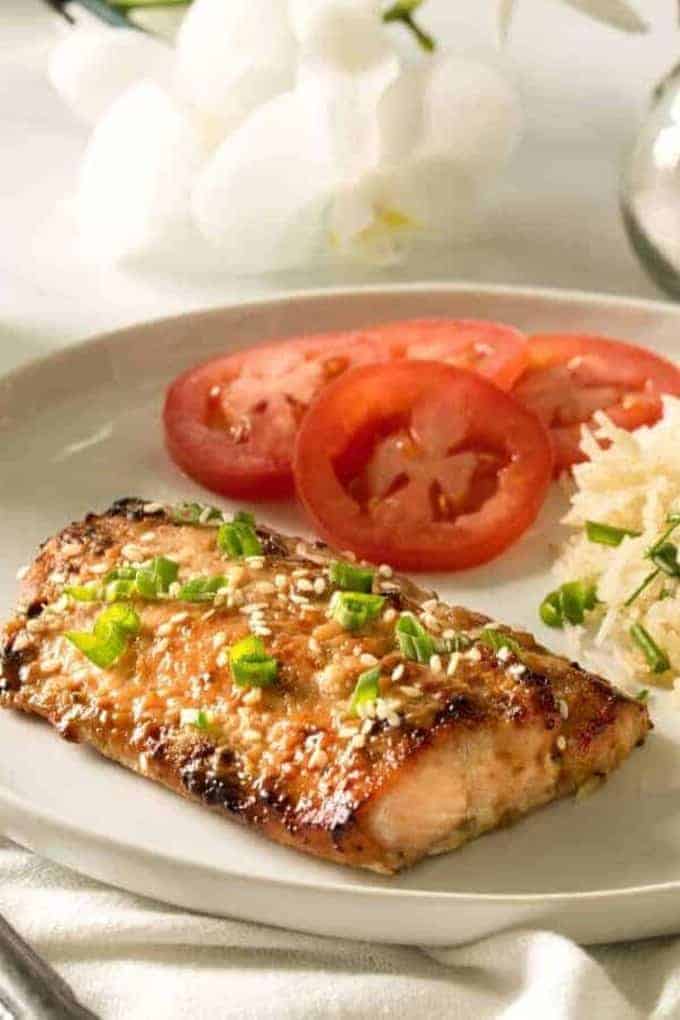
This Air Fryer Keto Miso Salmon recipe makes perfectly moist, flaky salmon with a sweet and savory miso glaze made from white miso, soy sauce, garlic, and ginger. Ready in about 20 minutes, this easy Asian-inspired salmon dinner is low carb, full of umami flavor, and finished with sesame seeds and scallions for a restaurant-style bite at home.
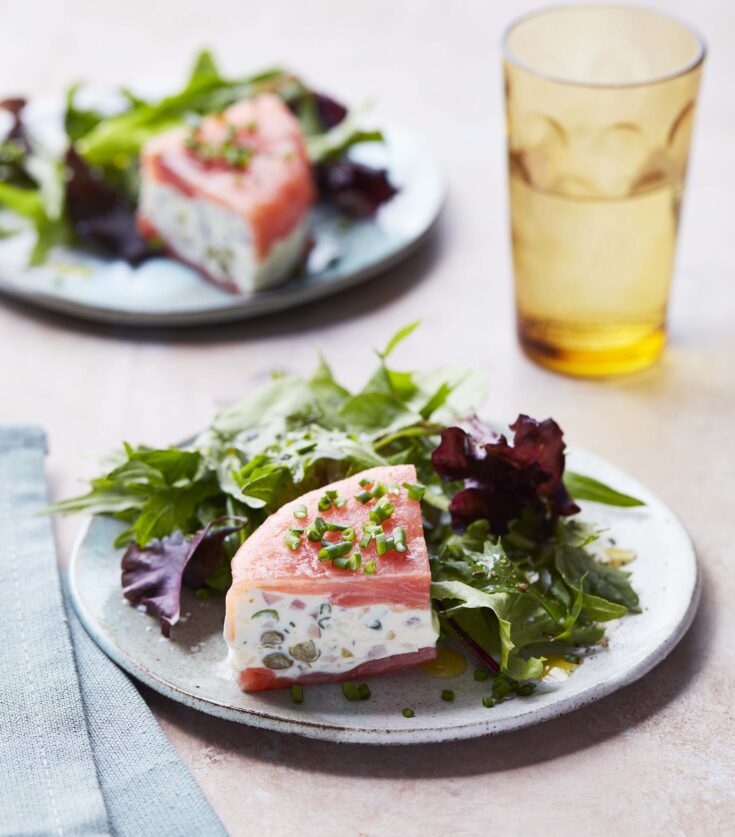
This Smoked Salmon and Cheese Appetizer (Smoked Salmon Timbale) is an elegant low carb starter you can assemble in about 15 minutes with silky smoked salmon and a creamy mascarpone filling. Brightened with lemon, capers, red onion, and chives, it’s a show stopping no cook appetizer that tastes as impressive as it looks.
The best salmon recipes aren't complicated! They're all about high heat, the right timing, and a flavor-packed sauce or seasoning that makes salmon taste like a treat. Start with air fryer salmon for the fastest win, or baked salmon for an easy hands-off dinner.