

If you are looking for the best muffin recipes, this list is packed with reliable, high-flavor options you will actually bake. You will find classic favorites, healthier muffins that still taste good, and a few "treat muffins" that feel like bakery display-case energy.

Why You Will Love This Collection of the Best Muffin Recipes
- Quick to make. Most muffin batters come together in one bowl
- Great for meal prep. Muffins freeze and reheat beautifully for quick breakfasts or snacks.
- Easy to customize. Swap fruits, add nuts, adjust sweetness, make them gluten-free.
- Perfect for all ages. Muffins are generally kid-friendly and picky-eater. approved.
- Ideal for busy mornings. Grab-and-go breakfast with no extra work.
What Makes a Muffin "The Best"
The best muffins have a moist, tender crumb that stays soft for days without turning gummy, plus a good rise that gives you that rounded, bakery-style top. They taste balanced, not overly sweet, with real flavor from things like vanilla, spices, citrus zest, and quality mix-ins instead of just sugar.
Texture matters too. Great muffins have contrast, like a slightly crisp top, a streusel crunch, or bursts of fruit and chocolate in every bite.
Most importantly, they bake evenly so you do not end up with dry edges and a soggy center, and they still taste great once they cool and are ready to grab and go.
Tips for Making the Best Muffins Every Time
- Measure flour correctly by spooning it into the measuring cup and leveling it off so you do not pack in too much and end up with dry muffins.
- Bring ingredients close to room temperature so the batter mixes evenly and rises better in the oven.
- Do not overmix the batter and stir only until you stop seeing dry flour, because overmixing makes muffins tough.
- Fold in mix-ins gently like berries or chocolate chips, so they do not break down and streak the batter.
- Fill muffin cups the right amount, usually two-thirds full, or up to three-quarters full for taller tops if the recipe allows.
- Let muffins cool in the pan briefly, about 5 minutes, then move to a rack so the bottoms do not get soggy.
When you measure accurately, mix gently, and avoid overbaking, muffins come out taller, softer, and more flavorful every time. A few small habits like a hot oven start, proper cooling, and smart storage also keep them moist and bakery-quality for days, not just the first hour.
How to Store and Freeze Muffins
Let muffins cool completely before storing so trapped steam does not make the tops sticky or the bottoms soggy.
For short-term storage, keep muffins at room temperature in an airtight container for about 2 to 3 days, ideally with a paper towel on the bottom and another on top to absorb excess moisture, and avoid the fridge since it tends to dry muffins out faster.
To freeze muffins, cool them fully, freeze them in a single layer on a baking sheet until firm, then transfer to a freezer bag or airtight container with as much air removed as possible and label with the date, where they will keep their best quality for about 2 to 3 months.
When you are ready to eat, thaw muffins at room temperature for 30 to 60 minutes, microwave for 15 to 25 seconds to warm, or reheat in a 300°F oven for about 8 to 12 minutes for a fresher, just-baked texture.

These cottage cheese muffins are moist, high protein, and perfect for a quick breakfast or snack. This easy cottage cheese muffin recipe is great for meal prep and adding extra protein to your mornings.

These frittata muffins are a high protein, grab-and-go breakfast made with eggs, cheese, and your favorite mix-ins. This easy frittata egg muffins recipe is perfect for meal prep, low carb mornings, and quick lunches.

These healthy pumpkin muffins are moist, warmly spiced, and made for a wholesome breakfast or snack. This easy healthy pumpkin muffin recipe is perfect for fall meal prep, lunchboxes, and quick mornings.

These peach muffins are soft, moist, and bursting with sweet peach flavor for a bakery-style treat at home. This easy peach muffin recipe is perfect for summer breakfasts, brunch, and make-ahead snacks.

These strawberry muffins are tender, moist, and loaded with fresh strawberries in every bite. This easy strawberry muffin recipe is perfect for spring and summer breakfasts, brunch, and snack time.

These lemon muffins are soft, bright, and bursting with fresh citrus flavor for a bakery-style bite. This easy lemon muffin recipe is perfect for breakfast, brunch, and make-ahead snacks.

These mini muffins are bite-sized, soft, and perfect for snacks, lunchboxes, and quick breakfasts. This easy mini muffin recipe is great for parties, kids, and make-ahead baking.

These banana oatmeal muffins are moist, hearty, and naturally sweet for a wholesome grab-and-go breakfast. This easy banana oat muffin recipe is perfect for meal prep, lunchboxes, and healthy snacking.

These chocolate chip muffins are soft, fluffy, and loaded with melty chocolate chips in every bite. This easy chocolate chip muffin recipe is perfect for breakfast, brunch, and kid-friendly snacks.

These egg muffins are fluffy, high protein, and customizable with veggies, cheese, and breakfast meats. This easy egg muffins recipe is perfect for keto meal prep, busy mornings, and quick healthy breakfasts.

These lemon blueberry muffins are fluffy, moist, and packed with juicy berries and bright lemon flavor. This easy lemon blueberry muffin recipe is perfect for breakfast, brunch, and meal prep.

These cranberry orange muffins are bright, fluffy, and packed with tart cranberries and fresh citrus flavor. This easy cranberry orange muffin recipe is perfect for holiday breakfasts, brunch, and winter baking.

These coffee cake muffins have a soft vanilla crumb and a sweet cinnamon streusel topping for bakery-style flavor at home. This easy coffee cake muffin recipe is perfect for brunch, holidays, and cozy weekend mornings.

These apple cinnamon muffins are soft, cozy, and filled with warm spice and sweet apple pieces. This easy apple cinnamon muffin recipe is perfect for fall breakfasts, brunch, and meal prep.

These blueberry sour cream muffins are extra moist, tender, and bursting with juicy blueberries throughout. This easy blueberry muffin recipe with sour cream is perfect for breakfast, brunch, and make-ahead snacks.

These lemon poppy seed muffins with ricotta are ultra moist, tender, and packed with bright lemon flavor and a delicate crumb. This easy ricotta lemon poppy seed muffin recipe is perfect for breakfast, brunch, and spring baking.

These keto cheese muffins are fluffy, savory, and packed with cheesy flavor while staying low carb. This easy keto muffin recipe is perfect for breakfast, soup side dishes, and meal prep snacks.
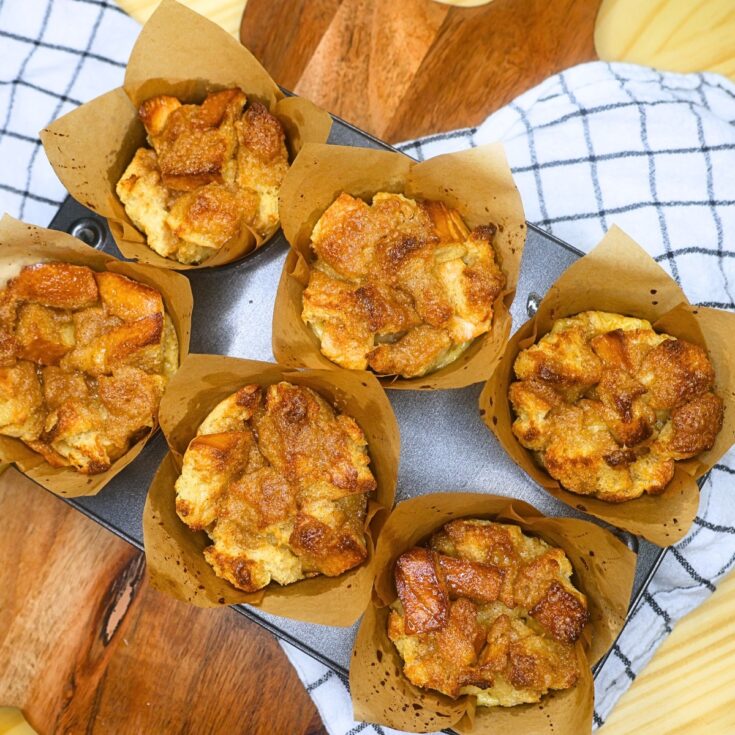
French Toast Muffins are so easy, delicious, and great for meal prep. Use leftover french or brioche bread, eggs, brown sugar, and vanilla for an easy dessert or brunch the whole family will love.
The best muffin recipes for beginners include blueberry muffins, banana muffins, chocolate chip muffins, and pumpkin muffins because they use simple ingredients and forgiving batters. These classic muffins come together quickly and are easy to customize with mix-ins like nuts or chocolate chips.
To keep muffins moist, do not overmix the batter and avoid overbaking. Ingredients like yogurt, sour cream, applesauce, bananas, and pumpkin add moisture and improve texture. Let muffins cool completely before storing so steam does not make them soggy.
Dense muffins are usually caused by overmixing, too much flour, or old leavening. Mix batter only until combined, measure flour correctly by spooning and leveling, and make sure baking powder and baking soda are fresh. Also avoid letting batter sit too long before baking.
Most muffin cups should be filled about two-thirds full. For bakery-style muffins with higher tops, fill them closer to three-quarters full and consider using the two-temperature baking method to encourage a better rise.
The best muffin recipes are the ones that fit your life. Quick weekday breakfasts, freezer-friendly snacks, brunch treats, or something sweet that makes the house smell amazing. This list gives you plenty of options, and you can rotate flavors all year without getting bored.





色即是空,空即是色