
If you are looking for the best stir fry recipes, this list is built for real life. You will find chicken stir fry, beef stir fry, shrimp stir fry, veggie stir fry, noodle stir fry, and sauce ideas that make everything taste restaurant-level without needing a long ingredient list.

Why You Will Love These Stir Fry Recipes
Stir fry recipes are popular because they make dinner fast and customizable while still tasting bold and fresh.
- Quick cooking time with many recipes done in 20 to 30 minutes.
- Perfect for using leftovers like cooked rice, extra vegetables, or leftover protein.
- Easy to customize for gluten-free, low carb, or high-protein needs.
- One-pan cooking means easier cleanup.
- Sauces are simple and built from pantry staples like soy sauce, garlic, and ginger.
Stir Fry Basics: The Technique That Makes It Work
Use high heat
Stir fry needs high heat so ingredients sear instead of steaming. If heat is too low or the pan is crowded, vegetables release water and everything goes soggy.
Cook in batches when needed
If you put too much food in the pan at once, temperature drops. Cook protein first, remove it, then cook vegetables, then bring everything back with sauce.
Sauce comes last
Add sauce at the end so it coats ingredients, thickens quickly, and does not turn your stir fry into soup.
Prep before you start
Stir fry moves fast. Chop everything, measure sauce ingredients, and have it ready. This is not the time to mince garlic while your chicken is burning.
The Best Stir Fry Sauce Formula
If you learn one thing, learn this. You can build endless stir fry sauces from the same idea.
- Salty- soy sauce or tamari
- Tangy- rice vinegar or lime juice
- Sweet- honey, brown sugar, maple syrup, or sugar subsitute
- Aromatics- garlic and ginger
- Heat- chili flakes or sriracha
- Thickener- cornstarch slurry or xanthan gum
A quick cornstarch slurry is usually 1 teaspoon cornstarch mixed with 1 tablespoon cold water for small batches, then scaled up as needed.

This Hunan shrimp recipe is spicy, savory, and packed with bold Chinese restaurant-style flavor. It’s an easy Hunan shrimp stir fry perfect for quick weeknight dinners and takeout nights at home.

This sweet and sour pork recipe is crispy, tangy, and coated in a glossy sauce that tastes like your favorite takeout. It’s an easy sweet and sour pork dinner perfect for family meals and weeknight cravings.

This beef chop suey recipe is a fast, flavorful stir fry with tender beef, crunchy vegetables, and a classic savory sauce. It’s an easy homemade chop suey recipe that’s perfect for weeknight dinners served over rice or noodles.

This beef and broccoli recipe is a classic Chinese stir fry with tender beef, crisp broccoli, and a savory garlic sauce. It’s an easy beef and broccoli dinner that’s perfect for weeknights and meal prep.
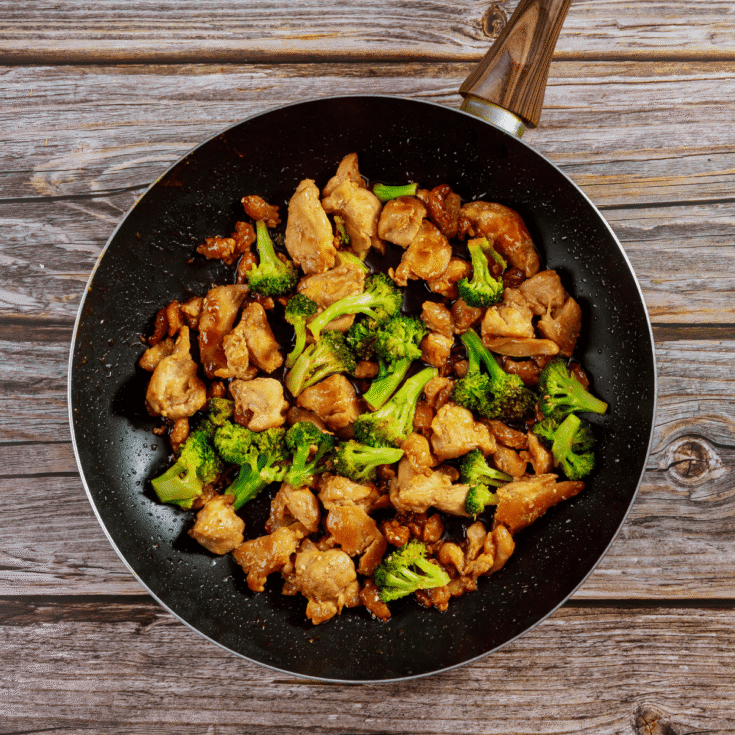
This chicken and broccoli recipe is a quick, healthy stir fry with tender chicken, crisp broccoli, and a savory garlic sauce. It’s an easy chicken broccoli dinner that tastes like takeout and is perfect for busy weeknights and meal prep.

This pepper steak recipe is a classic stir fry with tender beef, bell peppers, and a savory sauce that tastes like takeout at home. It’s an easy pepper steak dinner recipe perfect for busy weeknights and serving over rice or cauliflower rice.

This shrimp pad Thai recipe is sweet, tangy, and perfectly saucy with tender shrimp and classic Thai flavors. It’s an easy homemade shrimp pad Thai that’s perfect for weeknight dinners and takeout cravings.

This kung pao chicken recipe is spicy, savory, and loaded with tender chicken and crunchy peanuts in a bold sauce. It’s an easy kung pao chicken at home that’s perfect for quick dinners and takeout cravings.

This Thai cashew chicken is sweet, savory, and packed with crunchy cashews and bold Thai flavor. It’s an easy cashew chicken recipe perfect for weeknight dinners and better-than-takeout meals at home.

This pad kra pao recipe is a bold Thai basil stir fry with savory sauce, aromatic basil, and a spicy kick. It’s an easy pad kra pao at home that’s perfect for quick dinners served over rice.

This keto pork stir fry recipe is quick, flavorful, and low carb with tender pork and crisp vegetables in a savory sauce. It’s an easy pork stir fry for keto dinners, meal prep, and fast weeknight meals.

This asparagus mushrooms stir fry is fast, flavorful, and packed with crisp-tender veggies in a simple savory sauce. It’s an easy asparagus mushroom stir fry recipe that’s perfect for healthy weeknight dinners and quick meal prep.

This mushroom side dish with bacon is rich, savory, and full of caramelized flavor from buttery mushrooms and crispy bacon. It’s an easy sautéed mushrooms with bacon recipe that pairs perfectly with steak, chicken, or holiday meals.
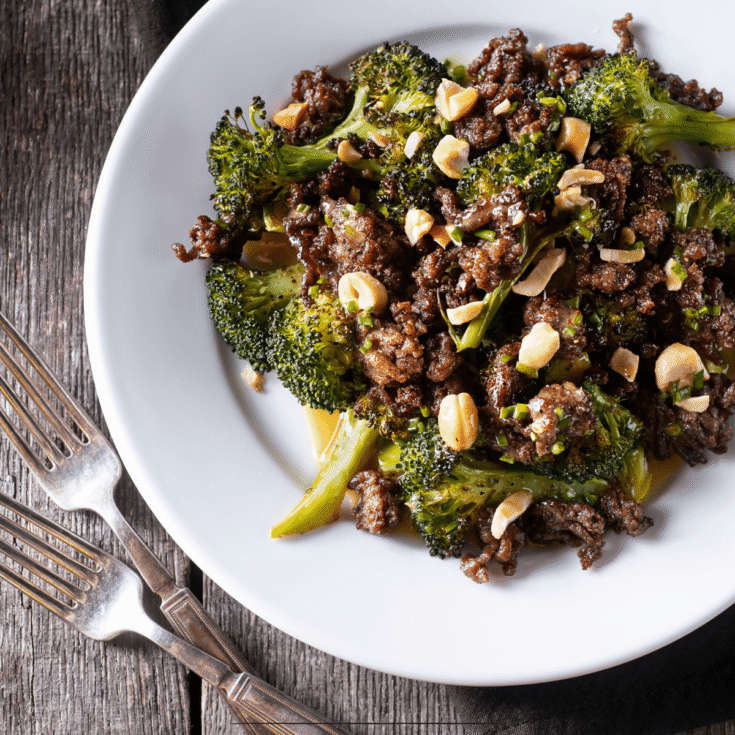
This ground beef and broccoli recipe is a quick one-pan meal with savory beef and tender broccoli in a flavorful sauce. It’s an easy ground beef broccoli stir fry perfect for low carb dinners and busy weeknights.
Best Vegetables for Stir Fry
The best stir fry vegetables cook fast, keep their texture, and soak up sauce without turning soggy.
- Broccoli florets- They stay crisp-tender with a quick stir fry, and the little florets grab sauce in all the best ways. They also hold up well without turning mushy.
- Bell peppers- They cook fast, add sweetness and color, and keep a satisfying crunch even after reheating. Great for balancing spicy or salty sauces.
- Snap peas or snow peas- Naturally crisp and sweet with a light bite that stays snappy. They need only a minute or two, so they are perfect for quick high-heat cooking.
- Carrots- Thin cuts cook quickly while keeping a pleasant crunch, plus they add natural sweetness. They also add great color and texture contrast.
- Mushrooms- They bring savory, meaty flavor and soak up sauce beautifully. When cooked hot and fast, they brown and add depth instead of feeling watery.
- Zucchini- Mild flavor that absorbs seasoning well and cooks quickly. Cut thicker if you want it to stay firmer and avoid over-softening.
- Green beans- They keep a great snap, add fresh flavor, and hold up well in saucy stir fries. Quick blanching first can make them even more tender-crisp.
- Bok choy- Stems stay crunchy while leaves turn silky and soak up sauce. Separating them prevents overcooked leaves and undercooked stems.
- Cabbage- It cooks quickly, adds sweetness as it softens, and keeps texture better than delicate greens. It is also great for stretching a stir fry and soaking up sauce.
- Baby corn- Mild, slightly sweet, and stays pleasantly crisp. It adds fun texture and works well with both spicy and savory sauces.
- Water chestnuts- Crunchy even after cooking, which is rare and wonderful in stir fry. They add a clean, crisp bite that contrasts with softer ingredients.
- Onions or scallions- Onions build sweet-savory flavor as they soften and caramelize slightly, while scallions add fresh bite and color. Use onions early for depth and scallions at the end for brightness.
Tips for Perfect Stir Fry Every Time
A few simple techniques will help you get restaurant-style stir fry with crisp veggies, tender protein, and a glossy sauce.
- Use a large pan or wok so ingredients have space to sear.
- Preheat the pan before adding oil for better browning.
- Cook protein first then remove so it does not overcook while veggies cook.
- Do not overcrowd and cook in batches if needed.
- Add sauce at the end so it thickens and coats instead of turning watery.
- Use a cornstarch slurry for glossy sauce that clings to food.
- Keep veggies crisp-tender and do not overcook them.
- Finish with fresh elements like green onions, herbs, or a squeeze of lime.
The best stir fry recipes for beginners include chicken stir fry, vegetable stir fry, shrimp stir fry, and beef and broccoli. These are simple, cook quickly, and use easy sauce formulas that taste great without complicated steps.
Stir fry becomes watery when the pan is not hot enough or when it is overcrowded. Vegetables release moisture and steam instead of searing. Use higher heat, cook in batches, and add sauce at the end with a cornstarch slurry so it thickens properly.
Neutral oils with high smoke points are best for stir fry, such as avocado oil, peanut oil, or canola oil. Sesame oil is great for flavor but should be used in small amounts at the end rather than as the main cooking oil.
Stir fry is one of the easiest ways to make dinner fast, flavorful, and flexible. Once you learn the basic sauce formula and the high-heat technique, you can turn almost any protein and vegetable combo into a meal you actually look forward to eating.