This slow cooker troubleshooting guide explains why common crockpot problems happen, how to fix them when possible, and what to change the next time you make the recipe. You will learn how to handle watery sauces, tough meat, dry chicken, hard vegetables, mushy pasta, separated dairy, uneven cooking, and more.
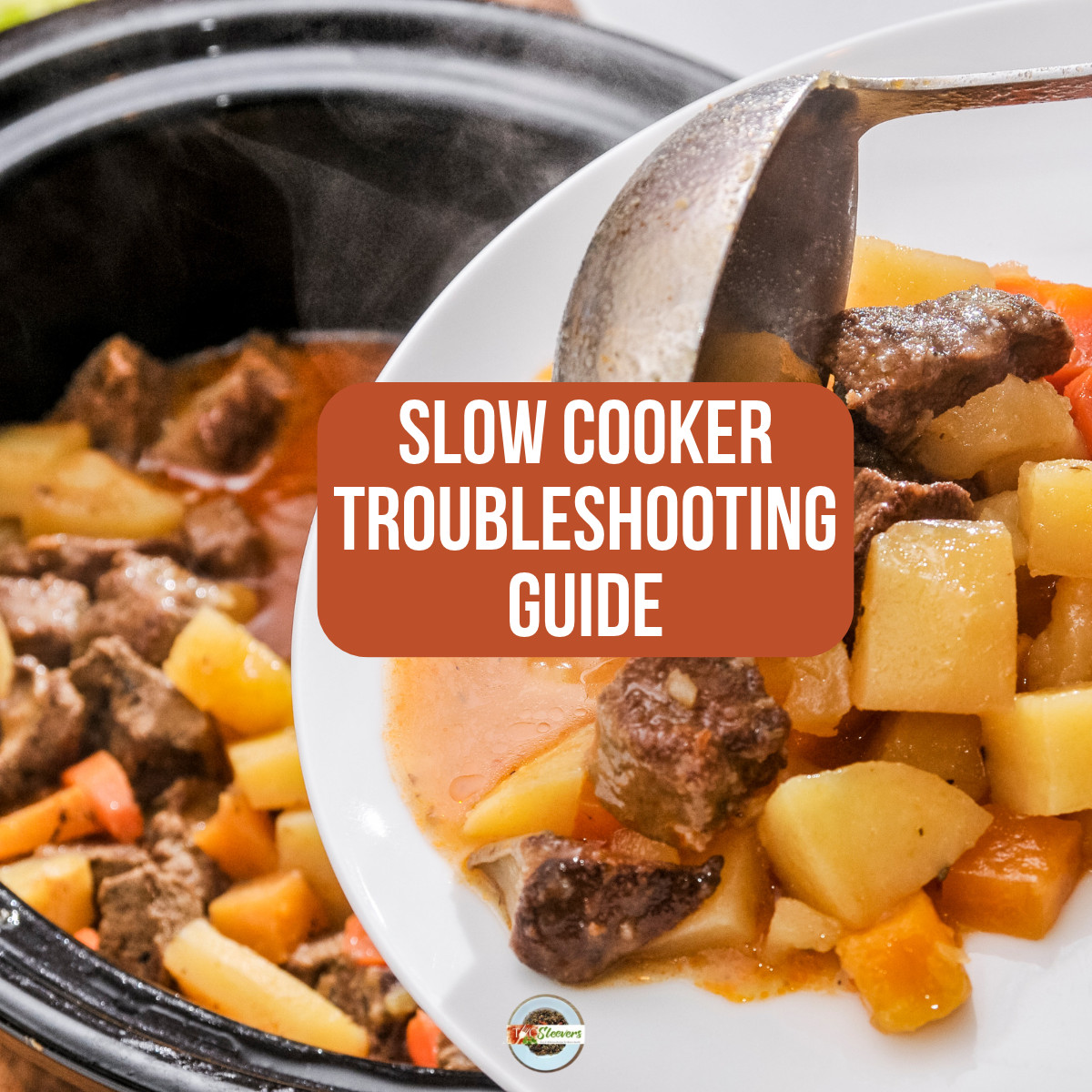
If your slow cooker meal turned out watery, dry, tough, mushy, curdled, or frustratingly undercooked, you are not alone. Slow cookers are wonderfully convenient, but they do not make every ingredient foolproof.
Once you understand how a slow cooker manages heat and moisture, it becomes much easier to get the tender meat, flavorful sauces, and convenient meals you expected.
Why You'll Love This Slow Cooker Guide
- Practical. Find quick explanations for the most common slow cooker problems.
- Beginner-friendly. Learn how crockpot temperature, cooking time, liquid, and ingredient placement affect a recipe.
- Versatile. Use these tips for chicken, beef, pork, soups, stews, pasta, curries, and casseroles.
- Useful. Learn which problems can be fixed and which ones should be prevented next time.
- Cluster-friendly. Follow detailed TwoSleevers guides for meat cooking times, pasta timing, thickening soups, and converting recipes.
When you are ready to put these tips into practice, browse the complete collection of slow cooker recipes.
Quick Slow Cooker Troubleshooting Chart
Use this chart to identify the most likely cause of your problem and decide what to do next.
| Problem | Likely Cause | How To Fix It |
|---|---|---|
| Food is watery | Too much liquid or moisture released by meat and vegetables | Remove the lid near the end, use HIGH, or thicken the sauce |
| Meat is tough | Wrong cut or insufficient cooking time | Continue cooking until connective tissue softens |
| Meat is dry | Lean cut cooked too long | Add sauce or broth and shorten the cooking time next time |
| Chicken is dry | Breast meat overcooked | Shred with sauce and check earlier next time |
| Vegetables are hard | Pieces are too large or added too late | Cut smaller or place dense vegetables near the bottom |
| Vegetables are mushy | Delicate vegetables cooked too long | Add them during the final portion of cooking |
| Pasta is mushy | Added too early | Add pasta near the end or cook it separately |
| Dairy curdled | Added too early or heated too aggressively | Add dairy near the end and use full-fat ingredients |
| Sauce is bland | Flavors became diluted | Adjust salt, acidity, spices, and fresh herbs before serving |
| Food is not cooking | Cooker is too full, lid is loose, or appliance is malfunctioning | Check the settings, lid, fill level, and temperature |
| Food burns around the edges | Cooker is too empty or runs hot | Use the correct cooker size and add sufficient liquid |
| Recipe cooks unevenly | Ingredients vary in size or are layered incorrectly | Cut evenly and place slow-cooking ingredients near the heat |
| Rice is crunchy | Insufficient liquid or cooking time | Add hot liquid and continue cooking if the recipe allows |
| Rice is mushy | Too much liquid or cooking time | Reduce liquid or shorten the time in the next batch |
Why Is My Slow Cooker Food Watery?
Watery slow cooker food is one of the most common crockpot complaints. Unlike a skillet or uncovered pot, a slow cooker traps steam under its lid. Very little moisture evaporates during cooking.
Meat, vegetables, tomatoes, and frozen ingredients can release additional water. A recipe that looked perfectly thick before cooking may become much thinner after several hours.
How To Fix A Watery Slow Cooker Meal
If all of the ingredients are fully cooked, try one of these methods:
- Remove the lid. Turn the cooker to HIGH and let the sauce reduce for 20 to 45 minutes.
- Remove the solids. Transfer the meat and vegetables to a plate so they do not overcook while the liquid reduces.
- Use a thickener. Add a slurry, pureed vegetables, dairy, or another thickening ingredient appropriate for the recipe.
- Finish on the stovetop. Transfer the liquid to a saucepan and simmer it until it reaches the desired consistency.
- Add concentrated flavor. Tomato paste, reduced broth, cream cheese, or grated cheese may provide both thickness and flavor, depending on the dish.
For alternatives to traditional flour-based slurry, use this guide for how to thicken soup without flour or cornstarch.
Do not simply add large amounts of dry thickener directly to the slow cooker. It can clump before it disperses.
How To Prevent Watery Slow Cooker Food
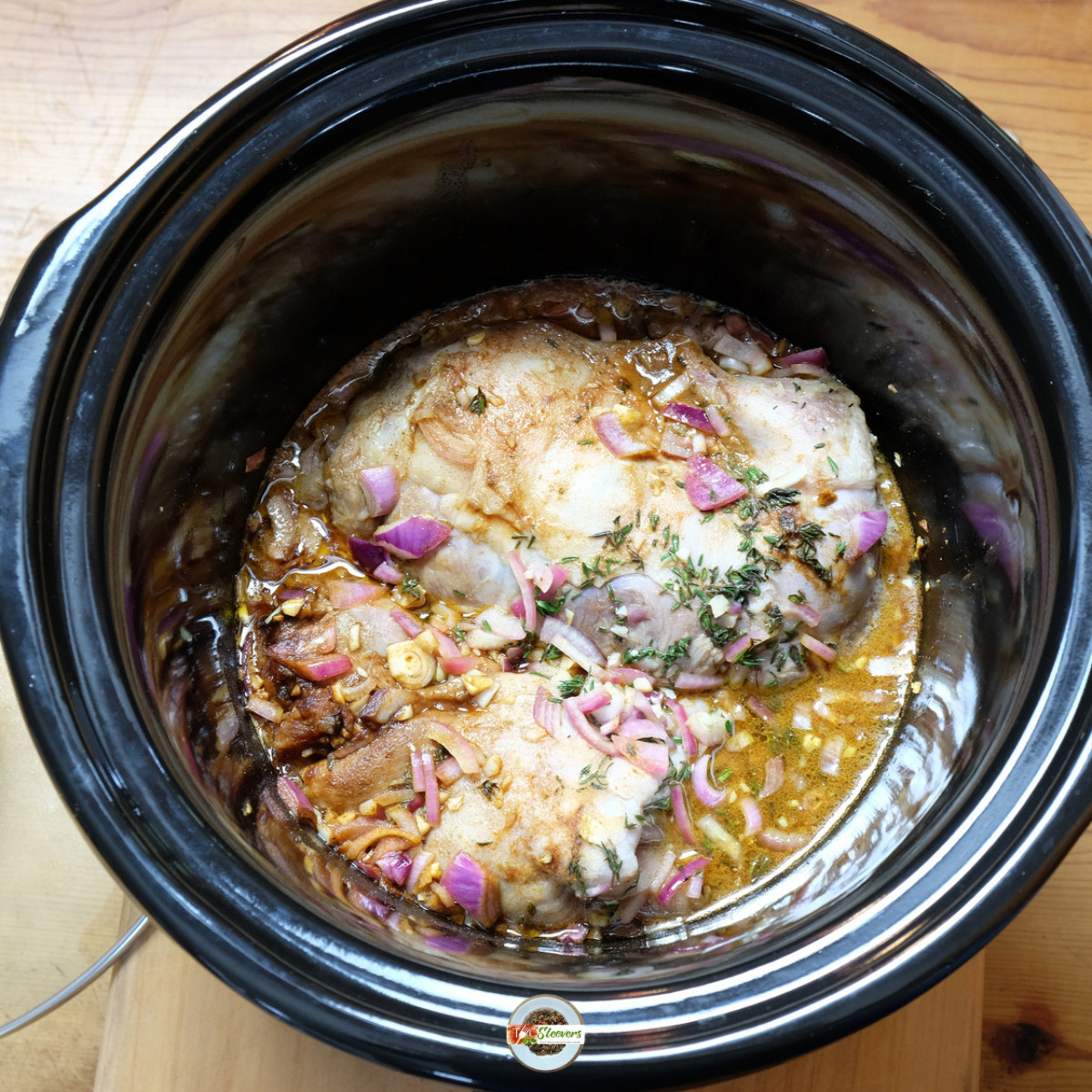
- Use the amount of liquid specified in a tested recipe.
- Do not automatically cover meat with broth.
- Remember that vegetables and meat release liquid.
- Drain canned ingredients when the recipe instructs you to do so.
- Avoid adding frozen vegetables too early.
- Keep the lid closed so the cooker maintains a consistent temperature.
- Choose a sauce designed for slow cooking instead of using an unchanged stovetop recipe.
A slow cooker usually needs less added liquid than an uncovered stovetop pot because there is so little evaporation.
Why Is My Slow Cooker Meat Tough?
Tough meat does not always mean it has been overcooked. Tough beef or pork can mean the connective tissue has not had enough time to soften.
Cuts such as chuck roast and pork shoulder contain connective tissue that becomes tender during long, moist cooking. The meat may pass through a firm or tough stage before it becomes easy to shred.
How To Fix Tough Meat
If the meat has reached a safe temperature but remains tough:
- Make sure there is enough cooking liquid or sauce.
- Replace the lid.
- Continue cooking in 30-minute intervals.
- Check the texture rather than relying only on the clock.
- Cut or shred the meat only after it becomes tender.
A large roast takes longer than small cubes. Bone content, thickness, quantity, cooker size, and appliance temperature also affect cooking time.
Use the Slow Cooker Beef Cooking Times By Cut guide to compare chuck roast, brisket, stew meat, short ribs, ground beef, and other common cuts.
For a tested roast recipe, try this Slow Cooker Chuck Tender Roast.
Can Tough Meat Be Overcooked?
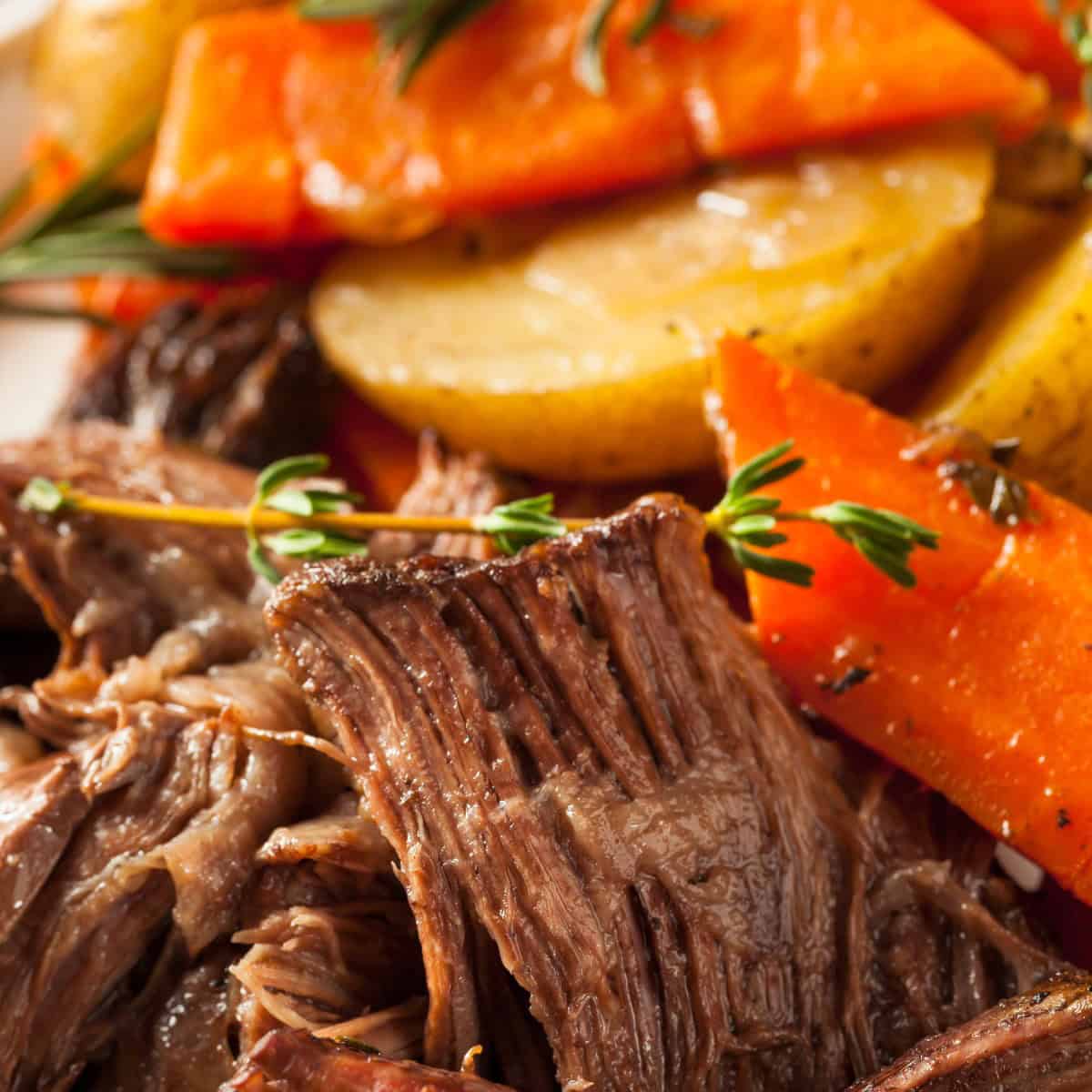
Yes. Meat can become dry, stringy, or mushy after excessive cooking. Lean cuts are especially vulnerable.
Undercooked collagen-rich meat generally feels firm and resists shredding. Overcooked meat may fall apart but feel dry or cottony. That distinction helps you decide whether to continue cooking or remove the meat.
Why Is My Slow Cooker Chicken Dry?
Slow cooking does not guarantee moist chicken. Boneless, skinless chicken breasts are lean and can become dry when cooked for too long.
Chicken thighs contain more fat and connective tissue, so they usually tolerate longer cooking better than breasts or tenderloins.
How To Fix Dry Slow Cooker Chicken
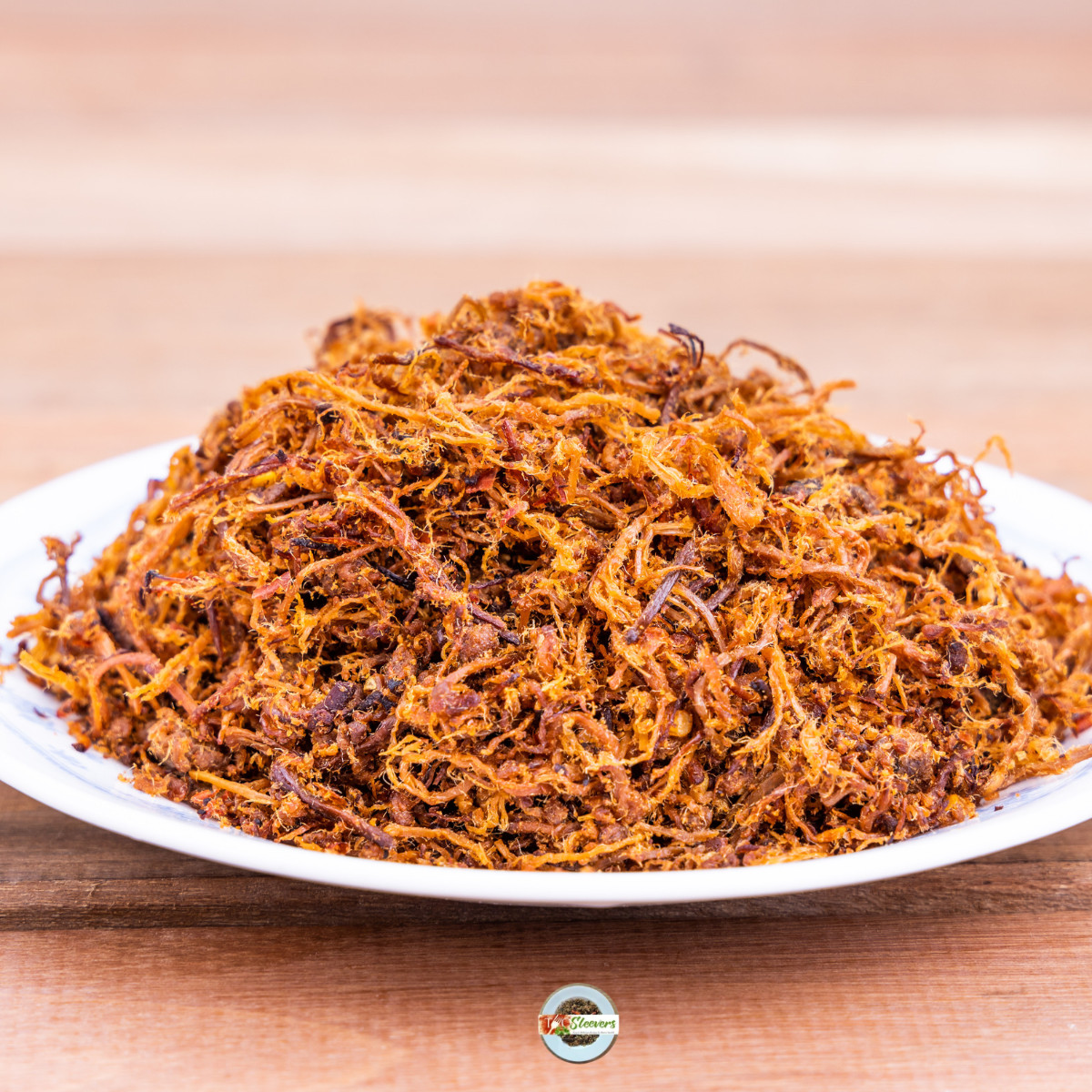
You cannot replace moisture that has already cooked out of the meat, but you can make it more pleasant to eat:
- Shred the chicken finely.
- Stir it into the sauce or cooking liquid.
- Add a small amount of warm broth.
- Use it in soup, pasta, tacos, enchiladas, or a casserole.
- Mix it with a creamy or tomato-based sauce.
To prevent the problem, begin checking the chicken at the earliest suggested time and remove it once it reaches a safe temperature and the texture you want.
The Slow Cooker Chicken Cooking Times By Cut guide includes approximate cooking windows for breasts, thighs, drumsticks, wings, tenderloins, diced chicken, and whole chicken.
For a recipe that uses forgiving chicken thighs, try Slow Cooker Butter Chicken. If you are using chicken breast, follow a tested recipe such as Crock Pot Chicken Alfredo and avoid extending the cooking time unnecessarily.
Why Are My Slow Cooker Vegetables Still Hard?
Dense vegetables can take longer to cook than meat, especially when they are cut into large pieces.
Potatoes, carrots, parsnips, winter squash, and other firm vegetables generally cook best near the bottom and sides of the slow cooker, where they receive more direct heat.
How To Fix Hard Vegetables
If the meat is finished but the vegetables are still firm:
- Remove the cooked meat and keep it covered.
- Cut large vegetables into smaller pieces if practical.
- Return the lid to the cooker.
- Cook the vegetables on HIGH until tender.
- Return the meat only long enough to warm it before serving.
Do not leave fully cooked chicken or lean meat in the slow cooker for several extra hours just to finish the vegetables.
How To Prevent Undercooked Vegetables
- Cut dense vegetables into evenly sized pieces.
- Place them near the bottom of the crock.
- Avoid oversized potato or carrot chunks.
- Do not repeatedly lift the lid.
- Use the cooker size recommended for the recipe.
- Add enough cooking liquid when the recipe depends on it.
- Follow the layering instructions in the tested recipe.
Acidic ingredients such as tomatoes can sometimes slow the softening of certain vegetables and beans. Follow the order of ingredients provided in the recipe rather than changing when acidic ingredients are added.
Why Are My Slow Cooker Vegetables Mushy?
Delicate vegetables do not need the same cooking time as meat, potatoes, or dried beans.
Zucchini, peas, spinach, broccoli, asparagus, and fresh herbs can lose their color and texture when cooked for several hours.
Add quick-cooking vegetables toward the end:
- Leafy greens may need only a few minutes.
- Peas can be stirred in shortly before serving.
- Broccoli and cauliflower should be added late enough to preserve their texture.
- Zucchini and summer squash should be checked frequently.
- Fresh herbs are generally best added after cooking or shortly before serving.
If you want vegetables that retain a distinct bite, cook them separately and stir them into the finished dish.
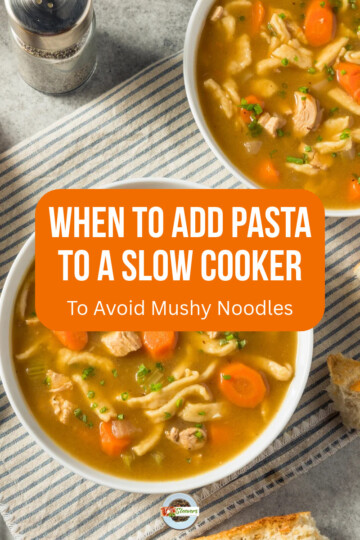
Why Is My Slow Cooker Pasta Mushy?
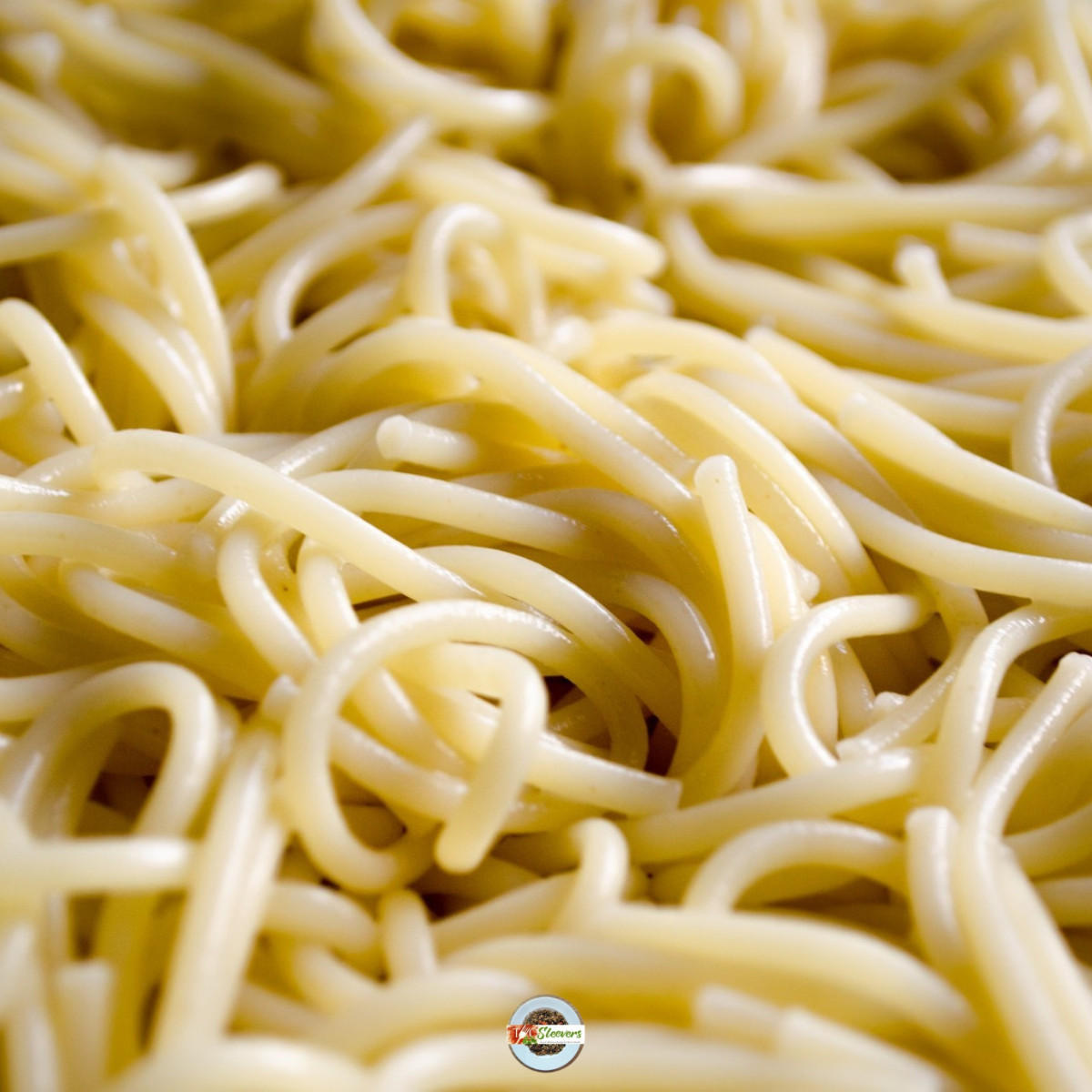
Pasta becomes mushy when it absorbs too much liquid or stays hot for too long. Adding uncooked pasta at the beginning of an all-day recipe usually results in very soft noodles.
Pasta shape, thickness, sauce consistency, temperature, and slow cooker model all affect the timing.
The guide for when to add pasta to a slow cooker explains how to time different noodles without turning them soft or gummy.
How To Prevent Mushy Pasta
- Add pasta near the end of cooking.
- Check it before the stated time has elapsed.
- Use warm liquid if the recipe needs additional moisture.
- Stir enough to separate the noodles.
- Turn off the cooker when the pasta reaches the desired texture.
- Avoid leaving finished pasta on WARM for an extended period.
- Cook the pasta separately when precise texture matters.
For recipes such as Crock Pot Swedish Meatballs, serving the meatballs over separately cooked noodles gives you greater control over the pasta texture.
Why Did The Milk, Cream, Or Cheese Curdle?
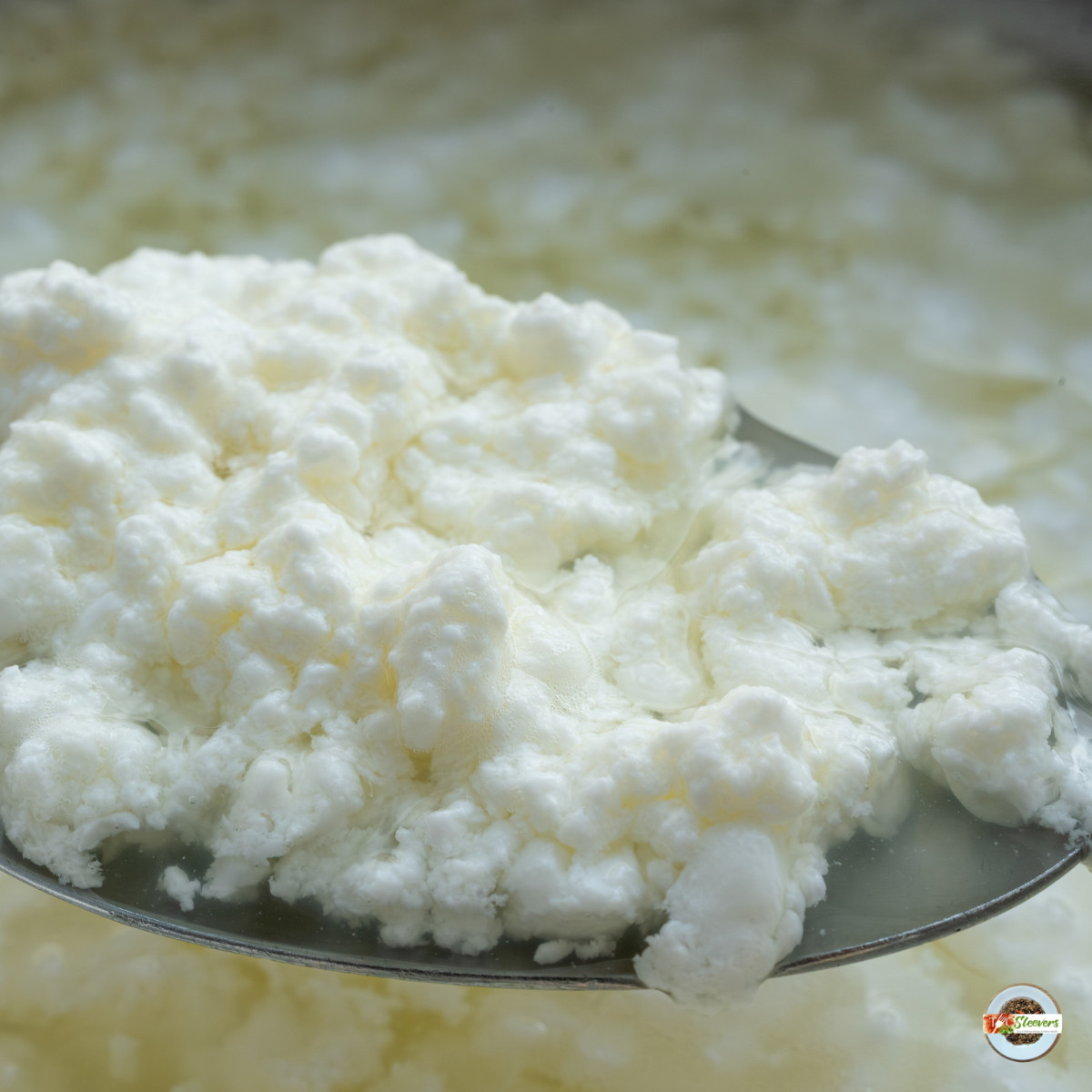
Dairy can separate when exposed to prolonged heat, high acidity, or an excessive temperature change. Lower-fat dairy products are often more likely to curdle.
How To Keep Dairy Smooth
- Add milk, cream, sour cream, yogurt, and cheese near the end when possible.
- Allow refrigerated dairy to lose some of its chill before adding it.
- Stir a little hot cooking liquid into the dairy before combining it with the full recipe.
- Use full-fat dairy when appropriate.
- Avoid boiling the sauce after adding dairy.
- Add cheese gradually and stir until melted.
- Follow a tested recipe when combining dairy with acidic ingredients.
Separated dairy is often still edible if the dish has been handled and cooked safely, but the texture may not be appealing. Blending the sauce can sometimes improve its appearance.
Why Is My Slow Cooker Meal Bland?
Long cooking can mellow aromatics, dilute salt, and reduce the brightness of spices and herbs. A meal can be fully cooked yet still taste flat.
Before adding more salt, consider which flavor is missing.
How To Fix Bland Slow Cooker Food
- Salt. Add a small amount, stir, and taste again.
- Acidity. Add lemon juice, lime juice, vinegar, or another acidic ingredient appropriate for the dish.
- Freshness. Stir in chopped herbs, scallions, cilantro, or parsley.
- Heat. Add red pepper flakes, cayenne, hot sauce, or fresh chiles.
- Savory flavor. Use soy sauce, Parmesan, Worcestershire sauce, fish sauce, or another recipe-appropriate ingredient.
- Warm spices. Add a small finishing amount of toasted spices or a spice blend.
- Richness. Finish with butter, cream, coconut milk, cheese, or olive oil when it suits the recipe.
Make small adjustments and taste between each one. Adding several strong ingredients at once can turn an underseasoned dish into an overly salty or acidic one.
For a slow cooker meal with plenty of built-in seasoning, try Chipotle Pork Carnitas or Crockpot Taco Soup.
Why Is My Slow Cooker Food Not Cooking?
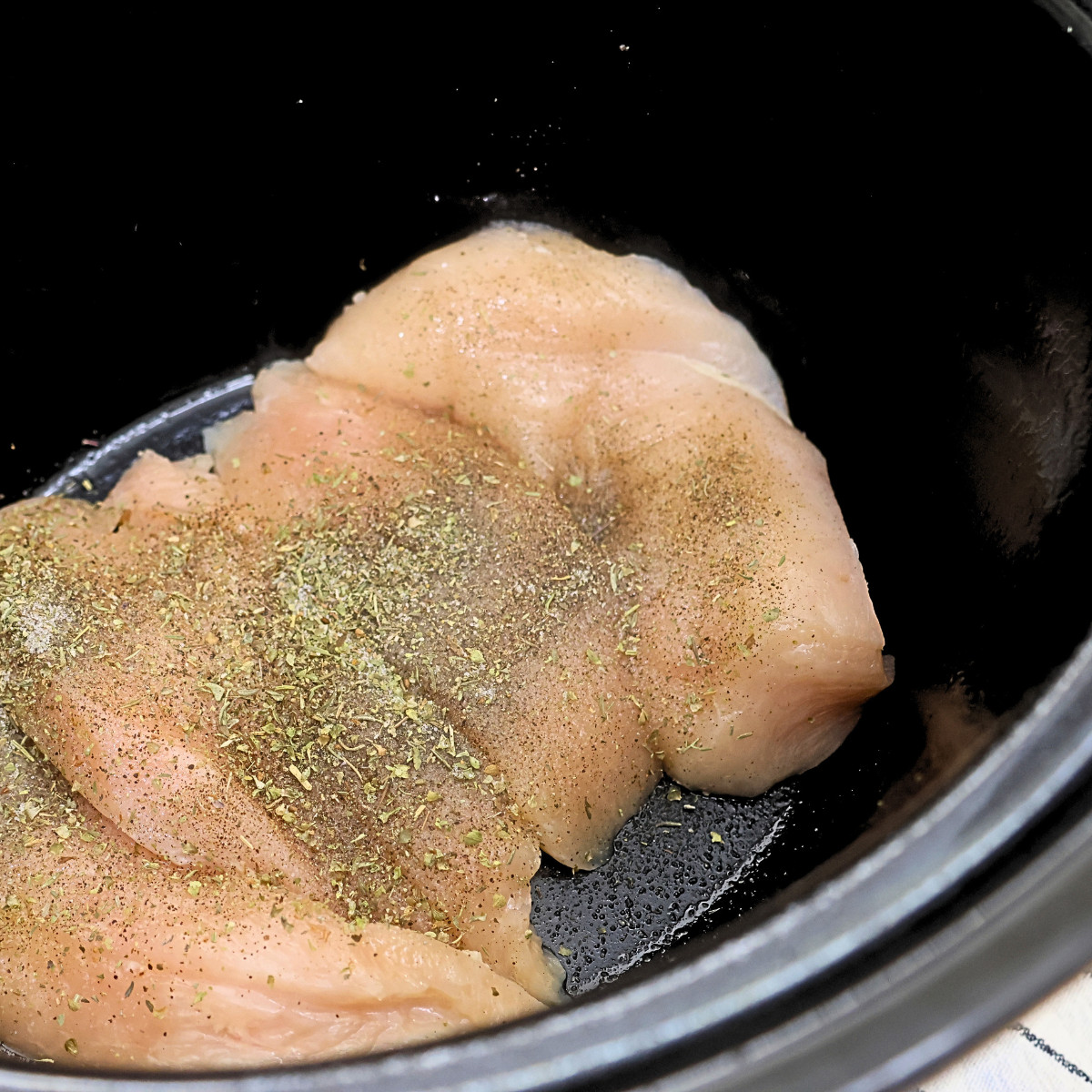
If the food remains cool or barely warm after it should be cooking, check the appliance immediately.
Possible causes include:
- The cooker is not plugged in.
- The outlet is not working.
- The cooker is set to WARM instead of LOW or HIGH.
- The timer was programmed incorrectly.
- The lid is not seated properly.
- The slow cooker is overfilled.
- The crock or lid is damaged.
- The heating element is failing.
- The ingredients were partially frozen.
- The lid has been opened repeatedly.
Do not continue serving or holding food when you are uncertain whether it heated safely. When safety is in doubt, discard the food.
How To Check A Slow Cooker
For future use, test a questionable slow cooker with water according to the manufacturer's instructions or an established appliance test. Use an accurate food thermometer and contact the manufacturer if the appliance does not reach or maintain the expected temperature.
Do not use a slow cooker with:
- A cracked ceramic insert
- A damaged cord
- A loose or broken plug
- A badly warped lid
- Exposed wiring
- Unpredictable controls
Why Does My Slow Cooker Cook Unevenly?
Slow cookers vary in shape, wattage, age, and temperature. Some run hotter around the sides or in specific areas of the heating base.
Uneven results can also come from inconsistent ingredient sizes.
How To Improve Even Cooking
- Cut ingredients into similar-sized pieces.
- Place dense vegetables near the bottom.
- Arrange meat in an even layer when possible.
- Avoid tightly stacking large pieces.
- Choose a cooker that matches the recipe quantity.
- Make sure the lid fits correctly.
- Avoid using a cracked, warped, or poorly fitting insert.
- Rotate the insert only if the manufacturer says it is safe and necessary.
- Stir recipes that permit stirring, but do not repeatedly open the cooker.
A very full slow cooker heats more slowly. A nearly empty one may cook faster or scorch food around the edges.
Is It Better To Cook On LOW Or HIGH?

Both LOW and HIGH can cook food successfully when the recipe is designed for that setting.
Use LOW when:
- Cooking collagen-rich beef or pork
- You need a longer cooking window
- The recipe was tested for an extended cook
- You want a gradual braise
Use HIGH when:
- The recipe provides a tested HIGH setting
- You need the meal sooner
- You are finishing or reducing a sauce
- You can check the food near the beginning of its doneness window
LOW does not automatically prevent lean meat from drying out. Chicken breasts and pork tenderloin can still overcook if left in the slow cooker too long.
Do not assume that every recipe can be converted using a universal ratio. Some dishes respond differently because the vegetables, pasta, rice, meat, and sauce need different amounts of time.
Can You Open The Lid While Slow Cooking?
Keep the lid closed unless the recipe tells you to stir, add an ingredient, or check for doneness. Lifting the lid releases heat and can extend the cooking time.
Opening the cooker near the end to add pasta, vegetables, dairy, or a thickener is different from repeatedly checking it throughout the day.
If you need to confirm that meat is finished, use a food thermometer. Replace the lid promptly if the food needs more time.
Can You Put Frozen Meat In A Slow Cooker?
Thaw meat and poultry before placing them in a slow cooker. Slow cookers heat gradually, so frozen meat may take too long to pass through unsafe temperatures. USDA guidance recommends thawing meat and poultry before slow cooking and keeping the lid in place during cooking.
Thaw meat safely:
- In the refrigerator
- In cold water, changing the water regularly
- In the microwave, followed by immediate cooking
Do not thaw meat on the countertop.
Follow the individual recipe or manufacturer's instructions for commercially prepared frozen slow cooker meals.
How Full Should A Slow Cooker Be?
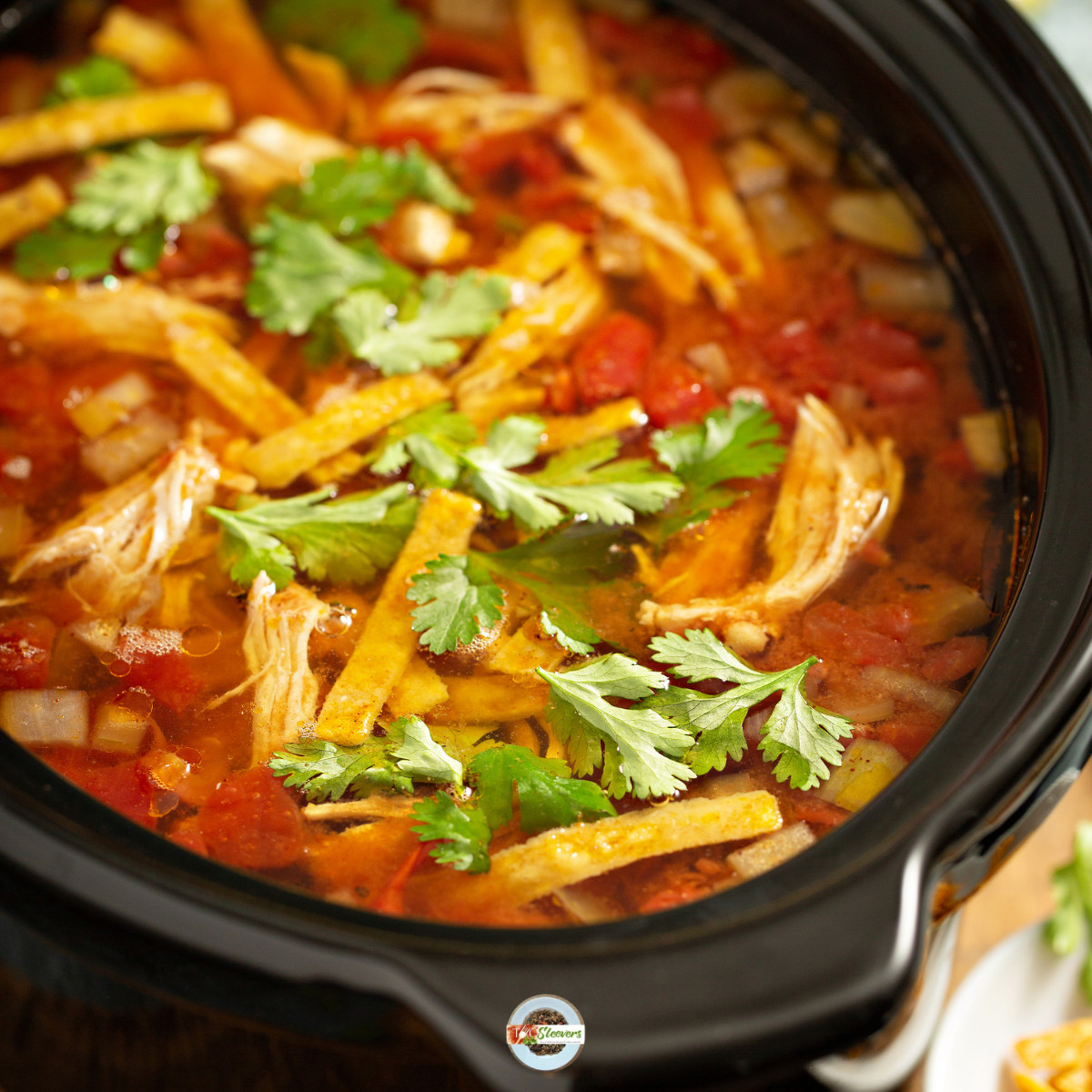
A slow cooker generally performs best when it contains enough food for steady, even heating without being packed too tightly. Exact recommendations vary by appliance, so consult the manufacturer's instructions.
An overfilled cooker can:
- Heat too slowly
- Cook unevenly
- Overflow
- Prevent meat from reaching tenderness on schedule
- Make timing guides less reliable
An underfilled cooker can:
- Cook faster than expected
- Dry out lean meat
- Burn sauce around the edges
- Reduce too aggressively
Use a slow cooker size that matches the recipe. Do not double a recipe automatically if the increased amount would exceed the appliance's safe fill level.
Can You Leave Food On WARM All Day?
WARM is intended to hold food that is already fully cooked and hot. It is not designed to cook raw meat or bring cold leftovers safely to serving temperature.
Prolonged holding can also reduce quality. Chicken may dry out, pasta may become mushy, vegetables may soften, and sauces may separate.
If dinner will be delayed:
- Confirm that the food is fully cooked.
- Use WARM only as directed by the appliance manufacturer.
- Keep the lid in place.
- Stir when appropriate.
- Check that the food remains safely hot.
- Refrigerate leftovers promptly.
Hot food should be held at 140°F or above, and leftovers should be reheated to 165°F before serving.
Can You Reheat Leftovers In A Slow Cooker?
Do not use a slow cooker to bring refrigerated leftovers up to a safe temperature. It heats too gradually.
Reheat leftovers in the microwave, oven, or on the stovetop until they reach 165°F. You may then transfer the hot food to a preheated slow cooker for holding.
How Do You Convert A Slow Cooker Recipe To An Instant Pot?
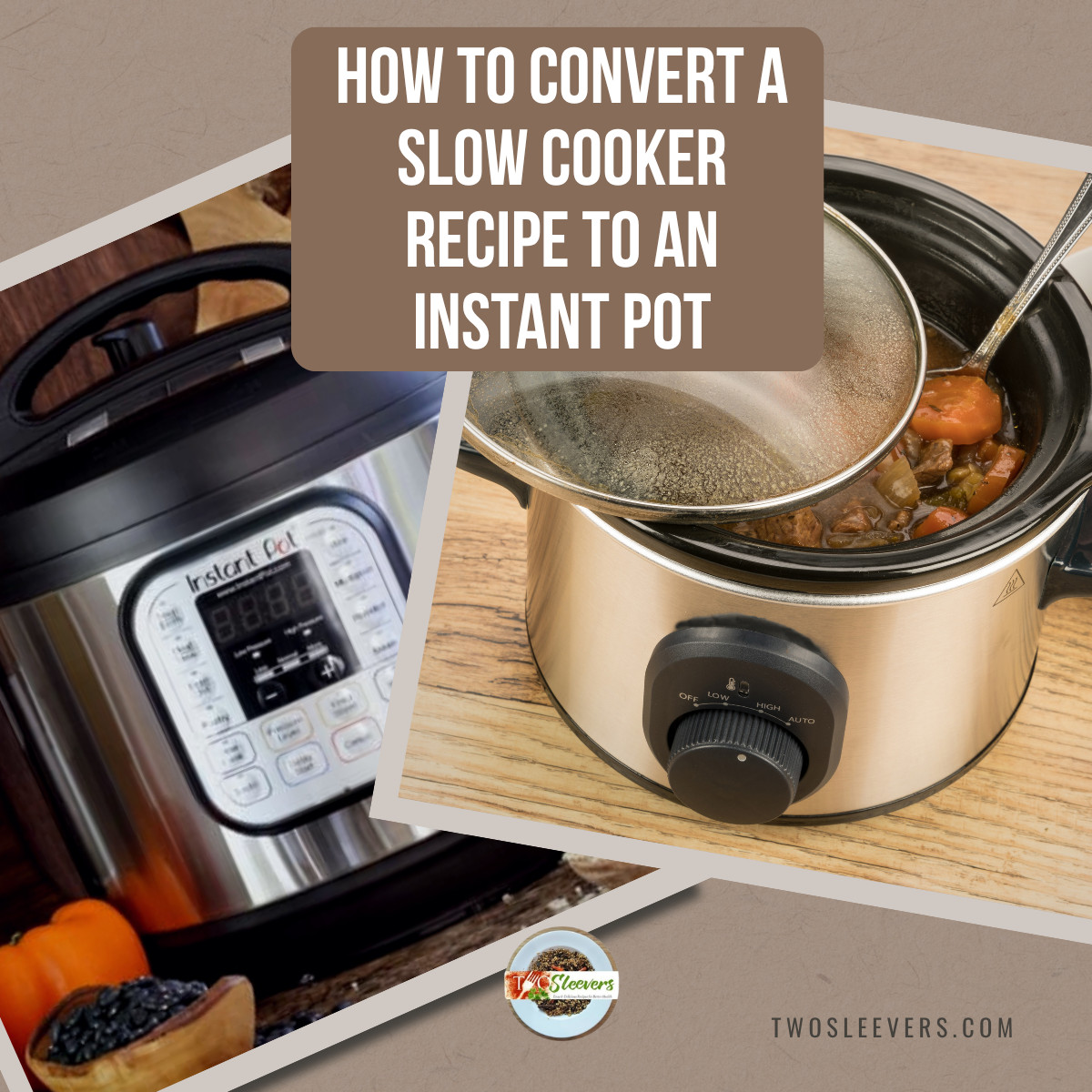
Do not convert hours to pressure-cooking minutes using a simple formula. The liquid, ingredient size, sauce thickness, and cooking requirements all change when you move from a slow cooker to a sealed pressure cooker.
Use this complete guide for converting a slow cooker recipe to an Instant Pot before adapting chicken, beef, pork, beans, soups, curries, pasta, or rice.
Recipes containing thick sauces, dairy, pasta, or ingredients with dramatically different cooking times may need to be rebuilt rather than directly converted.
Slow Cooker Food Safety Tips
Follow these basic practices when using your slow cooker:
- Start with clean hands, utensils, and equipment.
- Keep perishable ingredients refrigerated until cooking begins.
- Thaw meat and poultry before slow cooking.
- Start the cooker immediately after assembling the meal.
- Keep the lid closed as much as possible.
- Use a thermometer instead of judging meat by color.
- Cook poultry to at least 165°F.
- Cook ground meat to at least 160°F.
- Cook whole beef and pork cuts to their appropriate safe temperature and observe any required rest time.
- Refrigerate leftovers promptly in shallow containers.
- Reheat leftovers to 165°F using the oven, microwave, or stovetop.
Always use a food thermometer to verify that meat has reached a safe internal temperature.
Best Slow Cooker Recipes To Try
Once you understand how to prevent the most common slow cooker mistakes, put these tips to work with tested recipes:
- Slow Cooker Butter Chicken for tender chicken in a creamy, spiced sauce
- Crock Pot Chicken Alfredo for a comforting chicken and pasta dinner
- Slow Cooker Chuck Roast for tender beef with vegetables
- Chipotle Pork Carnitas for smoky, pull-apart pork
- Crockpot Swedish Meatballs for meatballs with a creamy gravy
- Crockpot Taco Soup for an easy, hearty soup
- Split Pea Soup With Ham for a filling pour-and-cook meal
Frequently Asked Questions
Why Does My Slow Cooker Make Everything Watery?
Slow cookers trap steam, and ingredients release moisture as they cook. Use less added liquid than you would for many stovetop recipes, follow tested measurements, and thicken or reduce the sauce after the food is cooked.
Why Is My Meat Still Tough After Eight Hours?
The cut may need more time, especially if it is large or rich in connective tissue. The cooker may also be overfilled, running cool, or losing heat through a loose lid. Continue cooking only if the meat has been heating safely and the other ingredients will not overcook.
Can You Overcook Food In A Slow Cooker?
Yes. Lean meat can become dry, vegetables can become mushy, and pasta can turn soft. A slow cooker delays active work, but the food still needs an appropriate cooking time.
Does Meat Need To Be Covered With Liquid?
Not always. Meat and vegetables release moisture, and the covered cooker traps steam. Use the amount of liquid specified in the recipe rather than automatically submerging the meat.
Why Does My Slow Cooker Chicken Fall Apart?
Chicken falls apart when its muscle fibers and connective tissue have softened. This can be desirable for shredded chicken. If you want sliceable chicken, use larger pieces and begin checking earlier.
Why Does My Slow Cooker Sauce Burn Around The Edges?
The cooker may run hot, the batch may be too small, or the sauce may contain a lot of sugar, dairy, or thick ingredients. Use the right cooker size, follow the recipe's liquid amount, and stir only when the recipe allows it.
Should A Slow Cooker Simmer?
You may see gentle bubbling, especially around the edges or on HIGH. Slow cookers vary, so the absence of vigorous bubbling does not necessarily mean the appliance is not working. Use a thermometer and the manufacturer's guidance if you suspect a heating problem.
Can I Add More Cooking Time If The Food Is Not Done?
Yes, provided the food has been heating safely. Add time in manageable increments and check the ingredient that takes longest to cook. Remove any components that are already finished.
More Slow Cooker Resources
Keep these guides handy for more dependable slow cooker results:
- Slow Cooker Chicken Cooking Times By Cut
- Slow Cooker Beef Cooking Times By Cut
- How To Convert A Slow Cooker Recipe To An Instant Pot
The most reliable way to avoid slow cooker problems is to use a tested recipe, choose the correct appliance size, measure the liquid carefully, and begin checking food at the earliest recommended time. With a little troubleshooting, you can turn watery sauces, tough meat, mushy pasta, and bland dinners into problems you know how to prevent.