Knowing when to add pasta to a slow cooker can mean the difference between tender noodles and a pot full of mush. In most slow cooker recipes, dry pasta should be added during the final 20 to 40 minutes of cooking on HIGH, but the correct timing depends on the pasta shape, sauce, liquid level, and slow cooker.
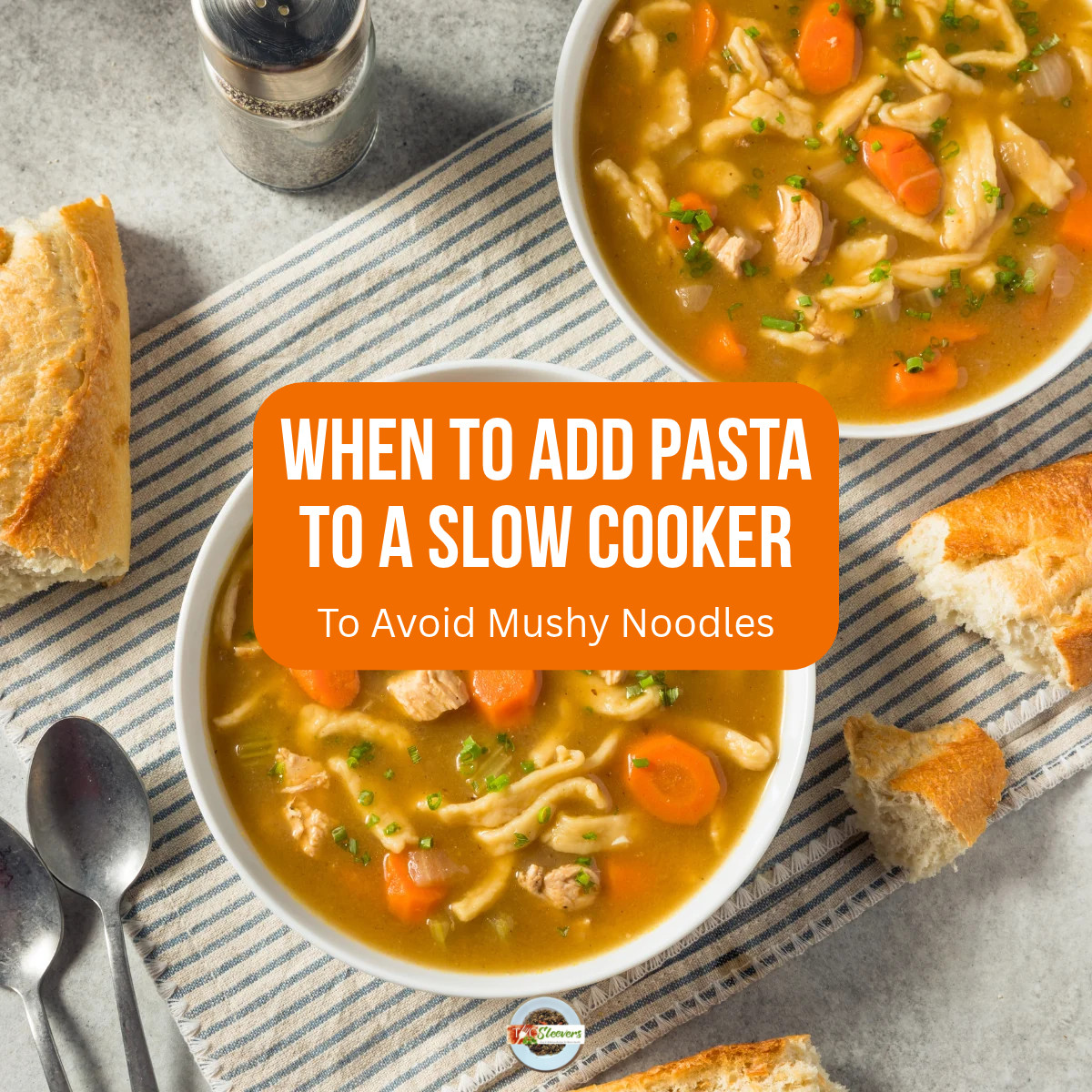
Pasta cooks much faster than meat, beans, and dense vegetables. If you add it at the beginning of a six- or eight-hour slow cooker recipe, the noodles will continue absorbing liquid long after they are tender.
The easiest solution is to cook the main recipe first, then add the pasta near the end. You can also boil the pasta separately and stir it in immediately before serving when you want greater control over its texture.
The Short Answer
Add dry pasta to a slow cooker during the final 20 to 40 minutes of cooking, switch the cooker to HIGH, and begin checking it early.
Use these approximate starting points:
| Pasta Type | When To Add It | Approximate Time On HIGH |
|---|---|---|
| Small pasta shapes | Near the end | 15 to 25 minutes |
| Egg noodles | Near the end | 15 to 30 minutes |
| Penne or rotini | Near the end | 25 to 40 minutes |
| Elbow macaroni | Near the end | 20 to 35 minutes |
| Broken lasagna noodles | Near the end | 25 to 40 minutes |
| Dried tortellini | Near the end | 20 to 35 minutes |
| Refrigerated tortellini | Near the end | 10 to 20 minutes |
| Gluten-free pasta | Usually cook separately | Follow package directions |
| Fully cooked pasta | Immediately before serving | 5 to 10 minutes to warm |
These are planning ranges, not universal cooking times. Follow a tested recipe whenever possible because slow cooker temperature, pasta thickness, sauce consistency, and liquid volume all affect the result.
In this Slow Cooker Lasagna Soup, broken lasagna noodles are added about 30 minutes before serving rather than at the beginning.
Why You'll Love This Slow Cooker Pasta Guide
- Practical. Learn when different pasta shapes should be added.
- Beginner-friendly. Understand how liquid, temperature, and pasta thickness affect cooking.
- Less Waste. Avoid throwing away a meal because the noodles became mushy.
- Flexible. Use the guidance for soup, Alfredo, tomato sauce, casseroles, and meat dishes.
- Troubleshooting Help. Fix pasta that is undercooked, overcooked, dry, or stuck together.
- Meal Prep Friendly. Learn when cooking pasta separately is the better option.
Can You Put Uncooked Pasta In A Slow Cooker?
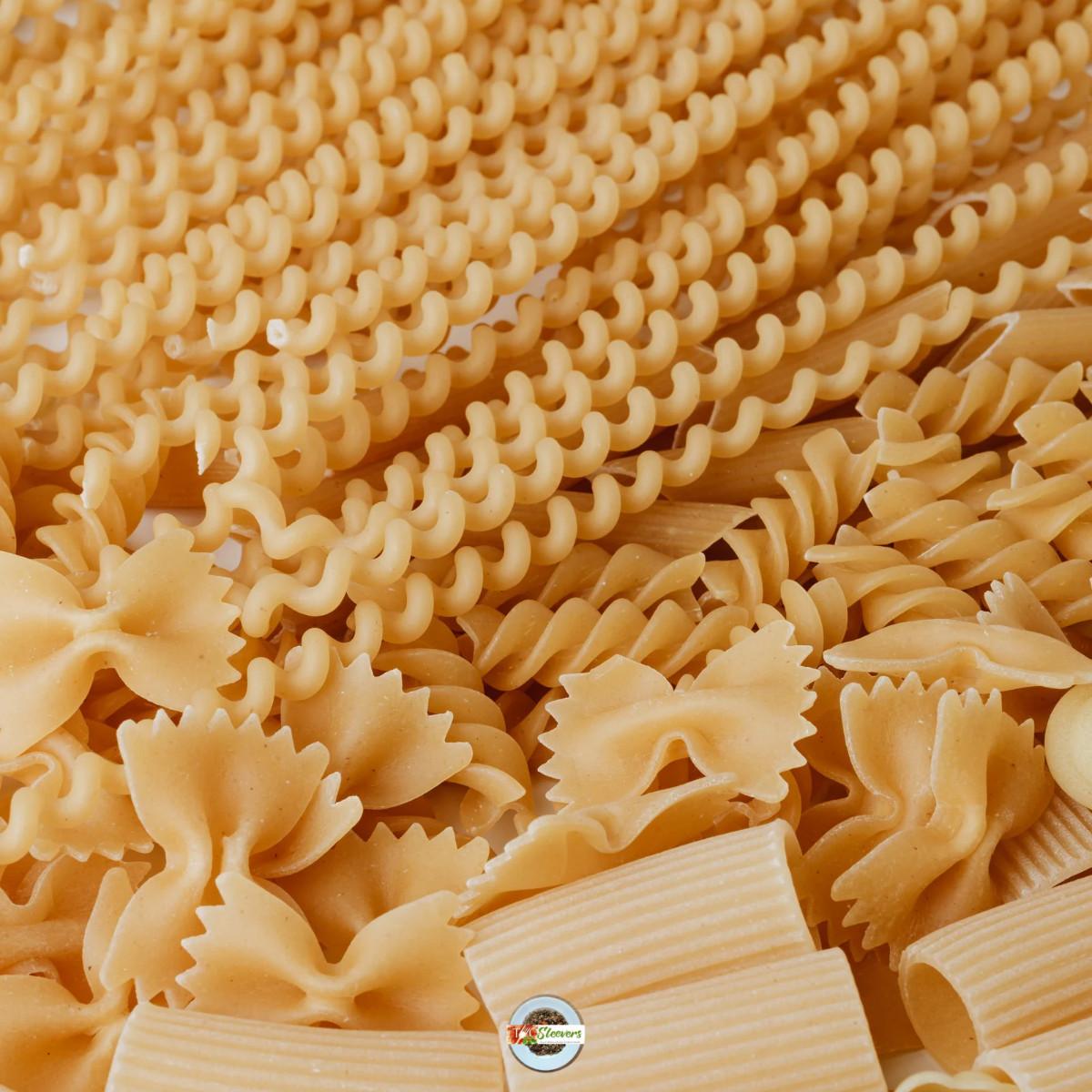
Yes, uncooked pasta can go directly into a slow cooker when the recipe contains enough hot liquid and the noodles are added near the end.
The pasta should be:
- Surrounded by adequate liquid
- Stirred into the sauce or broth
- Cooked on HIGH when possible
- Checked frequently
- Removed from the heat when just tender
- Served promptly
Do not add extra water automatically. The amount needed depends on how much liquid is already in the recipe and how thick you want the finished sauce or soup.
A soup may have enough broth to cook pasta without adjustment. A thick meat sauce may require additional broth or water.
Why Should Pasta Be Added Near The End?
Pasta absorbs moisture as it cooks. Even after the noodles become tender, they continue soaking up broth or sauce.
Adding pasta too early can result in:
- Mushy noodles
- Broken pasta
- Thick, starchy sauce
- Soup with very little broth
- Pasta stuck to the bottom
- Unevenly cooked noodles
- A gummy finished texture
Meat and dense vegetables may need several hours to become tender. Pasta generally needs only a small fraction of that time.
Cook the long-cooking ingredients first, then add pasta when the meat and vegetables are nearly ready.
Should You Cook Pasta On LOW Or HIGH?

HIGH is usually the better slow cooker setting for pasta.
When pasta is added to already-hot liquid and cooked on HIGH, the temperature recovers more quickly after the lid is opened. This helps the noodles cook more evenly.
Cooking pasta on LOW can work, but it is less predictable and may take 30 to 60 minutes or longer. During that extended time, the exterior can become soft before the center is properly cooked.
For the best results:
- Complete the main slow cooking time.
- Confirm that the meat and vegetables are done.
- Switch the slow cooker to HIGH.
- Stir in the pasta.
- Replace the lid immediately.
- Begin checking at the earliest suggested time.
Do You Need To Cook Pasta Before Adding It?
Not always. Dry pasta can cook directly in soups, sauces, and other slow cooker meals that contain sufficient liquid.
Cooking the pasta separately is better when:
- You want precise al dente texture.
- The recipe contains very little liquid.
- You are using gluten-free pasta.
- You expect to store leftovers.
- The meal will remain on WARM for a long time.
- Different family members want different amounts of pasta.
- You are preparing a dairy-heavy sauce.
- You do not want the pasta to thicken the sauce.
- You are serving the meal over noodles rather than mixing them in.
Cook separate pasta until just al dente, drain it, and combine it with the slow cooker meal immediately before serving.
When To Add Cooked Pasta To A Slow Cooker
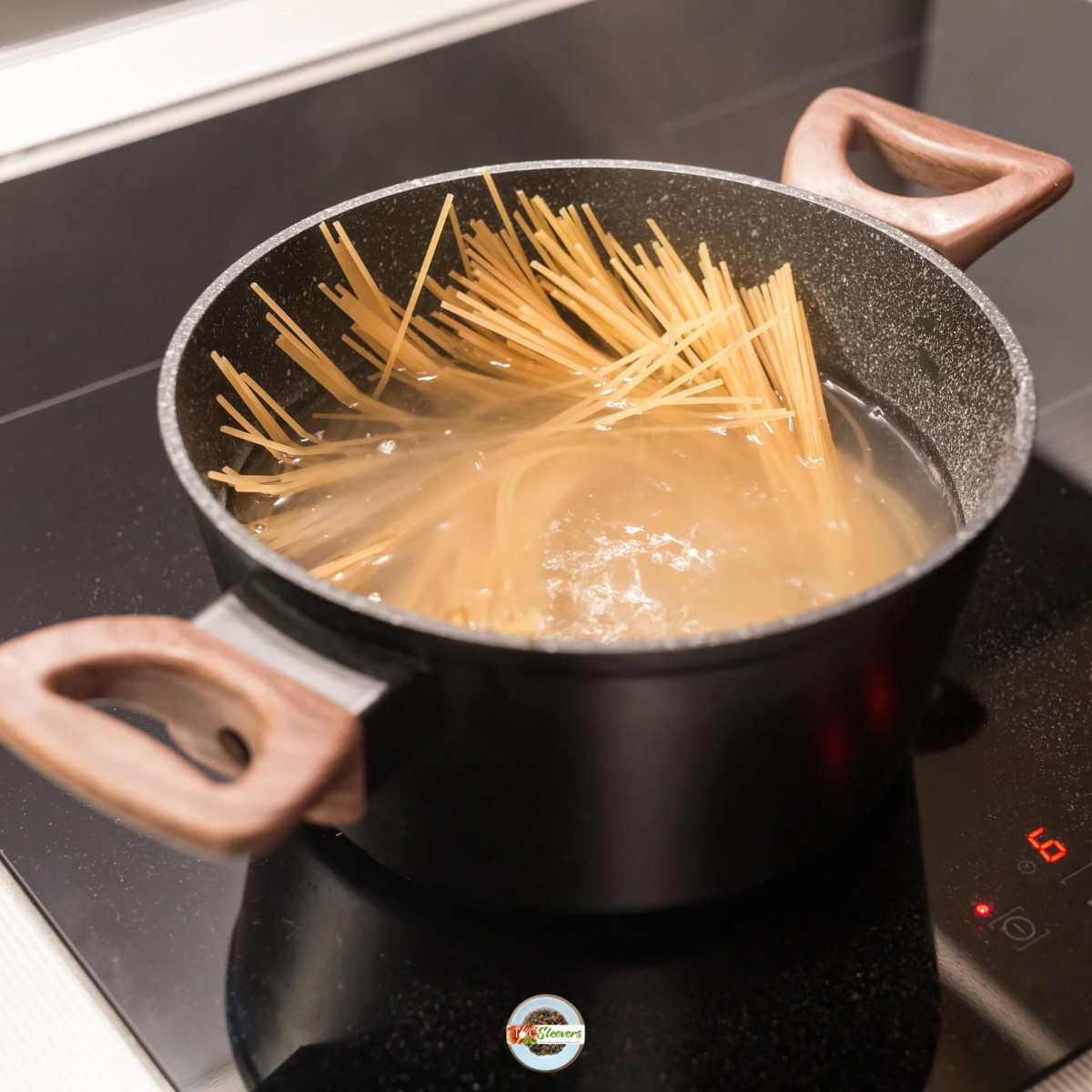
Fully cooked pasta should be added during the final 5 to 10 minutes, just long enough to warm it.
If the pasta is already hot, stir it into the finished sauce immediately before serving. Leaving cooked noodles in a slow cooker for an extended period can make them soft and swollen.
For the best texture, you can also place cooked pasta directly into individual bowls and spoon the slow cooker sauce or soup over it.
This method works especially well for:
- Beef stroganoff
- Swedish meatballs
- Chicken Alfredo
- Tomato meat sauce
- Chicken noodle soup
- Creamy chicken dishes
- Meatballs and gravy
- Slow cooker curry served with noodles
These Crockpot Swedish Meatballs can be served over separately cooked noodles, rice, or mashed potatoes.
How Much Liquid Does Pasta Need In A Slow Cooker?
There is no universal slow cooker pasta-to-liquid ratio because the other ingredients affect the amount of available moisture.
Consider:
- The amount of pasta
- Type and thickness of pasta
- Broth already in the recipe
- Thickness of the sauce
- Liquid released by meat and vegetables
- Whether the slow cooker is on LOW or HIGH
- How much steam escapes
- Desired finished consistency
The pasta needs enough hot liquid to soften evenly, but it does not always need to be completely submerged as it would be in a pot of boiling water.
Stir the pasta into the liquid and press down any exposed pieces. If the mixture is extremely thick, add warm broth or water in small amounts.
Adding too much liquid can create a watery sauce. Start conservatively and add more only when the noodles appear dry or cannot be stirred.
Should You Add Hot Or Cold Liquid?
If additional liquid is needed when you add the pasta, use warm or hot broth, water, or milk rather than a large amount of cold liquid.
Cold liquid lowers the temperature inside the slow cooker and increases the time required for the pasta to begin cooking.
This does not mean the liquid needs to be boiling. Warm liquid simply helps the cooker return to an effective temperature more quickly.
When To Add Different Types Of Pasta
Egg Noodles
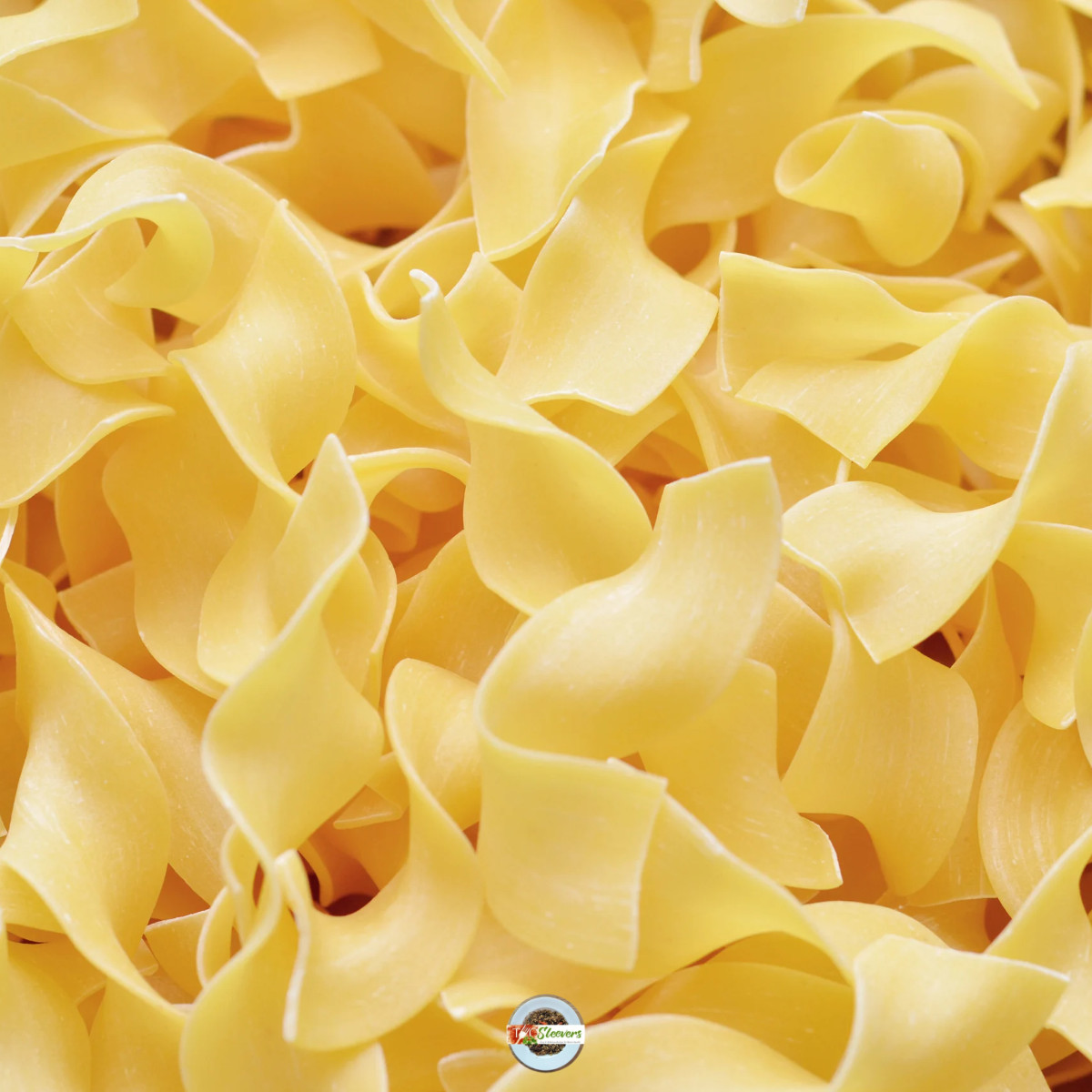
Add egg noodles during the final 15 to 30 minutes on HIGH.
Egg noodles are relatively delicate and can become soft quickly. Begin checking them after 15 minutes, especially if they are thin.
This is particularly important in Crockpot Chicken Noodle Soup, where leaving egg noodles in the slow cooker too long can make them mushy.
If you expect leftovers, consider cooking the noodles separately and adding them to each bowl.
Penne, Rotini, And Ziti
Add medium pasta shapes during the final 25 to 40 minutes on HIGH.
These sturdy shapes hold up better than egg noodles, but they still need to be monitored. Stir them once if the recipe permits and check for tenderness near the beginning of the range.
Elbow Macaroni
Add elbow macaroni during the final 20 to 35 minutes on HIGH.
Macaroni releases plenty of starch, which can thicken the surrounding liquid. This can be useful for macaroni and cheese, but it may make soup or sauce thicker than expected.
Lasagna Noodles
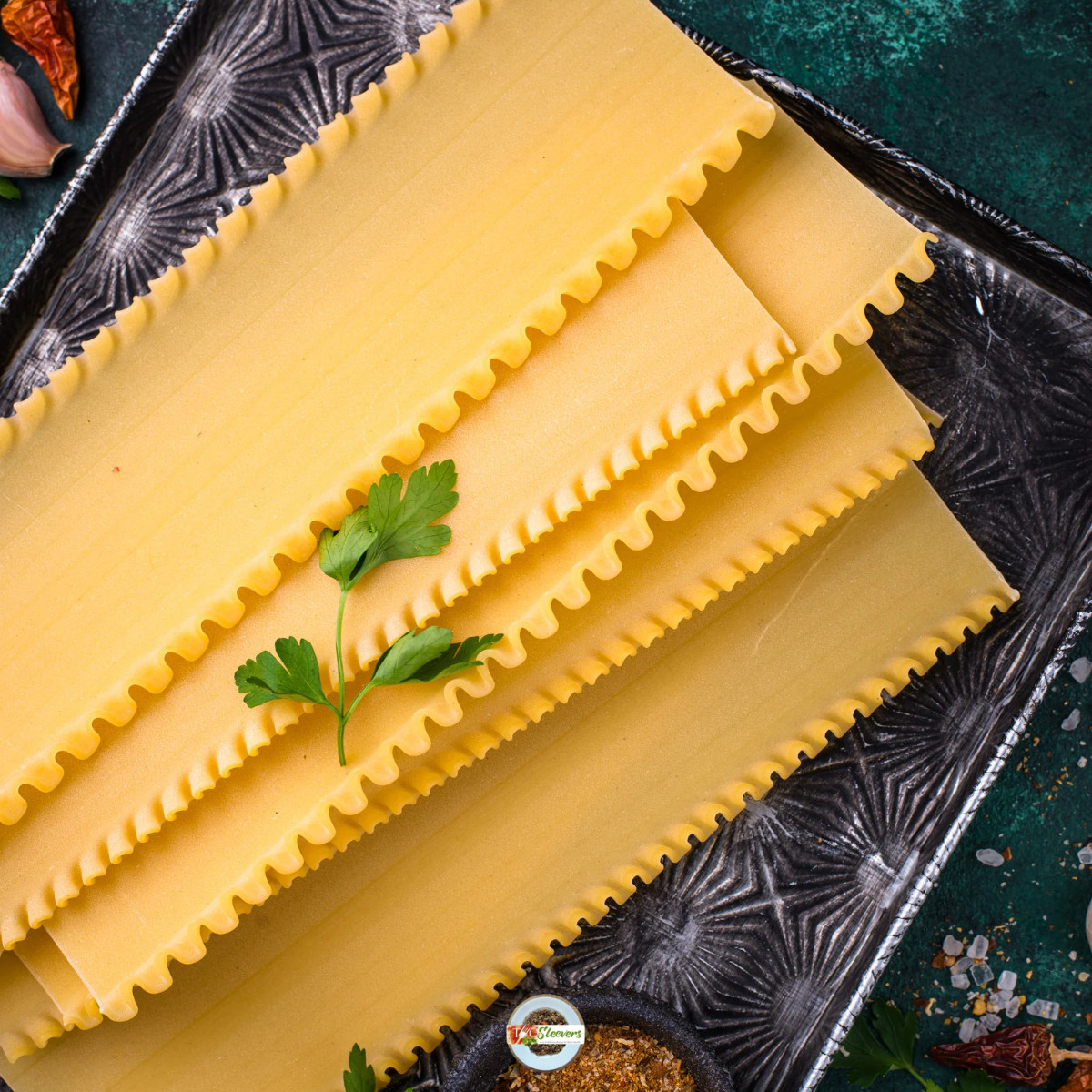
Break dry lasagna noodles into relatively even pieces and add them during the final 25 to 40 minutes.
Make sure the pieces are distributed throughout the liquid rather than stacked together. Overlapping pieces can stick and cook unevenly.
Fettuccine And Spaghetti
Long pasta can be more difficult to cook evenly in a slow cooker. It may clump, break, or remain exposed above the liquid.
If a tested recipe calls for it, break the noodles as directed and stir them carefully into the sauce. Otherwise, cook long noodles separately.
The Crock Pot Chicken Alfredo recipe adds fettuccine after the chicken is cooked and allows the pasta to cook in the sauce for approximately 30 minutes.
Tortellini
Refrigerated tortellini cooks quickly and should usually be added during the final 10 to 20 minutes.
Dried tortellini may need 20 to 35 minutes, while frozen tortellini may require a little longer. Follow the package instructions and begin checking early.
Do not continue cooking simply because the recipe's original time has not elapsed. Remove the meal from active heat when the pasta is tender.
Ravioli
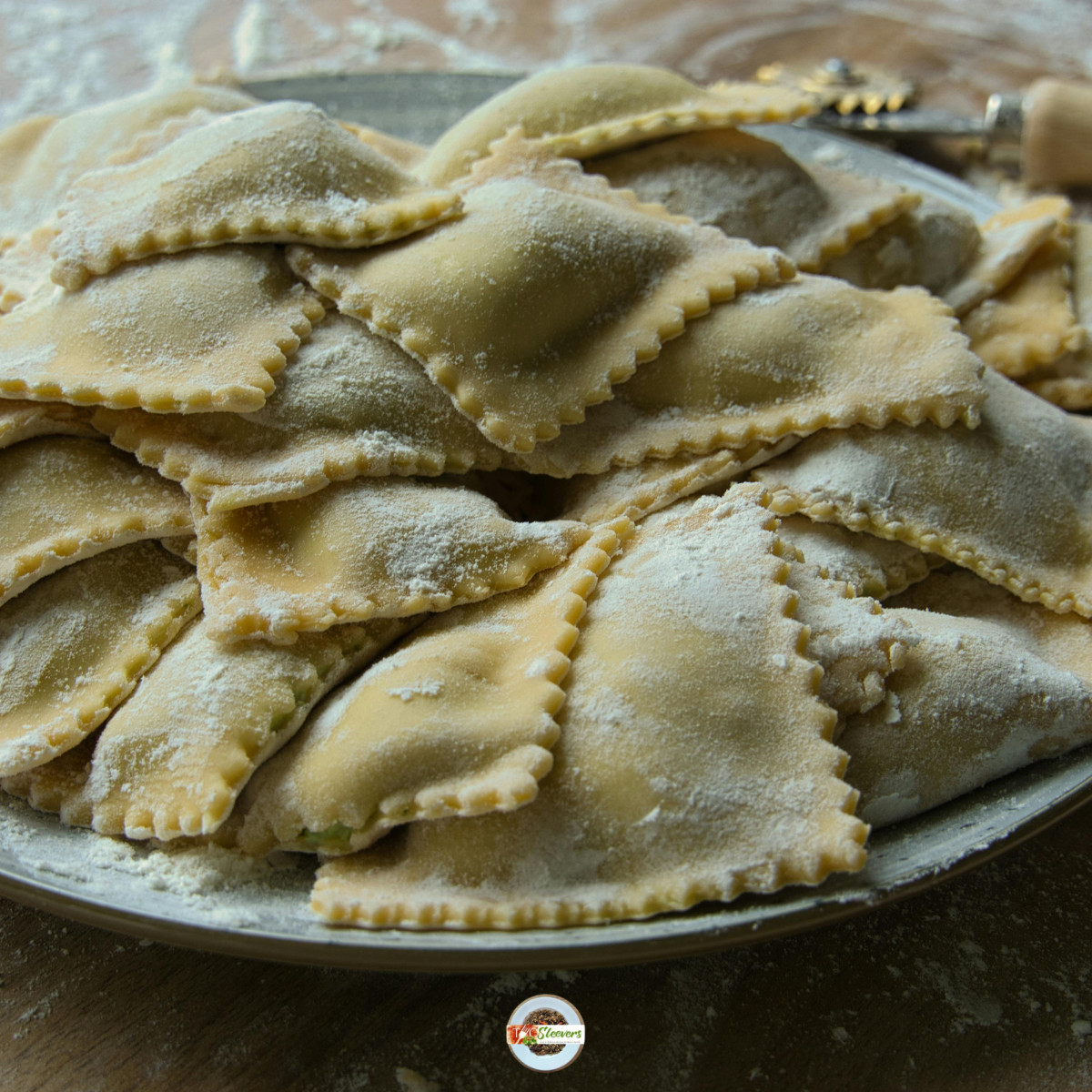
Refrigerated ravioli is delicate and can split if stirred aggressively. Add it during the final 10 to 20 minutes and fold it gently into the hot liquid.
Large or frozen ravioli may need longer, but the exact time varies considerably by brand and filling.
Orzo
Orzo is small and can cook quickly. Add it during the final 15 to 25 minutes on HIGH.
Because orzo releases starch and absorbs a large amount of liquid relative to its size, monitor the sauce or broth closely.
Gluten-Free Pasta
Gluten-free pasta is often best cooked separately. Some varieties soften quickly, release more starch, or break apart when held in hot liquid.
If you want to cook it in the slow cooker, use a tested recipe written for that specific pasta and check it frequently.
Whole Wheat Pasta
Whole wheat pasta is firmer than standard pasta but can still become mushy if cooked too long. Add it near the end and expect that it may need slightly more time or liquid.
Fresh Pasta
Fresh pasta cooks much faster than dry pasta. Add it during the final 5 to 15 minutes and monitor it carefully.
Delicate homemade pasta may be better cooked separately.
Can You Add Pasta At The Beginning?
Pasta should rarely be added at the beginning of a long slow cooker recipe.
An exception may be a tested recipe specifically designed around uncooked pasta, a carefully measured amount of liquid, and a shorter overall cooking time.
Do not adapt a standard six- or eight-hour soup by simply adding pasta at the beginning. The noodles will likely become severely overcooked.
Follow the complete recipe rather than treating all slow cooker pasta dishes the same.
How To Add Pasta To Slow Cooker Soup
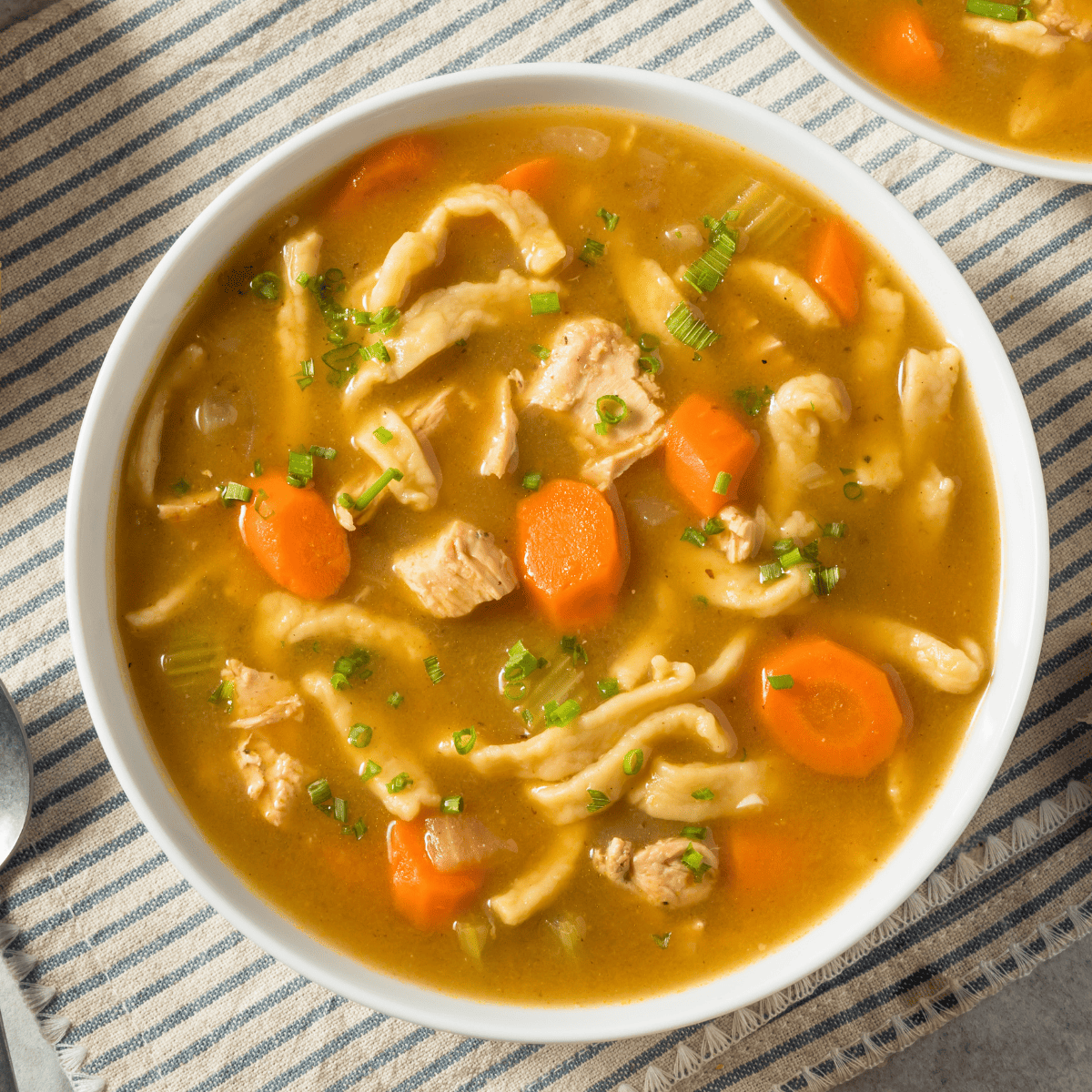
Use these steps for adding dry pasta to a slow cooker soup:
- Cook the meat, vegetables, broth, and seasonings as directed.
- Confirm that the long-cooking ingredients are tender.
- Remove bones or shred the meat if necessary.
- Switch the slow cooker to HIGH.
- Make sure there is enough broth for the pasta.
- Stir in the dry pasta.
- Replace the lid.
- Begin checking after 15 minutes.
- Stir once if necessary.
- Stop cooking when the pasta is just tender.
If the soup becomes too thick, stir in additional warm broth.
For more comforting meal ideas, browse these Chicken Soup Recipes.
How To Add Pasta To Slow Cooker Sauce
Thick sauces require more attention than broth-based soups.
Before adding pasta:
- Confirm that the meat is fully cooked.
- Shred or slice the protein as needed.
- Check the amount of sauce.
- Add warm broth or water if the sauce is extremely thick.
- Switch the slow cooker to HIGH.
- Stir the pasta thoroughly into the liquid.
Check frequently because the pasta may absorb the sauce quickly.
If the recipe contains cream, Parmesan, sour cream, or another dairy ingredient, the order of additions matters. In many recipes, pasta cooks in broth first and the final dairy ingredients are stirred in after the noodles become tender.
This reduces the chance of the sauce separating or scorching.
When To Add Dairy To Slow Cooker Pasta
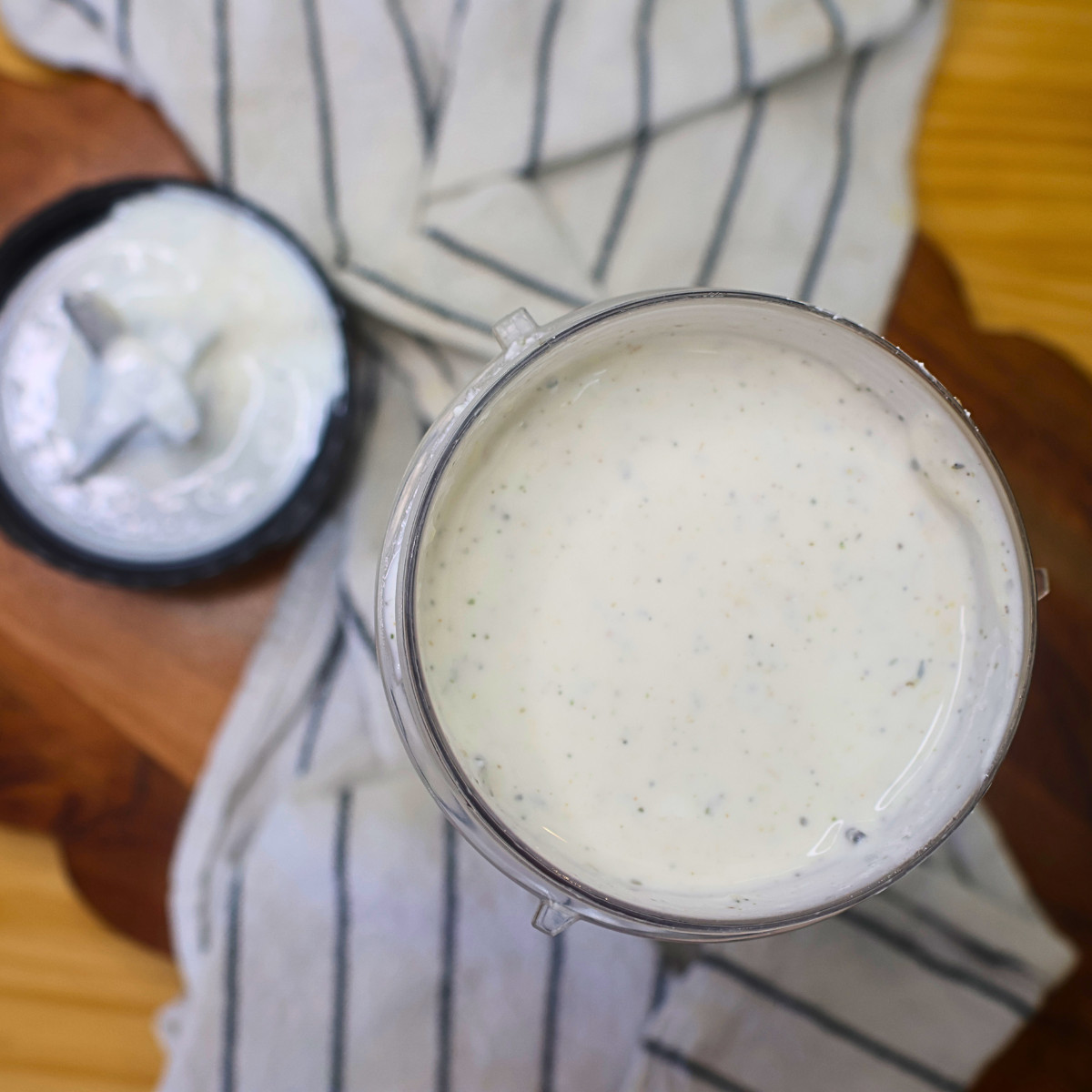
Milk, cream, sour cream, yogurt, and cheese are often best added near the end of slow cooking.
Long exposure to heat can cause dairy to:
- Separate
- Become grainy
- Scorch around the edges
- Produce an oily sauce
- Thicken excessively
Follow the tested recipe whenever one is available.
For creamy slow cooker pasta:
- Cook the protein and sturdy vegetables first.
- Add the pasta and necessary broth near the end.
- Cook until the pasta is almost tender.
- Stir in dairy and cheese as directed.
- Heat only until the sauce is smooth and hot.
- Serve promptly.
Should You Stir Pasta In A Slow Cooker?
Stir the pasta when you add it so all pieces make contact with the liquid.
Depending on the recipe, one additional stir halfway through the pasta cooking time may help prevent clumping. Work quickly and replace the lid immediately because opening the slow cooker releases heat.
Do not stir delicate ravioli or tortellini aggressively. Fold them into the liquid using a silicone spatula or large spoon.
How Often Should You Check Slow Cooker Pasta?
Begin checking at the earliest suggested time and continue in 5-minute intervals.
Slow cookers vary, and pasta can go from firm to overcooked quickly. Check a piece from the center of the slow cooker, not only the noodles near the edge.
The pasta is ready when it is:
- Tender throughout
- Not hard or chalky in the center
- Still holding its shape
- Easy to bite without becoming mushy
Stop active cooking immediately. The pasta will continue softening slightly in the hot sauce.
Should Pasta Be Al Dente In A Slow Cooker?
Aim to stop cooking when the pasta is just tender or very slightly firmer than your preferred final texture.
Residual heat continues cooking the noodles after the slow cooker is turned off. If the pasta is already extremely soft when you stop cooking, it may become mushy by the time the meal is served.
For true al dente texture, cooking the pasta separately on the stovetop is the most reliable method.
Why Is My Slow Cooker Pasta Mushy?
Mushy pasta usually means it cooked too long.
Other possible causes include:
- The pasta was added at the beginning.
- The slow cooker runs hot.
- A delicate pasta shape was used.
- The meal stayed on WARM too long.
- The pasta sat in the hot sauce after cooking.
- The noodles were partially cooked before being added.
- The pasta pieces were too small.
- The recipe contained more liquid than needed.
Can You Fix Mushy Pasta?
You cannot restore the original structure of overcooked pasta, but you may be able to improve the meal.
Try:
- Serving it immediately
- Adding freshly cooked al dente pasta for texture
- Stirring in cooked vegetables
- Adding shredded chicken or meat
- Thickening excess broth separately
- Turning the mixture into a pasta bake
- Adding a crisp topping before serving
For the next batch, add the pasta later and begin checking it sooner.
Why Is My Pasta Still Hard?
Undercooked pasta may not have received enough time, heat, or liquid.
Check whether:
- The slow cooker was switched to HIGH.
- The liquid was hot when the pasta was added.
- The noodles are surrounded by liquid.
- The lid was closed properly.
- The pasta is unusually thick.
- The cooker is overfilled.
- The sauce is too thick for the pasta to hydrate.
Add a small amount of warm broth, stir, replace the lid, and continue cooking in 5- to 10-minute intervals.
Why Is The Pasta Cooking Unevenly?
Uneven cooking can happen when pasta is not evenly distributed.
Common causes include:
- Some noodles are above the liquid.
- Long pasta is clumped together.
- The pasta was added in one large pile.
- The sauce is too thick to circulate.
- The slow cooker is overcrowded.
- The pasta pieces vary greatly in size.
- The mixture was not stirred when the pasta was added.
Stir dry pasta into the hot liquid and separate any pieces that are stuck together.
Why Did My Slow Cooker Sauce Become Too Thick?
Pasta releases starch and absorbs liquid as it cooks.
To loosen an overly thick sauce or soup, add warm:
- Broth
- Water
- Milk
- Cream
- Tomato sauce
- Reserved pasta water, if pasta was cooked separately
Choose a liquid that matches the recipe. Add only a small amount at a time so the dish does not become watery.
Why Did My Sauce Become Watery?
The recipe may contain more liquid than the pasta can absorb, or the meat and vegetables may have released unexpected moisture.
Try:
- Removing the lid briefly after the pasta is cooked
- Using the slow cooker's HIGH setting
- Stirring in cheese if appropriate
- Removing some liquid
- Serving the meal with separately cooked pasta
- Thickening the sauce using the method recommended by the recipe
Do not leave the pasta cooking indefinitely to absorb excess sauce. It may become mushy before the sauce reaches the desired consistency.
For additional thickening methods, read How To Thicken Soup Without Flour Or Cornstarch.
Can You Leave Pasta On The WARM Setting?
Pasta should not remain on WARM for an extended period. It continues absorbing liquid and may become swollen, soft, or broken.
If dinner needs to stay warm:
- Keep the pasta separate.
- Hold the sauce or soup in the slow cooker.
- Add pasta to individual servings.
- Prepare slightly less pasta than you think you need.
- Refrigerate extra cooked pasta separately.
This is especially helpful for parties, potlucks, and families eating at different times.
How To Store Slow Cooker Pasta
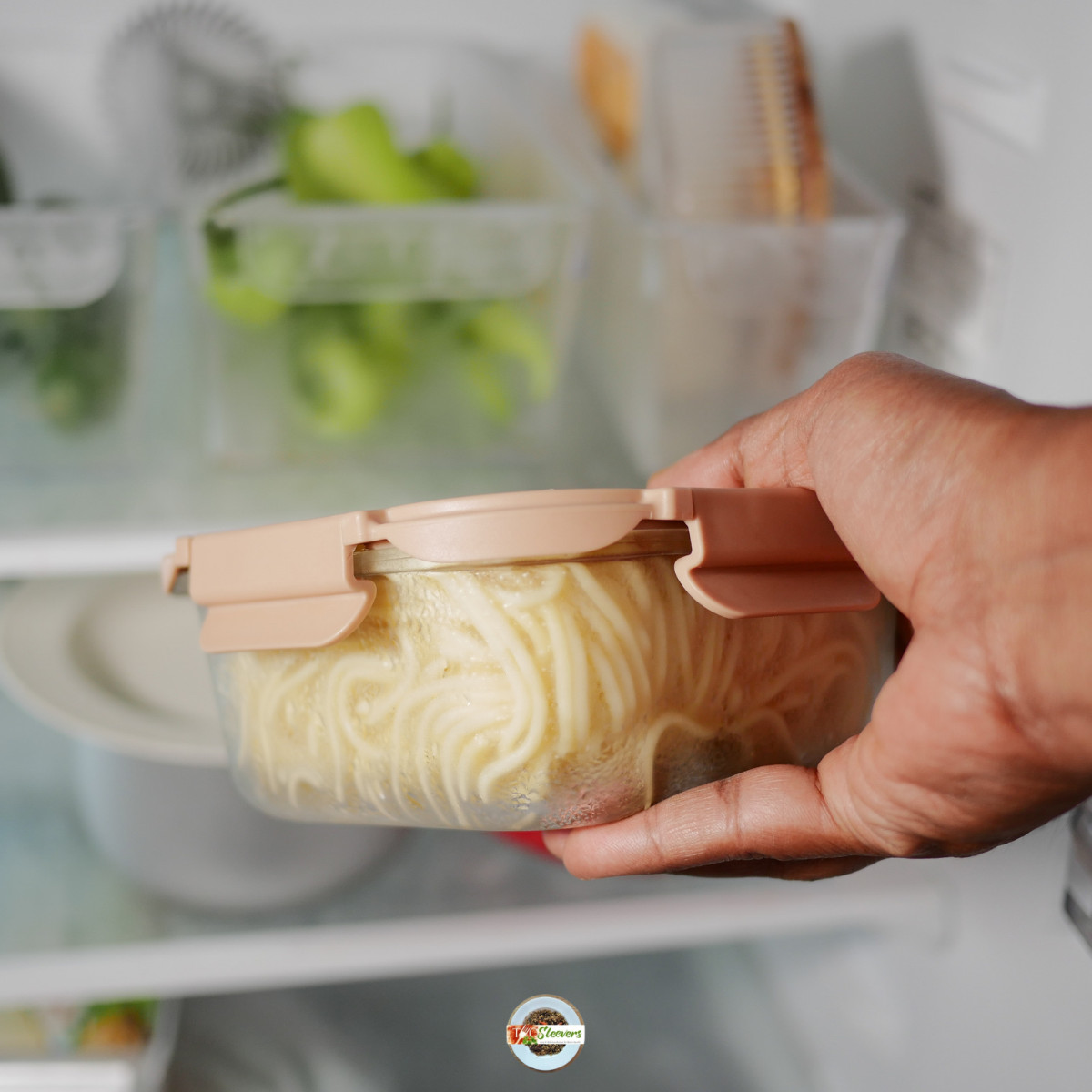
Transfer leftovers to shallow airtight containers and refrigerate them promptly.
Pasta stored in sauce continues absorbing moisture, so leftovers may be significantly thicker the next day.
For the best meal-prep texture:
- Store pasta and sauce separately.
- Toss cooked pasta with a very small amount of oil if necessary.
- Refrigerate the components in airtight containers.
- Combine only the amount you plan to reheat.
- Add broth, water, milk, or sauce while reheating.
Can You Freeze Slow Cooker Pasta?
Cooked pasta can be frozen, but its texture may soften after thawing and reheating.
Soups, sauces, and meat mixtures often freeze better without the pasta. Freeze the slow cooker base, then cook fresh pasta when you are ready to serve it.
If freezing a complete pasta dish:
- Slightly undercook the pasta.
- Cool it promptly.
- Portion it into airtight containers.
- Label and date each portion.
- Thaw it in the refrigerator.
- Reheat gently with additional liquid as needed.
Use this guide to Freezing And Reheating Casseroles for more make-ahead storage tips.
Can You Reheat Pasta In A Slow Cooker?
A slow cooker is not the best appliance for reheating cold pasta. It heats gradually and may leave food at an unsafe temperature for too long.
Reheat leftovers using the stovetop, microwave, or oven until thoroughly hot. You can then transfer the hot food to a preheated slow cooker for serving if needed.
When reheating pasta:
- Add a splash of broth, water, milk, or sauce.
- Cover the container.
- Stir periodically.
- Heat only until hot.
- Avoid repeated reheating.
Slow Cooker Pasta Tips And Tricks

- Add Pasta Last. Most pasta belongs in the final 20 to 40 minutes.
- Use HIGH. Pasta generally cooks more evenly on the HIGH setting.
- Start Checking Early. Slow cookers and pasta brands vary.
- Use Enough Liquid. The noodles need moisture to soften evenly.
- Do Not Add Too Much Liquid. Pasta sauces can become watery.
- Stir At The Beginning. Make sure the noodles are distributed through the liquid.
- Keep The Lid Closed. Frequent opening lowers the temperature.
- Stop At Just Tender. Residual heat continues cooking the pasta.
- Serve Promptly. Holding pasta on WARM leads to softer noodles.
- Cook Separately For Meal Prep. Separate storage protects the texture.
- Use Tested Recipes. Pasta shape and liquid ratio matter.
- Add Dairy Near The End. Cream and cheese may separate during long cooking.
Frequently Asked Questions
How Long Does Pasta Take In A Slow Cooker?
Most dry pasta needs approximately 20 to 40 minutes on HIGH when added to hot liquid near the end of cooking. Thin egg noodles and fresh pasta may cook faster, while thick or sturdy shapes may need longer.
Can You Put Dry Pasta Directly Into A Slow Cooker?
Yes, as long as the recipe contains enough hot liquid and the pasta is added near the end. Stir it into the liquid and check it frequently.
Can You Add Pasta To A Slow Cooker On LOW?
You can, but the timing is less predictable. HIGH usually produces more reliable results after pasta is added.
Should Pasta Be Cooked Before Adding It To Slow Cooker Soup?
It is not always necessary. Cooking the pasta separately is helpful when you expect leftovers, want precise texture, or plan to keep the soup warm for an extended period.
Will Pasta Soak Up Sauce In A Slow Cooker?
Yes. Pasta absorbs liquid while cooking and continues to absorb sauce as it sits. You may need additional broth or sauce when reheating leftovers.
Can You Add Cooked Pasta At The End?
Yes. Stir cooked pasta into the finished dish during the final 5 to 10 minutes, or place it in individual bowls and spoon the hot sauce over it.
Can You Put Uncooked Egg Noodles In A Slow Cooker?
Yes. Add them during the final 15 to 30 minutes on HIGH and begin checking early. Thin egg noodles can become mushy quickly.
Can You Cook Spaghetti In A Slow Cooker?
You can, but long noodles may clump or cook unevenly. Follow a tested recipe or cook spaghetti separately for more reliable results.
When Should You Add Tortellini To A Slow Cooker?
Add refrigerated tortellini during the final 10 to 20 minutes. Dried or frozen tortellini may require longer, so follow the package instructions and check frequently.
When Should You Add Ravioli?
Add refrigerated ravioli during the final 10 to 20 minutes. Fold it gently into the liquid to prevent the pasta from splitting.
How Do You Keep Slow Cooker Pasta From Getting Mushy?
Add it near the end, use the HIGH setting, check it frequently, stop cooking when it is just tender, and serve it promptly.
Can You Use Gluten-Free Pasta?
Yes, but gluten-free noodles can be more delicate. For the most reliable texture, cook them separately and add them to each serving.
Do You Need More Liquid When Adding Pasta?
Sometimes. Soups may already contain enough broth, while thick sauces may need additional warm liquid. Add only enough to help the pasta cook evenly.
Can You Double The Pasta?
Do not double only the pasta without adjusting the liquid and checking the slow cooker capacity. Additional pasta absorbs more moisture and can make the recipe dry, thick, or unevenly cooked.
Can You Convert Any Pasta Recipe To A Slow Cooker?
No. Pasta requires the correct liquid ratio and staged cooking time. Use a tested slow cooker recipe rather than simply extending a stovetop recipe for several hours.
If you are switching appliances, read How To Convert A Slow Cooker Recipe To An Instant Pot before changing the timing and liquid.
More Slow Cooker Recipes And Guides
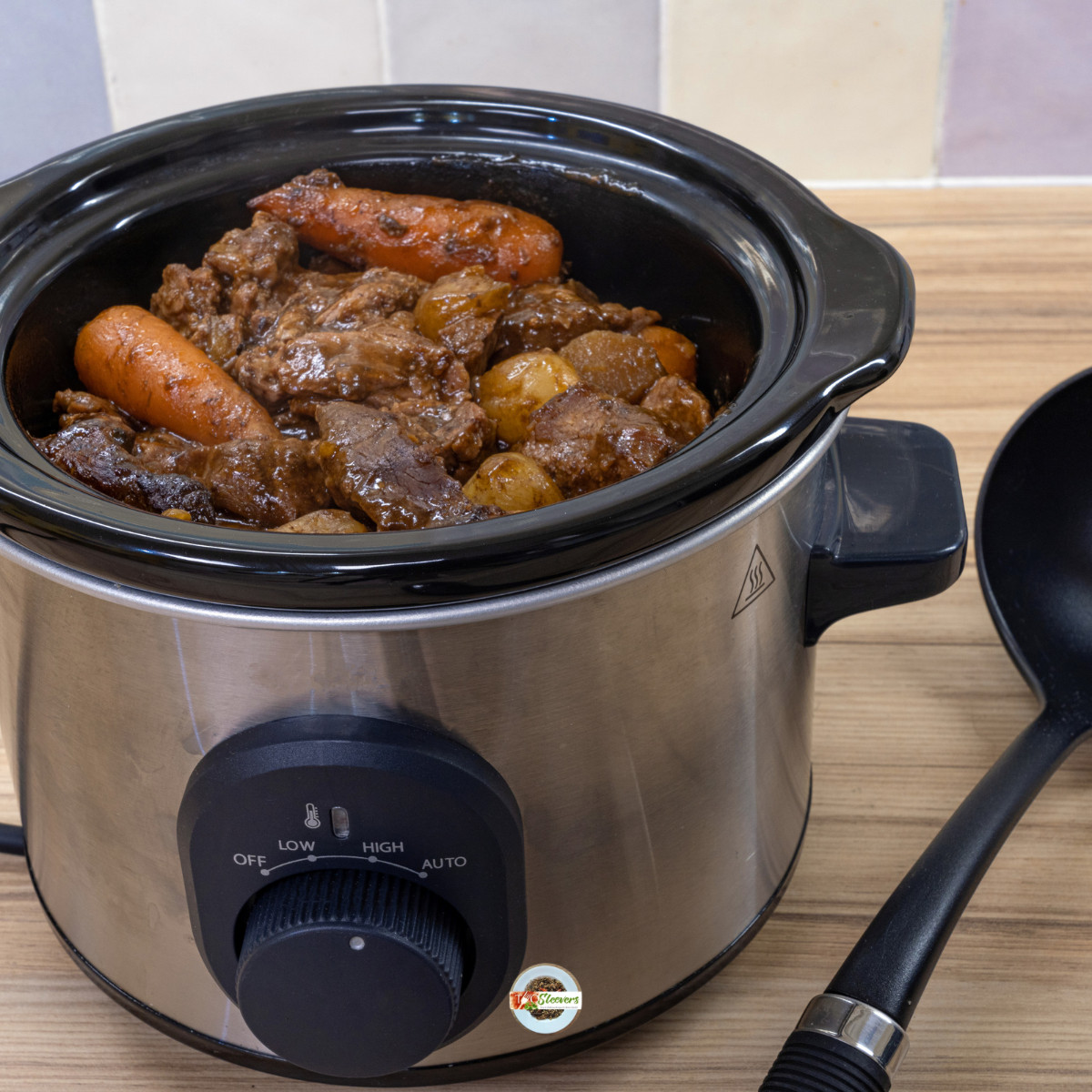
Put these tips into practice with complete recipes and helpful cooking guides:
- Slow Cooker Chicken Cooking Times By Cut
- Slow Cooker Beef Cooking Times By Cut
- Crockpot Swedish Meatballs
- Slow Cooker Butter Chicken
- Slow Cooker Recipes
- Pasta Recipes
The best time to add pasta to a slow cooker is usually during the final 20 to 40 minutes on HIGH. Begin checking early, use enough liquid to surround the noodles, and stop cooking when they are just tender. When texture matters most or you expect plenty of leftovers, cook the pasta separately and combine it with the finished slow cooker meal immediately before serving.